Massachusetts has come one step closer to a pilot program involving cannabis cafes across the state. This will also bring about more licenses for cannabis delivery and social consumption, as a less capital-intensive option for entrepreneurs to enter the industry. http://bit.ly/2IOjOUz
To explore related information, click the keywords below:
Crossing the Line: Care of a Pediatric Patient with Intractable Seizures and Severe Neuropathic Pain in Absence of Access to Medical Marijuana
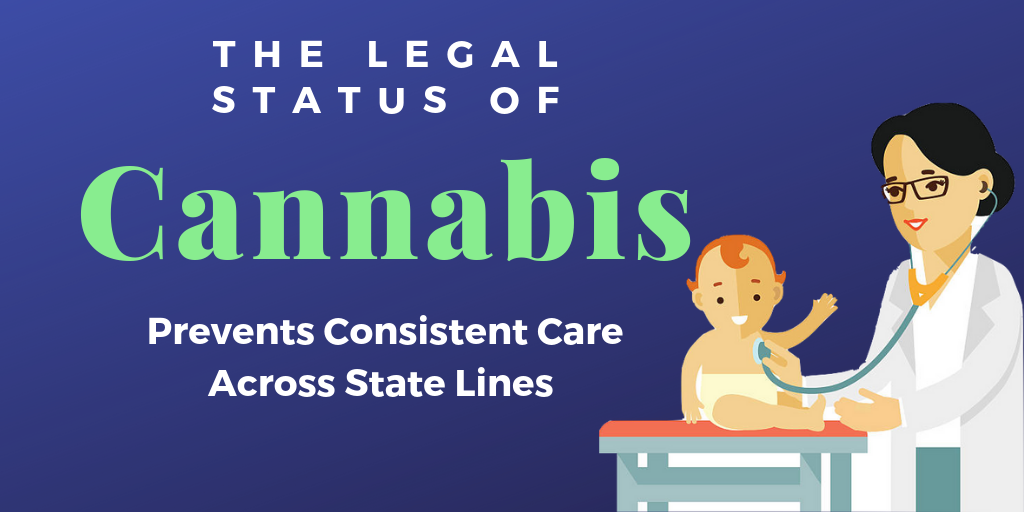
A recent case report discussing a six-year-old patient suffering from a seizure disorder has exposed the difficulty is receiving treatment across state lines. The patient was prescribed medical marijuana that alleviated the severity and duration of her seizures but was weaned off that medication when traveling to Nebraska for a therapeutic surgery due to the legal status in the state. This case study exposes the difficulty of treating patients across the country due to the legal variability of cannabis across states.
An interesting question brought up in this case study is how to handle palliative care in the absence of opioids and without synthetic products. A combination of massage, essential oils, and salt light therapies were able to compensate for medical marijuana, but not without great effort. Natural therapies like the ones administered here are costly and highlight the simplicity and effectiveness of medicinal cannabis.
A 2018 literature review summarizes the findings on cannabis and gut health. The endocannabinoid system plays a key role in gut motility, obesity, and inflammatory bowel disease (IBD). Targeting the endocannabinoid system with CBD oil or other cannabinoids seems to reduce colonic inflammation and relieve stress, at a microscopic level, inside the gastrointestinal tract. Watch our video adaptation of the effects of cannabis on IBD:
Preliminary testing shows positive results towards using CBD as an antibiotic topically, but also potentially to deal with systematic infections, such as pneumonia, using oral dosing. One of the present concerns is the struggle of getting permits to handle these cannabinoids to do further testing.
While these specific findings have not yet been published in a peer-review journal, this is far from the first time we have seen antimicrobial activity associated with plants or with cannabis. Evolutionarily, this trait is believed to be adaptive for the plant, and within cannabinoid, terpenoid, and flavonoid compounds, this activity has been demonstrated reproducibly, both in the lab and in clinic. http://bit.ly/2LbTwxm
To explore related information, check the CED Foundation MMJ archive to search, or click the keywords below:
Benjamin Caplan, MDCBD antibacterial properties, topically
Exciting note to Massachusetts medical cannabis patients: Beginning July 1, medical patients will have the opportunity for an “Initial Access Certification” once they have seen their certifying physician. This access is good for 14 days, so patients will no longer have to wait for the state approval process before having access to medication. More info: http://bit.ly/2LmFY1Q
View the full documentation (yellow link) or download:
In October 2018, recreational cannabis became legal in Canada. And in 2019, researchers asked nearly 20 thousand Canadians over the age of 15 about their cannabis habits. The survey found that 1 in 5 Canadians plan on trying or increasing cannabis use following legalization for non-medical purposes, particularly those who are younger, who have used cannabis in the past 3 months, and who have a higher income. To ensure responsible cannabis use and informed decision-making, clinicians and policy-makers should pay close attention to these higher risk populations.
A 2019 literature review summarizes the findings on cannabis use for patients with multiple sclerosis. Cannabis has been shown to aid a number of symptoms associated with multiple sclerosis, including chronic pain, spasticity, and problems with sleep. To learn more, check out our video adaptation below:
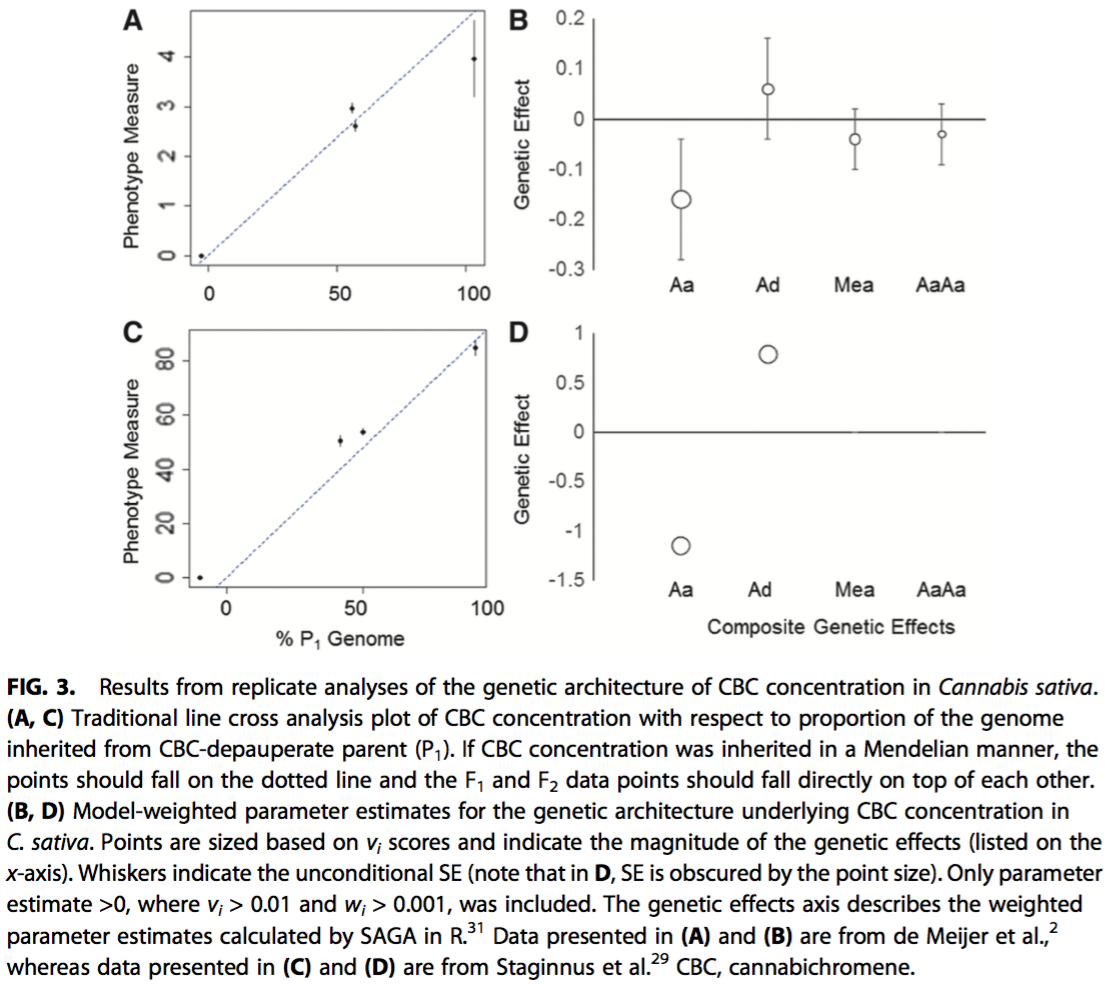
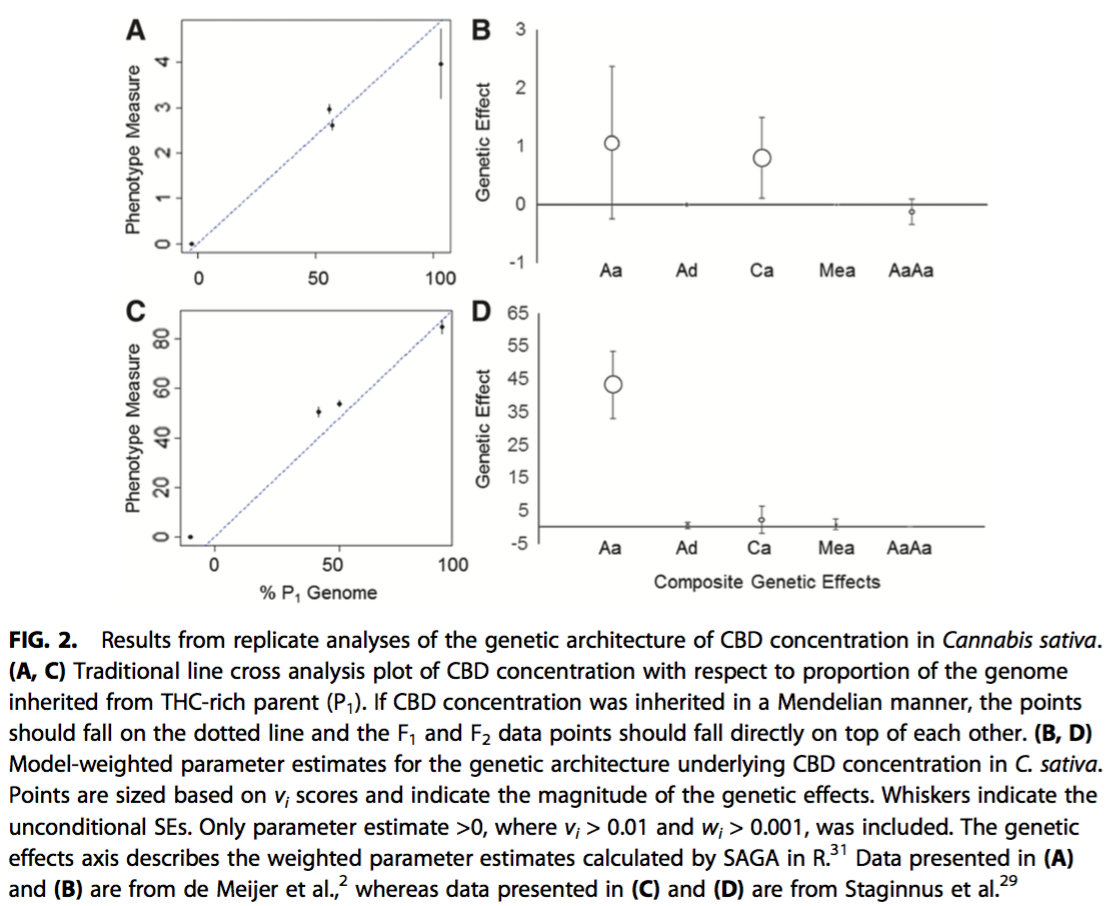
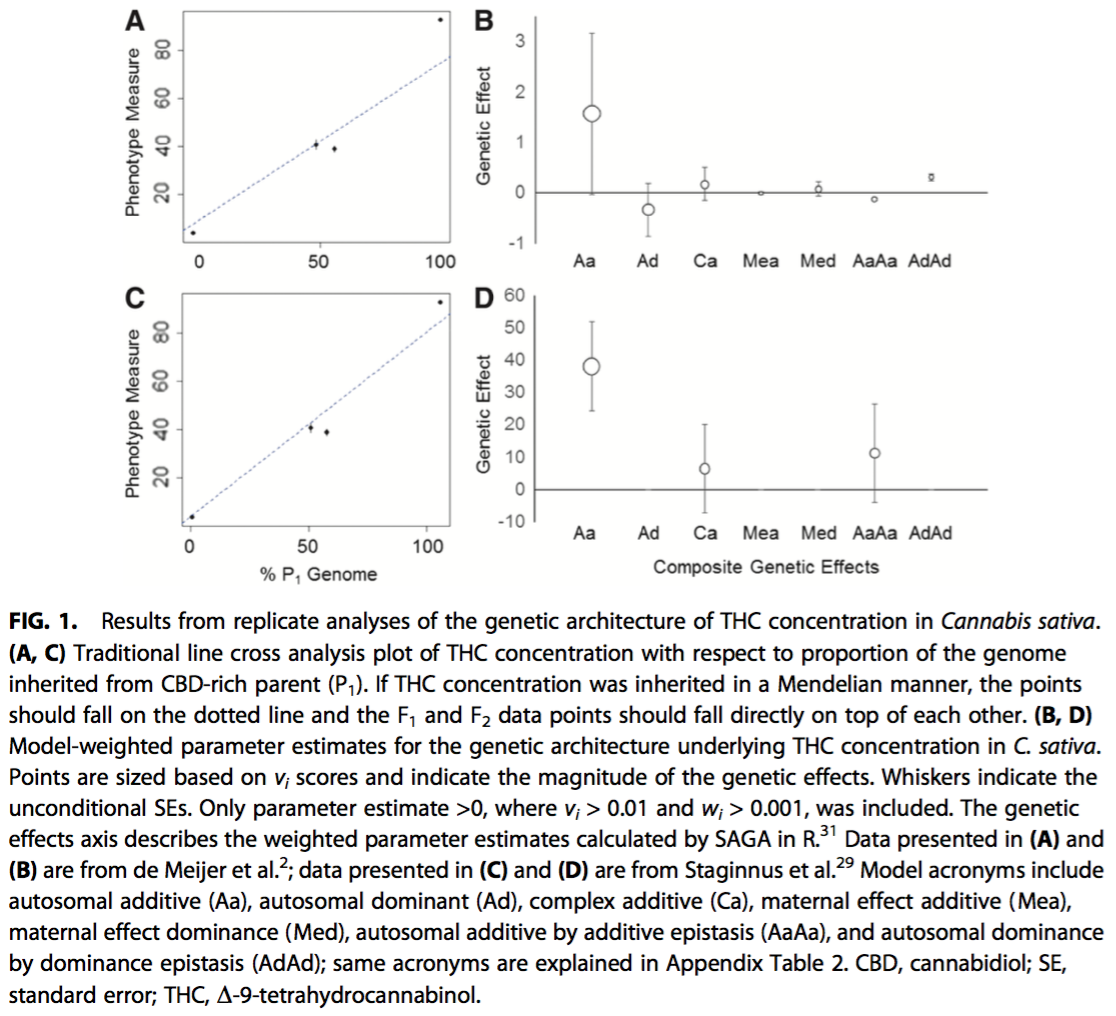
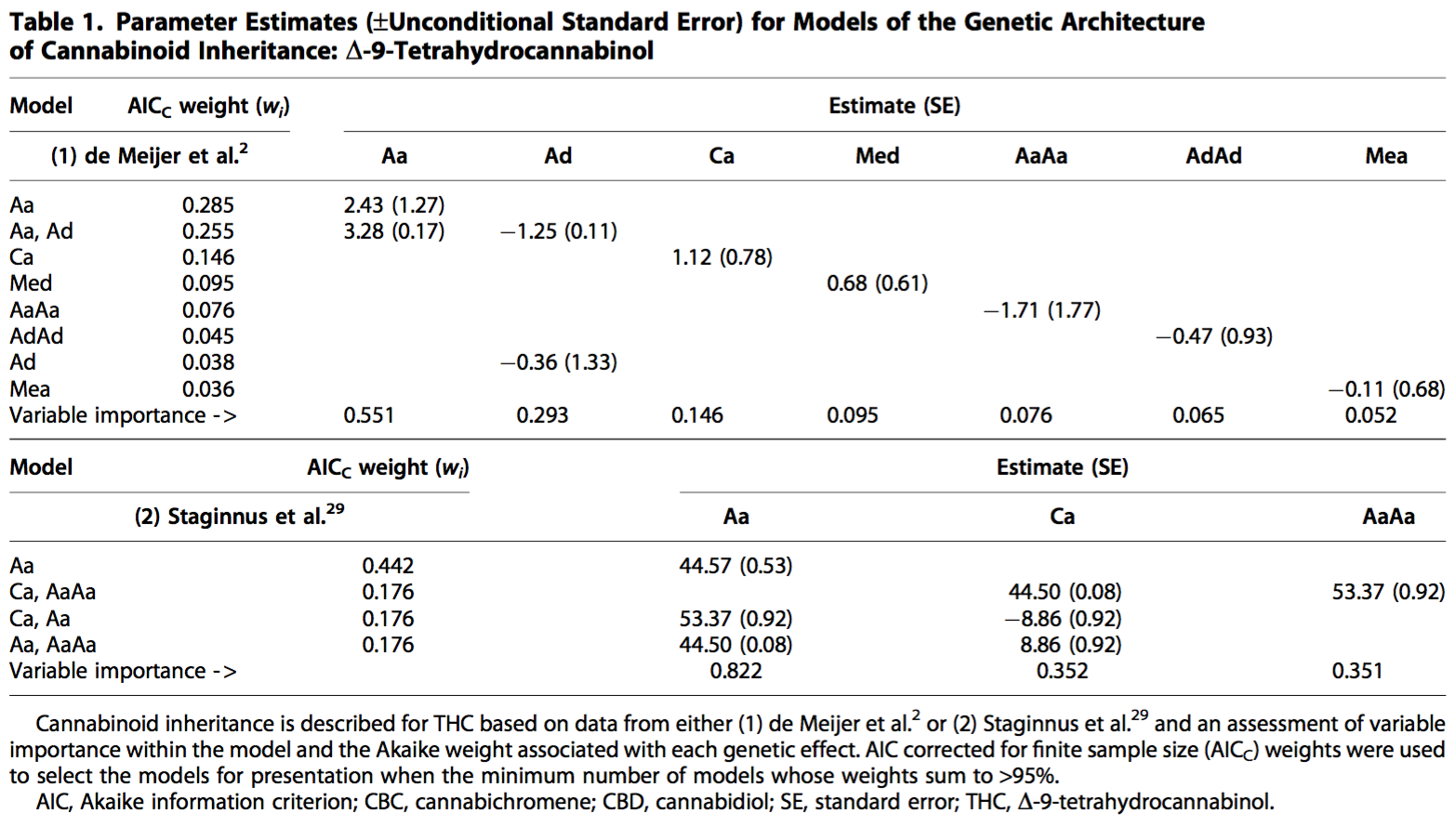
Cannabinoid Inheritance Relies on Complex Genetic Architecture
Researchers have recently attempted to discover the genetic basis of cannabinoid production within cannabis plants, finding a complex genetic architecture. This study highlights the lack of knowledge surrounding cannabis cultivation, suggesting current producers record the phenotypic and genetic crosses they breed so that the community can further research the cannabinoids produced. Specifying which genetic profiles match up to the ratio of cannabinoids produced will benefit mass production and medical research.
The introduction of this article focuses heavily on the ratio of ∆-9-tetrahydrocannabinol to cannabidiol, yet there are therapeutic benefits associated with all of the other cannabinoidsas well as flavonoids and terpenes produced by the plant. Multiple chemical components of cannabis strains have yet to be fully explored and preliminary findings warrant the same amount of attention in order to develop various therapies.
In a mice-model study, researchers found that low dose THC:CBD might successfully treat neuropathic pain.
Neuropathic pain is pain caused by damage to the somatosensory nervous system. Neuropathic pain may be associated with abnormal sensations or pain from normally non-painful stimuli, for example, Phantom Limb Syndrome.