Future Medicine

Cannabis is a Safe and Effect for the Treatment of Fibromyalgia

Safety and Efficacy of Medical Cannabis in Fibromyalgia 

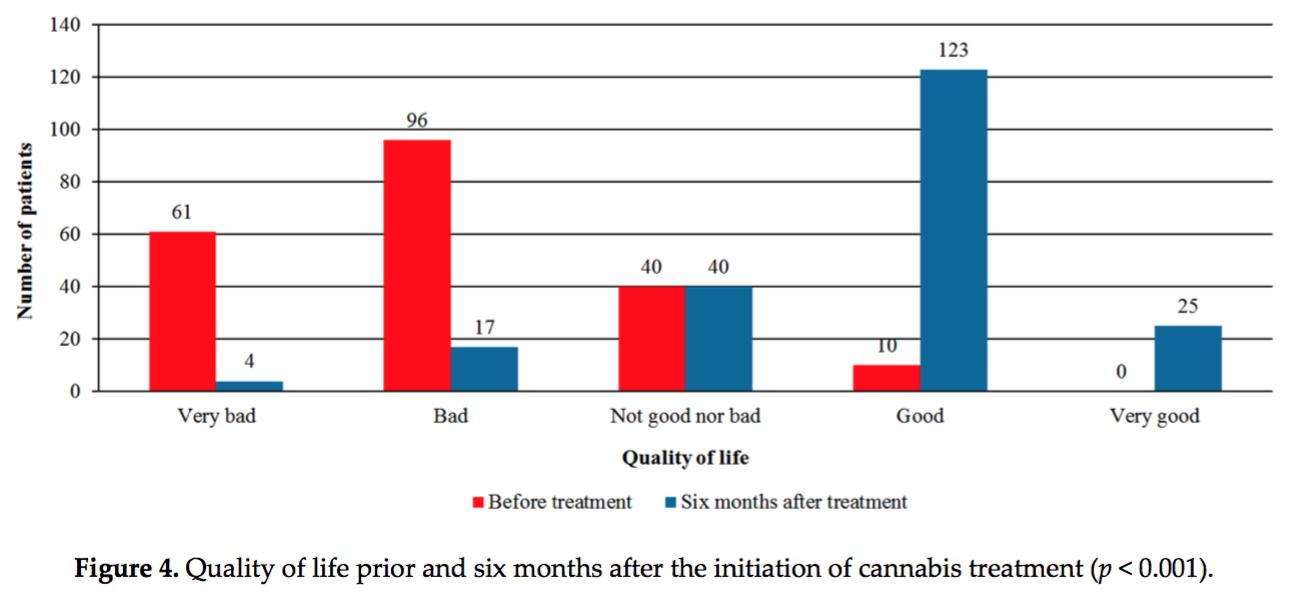
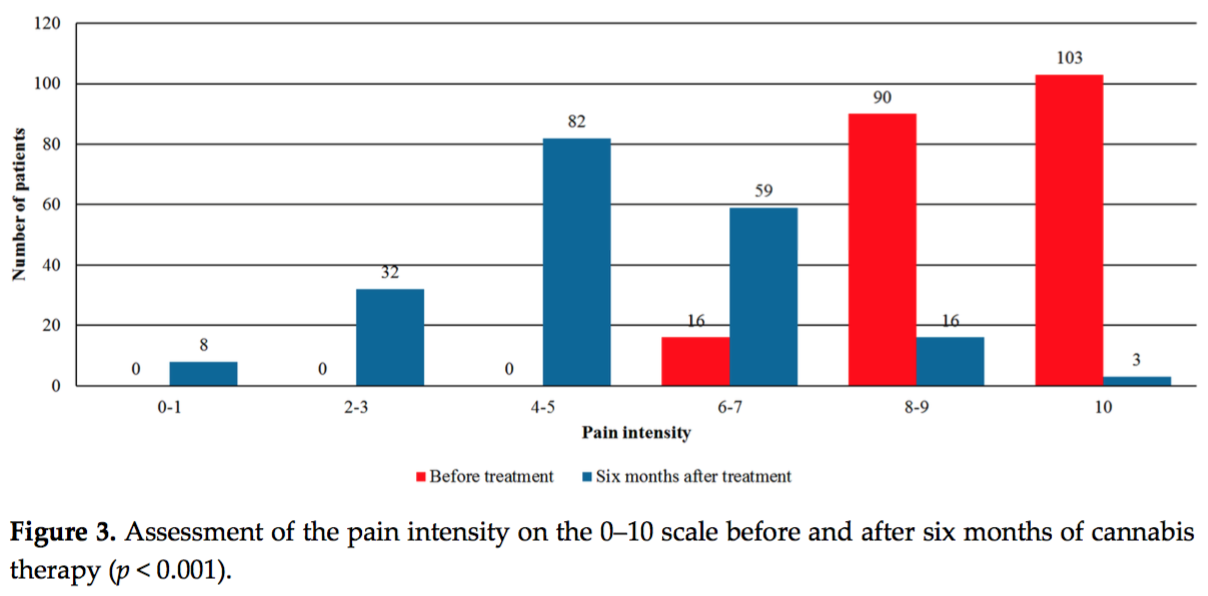
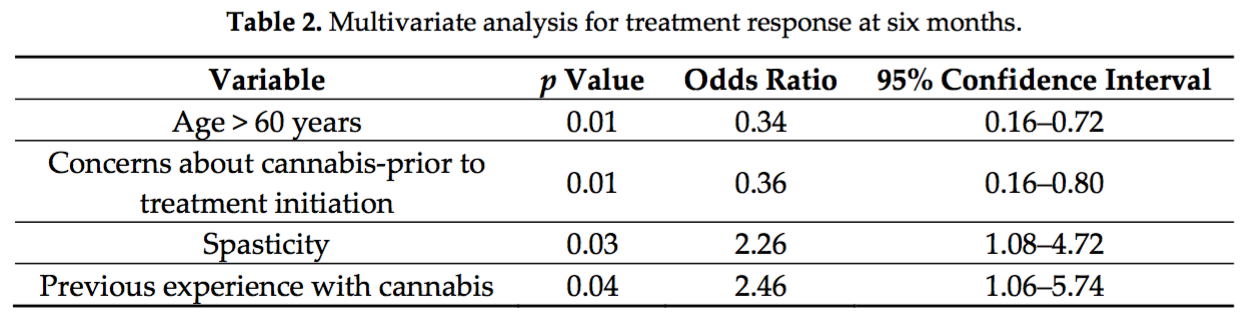
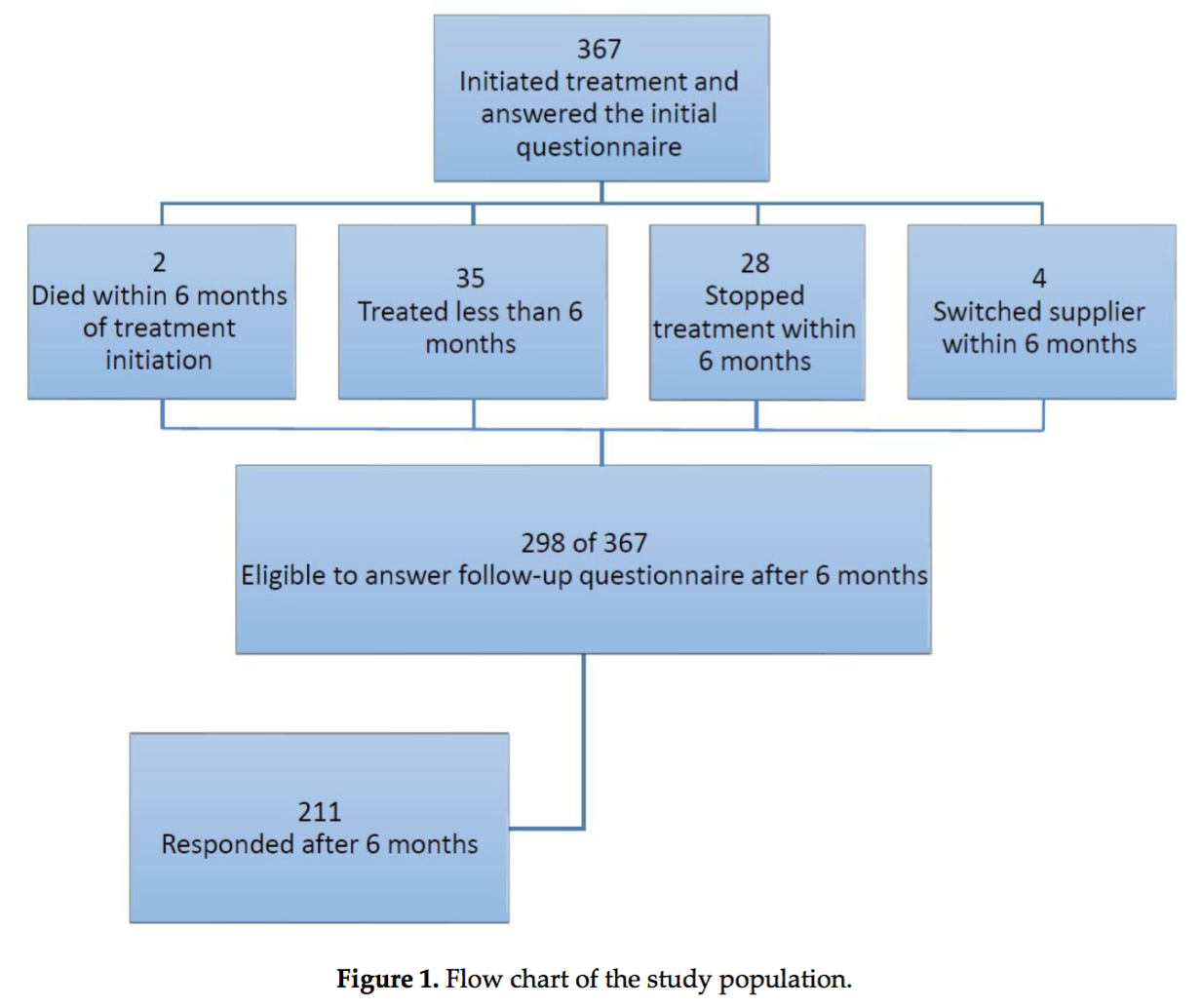
A recent study has concluded that cannabis is a safe and effective treatment for patients suffering from fibromyalgia symptoms.

Fibromyalgia is a disorder characterized by widespread pain, fatigue, and issues sleeping. Cannabis is well known for its ability to treat pain, especially in lieu of opioids as the side effects are minimal and the risk of addiction minimal. This study found that over 200 patients were greatly benefited by cannabis as it moderated their pain and improved their mood. Future studies should aim to directly compare cannabis-based treatment with the currently accepted methods of fibromyalgia treatment to validate efficacy. 

This study highlights how beneficial cannabis can be for those patients who are treatment-resistant for the general treatment of most disorders, especially when pain is involved. Cannabis has been proven to be much safer than opioids, and yet our lack of complete information, concerning the exact mechanisms of the endocannabinoid system and how different cannabinoids act on those mechanisms severely limits our ability to offer practical, novel therapies. Cannabis has previously been shown to be beneficial for treatment-resistant forms of epilepsy and depression, which holds promise when continuing to look for novel treatments for other disorders that have proven difficult to treat. 
View this review (yellow link) or download:

This paper is also stored here:     http://bit.ly/2XpsGJr    inside the CED Foundation Archive

To explore related information, click the keywords below:

Benjamin Caplan, MDCannabis is a Safe and Effect for the Treatment of Fibromyalgia
read more

Benin Republic Hemp Improves Male Fertility

Cannabinoid-deficient Benin republic hemp (Cannabis sativa L.) improves semen parameters by reducing prolactin and enhancing antioxidant status

Cannabis sativa, specifically Nigerian hemp, has been found to have adverse effects on male fertility. It’s use has been linked to a decrease in semen parameters, germ cell proliferation, and reproductive organ weight. It can induce hyperprolactinemia, a condition causing infertility in 11% of men with low sperm count.

Data from the National Drug Law Enforcement Agency in Nigeria has suggested users preferentially obtaining hemp from the Benin Republic. In a recent study investigating the composition of Benin republic hemp, a lack of THC and lower levels of cannabinol were observed. Additionally, an ethanol extract of Benin republic hemp increased sperm count, morphology, and viability.   

Additional Point: Certain phytocannabinoids found in cannabis have demonstrated a detrimental effect on male fertility. However, analysis of hemp from the Benin republic shows a low to no levels of these toxic cannabinoids and evidence points to this particular hemp enhancing male fertility.

View this review (yellow link) or download:

This paper is also stored here:    http://bit.ly/2Yzc26y     inside the CED Foundation Archive

To explore related information, click the keywords below:


Benjamin Caplan, MDBenin Republic Hemp Improves Male Fertility
read more

Pediatric Oncology Center Justifies the Use of Medical Cannabis

Pediatric oncologists from Minnesota recently published an article justifying their use of medical cannabis as palliative care for their patients.

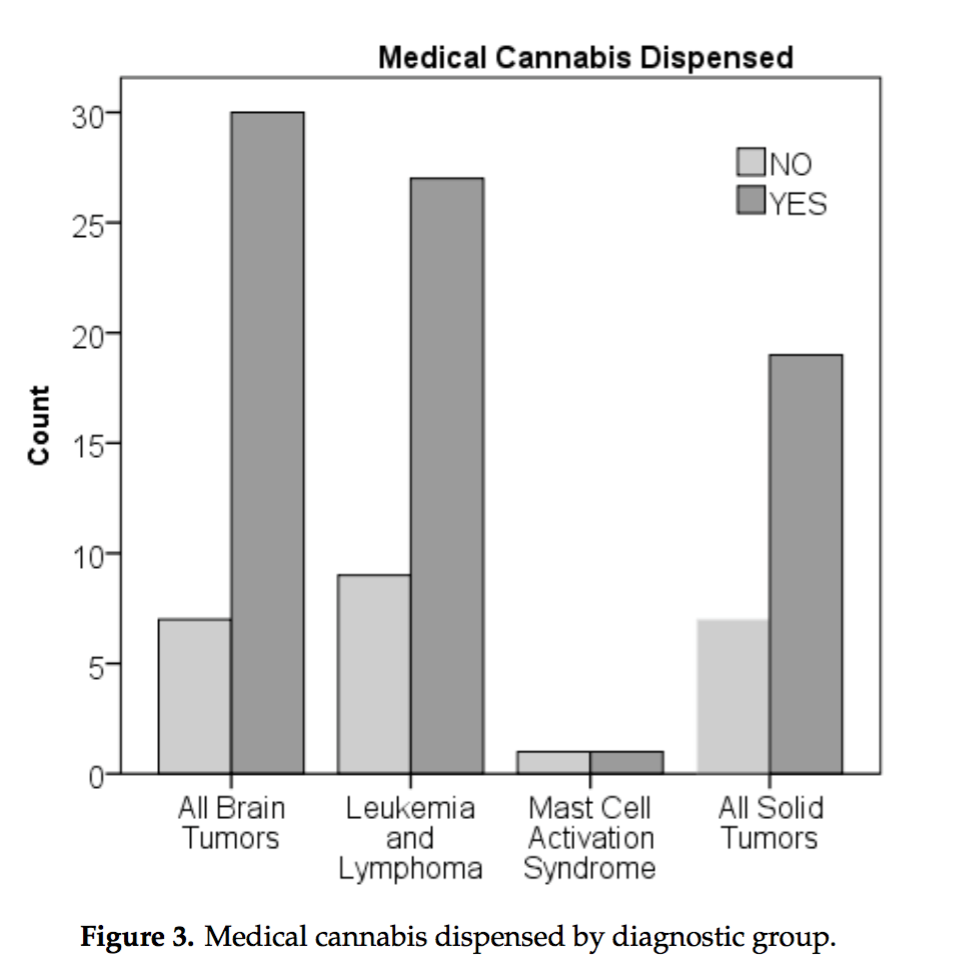
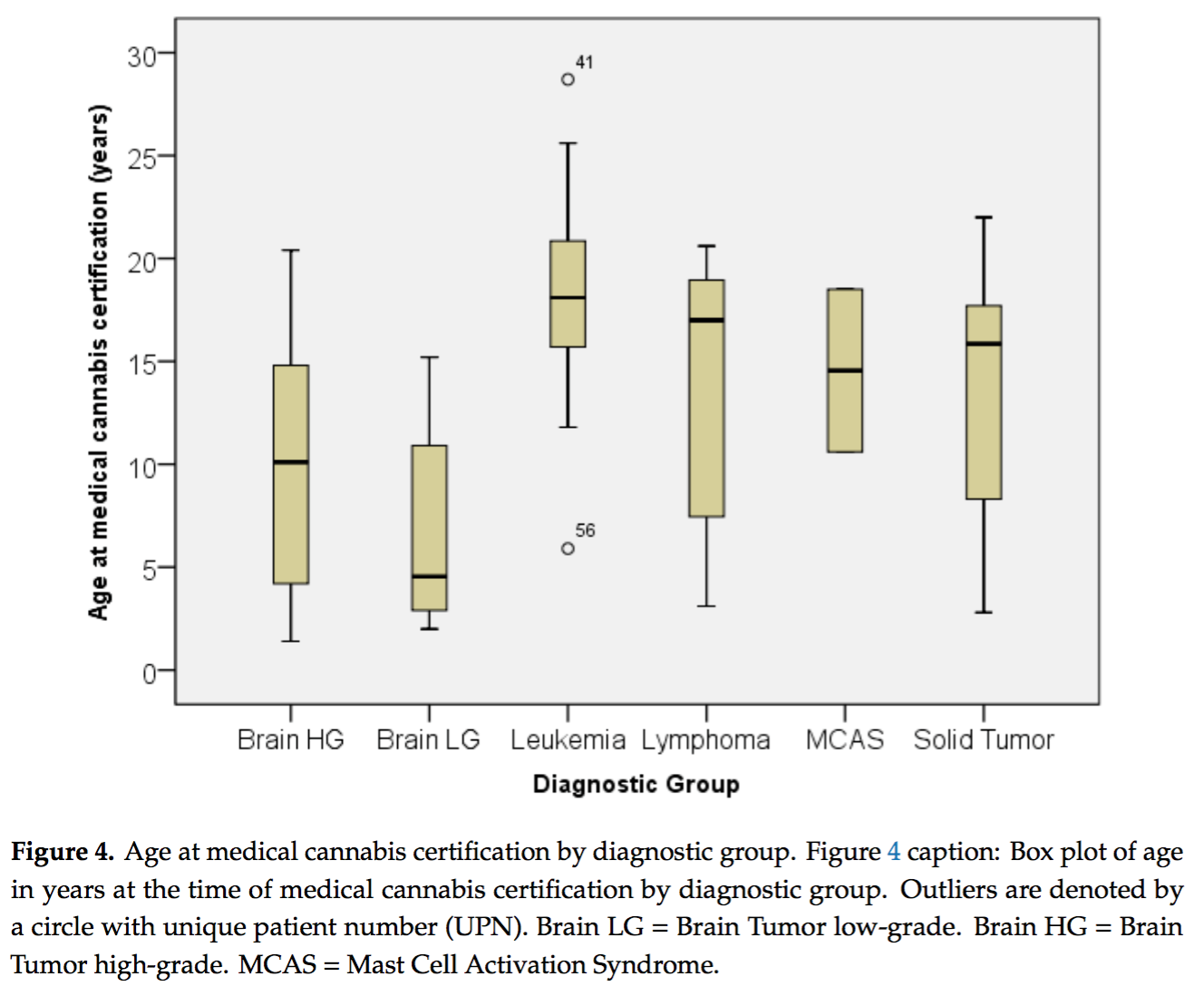
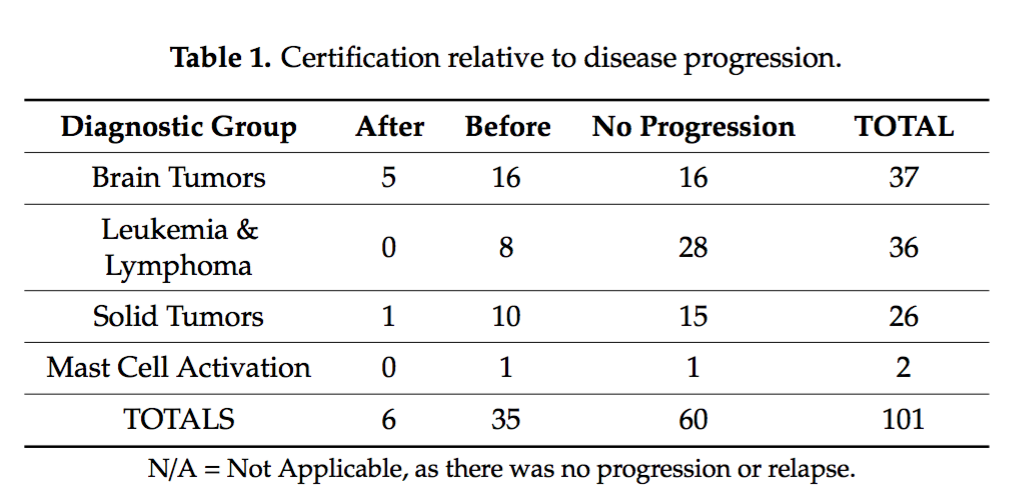
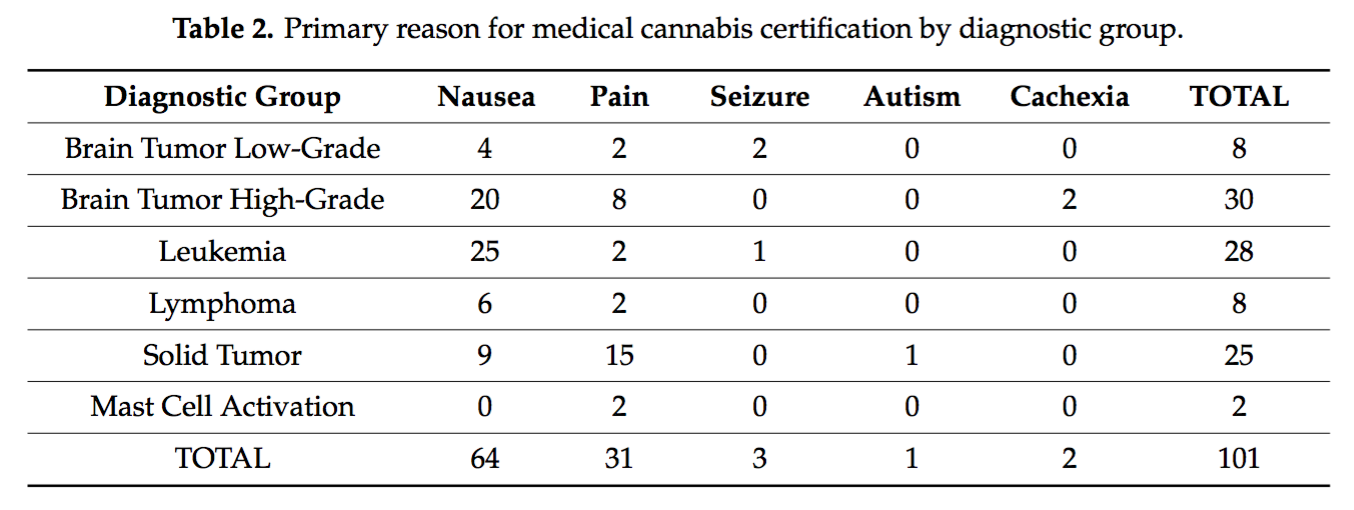
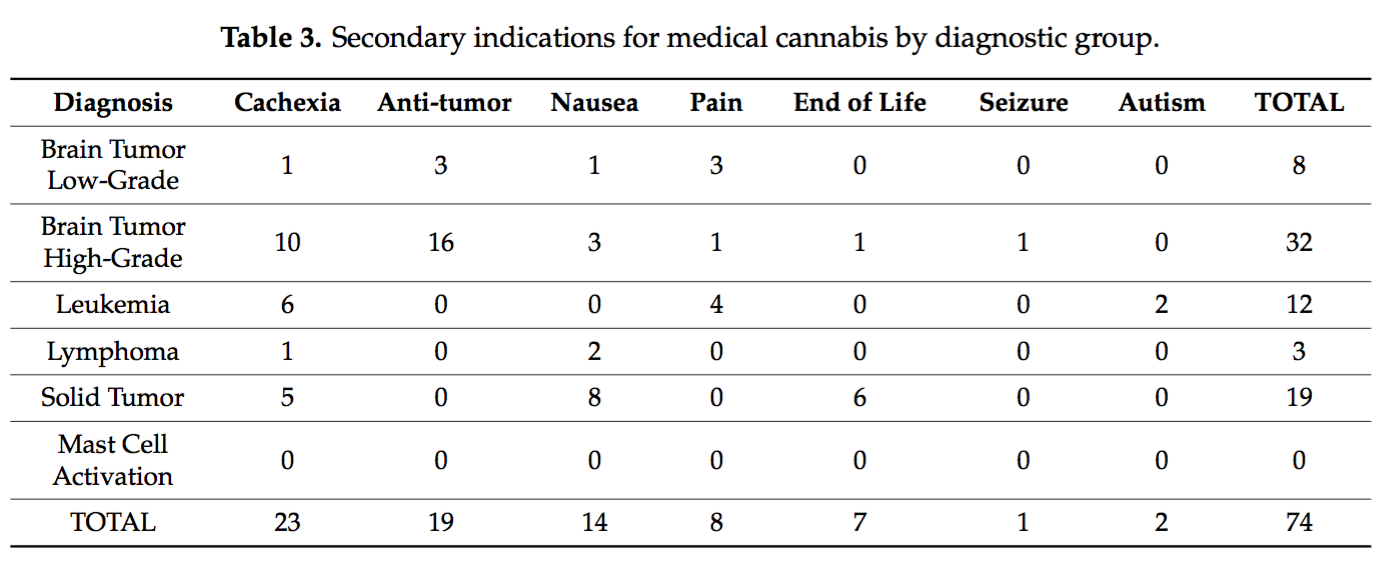
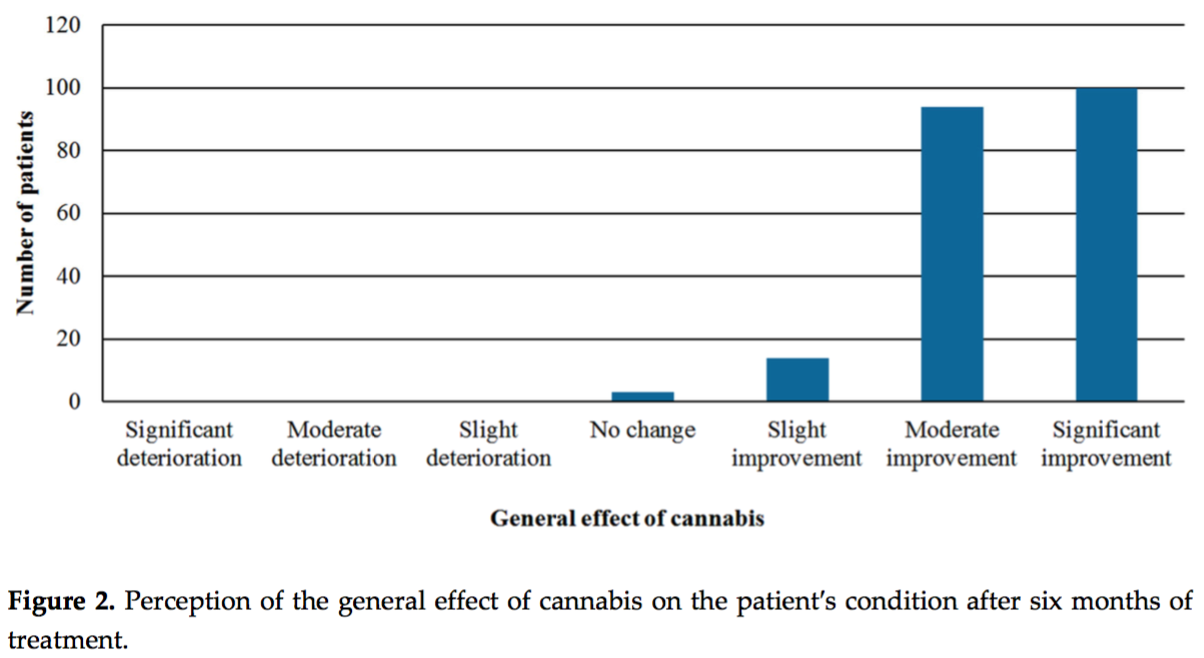
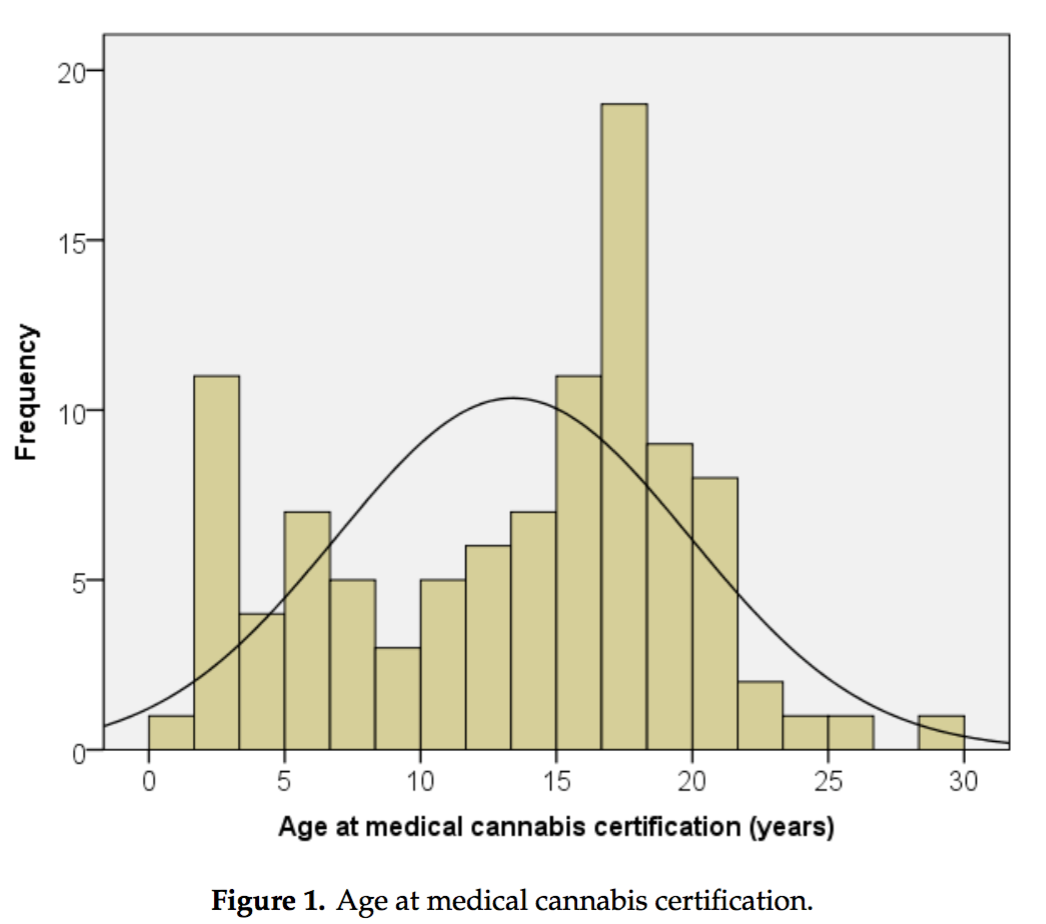
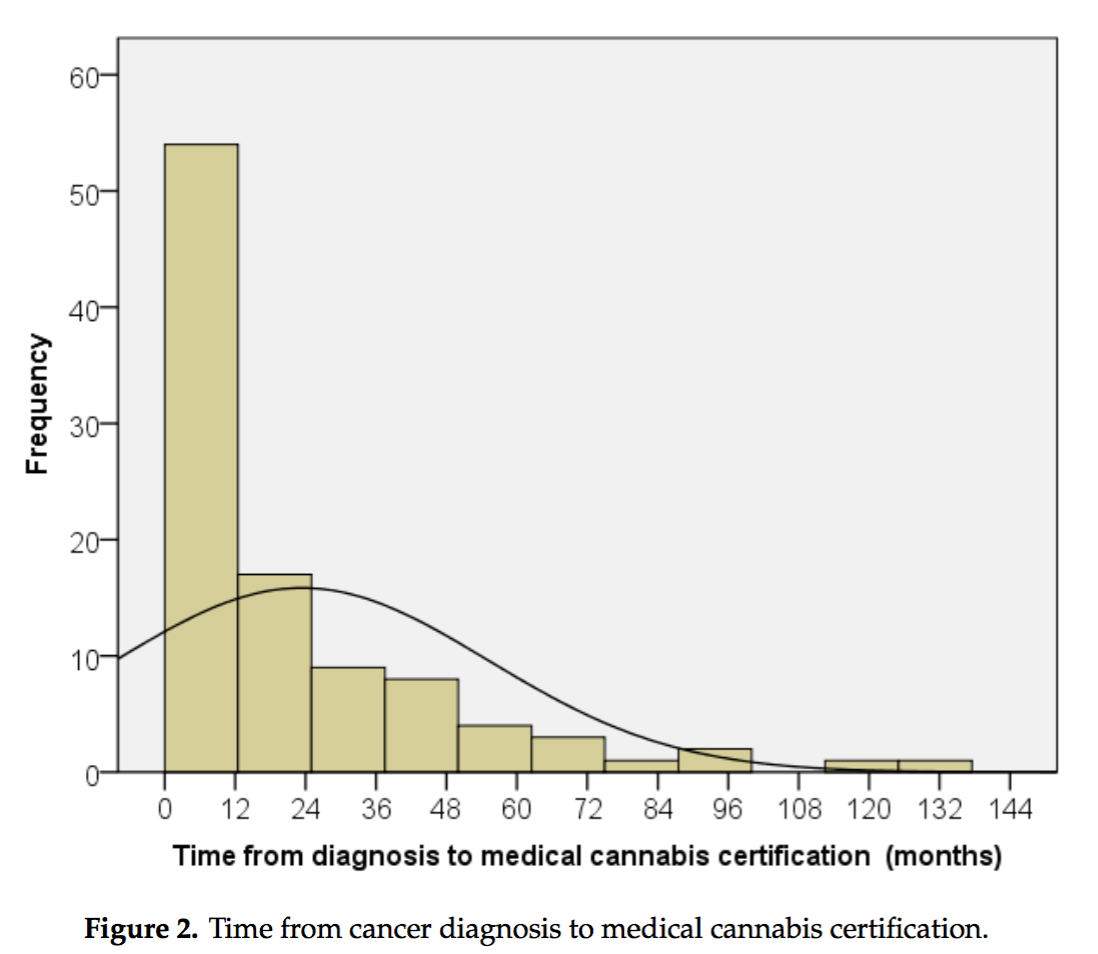
The majority of patients at the oncology center were approved for medical cannabis use during their first round of treatment, in order to immediately address the negative side effects of chemotherapy such as nausea, pain, and cancer cachexia. The data provided from the center described much higher chemotherapy compliance rates among patients, and that patients have a much better quality of life when utilizing cannabis.

This article highlights a few promising trends and issues with using medical cannabis; one promising trend is the hope for cannabis to provide antitumor effects. Cannabis has been a subject of exploration for antitumor effects and it has shown promising results. But, there are many limitations to the few studies that have been published, leading the authors to defer any definitive conclusions. The center in Minnesota noted that many of the patients diagnosed with brain tumors were especially hopeful that cannabis would aid in curing them of cancer, second to utilizing the drug for nausea. This is a promising trend because it means the greater public is showing interest in the therapeutic possibilities of cannabis and their support and call for research will aid the drive for the federal rescheduling of marijuana. 

Also highlighted in this article is that, of all the patients certified to use medical cannabis, a subset of 24% never actually registered through the state to receive it. The authors have no firm explanation for these circumstances but seem to suspect that the $200 annual certification fee, on top of the cost for each additional dispensed product may be limiting of patients abilities to afford cannabis. Without the backing of the federal government, insurance companies are unable to cover medical cannabis. As the depth and reach of cannabis research grow, there are good reasons for patients to feel optimistic about medical cannabis.

View this review (yellow link) or download:

This paper is also stored here:    http://bit.ly/2Xb2O3N     inside the CED Foundation Archive


To explore related information, click the keywords below:

Benjamin Caplan, MDPediatric Oncology Center Justifies the Use of Medical Cannabis
read more

Video: Cannabinoid Delivery Systems for Pain and Inflammation Treatment

A 2018 literature review summarizes the various ways patients can consume cannabis (orally, topically, etc.) and the pain reductions associated with each method. The review focuses on the treatment of multiple sclerosis, cancer, anorexia, arthritis, and other painful disorders.

View this review (yellow link) or download:

This paper is also stored here:    http://bit.ly/2TSZ2Wr     inside the CED Foundation Archive

Benjamin Caplan, MDVideo: Cannabinoid Delivery Systems for Pain and Inflammation Treatment
read more

The Relationship between Cannabis and Schizophrenia

Cannabis and Psychosis: Are We any Closer to Understanding the Relationship?

Despite the constant technological gains in medicine, there is still insufficient information and knowledge about who is at risk of developing cannabis psychosis prior to an individual’s exposure to cannabis. Controlled research is limited due to the legal status of cannabis but the growing number of states legalizing medicinal and recreational use of cannabis will likely provide a naturalistic experiment that will produce a prevention strategy for the condition. Current schizophrenia research is limited to western male populations and an overemphasis on the biological model; future research should extend to a more diverse population and sociocultural factors that may lead to schizophrenia.

View this review (yellow link) or download:

This paper is also stored here:   http://bit.ly/2FcDVJR      inside the CED Foundation Archive

To explore related information, click the keywords below:


Benjamin Caplan, MDThe Relationship between Cannabis and Schizophrenia
read more

80%: Cannabis extremely helpful for pain; 82%: helped reduce or stop over-the-counter medications; 88% able to stop taking opioid painkillers

“The study, published in the Journal of Psychoactive Drugs, which looked at 1,000 people taking legalized marijuana in an American state found that among the 65% of people taking cannabis for pain, 80% found it was very or extremely helpful.”

“82% of these people being able to reduce, or stop taking over the counter pain medications, and 88% being able to stop taking opioid painkillers.”

“74% of the 1,000 interviewees bought it to help them sleep – 84% of whom said the marijuana had helped them, and over 83% said that they had since reduced or stopped taking over-the-counter or prescription sleep aids.”

“The study adds weight to the theory that widening access to medical cannabis could lower the use of prescription painkillers, allowing more people to manage and treat their pain without relying on opioid prescription drugs that have dangerous side effects.”

“This is backed up with other research that shows that states with medical cannabis laws have a 6.38% lower rate of opioid prescribing and that Colorado’s adult-use cannabis law is associated with a relative reduction in opioid overdose death rate from 1999 to 2010.”

“”Nonsteroidal anti-inflammatory drugs (NSAIDs) such as ibuprofen cause GI bleeding or kidney damage with chronic use. Paracetemol (Acetaminophen) toxicity is the second most common cause of liver transplantation worldwide, and is responsible for 56,000 ER visits, 2600 hospitalizations, and 500 deaths per year in the U.S.”

Link to news brief: https://eurekalert.org/pub_releases/2019-07/tfg-cmb062819.php

View this review (yellow link) or download:

This paper is also stored here:    http://bit.ly/2JmB7Lv     inside the CED Foundation Archive

To explore related information, click the keywords below:

Benjamin Caplan, MD80%: Cannabis extremely helpful for pain; 82%: helped reduce or stop over-the-counter medications; 88% able to stop taking opioid painkillers
read more

Video: Cannabinoid Intervention for PTSD: Where to Next?

The endocannabinoid system has long been recognized as a promising target for PTSD treatment.

Here, a 2018 literature review summarizes the risks and benefits of cannabis as a treatment option. Watch our video adaptation, and review the source literature, below:


View this review (yellow link) or download:

This paper is also stored here:    http://bit.ly/2XgnrXn     inside the CED Foundation Archive

To explore related information, click the keywords below:

Benjamin Caplan, MDVideo: Cannabinoid Intervention for PTSD: Where to Next?
read more

Cannabinoids in the treatment of cancer

A literature review from 2009 (10 years ago) summarizes the anti-cancer properties of cannabis, concluding that various cannabinoids might inhibit cancer cell growth and tumor growth. In particular, cannabis shows promise to help treat colon, skin, prostate, and breast cancer. 

This paper is also stored here:    http://bit.ly/2J1XS8A     inside the CED Foundation Archive

To explore related information, click the keywords below:
Benjamin Caplan, MDCannabinoids in the treatment of cancer
read more

Patients are Unclear on Cannabis Dosing

Dr. Ernest found that 82% of her epileptic patients found cannabis treatment helpful, but she also found that many of them were unaware of the doses they were taking or the levels of THC and CBD. Doctors and patients alike need to learn about dosing to maximize their health benefits http://bit.ly/2J29kkB

To explore related information, click the keywords below:

Benjamin Caplan, MDPatients are Unclear on Cannabis Dosing
read more

Cannabidiol Treatment for Parkinson’s Disease

Cannabidiol: a hope to treat non‑motor symptoms of Parkinson’s Disease Patients

Cannabidiol (CBD) has recently been postulated as an ideal drug to address the treatment of non-motor symptoms of Parkinson’s Disease (PD) due to its multifaceted mechanism of action. The plethora of effects of CBD includes anti-inflammatory, neuroprotective, anxiolytic, and antipsychotic actions, which improve non-motor symptoms of PD and lift the quality of life for patients coping with the illness. Further research is recommended to garner support for FDA approval.

View this review (yellow link) or download:

This paper is also stored here:    http://bit.ly/2KXTb0Y     inside the CED Foundation Archive

To explore related information, click the keywords below:
Benjamin Caplan, MDCannabidiol Treatment for Parkinson’s Disease
read more