Future Medicine

Development of Cannabis-Based Treatment for Bipolar Disorder

Bipolar disorder and the endocannabinoid system

A recently published article serves as a call for research to be conducted to discover how cannabis could impact the management of bipolar disorder (BD). Presented in the article is a full review of the advantages and disadvantages of cannabis-based medicine in the treatment of BD and provides insight into possible mechanisms might affect the pathophysiology of the disorder. The insights listed within the article provide the rationale for examining the endocannabinoid system, specifically the cannabinoid receptor 2, with the hopes of finding therapeutic targets for mood control associated with BD.  

View this review (yellow link) or download:

This paper is also stored here:   http://bit.ly/2FfJXK6      inside the CED Foundation Archive

To explore related information, click the keywords below:

Benjamin Caplan, MDDevelopment of Cannabis-Based Treatment for Bipolar Disorder
read more

Study Reveals that Flavanoids can act as Allergy Medications

Anti-histaminic Effects of Resveratrol and Silymarin on Human Gingival Fibroblasts

It has recently been revealed that the flavonoids resveratrol and silymarin have an anti-histaminic effect on human gingival fibroblasts (HGF). HGF are cells that compose part of the gum tissue in the oral cavity. Silymarin and resveratrol were already known to have anti-bacterial and anti-inflammatory properties, but a recently published study has now revealed that silymarin alone and a combination of the two flavonoids both provide novel therapeutic approaches for inflammation due to allergies.

View this review (yellow link) or download:

This paper is also stored here:    http://bit.ly/2Ff1lhW   inside the CED Foundation Archive

To explore related information, click the keywords below:

Benjamin Caplan, MDStudy Reveals that Flavanoids can act as Allergy Medications
read more

Israel and the global cannabis market

Some believe that it is difficult to compete with industry giants, such as Tilray and Cronos. But, Israel’s long history of cannabis research and its innovative companies, leading tech and strong agricultural climate make it a likely region to attract many in the global cannabis market. http://bit.ly/2IPXbz8

To explore related information, click the keywords below:

Benjamin Caplan, MDIsrael and the global cannabis market
read more

Cannabis use as a risk factor for causing motor vehicle crashes: a prospective study

Title of study: Cannabis use as a risk factor for causing motor vehicle crashes: a prospective study

After legalization in 2018, many Canadian provinces implemented “zero tolerance” policies for drivers who have THC in their systems. But a new study from the University of British Columbia suggests that Canada’s drug-impaired driving laws may be unnecessarily strict. According to researchers, there is no link between THC levels below 5ng/mL and increased risk of car accidents.

Note: Considering the potentially grave risk to life and health for modern culture to make the wrong interpretation of the potential dangers of the effects of cannabis consumption on driving, it is critical for the industry to approach the circumstances with delicacy and diligence. Ideally, everyone involved will be motivated to learn as much as possible about the impact of cannabis on the risks of operating machinery and all will follow a cautious approach which will minimize the risk to all. To that end, it is important to consider and reconcile evidence from multiple perspectives.

The article:

“New study suggests low levels of THC in blood do not increase risk of car crash” https://www.straight.com/cannabis/1256476/new-study-suggests-low-levels-thc-blood-do-not-increase-risk-car-crash#

View this review (yellow link) or download:

This paper is also stored here:     http://bit.ly/2IVhSJY    inside the CED Foundation Archive

To explore related information, click the keywords below:

Benjamin Caplan, MDCannabis use as a risk factor for causing motor vehicle crashes: a prospective study
read more

The Cannabinoid System is a Promising Source of Targets for Treating Pain

A Budding Source of Targets for Treating Inflammatory and Neuropathic Pain ECS

The cannabinoid system provides momentum to develop cannabinoid-based medications to treat inflammatory and neuropathic pain as researchers continue to find promising therapeutic targets. These new targets may lead to the formation of novel pain-relief medications that may serve well to alleviate pain for those suffering from cancer, multiple sclerosis, and fibromyalgia. Cannabis-based pain medicine is also being researched for opioid-sparing effects and effectiveness in reducing the necessary dose of opioids.

View this review (yellow link) or download:

This paper is also stored here:  http://bit.ly/2FfLorA        inside the CED Foundation Archive

To explore related information, click the keywords below:


Benjamin Caplan, MDThe Cannabinoid System is a Promising Source of Targets for Treating Pain
read more

Cannabidiol May Provide Novel Treatment for Rare Ovarian Cancer

Dramatic response to Laetrile and cannabidiol (CBD) oil in a patient with metastatic low grade serous ovarian carcinoma

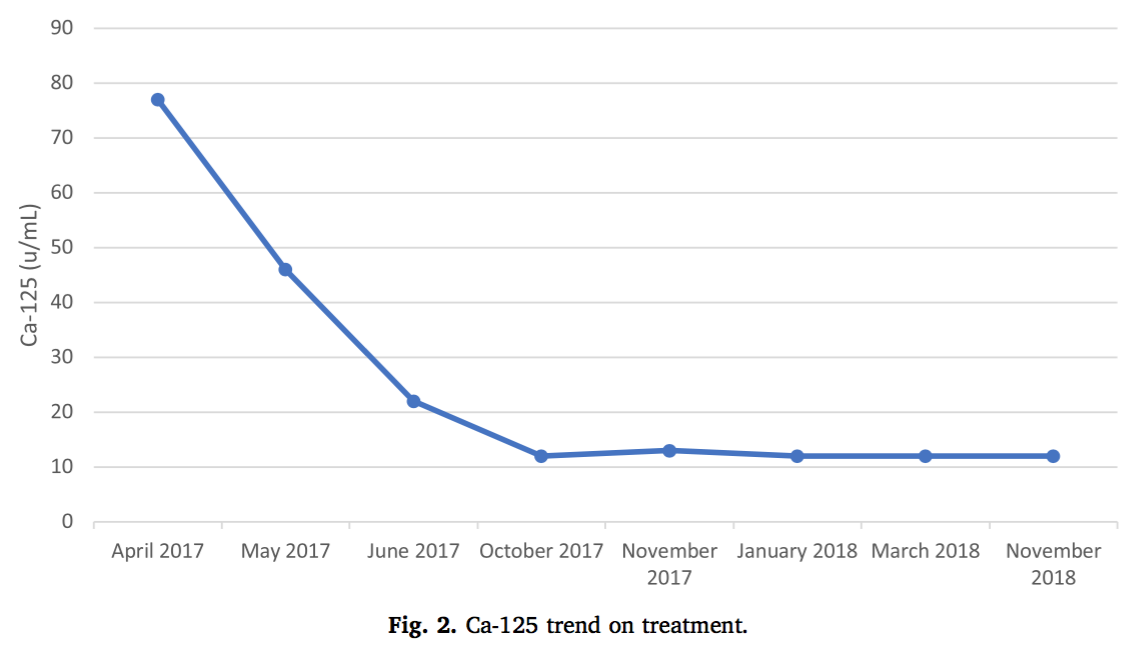
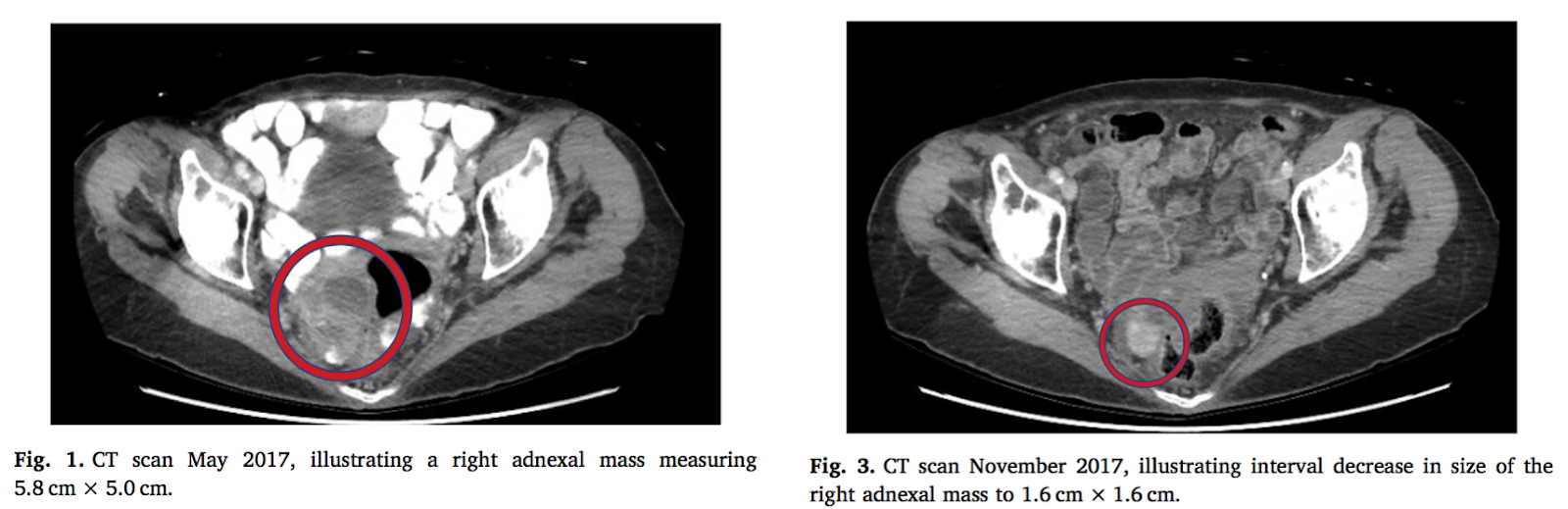
A recent case study has examined a patient’s response to the consumption of cannabidiol (CBD) as a treatment for a rare type of ovarian cancer. Rather than participate in chemotherapy, which has been shown to only be effective in 5% of patients with low grade serous ovarian carcinoma, an 81-year-old decided to take a combination of amygdalin and CBD. Although CBD has only been shown to have effective anti-cancer properties in murine models the featured patient reported a significant decrease in tumor size, revealing that CBD may, in fact, be an effective treatment for patients looking into alternative care methods.

Although proven ineffective, the use of amygdalin highlights alternative therapies derived from naturally occurring chemicals found in common plants. Flavonoids and terpenes are chemical components of cannabis plants, also found in a variety of fruits and vegetables, that are just now being investigated for their therapeutic benefits. The results of those inquiries may prove useful for similar patients suffering from illnesses that are resistant to the usual treatments.

View this review (yellow link) or download:

This paper is also stored here:   http://bit.ly/2L9pCJZ      inside the CED Foundation Archive

To explore related information, click the keywords below:

Benjamin Caplan, MDCannabidiol May Provide Novel Treatment for Rare Ovarian Cancer
read more

Medical vs Rec

Many think medical marijuana laws will ultimately lead to adult-use, but this is not necessarily true, and for good reason. The medical industry recognizes that cannabis is a powerful medication and prioritizes its safety and health benefits, while so-called “recreational” or “adult use” cannabis seems to focus more on making money and supporting the pleasurable aspects of the plant.

Interestingly, at CED Clinic, we’re seeing more and more patients come in from the “adult-use.” Whether it’s a desire for comprehensive education (anything we put into our bodies has effects), personalizing a medical plan that considers short-term and long-term impact, or simply having a knowledgeable person to support individual choices and empowerment on an individual journey, we find that our patients enjoy learning and riding the cutting edge of the science of cannabis! http://bit.ly/2INDGY7

To explore related information, click the keywords below:

Benjamin Caplan, MDMedical vs Rec
read more

In MA, despite being state-legal, FDA says CBD cannot be added to food or dietary supplements. What now?

MA effectively outlawed the sale of any food products with CBD or products which make therapeutic claims. This is the result of FDA saying that CBD cannot be added to food or dietary supplements. In a state where cannabis is legally accessible, consumers and hemp farmers are very unhappy. What do you think? http://bit.ly/2IOtTRm

Benjamin Caplan, MDIn MA, despite being state-legal, FDA says CBD cannot be added to food or dietary supplements. What now?
read more