A 2019 study found that patients with early-stage psychotic disorders had lower levels of CB1-R (Cannabinoid Receptor – 1) compared to healthy individuals. These findings suggest that targeting CB1R with cannabis-based products could potentially treat psychotic disorders. Interestingly, reductions in CB1R levels were associated with greater symptom severity and poorer cognitive functioning but only in male patients. More research is needed into the intersections of gender and psychotic disorders.
Cannabidiol (CBD) as an Adjunctive Therapy in Schizophrenia: A Multicenter Randomized Controlled Trial
Most schizophrenia medications function by blocking the action of the dopamine D2 receptor and effectively treat positive psychotic symptoms, such as delusions or hallucinations, but fail to treat negative psychotic symptoms, such as lack of motivation or the lack of an ability to feel pleasure. Anecdotal evidence has pointed toward the potential for CBD to attenuate psychotic symptoms in conjunction with normally prescribed antipsychotics; additionally, CBD is not hypothesized to act on the D2 receptor, suggesting that it may afford unique advantages over anti-psychotics.
Researchers interested in further exploring this conducted the first known placebo-controlled CBD trial among schizophrenia patients. Although results did not suggest a potential for CBD to treat negative psychotic symptoms, in conjunction with antipsychotics, the CBD group experienced marked lower levels of positive psychotic symptoms. Both the placebo and CBD groups experienced equal levels of treatment-induced adverse events, suggesting that CBD is well-tolerated.
These results suggest that CBD may be effective in treating not only schizophrenia but also psychotic symptoms associated with Parkinson’s disease and THC-induced psychosis.
Additional Point: CBD has shown to act in a neuroprotective manner and reduce the psychoactive effects of THC, making it a viable option for patients who have experienced negative side effects with THC.
A new literature review summarizing the recent findings relating to cannabis and anxiety.
Researchers conclude that CBD and low-dose THC can cause relaxation and decrease anxiety and self-spun thoughts. Some studies show that high-dose THC can cause psychotic symptoms; however, studies also show that CBD can protect against those THC-induced symptoms. Therefore, using cannabis extracts with THC and CBD could be a safe way to reduce anxiety.
Something still not entirely understood is why cannabis affects people differently. A study looking at THC interactions in the brain show that rewarding and adverse effects are produced by anatomically different areas. Individual experiences likely differ due to genetic variation.
Safety and Efficacy of Medical Cannabis in Fibromyalgia
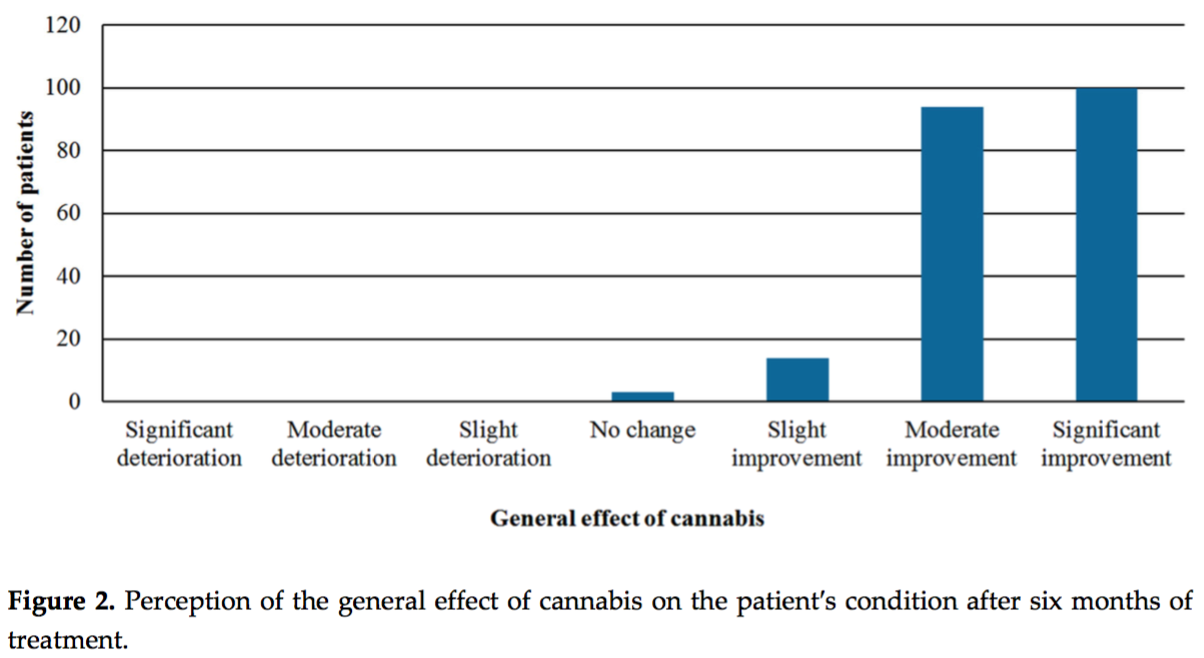
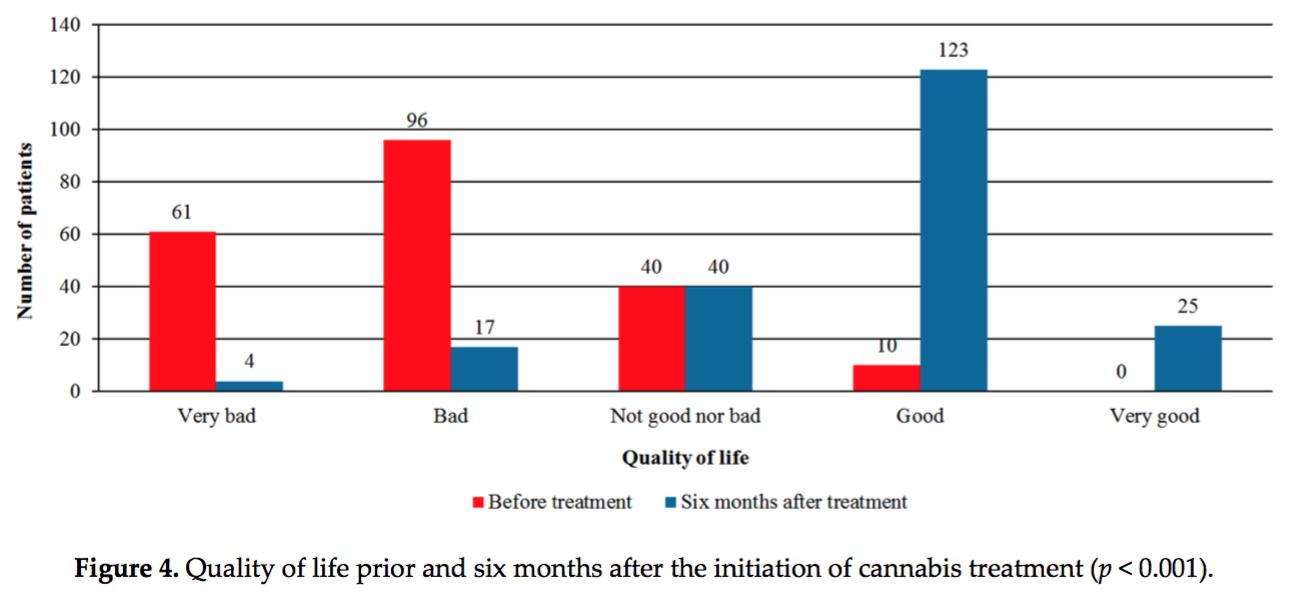
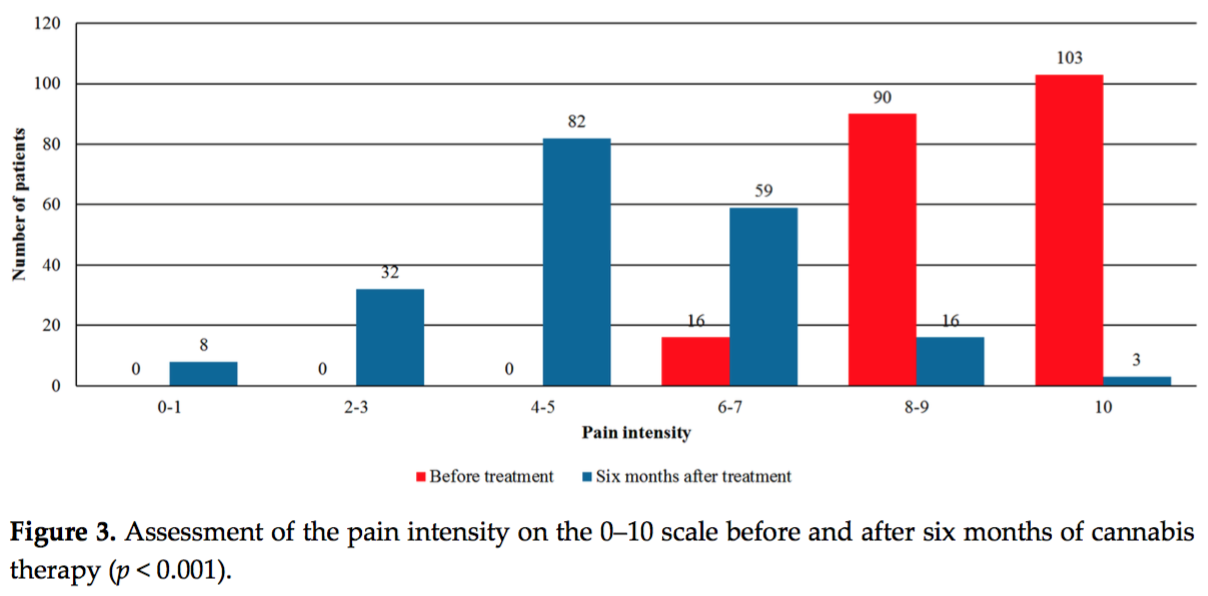
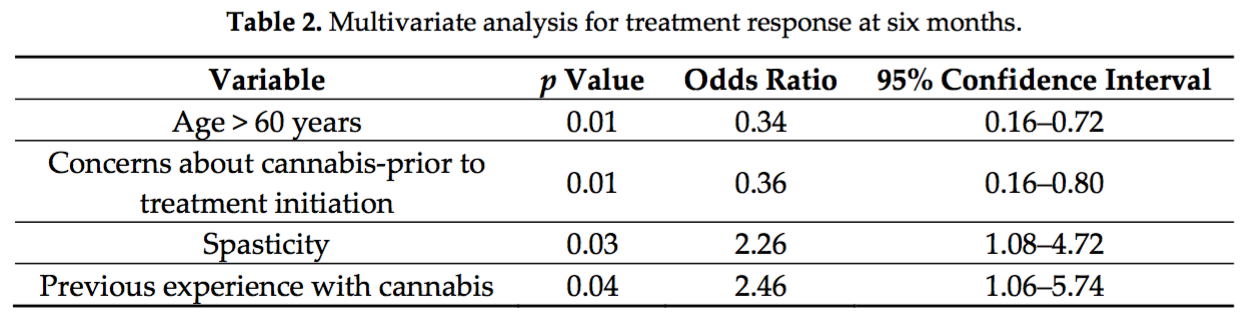
A recent study has concluded that cannabis is a safe and effective treatment for patients suffering from fibromyalgia symptoms.
Fibromyalgia is a disorder characterized by widespread pain, fatigue, and issues sleeping. Cannabis is well known for its ability to treat pain, especially in lieu of opioids as the side effects are minimal and the risk of addiction minimal. This study found that over 200 patients were greatly benefited by cannabis as it moderated their pain and improved their mood. Future studies should aim to directly compare cannabis-based treatment with the currently accepted methods of fibromyalgia treatment to validate efficacy.
This study highlights how beneficial cannabis can be for those patients who are treatment-resistant for the general treatment of most disorders, especially when pain is involved. Cannabis has been proven to be much safer than opioids, and yet our lack of complete information, concerning the exact mechanisms of the endocannabinoid system and how different cannabinoids act on those mechanisms severely limits our ability to offer practical, novel therapies. Cannabis has previously been shown to be beneficial for treatment-resistant forms of epilepsy and depression, which holds promise when continuing to look for novel treatments for other disorders that have proven difficult to treat.
A report published by the British Journal of Psychiatry in 2001 demonstrates the progress the medical community has made but also what gaps still need to be filled in when utilizing cannabis. This report found that excess consumption of cannabis leads to feelings of panic and anxiety and that 15% of those willing to respond to a survey experienced acute psychotic symptoms. It was also found that cannabis dependence can occur, as well as withdrawal, which can last for close to a week. This article was a review that synthesized relevant studies but also claimed that the casual conclusions of these papers were difficult to find or replicate.
This paper is interesting given its age considering it put out what was current data but then ended by stating the casual conclusions of each paper may not stand. 18 years later, some of the data has stood, and some have not. Users can gain a tolerance to cannabis but many are looking to mitigate it. The author uses the word dependence when discussing cannabis which is a word that holds weight and is up for debate. Intoxicating cannabinoids, like THC, affect the reward center, but non-altering cannabinoids, such as CBD, tend to work more noticeably outside of the brain, although all have mixed effects in both regions. Cannabinoids are not all the same, apply quite differently to various ailments, and have divergent effects. Blanketing an entire crop with a misinformed warning label seems irresponsible and unduly harsh. Users or those looking into cannabis-based medicine are encouraged to do their research.
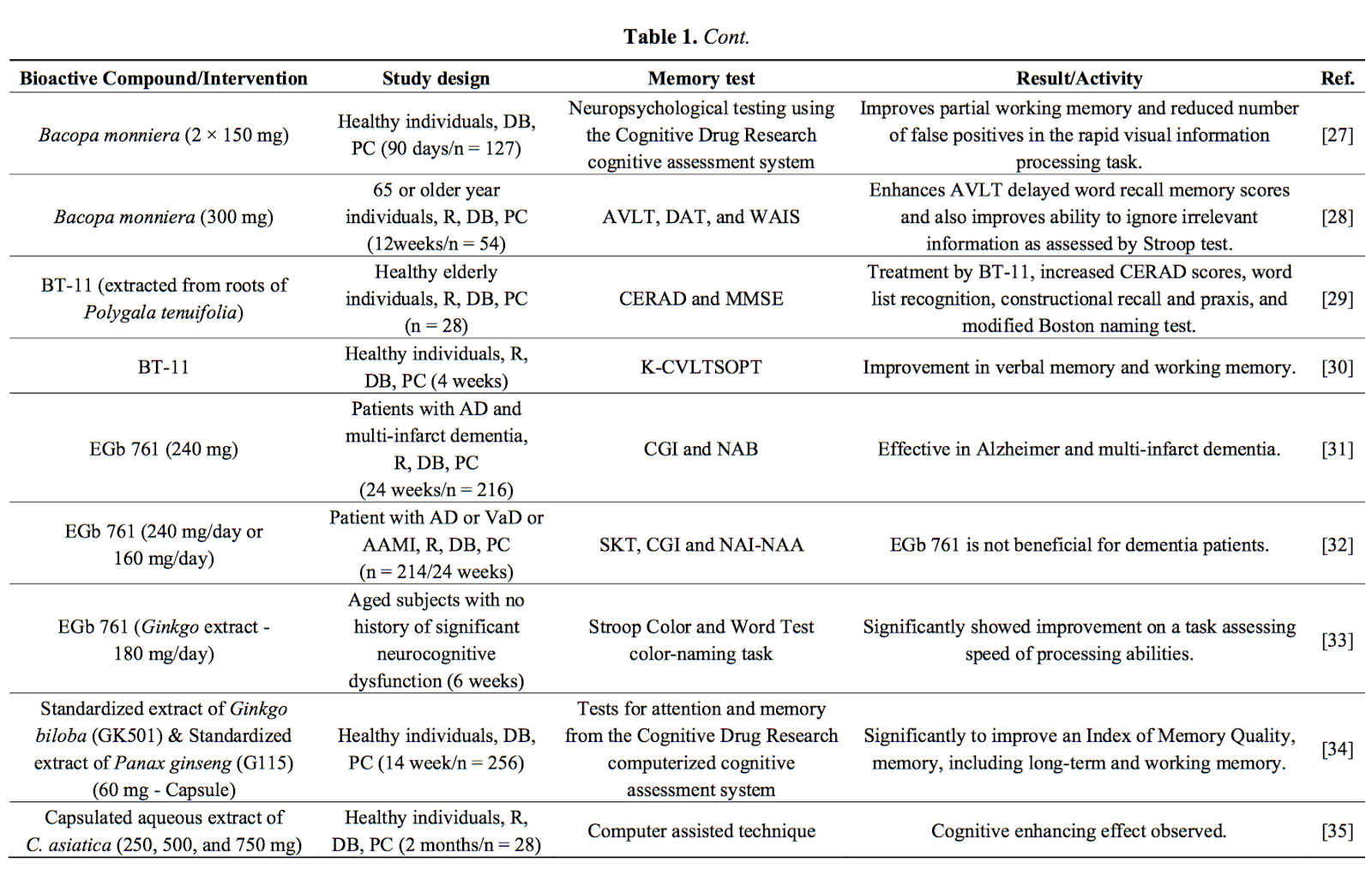
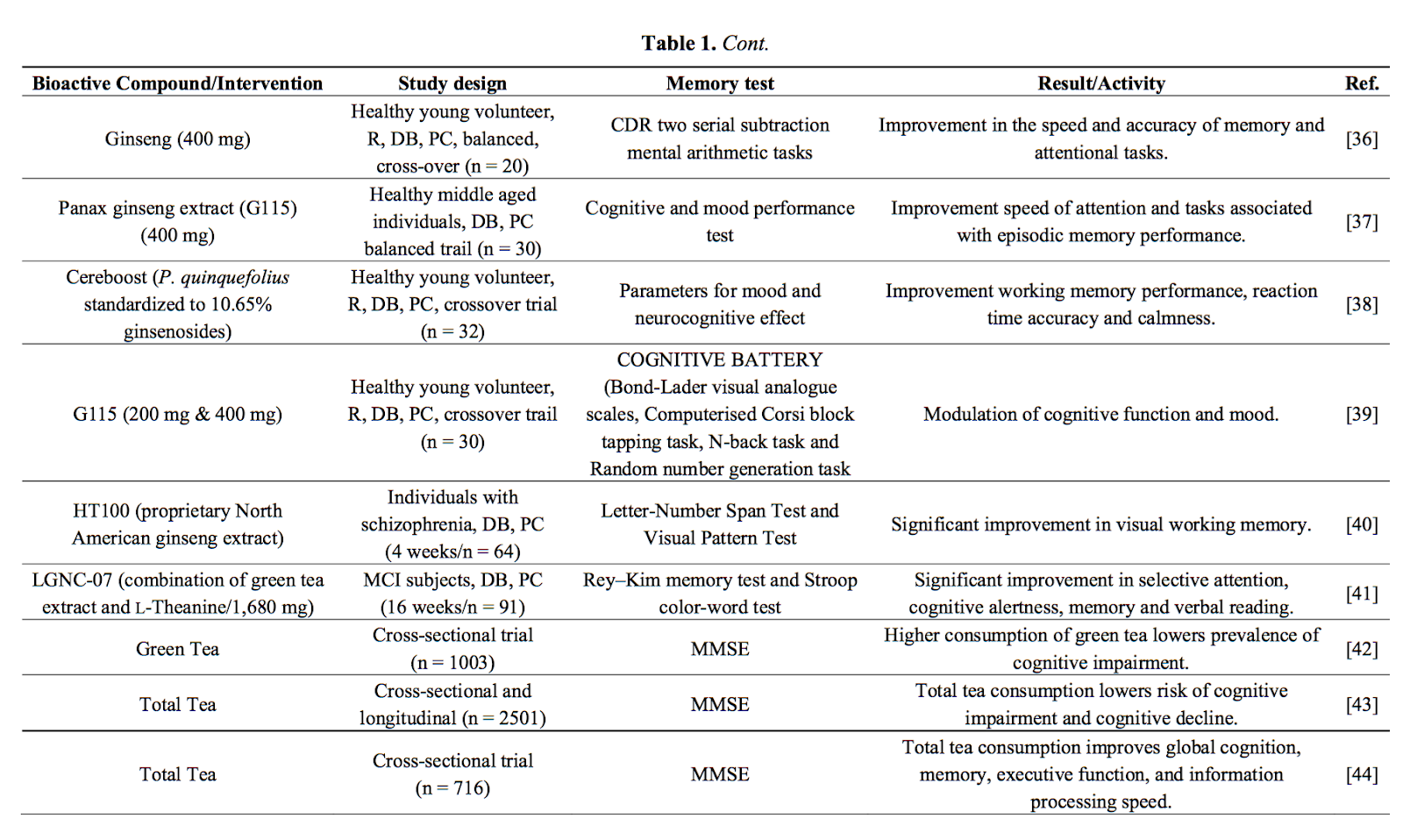
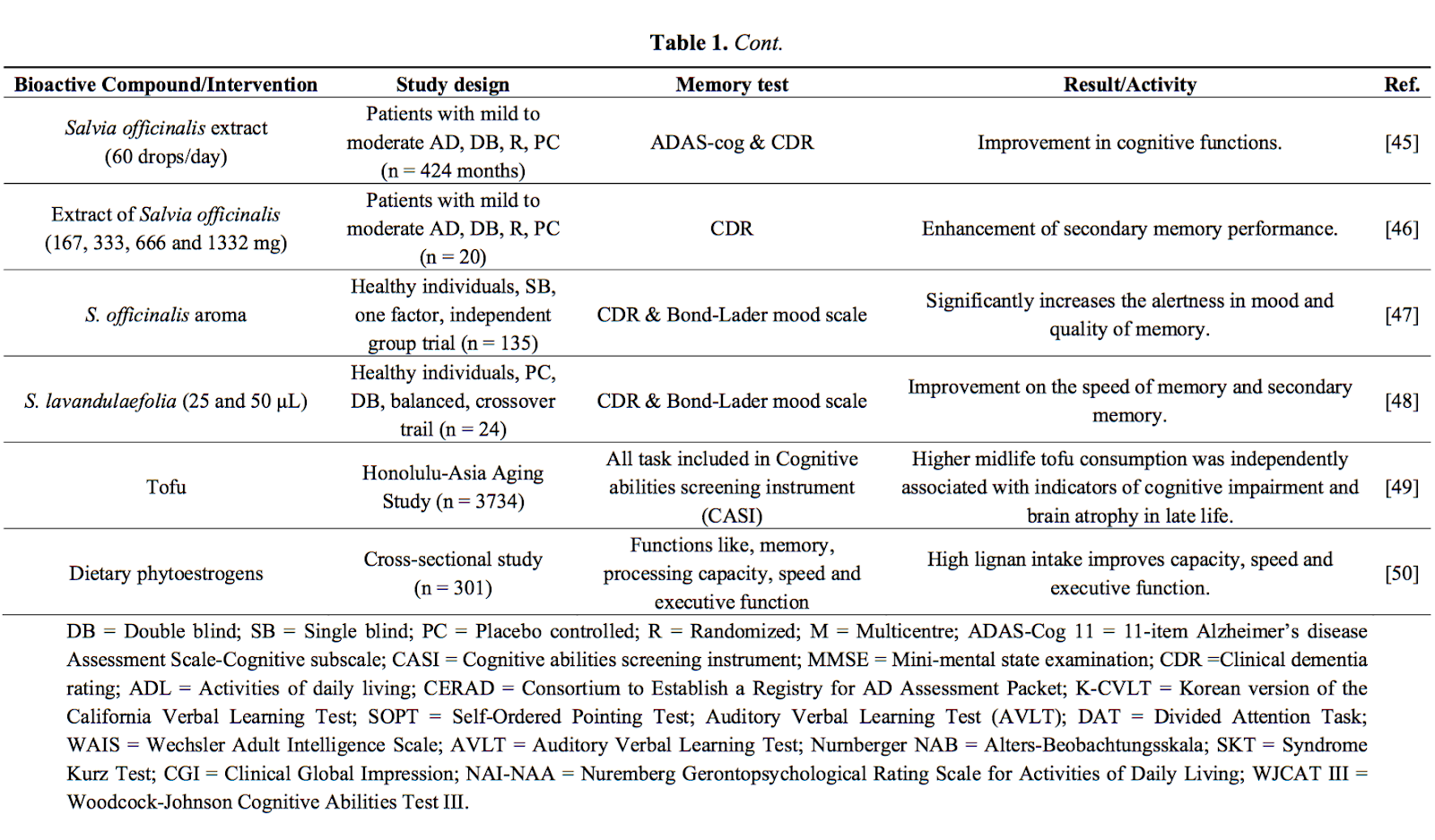
Promising Therapeutics with Natural Bioactive Compounds for Improving Learning and Memory — A Review of Randomized Trials
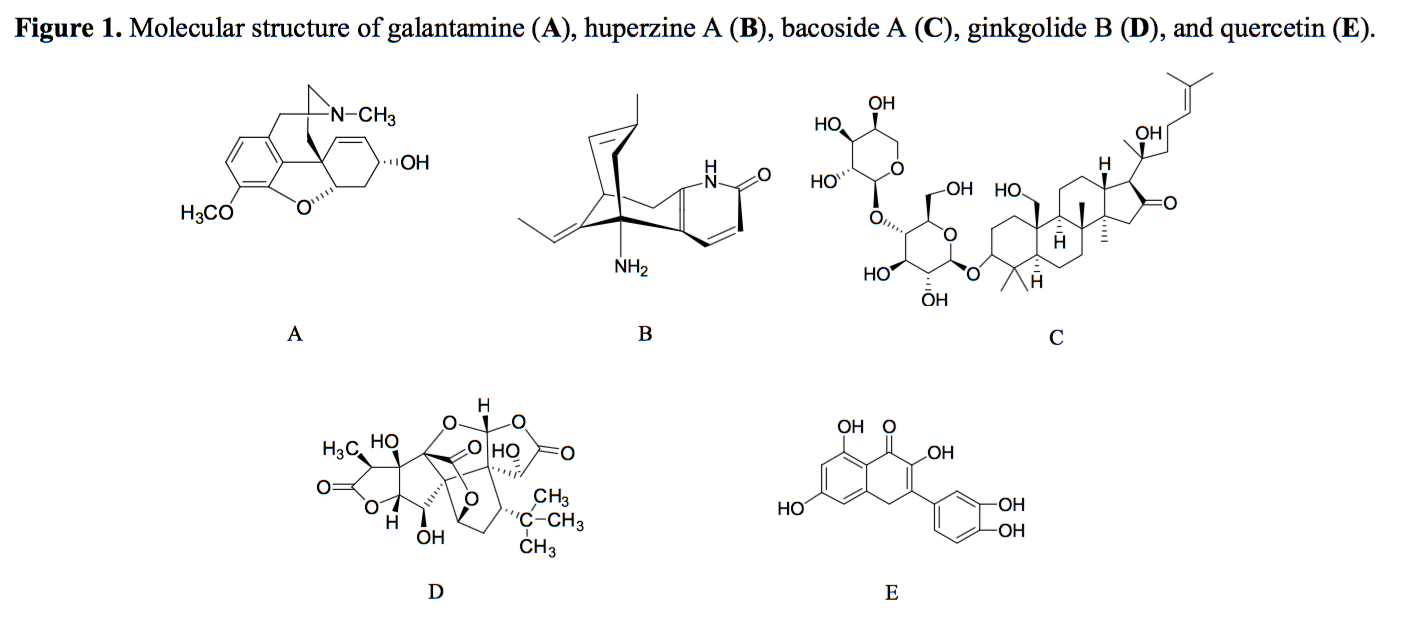
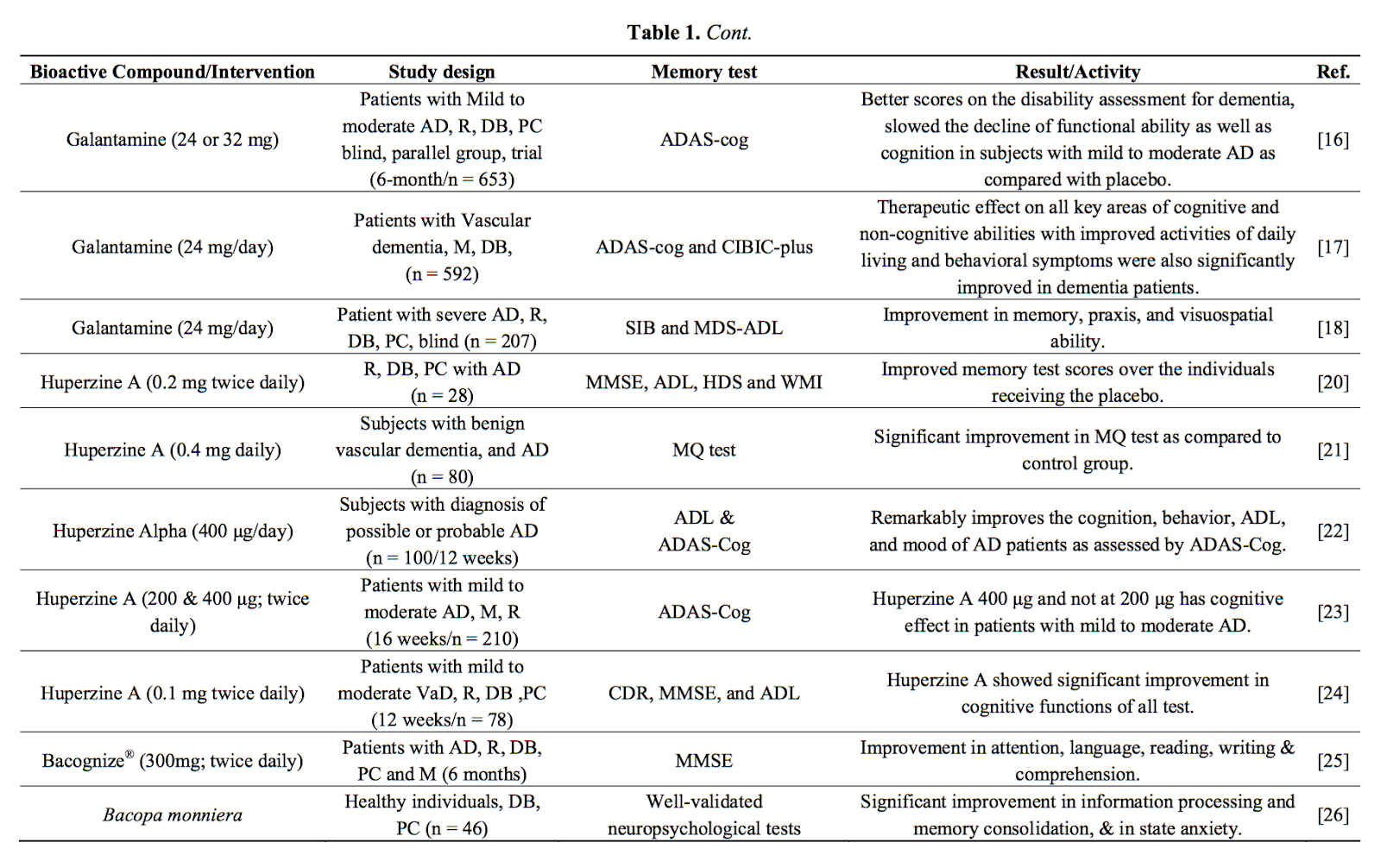
A recent review has determined that herbal treatments, such as those including flavonoids, are beneficial when attempting to prevent neurocognitive decline, commonly seen in Alzheimer’s Disease. Galantamine, quercetin, examples of two flavonoids, as well as huperzine A, bacoside A, and ginkolide B, three flavonoid-like compounds, all proved to be effective when used as a treatment for poor memory function. The authors mention the need for similar results in clinical trials but find the current data compelling evidence for future drug development.
Highlighted in this paper is the current perception of herbal products as natural, gentle, and safe in comparison to current synthetic drugs. While herbal products are generally safer and considered to be more gentle, it is important to note that for these herbal compounds to truly be effective when treating patients they likely need modification in order to optimize their benefits. The modification would increase potency, selectivity, and pharmacokinetic abilities, as well as lessen any possible side effects. Synthetic drugs may seem frightening, particularly in light of recent illnesses and mortality associated with their abuse, but technology can also be used to optimize novel drugs and it can be efficient to do so.
Cannabinoid-deficient Benin republic hemp (Cannabis sativa L.) improves semen parameters by reducing prolactin and enhancing antioxidant status
Cannabis sativa, specifically Nigerian hemp, has been found to have adverse effects on male fertility. It’s use has been linked to a decrease in semen parameters, germ cell proliferation, and reproductive organ weight. It can induce hyperprolactinemia, a condition causing infertility in 11% of men with low sperm count.
Data from the National Drug Law Enforcement Agency in Nigeria has suggested users preferentially obtaining hemp from the Benin Republic. In a recent study investigating the composition of Benin republic hemp, a lack of THC and lower levels of cannabinol were observed. Additionally, an ethanol extract of Benin republic hemp increased sperm count, morphology, and viability.
Additional Point: Certain phytocannabinoids found in cannabis have demonstrated a detrimental effect on male fertility. However, analysis of hemp from the Benin republic shows a low to no levels of these toxic cannabinoids and evidence points to this particular hemp enhancing male fertility.
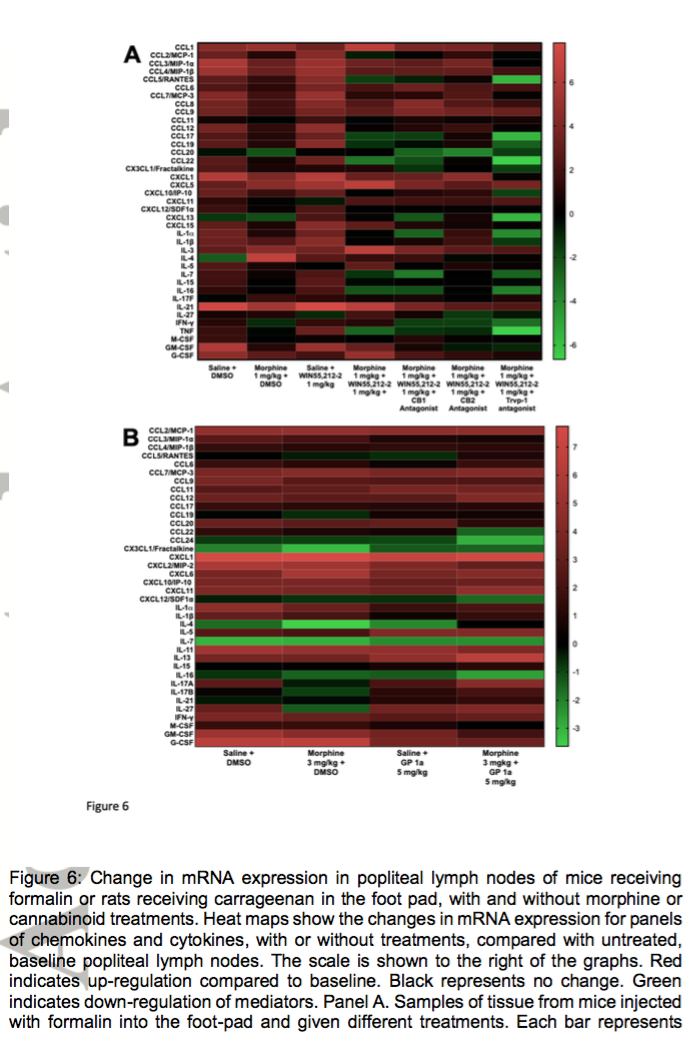
Opioid-Sparing Effects of Cannabinoids on Morphine Analgesia- Participation of CB1 and CB2 Receptors
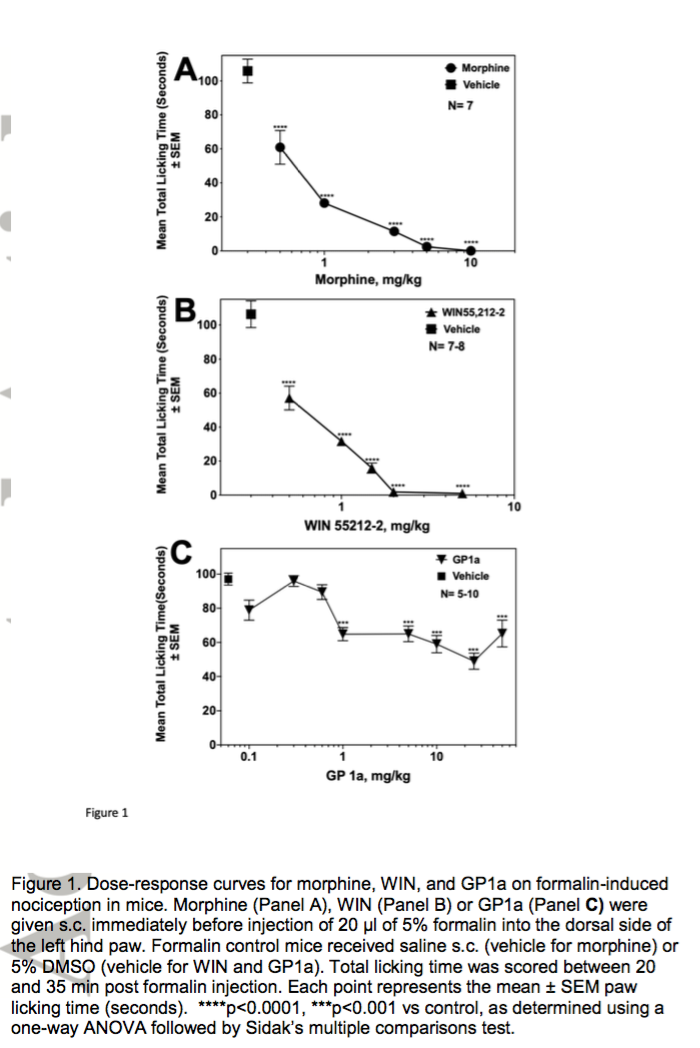
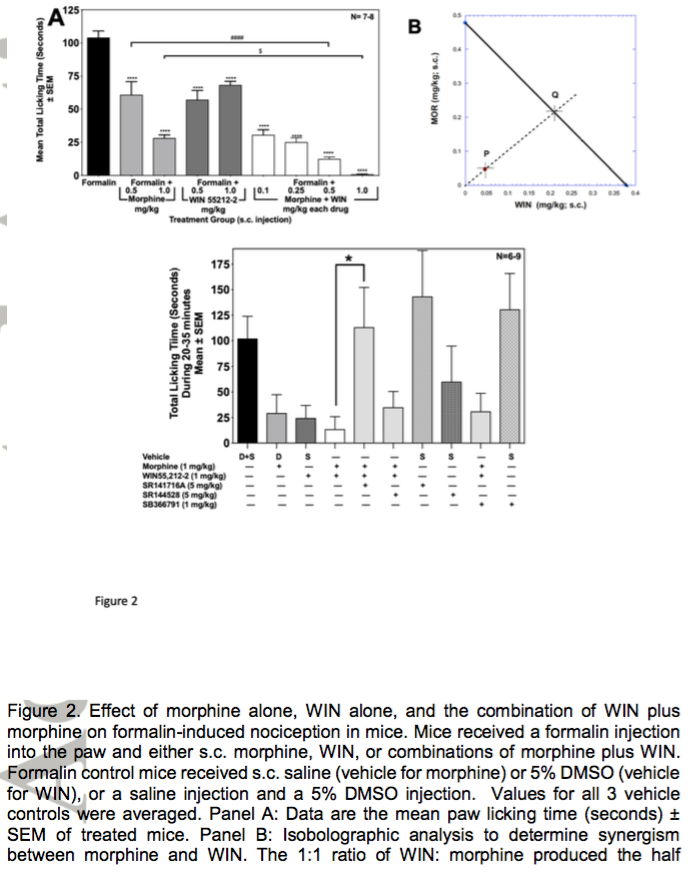
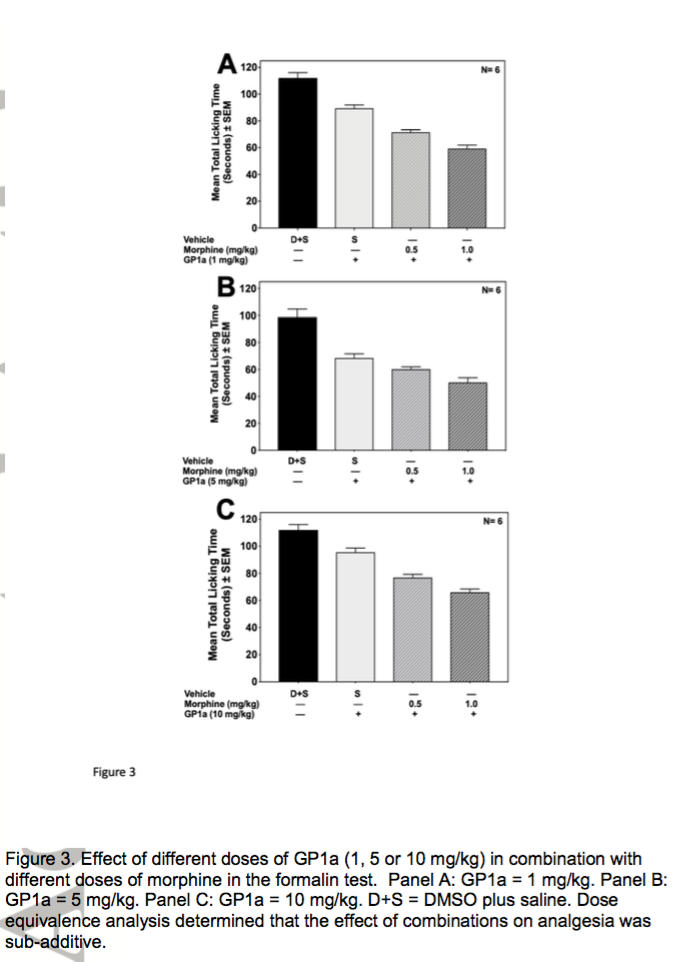
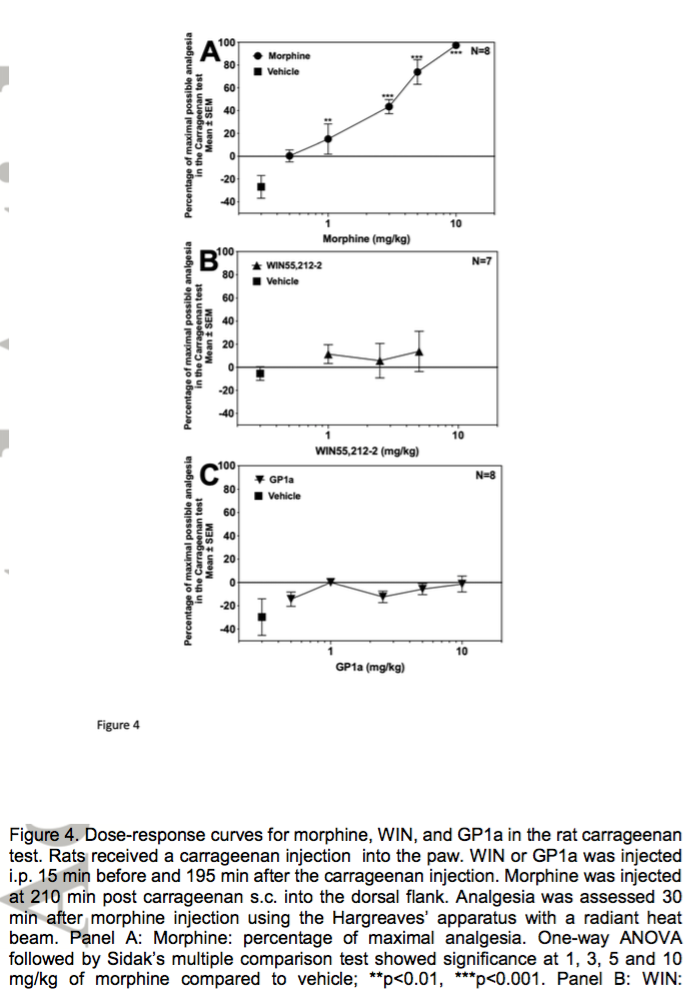
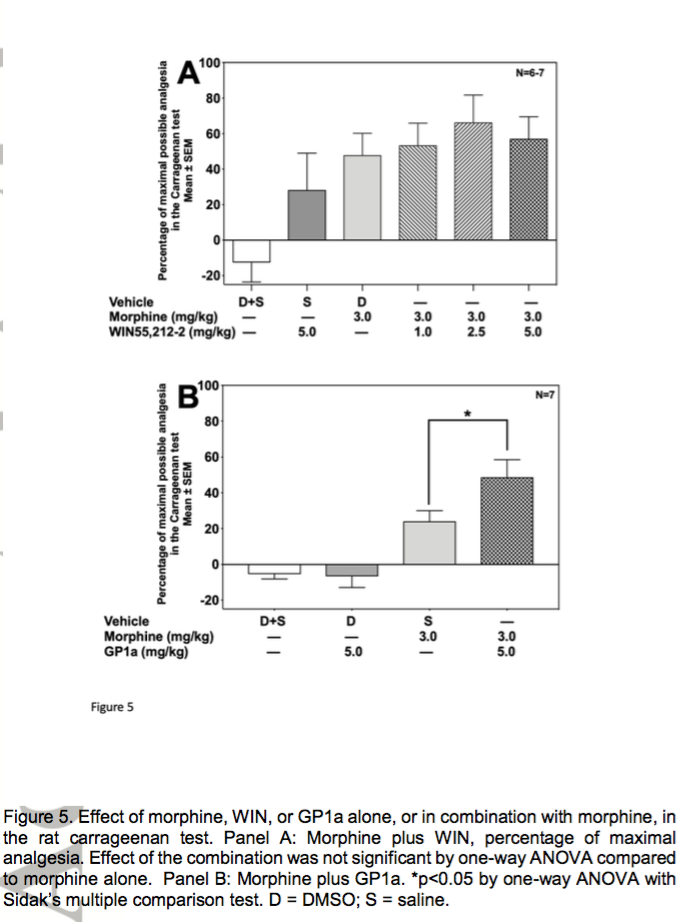
Researchers have recently provided evidence that synthetic cannabinoids are able to work synergistically with morphine to provide maximum pain relief while limiting opioid doses.
In an effort to control the current opioid epidemic researchers have been looking into the possible benefits of cannabinoids due to the interaction of the opioid and endocannabinoid systems. The results of this study showed that various synthetic cannabinoids (WIN and GP1a) were able to work synergistically with morphine in two separate pain models to maximize analgesic effects. Further evidence is still needed to validate these claims before patient use, but this paper provides further evidence that medical cannabis may help put an end to the opioid crisis.
Highlighted in this paper is the lingering uncertainty of exact mechanisms within the endocannabinoid system. The authors of this article are left without definite answers as to whether or not the analgesic effect is mediated completely through cannabinoid receptor 1 (CB1) or if cannabinoid receptor 2 (CB2) is also involved. Research into cannabinoids is slow within the United States, as there are currently only privately funded studies. This severely limits the medical community from a full understanding. The better a system is understood, the more concrete answers can be found. Critics may never support the rescheduling of cannabis but without moving cannabis to a Schedule II or III, it remains impossible to back even their claims.