Cannabinoids

The Current Research on Cannabis-Alcohol Interactions and Risk Factors for Using Them Together

Title: Cannabis and Alcohol- From Basic Science to Public Policy

This new analysis summarizes the most recent preclinical trials and epidemiological studies concerning the interactions between cannabis and alcohol, as well as possible risk factors for co-use. Specific risk factors, such as frequency of use or belonging to particular groups, were found to be significant within studies (but not across separate studies.) The compiled data reveals that previous research is inconsistent and emphasizes the need for further research to elucidate at-risk populations.  


This article highlights a few secondary findings which all focus on the gaps in our knowledge concerning cannabis, of which there are many. There may be potential concerns with the integration of cannabis into modern culture, which has essentially normalized alcohol consumption. Future research will undoubtedly evaluate these concerns, and highlight potential advantages that cannabis consumption may offer as an alternative option.
View this review (yellow link) or download:

This paper is also stored here:   http://bit.ly/2Jt1Nfa      inside the CED Foundation Archive

To explore related information, click the keywords below:
Benjamin Caplan, MDThe Current Research on Cannabis-Alcohol Interactions and Risk Factors for Using Them Together
read more

A Call for More Research: Adolescent Cannabis Use and Mental Health Risks

Title: Adolescent Cannabis Use and Risk of Mental Health Problems – The Need for Newer Data

Here, an article presenting a case, justifying the need for new research to determine how cannabis use in adolescents may affect their risk for mental health. Few recent studies have come out discussing mental health and adolescent use. This is problematic because, over the years, cannabis products have been curated to be significantly more potent than in the past. Considering how vulnerable the brain is, during adolescence, because it is still developing, longitudinal studies need to be conducted to fully elucidate the effects of cannabis on development. 


This review highlights how poorly adolescents consuming cannabis seem to be at titrating their dose, or correctly self-regulating consumption of cannabis. There is an overall need for greater education before cannabis is acquired, from a dispensary or otherwise. For adults and teens seeking to self-regulate their use of cannabis, irrespective of the consumption method, it is difficult to succeed, considering the gross lack of knowledge and sophistication around the dosage. The wide variability in choice and make-up of cannabis products, added to the complexity associated with how each patient may process the myriad of cannabinoids within the products consumed leads to a complexity of confounding variables, and here, a call for more studies to be conducted on more than just adolescents. 

View this review (yellow link) or download:

This paper is also stored here:   http://bit.ly/2XGXNLC      inside the CED Foundation Archive

To explore related information, click the keywords below:
Benjamin Caplan, MDA Call for More Research: Adolescent Cannabis Use and Mental Health Risks
read more

The Endocannabinoid System may Provide Biomarkers for Endometrial Cancer

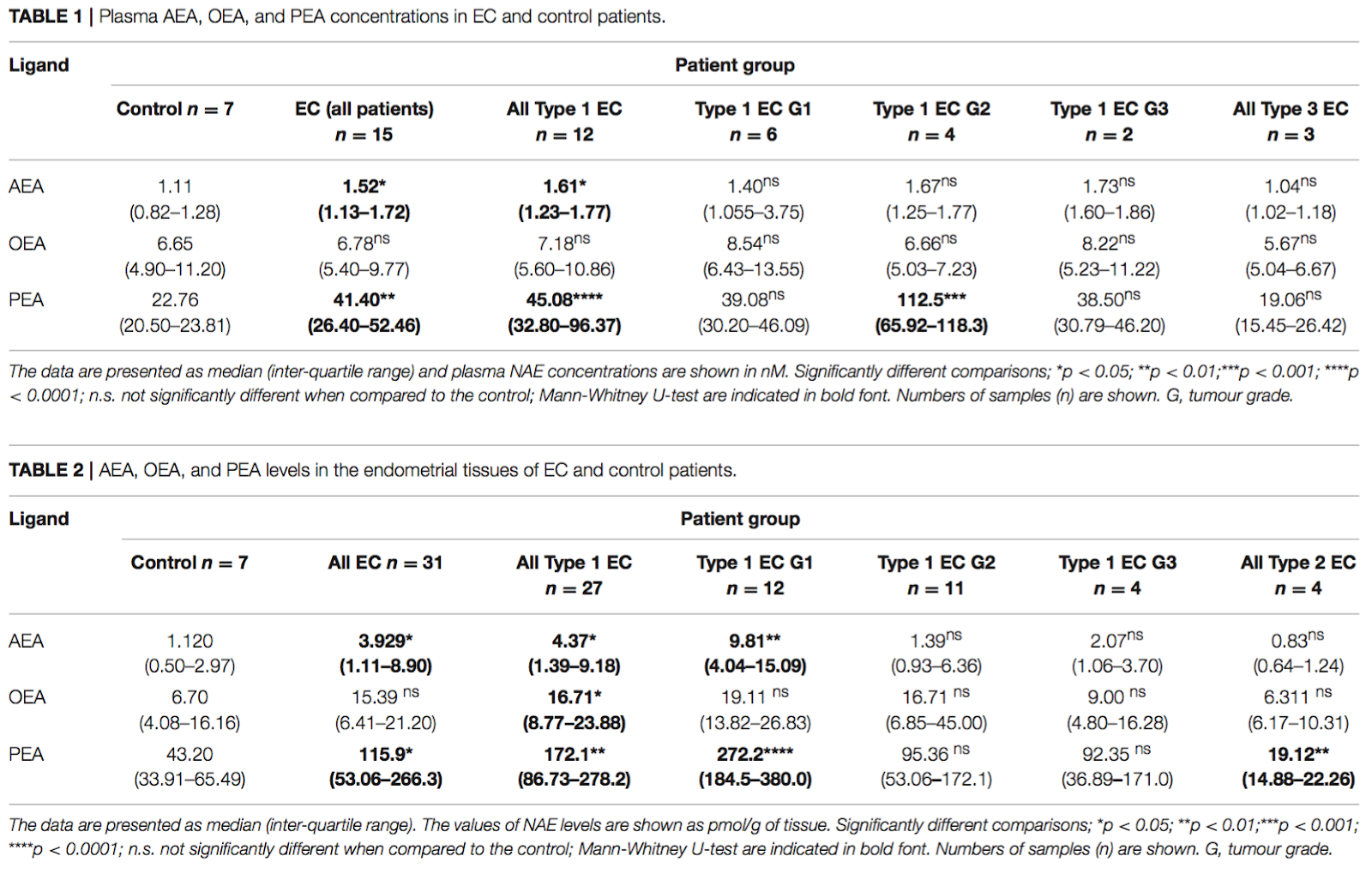
Title: Identification of Novel Predictive Biomarkers for Endometrial Malignancies- N-Acylethanolamines

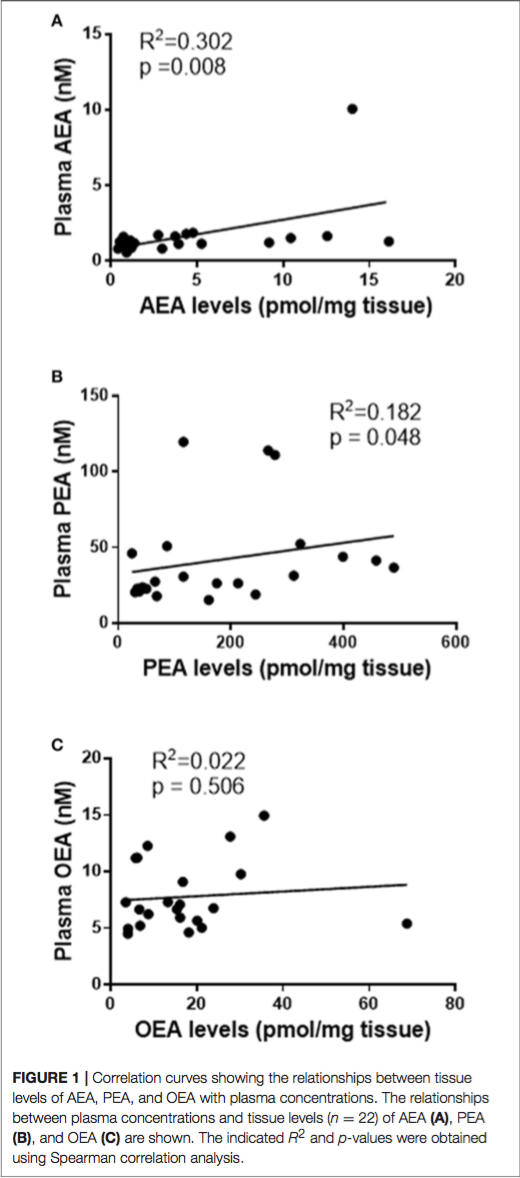
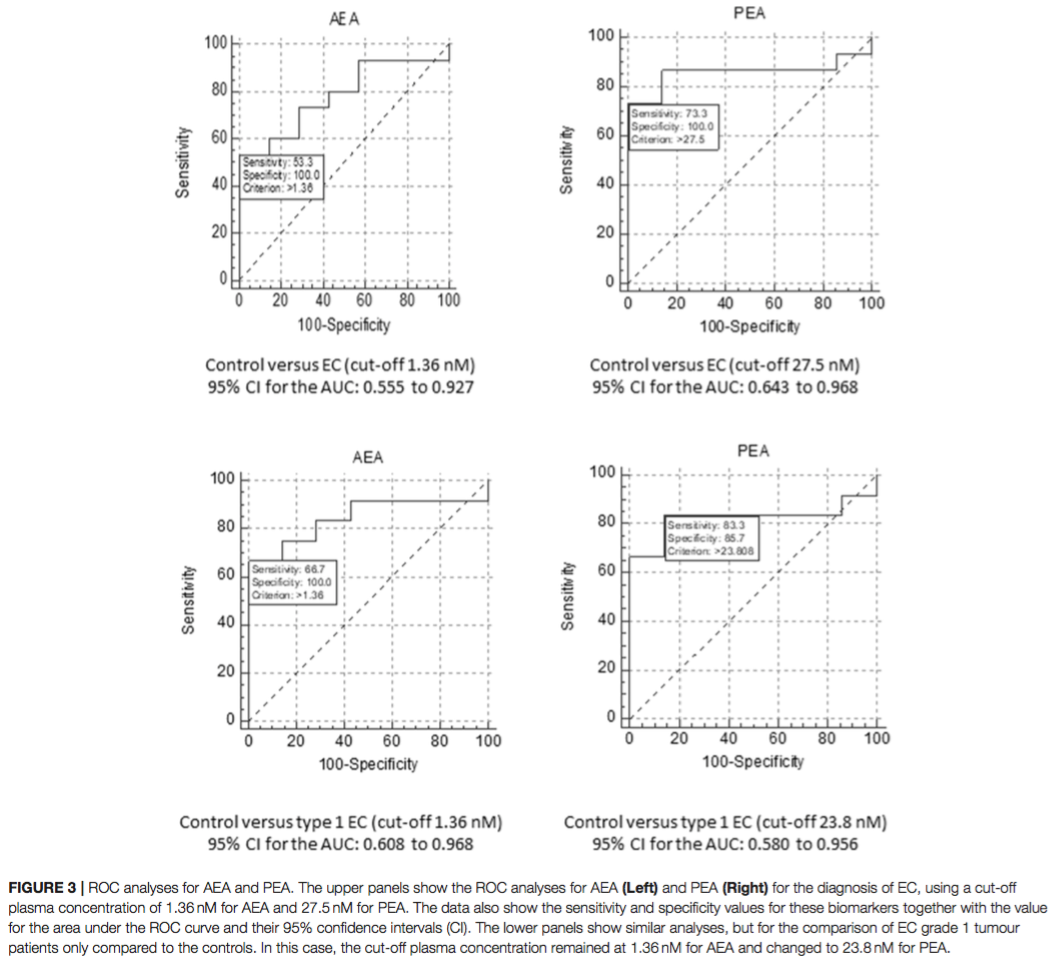
A recent study has demonstrated that specific members of the endocannabinoid system may serve as potential biochemical markers for endometrial cancer. Elevated levels of two products of the endocannabinoid system (N-palmitoylethanolamine and N-arachidonoylethanolamine), reflect the production of endometrial tumors.

By screening for elevated levels of those substances, it may be easier for physicians to more quickly recognize the possible presence of endometrial tumors, leading to a potentially sooner diagnosis and intervention. Further research should be conducted to see if there is an even stronger connection between the dysregulation of the endocannabinoid system and endometrial cancer. 


This study highlights the far-reaching arms of the endocannabinoid system that are still so poorly understood. Until the federal government supports the research of cannabis and helps the general public to recognize it as a medically useful substance, research will continue to be limited and stifled. Government-sponsored research is required to boost the growing data that is currently limited by a reliance on private funding. State governments continue to legalize medical marijuana and recognize the medical and economic benefits of cannabis-based medicines. As local legislature demonstrates the success of medical cannabis programs, many patients continue to look to the federal government to follows suit, to further support our fellow citizens in need. 

View this review (yellow link) or download:

This paper is also stored here:    http://bit.ly/2XHXX5n     inside the CED Foundation Archive

To explore related information, click the keywords below:
Benjamin Caplan, MDThe Endocannabinoid System may Provide Biomarkers for Endometrial Cancer
read more

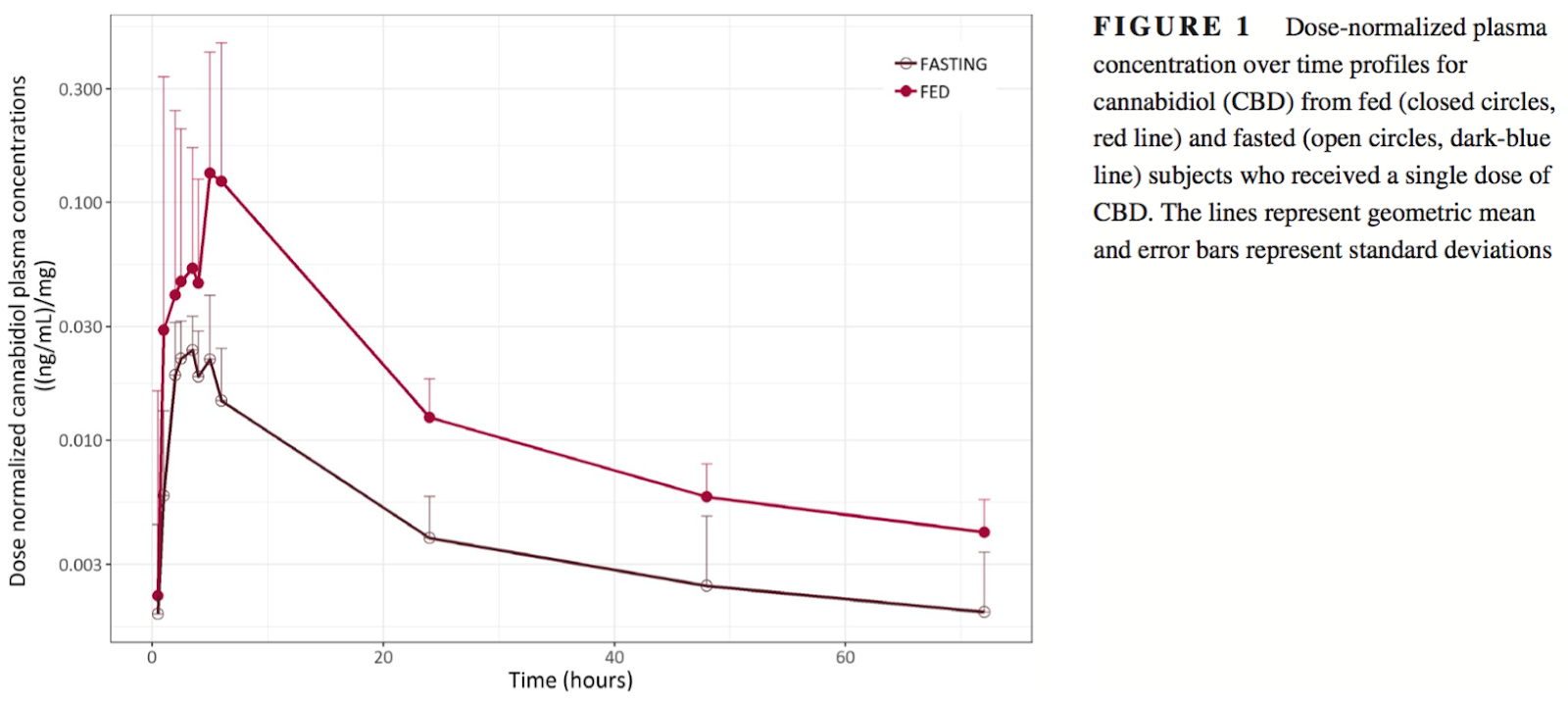
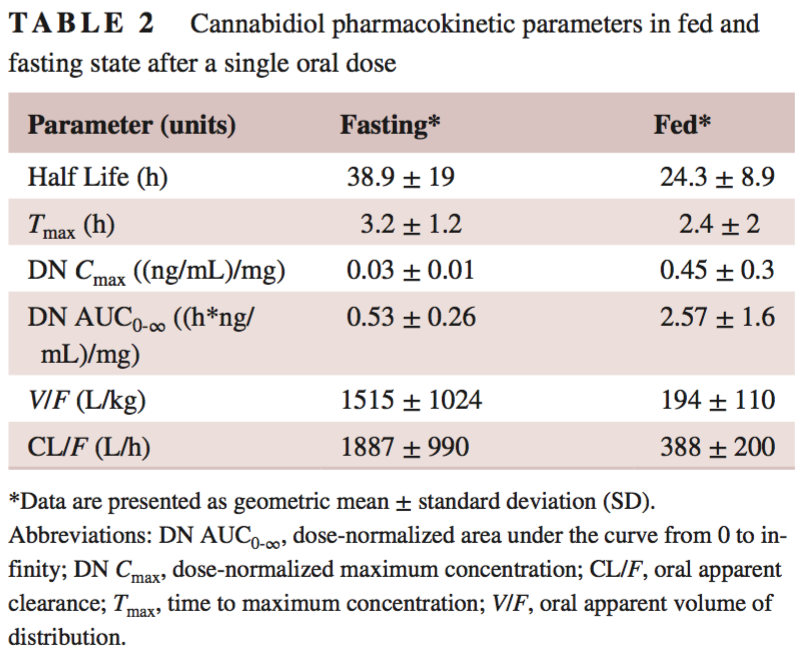
Maintain a Balanced Diet when Consuming Oral Cannabidiol

Title: Food effect on pharmacokinetics of cannabidiol oral capsules in adult patients with refractory epilepsy

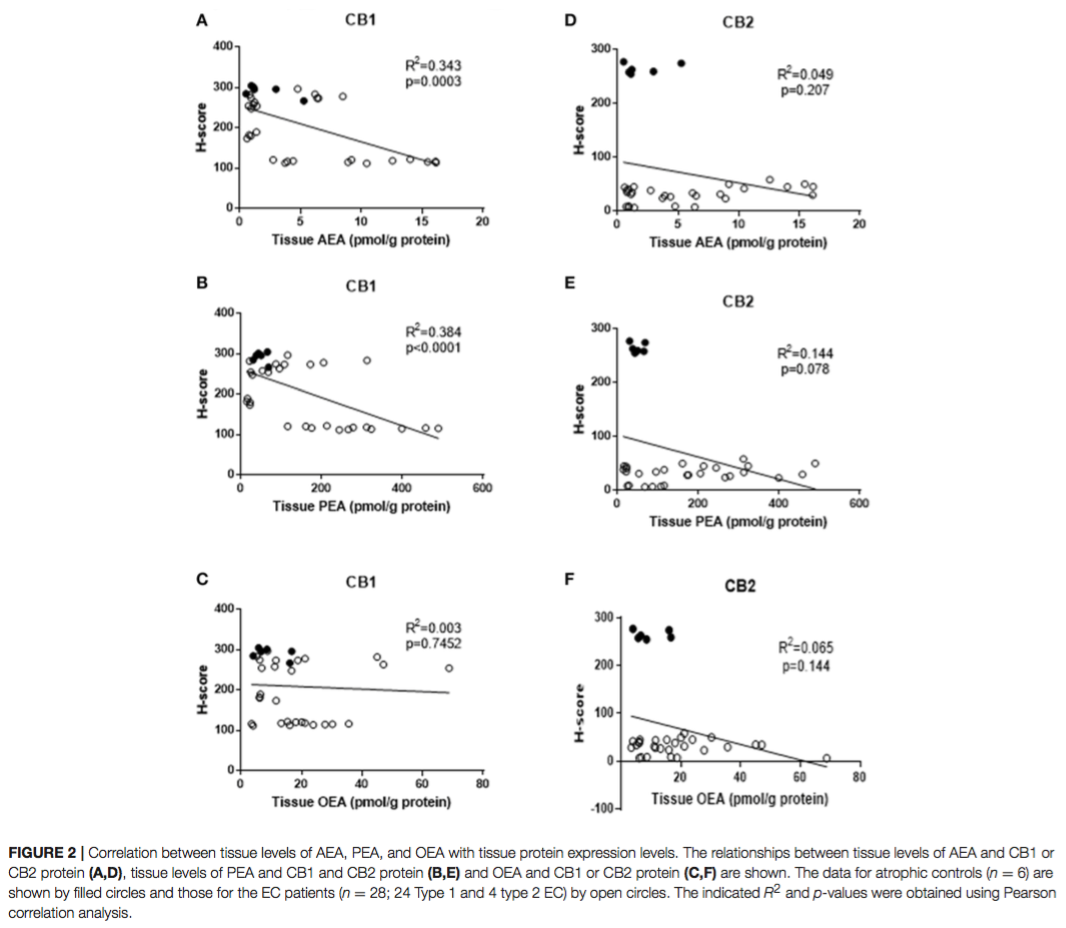
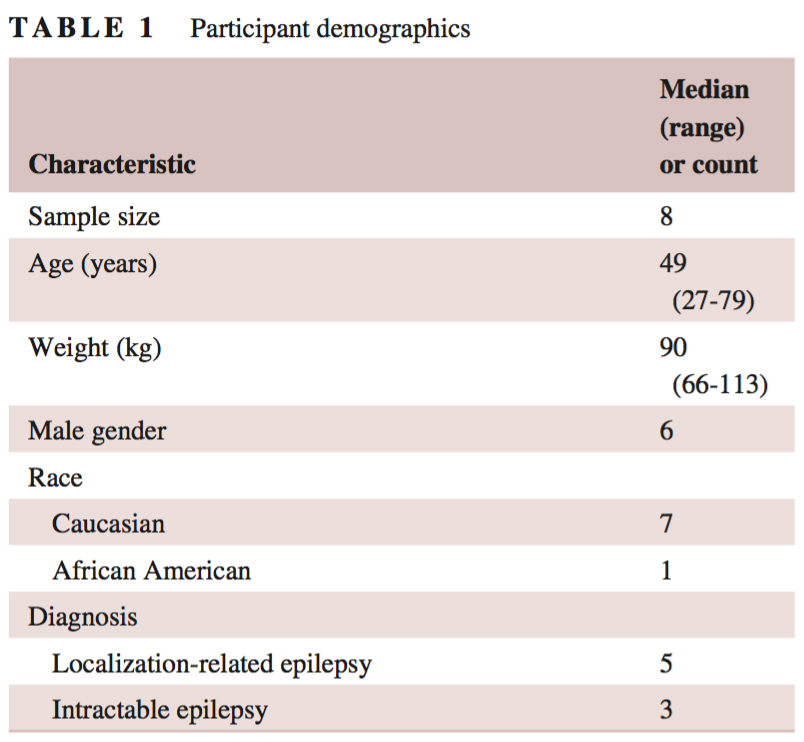
Researchers have recently revealed the importance of maintaining a balanced diet, when consuming cannabidiol (CBD). Consuming oral capsules containing CBD may be a more consistent method of consumption than blending CBD into liquids or solid foods, but unfortunately, capsules do not prevent a high degree of potential fluctuation of dosing. The fat content of a meal may vary widely, and so may change the active concentrations of CBD which become active in the bloodstream. In other words, the effects felt by a consumer may be either stronger or weaker, and differ in duration, related to the method of consumption, and the product make-up taken. Patients considering CBD as a therapeutic intervention, who also want a consistency of effect, would be wise to be mindful to maintain a diet with a balanced amount of fat (oils, butter, etc.) when consuming CBD capsules. 


This article highlights the variation of effects felt when altering consumption methods. For example, edibles and inhaled cannabinoids of the same dosage have extremely different effects, because of how they are processed in the body processes. When inhaled, tetrahydrocannabinol (THC) diffuses across structures in the lungs known as alveoli, and are then transmitted to circulate throughout the bloodstream. Edibles introduce THC into the system by first metabolizing with liver enzymes, resulting in an altered metabolite of THC circulating throughout the body. This subtly-altered metabolite of THC can be more potent than the starting material, although the onset is delayed due to the process of consumption, digestion, and metabolism. All consumers would do well to research their consumption method of choice and proceed carefully when switching between methods. 

Tweet: Researchers have recently revealed the importance of maintaining a balanced #diet when consuming #cannabidiol (#CBD). Learn more at

View this review (yellow link) or download:

This paper is also stored here:    http://bit.ly/2Ju8KfY     inside the CED Foundation Archive

To explore related information, click the keywords below:
Benjamin Caplan, MDMaintain a Balanced Diet when Consuming Oral Cannabidiol
read more

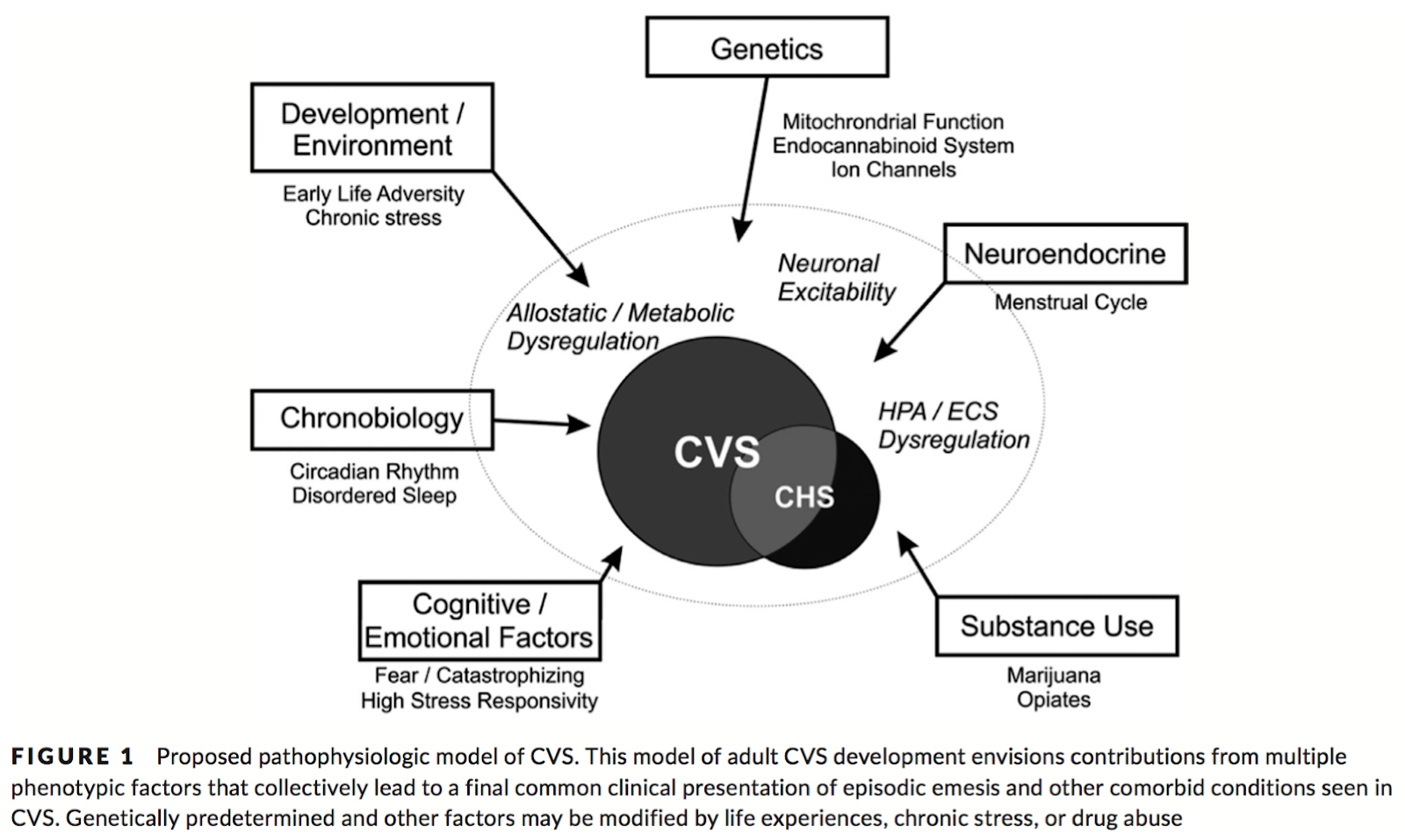
Standardized Registries may Improve Our Knowledge about Cyclic Vomiting Syndrome

Title: Cyclic vomiting syndrome- Pathophysiology, comorbidities, and future research directions

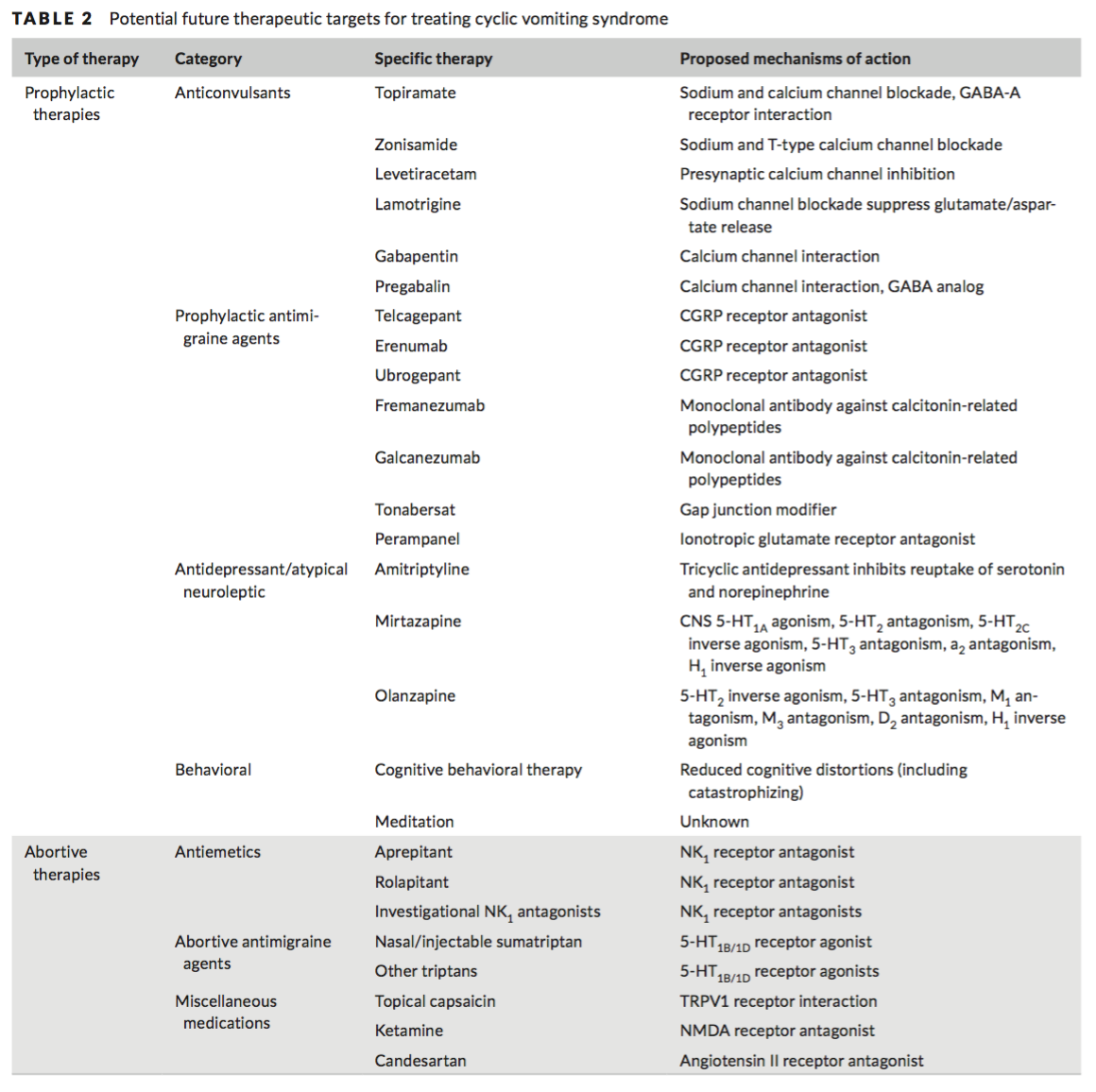
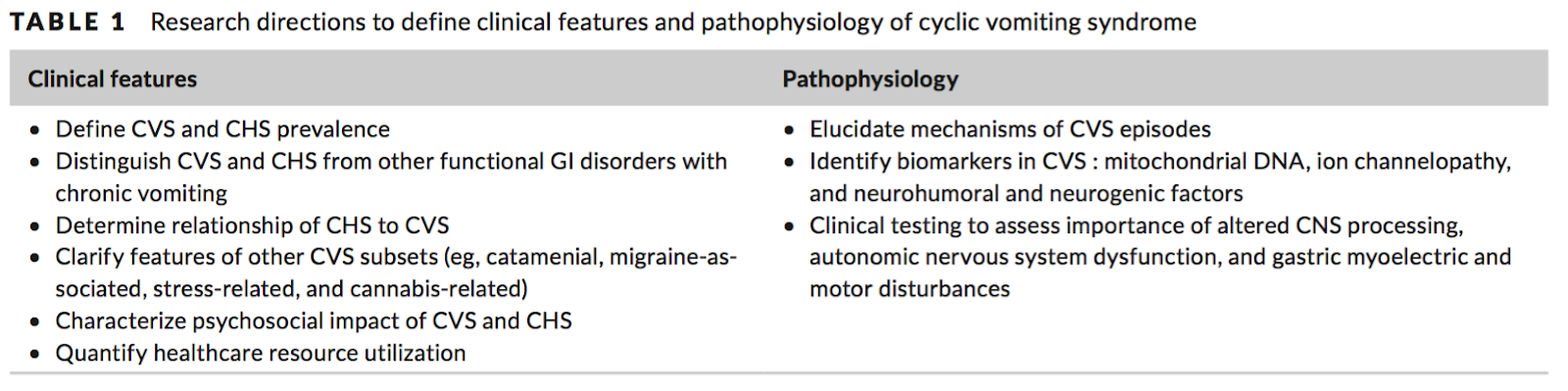
A recent article has called for the establishment of a multicenter registry in order to learn more about cyclic vomiting syndrome and related disorders. Creating such a registry would provide a database of patients for clinical trial recruitment, research on patient outcomes across different treatment methods, the underlying mechanism for the disorder, and the ability to identify potential biomarkers for the disorder. The registry would expand our understanding of the disorder, on all fronts, and hopefully, reveal the most effective treatment method. 


Could such a registry be created while still safeguarding patient privacy?


Highlighted in this article is the similarity of cyclic vomiting syndrome and cannabinoid hyperemesis syndrome (CHS). CHS is often misdiagnosed or goes undiagnosed for an exorbitant amount of time. By creating this registry for cyclic vomiting syndrome and related disorders, including CHS, the same information about genetics, underlying mechanisms, and effective treatments could also be determined.

Finding a genetic basis for cannabinoid hyperemesis syndrome would support patients looking into cannabis-based medicine to decide if cannabis would even be an effective treatment, by allowing them to discover possible side effects to which they might be more susceptible.

View this review (yellow link) or download:


This paper is also stored here:     http://bit.ly/2JtDAFm    inside the CED Foundation Archive


See the full available literature on Cannabinoid Hyperemesis Syndrome here: http://bit.ly/2XHfdrI


To explore related information, click the keywords below:
Benjamin Caplan, MDStandardized Registries may Improve Our Knowledge about Cyclic Vomiting Syndrome
read more

False Memory Formation Does not Differ between Cannabis Users and Controls

Title: False memory formation in cannabis users- a field study

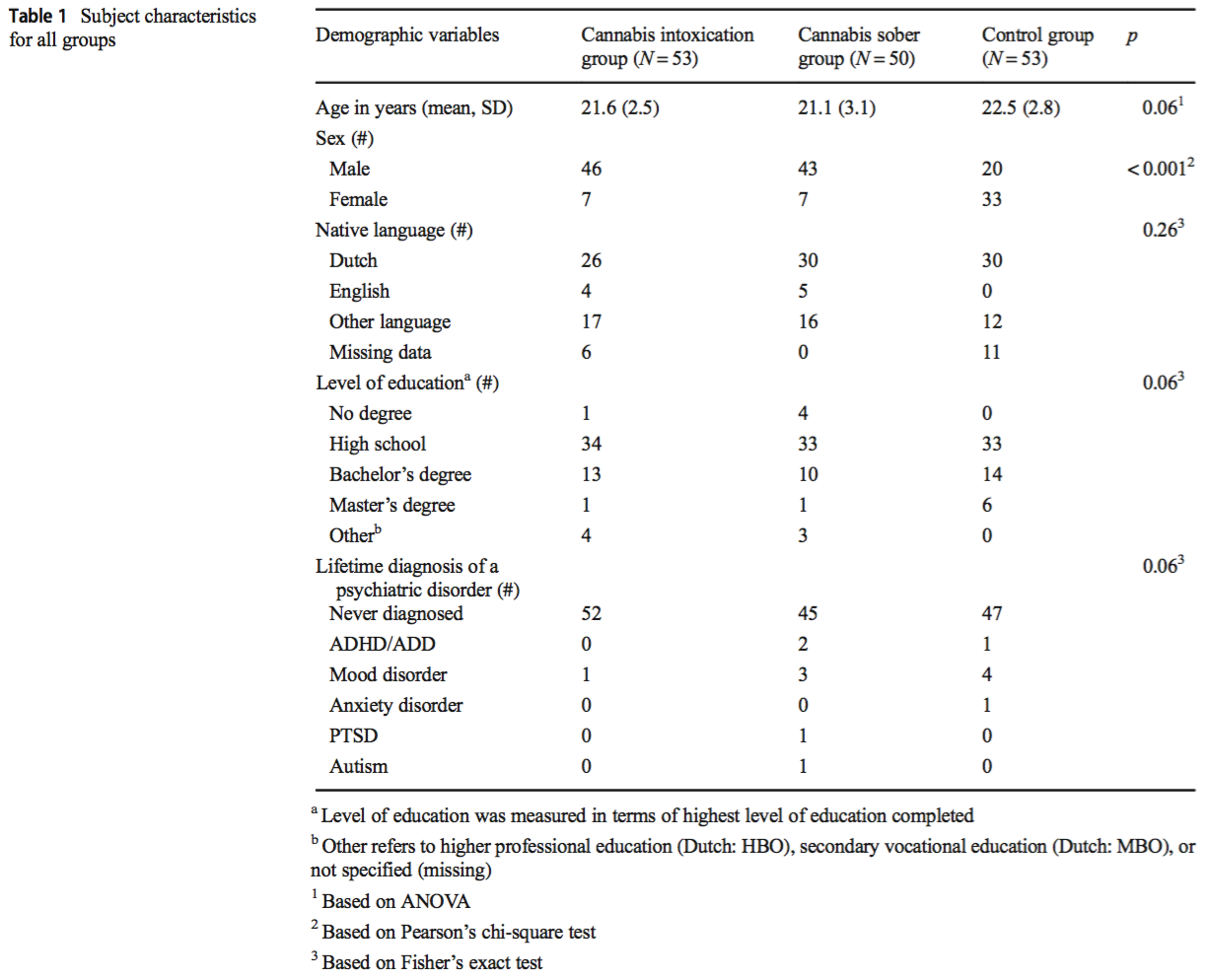
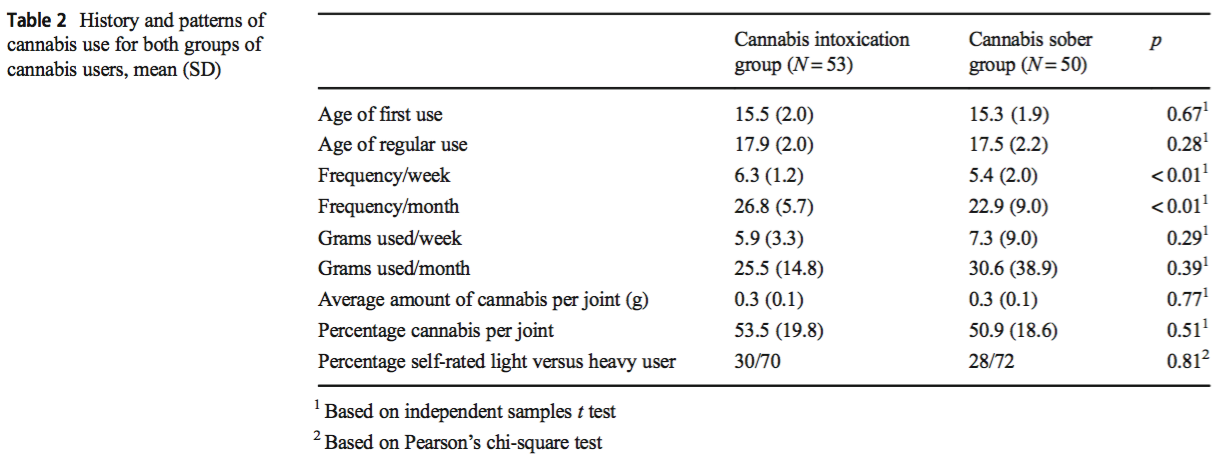
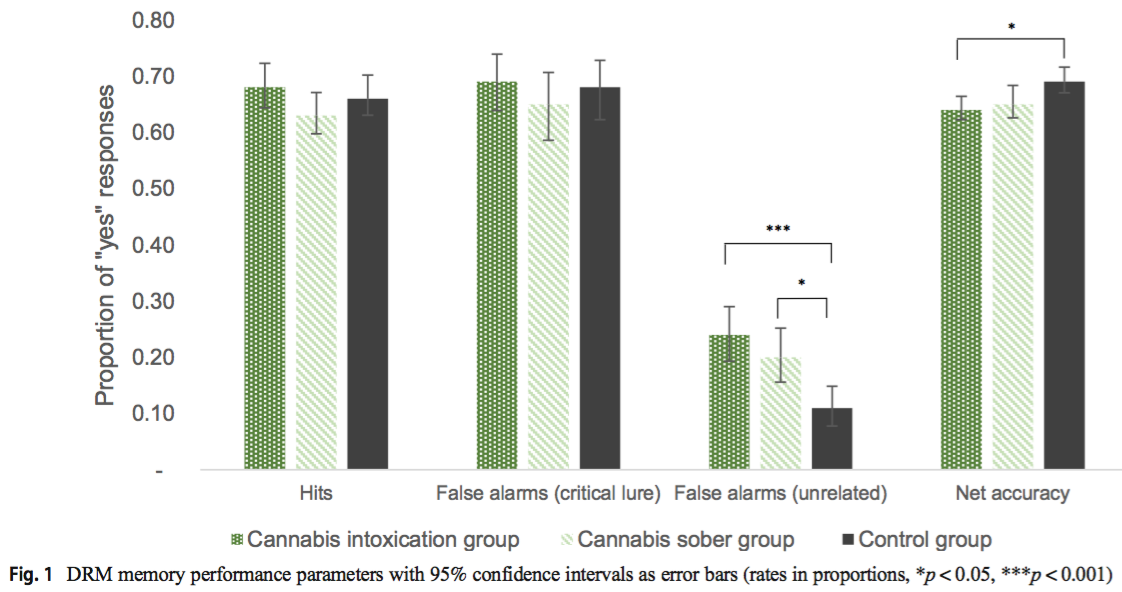
This new study has revealed that although cannabis use does not increase the rate of false memory acquisition, cannabis use did increase the uncertainty of participants. It was also determined that intoxicated cannabis users were less accurate when recognizing true events, providing evidence that cannabis intoxication hinders memory formation.

This research provides a basis of knowledge for those interviewing people under the influence of cannabis for legal proceedings to determine the validity of their statements. If cannabis intoxication increases the uncertainty and liberal answers provided by users then their statements should be used sparingly or well-corroborated. 


This research highlights the importance of understanding cannabis for legal proceedings. More and more state governments are legalizing medical and recreational cannabis, each year, increasing the amount of those eligible to legally consume cannabis. As cannabis use continues to climb in popularity, witnesses or others interviewed in legal settings may not provide the most accurate information. Acute cannabis use should be a consideration related to legal proceedings so that the users’ statements can be weighed appropriately.  

View this review (yellow link) or download:

This paper is also stored here:     http://bit.ly/2Jt6eWY    inside the CED Foundation Archive

To explore related information, click the keywords below:
Benjamin Caplan, MDFalse Memory Formation Does not Differ between Cannabis Users and Controls
read more

The Endocannabinoid System May Play a Role in Autism Spectrum Disorders

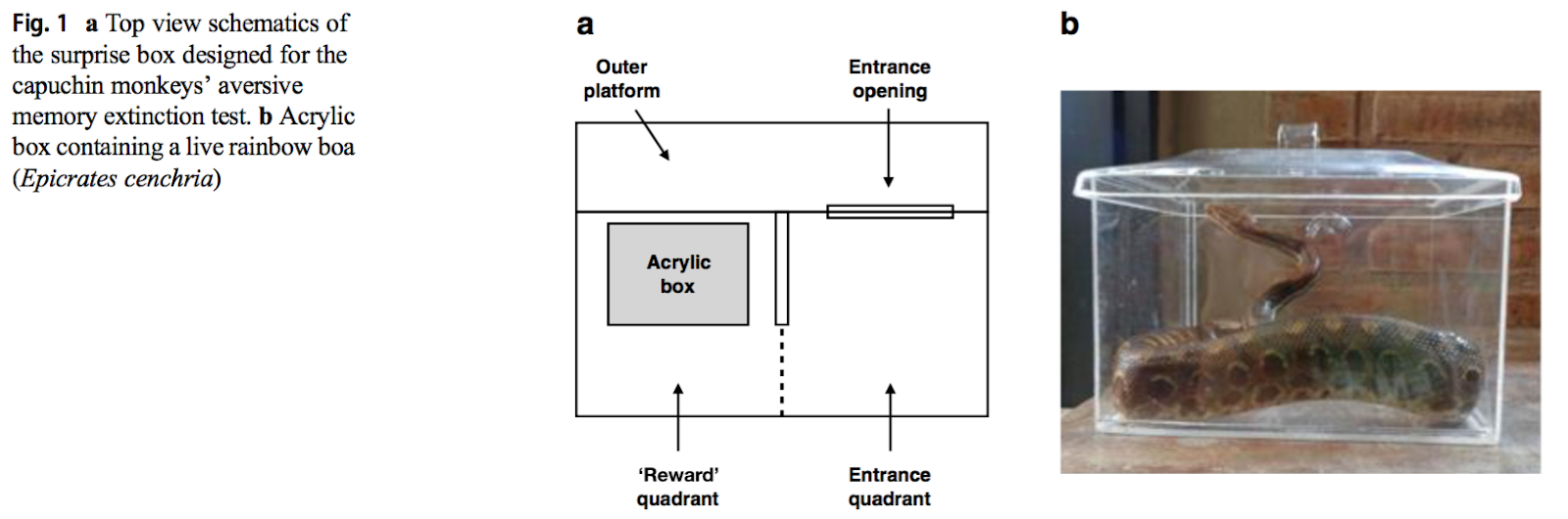
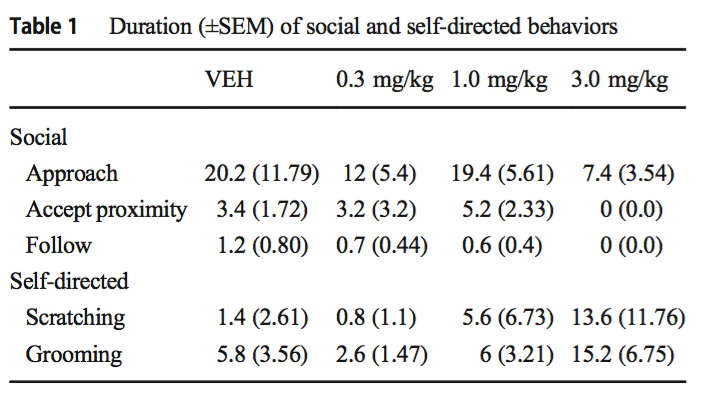
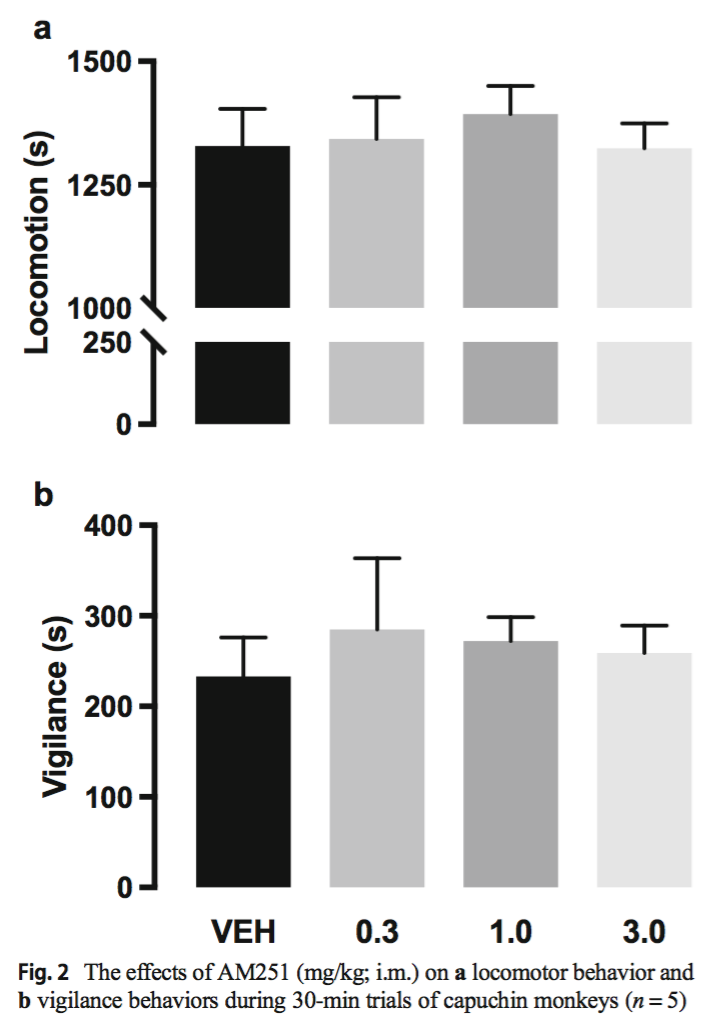
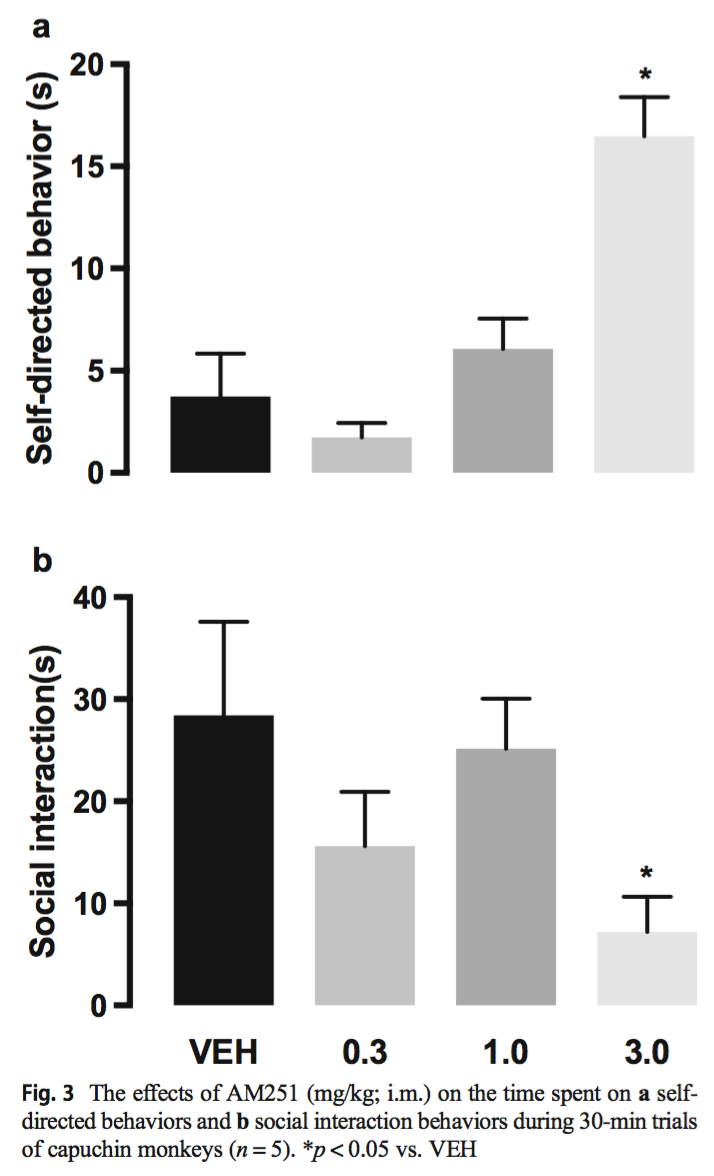
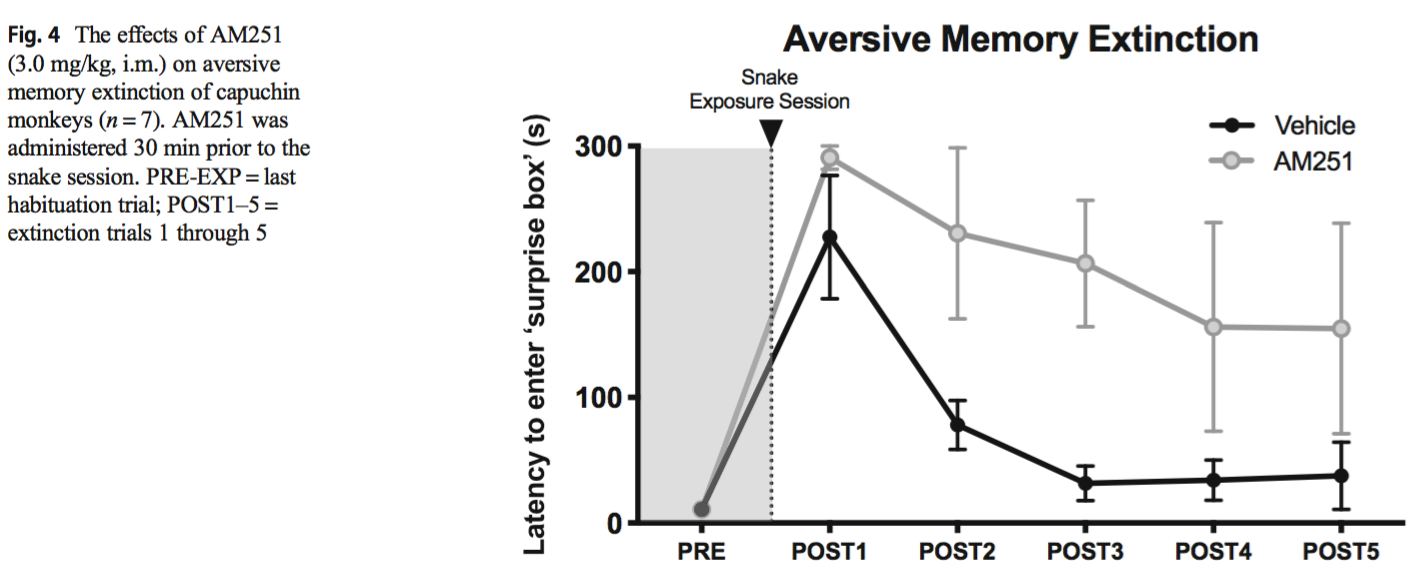
Title: CB1 receptor antagonism in capuchin monkeys alters social interaction and aversive memory extinction

A recent study has revealed that the dysregulation of the endocannabinoid system may play a role in autism spectrum disorders (ASD). Using non-human primates, researchers were able to mimic some of the social impairment seen in autism models by antagonizing cannabinoid 1 receptors with synthetic cannabinoids. Future research may continue to show links between ASD and the endocannabinoid system, suggesting that cannabinoids may be used to treat the social impairments characteristic in ASD. 


This research highlights how the endocannabinoid system may provide novel targets for developing therapies for what have seemed, previously, to be treatment-resistant disorders. Autism is still not well-understood and has many false beliefs associated with it. By studying the possible role of the endocannabinoid systems in ASD, researchers may be able to shed light on the mechanism(s) underlining the disorders and develop targeted treatments that allow patients a degree of greater control over the symptoms.

View this review (yellow link) or download:

This paper is also stored here:     http://bit.ly/2Ju4dds    inside the CED Foundation Archive

To explore related information, click the keywords below:
Benjamin Caplan, MDThe Endocannabinoid System May Play a Role in Autism Spectrum Disorders
read more

Video: Cannabinoids and autoimmune diseases: A systematic review

This literature review summarizes the findings on the role of cannabis in treating autoimmune diseases. Cannabis has anti-inflammatory properties when treating rheumatoid arthritis, scleroderma, type 1 diabetes, IBD, neuropathic pain, and fibromyalgia. Below is a video adaptation of “Cannabinoids in Rheumatoid Arthritis.” 

View this review (yellow link) or download:

This paper is also stored here:  http://bit.ly/2Y1paV5       inside the CED Foundation Archive

To explore related information, click the keywords below:
Benjamin Caplan, MDVideo: Cannabinoids and autoimmune diseases: A systematic review
read more

Video: Medical Cannabis Around the Globe & Across Centuries

Throughout the ages, from health & wellness, religious rituals, and textile applications to the entertainment and social elements, cannabis has been a vital part of multiple sectors of human culture.

For millions, the modern cannabis revival is a welcome return home to a core element that has been missing for years.


View this review (yellow link) or download:

This paper is also stored here:     http://bit.ly/2l4Vgxq    inside the CED Foundation Archive

To explore related information, click the keywords below:
Benjamin Caplan, MDVideo: Medical Cannabis Around the Globe & Across Centuries
read more

Between Bitter and Sweet Honey, from Algeria Mediterranean Coast, Different Flavonoid Content Contributes to Distinct Antioxidant Potentials

Characteristics of the bitter and sweet honey from Algeria Mediterranean coast

Previous research on honey and its historical use in traditional medicine has pointed toward its therapeutic application for the immune system, anemia, and heart function, among other conditions.

Two kinds of honey harvested from the Algeria Mediterranean coast, so-called poly-floral sweet honey and uni-floral bitter honey, have demonstrated their many medicinal uses. In a comparative analysis of the two kinds of honey, bitter honey had higher flavonoid content, lower sucrose content, and higher total polyphenols and tannins levels, giving it an increased antioxidant potential over sweet honey.

Additional Point: Factors including a higher flavonoid content in uni-floral bitter content gives it an improved antioxidant potential over poly-floral sweet honey. This makes for a wide variety of clinical benefits, including treatment of anemia, colon cancer, improved immune function, and more.

View this review (yellow link) or download:

This paper is also stored here:    http://bit.ly/2FXPipE     inside the CED Foundation Archive

To explore related information, click the keywords below:

Benjamin Caplan, MDBetween Bitter and Sweet Honey, from Algeria Mediterranean Coast, Different Flavonoid Content Contributes to Distinct Antioxidant Potentials
read more