Cannabinoids

Nutritional Supplements Modulate Cannabinoid Content

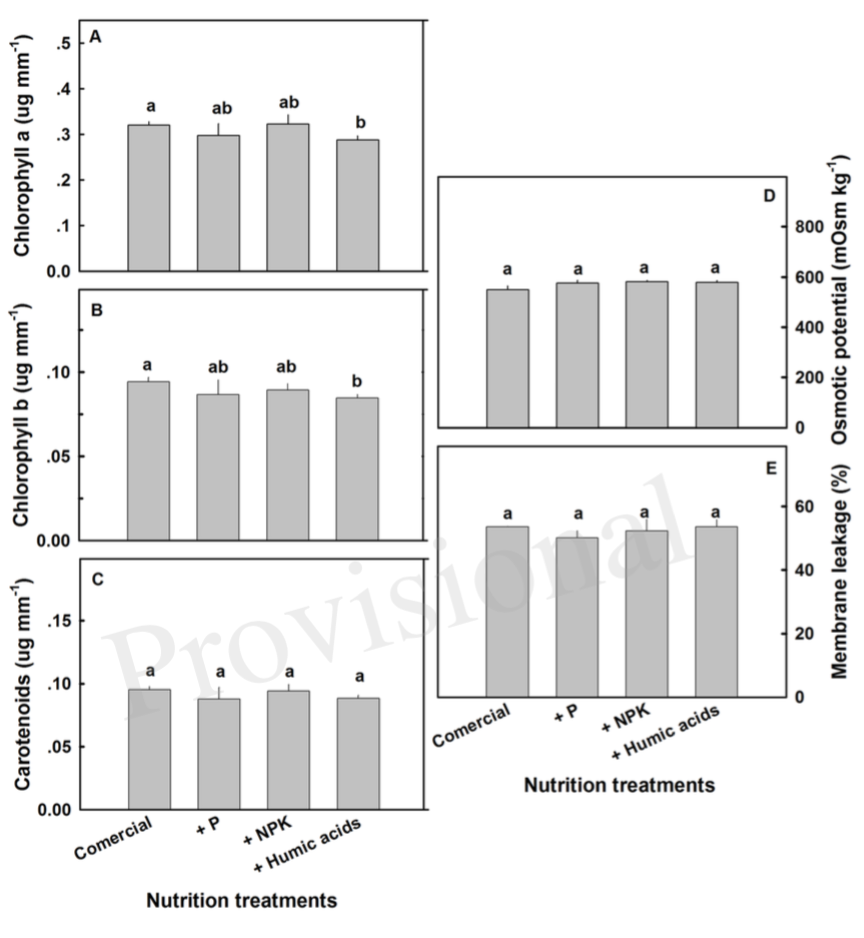
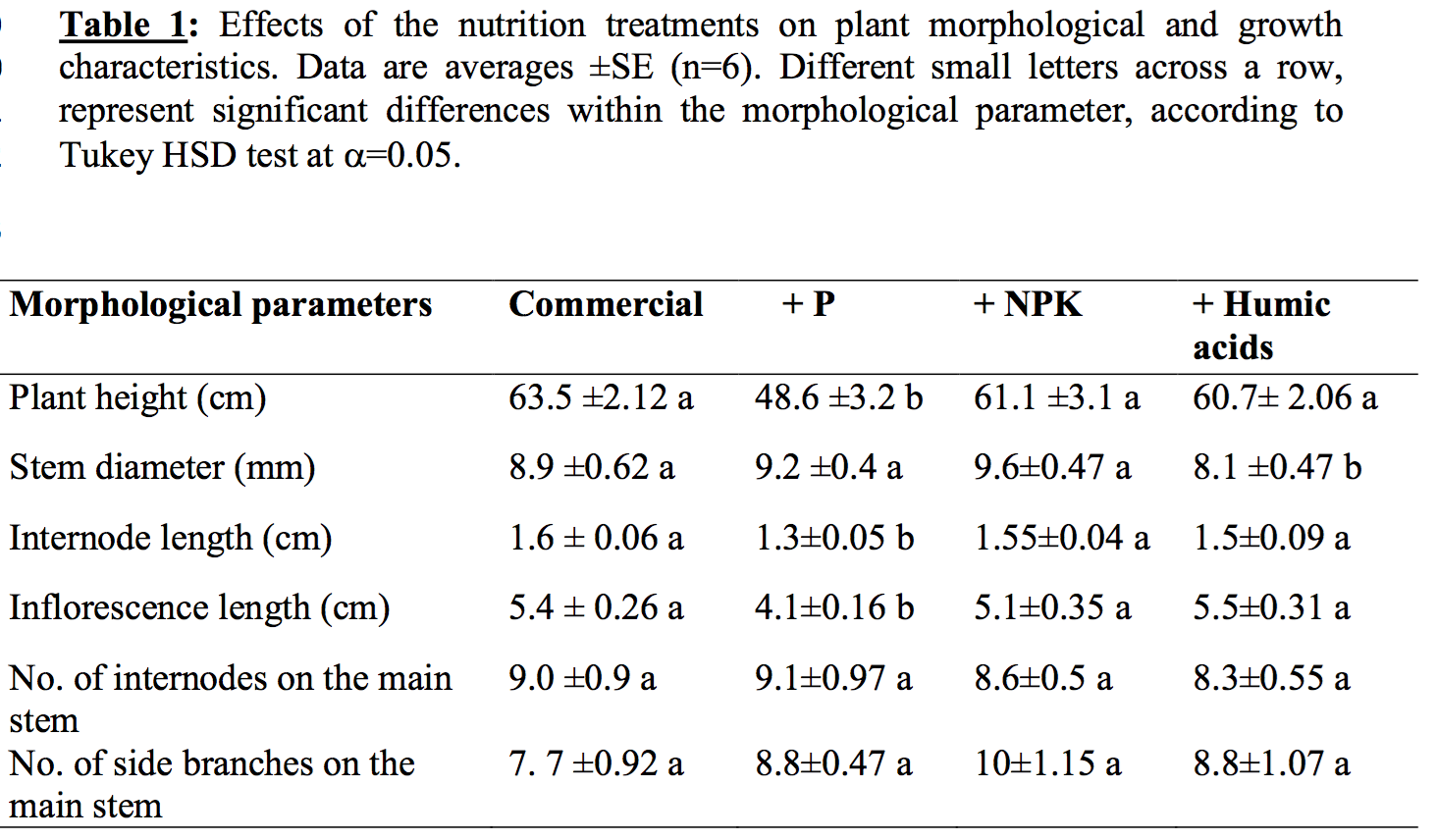
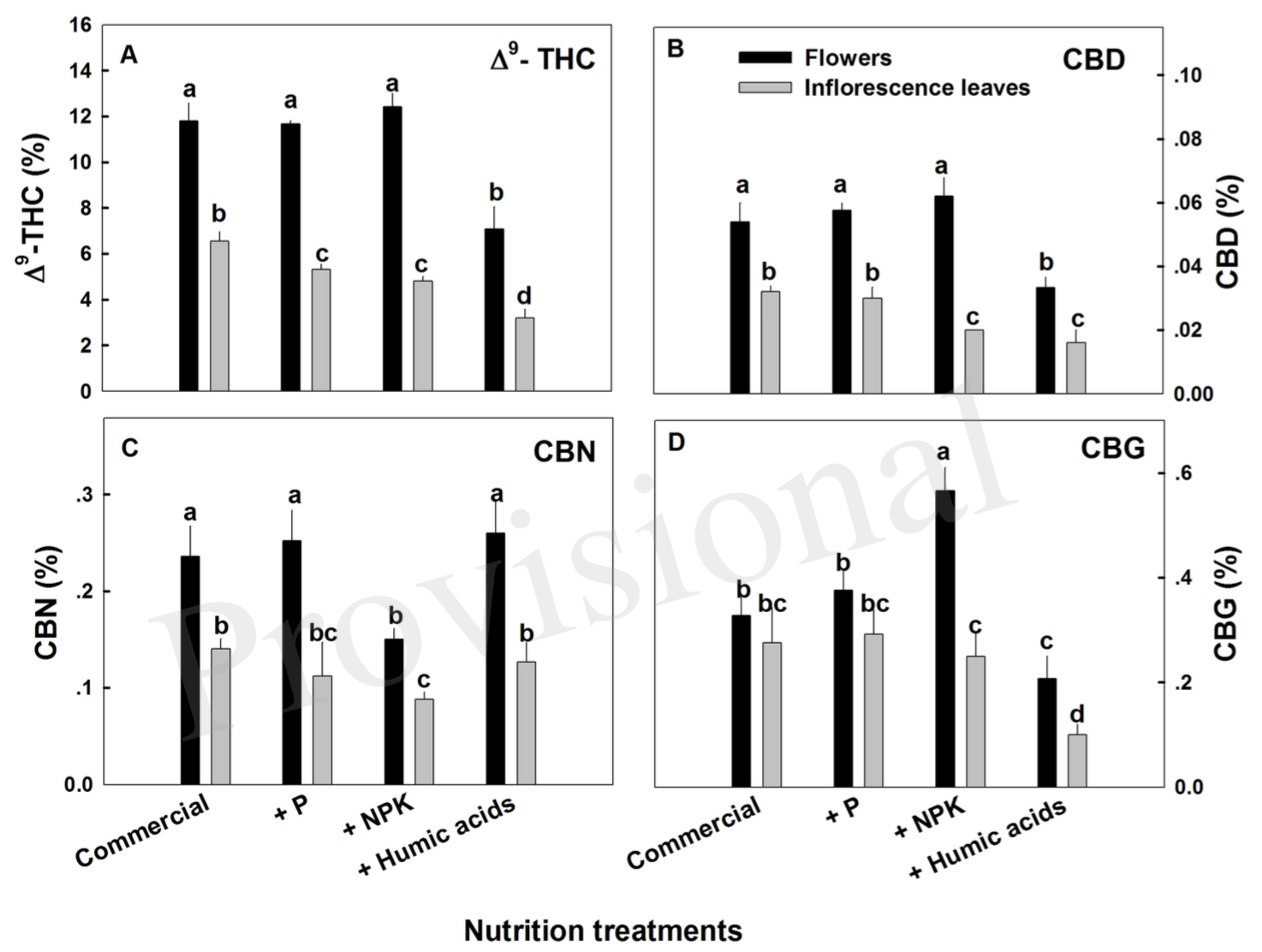
Title: Impact of N, P, K and humic acids supplementation on the chemical profile of medical cannabis (Cannabis sativa L)

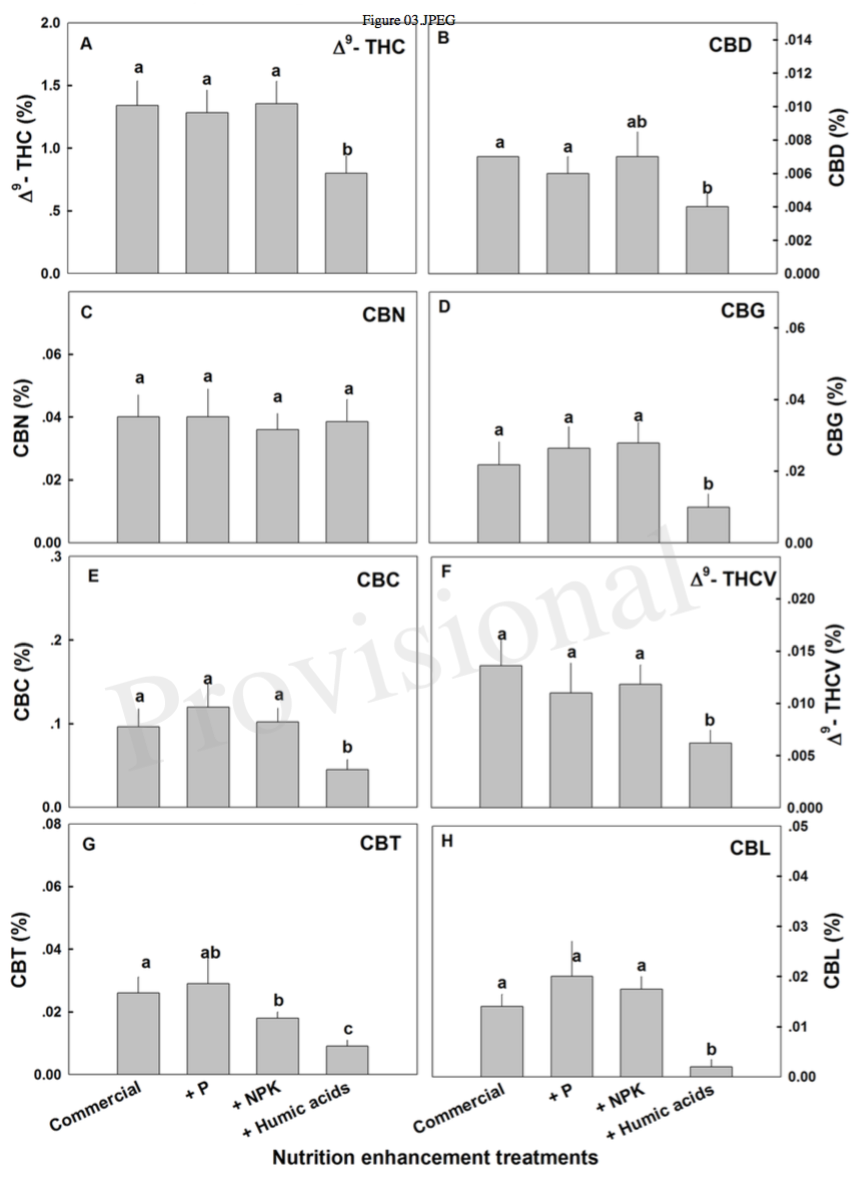
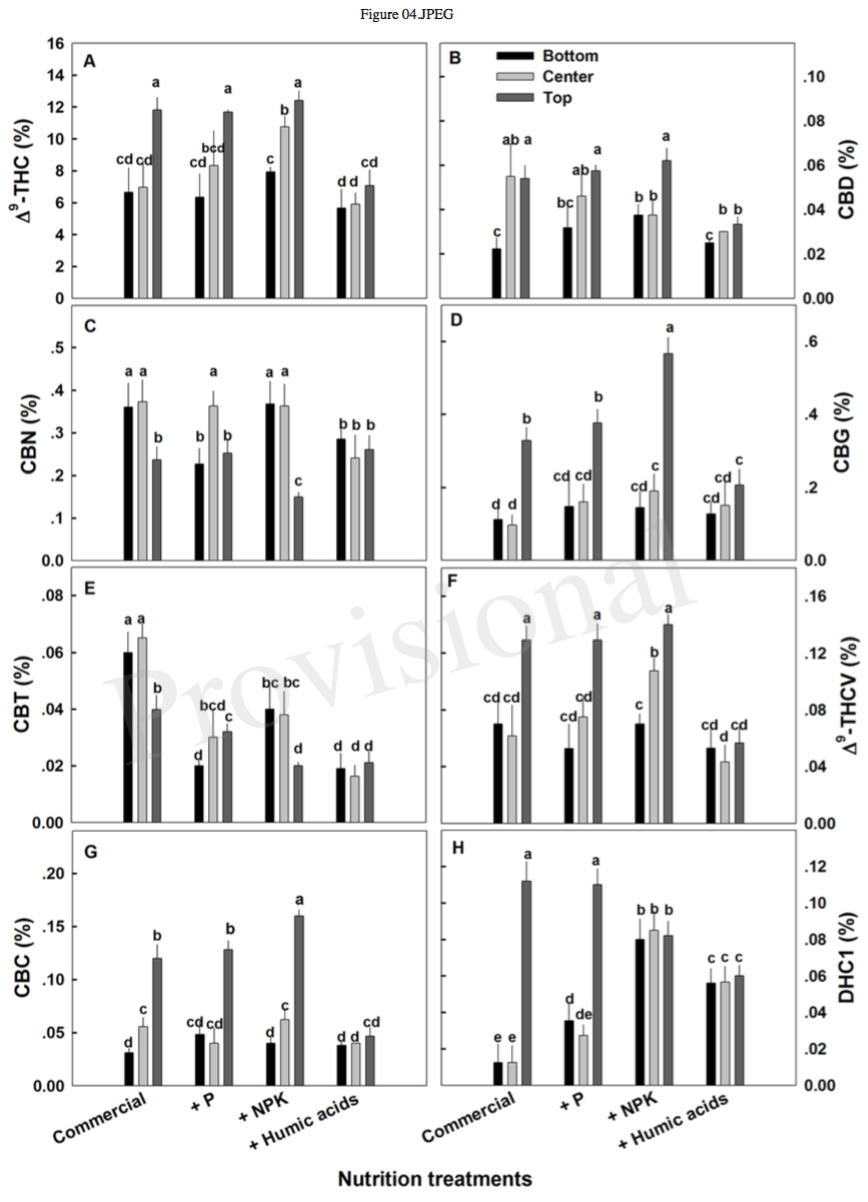
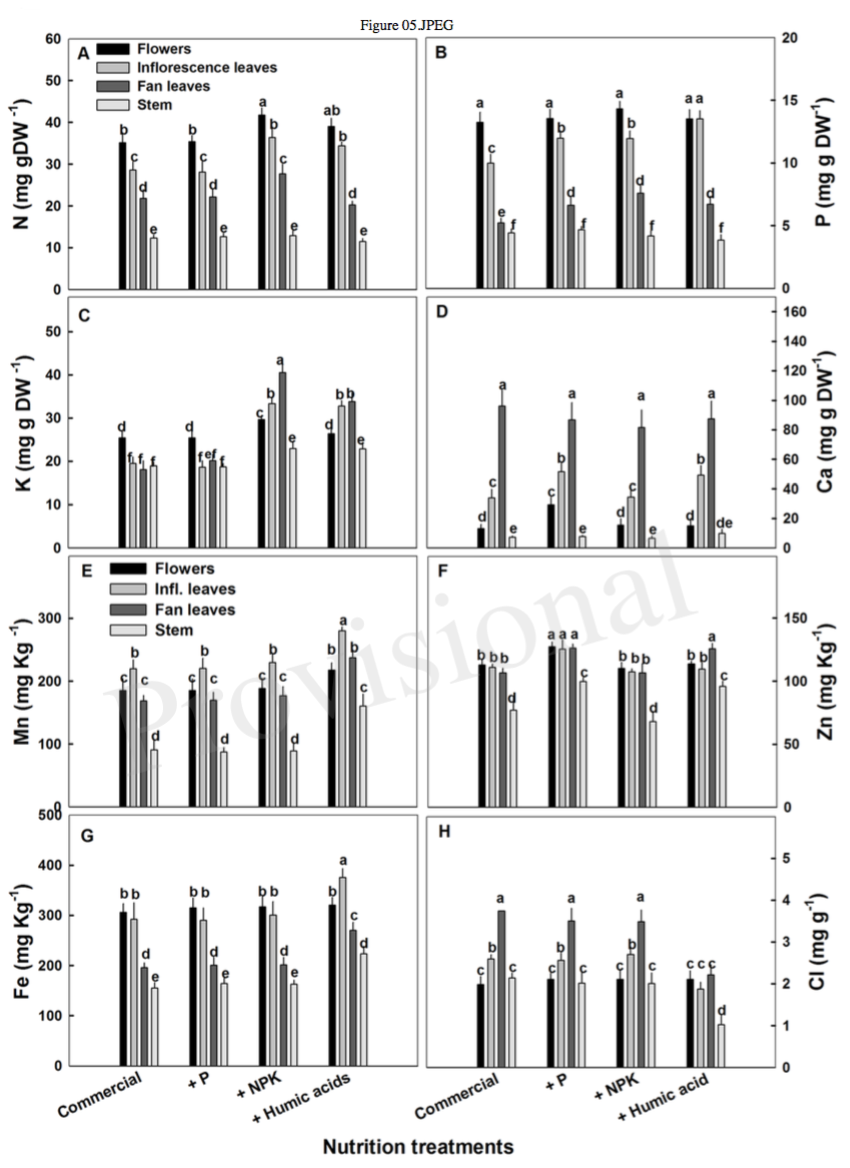
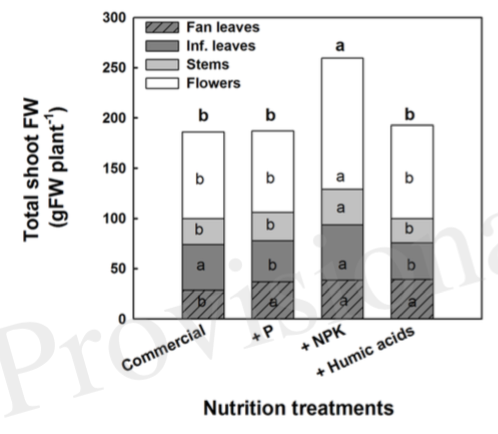
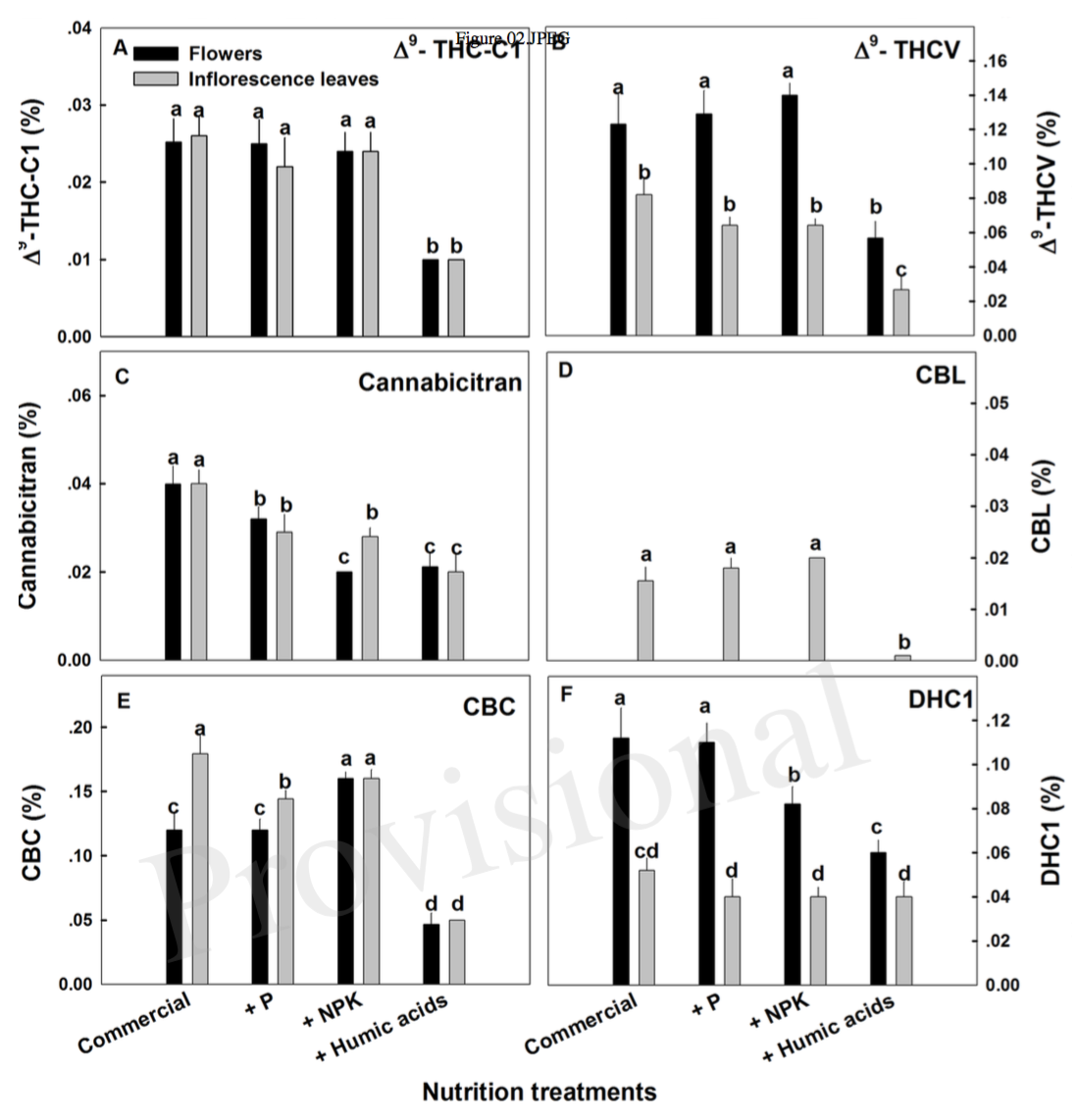
A recent study has come out revealing the effects of nutritional supplements (plant food) on cannabinoid content during the growth of the cannabis plant.

Researchers enhanced nutritional supplements such as humic acids and inorganic nitrogen and potassium and determined that the changes in supplement levels caused variations in the cannabinoid content of the plant organs. This research has demonstrated that maintaining specific nutritional supplements effects the chemical properties of cannabis plants and may play a role in standardizing the cannabinoid content in plants, no matter the region of growth. This knowledge may one day help cultivators with the process of standardizing cultivars, and perhaps help organize strain names and content across state lines.

This work spotlights the inconsistency between cannabis plants, even if they share the same name. The nutrients cannabis plants grow in have been proven to alter the cannabinoid content which changes (sometimes drastically) the effects felt by patients who consume that plant. Growers or enthusiasts who grow cannabis at home may be buying seeds from a known strain, but the same seeds produce a completely different strain, depending on the growing conditions. Standardizing growth conditions will hopefully help cultivators produce strains of the same name with consistent cannabinoid content, making buying safer and somewhat more uniformly regulatable. 

Tweet: A recent study has come out revealing the effects of #nutritional supplements on #cannabinoid content during #cannabis plant growth. Read this and other linked studies:
View this review (yellow link) or download:

This paper is also stored here:      http://bit.ly/2SigULd   inside the CED Foundation Archive

To explore related information, click the keywords below:

Benjamin Caplan, MDNutritional Supplements Modulate Cannabinoid Content
read more

Video: The Endocannabinoid System

A simplified overview of the human side of the human-cannabis interaction system!

Built from the growing mountain of literature inside the CED Foundation Medical Cannabis Archive

To explore related information, click the keywords below:

Benjamin Caplan, MDVideo: The Endocannabinoid System
read more

Video: Do-It-Yourself Cannabis Tinctures

One of the terrific realities of modern Cannabis is that it is possible, and often quite simple, to make effective products at home. With suitable education and access to testing facilities, the soil, nutrients, and plant growth can be supported at home, lab-tested for make-up and potency, as well as safety-checked for potential microscopic contaminants, and ultimately, individualized medicine can be created right at home!

Here is a sample instructional for just one way that cannabis tincture can be made at home. There are countless others and hopefully, many that are yet to be discovered!

To explore related information, click the keywords below:

Benjamin Caplan, MDVideo: Do-It-Yourself Cannabis Tinctures
read more

Hangovers Resulting from Drinking Negatively Impact Everyday Memory

Alcohol Hangover Has Detrimental Impact Upon Both Executive Function and Prospective Memory

A recent study revealed that alcohol hangovers negatively impact everyday memory, specifically executive function (EF) and prospective memory (PM). EF and PM are cognitive functions that underpin everyday memory; things such as remembering an appointment or where you placed your keys. Participants of the study who suffered from hangovers were able to recall significantly fewer items from memory tasks than their peers. The findings of this study may prove useful when looking into how alcohol and cannabis interact with patients.

View this review (yellow link) or download:

This paper is also stored here:     http://bit.ly/2WBUb1Y    inside the CED Foundation Archive

To explore related information, click the keywords below:


Benjamin Caplan, MDHangovers Resulting from Drinking Negatively Impact Everyday Memory
read more

Student-Athletes are at an Increased Risk for Binge Drinking and Substance Use

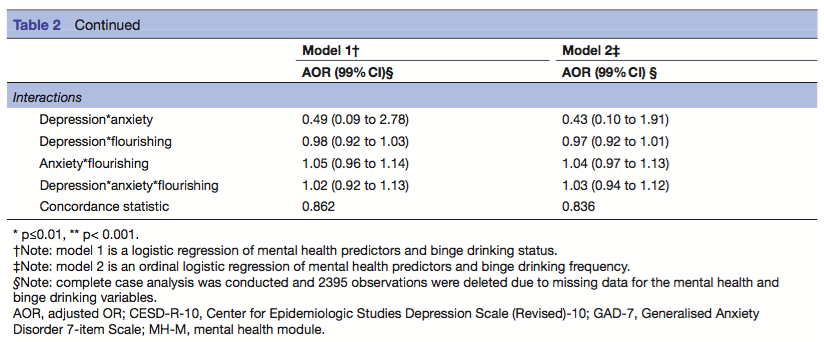
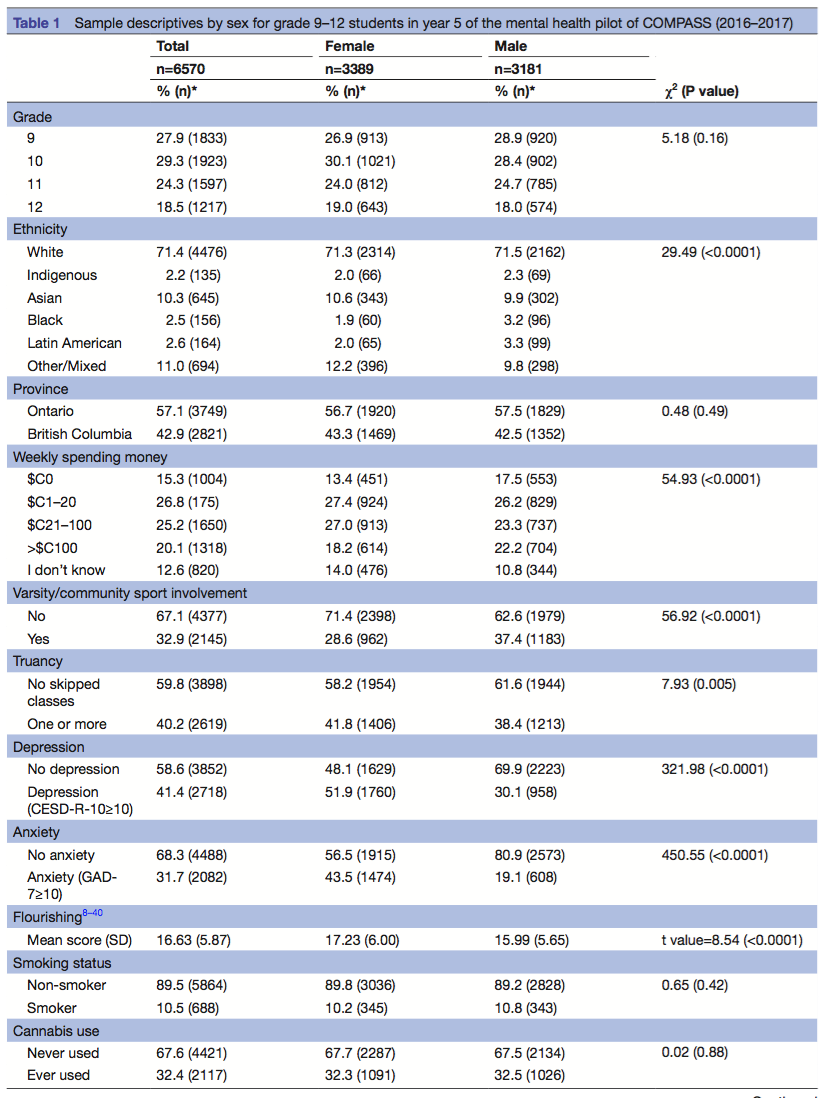
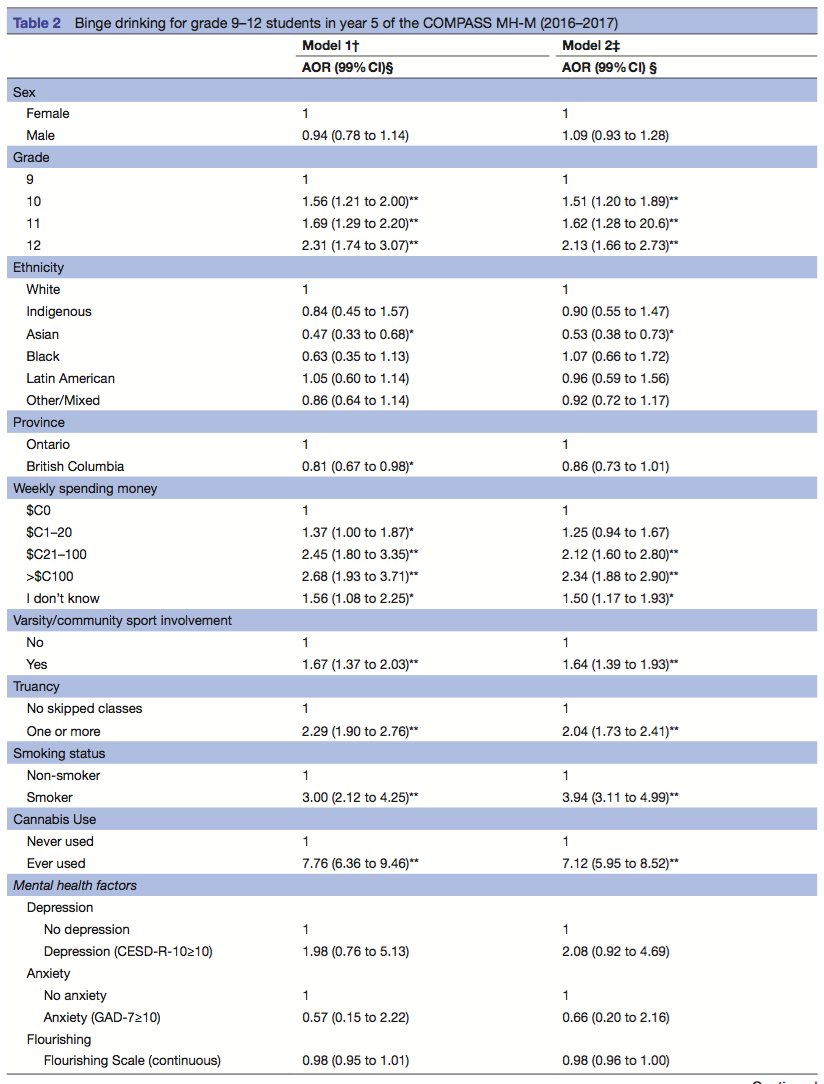
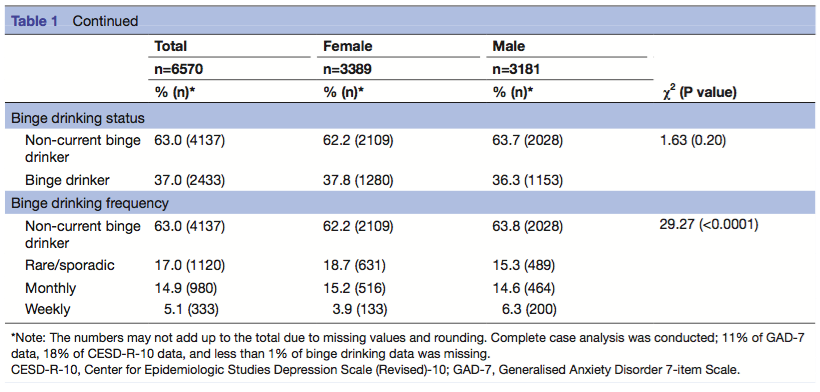
Title: Psychological correlates and binge drinking behaviours among Canadian youth- a cross-sectional analysis of the mental health pilot data from the COMPASS study

A recent study has examined data from the COMPASS program and found that student-athletes in Canada were more likely to engage in binge-drinking and illicit substance use. Researchers focussed on the measure of flourishing, defined as an overall healthy mental state and emotional connectedness, and how flourishing related to concerning drinking and substance use behavior. Student-athletes were found to be the most at risk for binge-drinking, defined as consuming 5 or more drinks in a single session, and those more likely to binge-drink were also more likely to co-use illicit substances. This research provides evidence for the formation of targeted prevention programs.

Cannabis use is banned among athletes by most sports organizations. Cannabis appeals to athletes considering the many different consumption methods, allowing discreet consumption and personalization with variable potential opportunities for relief. Cannabinoids are generally naturally occurring substances unless clearly manufactured, and have been shown to be beneficial for post-workout recovery, muscle soreness, anxiety, sleep, and relaxation. All of those symptoms, including the emotionally driven ones, are common among student-athletes who often feel an immense amount of pressure to perform in competition. As in most other areas of modern culture, Cannabidiol (CBD) finds itself in a grey area for most sports organizations’ substance regulations given that it is not intoxicating and readily available with a notable safety profile. Even if cannabis is not federally legal, CBD is so widely available that many athletes are embracing it, in lieu of more dangerous, or potentially addictive, medications.

Tweet: A recent study has examined data from the #COMPASS program and found that #studentathletes in Canada were more likely to engage in #binge-drinking and illicit substance use. Read this and other linked studies:
View this review (yellow link) or download:

This paper is also stored here:    http://bit.ly/2XSoIUQ     inside the CED Foundation Archive

To explore related information, click the keywords below:

Benjamin Caplan, MDStudent-Athletes are at an Increased Risk for Binge Drinking and Substance Use
read more

Genes in the Endocannabinoid and Opioid Systems may Provide Biomarkers of Obesity

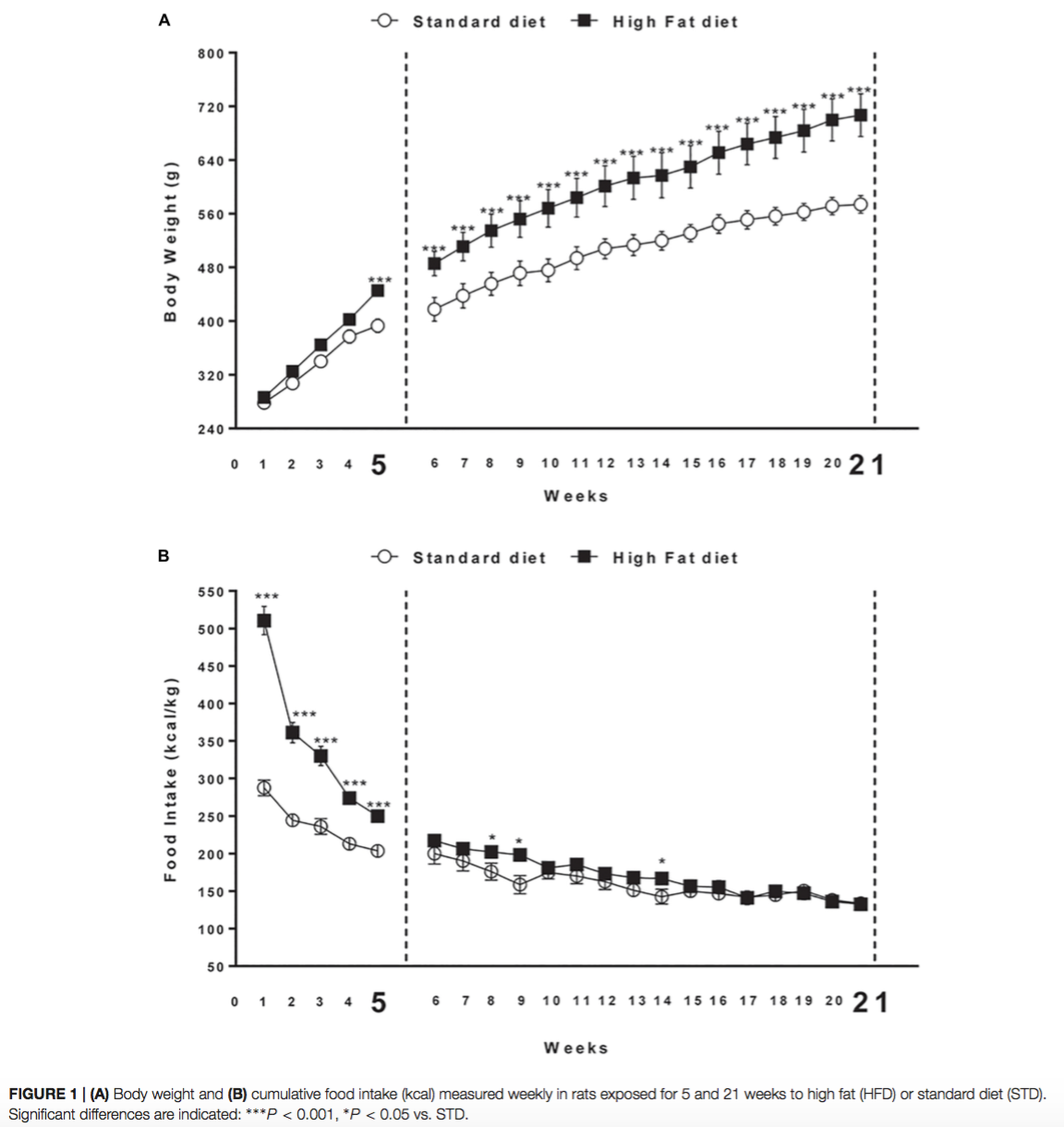
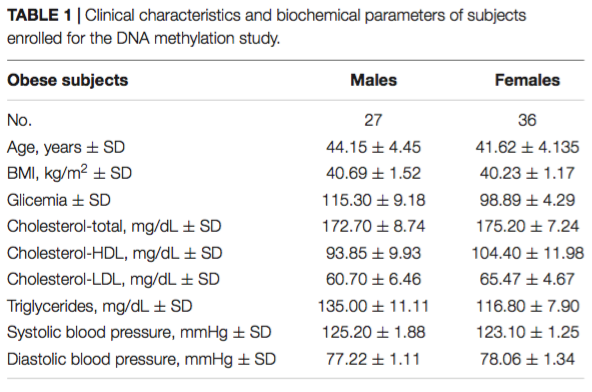
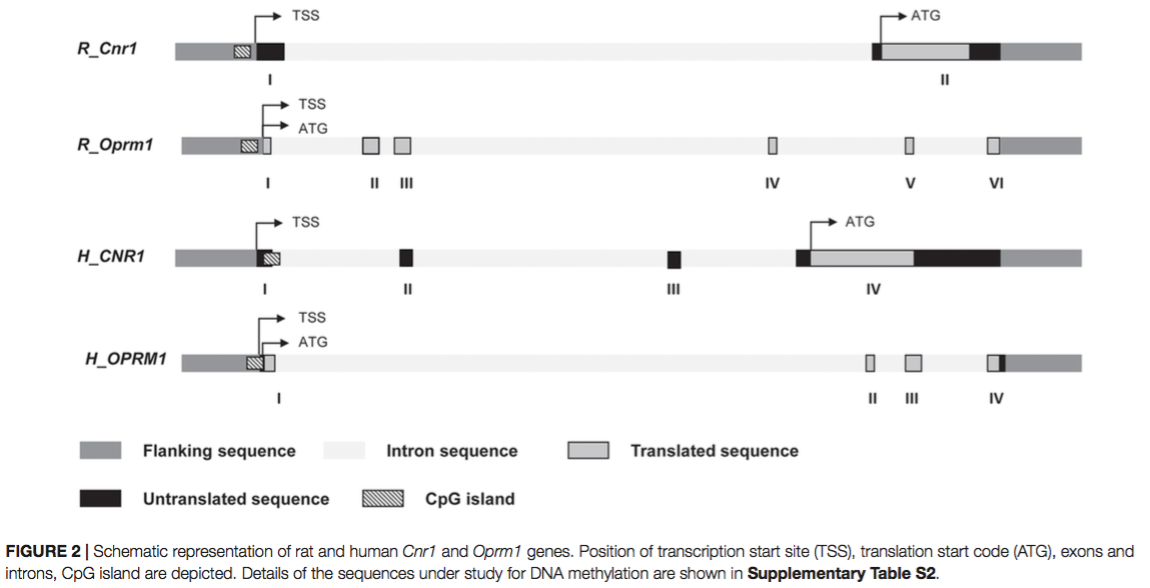
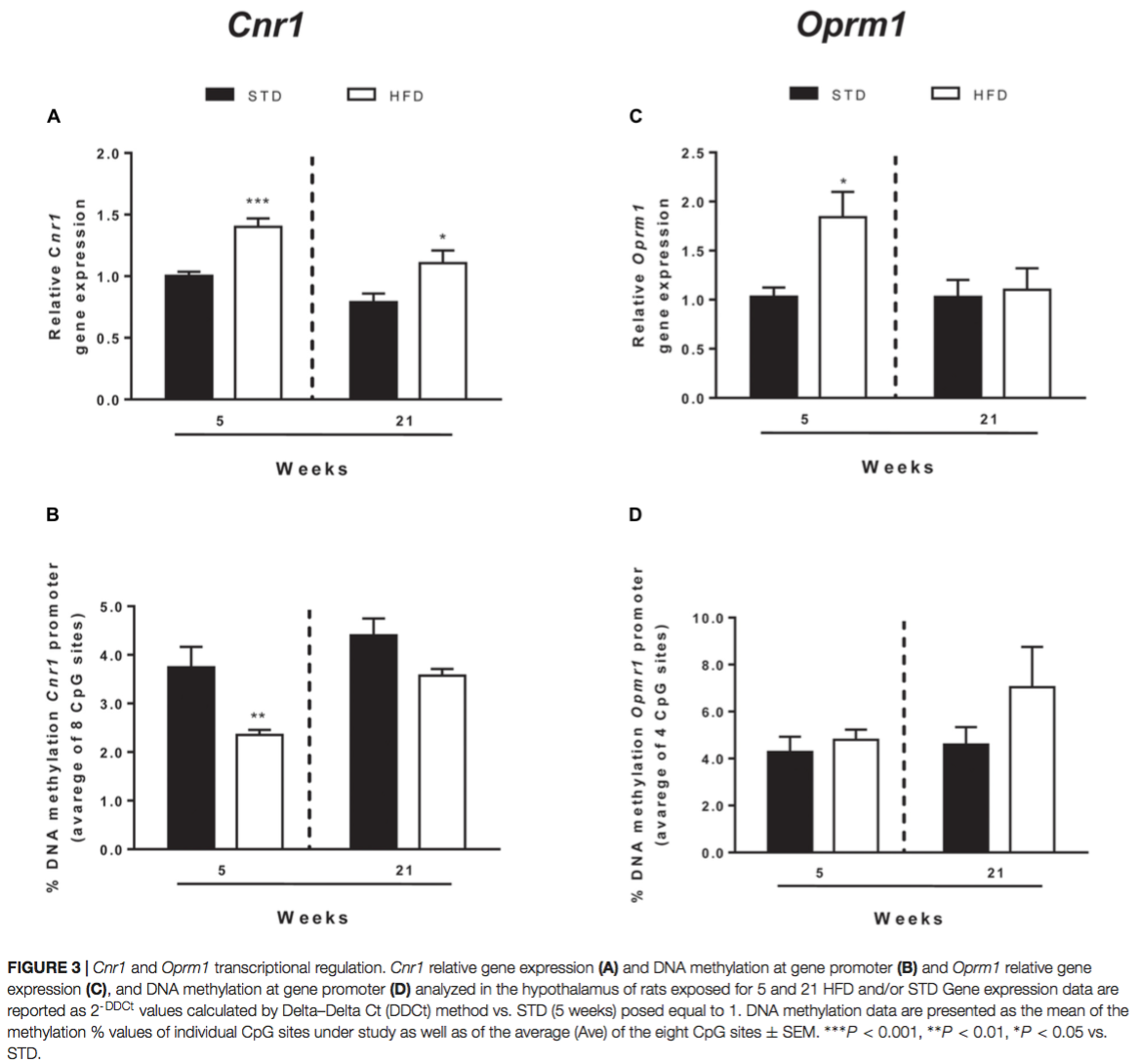
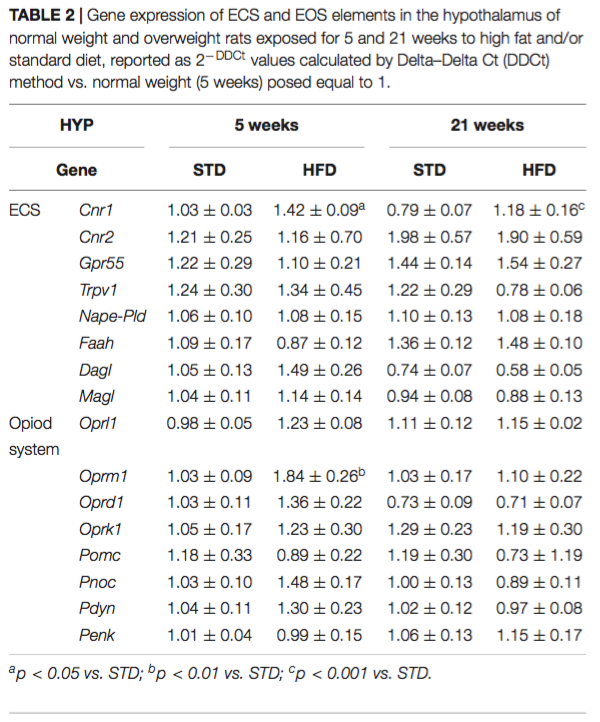
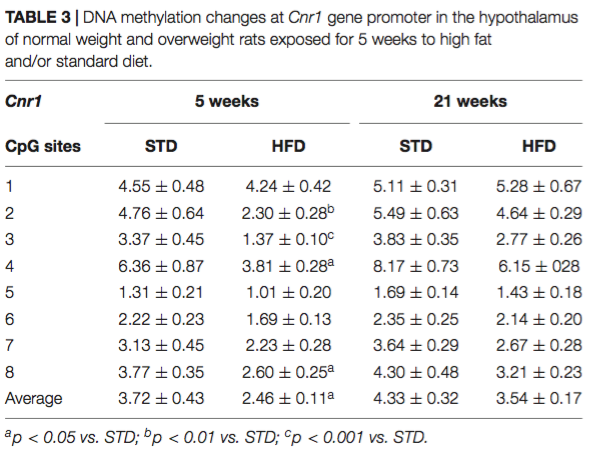
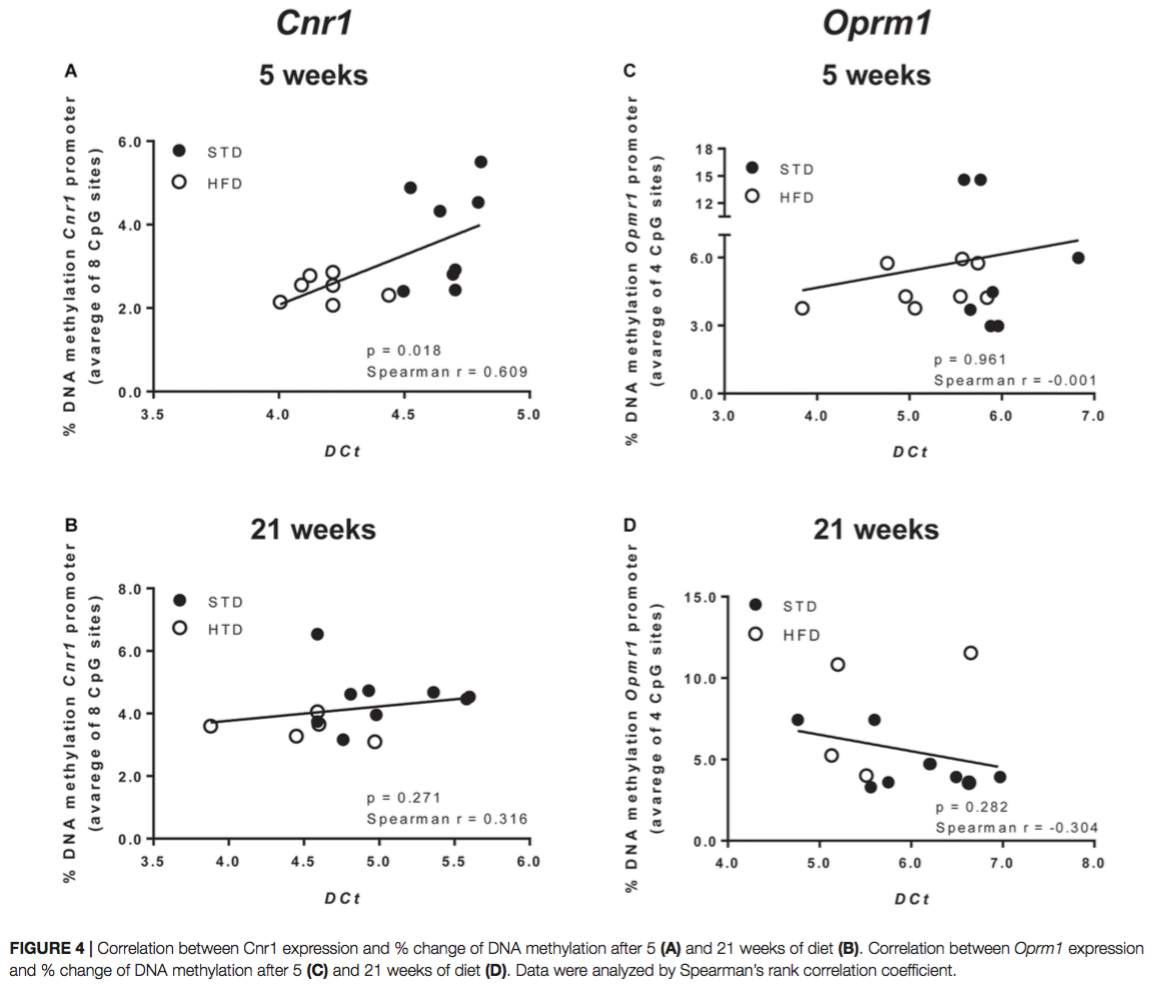
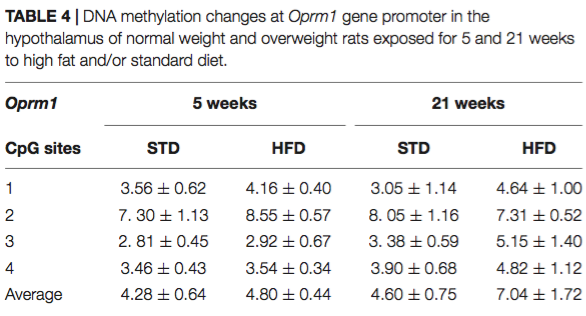
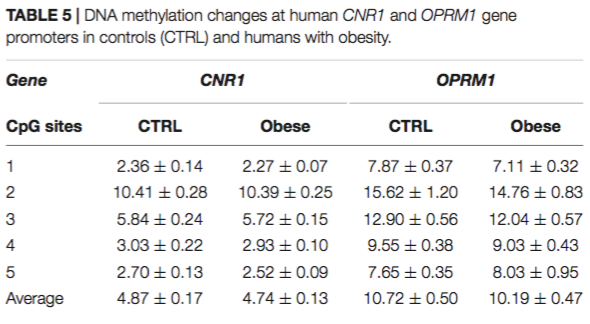
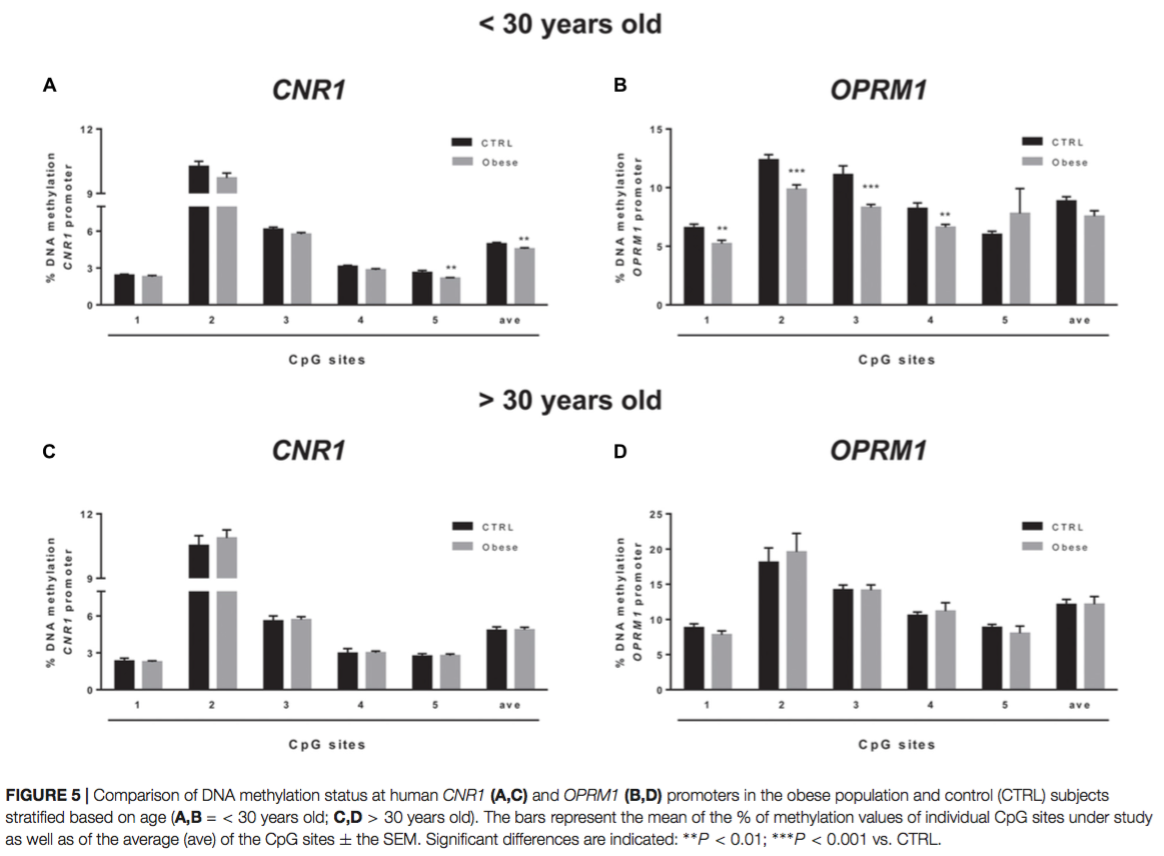
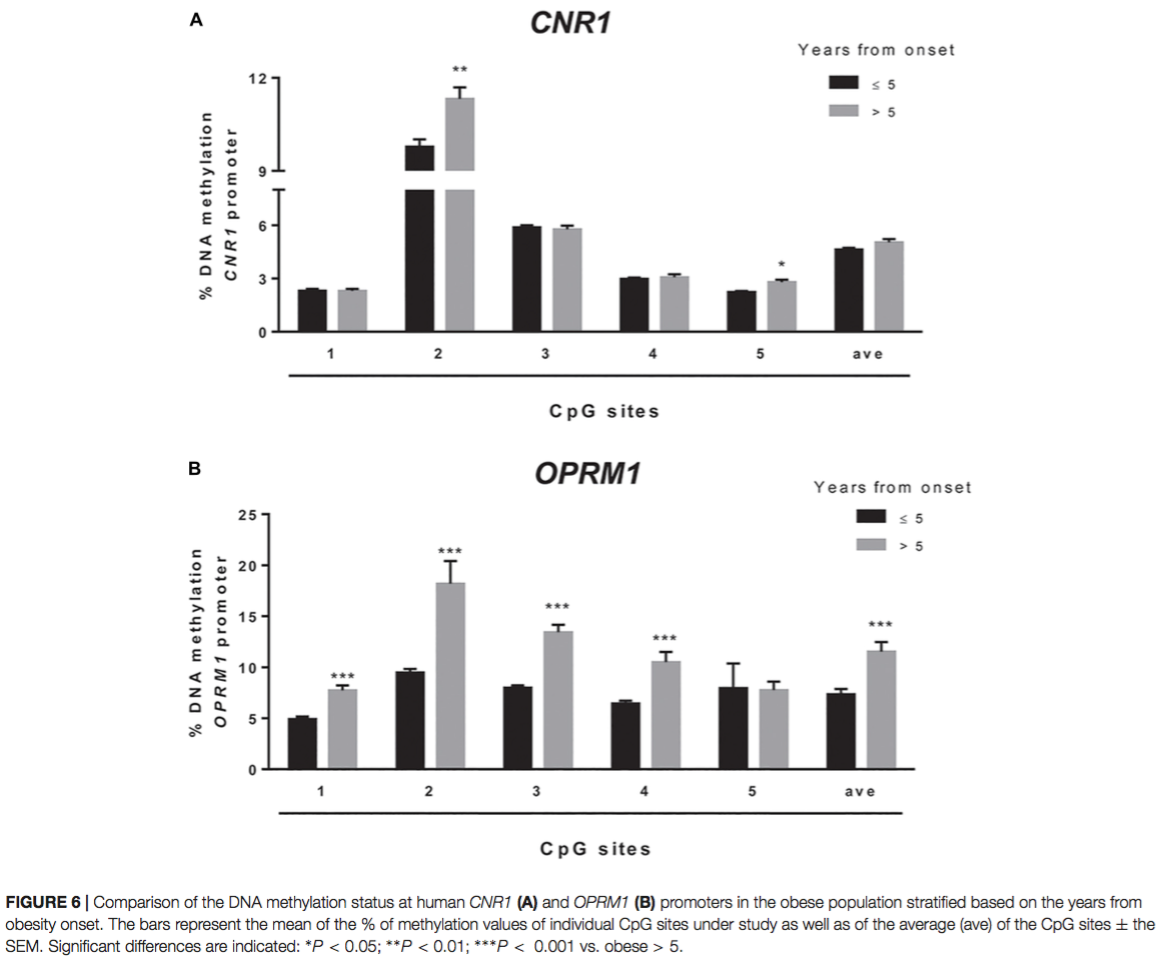
Title: Preclinical and Clinical Evidence for a Distinct Regulation of Mu Opioid and Type 1 Cannabinoid Receptor Genes Expression in Obesity

Researchers have recently found that alterations of the type 1 cannabinoid receptor gene (CNR1) and mu opioid receptor gene (OPRM1)  contribute to the development of obesity. This phenomenon was shown in rat models who were given a high-fat diet and humans currently dealing with obesity. Due to the possibility of the up-regulation of CNR1 and OPRM1 providing a mechanism for developing the obesity phenotype, those two genes could serve as biomarkers for obesity. Fortunately, the up-regulation of CNR1 and OPRM1 is reversible and may also provide a target for combatting obesity and encouraging weight loss in obese individuals. 

Highlighted here are the interactions of the endocannabinoid and opioid systems. Contradictory evidence concerning the interaction of the two systems has come out in recent years making it difficult to come to any conclusions. The endocannabinoid system has been thought to provide a safe and effective method for combatting the opioid crisis. Opioids are highly addictive and dangerous, but they are an efficient way to minimize pain which has kept them in mainstream medicine. Opioids have led to countless overdoses in recent decades causing researchers to search for a more ethical option for pain relief. Cannabis has a much better safety profile, poses no risk of overdose, and offers a welcome change of pace to traditional choices. Conclusive research is still needed to confirm, and reconfirm the details.

View this review (yellow link) or download:

This paper is also stored here:    http://bit.ly/2xOhoPE     inside the CED Foundation Archive

Benjamin Caplan, MDGenes in the Endocannabinoid and Opioid Systems may Provide Biomarkers of Obesity
read more

Cannabinoids Treat Chronic Gastrointestinal Disorders

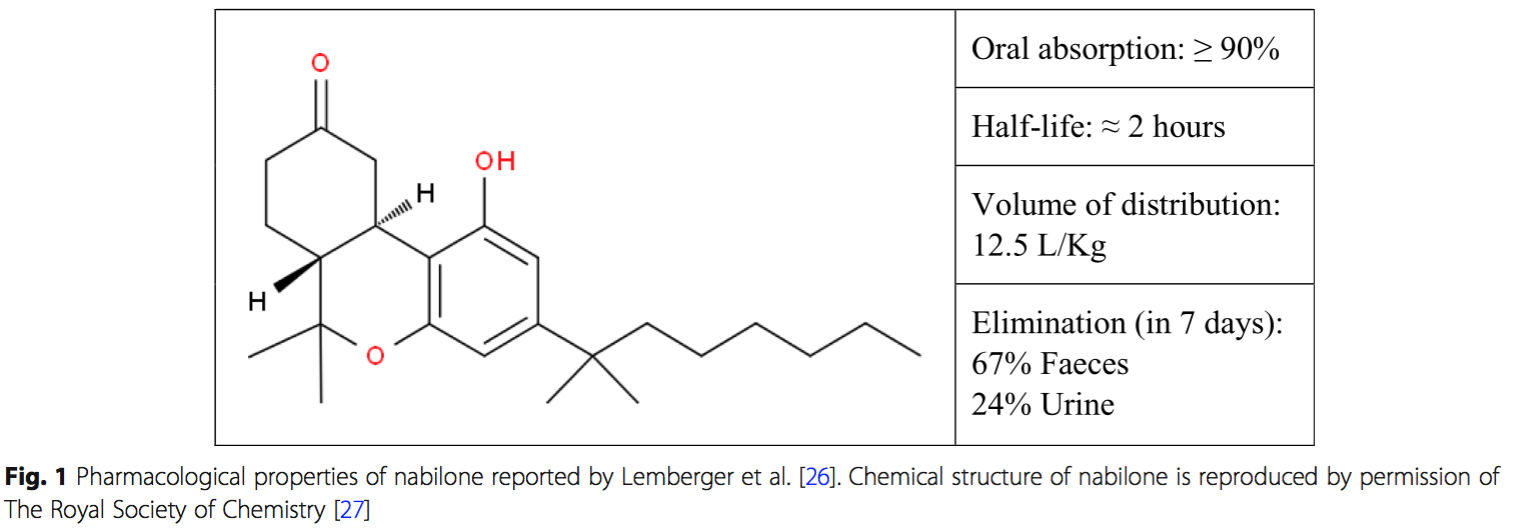
Title: Nabilone administration in refractory chronic diarrhea- a case series

A new study reveals the efficacy of treating chronic gastrointestinal disorders with cannabinoids, such as Nabilone. Researchers followed case studies in which patients were given nabilone which greatly reduced symptoms of chronic diarrhea and weight gain, over a period of three months.

The cannabinoid treatment also reduced the abdominal pain felt by patients and improved their overall quality of life. Considering the favorable safety profile of cannabinoids and the effectiveness demonstrated in the patients, cannabinoids were deemed an appropriate and clinically beneficial method for the treatment of chronic gastrointestinal disorders, such as chronic diarrhea. 

Highlighted by this article are the many symptoms cannabis used to treat before the prohibition of cannabis and the scheduling of the medication under the Controlled Substances Act. Cannabis has been used in eastern medicine, for thousands of years, and used to be a prevalent medication in the late 19th and early 20th centuries, and has just recently been re-recognized as an option to treat anorexia associated with human immunodeficiency virus (HIV), nausea and vomiting due to chemotherapy, and various sleep disorders. Cannabis was once a well-recognized medication, but it has been mercilessly slandered by politicians. The rise and fall of cannabis have largely been politically driven pushes, and the plant and its effects deserve further study to examine the scope and efficacy of its therapeutic benefits. 

View this review (yellow link) or download:

This paper is also stored here:     http://bit.ly/2jP1ocV    inside the CED Foundation Archive

To explore related information, click the keywords below:
Benjamin Caplan, MDCannabinoids Treat Chronic Gastrointestinal Disorders
read more

The Endocannabinoid System’s Effect on the Cerebellum is a Drawback for Anti-Inflammatory Meds

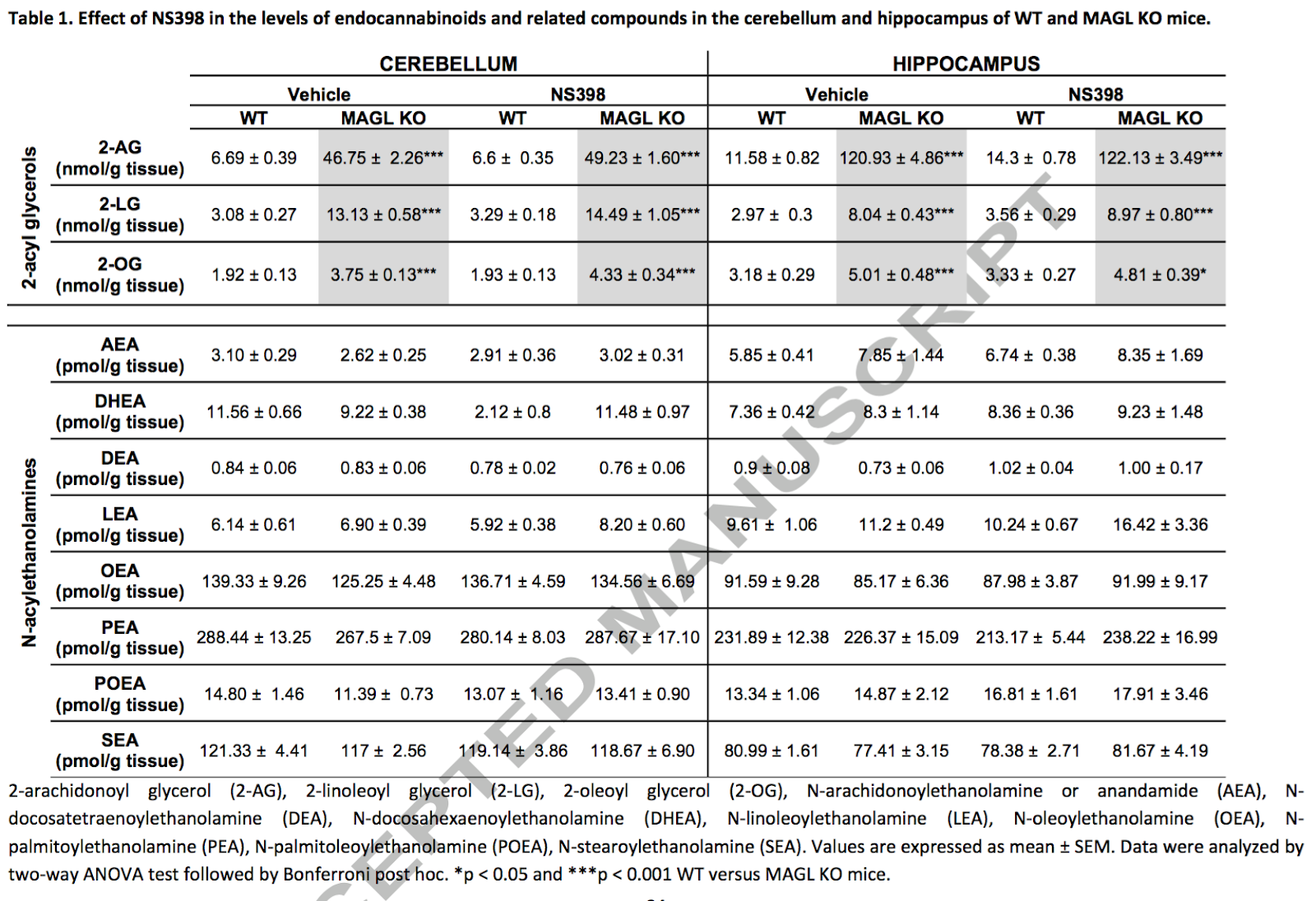
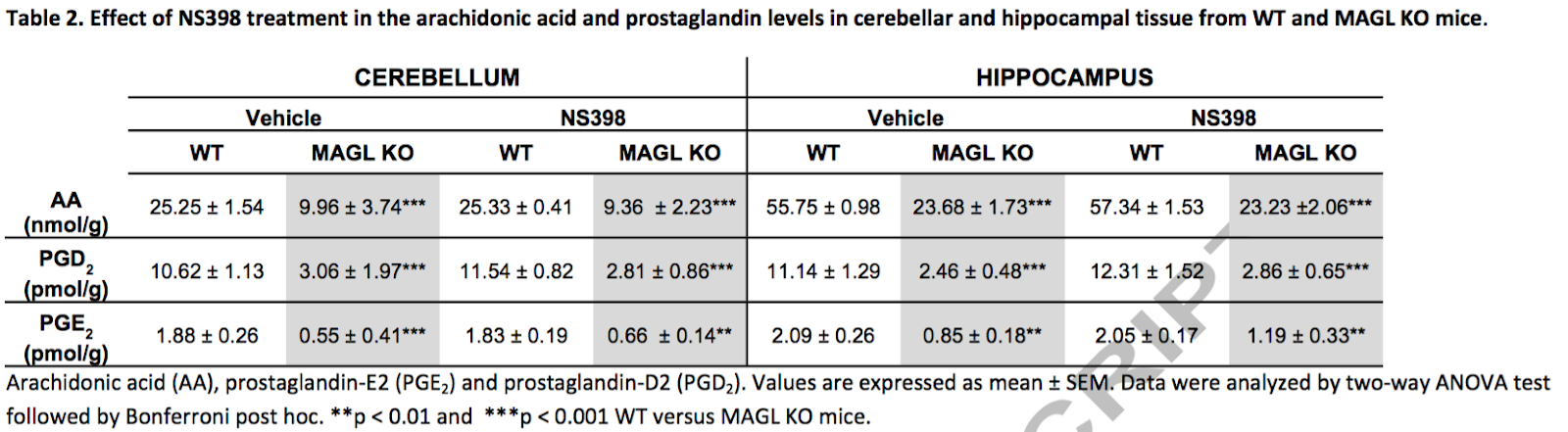
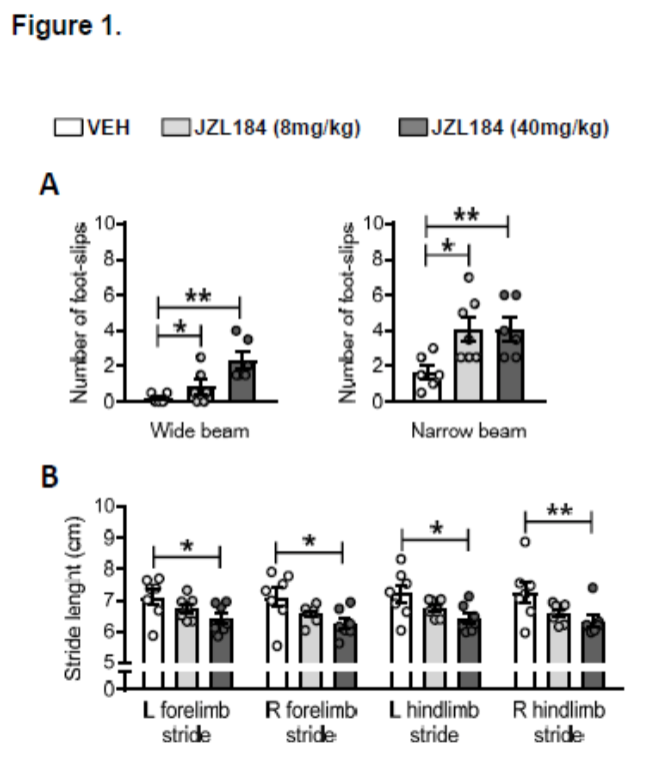
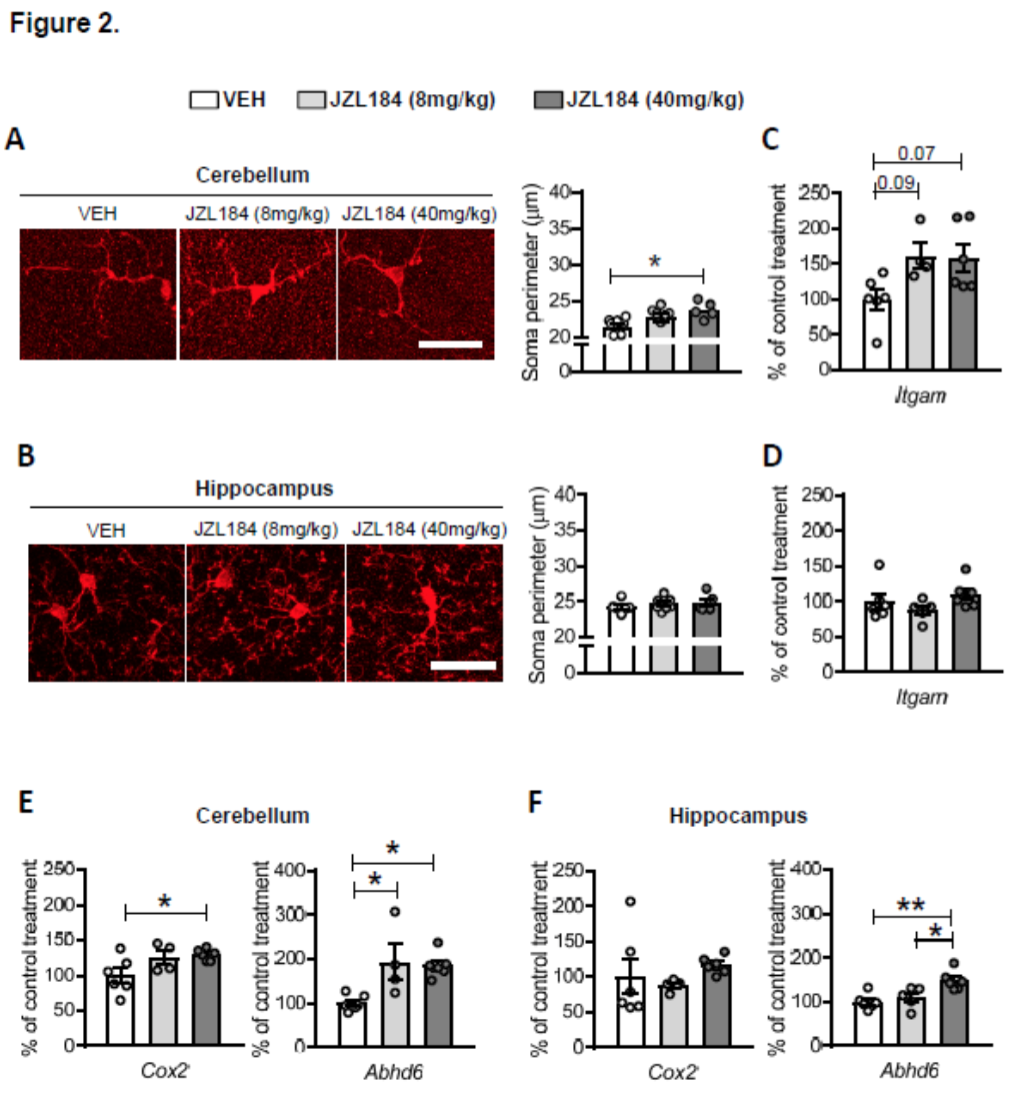
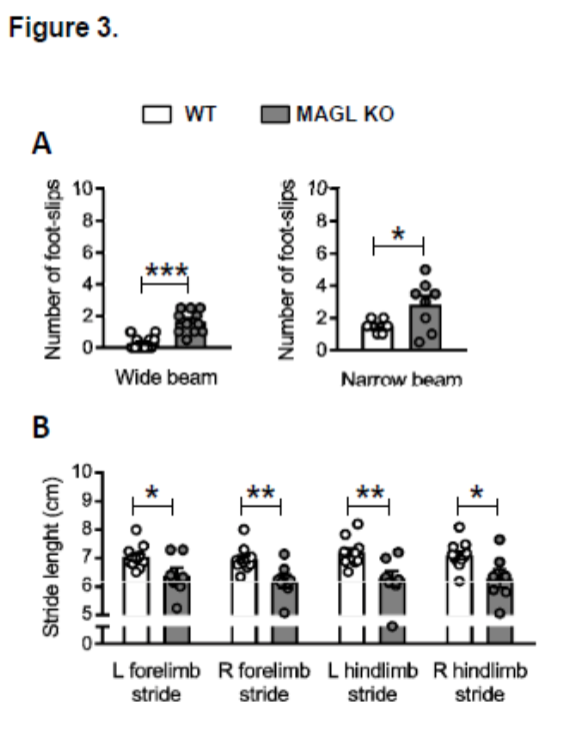
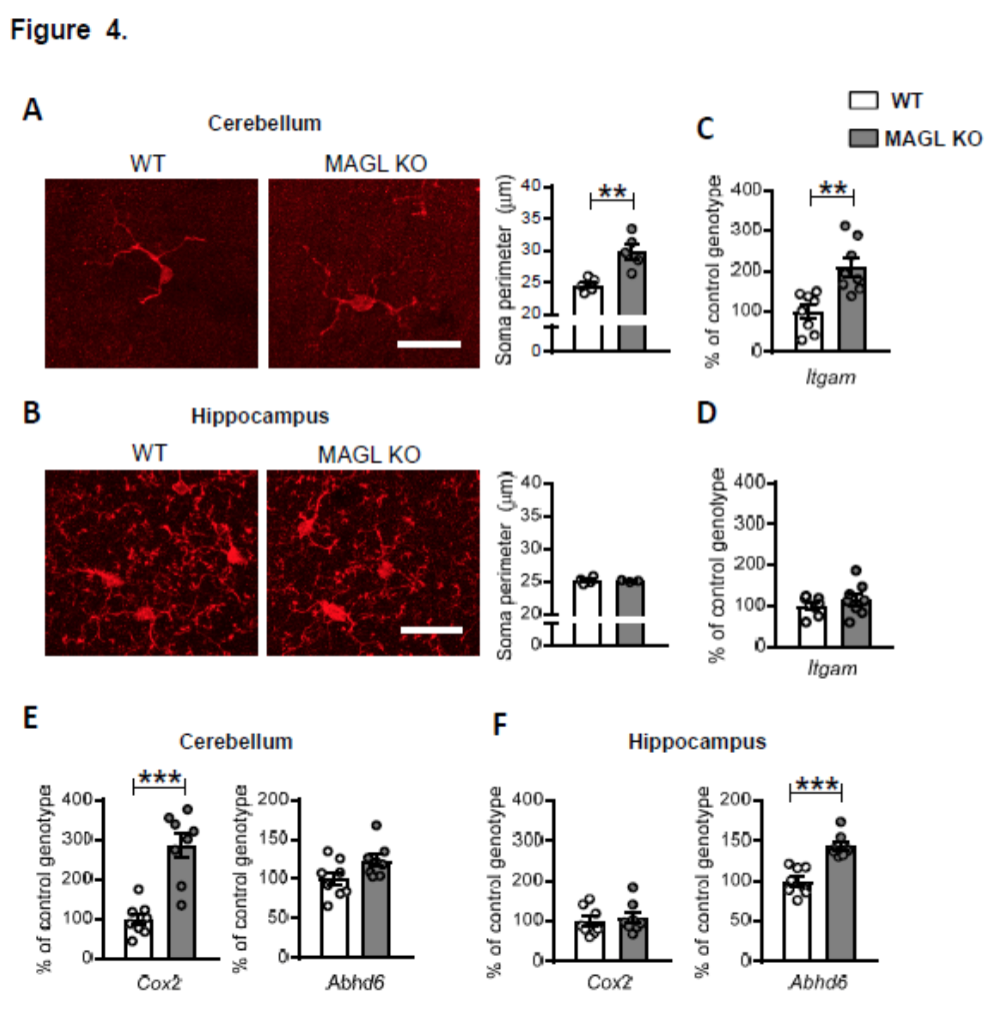
Title: Monoacylglycerol lipase blockade impairs fine motor coordination and triggers cerebellar neuroinflammation through cyclooxygenase-2

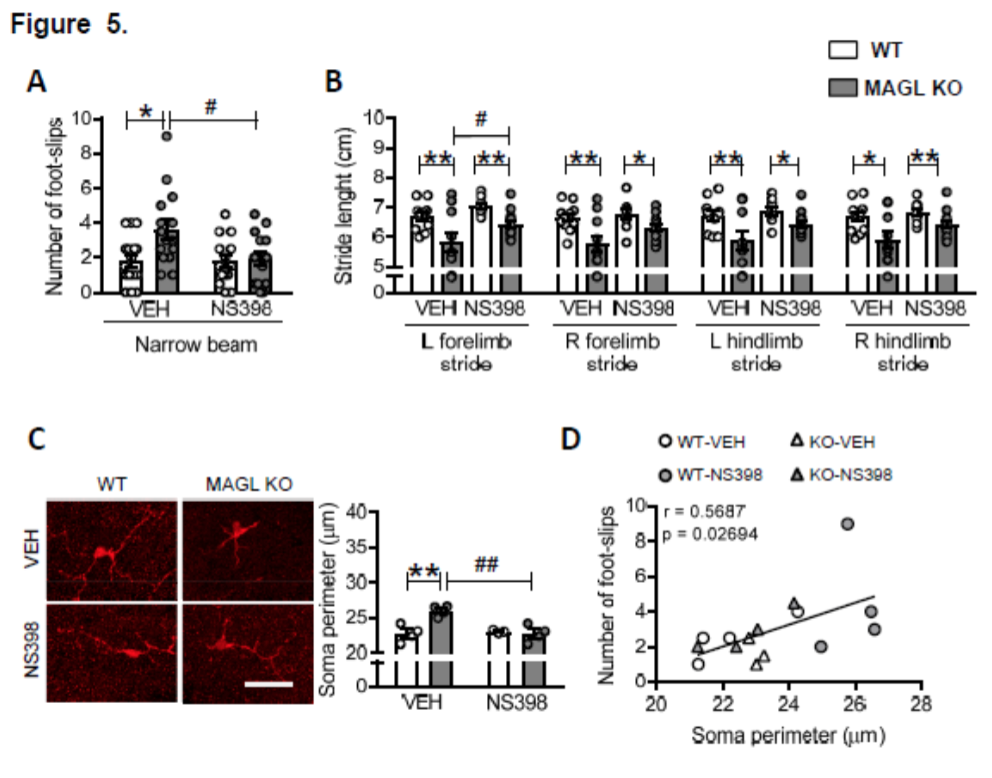
Researchers are constantly considering how cannabis may impact the human brain, for better or worse. A recently published work points out a negative effect on the cerebellum, caused by the inhibition of the main enzyme that is used to break down the endocannabinoid “2- arachidonoylglycerol” (2-AG). By inhibiting the degradation of 2-AG, more of the endocannabinoid is allowed to remain in, and act upon, the human nervous system. This abundance of 2-AG results in reduced synthesis of prostaglandins, which produces an anti-inflammatory effect.

Unfortunately, the abundance of 2-AG also results in motor coordination deficits related to the effect on the cerebellum, but the addition of a cyclooxygenase-2 (COX-2) inhibitor (commonly found in many over-the-counter anti-inflammatory medications) reverses these cerebellar deficits. 

This highlights the far-reaching capabilities of the endocannabinoid system and at least one powerful angle where researchers could develop medications to indirectly impact the endocannabinoid system. Cannabinoids are still a politically hot topic, but synthesizing drugs that alter the level of endogenous cannabinoids available in the body is an ideal way to study the endocannabinoid system and its therapeutic benefits, without engaging with the red tape that surrounds cannabis. The receptors mechanisms for the endocannabinoid system certainly warrants further investigation.

Tweet: Researchers have recently revealed the negative effects on the #cerebellum caused by the inhibition of the main enzyme utilized for the degradation of the #endocannabinoid 2- arachidonoylglycerol (#2-AG). Learn more at

View this review (yellow link) or download:

This paper is also stored here:    http://bit.ly/2Sh4JhA     inside the CED Foundation Archive

To explore related information, click the keywords below:
Benjamin Caplan, MDThe Endocannabinoid System’s Effect on the Cerebellum is a Drawback for Anti-Inflammatory Meds
read more

Gauging Mice with CBD, part 2

A Forbes article shedding light on #CBD and its effects on the livers of mice. Dr Peter Grinspoon and Devitt-Lee wisely talk some sense around the lousy methods and insensible dosage used on mice to command sensational headlines. http://bit.ly/2XMP36W

The CED Foundation review of the topic: http://bit.ly/2jYOlFX

Benjamin Caplan, MDGauging Mice with CBD, part 2
read more

Consuming CBD with THC Decreases Systemic Availability of THC

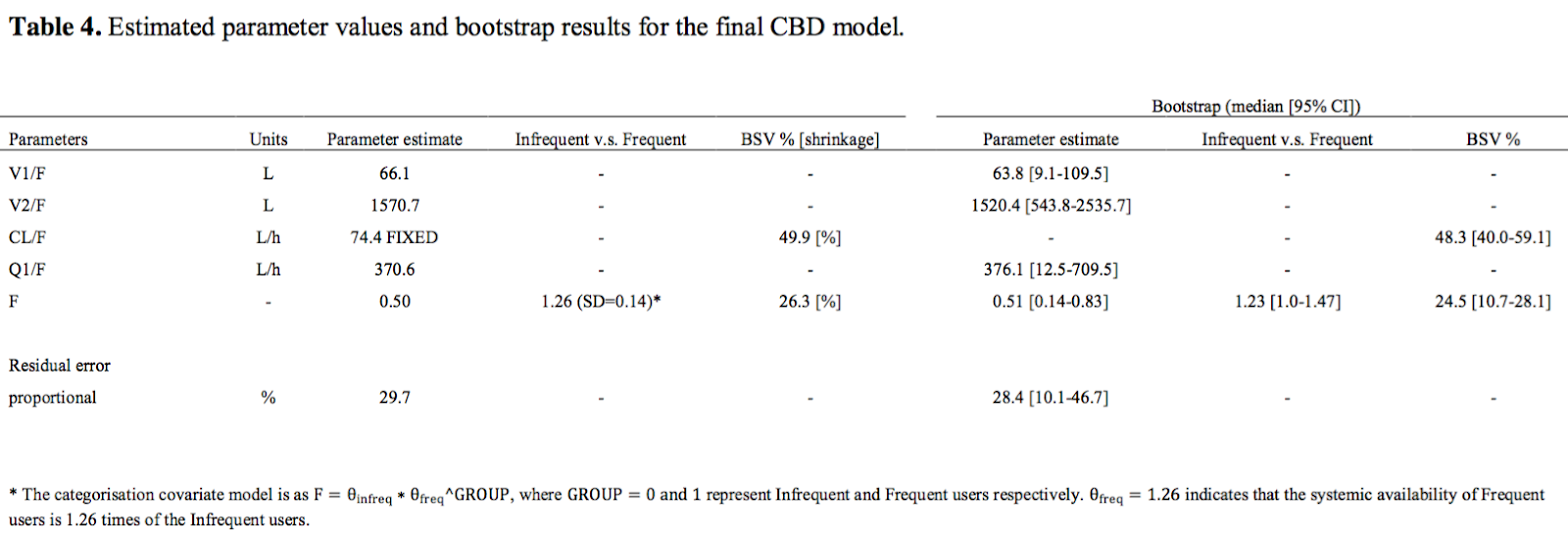
Title: Model-based analysis on systemic availability of coadministered cannabinoids after controlled vaporized administration 

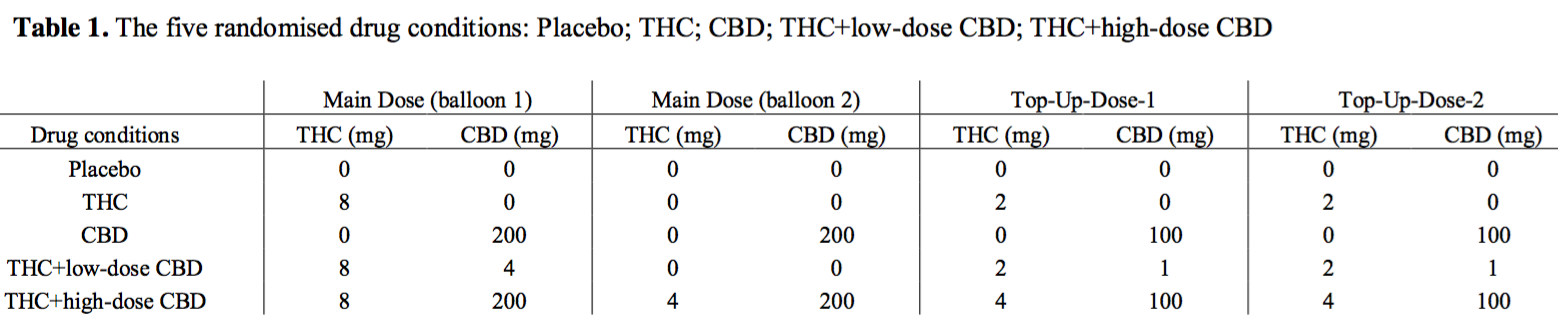
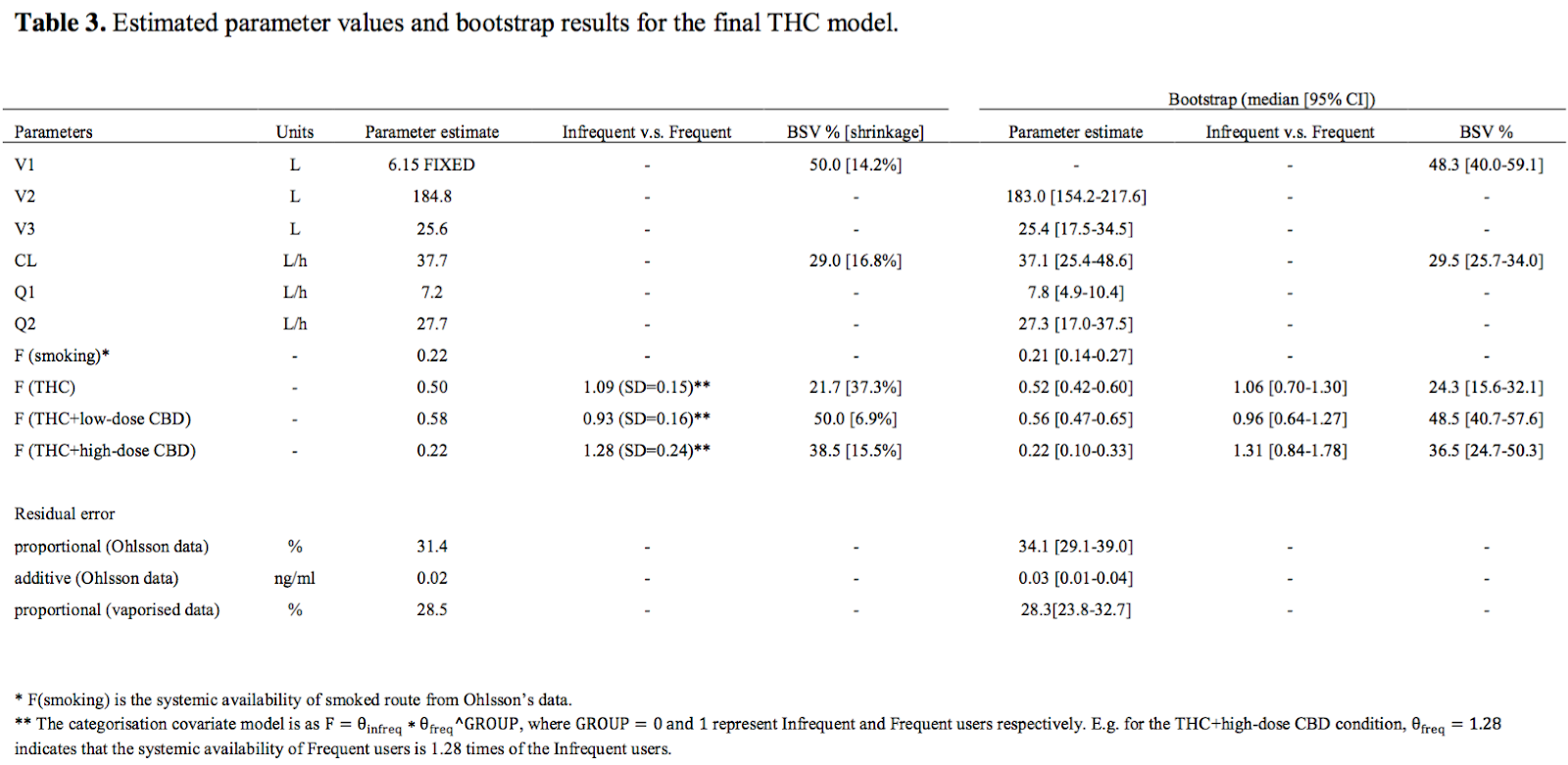
A new study revealed findings that vaporizing cannabidiol (CBD) with ∆-9-tetrahydrocannabinol (THC) lowers the systemic availability of THC.

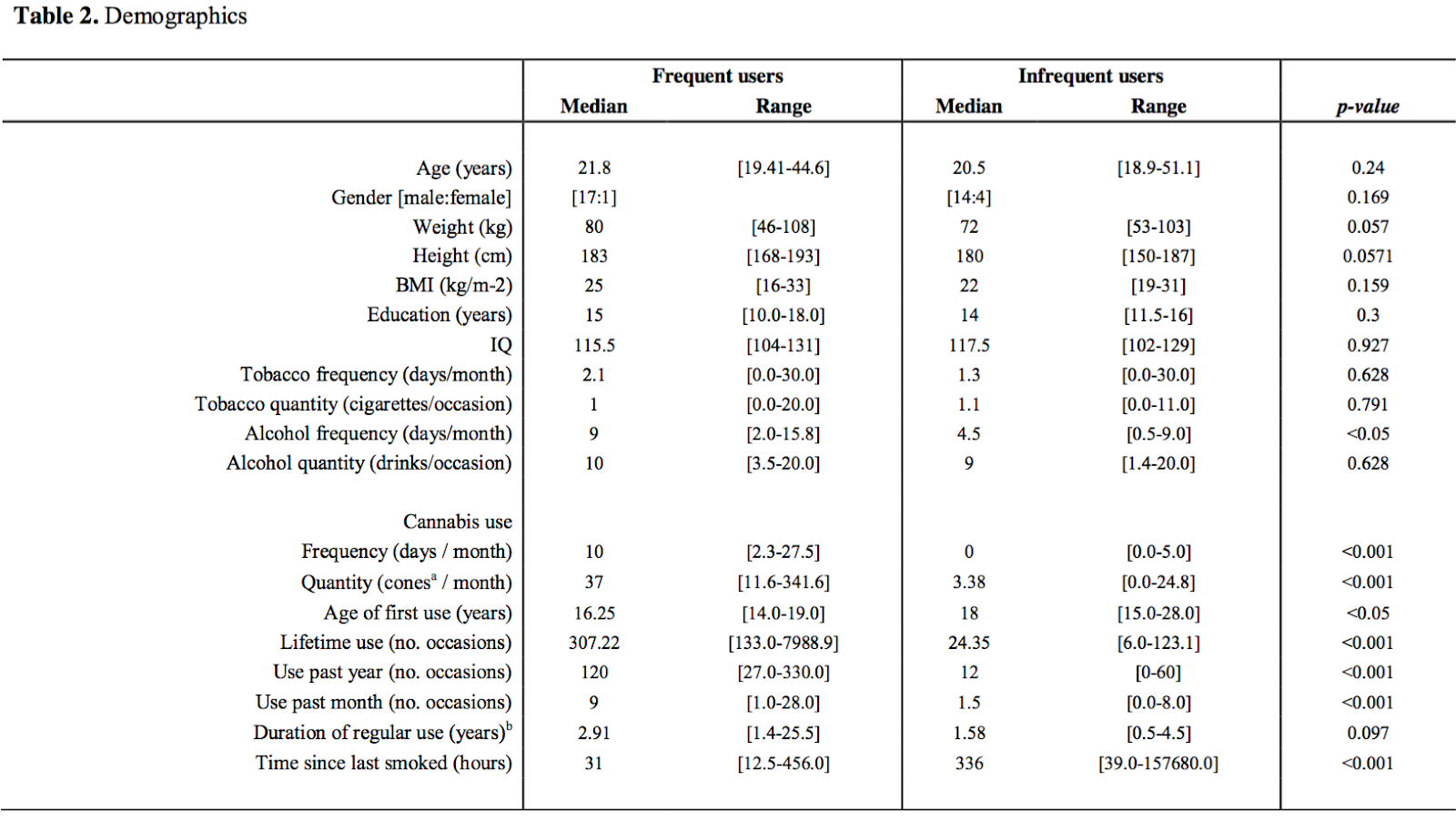
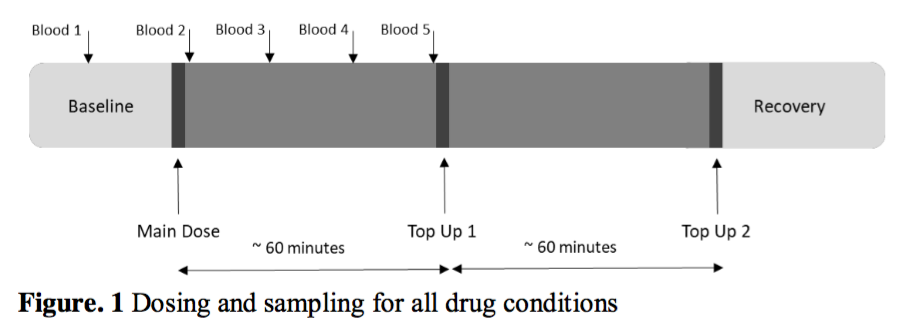
Researchers analyzed the blood plasma level of CBD and THC in a randomized, double-blind study, and found that those who inhaled a high dose of CBD were found to have lower levels of THC. Frequent cannabis users were found to have only minorly decreased levels of THC in their plasma when high doses of CBD was coadministered. Future studies should be conducted to examine the validity of these results for other consumption methods. 

This work highlights how those who have consumed too much THC can combat some of the symptoms associated with THC by consuming CBD. Occasionally, cannabis users may overindulge in THC and feel anxiety, panic, or dizziness. One of the best ways to combat such overindulgence (and lower the effects of THC) is to consume a high dose of CBD. Other, non-cannabis related, methods are also commonly recommended, such as relaxation or food with high levels of the terpenes caryophyllene and limonene. When using cannabis it’s important to start low and go slow in order to minimize the possibility of overindulgence. 

View this review (yellow link) or download:

This paper is also stored here:   http://bit.ly/2xNCHkw      inside the CED Foundation Archive

To explore related information, click the keywords below:
Benjamin Caplan, MDConsuming CBD with THC Decreases Systemic Availability of THC
read more