Blog

Binge Drinking While Using Cannabis Affects Brain Structure

Binge and Cannabis Co-Use Episodes in Relation to White Matter Integrity in Emerging Adults

In Summary

Researchers have recently revealed that the co-use of cannabis and alcohol can have deleterious effects on white matter in the brain. White matter integrity is frequently used as a measure of cognitive function and the negative effects of cannabis and alcohol on the white matter suggest a decrease of cognitive function in co-users. These negative effects were especially severe in co-users who frequented binge-drinking patterns. Researchers also found that those who co-used cannabis and alcohol were more likely to abuse more severe substances. These findings may prove useful when recommending cannabis for certain individuals whose cognitive function or abuse patterns are in question.

 This article highlights the nonlinear pattern that the effects of cannabis, meaning that too much cannabis can actually have negative effects rather than positive benefits. A way around negative effects from overindulging on cannabis when looking to alleviate symptoms from an ailment is micro-dosing. Micro-dosing refers to the practice of consuming the minimum amount of cannabis necessary to alleviate symptoms while avoiding possible psychoactive effects or anxiety. Micro-dosing is generally a safer way to ensure proper cannabis dosing as there is very little information or research to suggest a general dose for specific ailments.


The study is available for review or download here

View more studies like this in the CED Foundation Archive 

To explore related information, click the keywords below:
Benjamin Caplan, MDBinge Drinking While Using Cannabis Affects Brain Structure
read more

Endocannabinoid System may provide a target for schizophrenia treatment

Association of smoked cannabis with treatment resistance in schizophrenia 

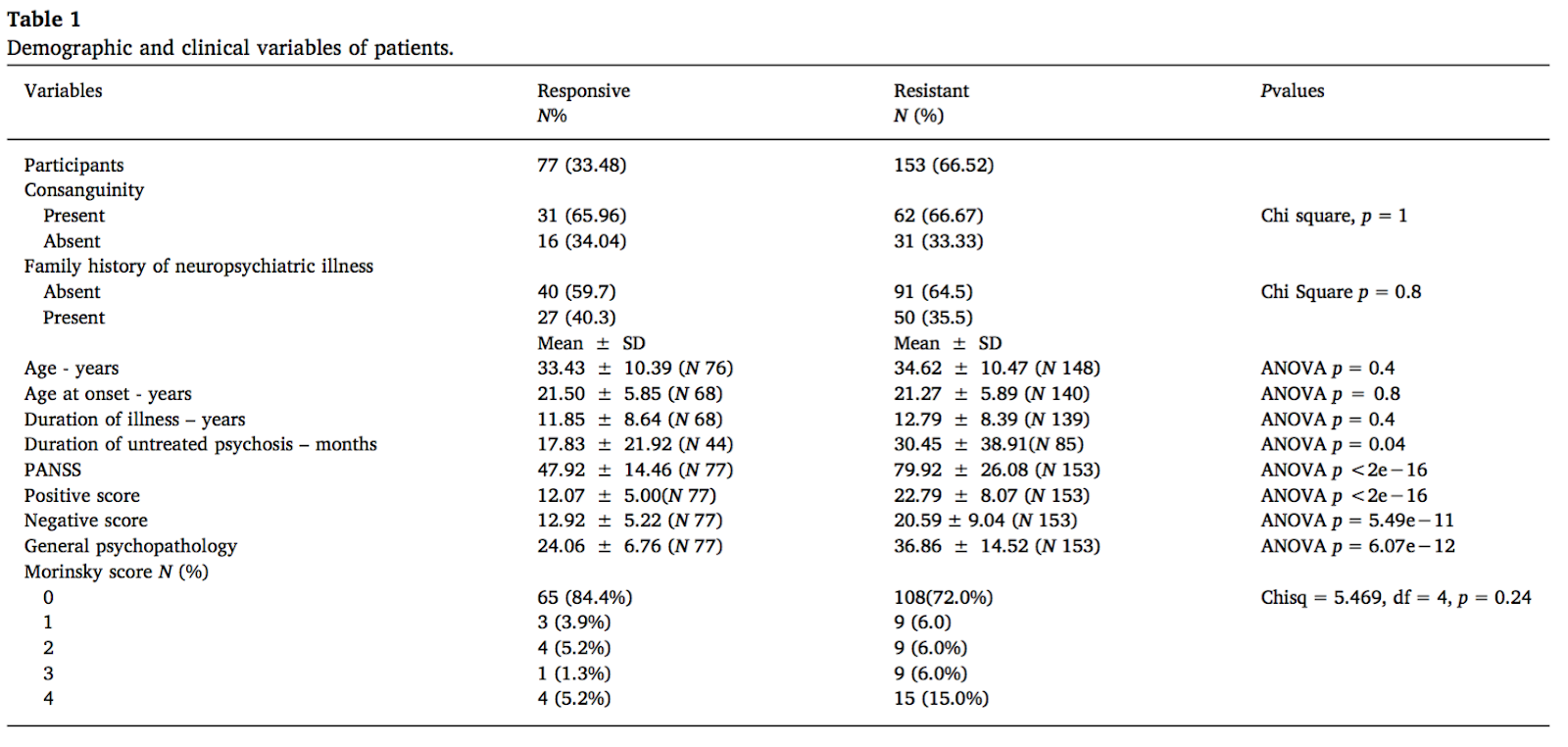
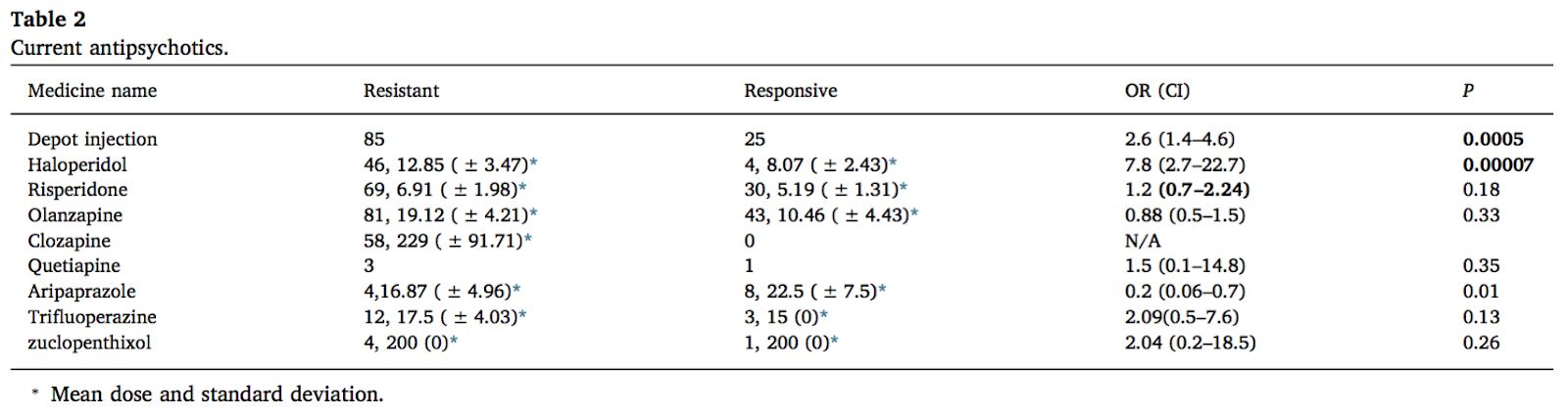
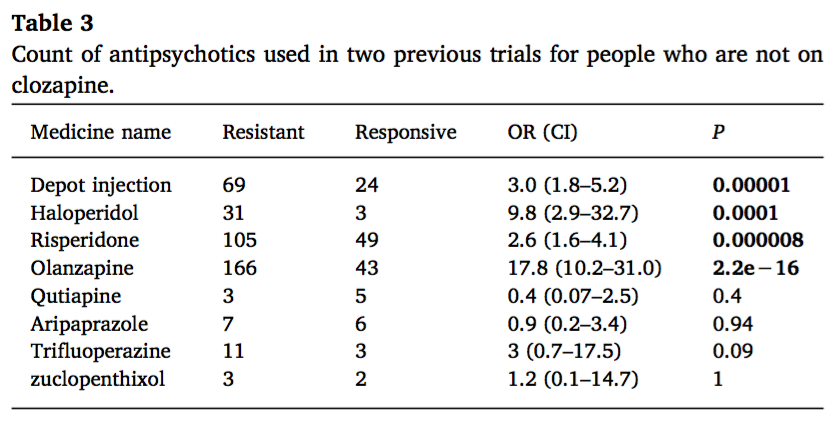
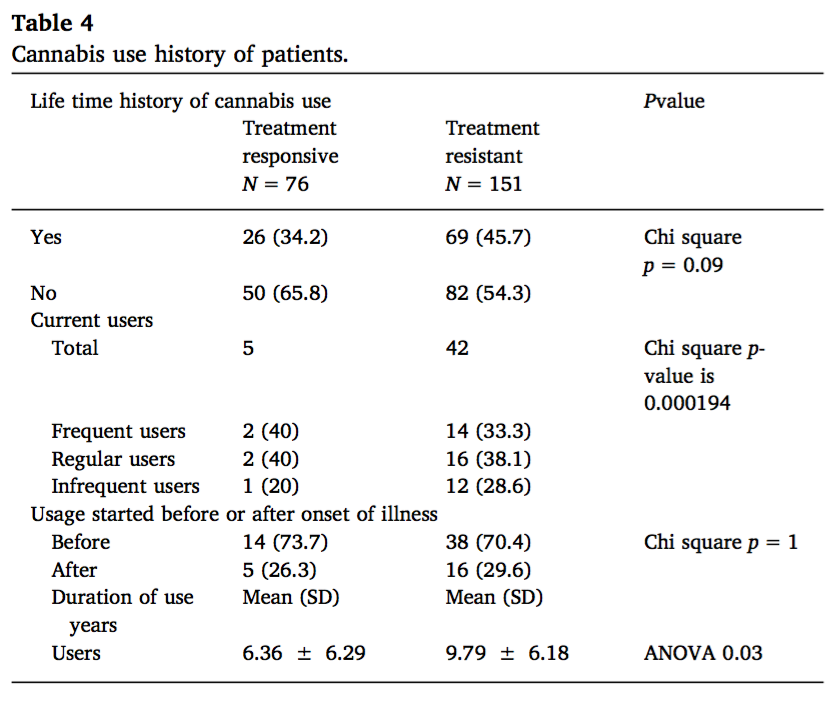
A recent study conducted in Pakistan revealed that the endocannabinoid system may provide a target for novel schizophrenia treatments. Patients in the study who self-reported cannabis use, either acute or chronic, were more likely to show resistance to treatment. Schizophrenia is notoriously difficult to treat in general as the exact underlying mechanism is unknown, but the correlation between cannabis use and treatment resistance suggests that the endocannabinoid system plays a role in the biological processes of schizophrenia. Further research into the relationship between schizophrenia and the endocannabinoid system. 

This study highlights the amount of information that can be gained from open communication between patients and physicians. In the United States, there is a stigma surrounding cannabis use that frequently prevents users from speaking out despite the possible negative effects. The featured study relied on self-reporting use, which is an inconsistent and unreliable measure, but it gave the researchers a foundation that may spur future use. Open communication, in a general sense even beyond cannabis use, will only benefit researchers and patient outcomes. 

The study is available for review or download here

View more studies like this in the CED Foundation Archive 

To explore related information, click the keywords below:
Benjamin Caplan, MDEndocannabinoid System may provide a target for schizophrenia treatment
read more

Cannabinoid Receptor 2 is Novel Target for Treatment of Alcoholism

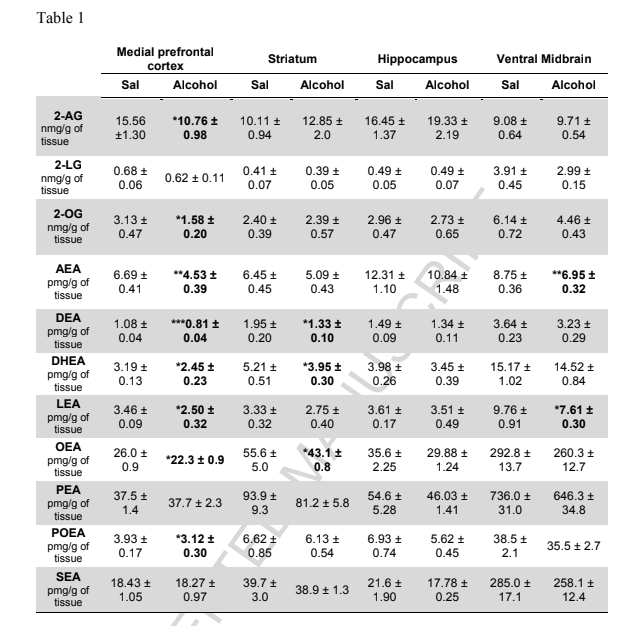
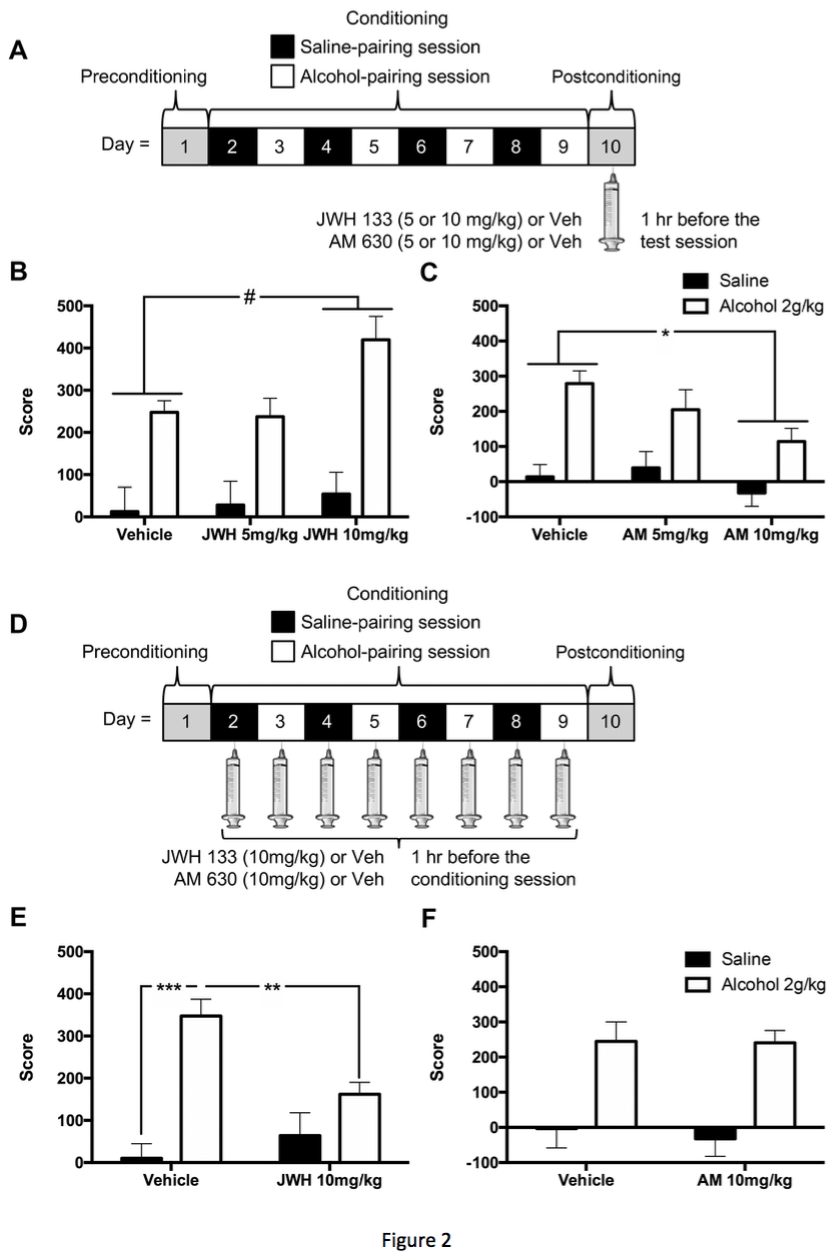
Alcohol-induced conditioned place preference is modulated by CB2 cannabinoid receptors and modifies levels of endocannabinoids in the mesocorticolimbic system

In Summary

A recent study has revealed that the endocannabinoid system may provide a novel treatment for alcoholism. Researchers have found that cannabinoid receptor 2 (CB2) is able to modulate the reward pathway for alcohol consumption. Specifically, when CB2 is antagonized or given an inverse agonist it is able to mitigate the positive effects of alcohol consumption. Dampening the positive effects felt when consuming alcohol will hopefully lower the need to drink felt by those suffering from alcohol use disorders. 

This article highlights the potential uses of synthetic cannabinoids and how different synthetic cannabinoids are able to have similar effects despite causing inverse reactions. Two synthetic cannabinoids were utilized for this study, an agonist and an antagonist for CB2, but both managed to minimize the positive effects of alcohol consumption. The only differing effect was that of the CB2 agonist in its ability to also decrease the positive effects felt when consuming food. Stumbling upon this secondary effect may provide a novel treatment for obesity, another prevalent disease in the United States. Further research into how the endocannabinoid system affects bodily processes and the development of synthetic cannabinoids may reveal hundreds of novel therapies. 


The study is available for review or download here:

View more studies like this in the CED Foundation Archive 

To explore related information, click the keywords below:
Benjamin Caplan, MDCannabinoid Receptor 2 is Novel Target for Treatment of Alcoholism
read more

The Neurocognitive Effect of Cannabis Varies

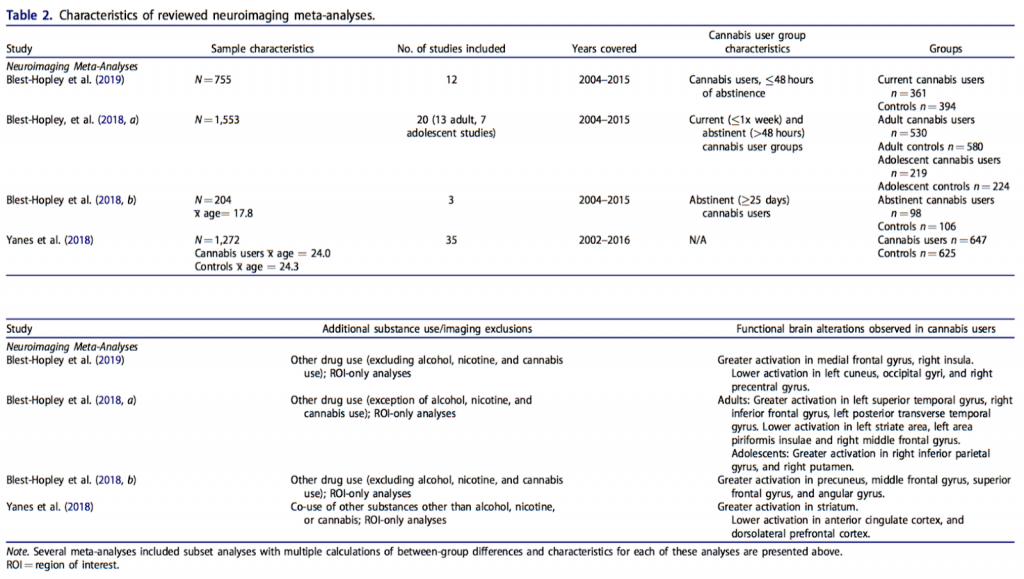
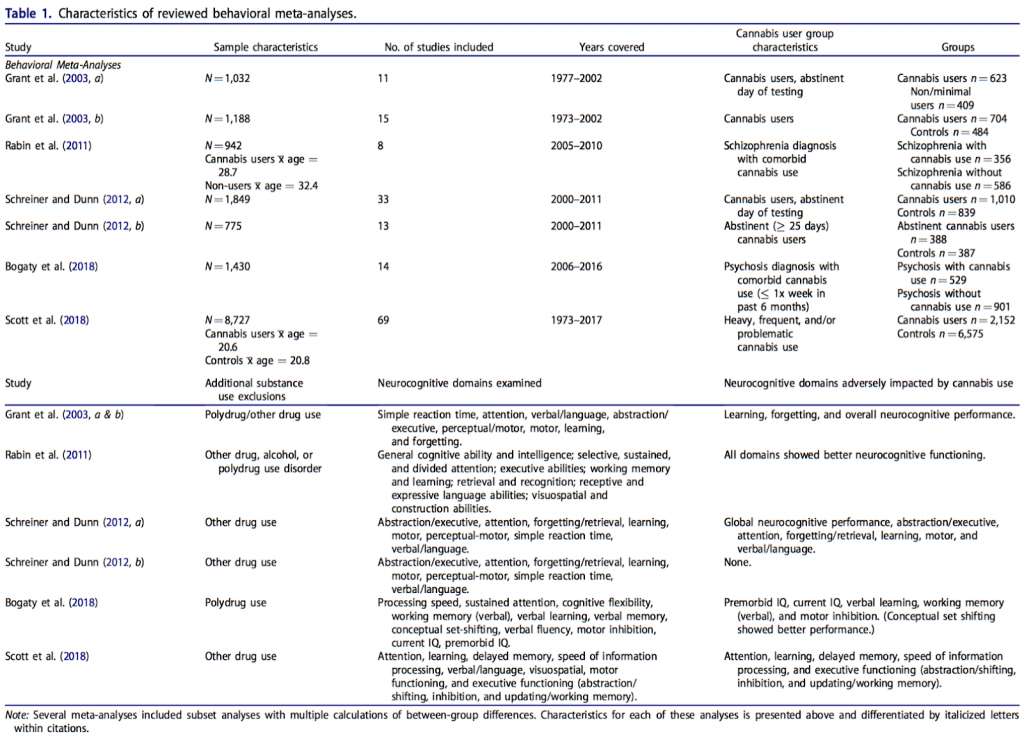
Adverse Effects of Cannabis Use on Neurocognitive Functioning- A Systematic Review of Meta- Analytic Studies

A recent study has revealed the variability of the effects of cannabis on neurocognitive functioning depending on dose and cannabinoid. A meta-analysis of other meta-analyses led the authors to conclude that cannabis has a negative effect on neurocognitive function. Here is the issue with the gathered data: half of the studies took place when cannabis use was completely illegal in most states meaning that any recorded cannabis use was either conducted in animals models which have proven to be inaccurate when modeling the endocannabinoid system, include limited cannabis use in their control groups despite the authors stating they excluded those studies, and included studies that allow alcohol and nicotine use in combination with cannabis use. The authors claim more controlled longitudinal studies need to be conducted, but still, draw broad conclusions. 

A recent post on this blog has also featured an article funded by the National Institute on Drug Abuse, a known critic of cannabis, and discussed the issue of bias among scientific findings. Biased articles are difficult to get around because they require fully delving into the material listed analyzed in the paper and looking into the studies that were included and left out of the meta-analysis to determine the validity of their findings. It is extremely frustrating to have articles presented to the public that are so heavily biased they cherry pick data just to prove their side of a politically controversial therapy. Not all cannabis use is beneficial and is not well understood, but posting articles like this one prevent the rescheduling of cannabis so that specific chemicals can be harnessed for novel therapies to treat ailments we have no effective treatment for, such as Alzheimer’s, specific cancer types, and a slew of psychiatric disorders. Scientists have a responsibility to remain objective and this type of biased research is disappointing to find.   

The study is available for review or download here

View more studies like this in the CED Foundation Archive 

To explore related information, click the keywords below:
Benjamin Caplan, MDThe Neurocognitive Effect of Cannabis Varies
read more

Flavonoids Improve Lipid and Glucose Metabolism in Dyslipidemic Overweight Subjects

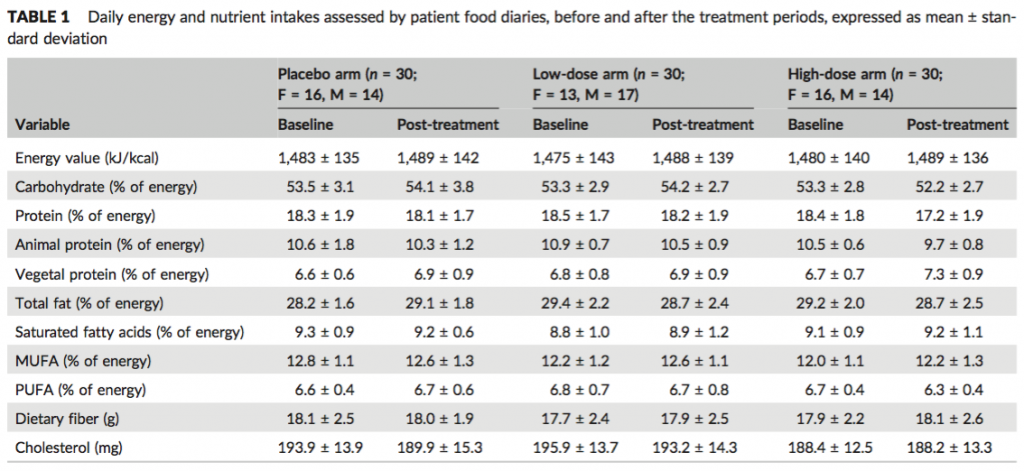
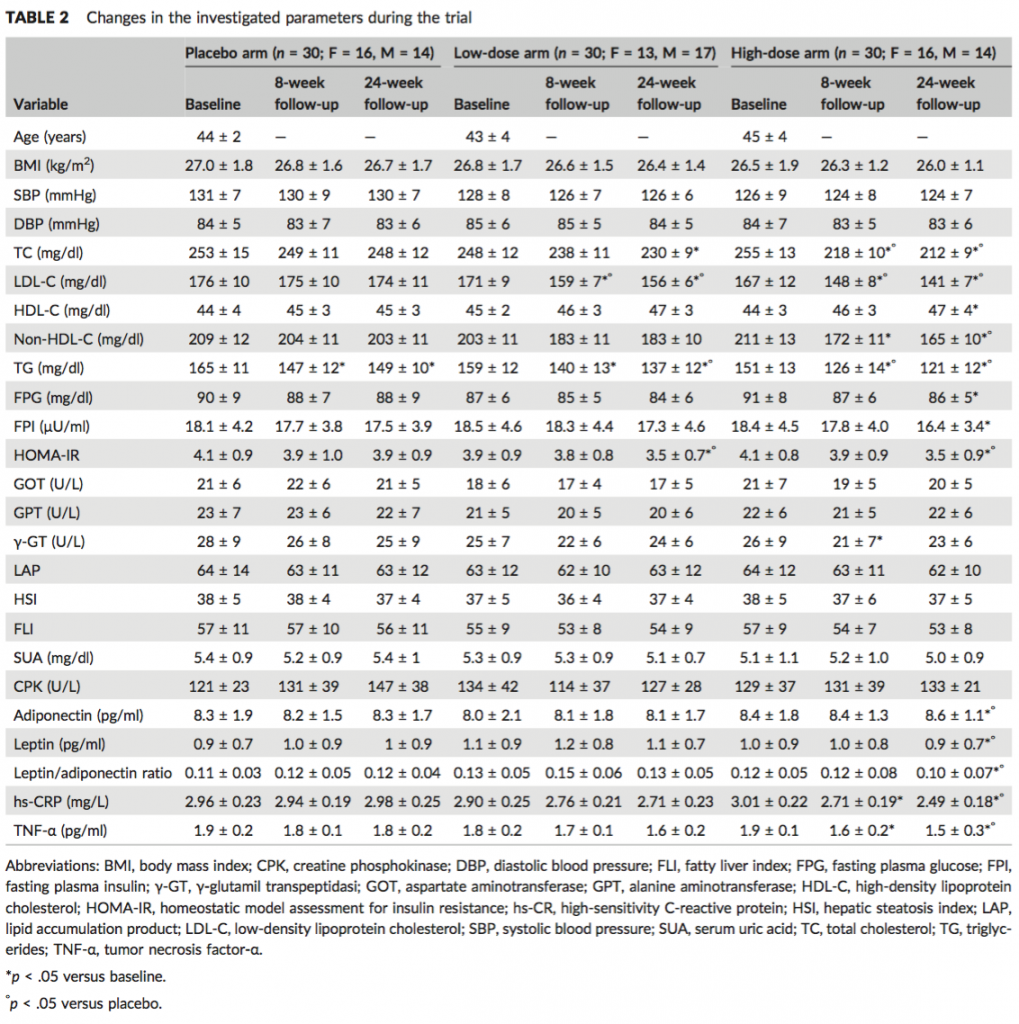
Three‐arm, placebo‐controlled, randomized clinical trial evaluating the metabolic effect of a combined nutraceutical containing a bergamot standardized flavonoid extract in dyslipidemic overweight subjects

In Summary

A recent study has revealed the therapeutic benefits of flavonoids from bergamot fruits improve lipid and glucose metabolism in dyslipidemic overweight subjects. Dyslipidemic individuals have elevated levels of cholesterol and fats in their blood which increases their risk of suffering from a stroke or heart attack. The flavonoids present in bergamot extracts lowered total cholesterol, systemic inflammation, and a myriad of other chemicals that pose health risks, such as tumor necrosis factor-alpha (TNF-alpha). This study provides evidence that the flavonoids present in bergamot extracts may benefit those suffering from high cholesterol by lowering their risk of stroke and heart attack.  

This article highlights the potential health benefits of flavonoids. Flavonoids are commonly found among cannabis plants and various other crops that are already produced at a commercial level. Flavonoids are extremely understudied when considering their known therapeutic potential as well as how cost efficient producing flavonoid-containing supplements would be. Extracts and diets containing elevated levels of flavonoids would be a simple and effective method of providing a myriad of health benefits into users everyday lives, which warrants further research and development. 

The study is available for review or download here:

View more studies like this in the CED Foundation Archive 

To explore related information, click the keywords below:
Benjamin Caplan, MDFlavonoids Improve Lipid and Glucose Metabolism in Dyslipidemic Overweight Subjects
read more

Medical Cannabis Treats Multiple Sclerosis and Associated Neuropathic Pain

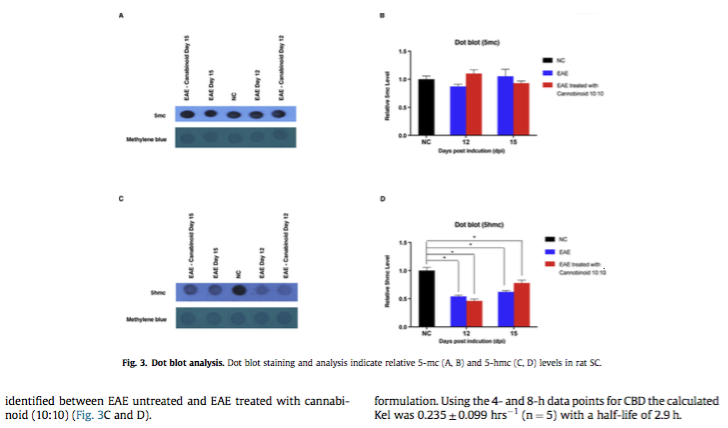
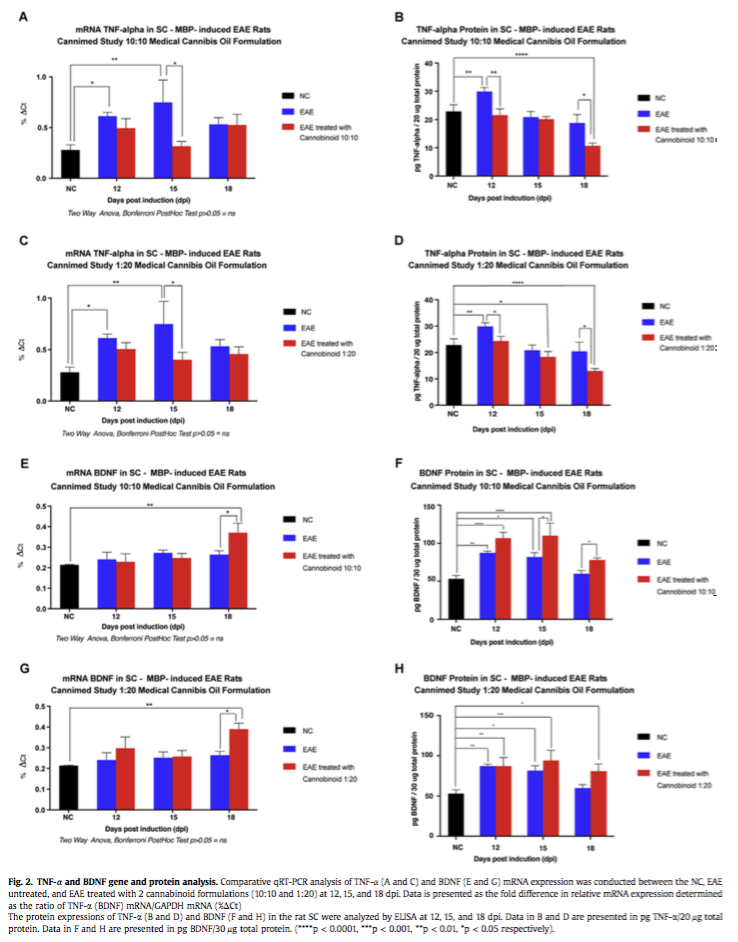
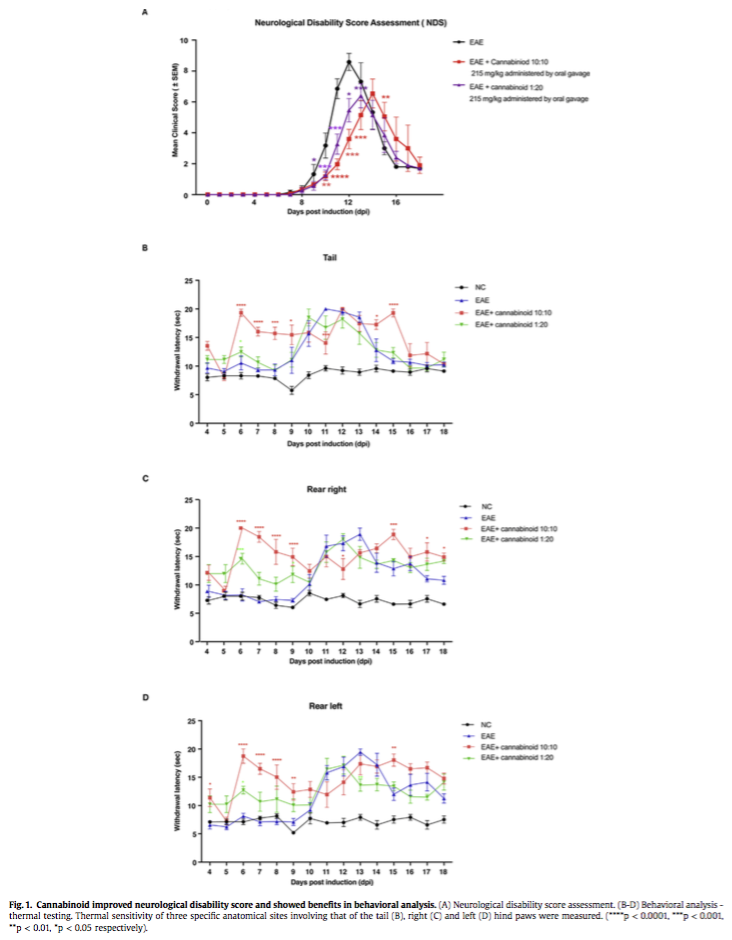
Therapeutic impact of orally administered cannabinoid oil extracts in an experimental autoimmune encephalomyelitis animal model of multiple sclerosis

In Summary

A recent study has revealed the validity of treating multiple sclerosis (MS) and associated neuropathic pain (NNP) with medical cannabis. The therapeutic benefits of cannabis for MS and NNP was demonstrated by treating an experimental autoimmune encephalomyelitis animal model with cannabis which revealed an improved score on a neurological disability assessment and behavioral assessment. The authors describe this study as a critical step in advancing the literature describing the therapeutic effects of medical cannabis by validating the merit of such therapeutic effects. 

Highlighted in this study is the importance of the ratio of cannabinoids when treating various ailments. The vast array of cannabinoids has a myriad of effects on the body depending on how which receptor of the endocannabinoid they act on, how they act on that receptor, and how they interact with other cannabinoids that were taken simultaneously. Cannabidiol (CBD) is frequently recommended to help minimize feelings of anxiety, whereas tetrahydrocannabinol (THC) can actually worsen anxiety at higher doses. When consuming cannabis a patient should always be careful to note the ratio and effect of each cannabinoid.

The study is available for review or download here

View more studies like this in the CED Foundation Archive 

To explore related information, click the keywords below:

Benjamin Caplan, MDMedical Cannabis Treats Multiple Sclerosis and Associated Neuropathic Pain
read more

The impact of cannabis on surgical patients is uncertain

The impact of recreational cannabinoids on peri-operative outcomes

In Summary

A recent op-ed from a plastic surgeon discusses the uncertainty of how recreational cannabis effects peri-operative outcomes. Recreational cannabis does not always follow the same standardization requirements as medical cannabis depending on state laws. Multiple studies have reported their findings from patients who have reported using cannabis before their surgery but as peri-operative screening for cannabis is not routine and stigma prevents many from self-reporting, data is uncertain. Cannabis has been shown to affect anesthesia, post-operative hemostasis, drug metabolism, and pain control. Further research is needed to provide definitive evidence for the exact effect of cannabis on peri-operative outcomes. 

This study highlights the need for inclusion of self-reported cannabis use on national databases so larger studies are able to analyze the impact of cannabis on surgical outcomes, but also general patient outcomes. The stigma surrounding recreational cannabis use should be removed, not necessarily for legalization, but to provide researchers an way around national legalization. Allowing naturalistic studies where statisticians can find trends among recreational cannabis use and healthcare would provide a cost-efficient way to support research without federal funding. Removing stigma will help provide researchers the tools to further our knowledge so that we can better treat those using cannabis. 

The study is available for review or download here

View more studies like this in the CED Foundation Archive 

To explore related information, click the keywords below:
Benjamin Caplan, MDThe impact of cannabis on surgical patients is uncertain
read more

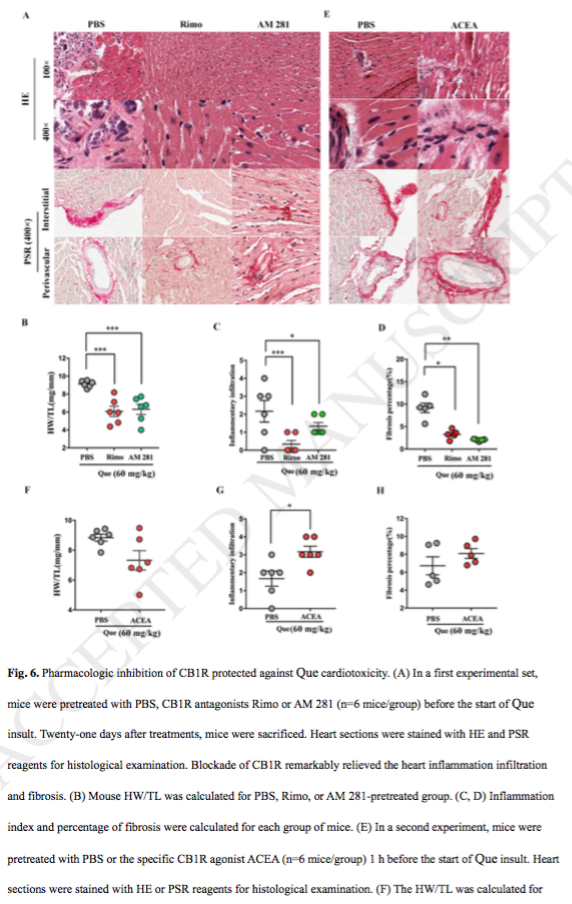
Cannabinoids prevent cardiotoxicity caused by popular anti-psychotic

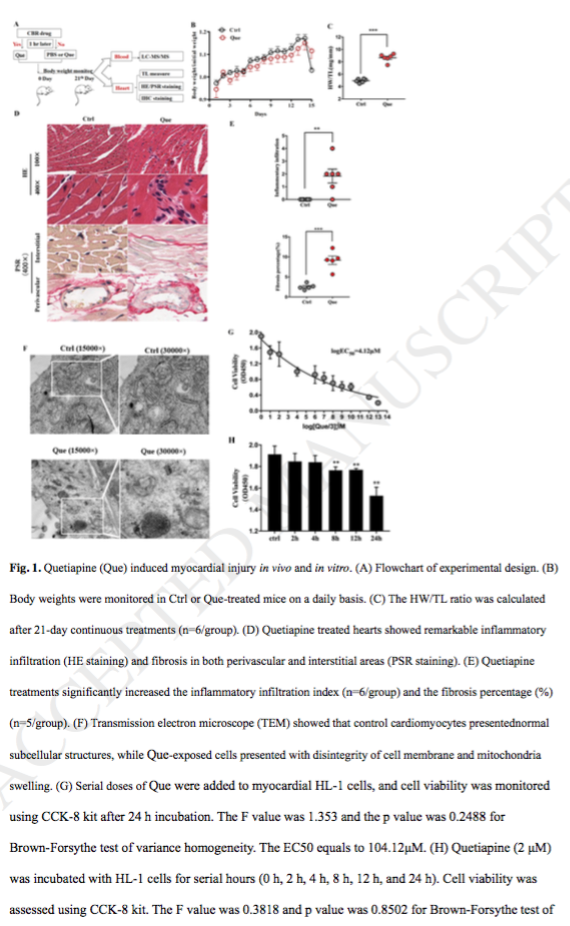
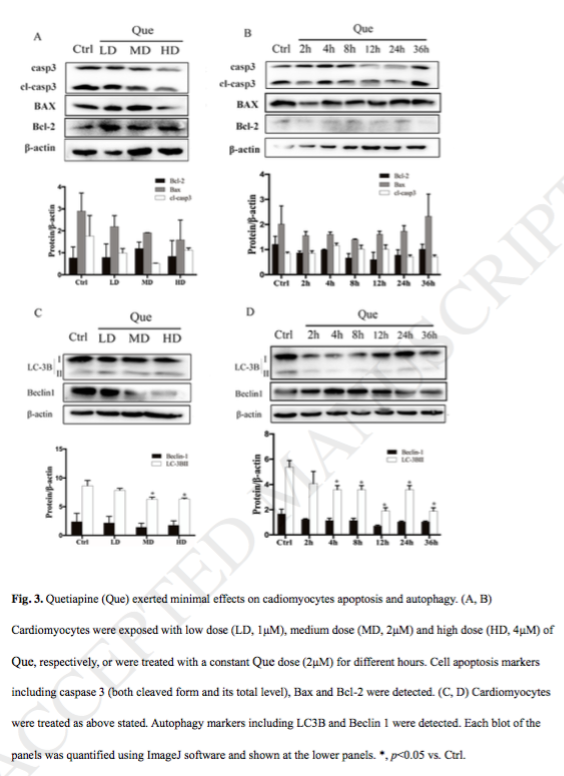
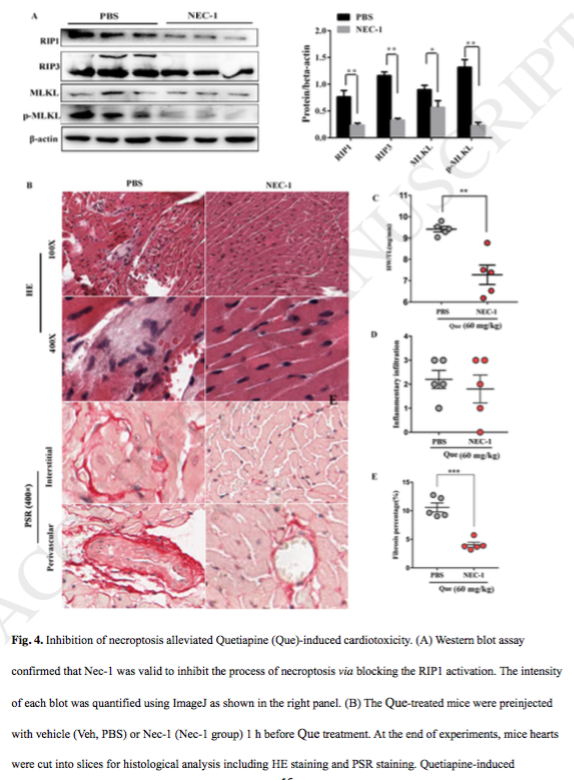
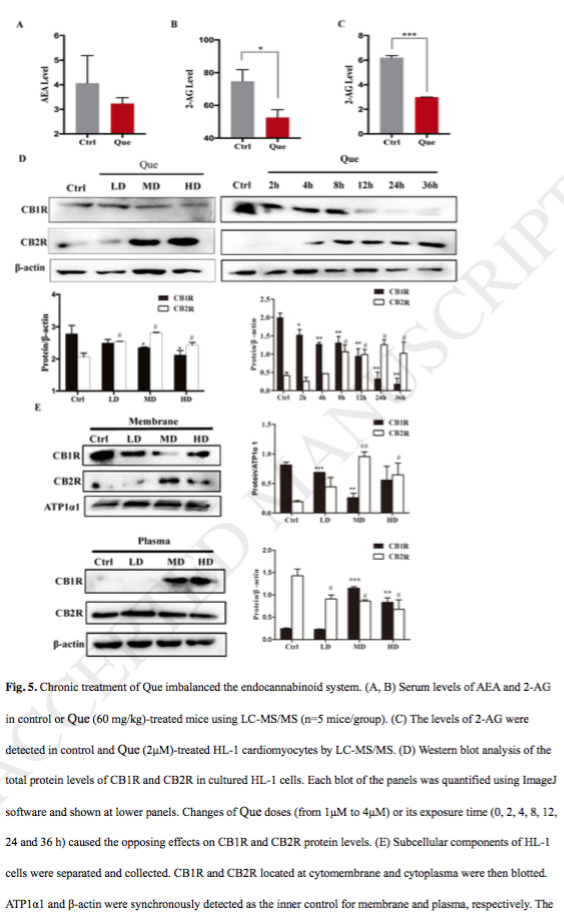
Quetiapine induces myocardial necroptotic cell death through bidirectional regulation of cannabinoid receptors

In Summary

Researchers have recently revealed that cannabinoids are able to inhibit cardiotoxicity caused by the antipsychotic Quetiapine, both in mice and during bench testing. Quetiapine is a popular atypical antipsychotic that has recently been come under fire for causing myocardial injury by inducing necroptosis. The featured study has elucidated the mechanism behind Quetiapine’s cardiotoxicity and identified the combination of cannabinoid receptor 1 (CB1) antagonists and cannabinoid receptor 2 (CB2) agonists as a novel therapy. CB1 antagonists and CB2 agonists are able to inhibit the necroptosis induced by Quetiapine which should still make it a viable antipsychotic for those with access to medical cannabis. 

This article highlights the negative side effects associated with antipsychotics. There is still no cure for schizophrenia or bipolar disorder and the current treatment of antipsychotics and antidepressants often have horrendous side-effects that often deter patients from taking their medications. Better medications need to be developed to treat psychiatric disorders in general, but if we are able to develop therapies that assist patient compliance rates it would also be a huge step forward for the psychiatric community. Further research should be conducted to determine if cannabinoids can aid in other side-effects of antipsychotics that patients find difficult to cope with. 

The study is available for review or download here

View more studies like this in the CED Foundation Archive 

To explore related information, click the keywords below:

Benjamin Caplan, MDCannabinoids prevent cardiotoxicity caused by popular anti-psychotic
read more

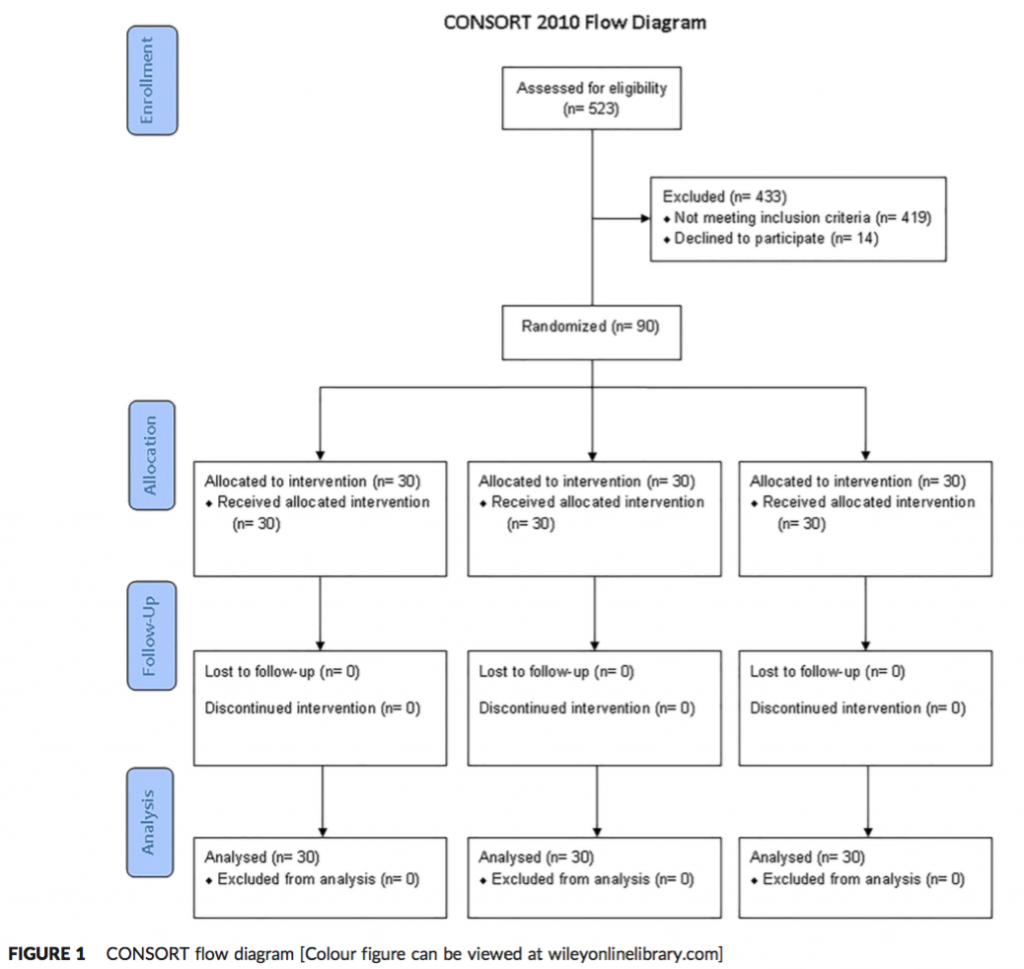
The Effect of Cannabis Use During Preconception and Pregnancy Outcomes

In Summary

 A recent study has revealed that women who used cannabis during preconception had lower fecundability but cannabis had no effect on pregnancy outcomes. Researchers screened women attempting to get pregnant for previous cannabis use through urine testing and self-reporting. Women who tested or reported positive for cannabis use were less likely to conceive during the primary menstrual cycle when attempting to get pregnant but the use of cannabis had no effect on the rate of live births or loss of pregnancy. The authors call for further research as some women may not report cannabis use due to stigma despite the importance of gathering data for possible effects of cannabis use on conception. 

The study is available for review or download here

View more studies like this in the CED Foundation Archive 

To explore related information, click the keywords below:

Benjamin Caplan, MDThe Effect of Cannabis Use During Preconception and Pregnancy Outcomes
read more

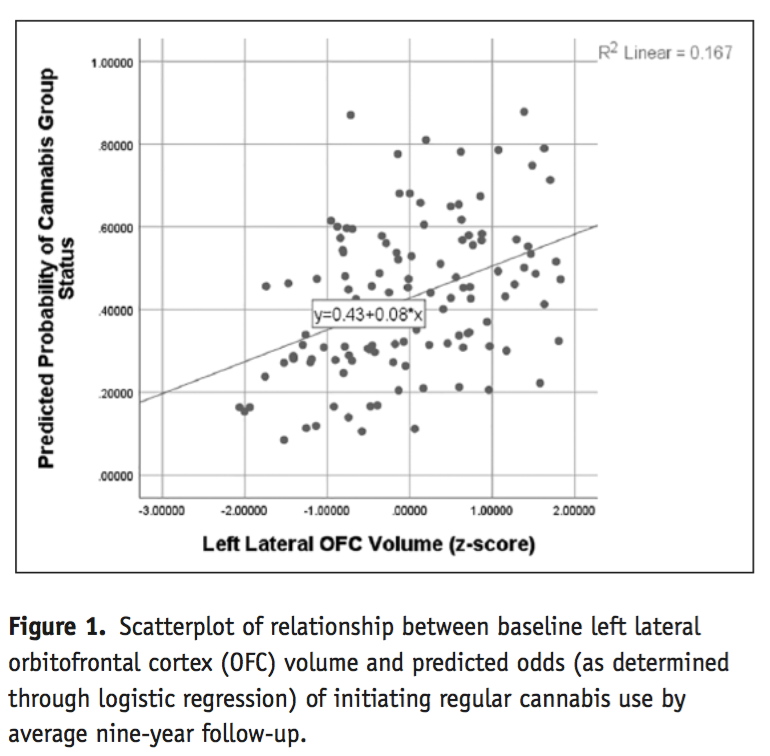
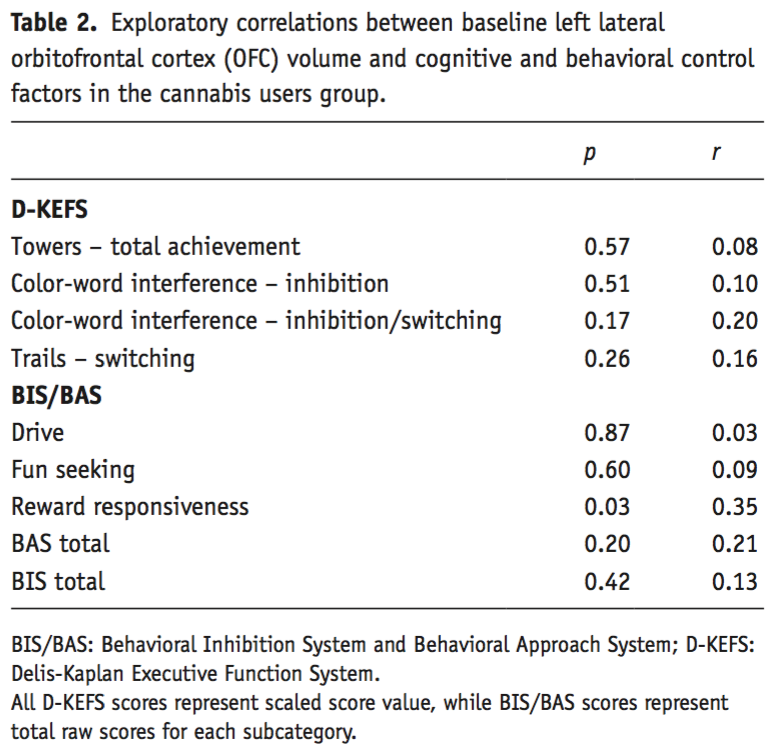
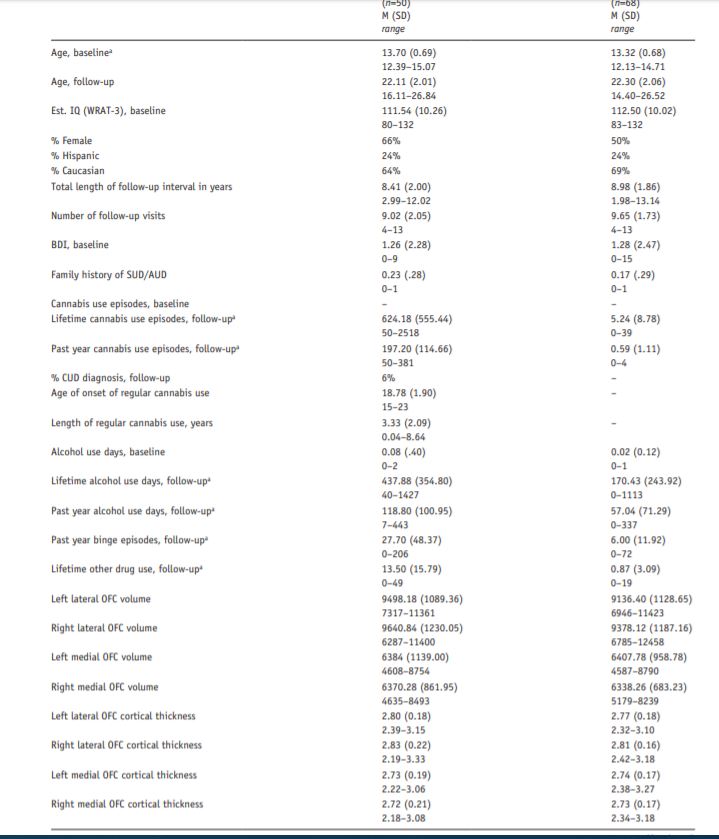
Volume of Lateral Orbitofrontal Cortex Predicts Drug Use

Orbitofrontal cortex volume prospectively predicts cannabis and other substance use onset in adolescents

In Summary:

 Researchers have recently unveiled that the volume of the lateral orbitofrontal cortex (OFC) is able to predict future substance use in adolescents. Individuals were followed for 13 years after undergoing magnetic functional resonance imaging and surveyed for cannabis and alcohol use. Interesting the authors chose to utilize those who had used cannabis, but in limited quantities, as a control group instead of including them in their cannabis users group. Similarly, the alcohol only group of participants also included those who used cannabis multiple times within the past year. Nevertheless, the authors conclude that the size of the lateral OFC is able to predict drug use in adolescents although not without admitting the need for replication and validity. 

This paper is a perfect example of biased information within the medical community. Bias is inherent, there is no way around it, but it is the duty of researchers to publish their findings while remaining as objective as possible. The grouping and subsequent statistical analysis of this data mentioned in the featured article are rather odd considering their terminology and broad claims. This may be due to the views of the organization funding the research, or the bias of the research team, but the limitations of this study should have been a larger factor, such as the odd groupings and the fact that this research took place in a state where cannabis use is legal for recreational and medical use. Scientists have an obligation to pursue the truth and not extrapolate their findings to fit their personal agenda. A slew of articles out there suffer from cherry-picking statistics and the extrapolation of data; readers and media outlets who popularize findings should take care to nitpick the methodology and demographics of studies. 

The study is available for review or download here

View more studies like this in the CED Foundation Archive 

To explore related information, click the keywords below:
Benjamin Caplan, MDVolume of Lateral Orbitofrontal Cortex Predicts Drug Use
read more