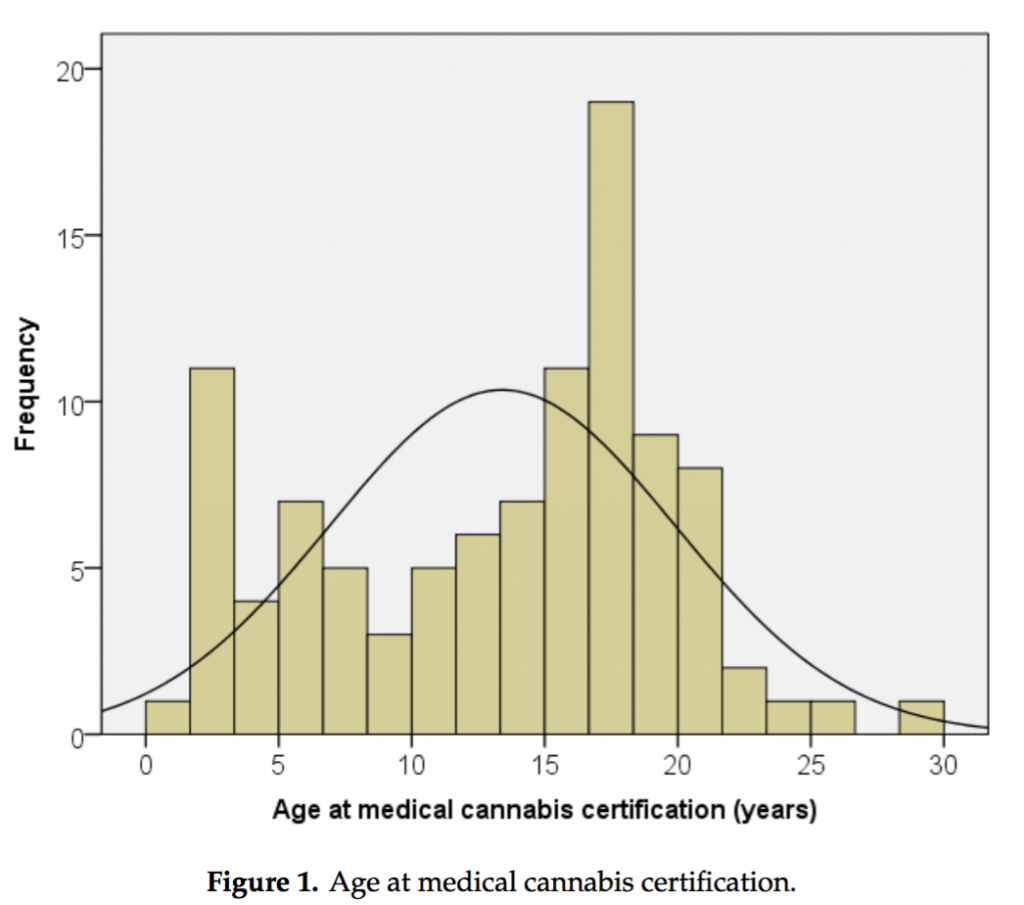
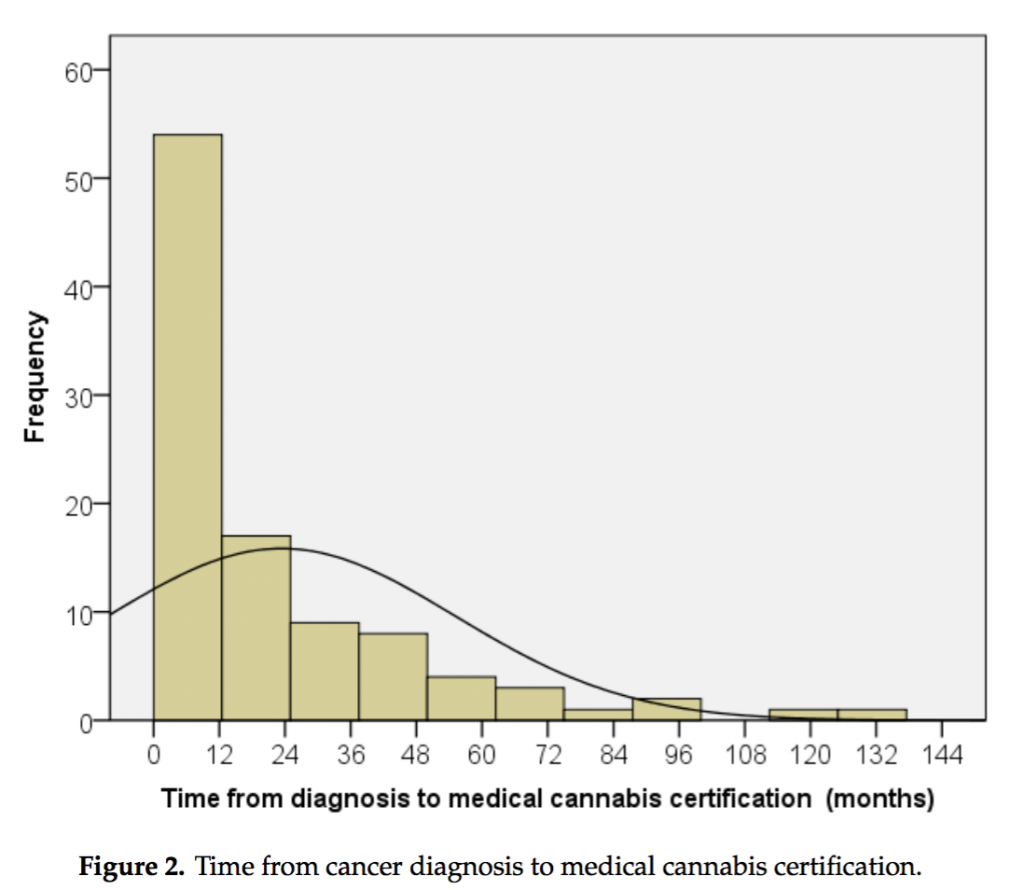
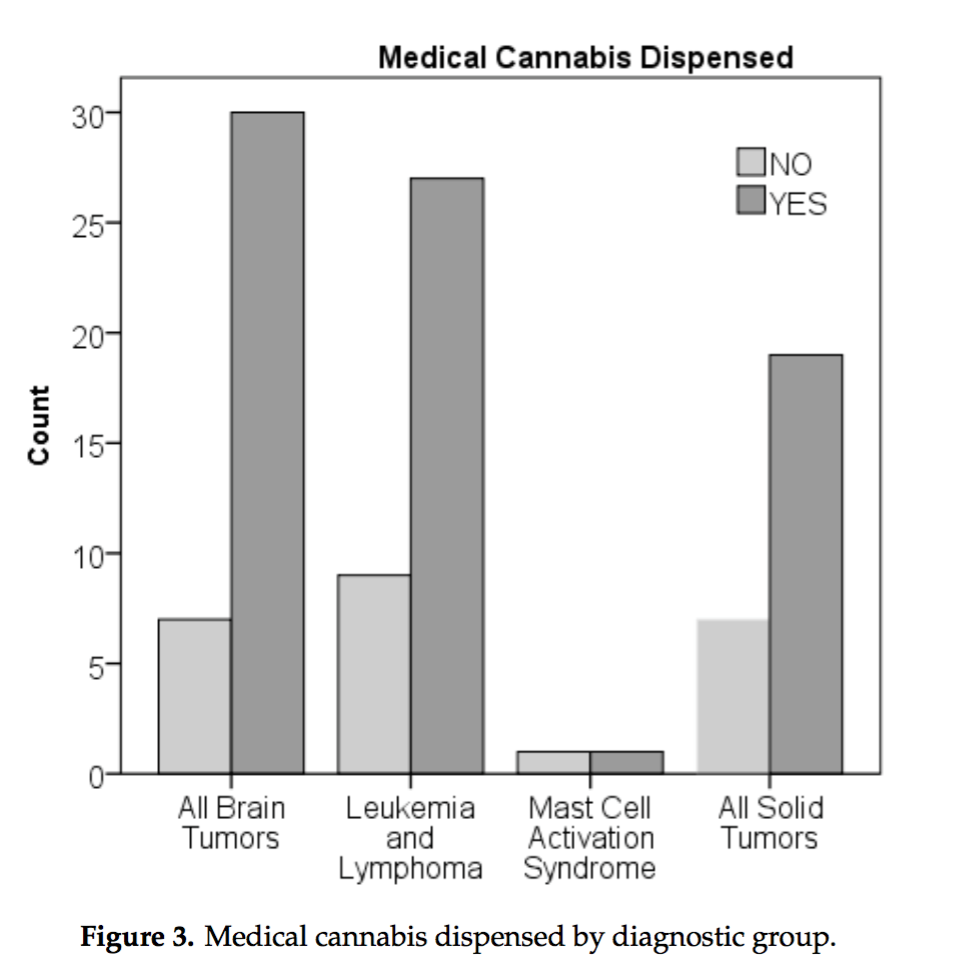
Pediatric oncologists from Minnesota recently published an article justifying their use of medical cannabis as palliative care for their patients. The majority of patients at the oncology center were approved for medical cannabis use during their first round of treatment in order to immediately address the negative side effects of chemotherapy such as nausea, pain, and cancer cachexia. The data provided from the center described much higher chemotherapy compliance rates among patients, and that patients have a much better quality of life when utilizing cannabis.
This article highlights a few promising trends and issues with using medical cannabis; one promising trend being the hope for cannabis to provide antitumor effects. Cannabis has been looked into for antitumor effects and has shown promising results but there are many limitations to the few studies that had been published, leading the authors to hold off on overarching conclusions. The center in Minnesota noted that many of the patients diagnosed with brain tumors were especially hopeful that cannabis would aid in curing them of cancer, second to utilizing the drug for nausea. This is a promising trend because it means the greater public is showing interest in the therapeutic possibilities of cannabis and their support and call for research will aid the drive for the federal rescheduling of marijuana.
Also highlighted in this article is that of all the patients certified to use medical cannabis a subset of 24% never actually registered through the state to receive the cannabis. The authors have no real data of etiology behind this phenomena but suspect that the $200 annual fee on top of the fee for each additional dispensed prescription limited patients abilities to afford cannabis. Without the support of the federal government insurance companies are unable to cover medical cannabis leading many unable to afford medical cannabis. With the promising data provided in this article, it is a shame so many patients were unable to benefit from cannabis use due to affordability.
The study is available for review or download here:
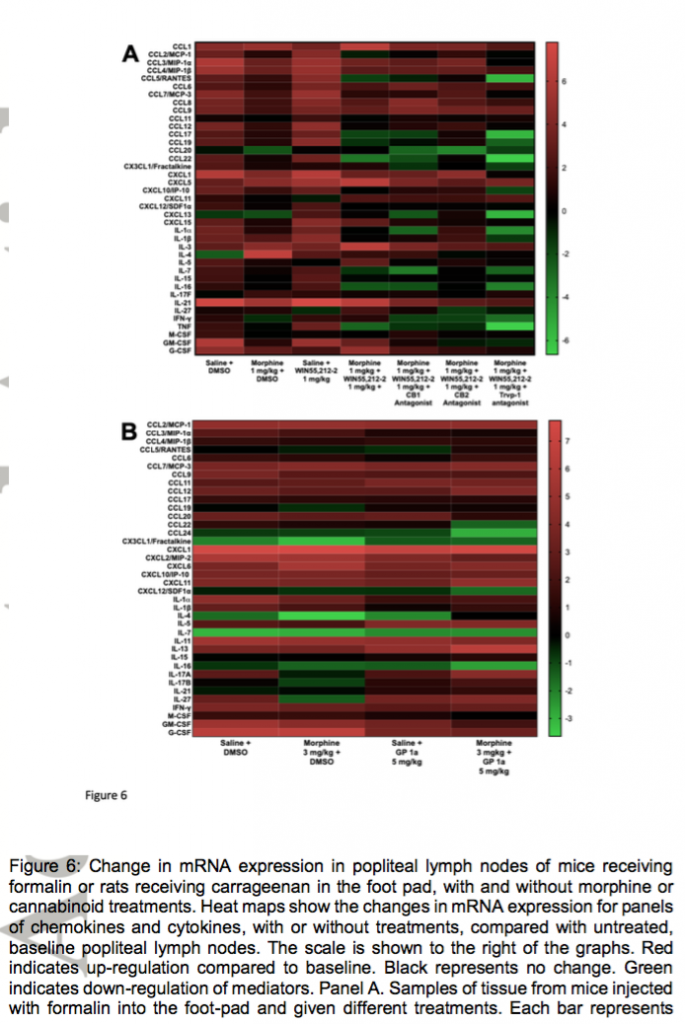
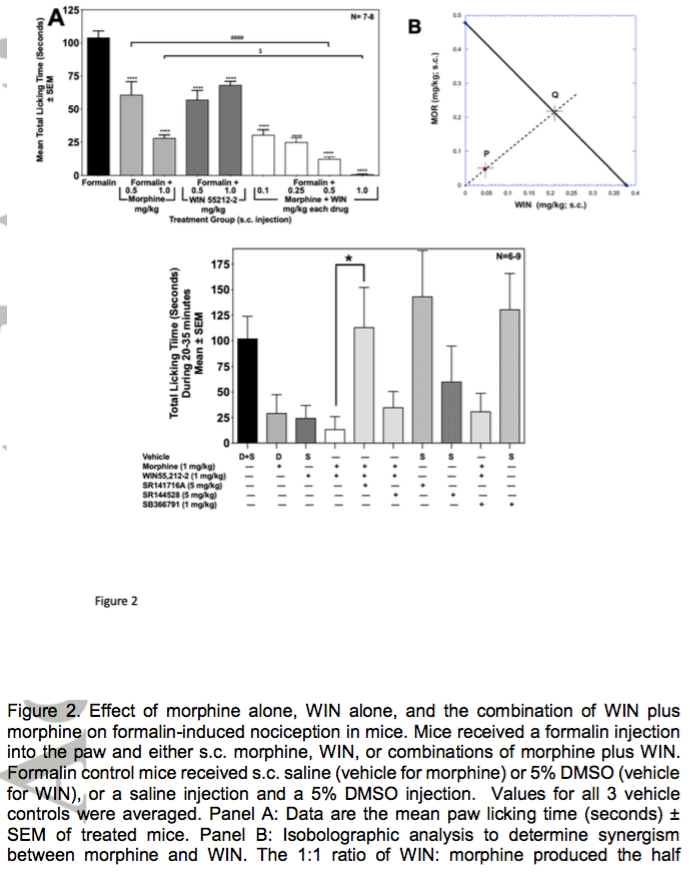
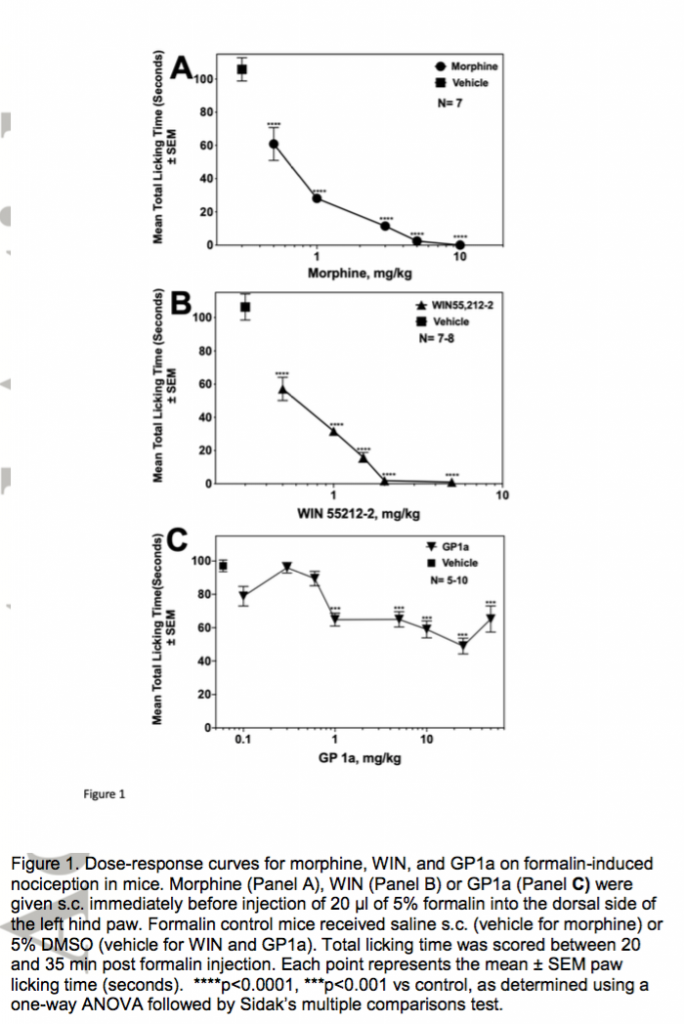
Opioid-Sparing Effects of Cannabinoids on Morphine Analgesia- Participation of CB1 and CB2 Receptors
In Summary
Researchers have recently provided evidence that synthetic cannabinoids are able to work synergistically with morphine to provide maximum pain relief while limiting opioid doses. In an effort to control the current opioid epidemic researchers have been looking into the possible benefits of cannabinoids due to the interaction of the opioid and endocannabinoid systems. The results of this study showed that various synthetic cannabinoids (WIN and GP1a) were able to work synergistically with morphine in two separate pain models to maximize analgesic effects. Further evidence is still needed to validate these claims before patient use but this paper provides further evidence that medical cannabis may help put an end to the opioid crisis.
Highlighted in this paper is the lingering uncertainty of exact mechanisms within the endocannabinoid system. The authors of this article are left without definite answers as to whether or not the analgesic effect is mediated completely through cannabinoid receptor 1 (CB1) or if cannabinoid receptor 2 (CB2) is also involved. Research into cannabinoids is slow within the United States as there are currently only privately funded studies which is severely hindering the medical community from taking full advantage of all it has to offer. The better a system is understood the more definite answers can be found. Critics may never support the rescheduling of cannabis but without moving cannabis to Schedule II or III it remains impossible to back even their claims.
The study is available for review or download here:
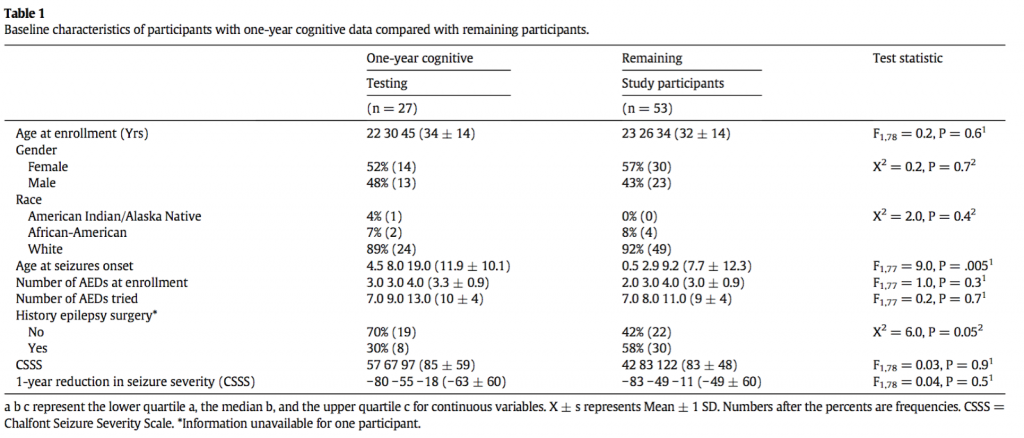
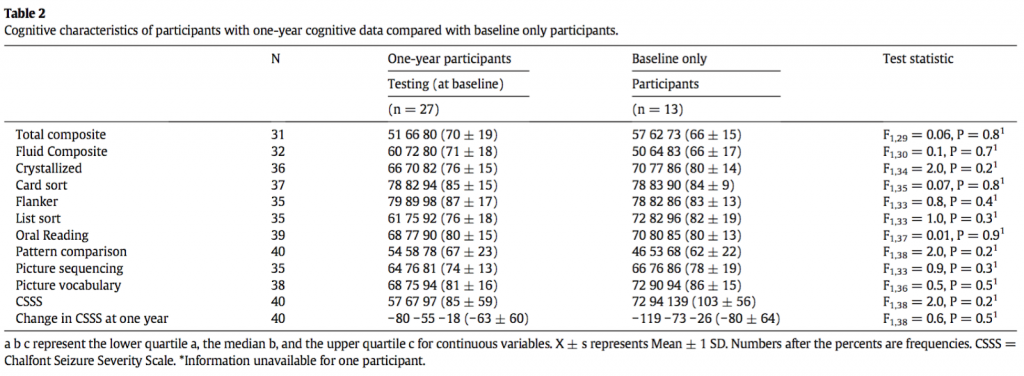
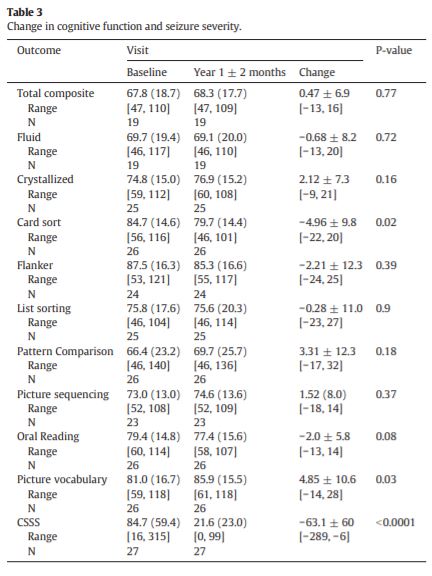
Cognitive functioning following long-term cannabidiol use in adults with treatment-resistant epilepsy
In Summary
A recent study has revealed that the cognitive function of adults taking cannabidiol (CBD) to treat their treatment-resistant epilepsy (TRE) was not affected by long-term use. Analysis of the study revealed no correlation between cognitive change scores and CBD dose, nor was there a correlation between change in seizure severity and cognitive test performance. Cognitive dysfunction commonly occurs comorbidly to TRE so it is important to note CBD has yet to show the ability to repair cognitive function but it will not further hinder cognitive function.
This post highlights the limitations of research for cannabis despite CBD being approved by the FDA to treat rare forms of epilepsy. This is because of a lack of a control group, which would be provided by adults not suffering from TRE but consuming the same dose of CBD or by adults suffering from TRE but not taking medication. If cannabis, or even just CBD, were supported for medical use at the federal level researchers would be able to create much more efficacious treatments within a more rapid time-frame.
The study is available for review or download here:
Cannabinoid Receptor-Mediated Modulation of Inhibitory Inputs to Mitral 3 Cells in the Main Olfactory Bulb
In Summary
A recent study has revealed that the endocannabinoid system regulates mitral cell activity in the olfactory bulb, affecting users’ sense of smell. Cannabinoids that agonize and antagonize cannabinoid receptor 1 (CB1) are able to regulate the threshold for odor stimulation and synaptic input, thereby modulating a users ability to smell various stimuli. This may aid people suffering from neuropathic pain caused by sensitivity to an array of odors such as perfume or household cleaners.
This article highlights how much more our community has to learn about the endocannabinoid system so that we can identify all of the possible therapeutic targets it provides. It is still uncertain whether or not cannabinoid 2 receptors are found within the central nervous system, specifically regions of the brain, which could provide more targets for the non-psychoactive components of cannabis, such as THC, another mechanism to work through. The more we learn about cannabis the more possibilities arise, calling for further research to be done.
The study is available for review or download here
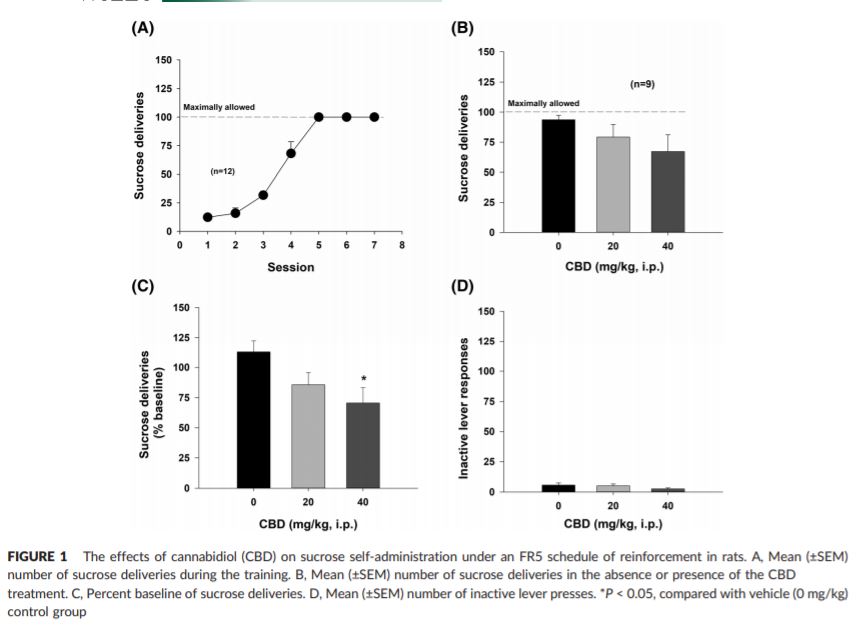
Cannabidiol inhibits sucrose self‐administration by CB1 and CB2 receptor mechanisms in rodents
In Summary
A recent study has uncovered cannabidiol’s (CBD) potential for treating psychiatric disorders characterized by binge eating and preventing the development of obesity. Researchers found that the administration of CBD in rodents reduced the self-administration of sucrose. Although clinical studies are needed to provide further evidence, the current data provide solid evidence for a novel treatment for the reduction of binge eating and development of obesity via a mechanism within the endocannabinoid system.
This article highlights the lack of treatment for obesity despite its prevalence among American society. Currently, there are no successful pharmacotherapies for obesity so the promising aspects of CBD as treatment warrant further research. CBD lowers the activity of the reward system in response to food, much like how it is thought to interact with opioids, and would, therefore, prevent people from seeking out food to engage in dangerous behavior.
The study is available for review or download here:
A recent study has classified the structural identities of cannabinoids that have shown promise as antitumor agents for a variety of cancer types. Although cannabis is commonly recommended for treating the side-effects associated with chemotherapy researchers are now digging into studies from the past two decades that show cannabis’ promising antitumor properties. Further research is encouraged but the authors hope this structural classification aids future endeavors aiming to develop cannabis-based cancer treatments.
The idea of accidentally stumbling upon the antitumor and antiproliferative effects of cannabis highlights the unknown therapeutic use of cannabis. Cannabis is full of chemicals that can be used to treat various ailments, such as cannabinoids, terpenes, and flavonoids. Critics often preach against the uncertainty and the danger of tetrahydrocannabinol (THC) but if researchers saw the potential for the other, nonpsychoactive components of cannabis many novel treatments could be developed. The endocannabinoid system spreads throughout the entire body and provides a promising target for numerous ailments if we keep looking into cannabis-based medicine and stumbling upon new therapeutic benefits.
The study is available for review or download here:
A systematic review of cannabidiol dosing in clinical populations
In Summary
A recent systematic review has revealed the need for dose-ranging clinical studies to provide a more definitive therapeutic range of cannabidiol (CBD). The review covered studies that showed clinical effectiveness for the treatment of epilepsy, anxiety, graft-versus-host disease, and a variety of others. CBD was found to be more effective at higher doses than lower doses in most cases, with few exceptions. Although CBD has been recognized to treat a slew of disorders phase III clinical trials that identify the most effective therapeutic range are severely lacking.
This study highlights the issue of dosing and why it has been so difficult to dose cannabis products. As cannabis is not recognized as having any medical value at the federal level it has been difficult to conduct research as there have been no federally funded studies. Cannabis contains a variety of cannabinoids and each cannabinoid would have to be tested separately and then in combination with each other, depending on the product, in order to elucidate dosing. The quicker cannabis is rescheduled by the federal government the quicker the pharmacy industry can supply definitive answers.
The study is available for review or download here:
Although cannabis was used medically decades ago for its proven therapeutic abilities, concerns of abuse led to restrictions of its use in the 1930s and 1940s in the US. But, hemp in the form of medical cannabis, popularly known as cannabidiol or CBD, has again been a subject of research and clinical trials in the medical sciences ever since the groundbreaking research of Dr. Rafael Mechoulam.
Dr. Mechoulam discovered the Endo-Cannabinoid System in human physiognomy, which showed that human beings have CBD receptors present in the body, which creates a cascade of homeostasis (stability of health) throughout the entire central nervous system and the immune System.
Hemp has more than one hundred active chemical components, and the two most crucial ones are THC or tetrahydrocannabinol, and CBD. While THC is psychoactive and gives a high, CBD works as a nutritional supplement, which is very healthy for humans and is not psychoactive. The CBD dominant strains of marijuana have very little or nil THC, thereby being non-addictive for patients.
In this article, we will discuss how medical cannabis helps improve several diseases that are often crippling and can be potentially fatal.
Diseases and Conditions That Can Be Improved With Hemp
Right from the time medical cannabis got legalized in several states in the US and has been administered in patients clinically, it is a miracle drug in treating several acute symptoms of some major diseases plaguing millions of people. Some of them are-
1. Insomnia: Research shows that CBD helps improve sleep, mainly when induced by anxiety
2. Nausea: Nausea primarily caused as a side-effect of chemotherapy and cancer-related treatments.
3. Anxiety and depression: CBD oil has shown miraculous effects on the treatment of depression, anxiety, panic attacks. CBD has an excellent ability to act on the receptors of our brain to release the serotonin neurotransmitter, which becomes severely low in patients suffering from mental illnesses, which makes them feel “low” and enervated. (1)
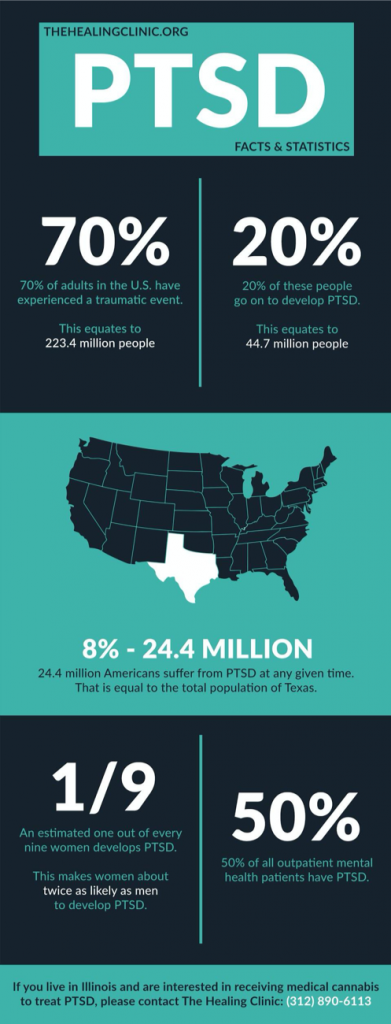
4. PTSD: One of the most promising areas of research on medical marijuana is in the treatment of war veterans who have PTSD showing miraculous and drastic improvements after the administration of hemp.(2)
Whereas pharmaceutical drugs like benzodiazepines are highly addictive and can even lead to substance abuse, CBD doesn’t lead to addiction.
5. Glaucoma: It has also been reported to help treat Glaucoma, eye conditions that can lead to blindness, but the results are disputed.
6. Epilepsy: One particular type of epilepsy in kids, known as the Dravet Syndrome, is practically impossible to manage but responds to CBD miraculously. This CBD-dominant strain is also popularly known as Charlotte’s Web. (3)Epilepsy also comes with muscle spasms, stiffness, and chronic pain, all of which are significantly reduced with the use of cannabidiol.
7. Muscle Spasticity: Spasticity resulting from multiple sclerosis, or arthritis, and some neurological disorders, which also causes chronic pain, and tremors work miraculously on CBD. The most common drug, Sativex, an oral spray consisting of both CBD and THC, has been proven to be effective and safe in reducing these symptoms.
Marijuana is excellent in dulling nerve pain and multiple sclerosis. While there are several medical drugs present to treat these conditions- such as Lyrica and Neurontin, they have highly sedating effects on the patients. While patients using CBD report getting back to their daily activities feel much more relaxed.
8. Parkinson’s disease: CBD also acts as an excellent muscle relaxant and is unique in treating tremors caused by Parkinson’s disease. (4)
9. Chronic pain: CBD impacts the Endocannabinoid receptors to interact with and release neurotransmitters naturally present in the human body to reduce acute pain and inflammation.
10. Alzheimer’s disease: Inflammation, one of the biggest causes of Alzheimer’s symptoms, can be effectively reduced by CBD oil administration. Clinical trials have also shown CBD’s ability in reversing, delaying, and often preventing the negative impacts of Alzheimer’s disease.
11. ALS: ALS can be managed with CBD oil very efficiently as it delays the progression of its symptoms such as spasticity and prolongs the survival of patients, owing to its neuroprotective abilities.
12. Appetite loss, and severe anorexia: Anorexia Nervosa is a critical eating and psychiatric disorder. While many anorexics are given anti-depressants and anti-anxiety medication, they come with enormous side effects rendering patients drowsy, while research shows that CBD possesses orexigenic (an appetite stimulant/hormone) which can regulate and enhances the appetite.
13. AIDS and Cancer symptoms: While many people are plagued by the agony of weight gain or obesity, gaining weight becomes extremely difficult for many people, especially those with AIDS or cancer. (5) Dronabinol, a synthetic THC commonly known as Marinol, is medically approved to be used for treatment in patients, and the effect of it has always been on the positive with the consistent improvement of appetite, lessens nausea, and vomiting in cancer and patients of AIDS.
Wasting Syndrome, a condition associated with AIDS, a slow, painful process involving loss of muscle mass and a gradual decrease in health, has also shown excellent results in reducing the symptoms.
14. Endometriosis, Fibromyalgia, Migraine, Interstitial cystitis (all these conditions cause chronic pain and inflammation), are also certain critical illnesses whose symptoms are also found to be expertly moderated by the use of hemp seed oil.
Medical marijuana is most commonly used to manage chronic pain. It is very safe as there are no chances of an overdose and is non-addictive. It can replace the NSAIDs (Non-steroidal anti-inflammatory drug(s)), which patients with kidney problems, GERD, or ulcers cannot consume. While pharmaceutical drugs work at the level of the symptoms, they do not work at the level of the system, thereby not providing a “cure,” and that causes enormous strain on the human physiognomy.
The list is not all-inclusive but rather a survey of several types of conditions that medical marijuana can be administered on, and has already proven its effectiveness.
In the larger picture, no one living in the urban society today is exempted from an inflamed immune and central nervous system, due to environmental toxins and our inflammatory diet (containing way too much sugar), reasons that lead to an inflamed immune system and symptoms of brain inflammation.
The ability of CBD to control and to provide relief to these symptoms is undeniable, and hence, more use and awareness of cannabinoids are necessary.
Author Bio: Vishal Vivek, Co-founded Hemp Foundation to increase awareness about hemp which is the most misunderstood plant on the planet. He believes that we can fight climate change, water crisis and plastic pollution with Hemp. Times Group recognized him as a legendary entrepreneur and published his biography in “I Did IT- Vol 2” at the age of 30
The effectiveness of a brief motivational nursing intervention to reduce psychoactive substance consumption in entertainment-sector workers- transversal, observation, and semi-experimental study
In Summary
In this observational study followed by a small experiment, it was revealed that addicts attempting to recover from substance abuse were benefited by an intervention from nursing staff. Addiction continues to claim the lives of many members of society, which could be heard as a calling for the development of effective treatment plans to help addicts recover. This work aims to test the effectiveness of outside motivation during recovery. Addicts in support groups found benefit from intervention during their recovery as the presenters facilitated an increase in self-motivation.
This study highlights the prevalence of abuse among entertainment workers. Certain areas of work maintain a celebratory culture that is almost synonymous with drug culture in today’s society. There are members of the greater community who are at higher risk of substance abuse than others, yet few outreach and education programs designate dedicated focus to support these groups. As substance abuse continues, federal health programs will need to be implemented to help prevent members of society from engaging in dangerous behavior. Motivating them to disengage from dangerous activity is one such intervention!
The study is available for review or download here
Selective modulation of the cannabinoid type 1 (CB1) receptor as an emerging platform for the treatment of neuropathic pain
In Summary
A recent review has compiled further evidence for cannabis-based medicine as a treatment option for neuropathic pain. Studies suggest 1 in 10 Americans over the age of 30 suffer from neuropathic pain, frequently due to stroke, diabetes, or nerve trauma, and that pain greatly reduces their quality of life and productivity. The currently accepted treatment for neuropathic pain is various combinations of tricyclic antidepressants and anticonvulsants, however, the treatments are often ineffective, leaving patients in constant suffering. Cannabis has been shown to alleviate this pain in multiple studies but has had little impact on the community suffering from neuropathic pain due to select states legalizing its use and the lack of federally funded data.
This study highlights the possible implications of cannabis-use within the opioid-crisis. When antidepressants and anticonvulsants prove ineffective many patients use opioids as the second line of defense against pain, leading to addiction and abuse. Numerous studies have revealed the interaction between the endocannabinoid and opioid systems, highlighting cannabis as a possible remedy for the widespread opioid abuse, yet the legal status of cannabis limits naturalistic studies that would provide definite answers.
The study is available for review or download here