Blog

Transgender Youths are at High Risk of Substance Abuse

Risk and protective factors for transgender youths’ substance use

In Summary

A recent study has revealed that transgender youth in high-risk situations are likely to abuse illicit drugs. A survey found that 69% of the transgender’s teens who responded had abused at least one illicit drug, not including alcohol. It was also found that support and education from school, family, and friends greatly reduced the likelihood of a transgender teen abusing drugs. The researchers of this study call for greater education and support for transgender youth by including a transgender-specific health section in school curriculums, added support from family, and greater education from pediatricians. 

Brought up in this study is the prevalence of substance use among sexual and gender minority youth; members of the LGBTQ+ community. This finding is interesting because studies have reported that overall youth substance abuse has declined over the past decade. Youth who identify as LGBTQ+ experience extra pressure from their peers and society because of the stigma they still face, leading to dangerous activity such as substance abuse. Health classes rarely include non-heteronormative education which further alienates those youth and unless physicians and educational boards insist on the implementation of diversified sexual-health education these minorities will continue to face excess pressure and participate in dangerous activities.  

The study is available for review or download here

View more studies like this in the CED Foundation Archive 

To explore related information, click the keywords below:

Benjamin Caplan, MDTransgender Youths are at High Risk of Substance Abuse
read more

Flavonoid-Like Compound, Resveratrol, Treats Non-Alcohol Liver Disease

Resveratrol attenuates high-fat diet-induced non-alcoholic steatohepatitis by maintaining gut barrier integrity and inhibiting gut inflammation through regulation of the endocannabinoid system

In Summary

A recent study has discovered that resveratrol treats high-fat diet-induced non-alcoholic steatohepatitis (NASH) by modulating the endocannabinoid system. Resveratrol is a flavonoid-like compound found in grapes and berries that acts as an antagonist on cannabinoid receptors. Due to its antagonistic effect on the endocannabinoid system the compound has similar anti-inflammatory properties to cannabidiol and reduces inflammation associated with NASH, as well as maintaining gut barrier integrity. Further research should conclude the efficacy of this treatment. 

Highlighted in this study is the possible therapeutic benefits of polyphenols, such as flavonoids, due to their antioxidant and protective properties. Resveratrol is a non-flavonoid polyphenol found in common fruits, but fruits and other common crops already harvested in the United States are full of polyphenols that have therapeutic benefits. Cannabis plants are full of flavonoids that have been featured in recent literature as novel drug therapies but polyphenols found in a myriad of crops are still undervalued in western medicine and warrant further investigation. 

The study is available for review or download here:

View more studies like this in the CED Foundation Archive 


To explore related information, click the keywords below:

Benjamin Caplan, MDFlavonoid-Like Compound, Resveratrol, Treats Non-Alcohol Liver Disease
read more

Noradrenergic depletion causes sex-specific alterations in the endocannabinoid system in the Murine prefrontal cortex

The Endocannabinoid System May Provide Sex-Specific Treatment Methods for Stress

In Summary

A recent study has found the receptors in the endocannabinoid system may behave differently in men and women during times of stress. This sex-specific mechanism may provide novel treatment methods for patients suffering from stress and anxiety disorders. Previous studies have shown how the endocannabinoid system and stress, ruled by norepinephrine, interact with each other, but this new information depicting the activity of the endocannabinoid during the dysregulation of norepinephrine is likely to provide evidence for sex-specific treatment of psychiatric disorders. 

This study brings to light the larger issue of specific treatment methods for men and women. Clinical trials often begin by distributing the drug therapy to a small number of healthy male patients, which helps researchers determine dosing, toxicity, and the overall effect. Medications are rarely dosed based on sex despite numerous studies discovering sex-specific mechanisms in the brain. The research highlighted in this post is one of many that highlights the need for specific medications.

View this review (yellow link) or download:

This paper is also stored HERE inside the CED Foundation Archive

To explore related information, click the keywords below:

Benjamin Caplan, MDNoradrenergic depletion causes sex-specific alterations in the endocannabinoid system in the Murine prefrontal cortex
read more

Atriplex Tatarica Flavonoids Show Anti-Bacterial and Anti-Biofilm Activity

 Investigation into the flavonoid derivatives of Atriplex tatarica shows that it provides anti-bacterial and anti-biofilm potential against Pseudomonas aeruginosa.

P. aeruginosa is a bacterium that causes infections most frequently in immunocompromised individuals who have been hospitalized for long periods of time. A biofilm is a protective shield that some types of bacteria create for themselves in attempt to protect against host immune system defenses. An infection that evades an immune system can become quickly dangerous should bacterial or biofilm grow in the lungs, kidney, or urinary tracts. Incorporating the flavonoids found in A. tatarica into medical regimen could provide an option for augmenting current treatment for antibiotic-resistant infections. The growth of biofilms, or collections of microorganisms that can grow on a wide variety of surfaces, makes the treatment of Pseudomonas aeruginosa in hospitalized patients with antibiotics markedly more difficult. Certain flavonoids with proven anti-bacterial and anti-biofilm provide an alternative route for helping to manage deadly antibiotic-resistant infections.

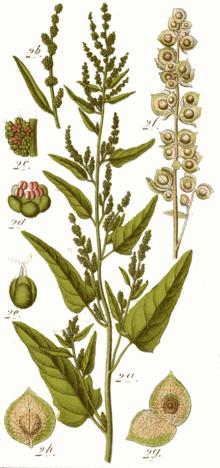
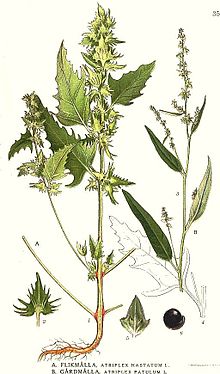
Atriplex hortensis cleaned Sturm.png
Image result for Teutliopsis

View this review (yellow link) or download:

This paper is also stored here: http://bit.ly/2IubYzw   inside the CED Foundation Archive

To explore related information, click the keywords below:

Benjamin Caplan, MDAtriplex Tatarica Flavonoids Show Anti-Bacterial and Anti-Biofilm Activity
read more

Brazilian Medicinal Plant Shows Important Anti-inflammatory Action

Anti-inflammatory activity of Protium spruceanum is associated to immunomodulation and enzymes inhibition

In Summary:

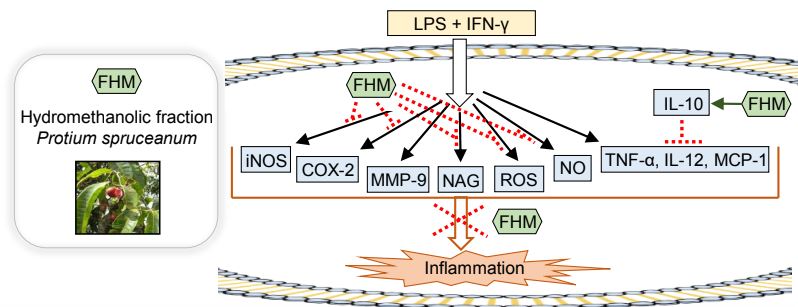
Protium spruceanum, a plant often used in traditional Brazilian medicine, can reduce inflammation. Investigation into the molecular action of the plant shows that treatment using both leaves and branches can result in the inhibition of ROS, NO, NAG, MMP-9, COX-2, and iNOS, all normal mediators of inflammation. Protium spruceanum is one of many plants containing high phenol/flavonoid, terpenoid, and glycoside content that exhibits notable anti-inflammatory properties.

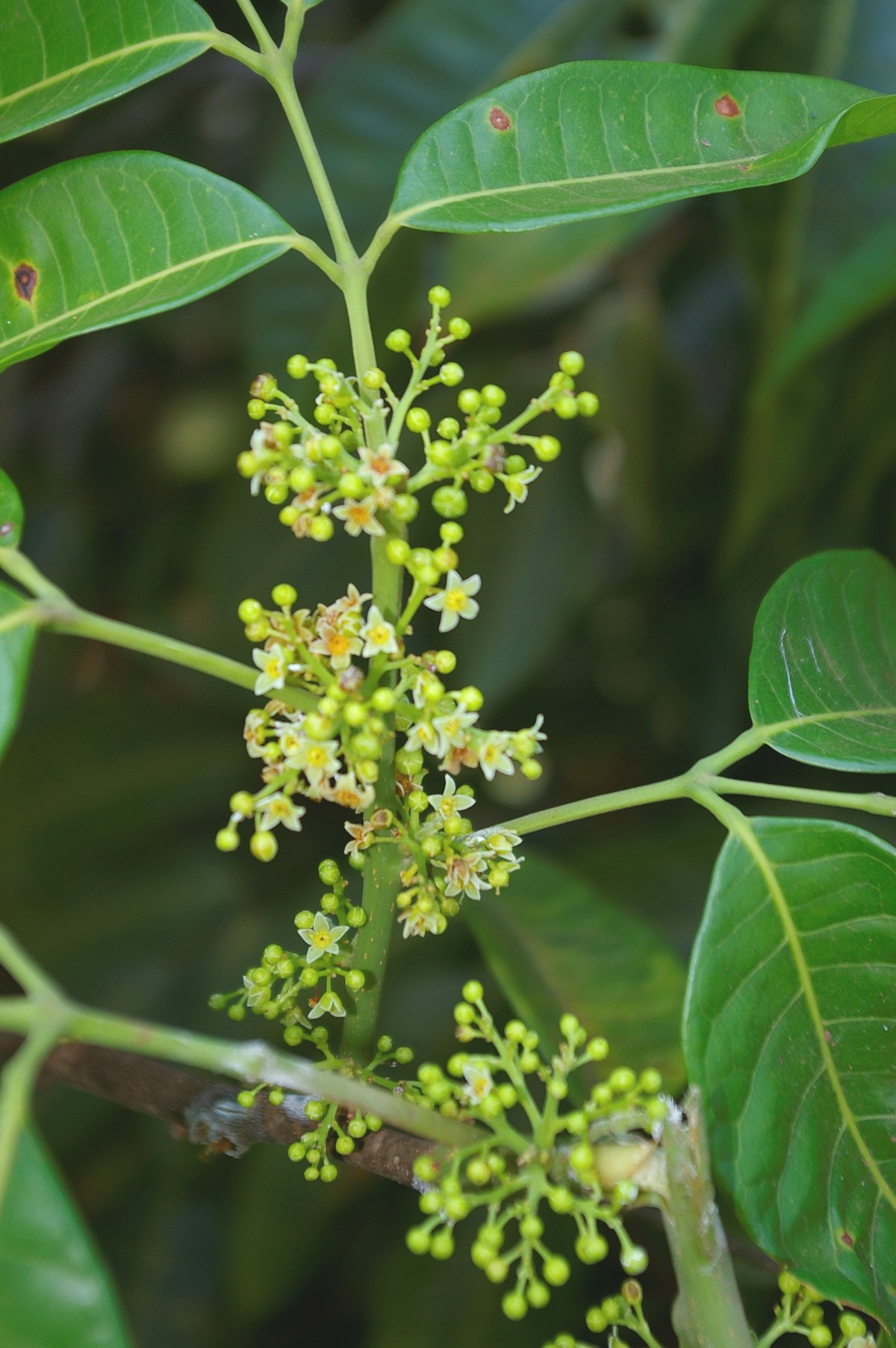
Related image Protium spruceanum with anti-inflammatory activity

View this review (yellow link) or download:

This paper is also stored here: http://bit.ly/2ZBdDJc inside the CED Foundation Archive

To explore related information, click the keywords below:

Benjamin Caplan, MDBrazilian Medicinal Plant Shows Important Anti-inflammatory Action
read more

The Therapeutic Potential of Indenopyrazoles

An overview of the synthetic and medicinal perspectives of indenopyrazoles

In Summary:

 Indenopyrazoles, molecules crucial to many biological signaling pathways, have been found to bind to cannabinoid receptors and seem to exhibit therapeutic properties in a variety of conditions. A review of studies on the molecule describes previously documented antimycobacterial, antipsychotic, anti-tumor, and anti-microbial properties, among others. The molecule has demonstrated moderate affinity for both cannabinoid-1 and cannabinoid-2 receptors, suggesting possible additional anti-inflammatory and anti-neurodegenerative capabilities related to the interactions with these receptors. Further research may uncover additional therapeutic applications and shed light on additional benefits of cannabinoid receptors.

Graphical abstract of actions of indenopyrazoles

View this review (yellow link) or download:

This paper is also stored here:   http://bit.ly/2ZBdDJc   inside the CED Foundation Archive

To explore related information, click the keywords below:
Benjamin Caplan, MDThe Therapeutic Potential of Indenopyrazoles
read more

Anti-Cancer and DNA Protective Capabilities of a Non-Cannabis Plant

Investigation of chemical profile, biological properties of Lotus corniculatus extracts and their apoptotic-autophagic effects on breast cancer cells

In Summary:

A study of Lotus corniculatus demonstrated that extracts of the plant possess antioxidant, DNA protective, wound healing, and anti-cancer properties. L. corniculatus, known colloquially as bird’s foot trefoil, is a plant commonly used during off-season to manage erosion and prepare feed for livestock. The plant has been used for medicinal purposed to treat IBS and insomnia. Researchers prepared extracts of the plant in water, ethyl acetate and methanol to compare differences between the three solvents. Water extracts exhibited the most significant antioxidative and protective DNA properties, while both ethanol and ethyl acetate extracts induced death in and prevented the migration and proliferation of breast cancer cells.

Image result for lotus corniculatus

View this review (yellow link) or download: http://bit.ly/2L7D5lI

This paper is also stored here:  http://bit.ly/2L7D5lI   inside the CED Foundation Archive

To explore related information, click the keywords below:
Benjamin Caplan, MDAnti-Cancer and DNA Protective Capabilities of a Non-Cannabis Plant
read more

How Opioids Act as Immunosuppressants

Opioid Drug Abuse and Modulation of Immune Function.

In Summary:

 A recent review article has pieced together part the mechanism behind the fact that opioids have immune system suppression properties. Morphine, a popular opioid, and one of the main actors in the modern opiate epidemic of dependence and addiction interacts with factors within the immune system that break down the coordination of the two main cells involved in innate and adaptive immunity. A disruption in one of the primary immune defense operators, this action may leave users susceptible to a multitude of illnesses. This review highlights the importance of understanding the mechanism of opioid-related immunosuppression so that physicians can better treat patients and the public is more aware of the risks. Addicts, especially, should be made aware of the risks posed by illicit intravenous drug use.

Morphine modulates IL-2 promoter activity
morphine skews the lineage bias of CD4 T-cells
schematic outline showing modulation of innate and adaptive immunity following morphine treatment

View this review (yellow link) or download:

This paper is also stored here:  http://bit.ly/2Iduxb1  inside the CED Foundation Archive

To explore related information, click the keywords below:
Benjamin Caplan, MDHow Opioids Act as Immunosuppressants
read more

Another Look Into Opioid and Cannabinoid Interactions

In Summary:

A recent study has revealed that the co-activation of mu-opioid receptors and cannabinoid receptor 1 (CB1) results in the attenuation of the response seen when each receptor type is activated on its own. The decreased response of the two receptor types during co-activation has been implicated in negatively modulating neuritogenesis (the process of generating new brain nerve cells). Neuritogenesis is important for the cells’ ability to receive and project signals leading the researchers to call for more research in order to elucidate the effect this may have on addiction.

The fact that there is co-interaction between opioid receptors and cannabinoid receptors is also interesting to inform the discussion of the place that cannabinoid actors may have in supporting the healing of those who are dependent or addicted to opiate medications.

View this review (yellow link) or download:

This paper is also stored here:  http://bit.ly/2X93OVs      inside the CED Foundation Archive

To explore related information, click the keywords below:
Benjamin Caplan, MDAnother Look Into Opioid and Cannabinoid Interactions
read more

Should Oncologists Recommend Cannabis?

Oncologists Should Recommend Cannabis-Based Medicine for Palliative Care

In Summary:

Earlier this June a review was published that encourages oncologists to recommend cannabis products to their patients as a safe and effective method of palliative care. The opinion piece highlights how cannabis is a useful treatment for a variety of illnesses (nausea, vomiting, sleep, mood, anxiety), and encourages practitioners to prescribe cannabis for their patients so that they can appreciate the safety and effectiveness of the product.  

Dr. Caplan and the #MDTake:

As Dr Abrams makes abundantly and eloquently clear, the reasons for oncologists to RETURN to recommending cannabis (as clinicians were accustomed to doing in generations past) are many. Weighing the safety profile of cannabinoid medicines and the long list of potential benefits for those battling cancers, against temporary adverse side effects (some of which, like appetite stimulation and sedation, can also be advantages for oncology patients), it is almost unethical for modern clinicians to NOT recommend that patients consider cannabis supplementation. The historical sociopolitical war on drugs was never founded in scientific rationale, nor supported by rigorous inquiry that has borne out half a million scientific reviews on the topic. It is high time that physicians return to a practice style that prioritizes patient well-being first, and emphasizes self-education about areas of medicine about which the providers may be less informed.

Review this paper stored HERE and inside the CED Foundation Archive

To explore related information, click the keywords below:

Benjamin Caplan, MDShould Oncologists Recommend Cannabis?
read more