Blog

Medical Cannabis for Adults Over 50

In Summary:

As with all elements of the aging process, the human endocannabinoid system loses tone over time. Whether it is a reduction in the numbers of cannabinoid receptors or a slow waning of the machinery used to create the signaling molecules that bind to the receptors or the natural senescence of the system that supports all of these normal signaling processes, the fact remains that adults over 50 are best-suited for external support for the endocannabinoid system.

Indeed, the average age at dispensaries is surprising to most who are not familiar with the modern medical cannabis arena. Baby Boomers, perhaps more than any other age group, tend to dominate the medical cannabis dispensaries. This is no new phenomenon, however. Through the ages, across cultures and around the globe, cannabis has been consumed primarily by older adults. Whether by tribe elders, wise councilmen, spiritual leaders, or the educated elite, cannabis has been an integral part of human aging for as long as we have recorded history.

Here, a review out of Israel followed at 184 patients over 65 (average age was 81.2) beginning cannabis treatment. 63.6% were female. “After six months of treatment, 58.1% were still using cannabis. Of these patients, 33.6% reported adverse events, the most common of which were dizziness (12.1%) and sleepiness and fatigue (11.2%). Of the respondents, 84.8% reported some degree of improvement in their general condition.”

Appropriately, the authors advise caution for older adults related to those adults who may be consuming multiple pharmaceuticals, for potential medication interaction effects, as well as nervous system impairment, and increased cardiovascular risk for those who may quire the concern. Wisely, they recommend that “Medical cannabis should still be considered carefully and individually for each patient after a risk-benefit analysis and followed by frequent monitoring for efficacy and adverse events.”

Dr. Caplan and the #MDTake:

At CED Clinic, we have long seen that the average age of medical patients is over 50. Whether for concerns related to sleep, pain, mental or physical health, it seems as though Baby Boomers have either weathered enough politics to have developed a healthy cynicism for the misinformation campaigns of the 1930s and 1970s, or they have direct or indirect experience with cannabis to have learned of its safety and efficacy. Either way, it is quickly reclaiming its historical place in the care of older adults, although oddly… it seems to be a demographic skipped over by the marketing systems of most establishments in the cannabis arena, at least for now.


suggested dose for elderly and cannabis
direction of action for cannabis treatments
bar of significant improvement with cannabis

View this review (yellow link) or download:

This paper is also stored here:    http://bit.ly/2QbJ6yE     inside the CED Foundation Archive

To explore related information, click the keywords below:
Benjamin Caplan, MDMedical Cannabis for Adults Over 50
read more

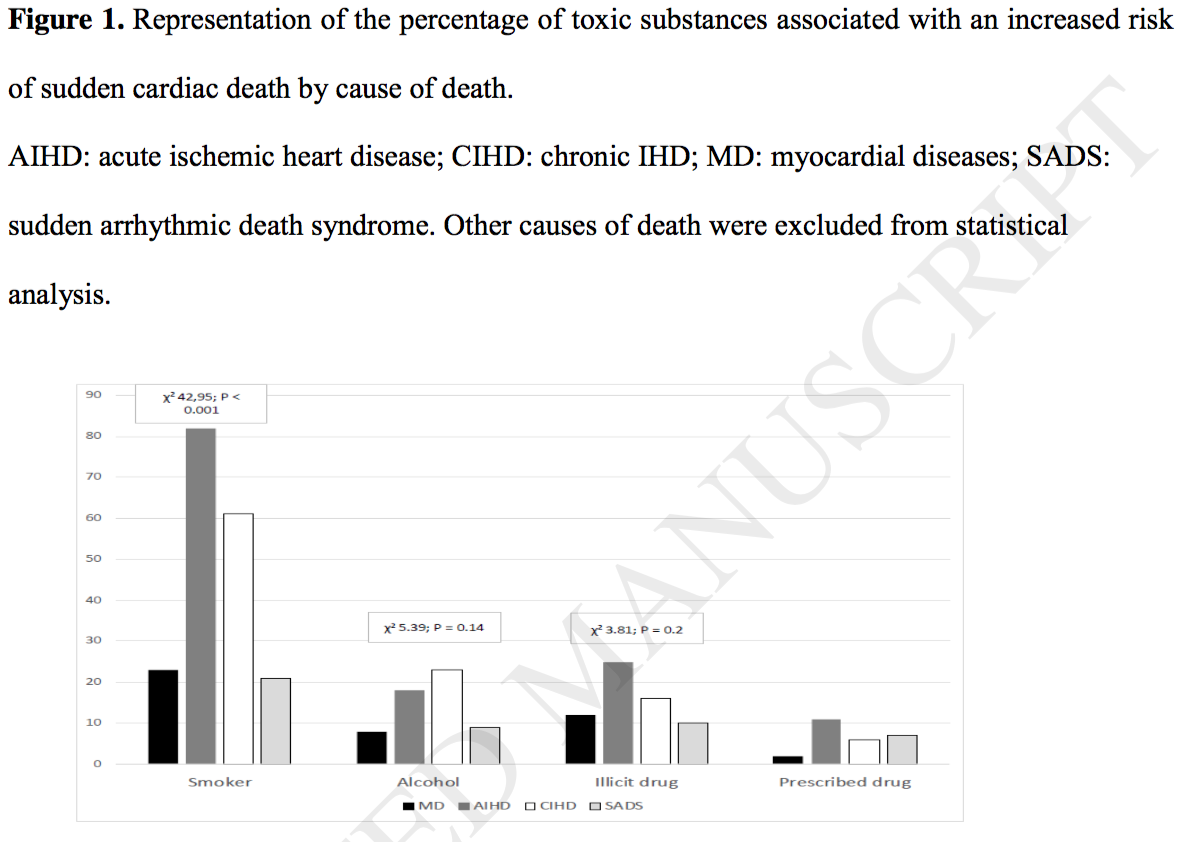
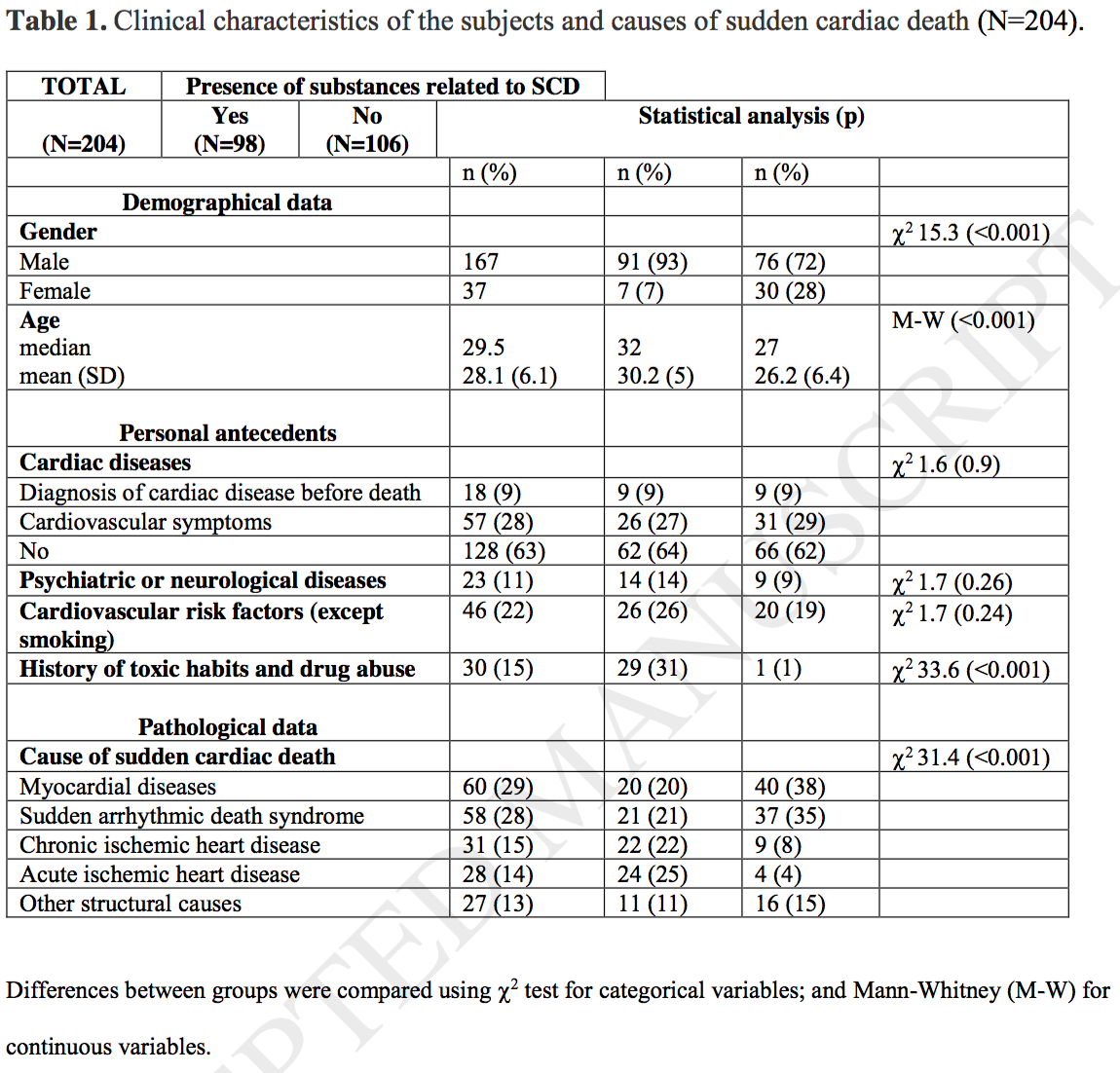
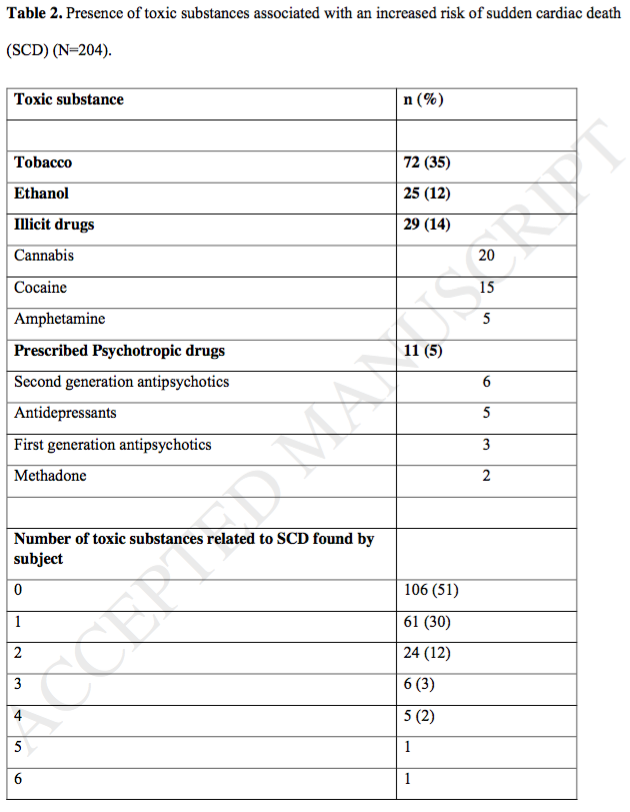
An Analysis of Sudden Cardiac Death Exposes the Danger of Tobacco and Cocaine

Sudden cardiac death associated to substances of abuse and psychotropic drugs consumed by young people- A population study based on forensic autopsies

In Summary:

A recent study out of Spain has revealed alarming trends among cases of sudden cardiac death associated with substances of abuse consumed by young people. Half of the 15-36-year-olds who suffered sudden cardiac death were found with illicit substances in their bodies, primarily cannabis, tobacco, and cocaine. Researchers found that although cannabis was the most common substance found in the deceased systems, cocaine and tobacco are known to have a stronger impact on the cardiovascular system and lead to ischemic heart disease, which is often the more acute causes of sudden death. It was also mentioned here that the duration of cannabis is far longer in the body than that of either tobacco or cocaine, and this duration may easily confuse people to associate it as a trigger for sudden death.

However, on the other hand, there are several tragic cases of young, otherwise heart-healthy individuals who have died with cannabis as the only substance discovered. Fortunately, these cases are extraordinarily rare, but unfortunately, no reproducible association has been established, so the mysterious concerns are not easily relieved or forgotten.

Dr. Caplan and the #MDTake:

While the return of medical cannabis to modern medical care seems to bring with it a return of appreciation for more naturalistic care, it is critical for us all to recognize that we still have much to learn. The tools and high standards of scientific evaluation have only recently been applied to cannabis, and there are reasonable arguments that the usual tools may not actually apply (for example, some are suggesting that the placebo effect, a cornerstone of randomized control trials may be a facet of effects related to the endocannabinoid system.)

For these, and a great many other unknowns, it is important for the discerning consumer to consult with trusted resources, including friends, family, scientists, and where possible, doctors, to ensure the appropriateness of use on an individual basis.


View this review (yellow link) or download:

This paper is also stored here:   http://bit.ly/2SmffX3      inside the CED Foundation Archive

To explore related information, click the keywords below:
Benjamin Caplan, MDAn Analysis of Sudden Cardiac Death Exposes the Danger of Tobacco and Cocaine
read more

The Forgotten History of Hemp in America

Cannabis wasn’t always a taboo topic. Hemp, a variety of the Cannabis Sativa plant, has a rich history in the United States as being a valuable and versatile crop. Hemp was booming as a “cash crop” because not only was it useful in a range of industries, but it was also very easy to grow. The fiber from the plant has many uses, ranging from textiles and clothing to sails for rafts, rope, and paper. In fact, the Declaration of Independence was originally drafted on hemp paper!  Unfortunately, with the passing of the 1937 Marijuana Tax Act that lumped all cannabis in the same group of regulated narcotics and the rise of inexpensive synthetic fibers in the 1950s, hemp’s popularity took a sharp decline. It wasn’t until 2018 the United States removed hemp as a Schedule 1 substance. Now, the plant is surging in popularity again for its many uses, especially the extraction of CBD for states that do not have any medical cannabis sales available.

Read on:

Source: https://www.farmcollector.com/farm-life/strategic-fibers

Benjamin Caplan, MDThe Forgotten History of Hemp in America
read more

Headache and Migraine Relief Using Cannabis

“Short- and Long-Term Effects of Cannabis on Headache and Migraine “

In Summary:

There are many headache and migraine medications on the market that advertise how they can make you feel better. But what happens when they make you feel worse? Medication overuse headaches occur in 15% of patients taking conventional migraine medication, so it’s no surprise that people are looking for alternatives that bring them relief without reduced risk.

A team of physicians from Washington University wanted to see if cannabis could be a contender. By reviewing data from about 2,000 patients who logged the details of their smoking sessions with the app StrainPrint, researchers were able to see if inhaling cannabis Flower or concentrate could be a solution for headache and migraine relief. They learned that there was, in fact, good reason to be hopeful for the herb.

While concentrates did have a larger reduction in severity rating, there haven’t been enough studies to say it is certainly better than Flower. Overall, inhaled cannabis reduced the severity of migraines and headaches by 50%. Some patients did report needing to use a larger dose for future sessions, indicating the development of tolerance, but the severity of the headaches or migraines wasn’t getting worse or more frequent like what can happen with conventional medications.

In a time when plant-based and all-natural medicines are becoming more sought out, it’s exciting to see medical cannabis is being considered more seriously as a contender. With the positive results from this study, and similar related work will hopefully encourage more physicians (and patients) to explore this centuries-old option.

View this review (yellow link) or download:

This paper is also stored here:    http://bit.ly/2P7qiB3     inside the CED Foundation Archive

To explore related information, click the keywords below:
Benjamin Caplan, MDHeadache and Migraine Relief Using Cannabis
read more

Homegrown Happiness: Growing Cannabis

What: Laws and regulations about growing cannabis in MA

home grown cannabis plants

Cannabis has earned the name “weed” for good reason. While careful allotments of light, humidity, soil, and nutrients affect its health and potency, cannabis is a resilient plant, built to thrive even in the harshest conditions. With its natural flexibility, cannabis growth can be an enjoyable hobby for people who are interested in growing their own medicine, either for the pleasure of attending to a growing plant or the joy of saving from the costs of dispensary products.

There are regulations and firm restrictions in place for how many plants can be grown in a home and any potential impact on visibility to neighbors. In Massachusetts, each adult may grow up to six plants, themselves, and no more than 12 plants per household with more than two adults.  The plants must be grown in a secure, preferably lockable location, and they may not be visible from a public place.

It’s also important to know that just because it is legal for adults to grow cannabis, landlords and private living facility operators like nursing home or assisted living facilities often have the final say on the cultivation of cannabis on their property.

In general, gardening has been associated with reducing stress, depression, and anger. Considering these benefits, and the positive effects that cannabis medicine offers, once the crop is ready to be cured, cultivating one’s own cannabis is quite an attractive option.

Of note: Cannabis consumed from a home grow should still be lab-tested. Cannabis is a plant especially skilled at absorbing micronutrients (and micro-toxins) from its environment. Even when grown in “organic” soils, undesired contaminants can seep into the plants. Lab testing facilities exist and are easily accessible in all states with legal medical cannabis, and typically cost anywhere from $0 to $100 dollars for basic testing of final plant products.

References:

http://www.bostonglobe.com/news/marijuana/2019/12/03/man-charged-for-growing-marijuana-plants-says-thought-could-grow-with-medical-marijuana-card/1j4tpYIWZCvGVuC3v7fT5M/story.html

https://www.mass.gov/info-details/marijuana-in-massachusetts-whats-legal

The forgotten history of hemp growth:

https://www.farmcollector.com/farm-life/strategic-fibers

CED Videos:

https://youtu.be/6-45GAws-Hc

did you know the world's first paper was made of hemp

https://youtu.be/LHA-vUM4D38

early colonial times, hemp was a major american crop
Benjamin Caplan, MDHomegrown Happiness: Growing Cannabis
read more

THE $1M HEIST OF CANNABIS PRODUCT IN PORTLAND HIGHLIGHTS SECURITY PROBLEMS IN THE INDUSTRY

By Shuki Greer, Esq.

The security camera footage has been watched thousands of times. Breaking in through a skylight in the ceiling, dropping a ladder down, and methodologically getting away with dozens of bags of finished product. The video clearly shows that this was a professional job carried out by serious criminals. The estimated value stolen was over $1M, meaning an estimated tax revenue loss for Oregon of about $230,000. The culprits remain at large, and they may never be found.

masked criminal

This isn’t the only incident either. A quick internet search highlights several other high-profile incidents, with varying degrees of professionalism, danger, and dollars lost. While each of these incidents have differences, they all share something in common. The legal industry is known for having large amounts of cash on hand, surplus product lying around, with varying amounts of security in place. The industry is susceptible to these kind of targeted robberies, a fact which is unlikely to change in the near future.

Why is this the case? The answer starts with the fact that cannabis remains illegal at the federal level. The government classifies cannabis as a Schedule 1 drug, meaning it is considered to have no medical benefit and a high potential for abuse. Because that is the case, financial institutions have been hesitant to open accounts and do business with MRBs (Marijuana Related Businesses), because they fear financial penalties, asset forfeiture, as well as civil and criminal repercussions.

Beyond the fact that the government considers MRBs to be illegal drug trafficking operations, several related details make banks hesitant. Bankruptcy courts are (almost) completely closed to MRBs. That means that if a company goes under, the bank has no recourse to get its money back. Section 280E of the tax code means that MRBs pay exorbitantly high taxes, making them significantly less profitable, solvent, and viable as account holders. The industry also still carries a stigma that makes some banks concerned about their other clients, who may close accounts upon learning that the banks have been doing business with MRBs.

It’s not all bad news, however. This issue has been talked about for years, and as the number of states with legal cannabis industries grows, banks have become more willing to get involved. The federal government hasn’t been silent either. The well-known Cole Memo, put out by the Obama administration, essentially stated that as long as businesses were operating legally under state law, they were a low priority for enforcement, as federal resources were better spent elsewhere. Subsequently, the FinCEN (Financial Crimes Enforcement Network, a bureau of the Treasury) announced that banks doing business with MRBs should follow the Cole memo’s guidelines to determine whether their customers were operating legally under state law.

When the Trump administration took over, AG Jeff Sessions rescinded the Cole memo, stating that prosecutors already have discretion as to how to use their limited resources, and there was no need to single out MRBs for special treatment. This suggested to some that the DOJ was going to start going after MRBs even if they were operating legally under state law. Thankfully, this didn’t happen, at least not on the large scale that some feared might happen. However, doubt and uncertainly remained for financial institutions, most of whom refused to bank the money from MRBs. Earlier this year, FinCEN announced that they still expected banks doing business with MRBs to be reporting suspicious activity using the Cole memo guidelines. In a backhanded way, this was an announcement that it was ok for financial institutions to do business with MRBs, and many have begun or continued to do so.

As long as cannabis remains illegal at the federal level, there will be fear and risk that comes along with doing business with MRBs. This means that many companies choose to keep large amounts of cash on hand, created the obvious incentives that thieves look for when picking a target. If we don’t want these incidents to continue, we need to redouble our efforts to push legalization so that the financial, security, and investment opportunities catch up to the rate of business growth. Two helpful and relevant bills are currently making their way through Congress, though neither seems likely to become enacted. The MORE Act, a comprehensive overhaul of the cannabis laws recently passed the House Judiciary Committee. However, the bill is yet to be brought to a full House vote, and the Senate is even less likely to bring the bill to the floor. Then there is the SAFE Banking Act, which passed the House 321-109 earlier this year, in a landmark bipartisan victory. But that bill seems to be dead in the House, as Mitch McConnell positions himself as opposed to any movement in the field. As such, the immediate future for the industry does not seem to hold significant change, and these problems will persist. While I certainly do not want to see more of these incidents, we likely have not seen the last one.

masked bank robbers
Benjamin Caplan, MDTHE $1M HEIST OF CANNABIS PRODUCT IN PORTLAND HIGHLIGHTS SECURITY PROBLEMS IN THE INDUSTRY
read more

Flavonoids Proven to be Safe and Effective Treatment for Chronic Venous Disease

Recommendations for the medical management of chronic venous disease- The role of Micronized Purified Flavonoid Fraction (MPFF)

In Summary:

A recent review has affirmed that treating chronic venous disease with Micronized Purified Flavonoid Fraction (MPFF) therapy is safe and effective. After reviewing 250 papers, the authors have found a large body of supportive evidence that the MPFF treatment, known as Diosmiplex, is effective for healing venous ulcers on its own or in combination with compression therapy. Diosmiplex, the only MPFF prescribed in the United States, as of 2017, is derived from orange rinds and favorable among patients due to its high safety rating. 

Dr. Caplan and the #MDTake:

Flavonoids are one of the categories of natural compounds produced in nature, including within the innate production system of the cannabis plant. Several patients have reported using strong cannabis topical agents to help venous insufficiency and disease, including conditions such as varicose veins, phlebitis, and post-surgical venous incompetence.

varicose veins picture

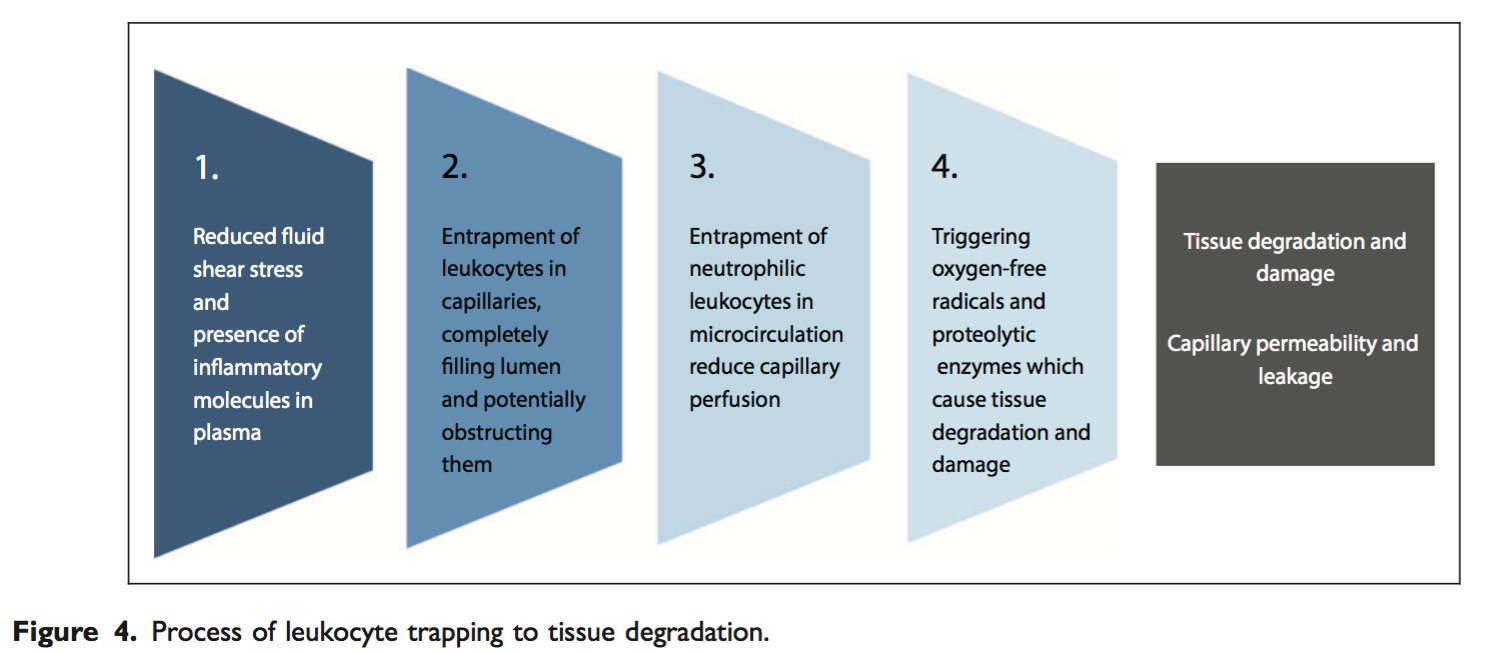
Process of leukocyte trapping to tissue degradation
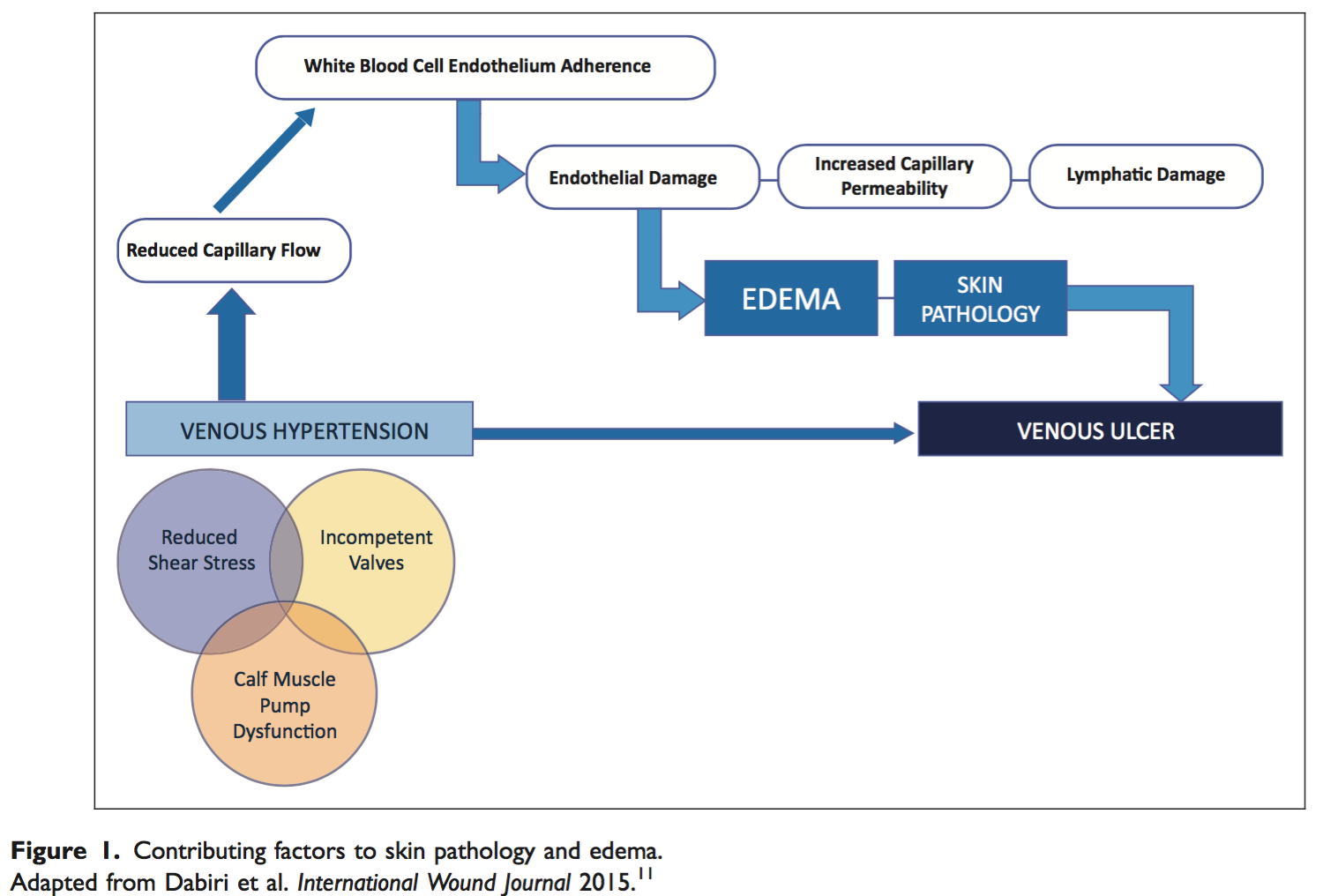
contributing factors to  skin pathology and edema
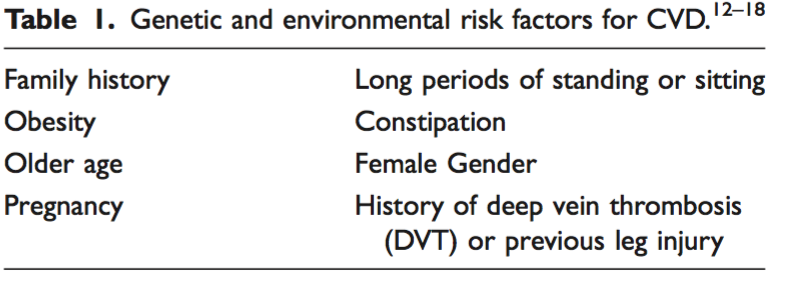
Genetic and environmental risk factors for CVD
US and European Guideline Recommendations that include flavonoids  and MPFF
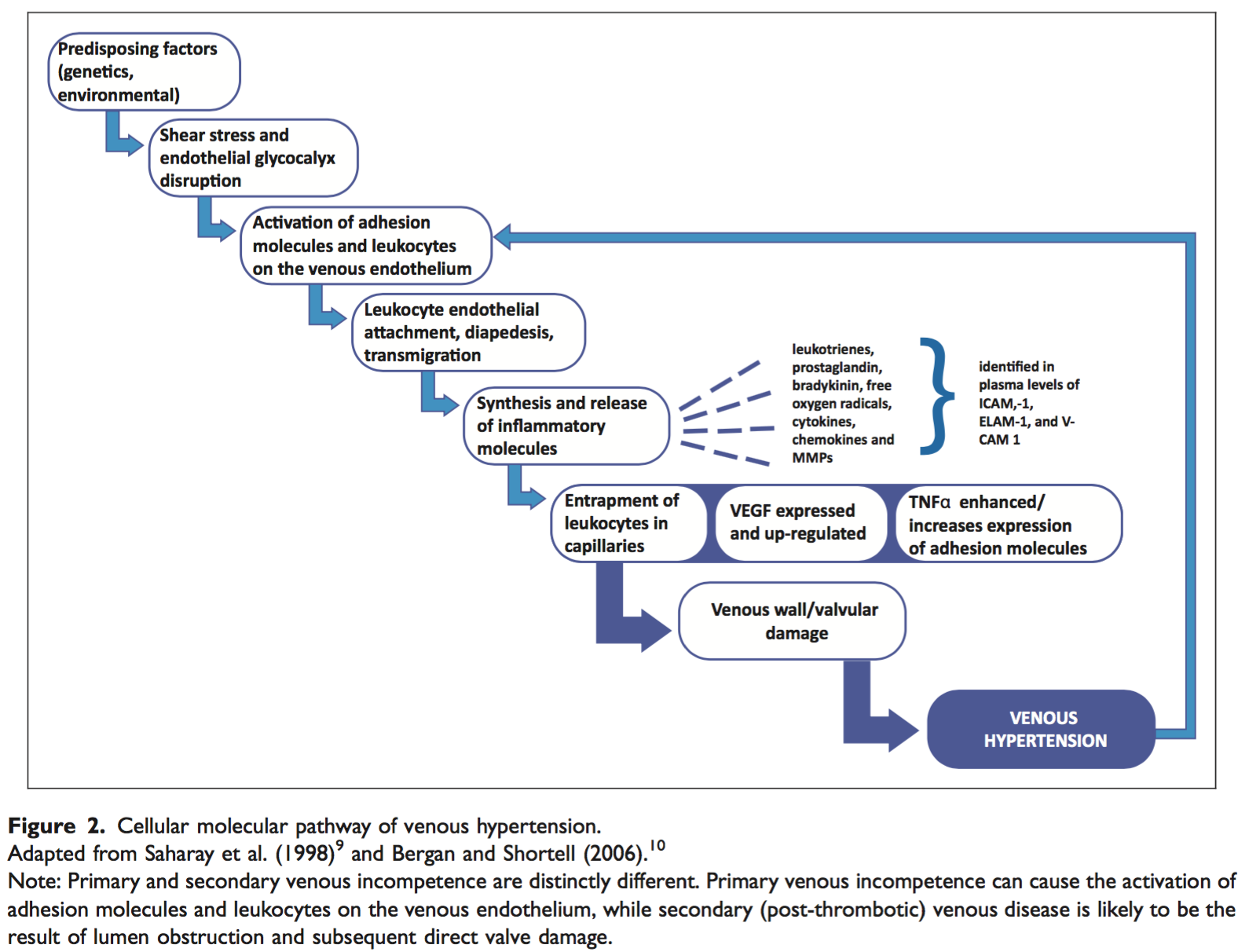
Cellular Molecular pathology of venous hypertension
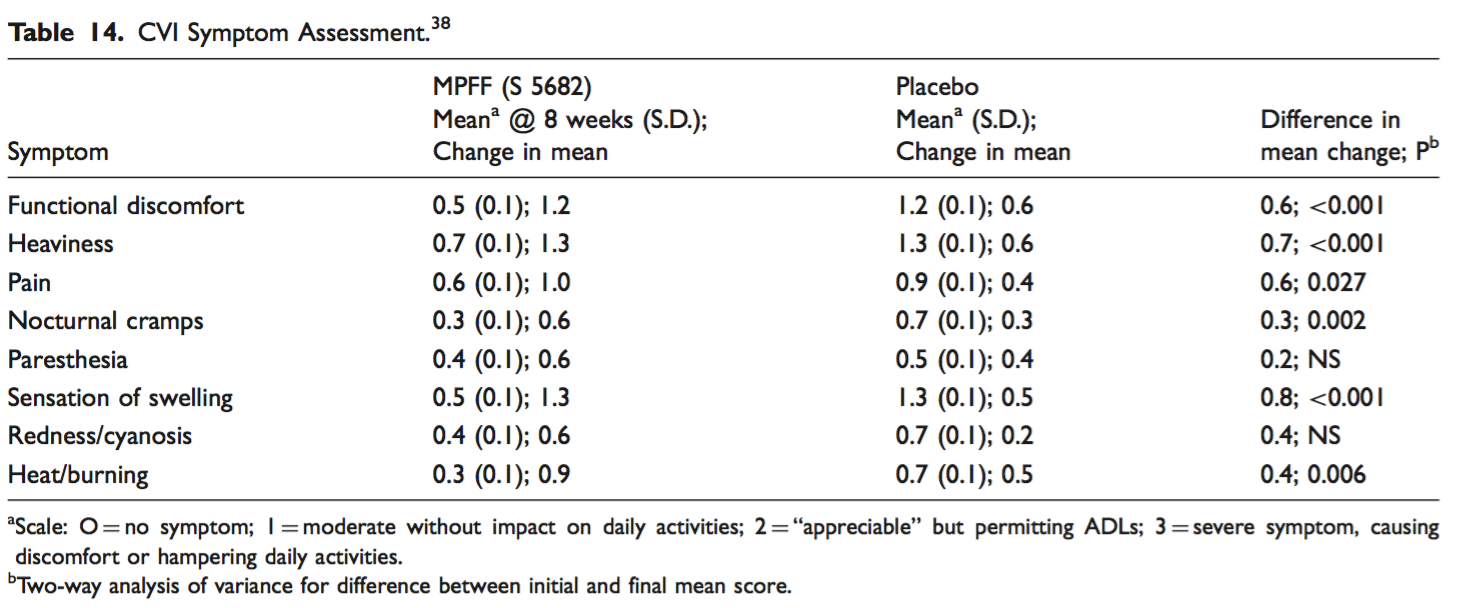
CVI Symptom Assessment
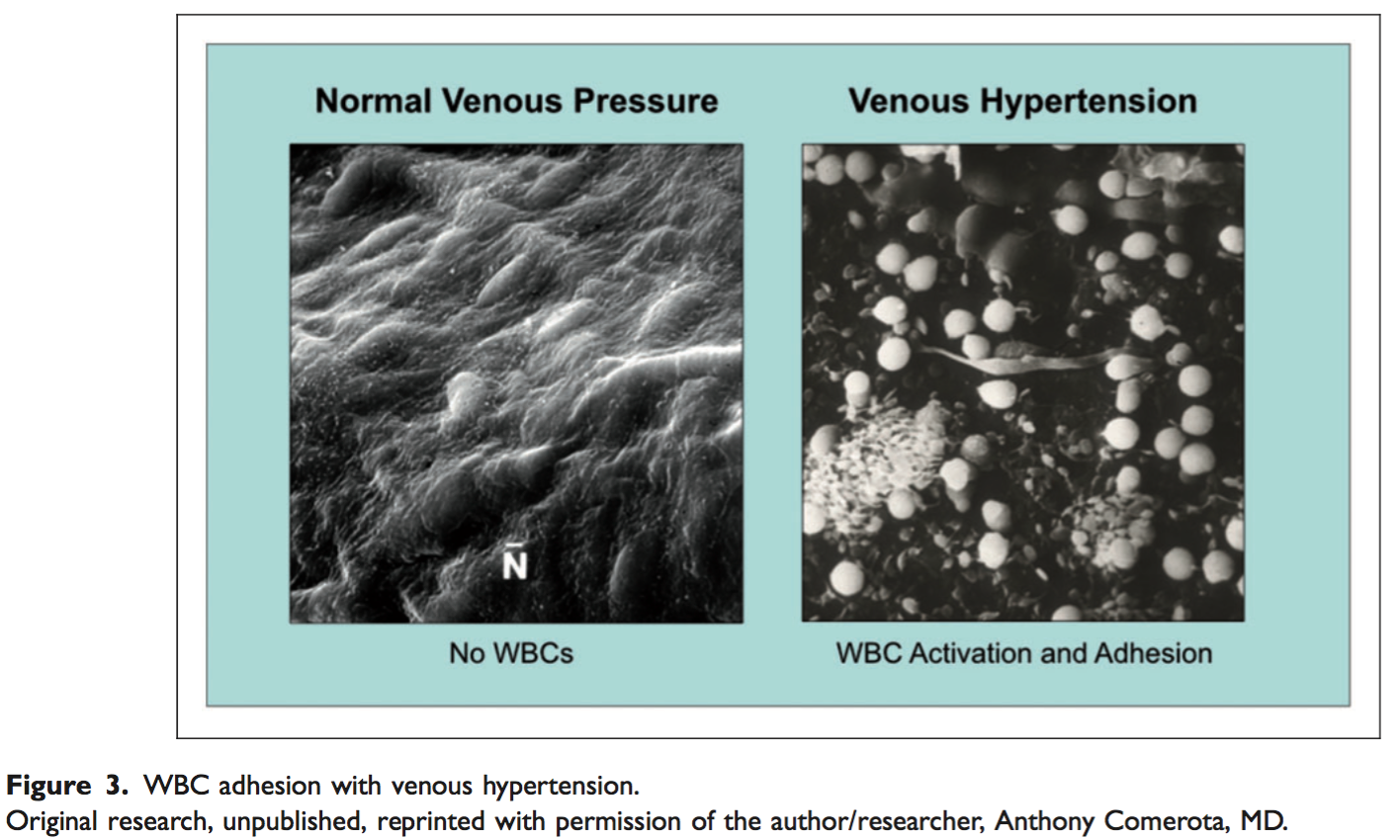
WBC adhesion  with venous hypertension
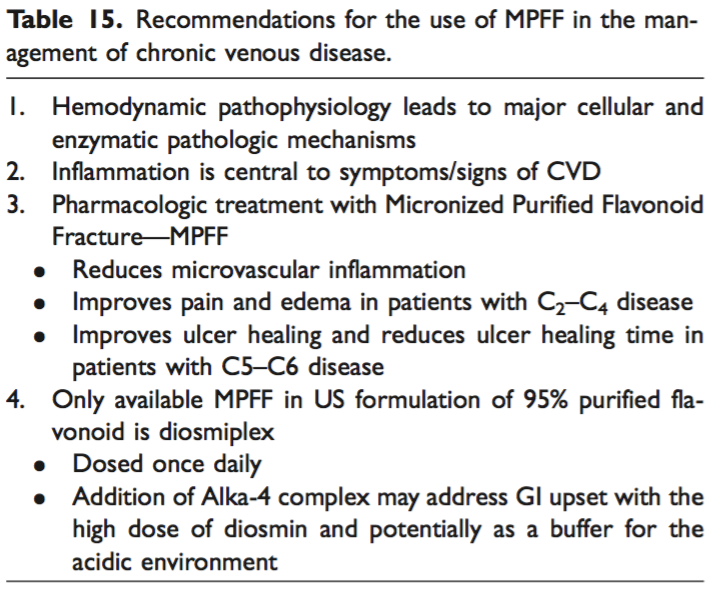
Recommendations for the use of MPFF in the management of chronic venous disease

View this review (yellow link) or download:

This paper is also stored here:    http://bit.ly/2OUCBQ6     inside the CED Foundation Archive

To explore related information, click the keywords below:

Benjamin Caplan, MDFlavonoids Proven to be Safe and Effective Treatment for Chronic Venous Disease
read more

Should Oncologists Recommend Cannabis?

Oncologists Should Recommend Cannabis-Based Medicine for Palliative Care

Oncologists are encouraged to recommend cannabis: cannabis-based medicine for palliative care and more

In Summary:

Earlier this June, a review was published that encourages oncologists to recommend cannabis products to their patients as a safe and effective method of palliative care. The opinion piece highlights how cannabis is a useful treatment for a variety of illnesses (nausea, vomiting, sleep, mood, anxiety), and encourages practitioners to prescribe cannabis for their patients so that they can appreciate the safety and effectiveness of the product.  

View this review (yellow link) or download:

This paper is also stored here:   http://bit.ly/2Dz4UhT      inside the CED Foundation Archive

To explore related information, click the keywords below:

Benjamin Caplan, MDShould Oncologists Recommend Cannabis?
read more

A Synthetic Flavonoid Derivative May Treat Triple-Negative Breast Cancer

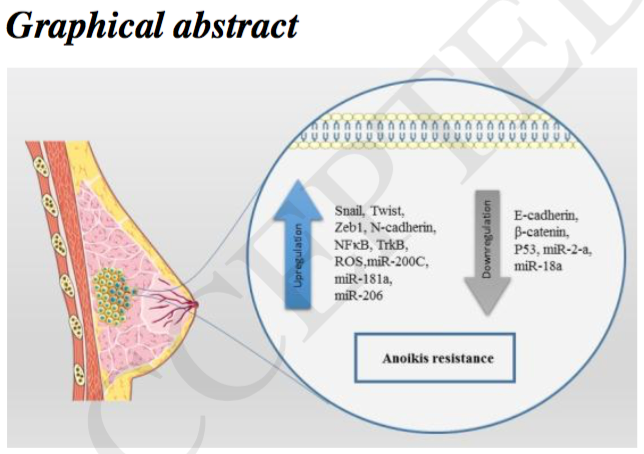
Regulators and mechanisms of anoikis in triple-negative breast cancer (TNBC)- a review

In Summary:

Researchers are always exploring new methods to treat highly aggressive forms of breast cancer. As the scientific culture opens up to cannabis as a natural pharmaceutical factory, eyes have been drawn to the individual chemical components born inside cannabis, namely cannabinoids, terpenoids, and flavonoid compounds. Recently, a group stumbled upon a promising synthetic flavonoid derivative. This derivative, named GL-V9, has been found to have an inhibitory effect on the growth of triple-negative breast cancer (TNBC) tumors and has shown other anti-metastatic properties. The growth-stopping and anti-spreading effects would address two of the central aspects of TNBC that have thus far made it difficult to treat. The growing understanding of flavonoids and their potential therapeutic benefits seem all but sure to enshrine its place among future research regarding cancer treatments. 

Dr. Caplan and the #MDTake:

In scientific and medical circles, it’s not uncommon to hear the phrase, “everything causes cancer.” It’s often repeated contemptuously, a tongue-in-cheek expression that calls attention to unknowns associated with the spawning and growth of cancers but also bends to the hurricane force of nature’s impact on living organisms. As living biology, cancers are born and thrive while provided sustenance by particular inputs and supports. Because of this fact, there are also innumerable opportunities to stifle or prevent the birth of tumors and many avenues to interrupt its growth or end the life of cancer cells.

The human cultural history has taught all cultures that sleep, exercise, fruits, vegetables, fiber, and water are all required ingredients for sustained, healthy growth. What is it about fruits and veggies that is healthy? They have fiber that is healthy for the human digestive tract, but they also have natural components, terpenes and flavonoids, which support wellness, healing, and the normal cycling (features of both living and dying) of our cells. Cancer represents the inappropriate over-replication of cells. In a sense, the body’s natural ability to end the cells which are not responding to normal signals is lost. If we know that the cannabis factory happens to produce many of the same compounds that are found elsewhere in vegetation and fruits, is it so surprising that we would see cancer-fighting effects?

Breast cancer & flavonoids: current research and treatments
Graphical Abstract: anolkis resistance; breast cancer-related chemsitry

View this review (yellow link) or download:

This paper is also stored here:    http://bit.ly/2OSSCG4     inside the CED Foundation Archive

To explore related information, click the keywords below:

Benjamin Caplan, MDA Synthetic Flavonoid Derivative May Treat Triple-Negative Breast Cancer
read more

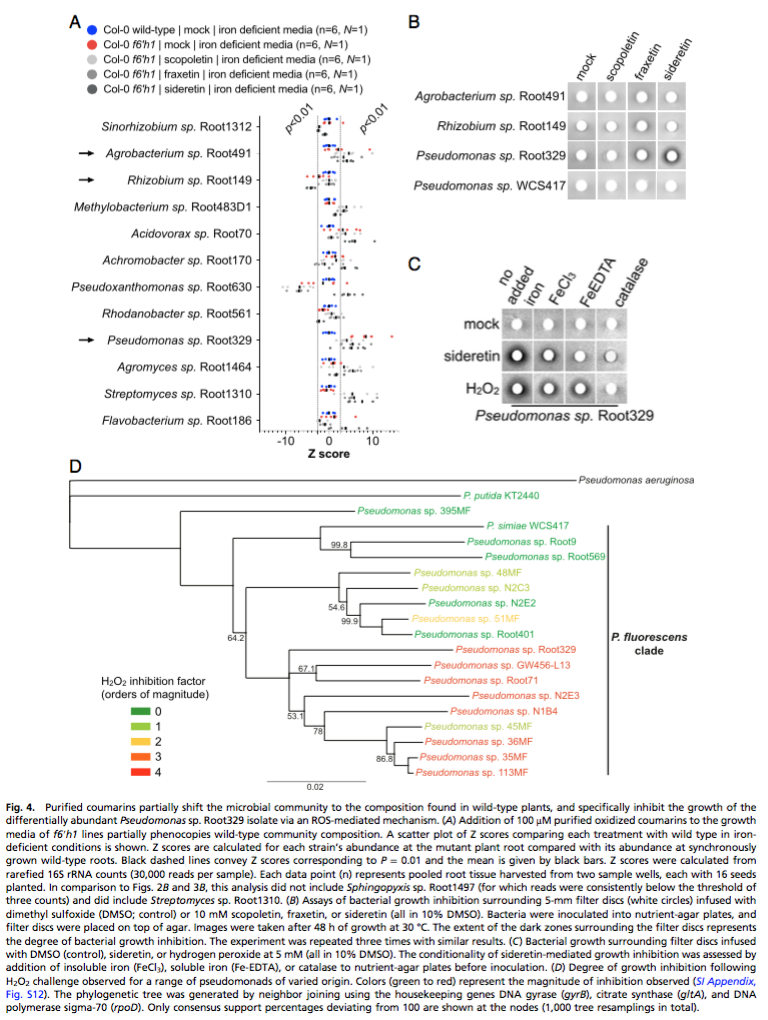
Recent Study Reveals Natural Method for Improved Crop Growth (Microbiome!)

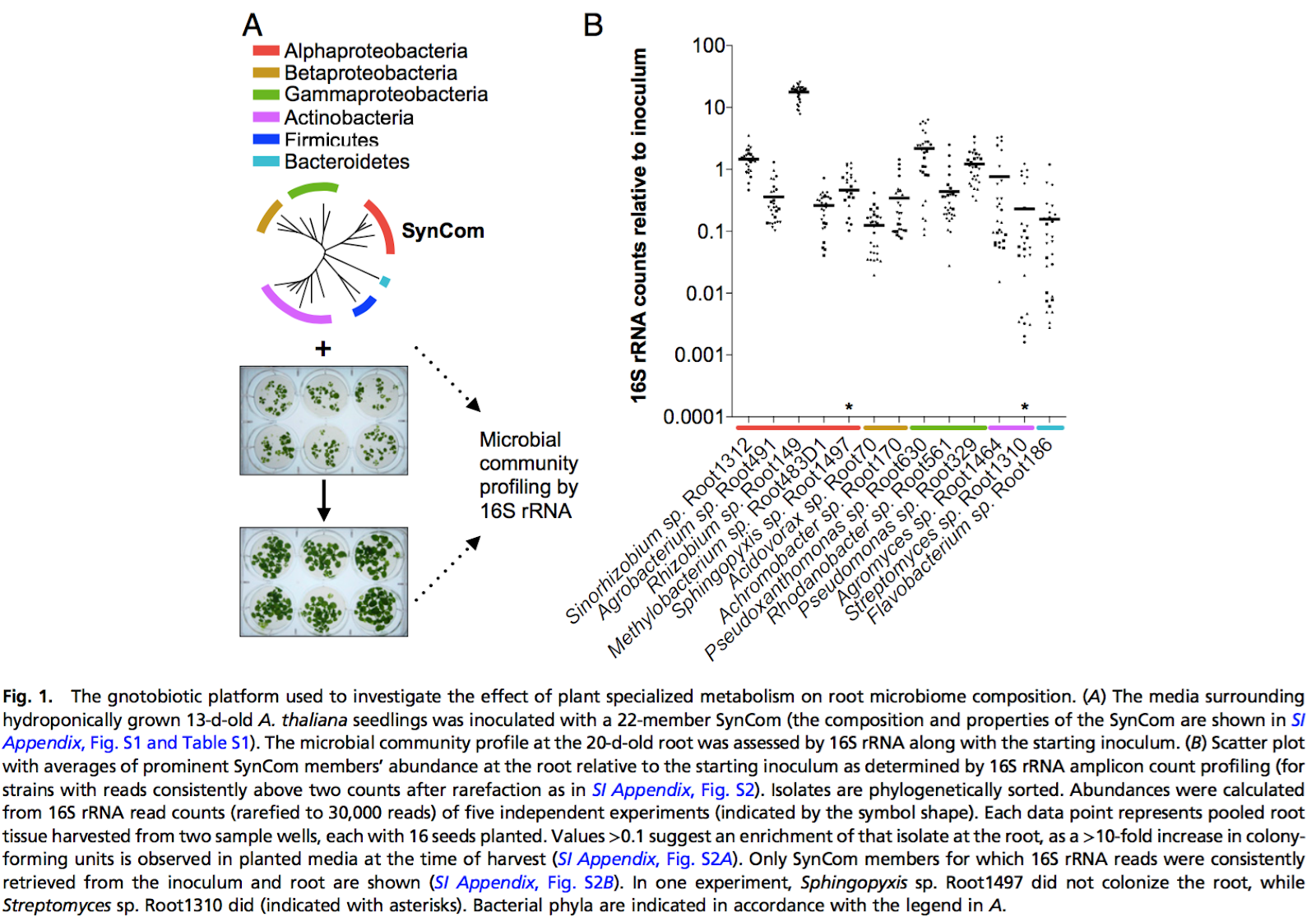
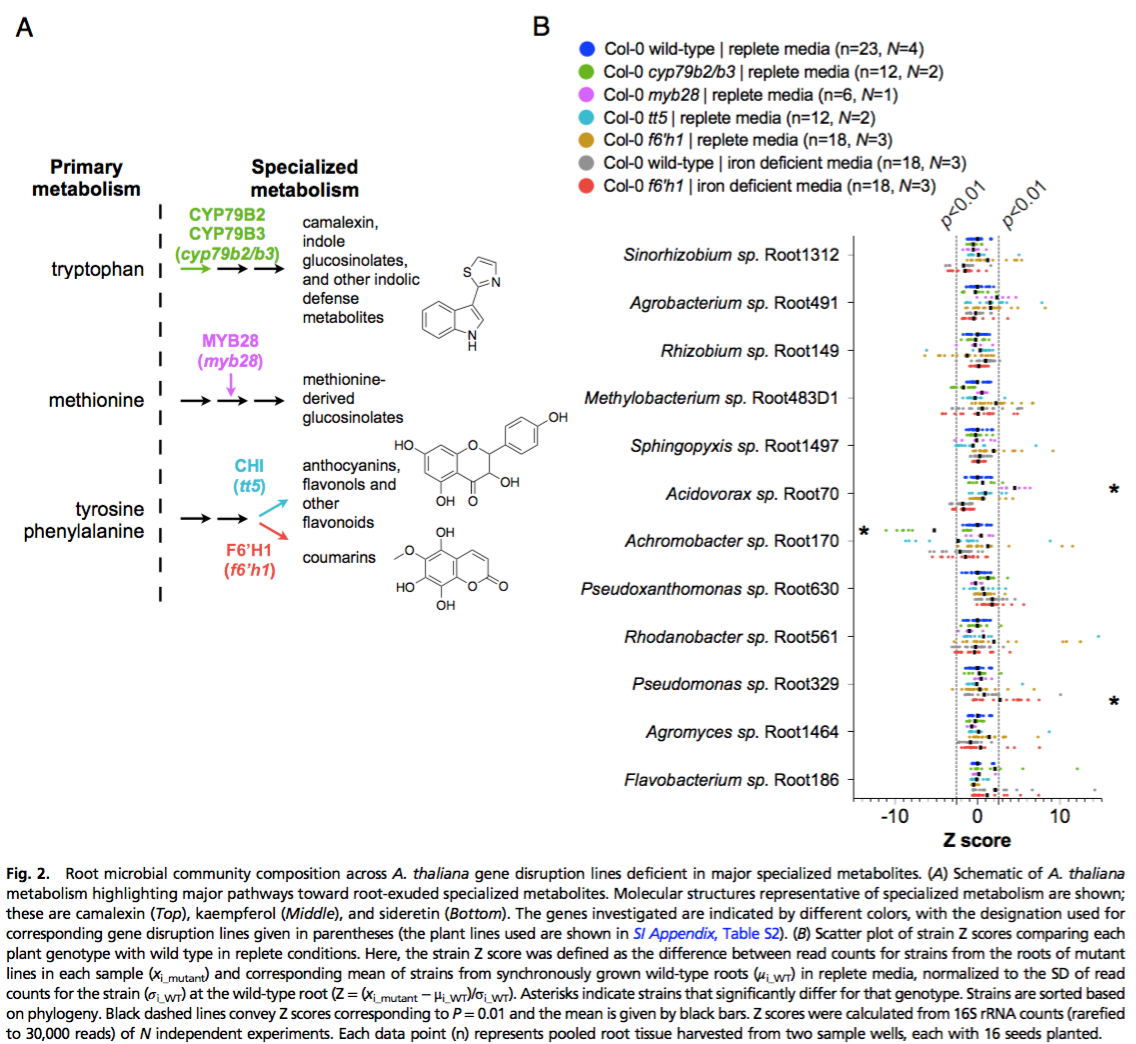
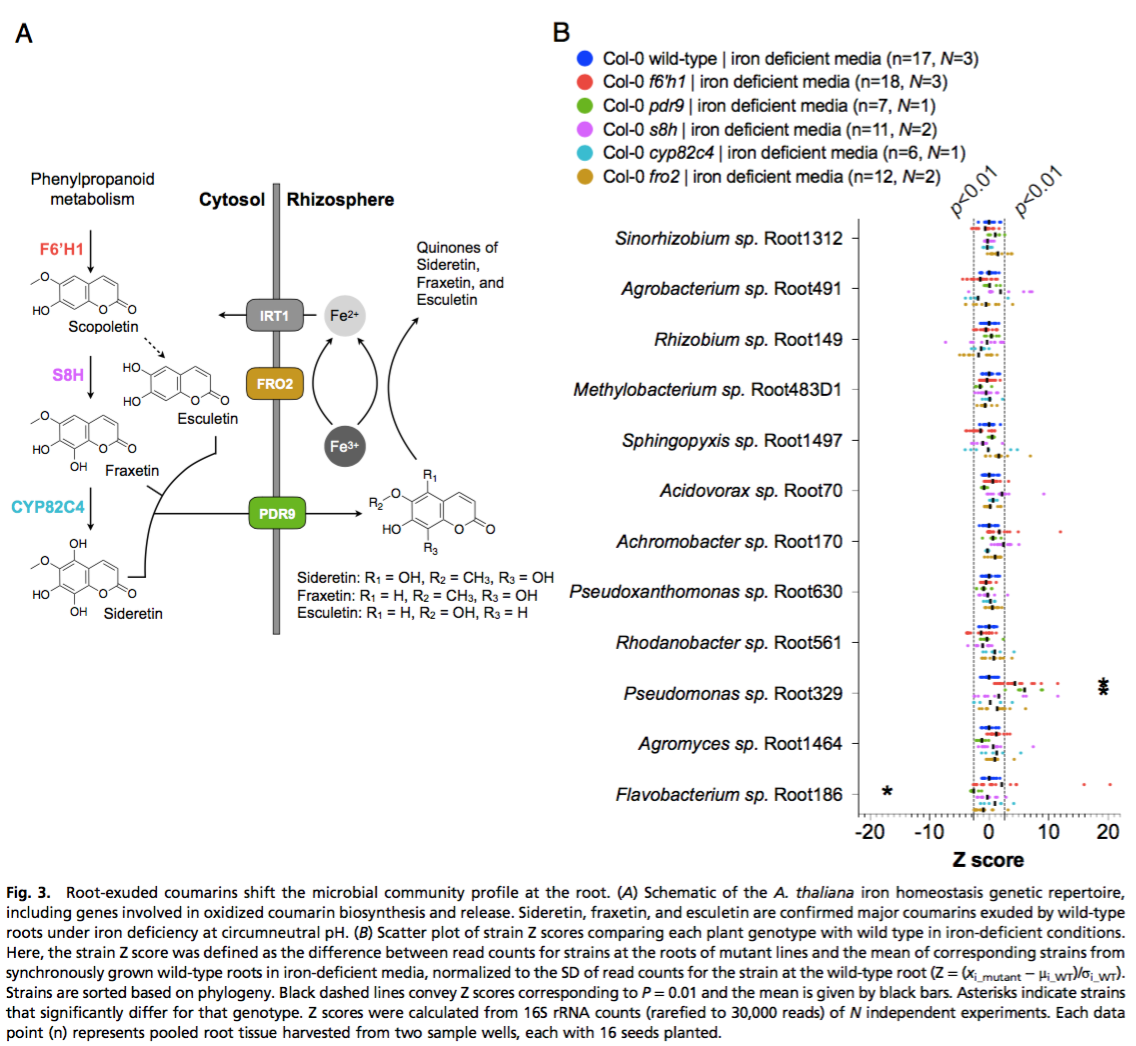
Plant-derived coumarins shape the composition of an Arabidopsis synthetic root microbiome

In Summary:

While investigating plant molecules that inhibit parasitic growth, researchers have uncovered a new method for improving crop growth and overall yield. Small molecules, such as flavonoids and coumarins, improve the microbiome of plant roots in order to help them grow and maintain their health. While investigating how the absence of coumarins and flavonoids affect the growth of a common weed the authors stumbled upon a molecular mechanism that will facilitate efforts to grow crops in iron-deficient soils.

Dr. Caplan and the #MDTake:

The natural machinery of Cannabis supports the production of tremendous numbers of flavonoids, coumarins, and microbiome-supporting compounds. Over millennia, cannabis has evolved fastidious attention to detail, and an integral role in the animal ecosystem. Although this natural role has historically been disagreeable to many oppressive movements (religious and cultural), it is nonetheless, self-evident as modern society returns to embrace the science of cannabis. The scientific, medical, textile, farming, nutrition, recreational, and materials construction industries are all wishing only that they had come back to cannabis sooner.

plant microbiome image

the gnotobiotic platform used to investigate the effect of plant metabolism on root microbiome composition
root coumarins shiting the microbial community of plants
root-excluded purified coumarins shiting the microbial community of plants
purified coumarins shiting the microbial community of plants

View this review (yellow link) or download:

This paper is also stored here:     http://bit.ly/2rtpc9m    inside the CED Foundation Archive

To explore related information, click the keywords below:

Benjamin Caplan, MDRecent Study Reveals Natural Method for Improved Crop Growth (Microbiome!)
read more