Blog

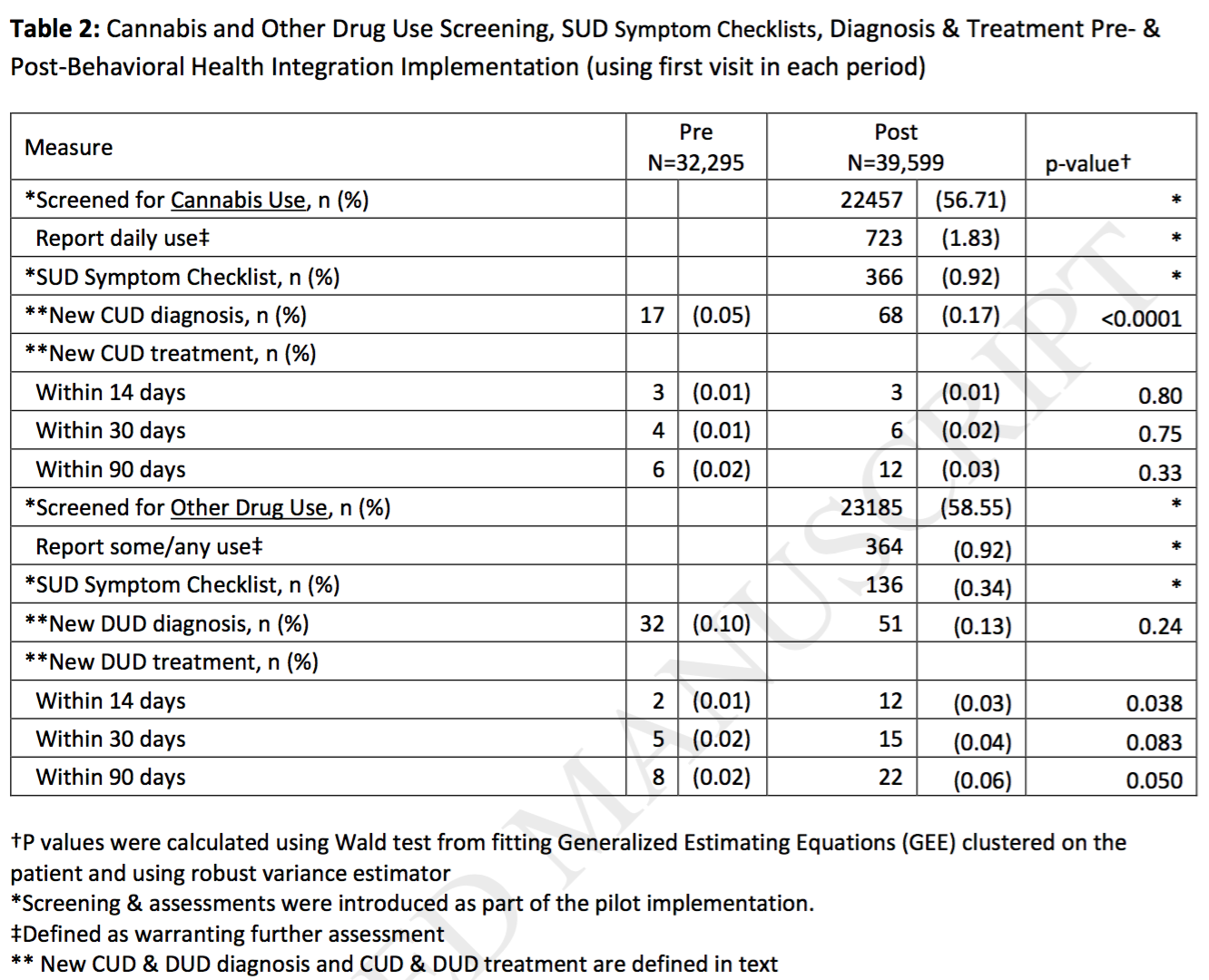
Implementation of Cannabis Care Increased Diagnosis of Cannabis Use Disorder in Primary Care Practices

Integration of screening, assessment, and treatment for cannabis and other drug use disorders in primary care- an evaluation in three pilot sites 

In Summary

 A recent study has revealed that by implementing care for cannabis into primary care practices diagnoses for cannabis use disorder. The implementation of these practices also led to an increase of screening for cannabis and other drug use, the diagnosis of other substance use disorders, and treatment for substance use disorders. The continued evaluation of these new practices may aid other primary care practices to develop their own methods to more accurately diagnose and treat substance use disorders. 

By implementing such diagnostic practices and awareness into physicians offices we begin to normalize cannabis use. Normalizing cannabis within our society will hopefully decrease the current stigma enough to allow patients to be more forthcoming about their cannabis use and allow for better treatment methods and research to be conducted. Misdiagnosis or issues with treatment and sedation often arise due to unknown cannabis use so allowing patients to feel more comfortable when discussing drug use with their physicians should improve diagnostic practices and treatment. 

The study is available for review or download here

View more studies like this in the CED Foundation Archive 

To explore related information, click the keywords below:

Benjamin Caplan, MDImplementation of Cannabis Care Increased Diagnosis of Cannabis Use Disorder in Primary Care Practices
read more

Methods to Improve the Diagnosis of Cannabinoid Hyperemesis Syndrome

Improving the diagnosis of cannabinoid hyperemesis syndrome 

In Summary

A recent op-ed has recommended a method to diagnose cannabinoid hyperemesis syndrome (CHS) accurately and quickly. Although awareness of CHS is quickly growing parallel to the legalization and public approval of cannabis use, patients continue to receive a late diagnosis. Cannabis use should always be questioned in patients who suffer from chronic vomiting and intestinal pain where the origin of the pain is uncertain. A urinalysis panel should also be conducted when CHS is interrogated, even in patients who previously denied cannabis use. Adding these steps into common emergency room practices should improve the accuracy and timing of CHS diagnosis. 

 This article highlights the growing field of synthetic cannabinoids and how that affects the general public. Online shops have increased the ease and availability of synthetic cannabinoids and cannabis seedlings which has led many to cultivate the crops at home. The increase in at home cultivation has led to a higher number of occurrences of CHS which has led to the development of better treatment but now needs to include the development of better diagnostic techniques. Those cultivating at home or increasing their use should be mindful of developing CHS.

Benjamin Caplan, MDMethods to Improve the Diagnosis of Cannabinoid Hyperemesis Syndrome
read more

An Extract from Monkshood Treats Chronic Heart Failure

Higenamine, a Dual Agonist for β1- and β2-Adrenergic Receptors Identified by Screening a Traditional Chinese Medicine Library

In Summary

 A recent Chinese study has found an herbal compound that promises to treat chronic heart failure. Higenamine, an alkaloid found in monkshood, has been found to be a dual agonist for a receptor pathway that has been implicated in the late stages of heart disease. Monkshood has already been utilized in Chinese medicine and the isolation of higenamine is an exciting advancement for the therapeutic benefits this herb provides. Further studies are needed to confirm higenamine’s ability to treat chronic heart failure. 

This study brings to light the number of herbal compounds used in eastern medicine that are not yet being utilized in western medicine. In the United States herbs are just now starting to be seriously researched for medicinal properties in a lab setting despite their importance in eastern medicine and home remedies. Extracts of naturally occurring compounds are finally coming to the forefront of medicine as the public looks for natural and sustainable remedies for everyday ailments, treatment-resistant disorders, and even cancer. The potential of these compounds deserves serious consideration in today’s medicine. 

The study is available for review or download here

View more studies like this in the CED Foundation Archive 

To explore related information, click the keywords below:

Benjamin Caplan, MDAn Extract from Monkshood Treats Chronic Heart Failure
read more

Prenatal Exposure to Flavonoid Baicalein Shows Conflicting Results

Baicalein, a flavonoid causes prolonged estrus and suppressed fertility output upon prenatal exposure in female mice

In Summary

 Flavonoids are found in large quantities in flax seeds and plants including cannabis. There is conflicting evidence as to the effects of prenatal exposure to excessive quantities of flavonoids. The flavonoid baicalein has been used in Asian countries as herbal medicine to treat conditions including memory disorders, gastrointestinal dysfunction, and Parkinson’s disease. However, in excessive quantities, flavonoids have been shown to disrupt hormone production and function. Researchers interested in the effects of prenatal exposure to the baicalein administered the flavonoid to pregnant rats and observed effects on mothers and offspring. No signs of toxicity were observed. Exposed offspring weighed significantly less than control offspring, however, exposed female offspring also saw enhanced fertility .

The study is available for review or download here

View more studies like this in the CED Foundation Archive 

To explore related information, click the keywords below:

Benjamin Caplan, MDPrenatal Exposure to Flavonoid Baicalein Shows Conflicting Results
read more

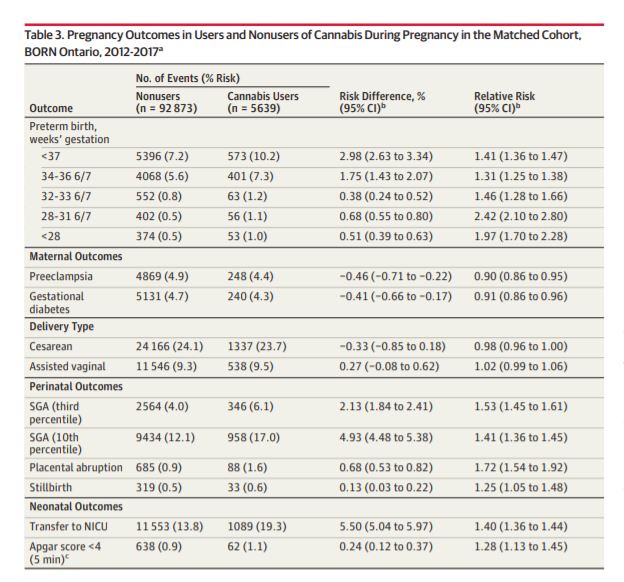
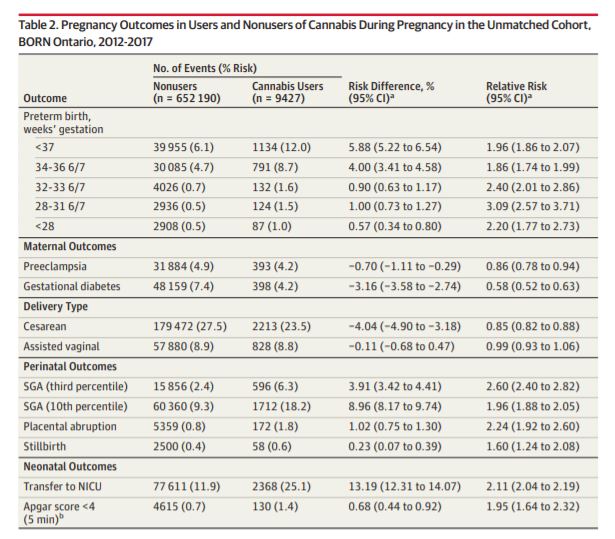
Correlation Between Preterm Birth and Prenatal Cannabis use Backed by Minimal Evidence

Association Between Self-Reported Prenatal Cannabis Use and Maternal, Perinatal, and Neonatal Outcomes

In Summary

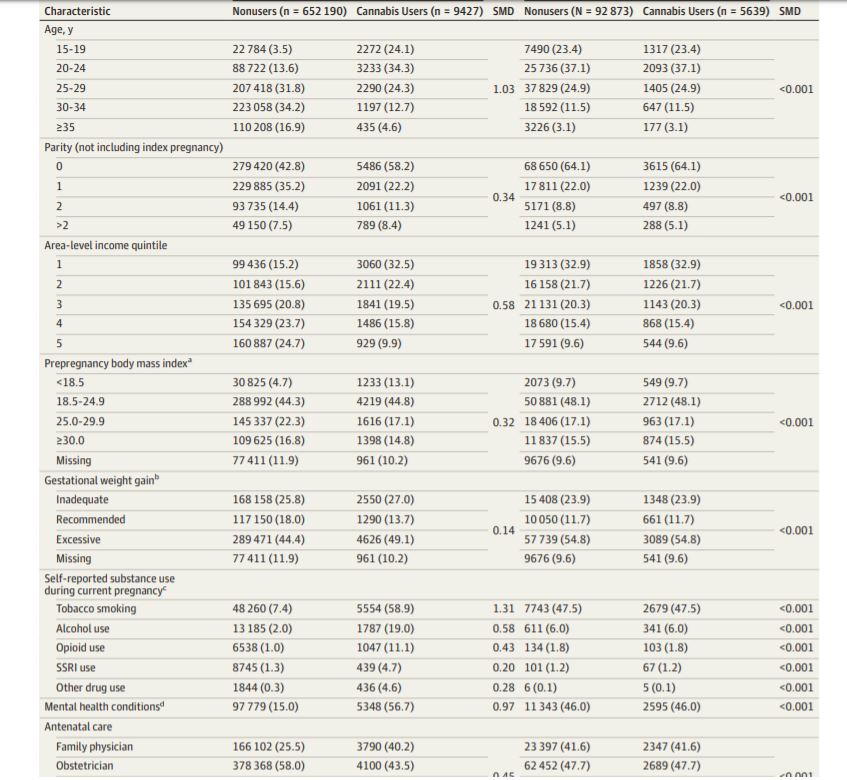
A 2018 Canadian study reports increased incidence of preterm birth and low birth weight among children prenatally exposed to cannabis. The legalization and subsequent increase in use of cannabis calls for further studies investigating the effects of maternal cannabis use on infants; however, covariates make it difficult to make definitive conclusions. Individuals who use cannabis during pregnancy are also more likely to be younger, low-income, and receive inadequate medical attention during pregnancy, all factors which can impact birth weight and gestational length. Although evidence may point to cannabis use during pregnancy influencing preterm birth and birth weight, many other factors can impact these outcomes.

The study is available for review or download here

View more studies like this in the CED Foundation Archive 

To explore related information, click the keywords below:

Benjamin Caplan, MDCorrelation Between Preterm Birth and Prenatal Cannabis use Backed by Minimal Evidence
read more

High Flavonoid Content of Dry Birch Leaves Makes for High Antioxidant Potential

Antioxidant Activity of Dry Birch (Betula Pendula) Leaves Extract

In Summary

Plants with high flavonoid content, including but not limited to cannabis, tend to exhibit vast health benefits, including but not limited to anti-inflammation, anti-oxidant, anti-cancer, and anti-bacterial applications.

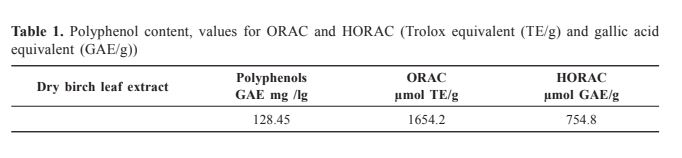
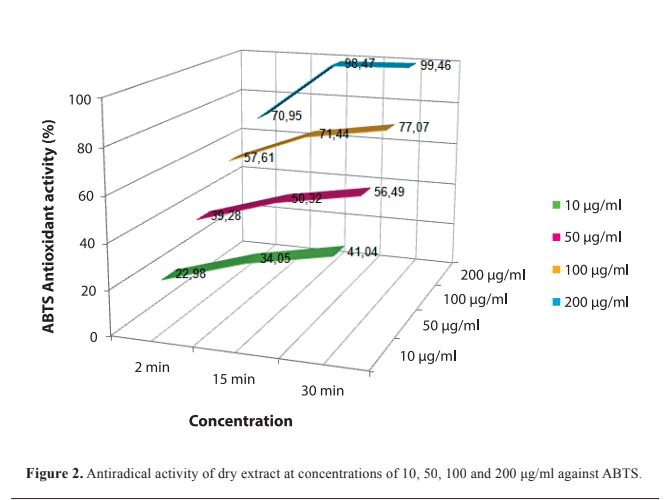
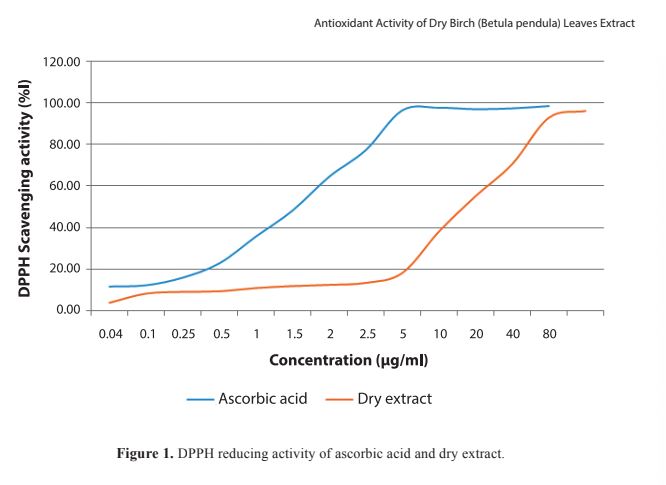
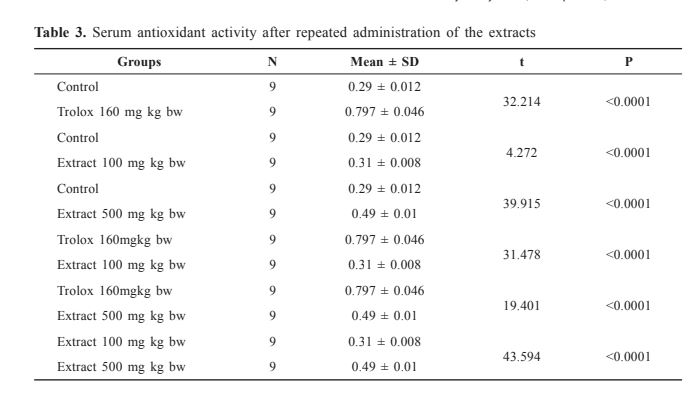
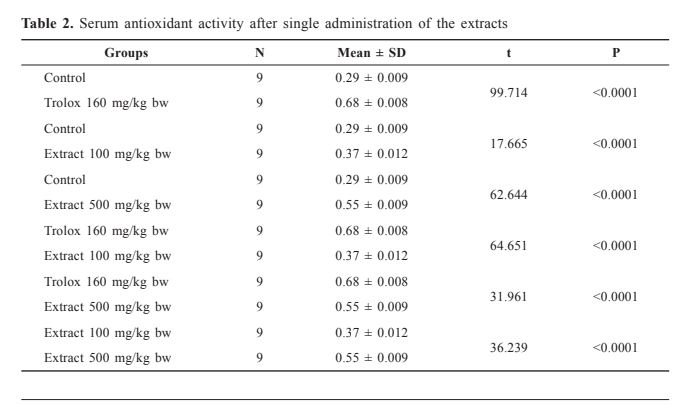
The medicinal use of Betula Pendula, or dry birch leaves dates back as far as Ancient Greece. Birch leaf extracts exhibit anticancer, antifungal, diuretic, antimicrobial, antiflammatory properties, and more. In order to determine the antioxidant capabilities of birch leaf extract, researchers determined flavonoid content in leaves and administered extracts to rats and subsequently analyzed the antioxidant potential of the rats’ plasma. The leaves had a total flavonoid content of 42.5 milligrams per gram and short-term application of extract to rats resulted in enhanced antioxidant potential in their plasma. Chronic application was not as effective as short-term application. Overall, the high flavonoid content of dry birch leaves allows for high antioxidant potential, as well as a range of other health benefits.

The study is available for review or download here

View more studies like this in the CED Foundation Archive 

To explore related information, click the keywords below:
Benjamin Caplan, MDHigh Flavonoid Content of Dry Birch Leaves Makes for High Antioxidant Potential
read more

Oleamide and the Endocannabinoid System Protect Against Excitotoxic Damage

A Cannabinoid Receptor-Mediated Mechanism Participates in the Neuroprotective Effects of Oleamide Against Excitotoxic Damage in Rat Brain Synaptosomes and Cortical Slices

In Summary

Oleamide, an endocannabinoid-like compound, has been found to work with the endocannabinoid receptors to protect against excitotoxic damage. Utilizing tryptophan metabolite quinolinic acid to induces the overactivations of N-methyl-D-aspartate receptors (NMDAr), eliciting excitotoxic effects. Various doses of oleamide were given to excitotoxic rats, revealing that oleamide did provide protective effects. Further examination confirmed that oleamide served a protective role by working through the endocannabinoid system. Future research should examine other compounds that could enact neuroprotective effects through the endocannabinoid system. 

Researchers continue to find novel targets for treatment within the endocannabinoid system. Although cannabis is not currently supported for medical use by the federal government the endocannabinoid system has far-reaching possibilities that can still be studied in the meantime. By using compounds like oleamide or other others that work on the endocannabinoid system researchers can determine new targets and therapeutic benefits of the endocannabinoid system.Researchers should continue to push for federally funded projects revolved around the endocannabinoid system as the underlying mechanism are still poorly understood considering the potential it holds. 

The study is available for review or download here

View more studies like this in the CED Foundation Archive 

To explore related information, click the keywords below:
Benjamin Caplan, MDOleamide and the Endocannabinoid System Protect Against Excitotoxic Damage
read more

Cannabis Abuse May Be Caused By Genetic Factors

CNR1 and FAAH variation and affective states induced by marijuana smoking 

In Summary

Researchers have recently described how genetic variation determines individual mood state after the consumption of cannabis. The variation of genes may prove useful when attempting to understand either motivation for illicit cannabis use or risk for associated abuse behaviors. Researchers determined participants affect by utilizing tension-anxiety and confusion-bewilderment assessment in order two examine CRN1 and FAAH, two encoding factors for receptors of the endocannabinoid system. Further research should be conducted to elucidate the exact genetic variations so that the risk of abuse can be screened for in individuals. 

The possibility of being able to screen for genetic variations within the endocannabinoid system that affect mood may prove useful when recommending cannabis to particularly anxious patients. ∆-9-tetrahydrocannabinol (THC) has been known to cause excess anxiety is some patients and exacerbate some mood symptoms. If physicians were able to screen for particularly whose anxiety would be exacerbated by certain cannabinoids then they may be able to help guide the patient towards other cannabinoids, like cannabidiol, or a different method of treatment entirely. 

The study is available for review or download here

View more studies like this in the CED Foundation Archive 

To explore related information, click the keywords below:
Benjamin Caplan, MDCannabis Abuse May Be Caused By Genetic Factors
read more

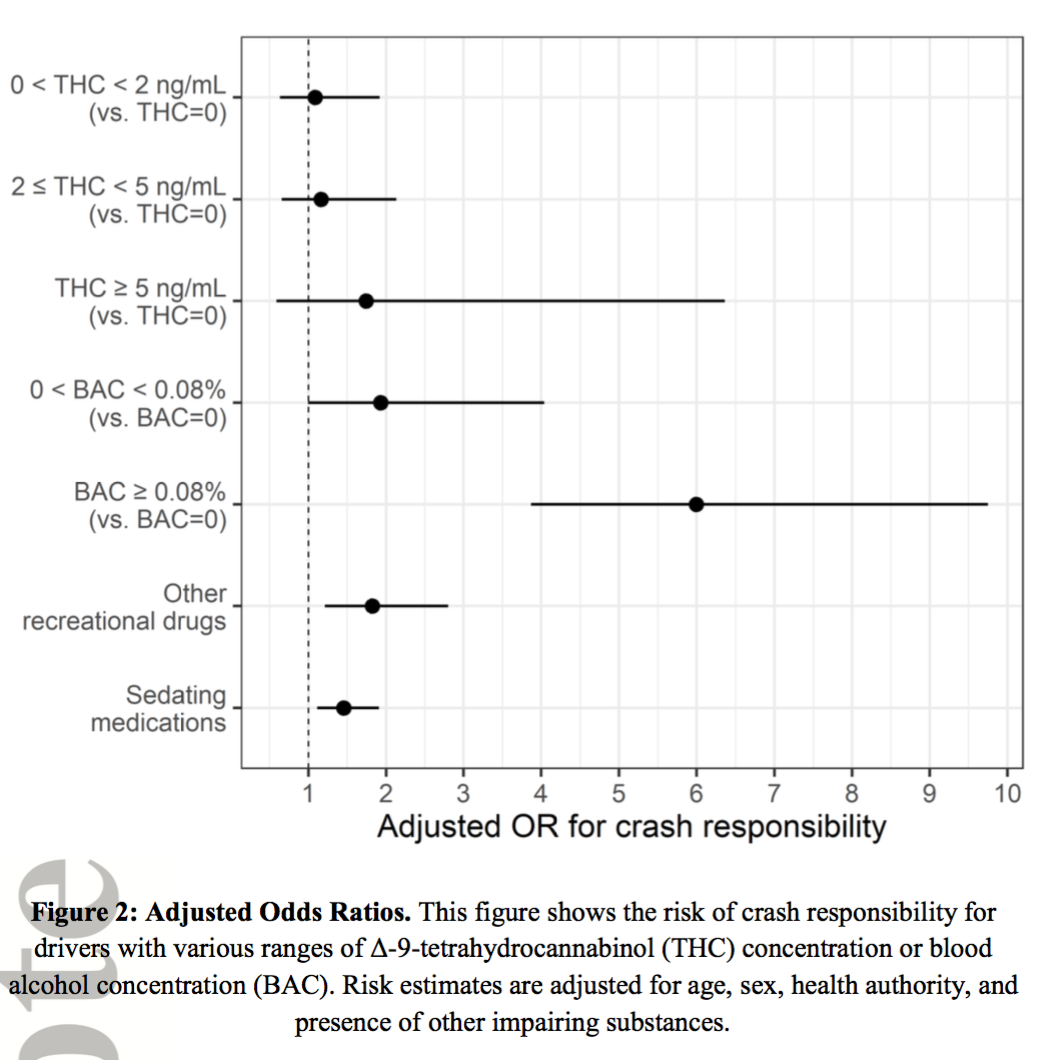
THC Users Show No Increased Crash Risk

Cannabis use as a risk factor for causing motor vehicle crashes- a prospective study 

In Summary:

A recent study has revealed that drivers who use ∆-9-tetrahydrocannabinol (THC) do not show an increased risk of crashing. Users of THC were also showed a statistically insignificant increased risk of crash responsibility than drivers who tested negative for THC use. Further research should be conducted to include all types of vehicles while excluding those involving drugs of abuse. The results seen in the featured study may have been skewed by the inclusion of drivers who used one or more drugs in combination with cannabis, including alcohol. Accident rates involving just cannabis use may prove to be even less than those found here. 

Driving while under the influence is still very risky, but perhaps the featured research warrants an examination of how to trace the amount of THC effect driving. Adults who are above the legal drinking age can drive as long as they are under a 0.08 blood-alcohol level so theoretically, there may be a level of THC consumption that may be allowed when driving, especially considering the lasting effects of certain consumption methods such as edibles and tinctures. Researchers could possibly create a mechanism, similar to that of a diabetes test, that would prick a driver’s finger and test for various cannabinoid content in their blood. This would obviously have challenges as there is a vast array of natural and synthetic cannabinoids but may be worth looking into as cannabis becomes more popular throughout North America. 

The study is available for review or download here

View more studies like this in the CED Foundation Archive 

To explore related information, click the keywords below:
Benjamin Caplan, MDTHC Users Show No Increased Crash Risk
read more

Cannabis Prevents Antipsychotic-Induced Weight Gain

Cannabis consumption and non-alcoholic fatty liver disease. A three years longitudinal study in first episode non-affective psychosis patients

A recent study has revealed that cannabis is able to prevent weight gain in psychiatric patients taking antipsychotics. Cannabis was found to have a protective effect against liver steatosis, which is an accumulation of fat in the liver that can lead to obesity and type 2 diabetes. These findings may prove useful when developing improved treatments for schizophrenia as one of the main reasons patients find treatment so difficult to comply with is the weight gain caused by liver steatosis. 

Highlighted in this study is the lack of knowledge surrounding the mechanisms of the endocannabinoid system. In the featured study, the researchers were left uncertain about whether or not the cannabis was acting directly on the liver to prevent steatosis or if cannabis modulates weight indirectly through a related system. If more research concerning cannabis were able to be conducted so that the exact mechanisms underlying the endocannabinoid system could be elucidated than novel therapies could be developed for a slew of ailments. Our lack of knowledge concerning cannabis prevents us from possible developing therapies for treatment-resistant disorders. 

The study is available for review or download here

View more studies like this in the CED Foundation Archive 

To explore related information, click the keywords below:

Benjamin Caplan, MDCannabis Prevents Antipsychotic-Induced Weight Gain
read more