CBD

Cannabinoids Treat Chronic Gastrointestinal Disorders

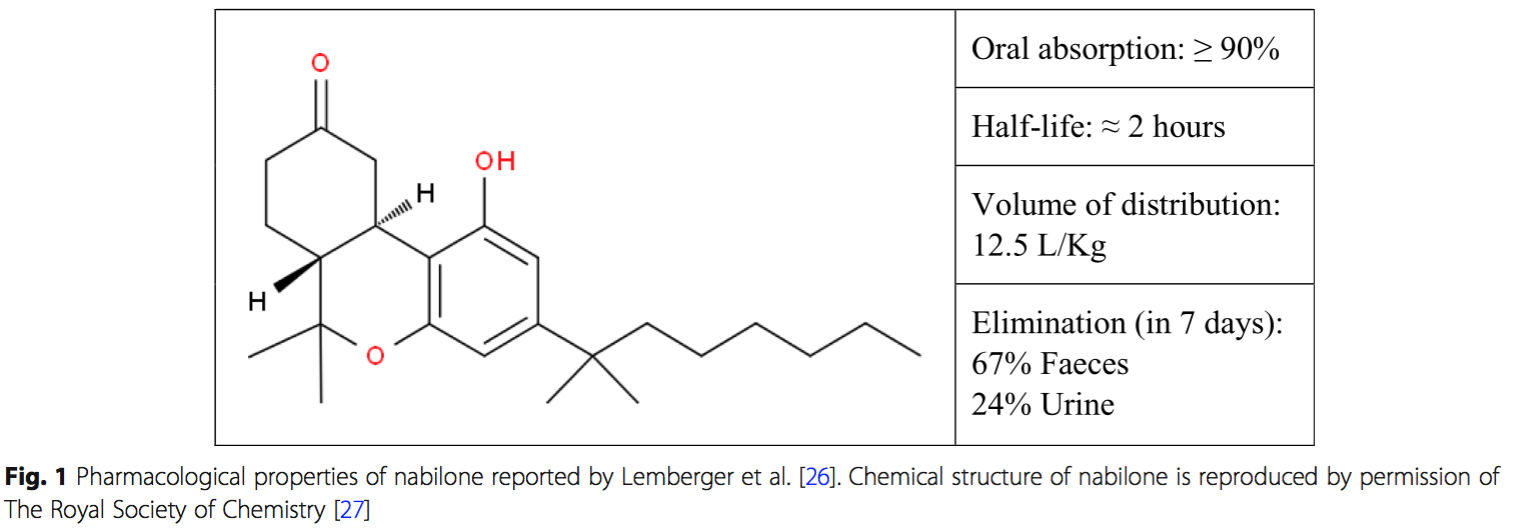
Title: Nabilone administration in refractory chronic diarrhea- a case series

A new study reveals the efficacy of treating chronic gastrointestinal disorders with cannabinoids, such as Nabilone. Researchers followed case studies in which patients were given nabilone which greatly reduced symptoms of chronic diarrhea and weight gain, over a period of three months.

The cannabinoid treatment also reduced the abdominal pain felt by patients and improved their overall quality of life. Considering the favorable safety profile of cannabinoids and the effectiveness demonstrated in the patients, cannabinoids were deemed an appropriate and clinically beneficial method for the treatment of chronic gastrointestinal disorders, such as chronic diarrhea. 

Highlighted by this article are the many symptoms cannabis used to treat before the prohibition of cannabis and the scheduling of the medication under the Controlled Substances Act. Cannabis has been used in eastern medicine, for thousands of years, and used to be a prevalent medication in the late 19th and early 20th centuries, and has just recently been re-recognized as an option to treat anorexia associated with human immunodeficiency virus (HIV), nausea and vomiting due to chemotherapy, and various sleep disorders. Cannabis was once a well-recognized medication, but it has been mercilessly slandered by politicians. The rise and fall of cannabis have largely been politically driven pushes, and the plant and its effects deserve further study to examine the scope and efficacy of its therapeutic benefits. 

View this review (yellow link) or download:

This paper is also stored here:     http://bit.ly/2jP1ocV    inside the CED Foundation Archive

To explore related information, click the keywords below:
Benjamin Caplan, MDCannabinoids Treat Chronic Gastrointestinal Disorders
read more

DIY Cannabis-Infused Lotion

Building on a baseline of safety, one of the most exciting aspects of the Medical Cannabis revolution is the opportunity for all to explore creatively, as we each continue to learn more about cannabis. What better way to embrace empowerment than by making safe medicine yourself?

Please share your experiences with DIY cannabis! What are your favorite recipes? What online resources have taught you something great?! Who are your favorite social media follows… and why?

Due to its pain-reducing effects, cannabis-infused lotion is becoming increasingly popular. And the good news is that you can make your own topical right at home! Follow the video tutorial below to create your own cannabis-infused salve or lotion.

Benjamin Caplan, MDDIY Cannabis-Infused Lotion
read more

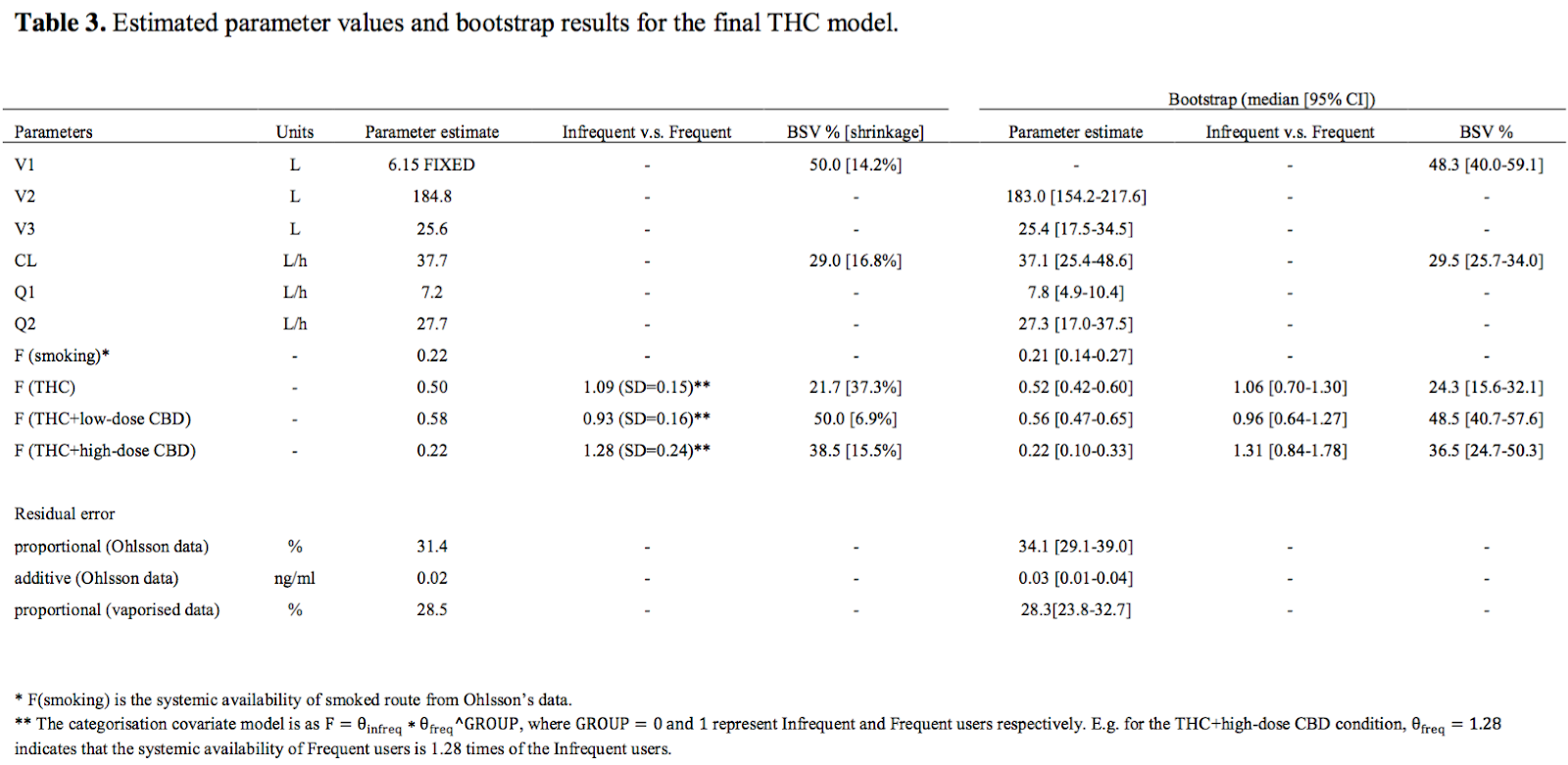
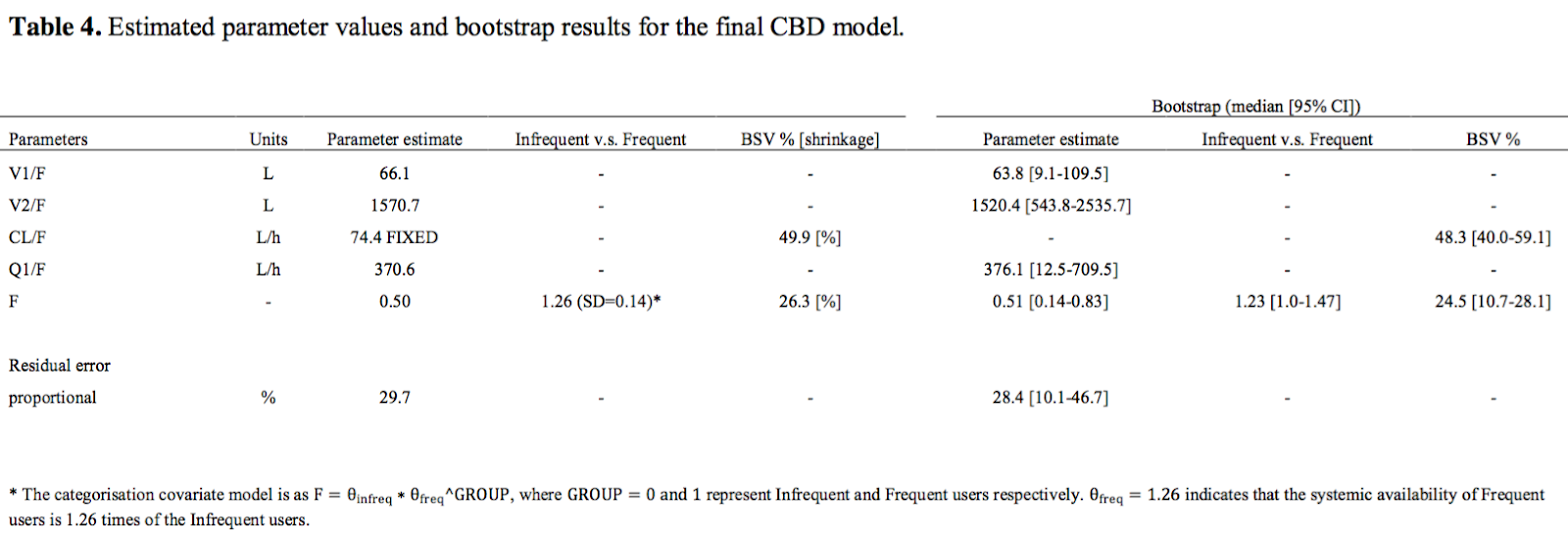
Consuming CBD with THC Decreases Systemic Availability of THC

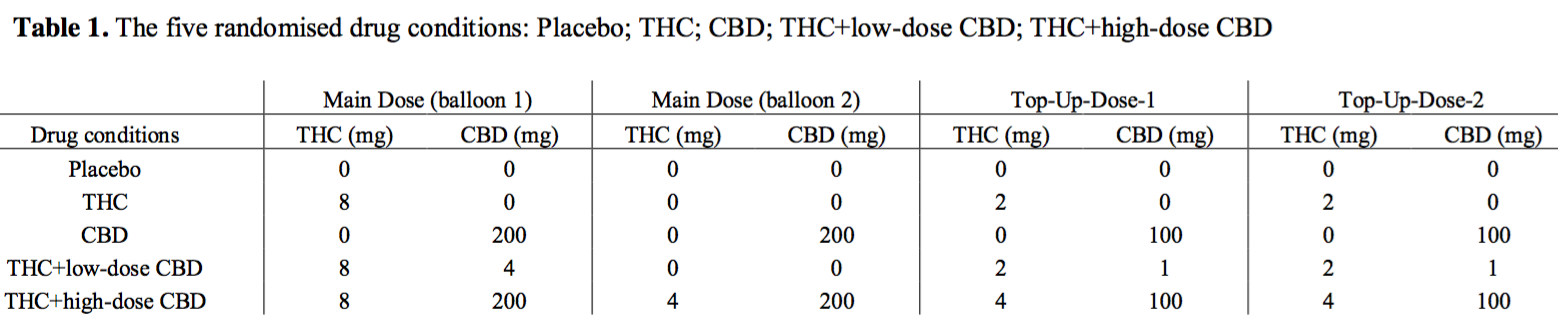
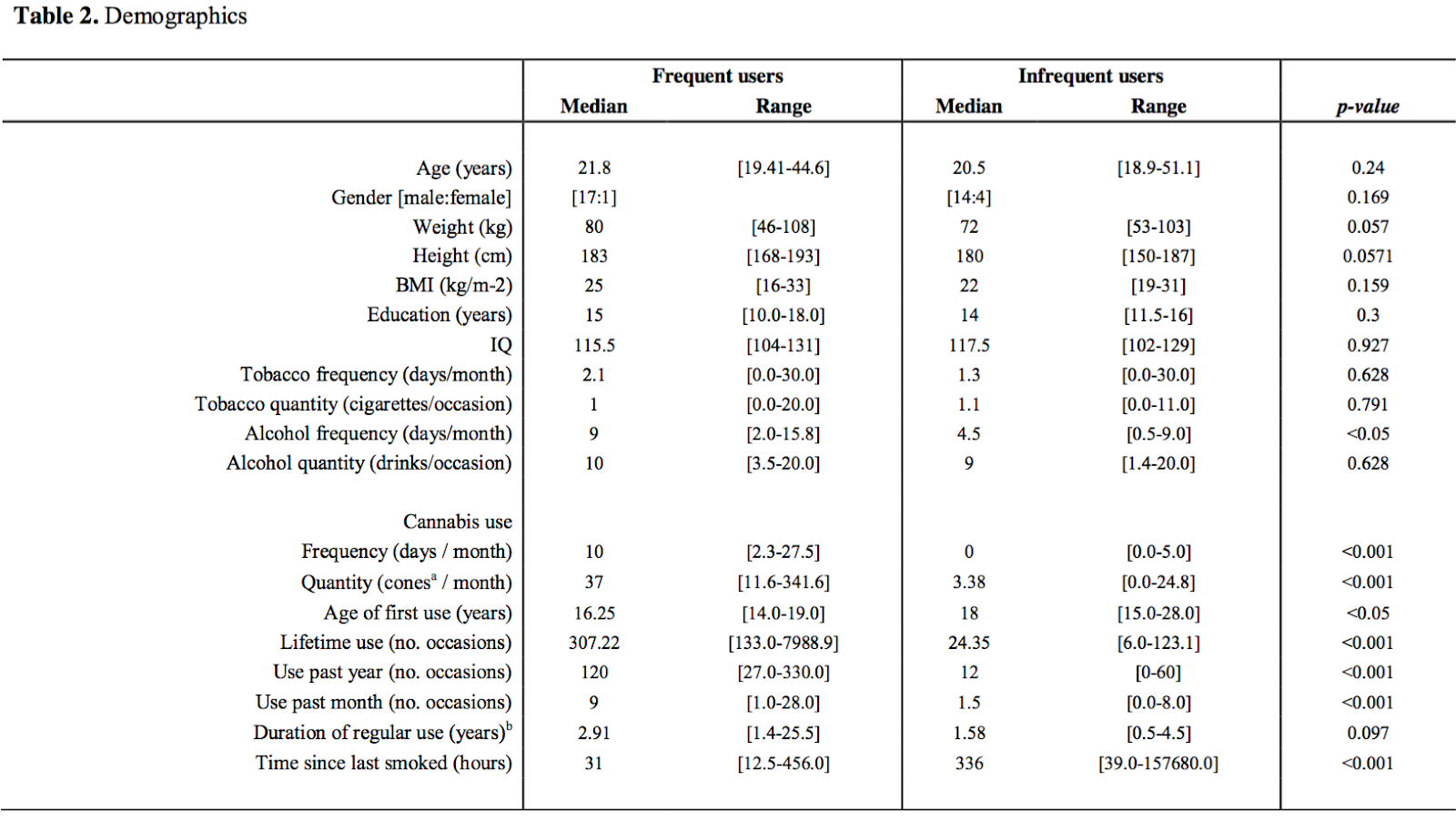
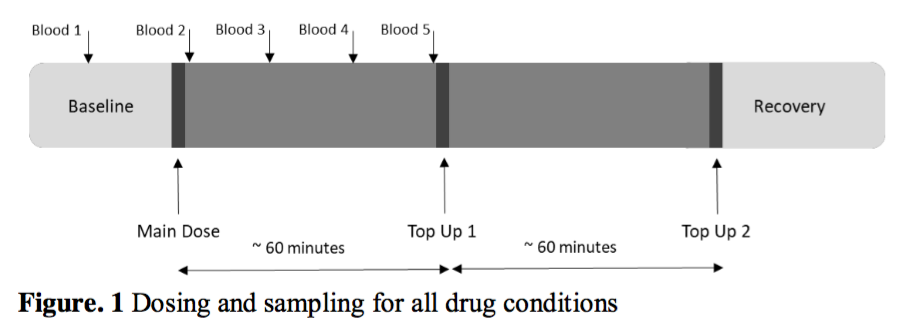
Title: Model-based analysis on systemic availability of coadministered cannabinoids after controlled vaporized administration 

A new study revealed findings that vaporizing cannabidiol (CBD) with ∆-9-tetrahydrocannabinol (THC) lowers the systemic availability of THC.

Researchers analyzed the blood plasma level of CBD and THC in a randomized, double-blind study, and found that those who inhaled a high dose of CBD were found to have lower levels of THC. Frequent cannabis users were found to have only minorly decreased levels of THC in their plasma when high doses of CBD was coadministered. Future studies should be conducted to examine the validity of these results for other consumption methods. 

This work highlights how those who have consumed too much THC can combat some of the symptoms associated with THC by consuming CBD. Occasionally, cannabis users may overindulge in THC and feel anxiety, panic, or dizziness. One of the best ways to combat such overindulgence (and lower the effects of THC) is to consume a high dose of CBD. Other, non-cannabis related, methods are also commonly recommended, such as relaxation or food with high levels of the terpenes caryophyllene and limonene. When using cannabis it’s important to start low and go slow in order to minimize the possibility of overindulgence. 

View this review (yellow link) or download:

This paper is also stored here:   http://bit.ly/2xNCHkw      inside the CED Foundation Archive

To explore related information, click the keywords below:
Benjamin Caplan, MDConsuming CBD with THC Decreases Systemic Availability of THC
read more

The Current Research on Cannabis-Alcohol Interactions and Risk Factors for Using Them Together

Title: Cannabis and Alcohol- From Basic Science to Public Policy

This new analysis summarizes the most recent preclinical trials and epidemiological studies concerning the interactions between cannabis and alcohol, as well as possible risk factors for co-use. Specific risk factors, such as frequency of use or belonging to particular groups, were found to be significant within studies (but not across separate studies.) The compiled data reveals that previous research is inconsistent and emphasizes the need for further research to elucidate at-risk populations.  


This article highlights a few secondary findings which all focus on the gaps in our knowledge concerning cannabis, of which there are many. There may be potential concerns with the integration of cannabis into modern culture, which has essentially normalized alcohol consumption. Future research will undoubtedly evaluate these concerns, and highlight potential advantages that cannabis consumption may offer as an alternative option.

View this review (yellow link) or download:

This paper is also stored here:   http://bit.ly/2Jt1Nfa      inside the CED Foundation Archive

To explore related information, click the keywords below:
Benjamin Caplan, MDThe Current Research on Cannabis-Alcohol Interactions and Risk Factors for Using Them Together
read more

Cannabinoids and autoimmune diseases: A systematic review (Diabetes)

As it stands, there is no cure for Type 1 Diabetes Mellitus. But, some of us in the medical community are starting to wonder if cannabis could be a viable treatment option. Several studies already address this, with impressive findings, and now, A new mouse model study suggests that not only could CBD prevent Type 1 Diabetes, but it seems to also reduce symptoms after onset. 

Now researchers must determine the long term effects of CBD treatment. Watch a video summary below:

View this review (yellow link) or download:

This paper is also stored here:    http://bit.ly/2Y1paV5     inside the CED Foundation Archive

To explore related information, click the keywords below:
Benjamin Caplan, MDCannabinoids and autoimmune diseases: A systematic review (Diabetes)
read more

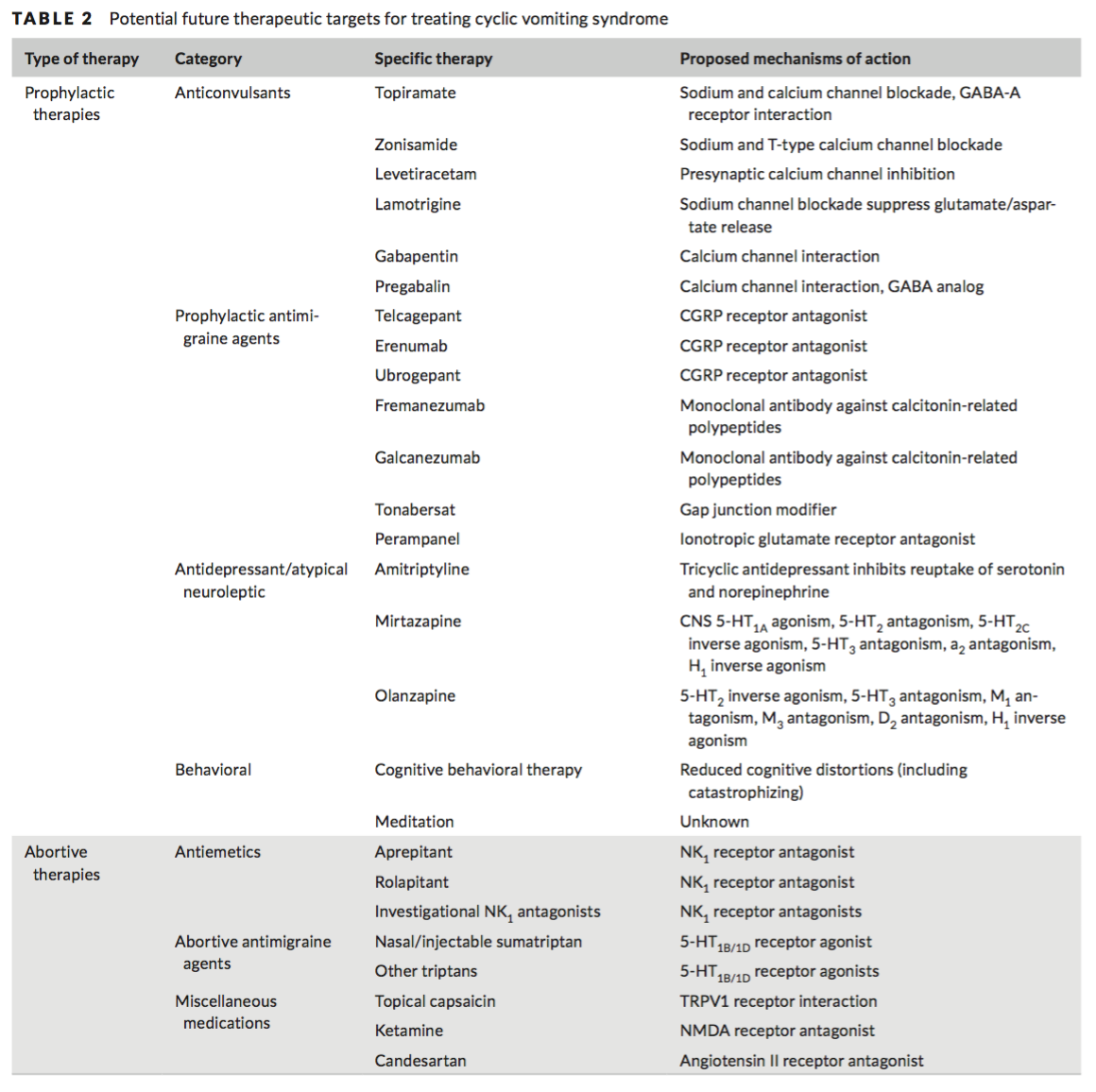
Standardized Registries may Improve Our Knowledge about Cyclic Vomiting Syndrome

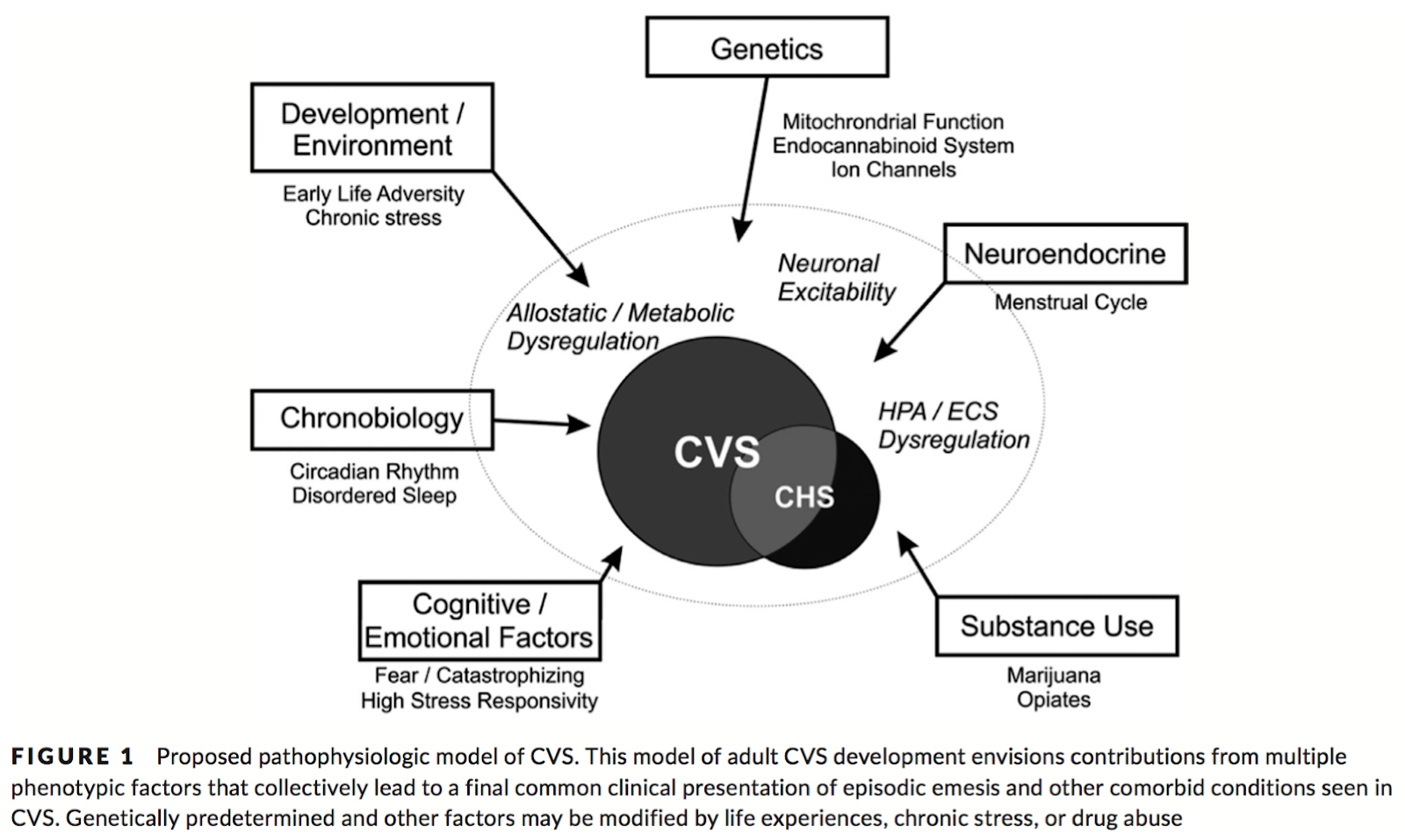
Title: Cyclic vomiting syndrome- Pathophysiology, comorbidities, and future research directions

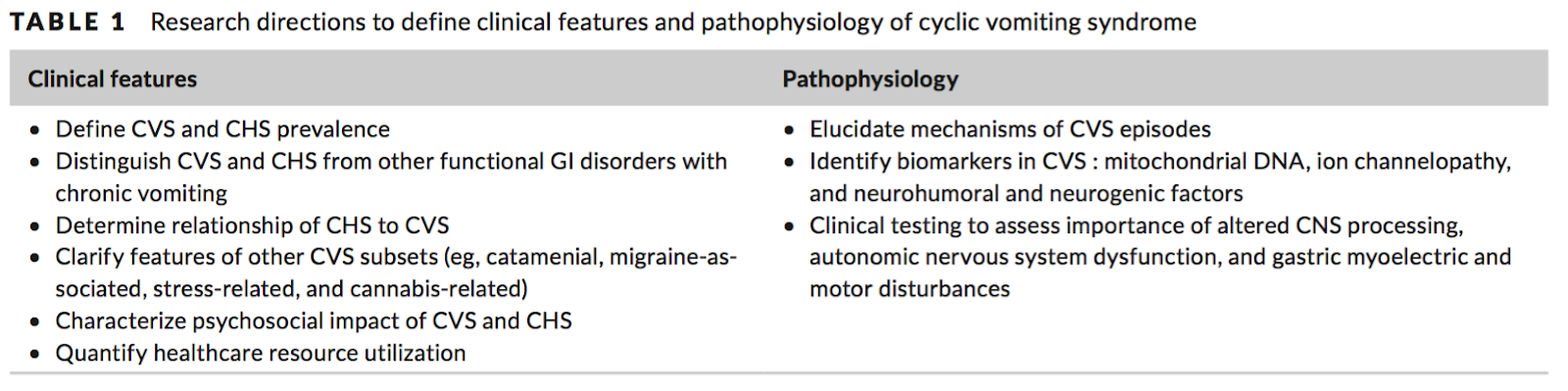
A recent article has called for the establishment of a multicenter registry in order to learn more about cyclic vomiting syndrome and related disorders. Creating such a registry would provide a database of patients for clinical trial recruitment, research on patient outcomes across different treatment methods, the underlying mechanism for the disorder, and the ability to identify potential biomarkers for the disorder. The registry would expand our understanding of the disorder, on all fronts, and hopefully, reveal the most effective treatment method. 


Could such a registry be created while still safeguarding patient privacy?


Highlighted in this article is the similarity of cyclic vomiting syndrome and cannabinoid hyperemesis syndrome (CHS). CHS is often misdiagnosed or goes undiagnosed for an exorbitant amount of time. By creating this registry for cyclic vomiting syndrome and related disorders, including CHS, the same information about genetics, underlying mechanisms, and effective treatments could also be determined.

Finding a genetic basis for cannabinoid hyperemesis syndrome would support patients looking into cannabis-based medicine to decide if cannabis would even be an effective treatment, by allowing them to discover possible side effects to which they might be more susceptible.

View this review (yellow link) or download:


This paper is also stored here:     http://bit.ly/2JtDAFm    inside the CED Foundation Archive


See the full available literature on Cannabinoid Hyperemesis Syndrome here: http://bit.ly/2XHfdrI


To explore related information, click the keywords below:
Benjamin Caplan, MDStandardized Registries may Improve Our Knowledge about Cyclic Vomiting Syndrome
read more

Video: Medical Cannabis Around the Globe & Across Centuries

Throughout the ages, from health & wellness, religious rituals, and textile applications to the entertainment and social elements, cannabis has been a vital part of multiple sectors of human culture.

For millions, the modern cannabis revival is a welcome return home to a core element that has been missing for years.


View this review (yellow link) or download:

This paper is also stored here:     http://bit.ly/2l4Vgxq    inside the CED Foundation Archive

To explore related information, click the keywords below:
Benjamin Caplan, MDVideo: Medical Cannabis Around the Globe & Across Centuries
read more

Supplementing Antipsychotics with CBD Enhances Psychotic Symptom Treatment

Cannabidiol (CBD) as an Adjunctive Therapy in Schizophrenia: A Multicenter Randomized Controlled Trial

Most schizophrenia medications function by blocking the action of the dopamine D2 receptor and effectively treat positive psychotic symptoms, such as delusions or hallucinations, but fail to treat negative psychotic symptoms, such as lack of motivation or the lack of an ability to feel pleasure. Anecdotal evidence has pointed toward the potential for CBD to attenuate psychotic symptoms in conjunction with normally prescribed antipsychotics; additionally, CBD is not hypothesized to act on the D2 receptor, suggesting that it may afford unique advantages over anti-psychotics.

Researchers interested in further exploring this conducted the first known placebo-controlled CBD trial among schizophrenia patients. Although results did not suggest a potential for CBD to treat negative psychotic symptoms, in conjunction with antipsychotics, the CBD group experienced marked lower levels of positive psychotic symptoms. Both the placebo and CBD groups experienced equal levels of treatment-induced adverse events, suggesting that CBD is well-tolerated.

These results suggest that CBD may be effective in treating not only schizophrenia but also psychotic symptoms associated with Parkinson’s disease and THC-induced psychosis.

Additional Point: CBD has shown to act in a neuroprotective manner and reduce the psychoactive effects of THC, making it a viable option for patients who have experienced negative side effects with THC.

View this review (yellow link) or download:

This paper is also stored here:    http://bit.ly/2WztI04     inside the CED Foundation Archive

To explore related information, click the keywords below:
Benjamin Caplan, MDSupplementing Antipsychotics with CBD Enhances Psychotic Symptom Treatment
read more

Video: Cannabinoids, Internal States, and Anxiety

A new literature review summarizing the recent findings relating to cannabis and anxiety.

Researchers conclude that CBD and low-dose THC can cause relaxation and decrease anxiety and self-spun thoughts. Some studies show that high-dose THC can cause psychotic symptoms; however, studies also show that CBD can protect against those THC-induced symptoms. Therefore, using cannabis extracts with THC and CBD could be a safe way to reduce anxiety. 

View this review (yellow link) or download:

This paper is also stored here:     http://bit.ly/2JnOpss    inside the CED Foundation Archive

To explore related information, click the keywords below:
Benjamin Caplan, MDVideo: Cannabinoids, Internal States, and Anxiety
read more

One theory for why cannabis affects people differently

Something still not entirely understood is why cannabis affects people differently. A study looking at THC interactions in the brain show that rewarding and adverse effects are produced by anatomically different areas. Individual experiences likely differ due to genetic variation.

http://bit.ly/2Jnjg8q 

Benjamin Caplan, MDOne theory for why cannabis affects people differently
read more