CBD

New Developments of Cannabinoid-Based Drugs

Title: Novel approaches in clinical development of cannabinoid drugs

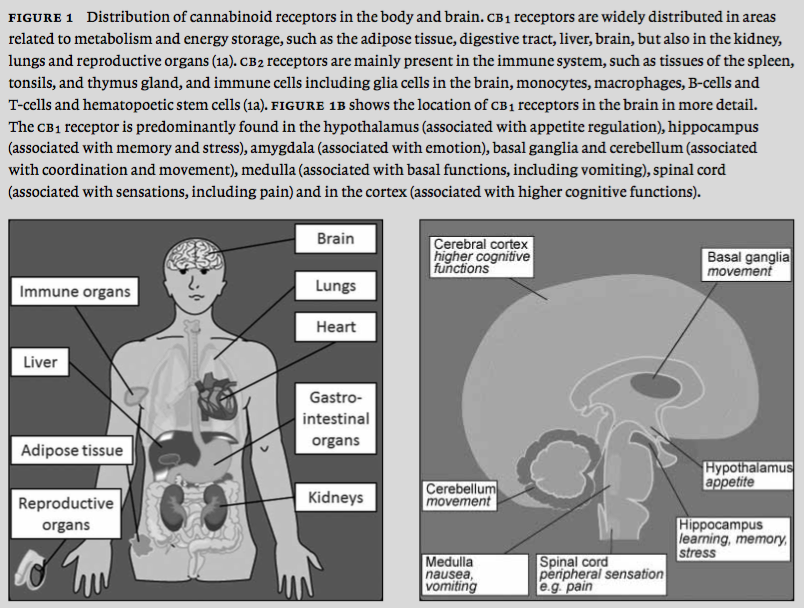
A pamphlet has recently been published that highlights new approaches in the clinical development of cannabinoid-based therapies. The pamphlet begins with a look into how current cannabinoids affect patients based on gender, stress, physiological variations, and also delves into how cannabis works on the body in general.

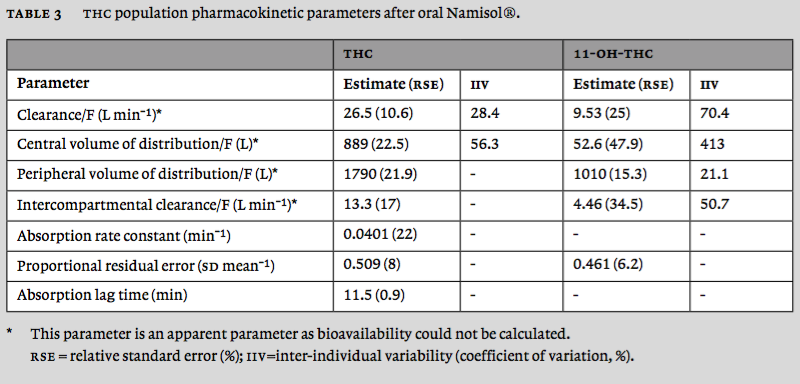
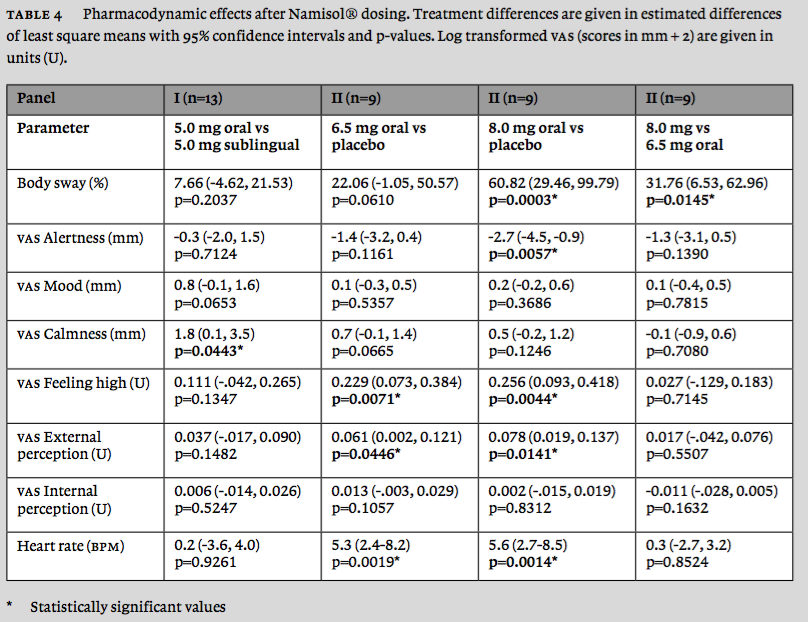
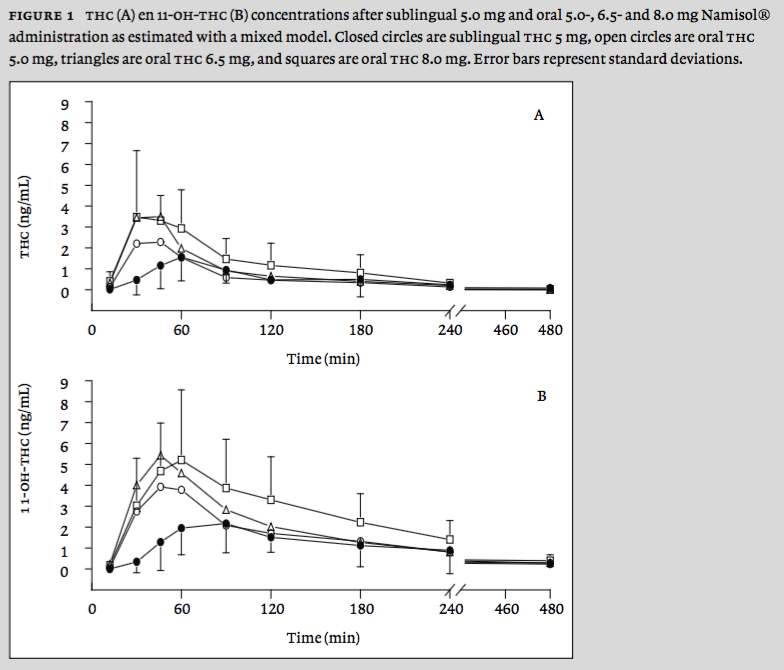
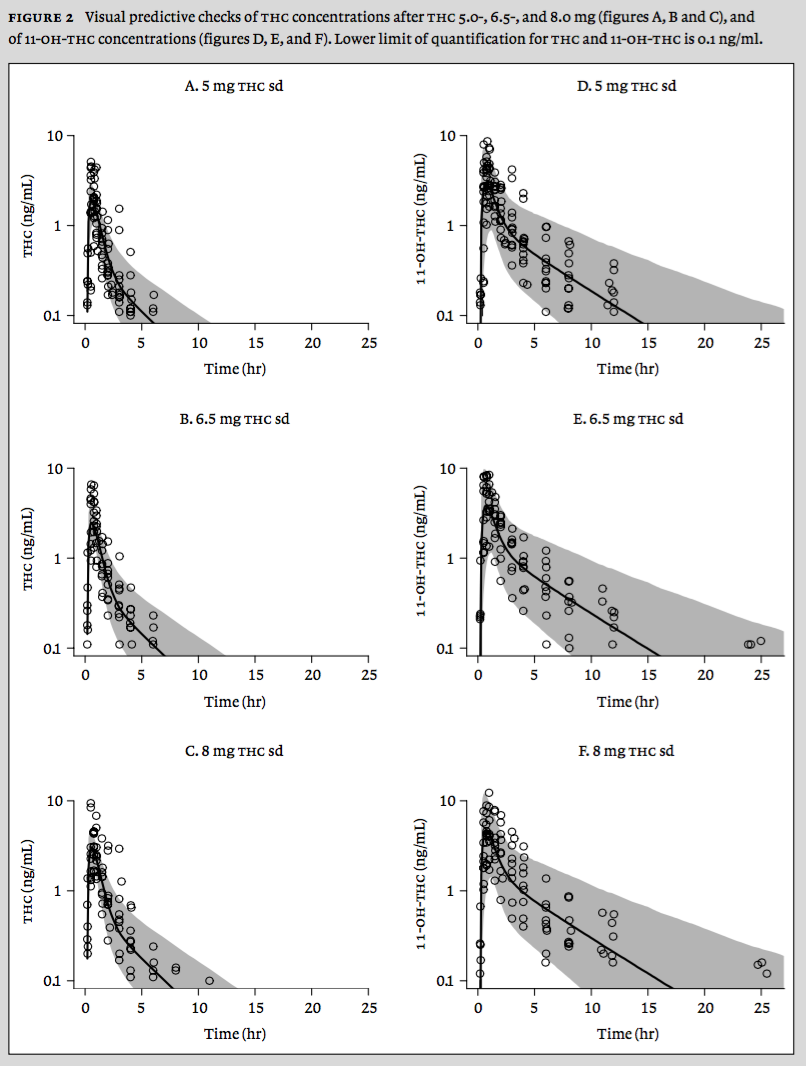
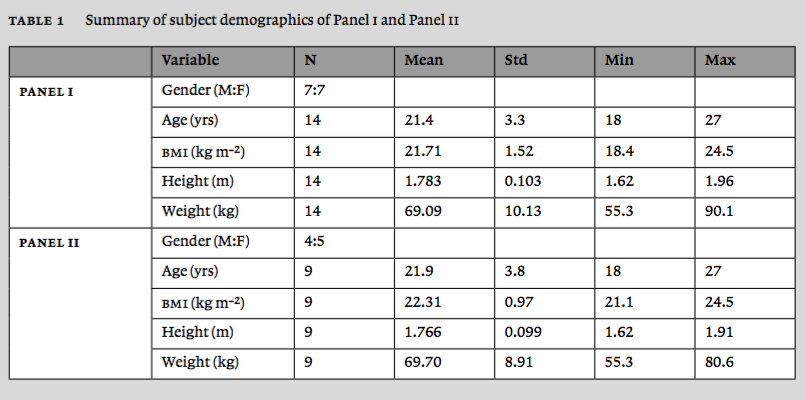
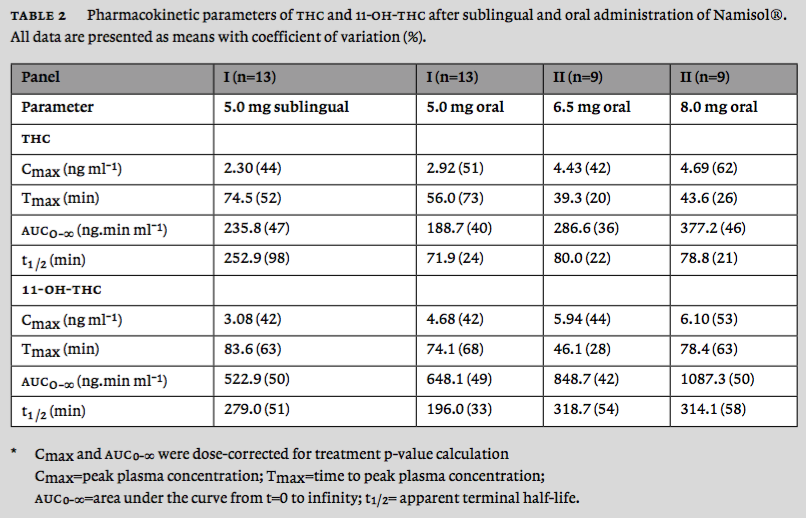
A novel therapy that features an oral version of tetrahydrocannabinol (THC) and a synthetic activator of cannabinoid-receptor-1 (CB1) is explored in this piece and frames it to be a promising future therapy. The pharmacological properties of these two novel therapies were optimized during development after various analysis techniques, forming medications that the authors hope to see in future clinical trials. 

Although the authors remain hopeful that their cannabis-based therapies will reach clinical trials soon, trials featuring cannabinoids are difficult to test in a formal setting because of a dire lack of funding. The federal government still lists cannabis as a Schedule I substance, under the Controlled Substances Act, meaning that the federal government does not support the idea that cannabis has any medical use. Considering the legal status of cannabis, only privately-funded studies are able to take place, and unfortunately, that leaves cannabis research in an area of complete bias and prohibitively underfunded. Considering the massive literature supporting a myriad of novel therapeutic benefits, this is a costly reality to the health and well-being of millions.
View this review (yellow link) or download:

This paper is also stored here:    http://bit.ly/2K7bbVX     inside the CED Foundation Archive

To explore related information, click the keywords below:

Benjamin Caplan, MDNew Developments of Cannabinoid-Based Drugs
read more

USA Today Report: Cannabis Consumers Reduce Use of painkillers, prescription drugs, alcohol

“Among all surveyed consumers, 49% reported reducing their over-the-counter painkiller use since starting cannabis, and 52% reduced prescription drug use. Another 37% said they’ve reduced alcohol consumption since starting cannabis”


https://www.leafly.com/news/industry/usa-today-report-cannabis-consumers-reduce-use-of-pills-booze

Benjamin Caplan, MDUSA Today Report: Cannabis Consumers Reduce Use of painkillers, prescription drugs, alcohol
read more

Video: Legalization of Cannabis?

Medical marijuana is legal in 33 states, and recreational marijuana is legal in 11. But on a federal level, the use and possession of marijuana is illegal for any purpose. The illegal status of cannabis prohibits research opportunities and hinders the safety of cannabis sales.

Watch this video for 4 reasons to legalize marijuana on a federal level

Benjamin Caplan, MDVideo: Legalization of Cannabis?
read more

5 Benefits of Vaping Cannabis (vs smoking)

Within the inhalation method of consuming cannabis, there are many different ways one can inhale it.

The ancient way was almost always to smoke it. In the modern era of cannabis consumption, there are many more popular and advanced ways to consume either flower or concentrates:

  1. “Desktop” models that may use electricity for amplified power,
  2. Portable models that are more useful for inhalation-on-the-go,
  3. Cartridge-based “vape pens” to vaporize potent concentrates in a simple mechanism.

In short time, we will likely see adoption of (and a quickly massive rise in popularity of) aerosolization and nebulized cannabis consumption too!

Are the benefits of vaping strictly limited to cannabinoids? Certainly not.

Are the benefits of vaping even limited to terpenoids? Certainly not.

What else is there? Flavonoids.

And still more? Combinations of these that create entirely new results!

Benjamin Caplan, MD5 Benefits of Vaping Cannabis (vs smoking)
read more

Cannabis: Vaporizing vs Smoking

Smoking cannabis brings toxins and unhealthy combustion byproducts into the body. With temps in the ~2000’F range for flame, burning flower incinerates a large portion of the product being consumed. As the distance from the point of flame grows, temperatures are lower, and cannabinoids are vaporizing, in addition to being burned by the flame. Over time, as heating technology has improved, there is no longer a need for blasting temperatures way beyond what the material can safely sustain before turning to tar and ash.

Beyond developed habits of consumption, social familiarity, and simplicity of use, one of the reasons many enjoy combustion is the other effects of heat. As with any human contact with extreme heat, blood rushes to the source of heat, and this may present a platform, through which cannabinoids may enter the bloodstream more quickly. The extravagant heat is also aerosolizing many more cannabis compounds than vaporization temperatures typically support, so the effect of flame is often felt to be more intense.

Vaporizing cannabis, however, is less likely to introduce mutations in the polyphenol compounds found in abundance within cannabis, and some of the mutations create terrible molecules known to be caustic and destructive.

If the medical rationale for vaporizing (over combustion) is not convincing, please consider the financial argument: Though purchasing a vaporizer may be costly, it’s a smart investment that could save money in the long run. Learn more by watching this video:

Benjamin Caplan, MDCannabis: Vaporizing vs Smoking
read more

Evaluating the visual cues of quality for cannabis flower

Ever wonder if your cannabis is high or low quality? These visual clues could help you find out

Benjamin Caplan, MDEvaluating the visual cues of quality for cannabis flower
read more

Solo Sciences Press

A sneak peek at the latest news coming about solo sciences, inc!

Imagine a future of cannabis, where consumers have the control of purchase decisions, based on accurate information about the brand and products they may want, and tamper-proof, third-party verification that what we are buying is actually what the package says it is? (and then… consider that this concept applies to products beyond cannabis, from food to beauty products, toys, entertainment…)

“The world of cannabis is murky, unpredictable, and often not safe,” said Ashesh Shah, CEO and founder of solo sciences and a former CIA profiler. “As brands and governments are struggling to fight the illicit market, we created solo* to solve that problem by creating transparency into what cannabis providers are actually selling to consumers. solo* is designed to keep people out of the dark when it comes to what they’re consuming and putting into their bodies, so they feel secure and knowledgeable about the products they’re purchasing.”

https://zd.net/2JQc7hi

for more information about solo*:

Website: https://www.solosciences.com/

LinkedIn: https://www.linkedin.com/company/solo-sciences/

Facebook: https://www.facebook.com/solosciences

Twitter: https://twitter.com/solosciences

Benjamin Caplan, MDSolo Sciences Press
read more

Can specific, isolated Cannabinoids reduce Cannabis Dependency?

Using cannabis to decrease dependency on cannabis? An Australian study shows promise using Nabiximols to target receptors and diminish the rate of relapse. The spray of equal parts CBD and THC had regular smokers smoking 19 fewer days than those on placebo

The News article: http://bit.ly/2YbSrN1

View this review (yellow link) or download:

This paper is also stored here:    http://bit.ly/2YlBNuf     inside the CED Foundation Archive

To explore related information, click the keywords below:

Benjamin Caplan, MDCan specific, isolated Cannabinoids reduce Cannabis Dependency?
read more