Something still not entirely understood is why cannabis affects people differently. A study looking at THC interactions in the brain show that rewarding and adverse effects are produced by anatomically different areas. Individual experiences likely differ due to genetic variation.
Safety and Efficacy of Medical Cannabis in Fibromyalgia
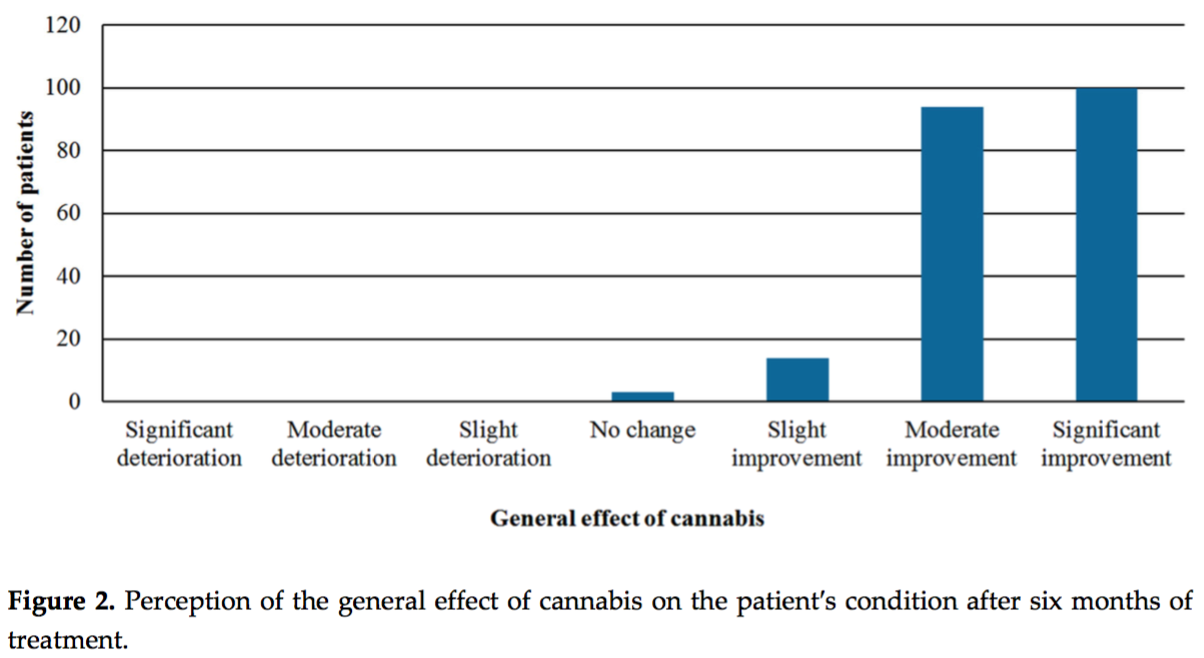
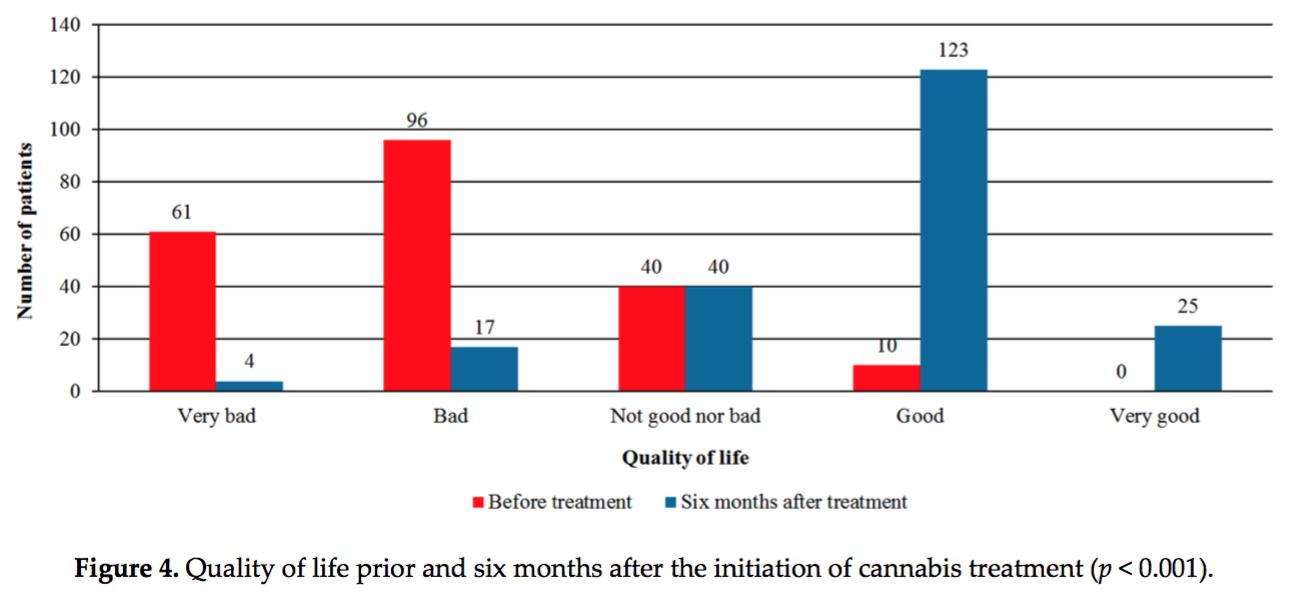
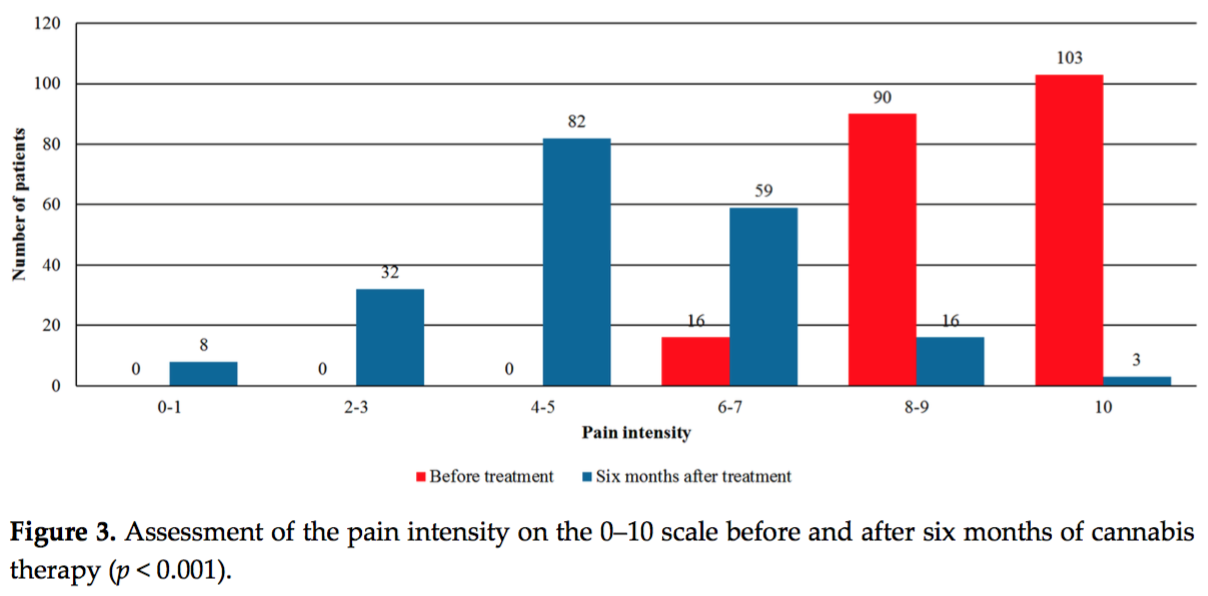
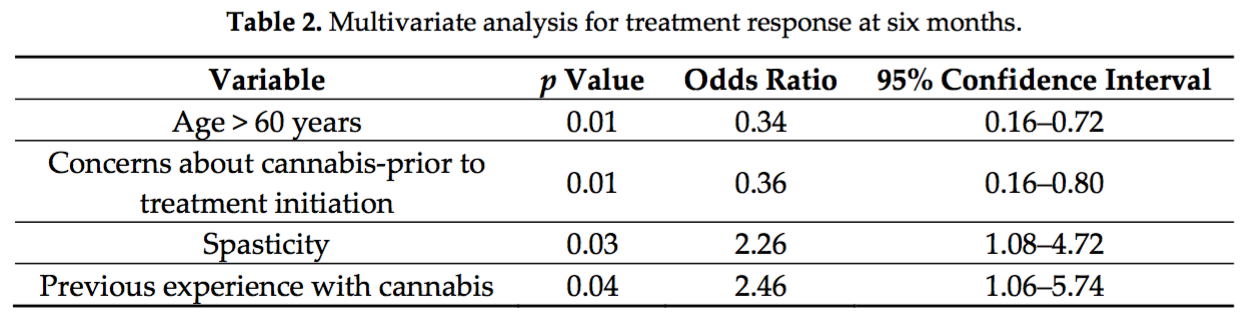
A recent study has concluded that cannabis is a safe and effective treatment for patients suffering from fibromyalgia symptoms.
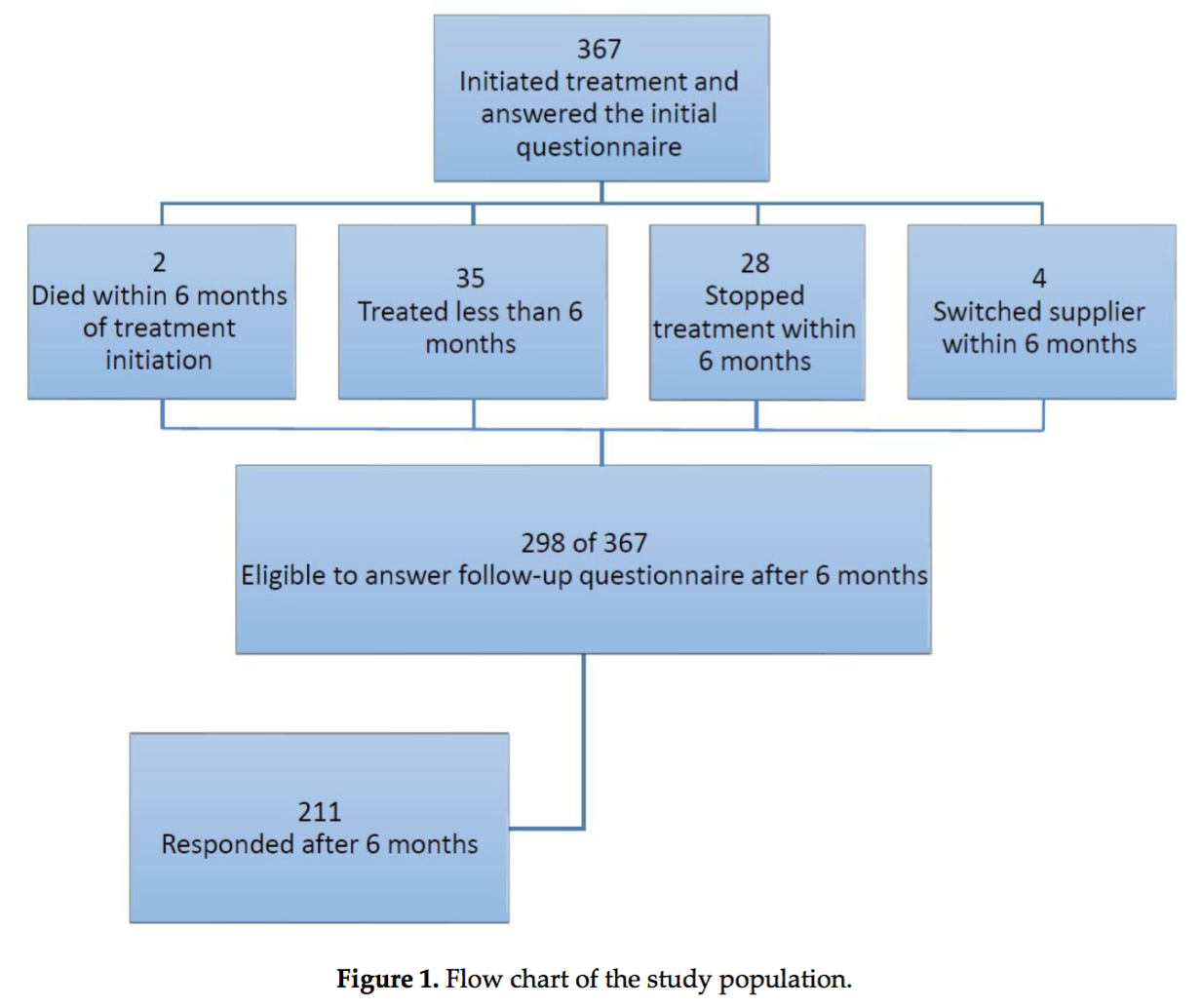
Fibromyalgia is a disorder characterized by widespread pain, fatigue, and issues sleeping. Cannabis is well known for its ability to treat pain, especially in lieu of opioids as the side effects are minimal and the risk of addiction minimal. This study found that over 200 patients were greatly benefited by cannabis as it moderated their pain and improved their mood. Future studies should aim to directly compare cannabis-based treatment with the currently accepted methods of fibromyalgia treatment to validate efficacy.
This study highlights how beneficial cannabis can be for those patients who are treatment-resistant for the general treatment of most disorders, especially when pain is involved. Cannabis has been proven to be much safer than opioids, and yet our lack of complete information, concerning the exact mechanisms of the endocannabinoid system and how different cannabinoids act on those mechanisms severely limits our ability to offer practical, novel therapies. Cannabis has previously been shown to be beneficial for treatment-resistant forms of epilepsy and depression, which holds promise when continuing to look for novel treatments for other disorders that have proven difficult to treat.
A report published by the British Journal of Psychiatry in 2001 demonstrates the progress the medical community has made but also what gaps still need to be filled in when utilizing cannabis. This report found that excess consumption of cannabis leads to feelings of panic and anxiety and that 15% of those willing to respond to a survey experienced acute psychotic symptoms. It was also found that cannabis dependence can occur, as well as withdrawal, which can last for close to a week. This article was a review that synthesized relevant studies but also claimed that the casual conclusions of these papers were difficult to find or replicate.
This paper is interesting given its age considering it put out what was current data but then ended by stating the casual conclusions of each paper may not stand. 18 years later, some of the data has stood, and some have not. Users can gain a tolerance to cannabis but many are looking to mitigate it. The author uses the word dependence when discussing cannabis which is a word that holds weight and is up for debate. Intoxicating cannabinoids, like THC, affect the reward center, but non-altering cannabinoids, such as CBD, tend to work more noticeably outside of the brain, although all have mixed effects in both regions. Cannabinoids are not all the same, apply quite differently to various ailments, and have divergent effects. Blanketing an entire crop with a misinformed warning label seems irresponsible and unduly harsh. Users or those looking into cannabis-based medicine are encouraged to do their research.
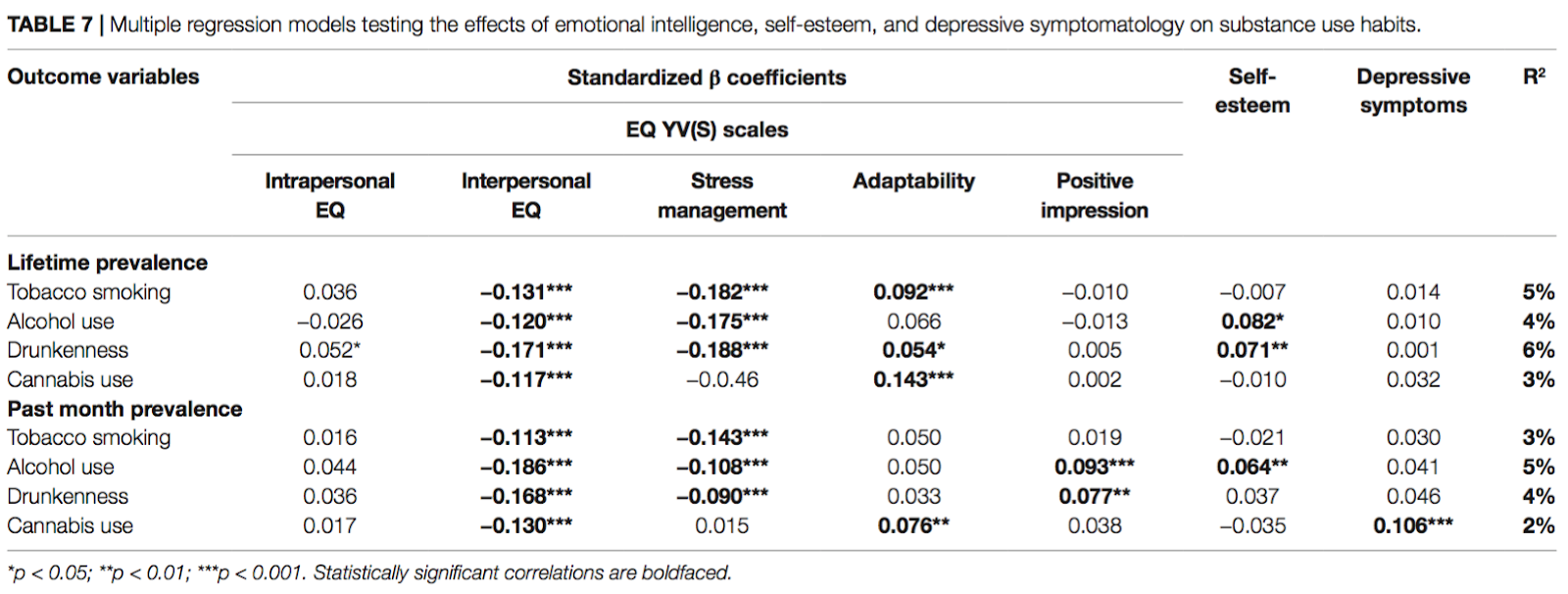
The Effects of Trait Emotional Intelligence on Adolescent Substance Use- Findings From a Hungarian Representative Survey
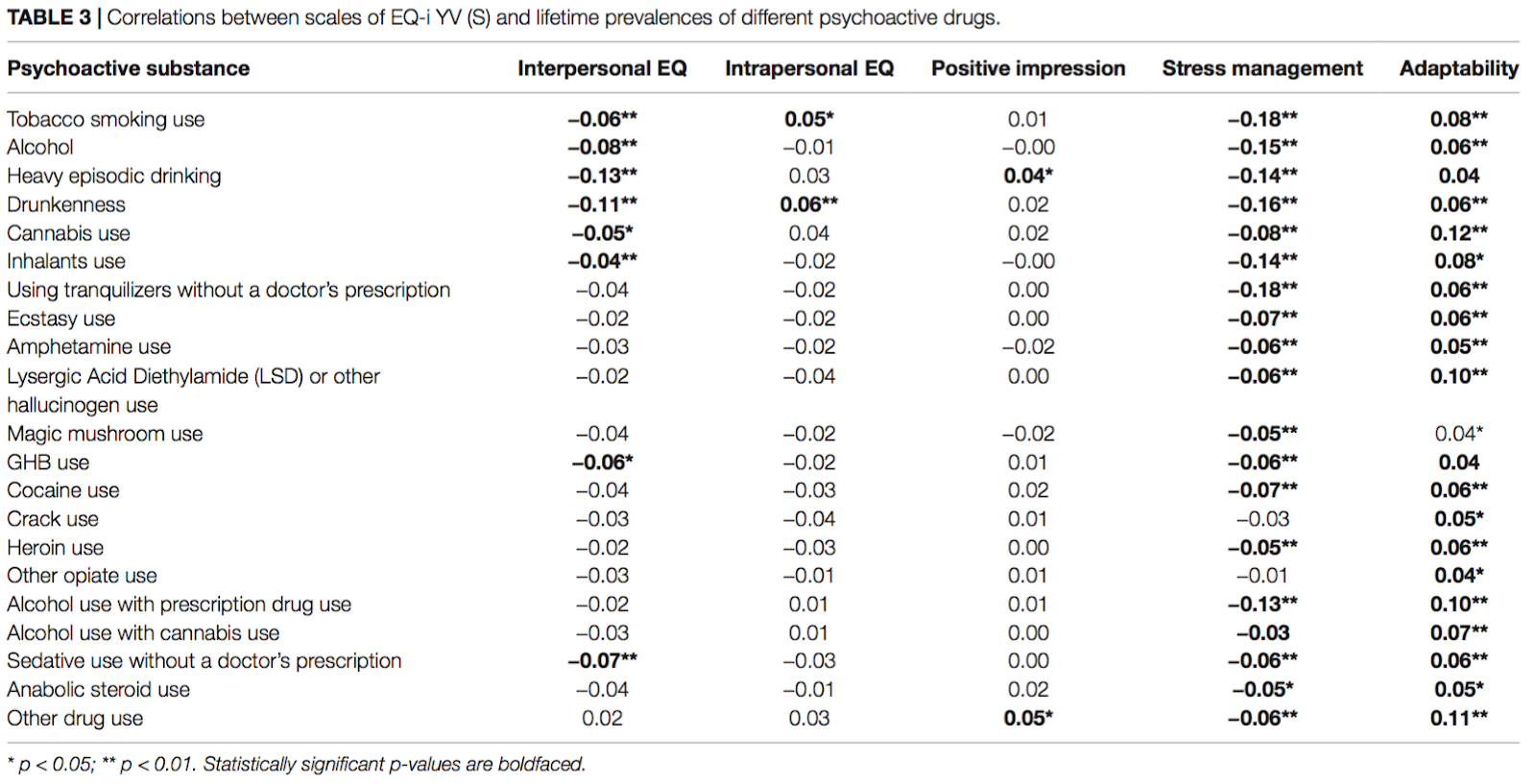
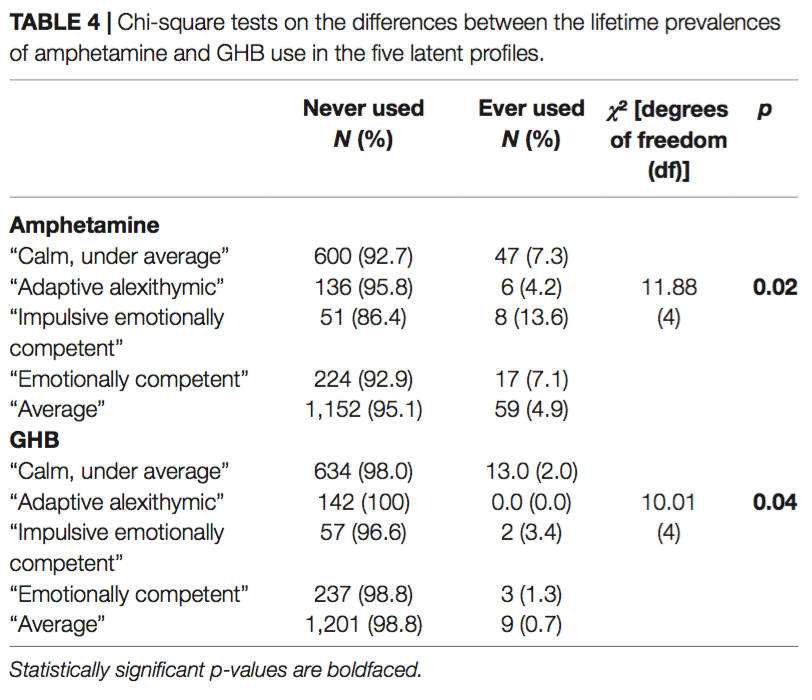
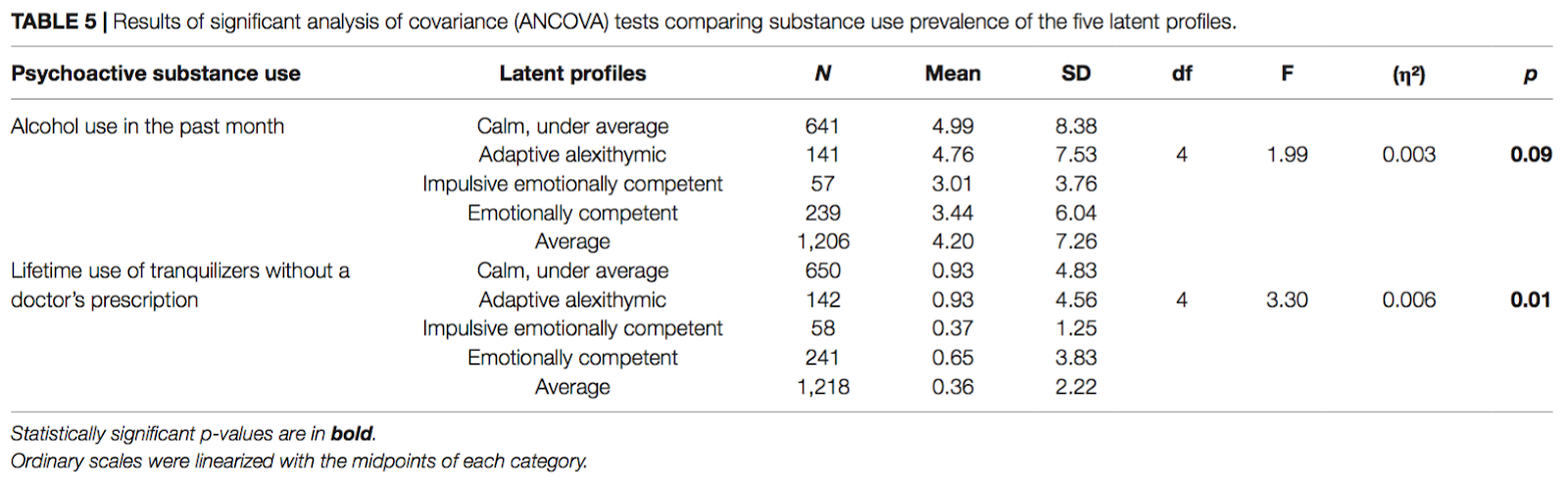
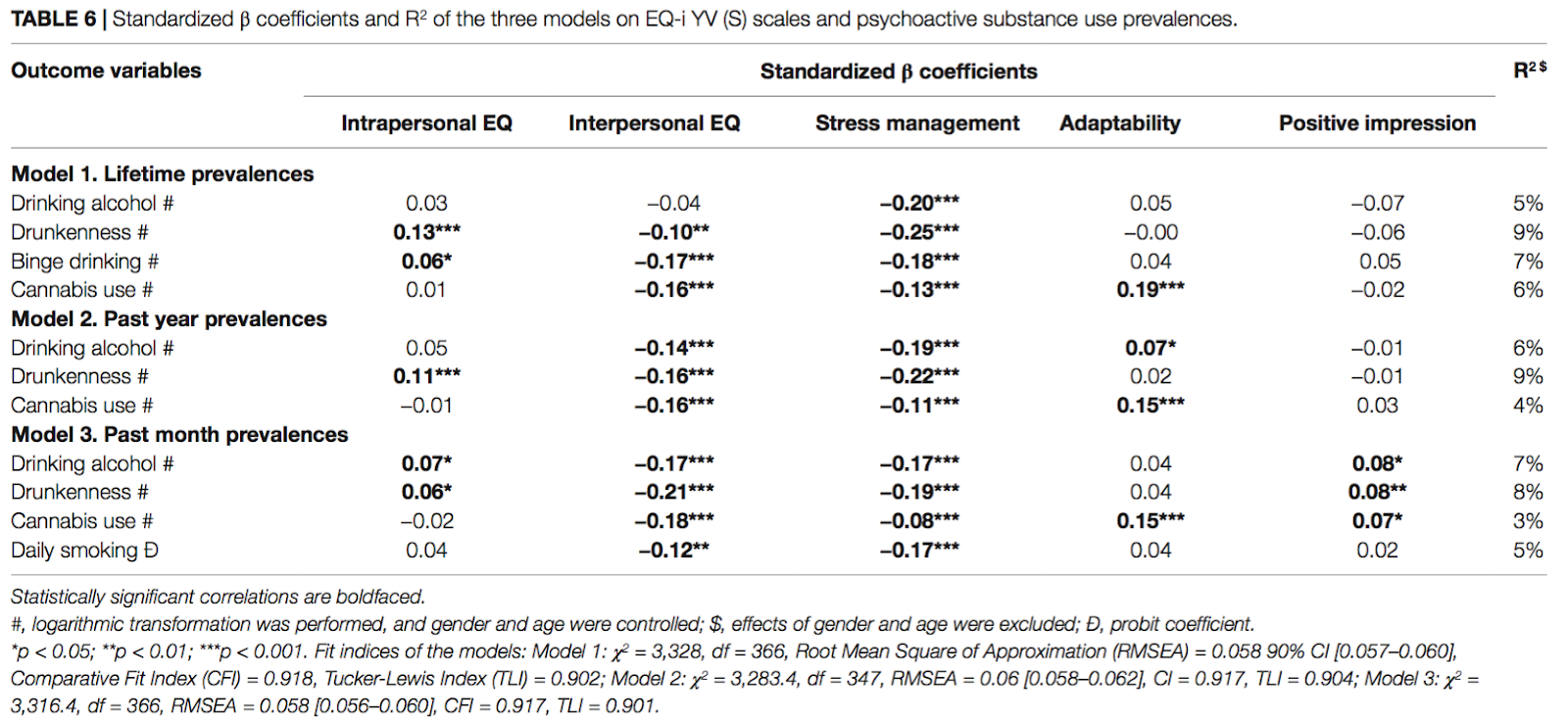
A recent study has revealed that teenagers who have a difficult time managing stress and appear to lack empathy were more likely to abuse tobacco, alcohol, and cannabis.
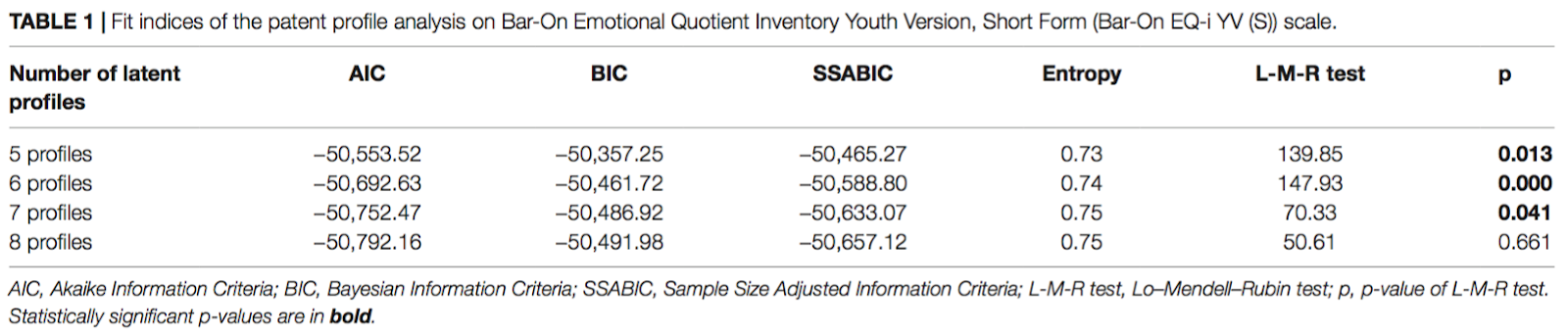
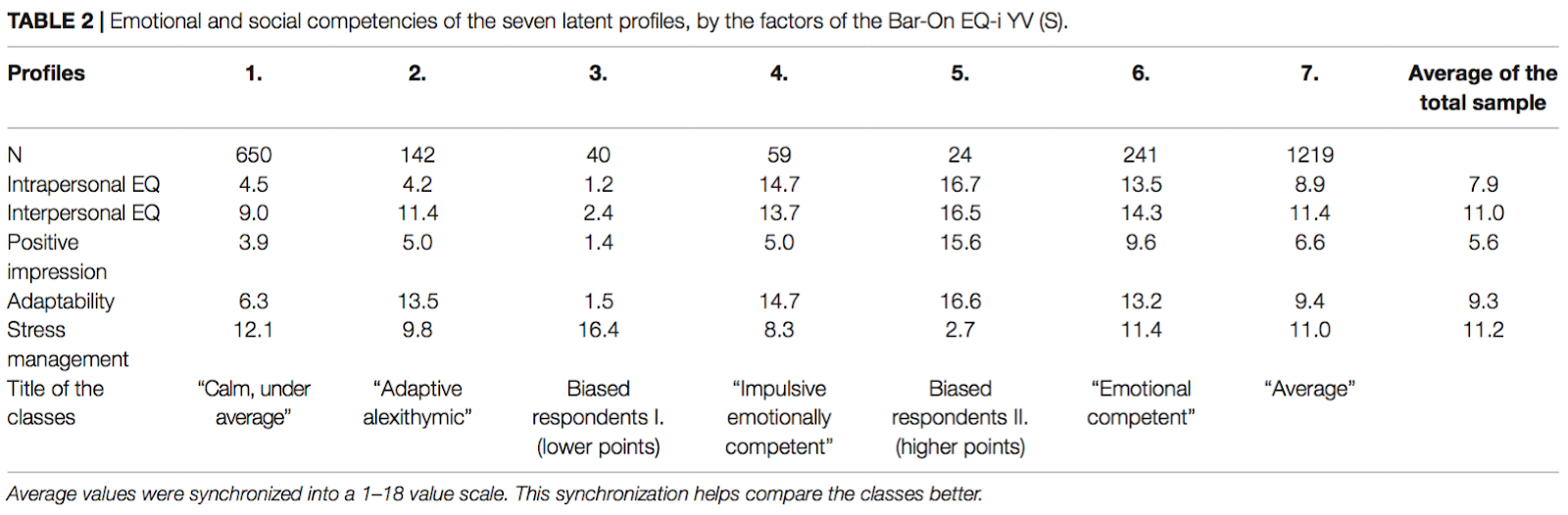
The studies initial goal was to determine if emotional intelligence could predict future drug abuse, but found that those with more empathy and interpersonal competencies were less likely to engage in substance abuse. This study provides data that may help to develop targeted drug prevention programs in order to lessen adolescent drug abuse or the development of any future substance abuse disorders.
Highlighted in this study was the possible inaccuracy of the conclusions as the results may have been skewed by teenagers merely providing what they thought was a socially acceptable answer. Despite the fact that the majority of states have legalized the use of medical marijuana a stigma against cannabis use remains.
Stigma has and continues to stand in the way of medical research. If the consumption of cannabis were less frowned upon then perhaps more observational studies, studies that relied on self-reporting use, or even appropriate medical treatment, would be improved. The more information that can be gathered, the more accurate the research that can be conducted. In order to fully understand all the benefits and limitations of cannabinoids, although this also applies to tobacco and alcohol consumption, the uninformed stigma must also be eroded.
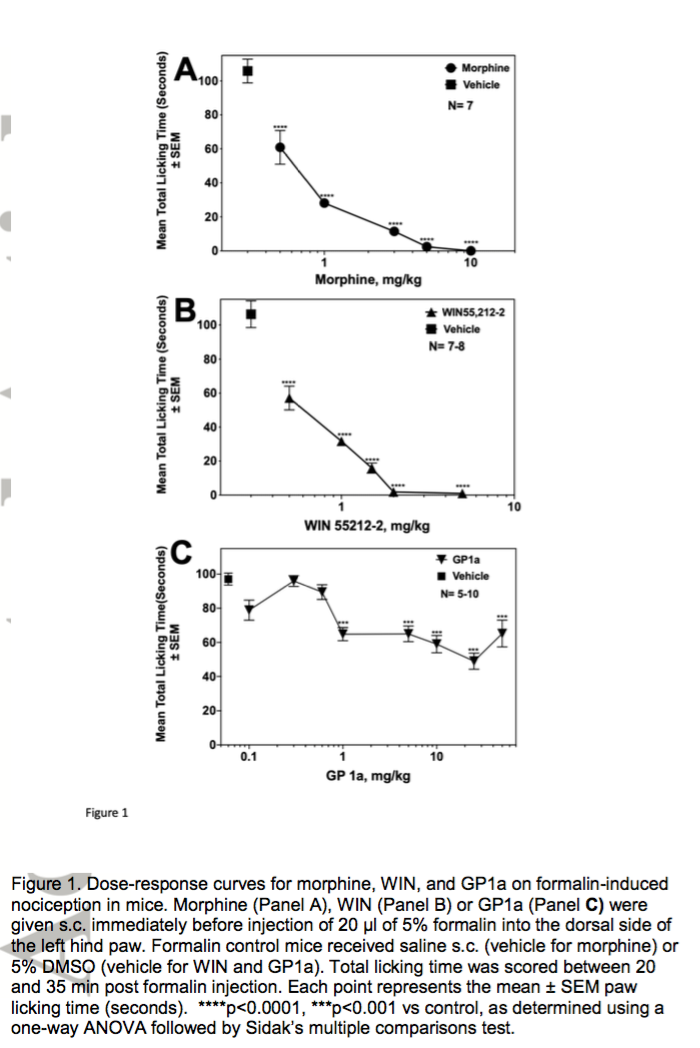
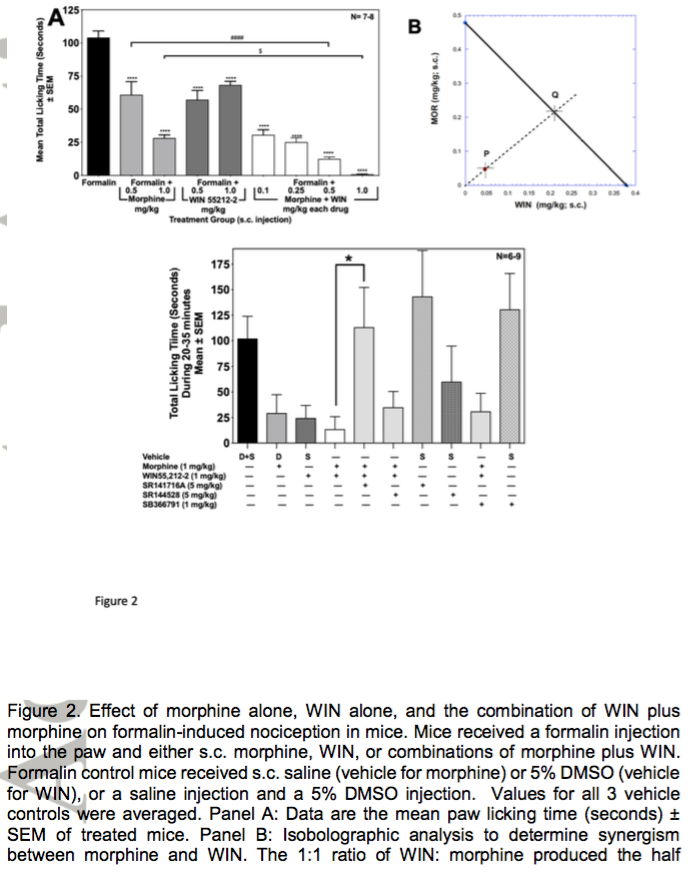
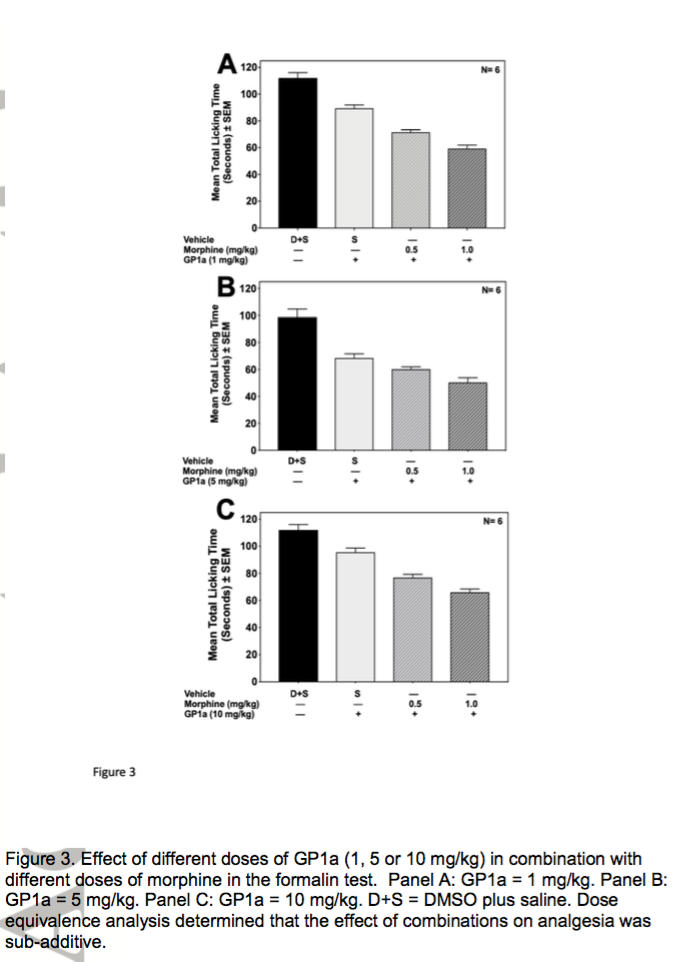
Opioid-Sparing Effects of Cannabinoids on Morphine Analgesia- Participation of CB1 and CB2 Receptors
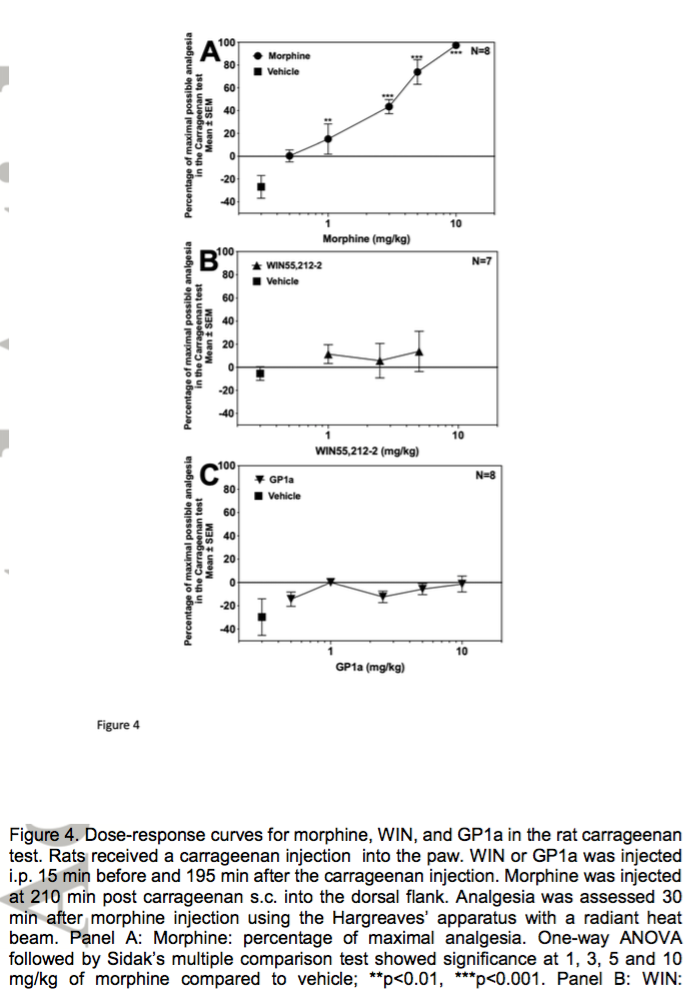
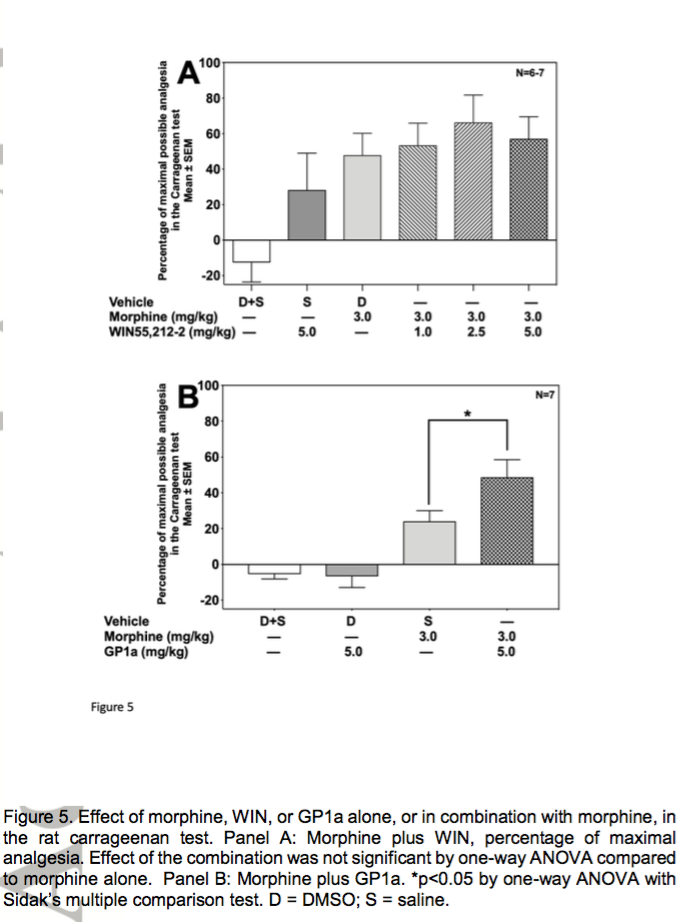
Researchers have recently provided evidence that synthetic cannabinoids are able to work synergistically with morphine to provide maximum pain relief while limiting opioid doses.
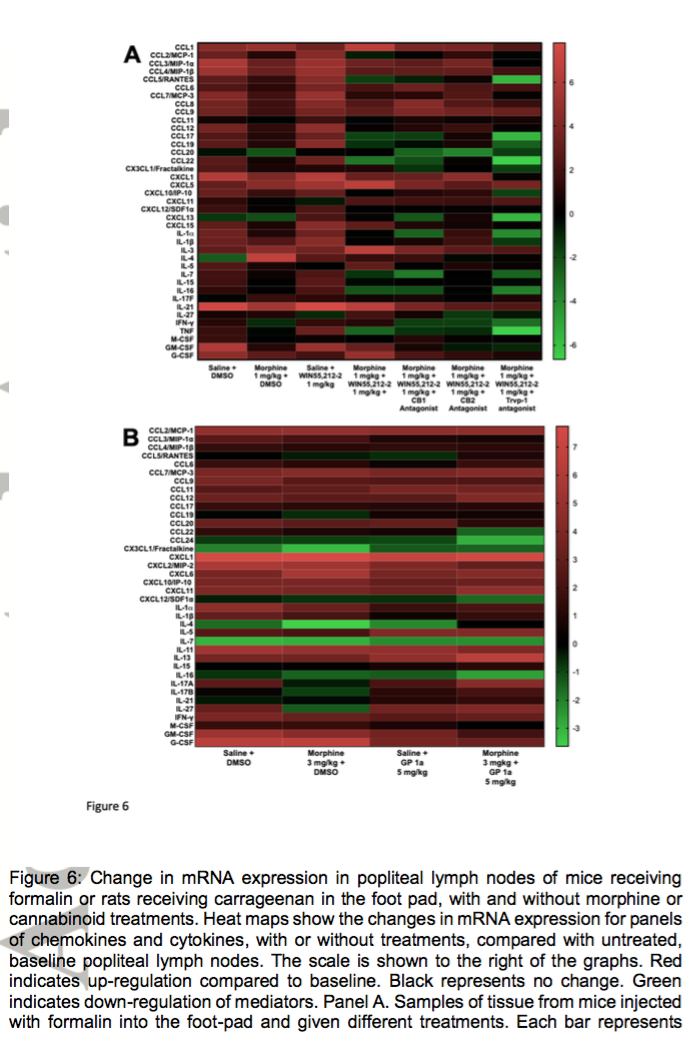
In an effort to control the current opioid epidemic researchers have been looking into the possible benefits of cannabinoids due to the interaction of the opioid and endocannabinoid systems. The results of this study showed that various synthetic cannabinoids (WIN and GP1a) were able to work synergistically with morphine in two separate pain models to maximize analgesic effects. Further evidence is still needed to validate these claims before patient use, but this paper provides further evidence that medical cannabis may help put an end to the opioid crisis.
Highlighted in this paper is the lingering uncertainty of exact mechanisms within the endocannabinoid system. The authors of this article are left without definite answers as to whether or not the analgesic effect is mediated completely through cannabinoid receptor 1 (CB1) or if cannabinoid receptor 2 (CB2) is also involved. Research into cannabinoids is slow within the United States, as there are currently only privately funded studies. This severely limits the medical community from a full understanding. The better a system is understood, the more concrete answers can be found. Critics may never support the rescheduling of cannabis but without moving cannabis to a Schedule II or III, it remains impossible to back even their claims.
A 2018 literature review summarizes the various ways patients can consume cannabis (orally, topically, etc.) and the pain reductions associated with each method. The review focuses on the treatment of multiple sclerosis, cancer, anorexia, arthritis, and other painful disorders.
“The study, published in the Journal of Psychoactive Drugs, which looked at 1,000 people taking legalized marijuana in an American state found that among the 65% of people taking cannabis for pain, 80% found it was very or extremely helpful.”
“82% of these people being able to reduce, or stop taking over the counter pain medications, and 88% being able to stop taking opioid painkillers.”
“74% of the 1,000 interviewees bought it to help them sleep – 84% of whom said the marijuana had helped them, and over 83% said that they had since reduced or stopped taking over-the-counter or prescription sleep aids.”
“The study adds weight to the theory that widening access to medical cannabis could lower the use of prescription painkillers, allowing more people to manage and treat their pain without relying on opioid prescription drugs that have dangerous side effects.”
“This is backed up with other research that shows that states with medical cannabis laws have a 6.38% lower rate of opioid prescribing and that Colorado’s adult-use cannabis law is associated with a relative reduction in opioid overdose death rate from 1999 to 2010.”
“”Nonsteroidal anti-inflammatory drugs (NSAIDs) such as ibuprofen cause GI bleeding or kidney damage with chronic use. Paracetemol (Acetaminophen) toxicity is the second most common cause of liver transplantation worldwide, and is responsible for 56,000 ER visits, 2600 hospitalizations, and 500 deaths per year in the U.S.”
To explore related information, click the keywords below:
Benjamin Caplan, MD80%: Cannabis extremely helpful for pain; 82%: helped reduce or stop over-the-counter medications; 88% able to stop taking opioid painkillers
Dr. Ernest found that 82% of her epileptic patients found cannabis treatment helpful, but she also found that many of them were unaware of the doses they were taking or the levels of THC and CBD. Doctors and patients alike need to learn about dosing to maximize their health benefits http://bit.ly/2J29kkB
To explore related information, click the keywords below:
Benjamin Caplan, MDPatients are Unclear on Cannabis Dosing
A recently published article serves as a call for research to be conducted to discover how cannabis could impact the management of bipolar disorder (BD). Presented in the article is a full review of the advantages and disadvantages of cannabis-based medicine in the treatment of BD and provides insight into possible mechanisms might affect the pathophysiology of the disorder. The insights listed within the article provide the rationale for examining the endocannabinoid system, specifically the cannabinoid receptor 2, with the hopes of finding therapeutic targets for mood control associated with BD.
Tennessee is yet another state looking to regulate hemp effectively, and a proposed solution to this is on-the-go testing kits to determine THC levels in hemp products. If executed well, this could prevent many from being charged with possession of cannabis and save money in the courts and prison systems http://bit.ly/2ISjm7V
To explore related information, click the keywords below:
Benjamin Caplan, MDRegulation of hemp in Tennessee