All posts tagged: THC

Consuming CBD with THC Decreases Systemic Availability of THC

Title: Model-based analysis on systemic availability of coadministered cannabinoids after controlled vaporized administration 

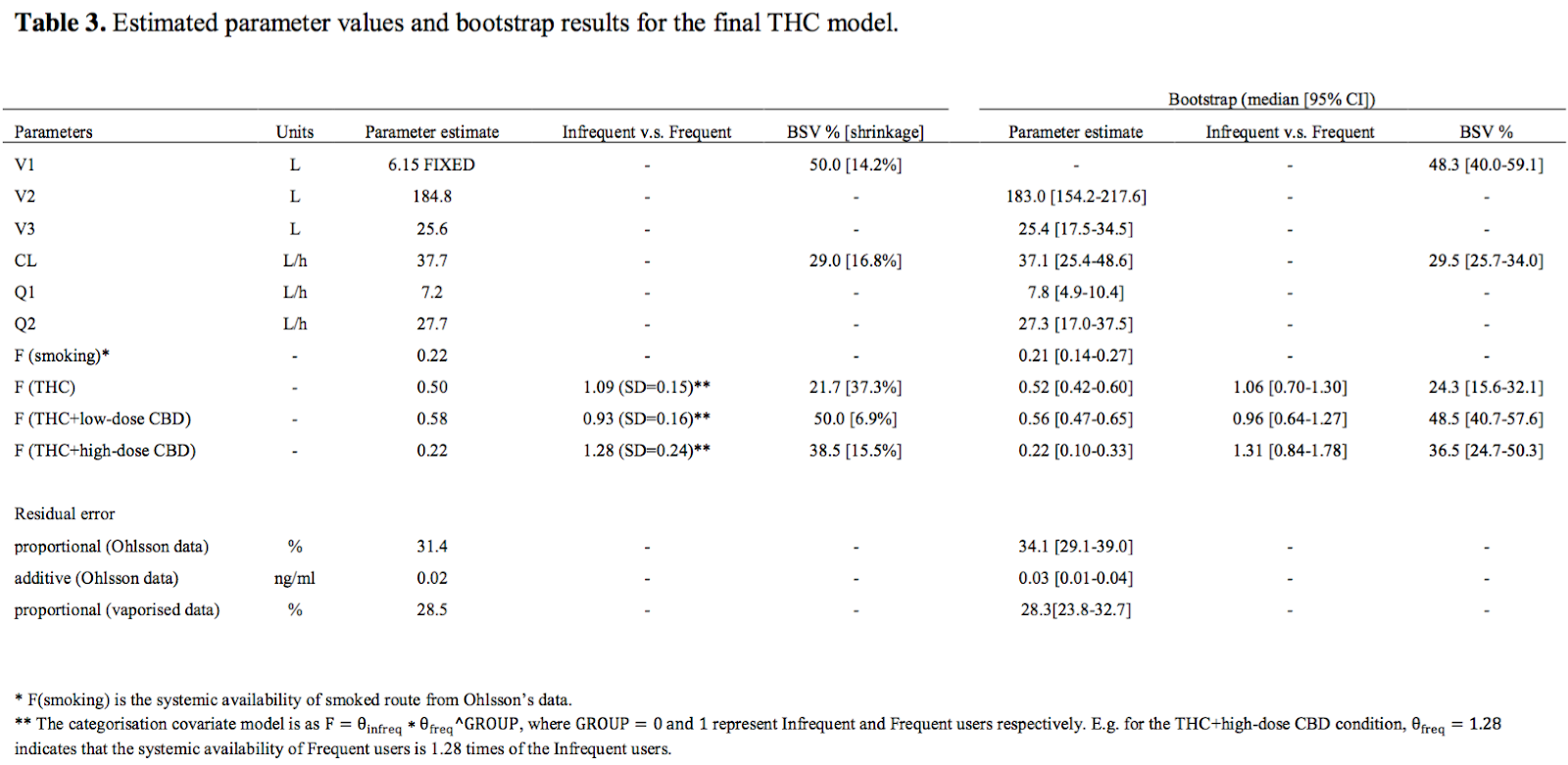
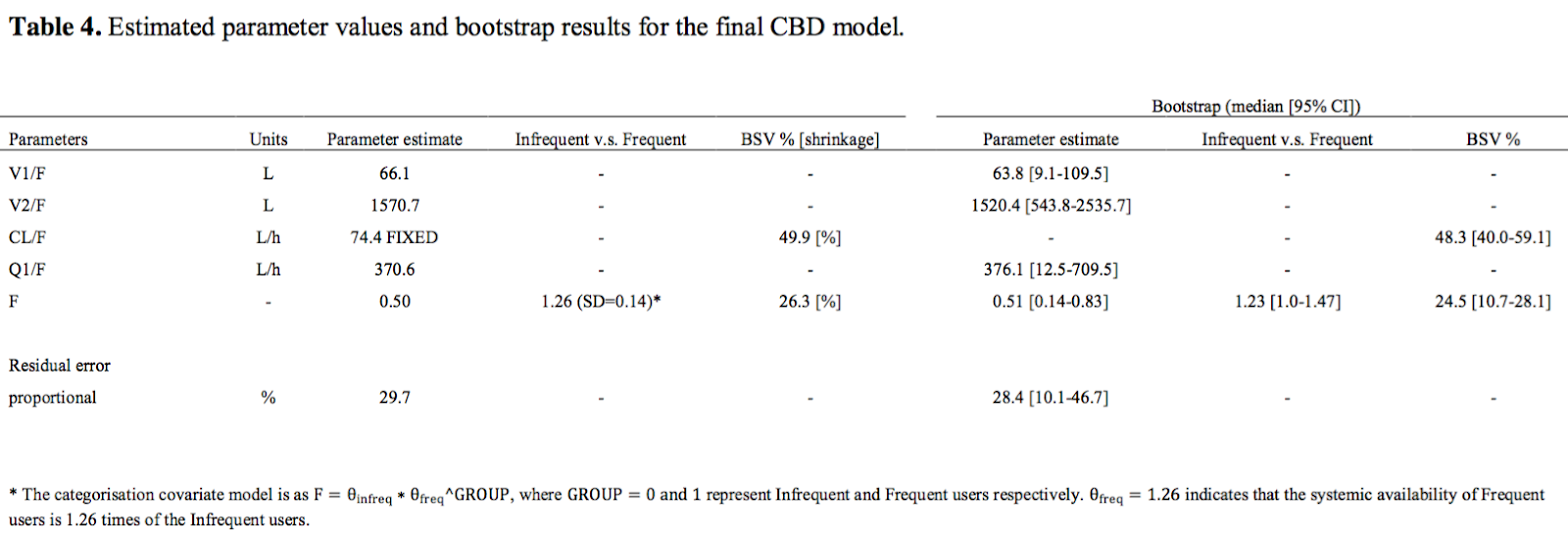
A new study revealed findings that vaporizing cannabidiol (CBD) with ∆-9-tetrahydrocannabinol (THC) lowers the systemic availability of THC.

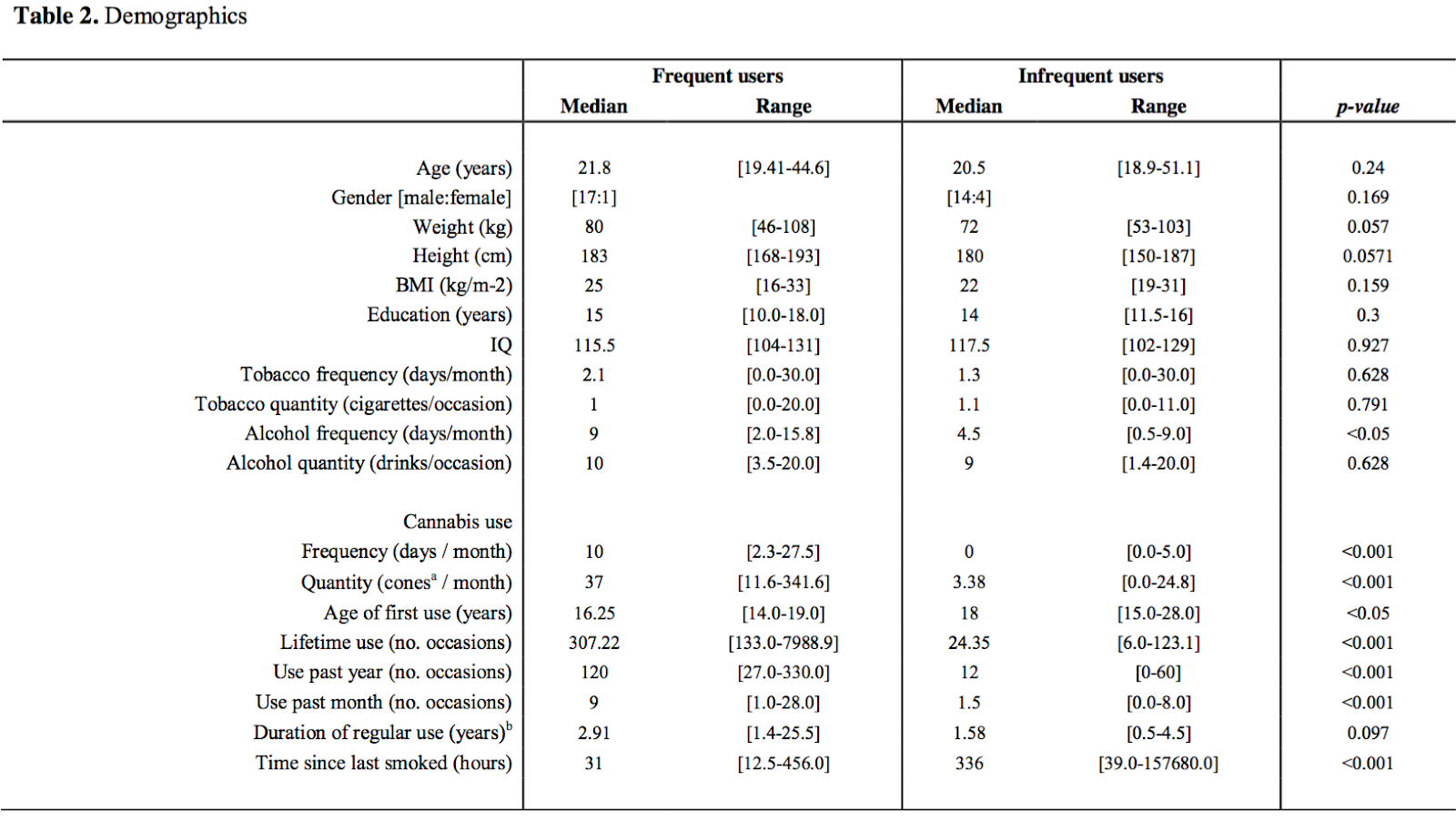
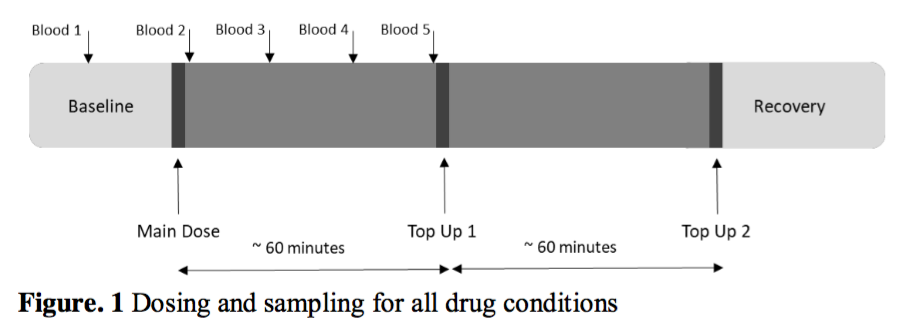
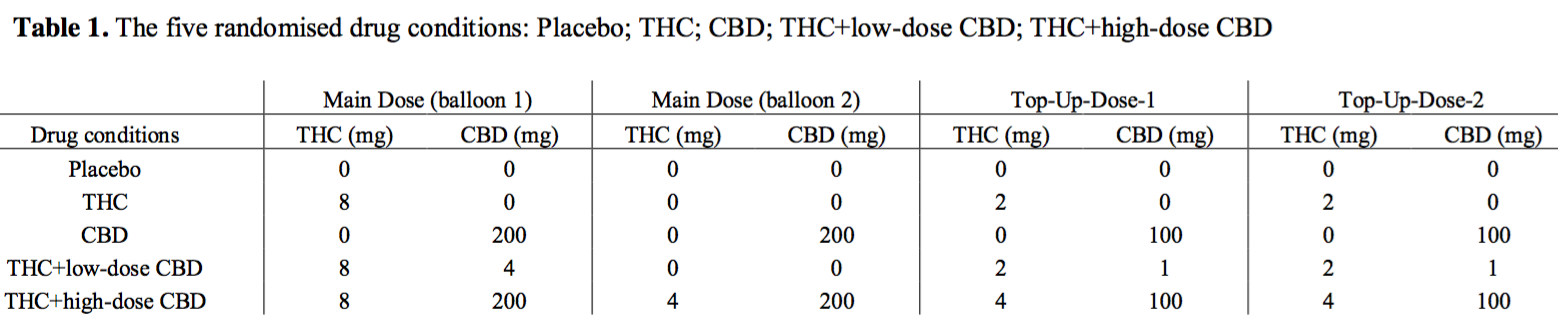
Researchers analyzed the blood plasma level of CBD and THC in a randomized, double-blind study, and found that those who inhaled a high dose of CBD were found to have lower levels of THC. Frequent cannabis users were found to have only minorly decreased levels of THC in their plasma when high doses of CBD was coadministered. Future studies should be conducted to examine the validity of these results for other consumption methods. 

This work highlights how those who have consumed too much THC can combat some of the symptoms associated with THC by consuming CBD. Occasionally, cannabis users may overindulge in THC and feel anxiety, panic, or dizziness. One of the best ways to combat such overindulgence (and lower the effects of THC) is to consume a high dose of CBD. Other, non-cannabis related, methods are also commonly recommended, such as relaxation or food with high levels of the terpenes caryophyllene and limonene. When using cannabis it’s important to start low and go slow in order to minimize the possibility of overindulgence. 
View this review (yellow link) or download:

This paper is also stored here:   http://bit.ly/2xNCHkw      inside the CED Foundation Archive

To explore related information, click the keywords below:
Benjamin Caplan, MDConsuming CBD with THC Decreases Systemic Availability of THC
read more

The Current Research on Cannabis-Alcohol Interactions and Risk Factors for Using Them Together

Title: Cannabis and Alcohol- From Basic Science to Public Policy

This new analysis summarizes the most recent preclinical trials and epidemiological studies concerning the interactions between cannabis and alcohol, as well as possible risk factors for co-use. Specific risk factors, such as frequency of use or belonging to particular groups, were found to be significant within studies (but not across separate studies.) The compiled data reveals that previous research is inconsistent and emphasizes the need for further research to elucidate at-risk populations.  


This article highlights a few secondary findings which all focus on the gaps in our knowledge concerning cannabis, of which there are many. There may be potential concerns with the integration of cannabis into modern culture, which has essentially normalized alcohol consumption. Future research will undoubtedly evaluate these concerns, and highlight potential advantages that cannabis consumption may offer as an alternative option.

View this review (yellow link) or download:

This paper is also stored here:   http://bit.ly/2Jt1Nfa      inside the CED Foundation Archive

To explore related information, click the keywords below:
Benjamin Caplan, MDThe Current Research on Cannabis-Alcohol Interactions and Risk Factors for Using Them Together
read more

A Call for More Research: Adolescent Cannabis Use and Mental Health Risks

Title: Adolescent Cannabis Use and Risk of Mental Health Problems – The Need for Newer Data

Here, an article presenting a case, justifying the need for new research to determine how cannabis use in adolescents may affect their risk for mental health. Few recent studies have come out discussing mental health and adolescent use. This is problematic because, over the years, cannabis products have been curated to be significantly more potent than in the past. Considering how vulnerable the brain is, during adolescence, because it is still developing, longitudinal studies need to be conducted to fully elucidate the effects of cannabis on development. 


This review highlights how poorly adolescents consuming cannabis seem to be at titrating their dose, or correctly self-regulating consumption of cannabis. There is an overall need for greater education before cannabis is acquired, from a dispensary or otherwise. For adults and teens seeking to self-regulate their use of cannabis, irrespective of the consumption method, it is difficult to succeed, considering the gross lack of knowledge and sophistication around the dosage. The wide variability in choice and make-up of cannabis products, added to the complexity associated with how each patient may process the myriad of cannabinoids within the products consumed leads to a complexity of confounding variables, and here, a call for more studies to be conducted on more than just adolescents. 

View this review (yellow link) or download:

This paper is also stored here:   http://bit.ly/2XGXNLC      inside the CED Foundation Archive

To explore related information, click the keywords below:
Benjamin Caplan, MDA Call for More Research: Adolescent Cannabis Use and Mental Health Risks
read more

Incidents of Driving Under the Influence of Drugs Reveals A Need for Stricter Regulations

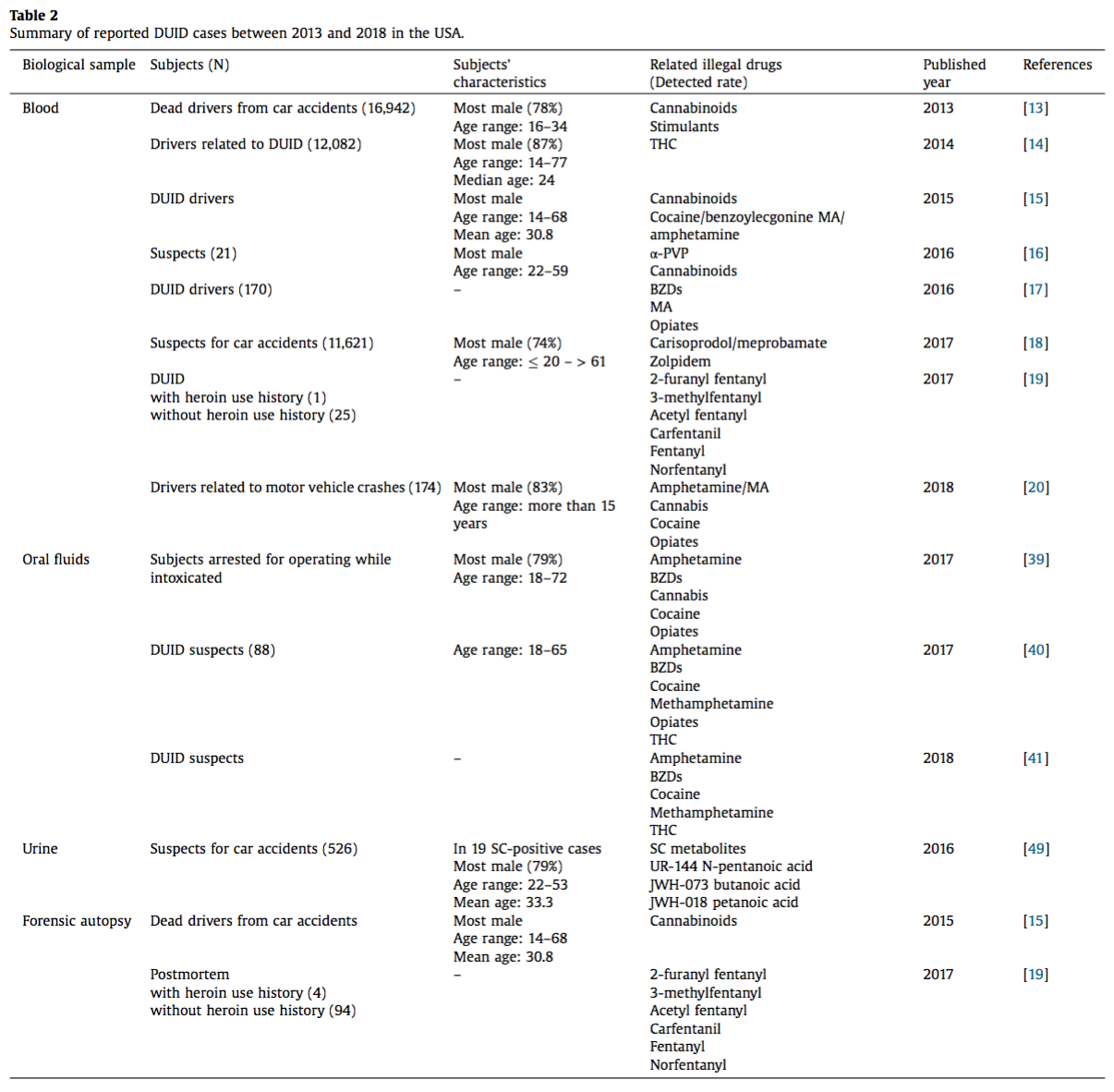
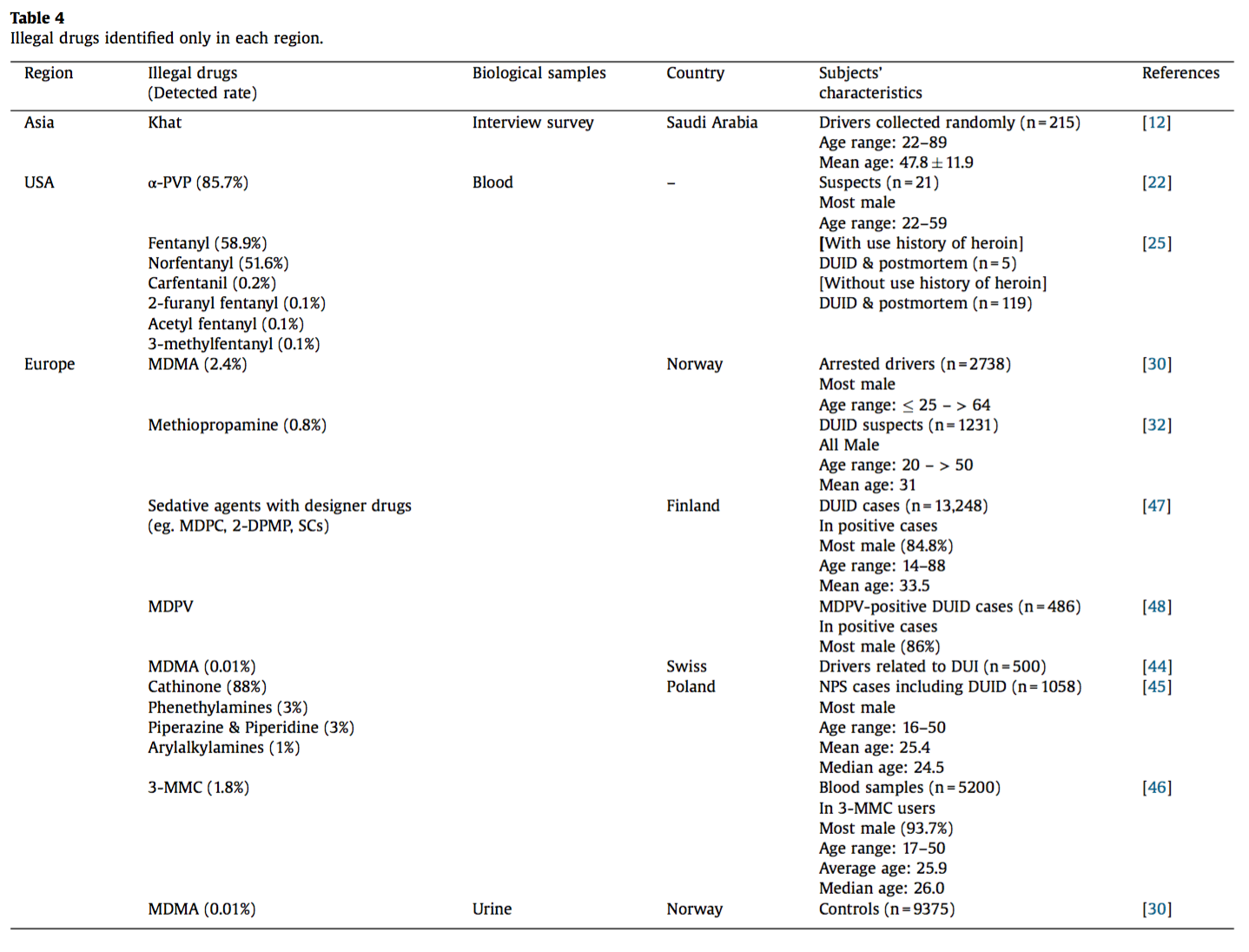
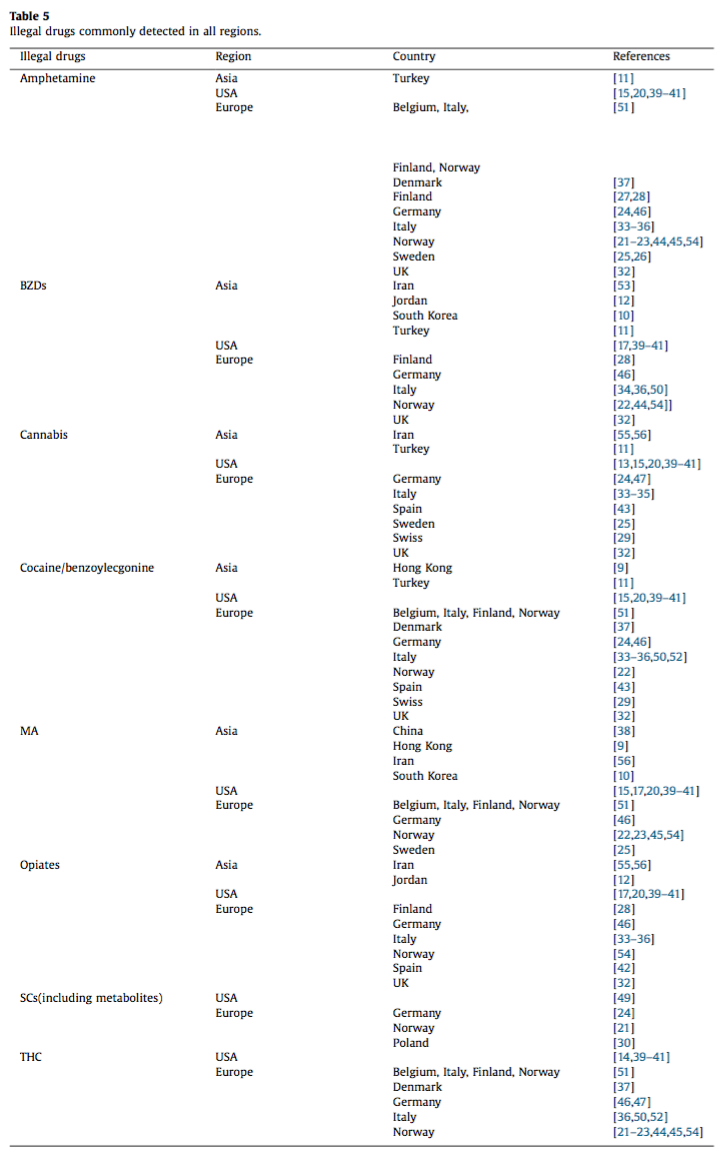
Title: A review of drug abuse in recently reported cases of driving under the influence of drugs (DUID) in Asia, USA, and Europe

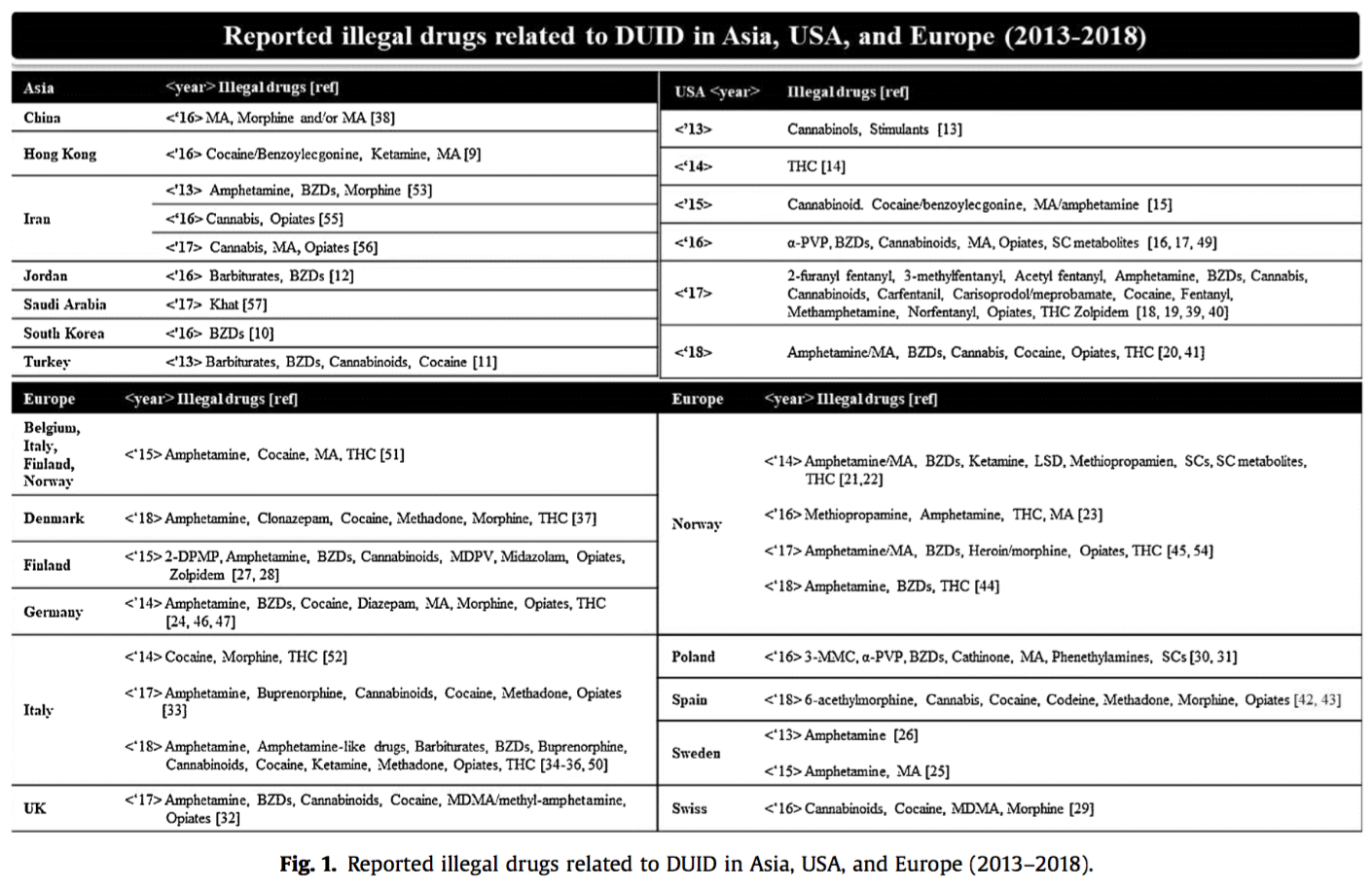
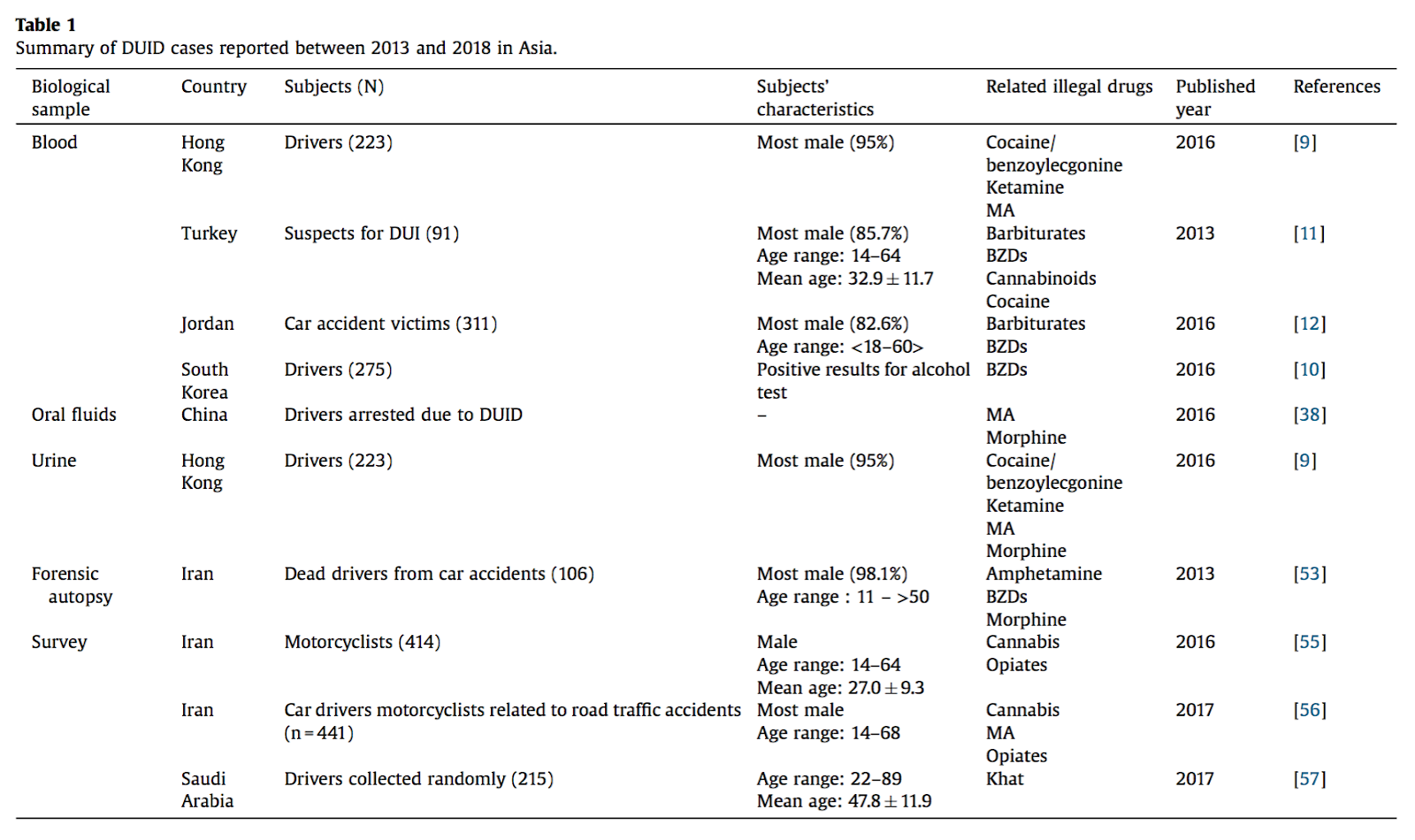
A recent literature review has found that the current driving regulations in Asia, Europe, and the US have not prevented cases of driving under the influence of drugs. The authors observed steady trends of incidences of driving under the influence in all three regions, despite legislature specifically enacted against such actions. In the literature, there is a consistent recommendation that drivers should be regularly tested, especially in the case of an accident, in order to gather more data on the role of drugs in traffic accidents. 


This review highlights the different illicit drugs that contribute to traffic accidents, depending on the region of the world. Cannabis is legal in certain areas of Europe, whereas it is still considered an illicit substance here in the US, and many other locations, worldwide. Looking at the differences in severity or circumstance of the accidents between the type of illicit drug used may provide data to create more beneficial regulations for each country. As the legal status of cannabis continues to evolve, and it becomes more common to find drivers on the road who have consumed a minimal amount of cannabis, new screening techniques will likely be developed to help the culture establish what it considers an “acceptable amount” of blood-borne cannabinoids to be.

View this review (yellow link) or download:

This paper is also stored here:    http://bit.ly/2JucMot     inside the CED Foundation Archive

To explore related information, click the keywords below:
Benjamin Caplan, MDIncidents of Driving Under the Influence of Drugs Reveals A Need for Stricter Regulations
read more

Maintain a Balanced Diet when Consuming Oral Cannabidiol

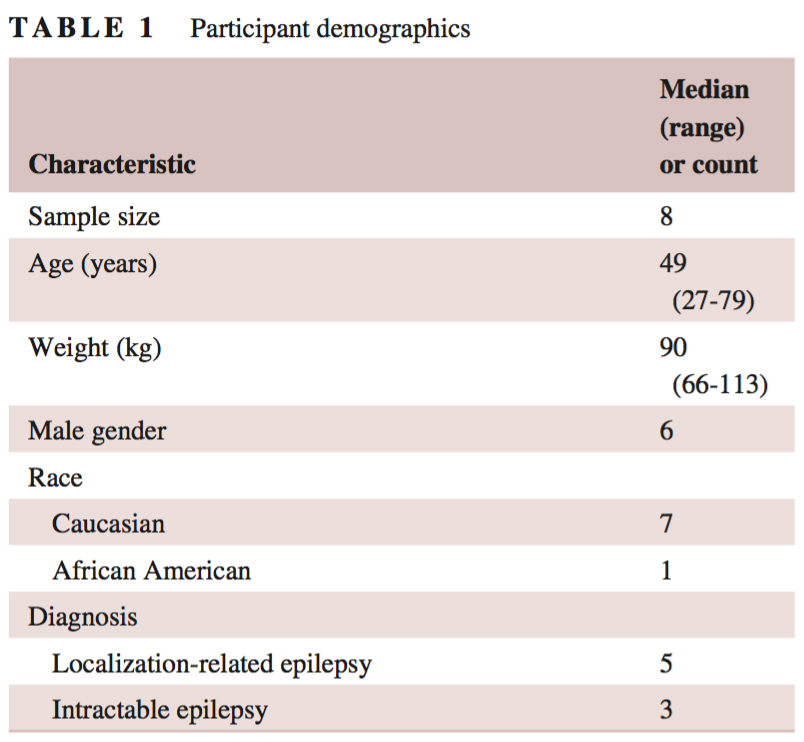
Title: Food effect on pharmacokinetics of cannabidiol oral capsules in adult patients with refractory epilepsy

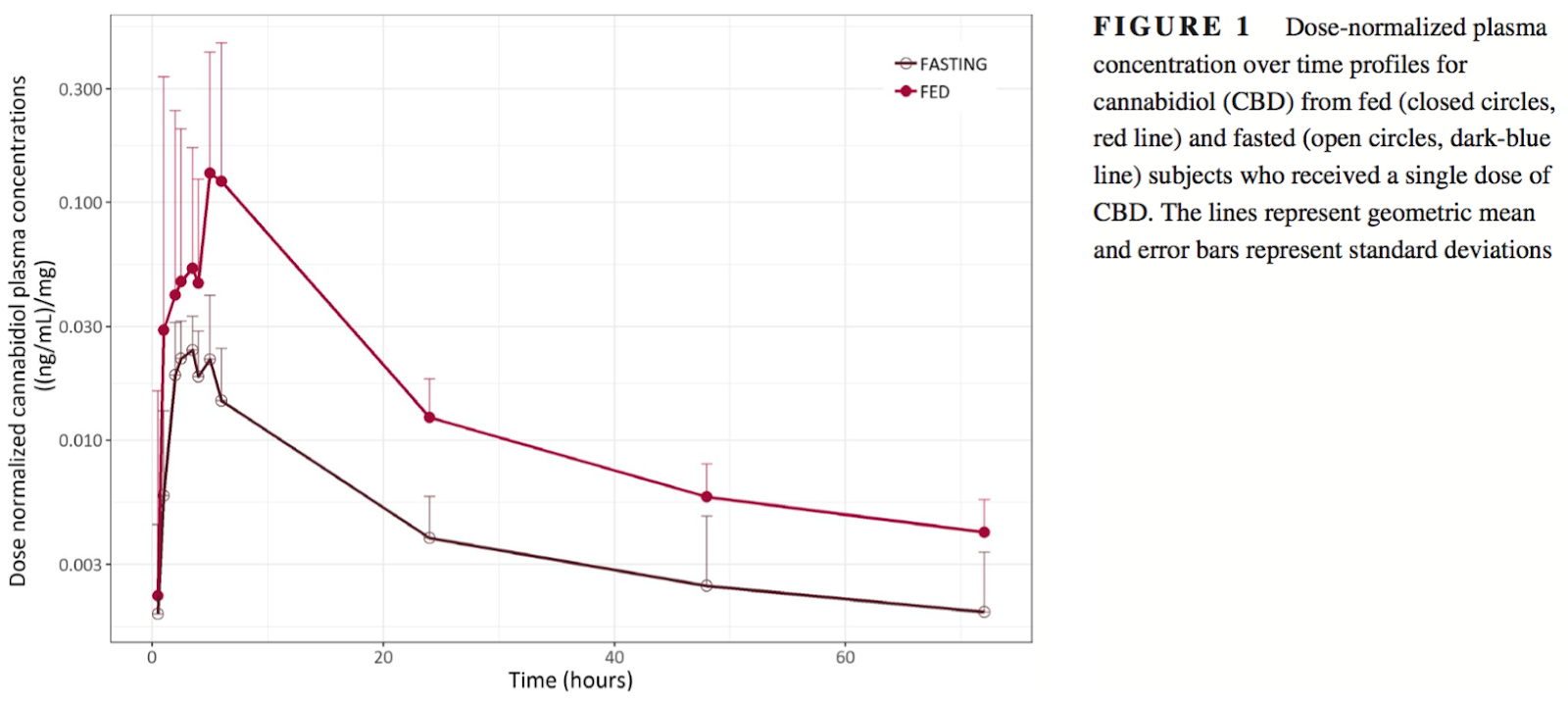
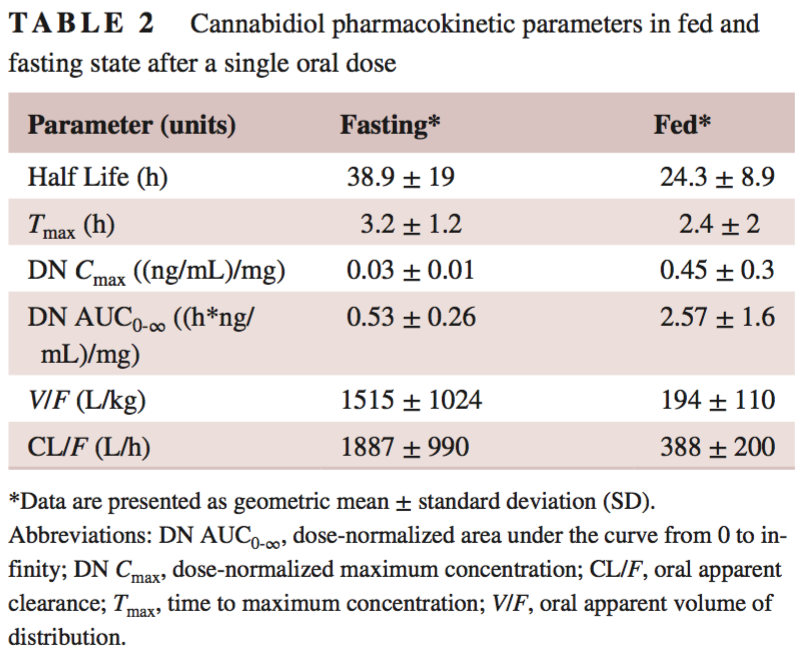
Researchers have recently revealed the importance of maintaining a balanced diet, when consuming cannabidiol (CBD). Consuming oral capsules containing CBD may be a more consistent method of consumption than blending CBD into liquids or solid foods, but unfortunately, capsules do not prevent a high degree of potential fluctuation of dosing. The fat content of a meal may vary widely, and so may change the active concentrations of CBD which become active in the bloodstream. In other words, the effects felt by a consumer may be either stronger or weaker, and differ in duration, related to the method of consumption, and the product make-up taken. Patients considering CBD as a therapeutic intervention, who also want a consistency of effect, would be wise to be mindful to maintain a diet with a balanced amount of fat (oils, butter, etc.) when consuming CBD capsules. 


This article highlights the variation of effects felt when altering consumption methods. For example, edibles and inhaled cannabinoids of the same dosage have extremely different effects, because of how they are processed in the body processes. When inhaled, tetrahydrocannabinol (THC) diffuses across structures in the lungs known as alveoli, and are then transmitted to circulate throughout the bloodstream. Edibles introduce THC into the system by first metabolizing with liver enzymes, resulting in an altered metabolite of THC circulating throughout the body. This subtly-altered metabolite of THC can be more potent than the starting material, although the onset is delayed due to the process of consumption, digestion, and metabolism. All consumers would do well to research their consumption method of choice and proceed carefully when switching between methods. 

Tweet: Researchers have recently revealed the importance of maintaining a balanced #diet when consuming #cannabidiol (#CBD). Learn more at

View this review (yellow link) or download:

This paper is also stored here:    http://bit.ly/2Ju8KfY     inside the CED Foundation Archive

To explore related information, click the keywords below:
Benjamin Caplan, MDMaintain a Balanced Diet when Consuming Oral Cannabidiol
read more

False Memory Formation Does not Differ between Cannabis Users and Controls

Title: False memory formation in cannabis users- a field study

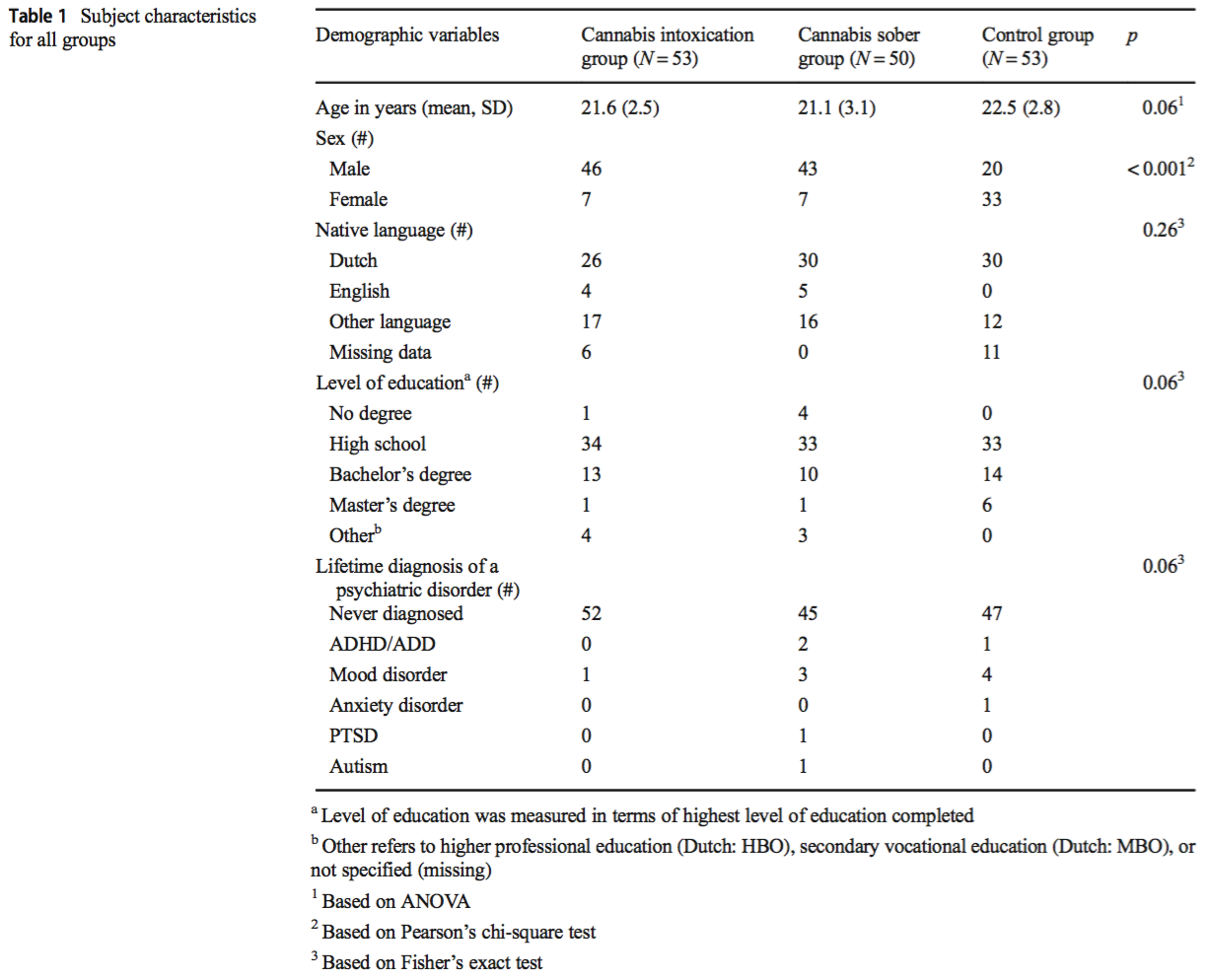
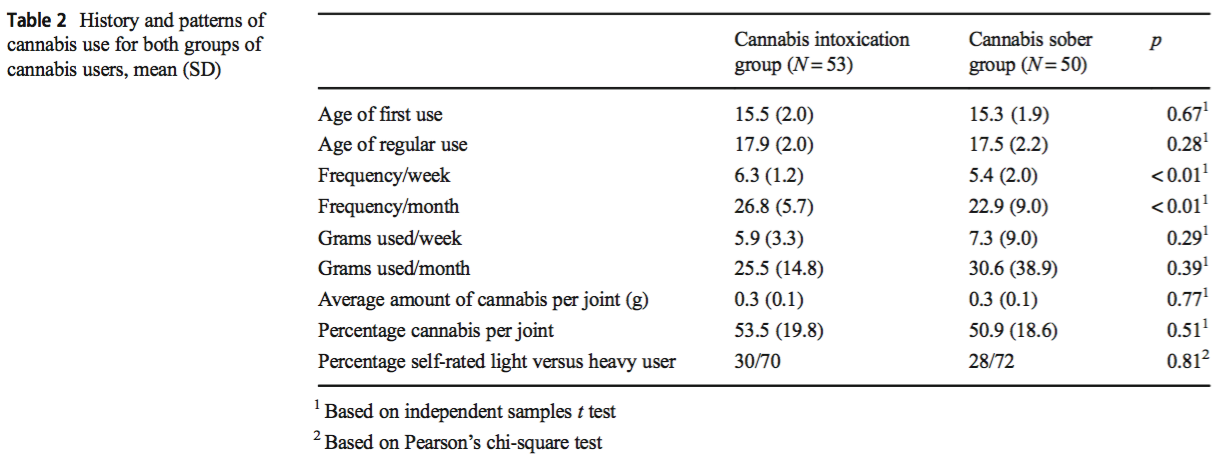
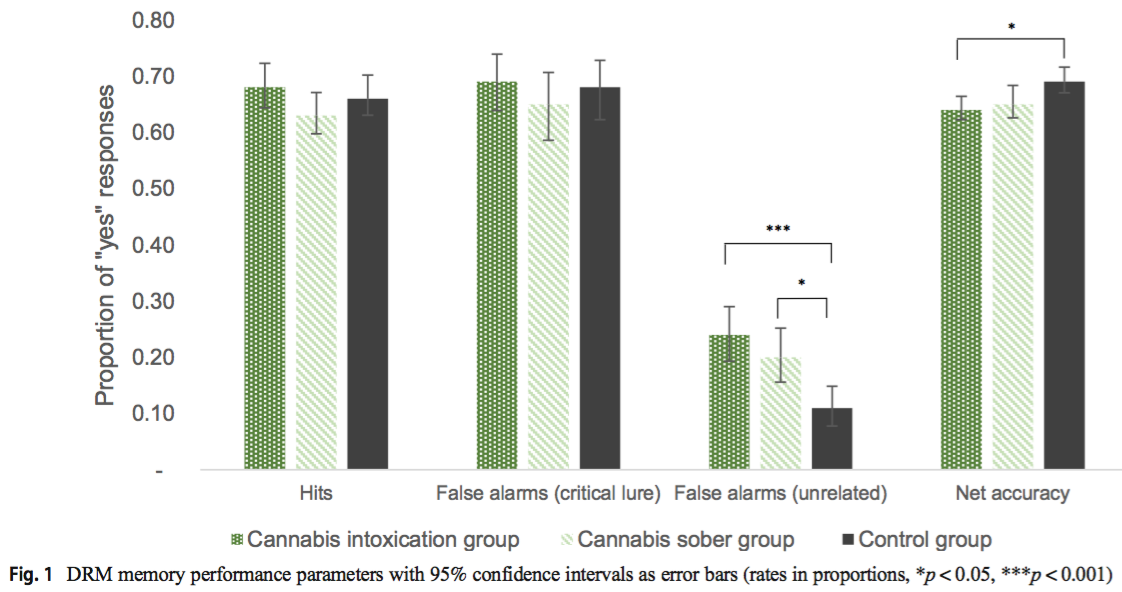
This new study has revealed that although cannabis use does not increase the rate of false memory acquisition, cannabis use did increase the uncertainty of participants. It was also determined that intoxicated cannabis users were less accurate when recognizing true events, providing evidence that cannabis intoxication hinders memory formation.

This research provides a basis of knowledge for those interviewing people under the influence of cannabis for legal proceedings to determine the validity of their statements. If cannabis intoxication increases the uncertainty and liberal answers provided by users then their statements should be used sparingly or well-corroborated. 


This research highlights the importance of understanding cannabis for legal proceedings. More and more state governments are legalizing medical and recreational cannabis, each year, increasing the amount of those eligible to legally consume cannabis. As cannabis use continues to climb in popularity, witnesses or others interviewed in legal settings may not provide the most accurate information. Acute cannabis use should be a consideration related to legal proceedings so that the users’ statements can be weighed appropriately.  

View this review (yellow link) or download:

This paper is also stored here:     http://bit.ly/2Jt6eWY    inside the CED Foundation Archive

To explore related information, click the keywords below:
Benjamin Caplan, MDFalse Memory Formation Does not Differ between Cannabis Users and Controls
read more

Video: Medical Cannabis Around the Globe & Across Centuries

Throughout the ages, from health & wellness, religious rituals, and textile applications to the entertainment and social elements, cannabis has been a vital part of multiple sectors of human culture.

For millions, the modern cannabis revival is a welcome return home to a core element that has been missing for years.


View this review (yellow link) or download:

This paper is also stored here:     http://bit.ly/2l4Vgxq    inside the CED Foundation Archive

To explore related information, click the keywords below:
Benjamin Caplan, MDVideo: Medical Cannabis Around the Globe & Across Centuries
read more

More Research Needed to Determine Impacts of Cannabis Use During Pregnancy

Cannabis Use in Pregnancy

With rates of cannabis use during pregnancy more than doubling between 2002 and 2017, a need for more studies, over longer periods of time, which investigate prenatal cannabis use has emerged. Existing data ranges from reporting an increased risk for preterm birth and low birth weight to cannabis reducing the risk of preeclampsia and gestational diabetes during pregnancy. Concerns are historically informed by preliminary alcohol and cocaine studies that falsely suggested no gestational harm, despite the eventual recognition that these substances ultimately carry significant risk. Pregnant women should exercise caution in their cannabis use until more definitive conclusions are found, regarding maternal cannabis use.

The decision of where, if anywhere, cannabis fits in relationship to pregnancy is populated with more questions than answers. There are a handful of good quality, long-term studies, to date, that show a pattern that informs some degree of generalization: by and large, the less frequently consumed, and the later during the pregnancy the consumption, the less potential risk. But, for the sake of any pregnant woman and her baby, this type of decision should always be made in direct consultation with the obstetrician supporting the pregnancy.

Additional Point: A lack of high-quality studies relating to cannabis use and gestational risk has resulted in conflicting evidence surrounding prenatal cannabis use. However, historical context involving prenatal alcohol and cocaine use studies informs the need to exercise caution before definitive conclusions are made

View this review (yellow link) or download:

This paper is also stored here:     http://bit.ly/2FUQXfp    inside the CED Foundation Archive

To explore related information, click the keywords below:
Benjamin Caplan, MDMore Research Needed to Determine Impacts of Cannabis Use During Pregnancy
read more

Supplementing Antipsychotics with CBD Enhances Psychotic Symptom Treatment

Cannabidiol (CBD) as an Adjunctive Therapy in Schizophrenia: A Multicenter Randomized Controlled Trial

Most schizophrenia medications function by blocking the action of the dopamine D2 receptor and effectively treat positive psychotic symptoms, such as delusions or hallucinations, but fail to treat negative psychotic symptoms, such as lack of motivation or the lack of an ability to feel pleasure. Anecdotal evidence has pointed toward the potential for CBD to attenuate psychotic symptoms in conjunction with normally prescribed antipsychotics; additionally, CBD is not hypothesized to act on the D2 receptor, suggesting that it may afford unique advantages over anti-psychotics.

Researchers interested in further exploring this conducted the first known placebo-controlled CBD trial among schizophrenia patients. Although results did not suggest a potential for CBD to treat negative psychotic symptoms, in conjunction with antipsychotics, the CBD group experienced marked lower levels of positive psychotic symptoms. Both the placebo and CBD groups experienced equal levels of treatment-induced adverse events, suggesting that CBD is well-tolerated.

These results suggest that CBD may be effective in treating not only schizophrenia but also psychotic symptoms associated with Parkinson’s disease and THC-induced psychosis.

Additional Point: CBD has shown to act in a neuroprotective manner and reduce the psychoactive effects of THC, making it a viable option for patients who have experienced negative side effects with THC.

View this review (yellow link) or download:

This paper is also stored here:    http://bit.ly/2WztI04     inside the CED Foundation Archive

To explore related information, click the keywords below:
Benjamin Caplan, MDSupplementing Antipsychotics with CBD Enhances Psychotic Symptom Treatment
read more

Video: Cannabinoids, Internal States, and Anxiety

A new literature review summarizing the recent findings relating to cannabis and anxiety.

Researchers conclude that CBD and low-dose THC can cause relaxation and decrease anxiety and self-spun thoughts. Some studies show that high-dose THC can cause psychotic symptoms; however, studies also show that CBD can protect against those THC-induced symptoms. Therefore, using cannabis extracts with THC and CBD could be a safe way to reduce anxiety. 

View this review (yellow link) or download:

This paper is also stored here:     http://bit.ly/2JnOpss    inside the CED Foundation Archive

To explore related information, click the keywords below:
Benjamin Caplan, MDVideo: Cannabinoids, Internal States, and Anxiety
read more