All posts tagged: Science

Medicinal Value of Citrus Peels

Citrus peels waste as a source of value-added compounds: extraction and quantification of bioactive polyphenols

Previous analysis of citrus peels has demonstrated high content of biologically active polyphenols, with significant quantities of flavonoids and phenolic acids present. Both these compounds have been associated with antioxidant, anti-inflammatory, antiproliferative, anti-allergic, antiviral, anticarcinogenic, neuroprotective, and antimicrobial properties.

A recent paper points out that citrus peel waste alone makes up nearly 50% of wet fruit mass discarded as waste and proposes extraction of polyphenols to minimize waste. The bioactive substances in peels can be used in dietary supplements, cosmetics, food products, and pharmaceutical products.

Citrus peels contain significant polyphenols, compounds which have health benefits ranging from antioxidant to anticancer. Polyphenols are also found in large quantities in cannabis, undoubtedly contributing to it many of its well-known health benefits. 

Image result for citrus peel eating

View this review (yellow link) or download:

This paper is also stored here:    http://bit.ly/2F8bPja     inside the CED Foundation Archive

To explore related information, click the keywords below:

Benjamin Caplan, MDMedicinal Value of Citrus Peels
read more

Video: Cannabinoids and autoimmune diseases: A systematic review

This literature review summarizes the findings on the role of cannabis in treating autoimmune diseases. Cannabis has anti-inflammatory properties when treating rheumatoid arthritis, scleroderma, type 1 diabetes, IBD, neuropathic pain, and fibromyalgia. Below is a video adaptation of “Cannabinoids in Rheumatoid Arthritis.” 

View this review (yellow link) or download:

This paper is also stored here:  http://bit.ly/2Y1paV5       inside the CED Foundation Archive

To explore related information, click the keywords below:

Benjamin Caplan, MDVideo: Cannabinoids and autoimmune diseases: A systematic review
read more

Flavonoid Content and Antioxidant Potential of Fruits, Tubers, and Legumes in the Andean Regions of Ecuador

Chemical composition and Antioxidant Activity of the Main Fruits, Tubers and Legumes Traditionally Consumed in the Andean Regions of Ecuador as a Source of Health-Promoting Compounds

Many fruits grown in the Andean regions of Ecuador have been the center of medical and consumer interests due to their health benefits. Many plants from the region have been used, historically, as both food sources and therapeutic agents. In response to limited studies on the antioxidant capacity and bioactive compounds that make up these food sources, researchers analyzed many commonly consumed fruits, tubers, and legumes. These demonstrated high total flavonoid, phenolic, and anthocyanin content, which can contribute to high antioxidant potential. A range of antioxidant potentials exist, and many fruits possess these high antioxidant potentials.

Note: A high flavonoid content in many food sources grown in the Andean regions of Ecuador contributes to high antioxidant potential in many of these fruits, tubers, and legumes. Many plants, including cannabis, have high flavonoid content that gives them many viable therapeutic applications.

View this review (yellow link) or download:

This paper is also stored here:    http://bit.ly/2YCwqDN     inside the CED Foundation Archive

To explore related information, click the keywords below:

Benjamin Caplan, MDFlavonoid Content and Antioxidant Potential of Fruits, Tubers, and Legumes in the Andean Regions of Ecuador
read more

Between Bitter and Sweet Honey, from Algeria Mediterranean Coast, Different Flavonoid Content Contributes to Distinct Antioxidant Potentials

Characteristics of the bitter and sweet honey from Algeria Mediterranean coast

Previous research on honey and its historical use in traditional medicine has pointed toward its therapeutic application for the immune system, anemia, and heart function, among other conditions.

Two kinds of honey harvested from the Algeria Mediterranean coast, so-called poly-floral sweet honey and uni-floral bitter honey, have demonstrated their many medicinal uses. In a comparative analysis of the two kinds of honey, bitter honey had higher flavonoid content, lower sucrose content, and higher total polyphenols and tannins levels, giving it an increased antioxidant potential over sweet honey.

Additional Point: Factors including a higher flavonoid content in uni-floral bitter content gives it an improved antioxidant potential over poly-floral sweet honey. This makes for a wide variety of clinical benefits, including treatment of anemia, colon cancer, improved immune function, and more.

View this review (yellow link) or download:

This paper is also stored here:    http://bit.ly/2FXPipE     inside the CED Foundation Archive

To explore related information, click the keywords below:


Benjamin Caplan, MDBetween Bitter and Sweet Honey, from Algeria Mediterranean Coast, Different Flavonoid Content Contributes to Distinct Antioxidant Potentials
read more

In Vivo Availability of Cannabinoid 1 Receptor Levels in Patients With First-Episode Psychosis

A 2019 study found that patients with early-stage psychotic disorders had lower levels of CB1-R (Cannabinoid Receptor – 1) compared to healthy individuals. These findings suggest that targeting CB1R with cannabis-based products could potentially treat psychotic disorders. Interestingly, reductions in CB1R levels were associated with greater symptom severity and poorer cognitive functioning but only in male patients. More research is needed into the intersections of gender and psychotic disorders.

View this review (yellow link) or download:

This paper is also stored here:   http://bit.ly/2XEkpfV      inside the CED Foundation Archive

To explore related information, click the keywords below:

Benjamin Caplan, MDIn Vivo Availability of Cannabinoid 1 Receptor Levels in Patients With First-Episode Psychosis
read more

More Research Needed to Determine Impacts of Cannabis Use During Pregnancy

Cannabis Use in Pregnancy

With rates of cannabis use during pregnancy more than doubling between 2002 and 2017, a need for more studies, over longer periods of time, which investigate prenatal cannabis use has emerged. Existing data ranges from reporting an increased risk for preterm birth and low birth weight to cannabis reducing the risk of preeclampsia and gestational diabetes during pregnancy. Concerns are historically informed by preliminary alcohol and cocaine studies that falsely suggested no gestational harm, despite the eventual recognition that these substances ultimately carry significant risk. Pregnant women should exercise caution in their cannabis use until more definitive conclusions are found, regarding maternal cannabis use.

The decision of where, if anywhere, cannabis fits in relationship to pregnancy is populated with more questions than answers. There are a handful of good quality, long-term studies, to date, that show a pattern that informs some degree of generalization: by and large, the less frequently consumed, and the later during the pregnancy the consumption, the less potential risk. But, for the sake of any pregnant woman and her baby, this type of decision should always be made in direct consultation with the obstetrician supporting the pregnancy.

Additional Point: A lack of high-quality studies relating to cannabis use and gestational risk has resulted in conflicting evidence surrounding prenatal cannabis use. However, historical context involving prenatal alcohol and cocaine use studies informs the need to exercise caution before definitive conclusions are made

View this review (yellow link) or download:

This paper is also stored here:     http://bit.ly/2FUQXfp    inside the CED Foundation Archive

To explore related information, click the keywords below:

Benjamin Caplan, MDMore Research Needed to Determine Impacts of Cannabis Use During Pregnancy
read more

Supplementing Antipsychotics with CBD Enhances Psychotic Symptom Treatment

Cannabidiol (CBD) as an Adjunctive Therapy in Schizophrenia: A Multicenter Randomized Controlled Trial

Most schizophrenia medications function by blocking the action of the dopamine D2 receptor and effectively treat positive psychotic symptoms, such as delusions or hallucinations, but fail to treat negative psychotic symptoms, such as lack of motivation or the lack of an ability to feel pleasure. Anecdotal evidence has pointed toward the potential for CBD to attenuate psychotic symptoms in conjunction with normally prescribed antipsychotics; additionally, CBD is not hypothesized to act on the D2 receptor, suggesting that it may afford unique advantages over anti-psychotics.

Researchers interested in further exploring this conducted the first known placebo-controlled CBD trial among schizophrenia patients. Although results did not suggest a potential for CBD to treat negative psychotic symptoms, in conjunction with antipsychotics, the CBD group experienced marked lower levels of positive psychotic symptoms. Both the placebo and CBD groups experienced equal levels of treatment-induced adverse events, suggesting that CBD is well-tolerated.

These results suggest that CBD may be effective in treating not only schizophrenia but also psychotic symptoms associated with Parkinson’s disease and THC-induced psychosis.

Additional Point: CBD has shown to act in a neuroprotective manner and reduce the psychoactive effects of THC, making it a viable option for patients who have experienced negative side effects with THC.

View this review (yellow link) or download:

This paper is also stored here:    http://bit.ly/2WztI04     inside the CED Foundation Archive

To explore related information, click the keywords below:

Benjamin Caplan, MDSupplementing Antipsychotics with CBD Enhances Psychotic Symptom Treatment
read more

Video: Cannabinoids, Internal States, and Anxiety

A new literature review summarizing the recent findings relating to cannabis and anxiety.

Researchers conclude that CBD and low-dose THC can cause relaxation and decrease anxiety and self-spun thoughts. Some studies show that high-dose THC can cause psychotic symptoms; however, studies also show that CBD can protect against those THC-induced symptoms. Therefore, using cannabis extracts with THC and CBD could be a safe way to reduce anxiety. 

View this review (yellow link) or download:

This paper is also stored here:     http://bit.ly/2JnOpss    inside the CED Foundation Archive

To explore related information, click the keywords below:

Benjamin Caplan, MDVideo: Cannabinoids, Internal States, and Anxiety
read more

Cannabis is a Safe and Effect for the Treatment of Fibromyalgia

Safety and Efficacy of Medical Cannabis in Fibromyalgia 

A recent study has concluded that cannabis is a safe and effective treatment for patients suffering from fibromyalgia symptoms.

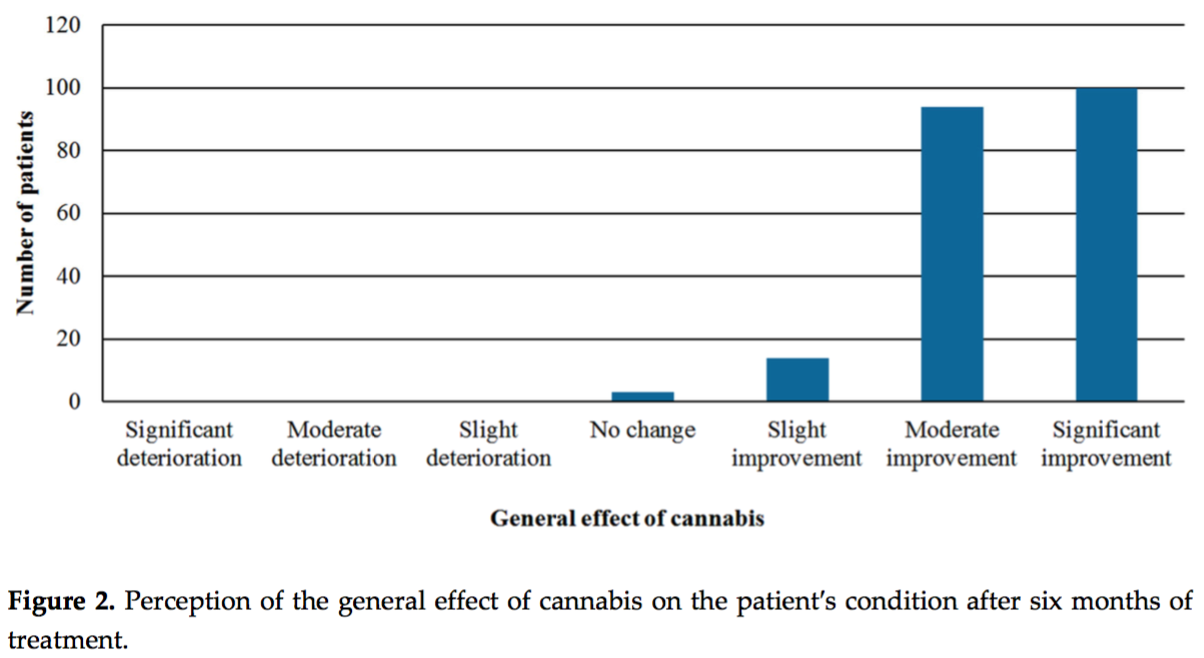
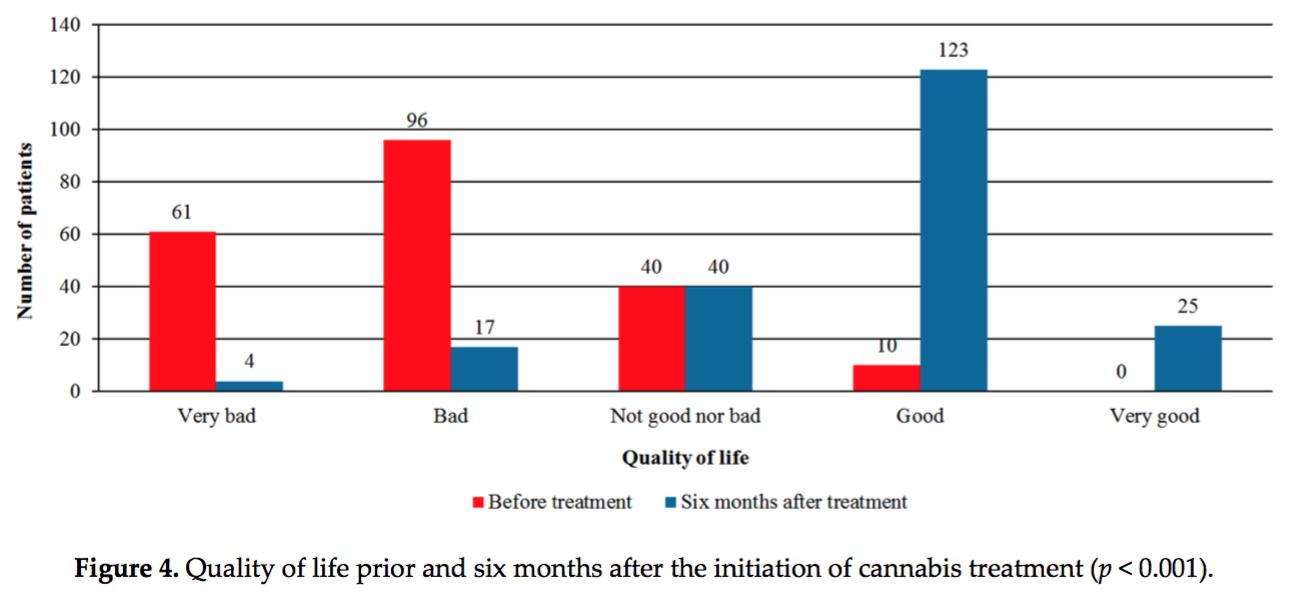
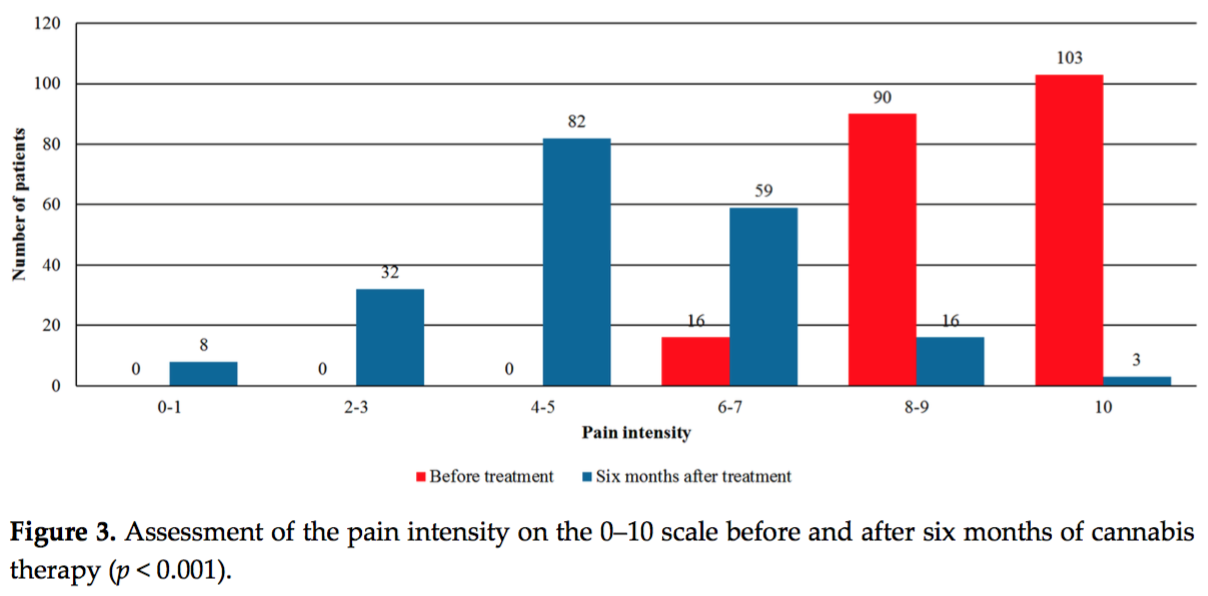
Fibromyalgia is a disorder characterized by widespread pain, fatigue, and issues sleeping. Cannabis is well known for its ability to treat pain, especially in lieu of opioids as the side effects are minimal and the risk of addiction minimal. This study found that over 200 patients were greatly benefited by cannabis as it moderated their pain and improved their mood. Future studies should aim to directly compare cannabis-based treatment with the currently accepted methods of fibromyalgia treatment to validate efficacy. 

This study highlights how beneficial cannabis can be for those patients who are treatment-resistant for the general treatment of most disorders, especially when pain is involved. Cannabis has been proven to be much safer than opioids, and yet our lack of complete information, concerning the exact mechanisms of the endocannabinoid system and how different cannabinoids act on those mechanisms severely limits our ability to offer practical, novel therapies. Cannabis has previously been shown to be beneficial for treatment-resistant forms of epilepsy and depression, which holds promise when continuing to look for novel treatments for other disorders that have proven difficult to treat. 

View this review (yellow link) or download:

This paper is also stored here:     http://bit.ly/2XpsGJr    inside the CED Foundation Archive

To explore related information, click the keywords below:

Benjamin Caplan, MDCannabis is a Safe and Effect for the Treatment of Fibromyalgia
read more

A Report on the Psychiatric Effects of Cannabis Demonstrates the Progress and the Gaps in Cannabis Knowledge

Psychiatric effects of cannabis 

A report published by the British Journal of Psychiatry in 2001 demonstrates the progress the medical community has made but also what gaps still need to be filled in when utilizing cannabis. This report found that excess consumption of cannabis leads to feelings of panic and anxiety and that 15% of those willing to respond to a survey experienced acute psychotic symptoms. It was also found that cannabis dependence can occur, as well as withdrawal, which can last for close to a week.  This article was a review that synthesized relevant studies but also claimed that the casual conclusions of these papers were difficult to find or replicate. 

This paper is interesting given its age considering it put out what was current data but then ended by stating the casual conclusions of each paper may not stand. 18 years later, some of the data has stood, and some have not. Users can gain a tolerance to cannabis but many are looking to mitigate it. The author uses the word dependence when discussing cannabis which is a word that holds weight and is up for debate. Intoxicating cannabinoids, like THC, affect the reward center, but non-altering cannabinoids, such as CBD, tend to work more noticeably outside of the brain, although all have mixed effects in both regions. Cannabinoids are not all the same, apply quite differently to various ailments, and have divergent effects. Blanketing an entire crop with a misinformed warning label seems irresponsible and unduly harsh. Users or those looking into cannabis-based medicine are encouraged to do their research. 

View this review (yellow link) or download:

This paper is also stored here:   http://bit.ly/2XrRPmT      inside the CED Foundation Archive

To explore related information, click the keywords below:

Benjamin Caplan, MDA Report on the Psychiatric Effects of Cannabis Demonstrates the Progress and the Gaps in Cannabis Knowledge
read more