Surveys on medical professionals’ opinions on medical cannabis show that while many are still skeptical and do not think it is completely safe, younger doctors and those on the East coast are more supportive. This clash could be good for solving some common concerns with cannabis. http://bit.ly/2XQVxWz
Benjamin Caplan, MDSurveys show medical professionals’ opinions clashing around Cannabis
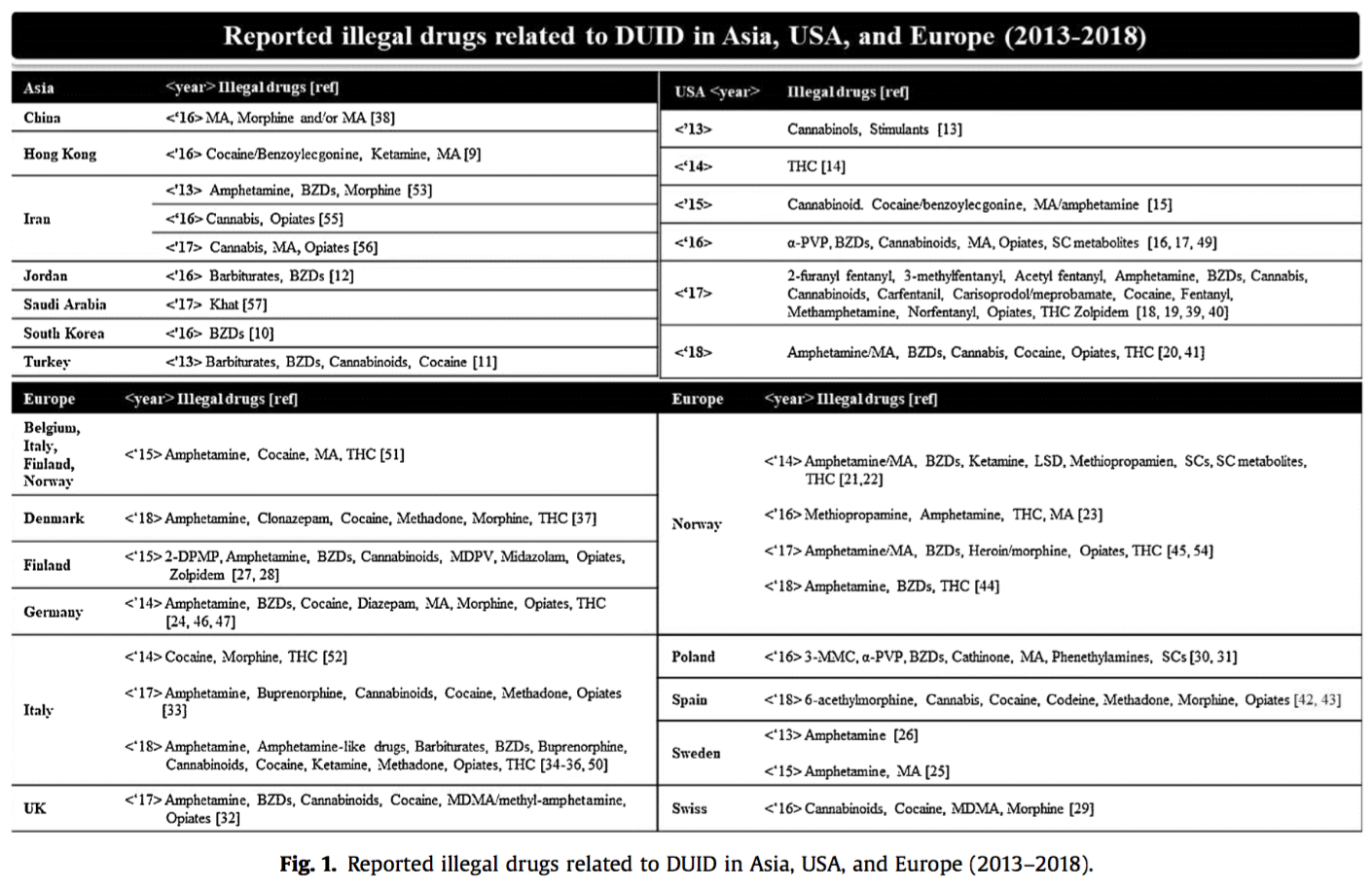
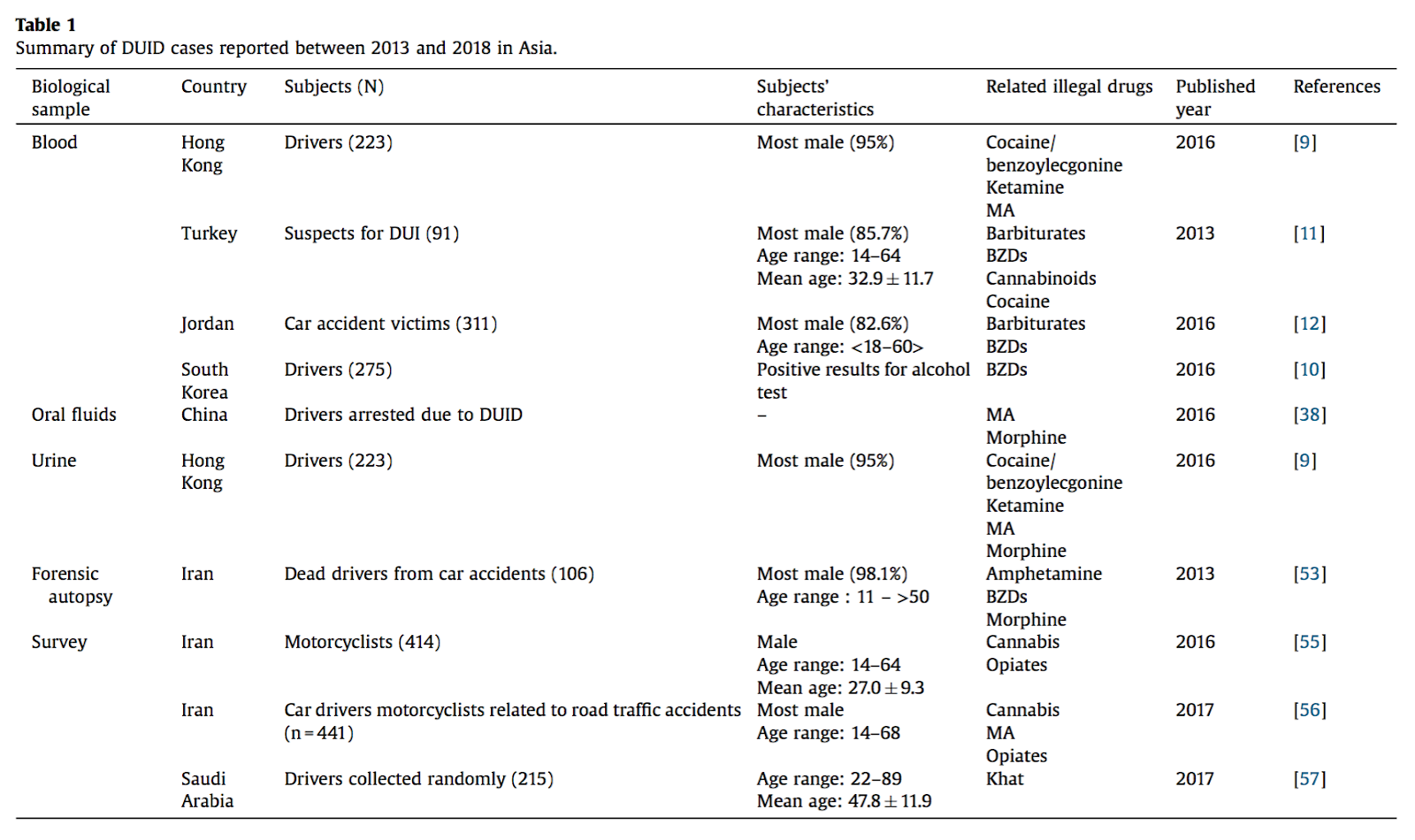
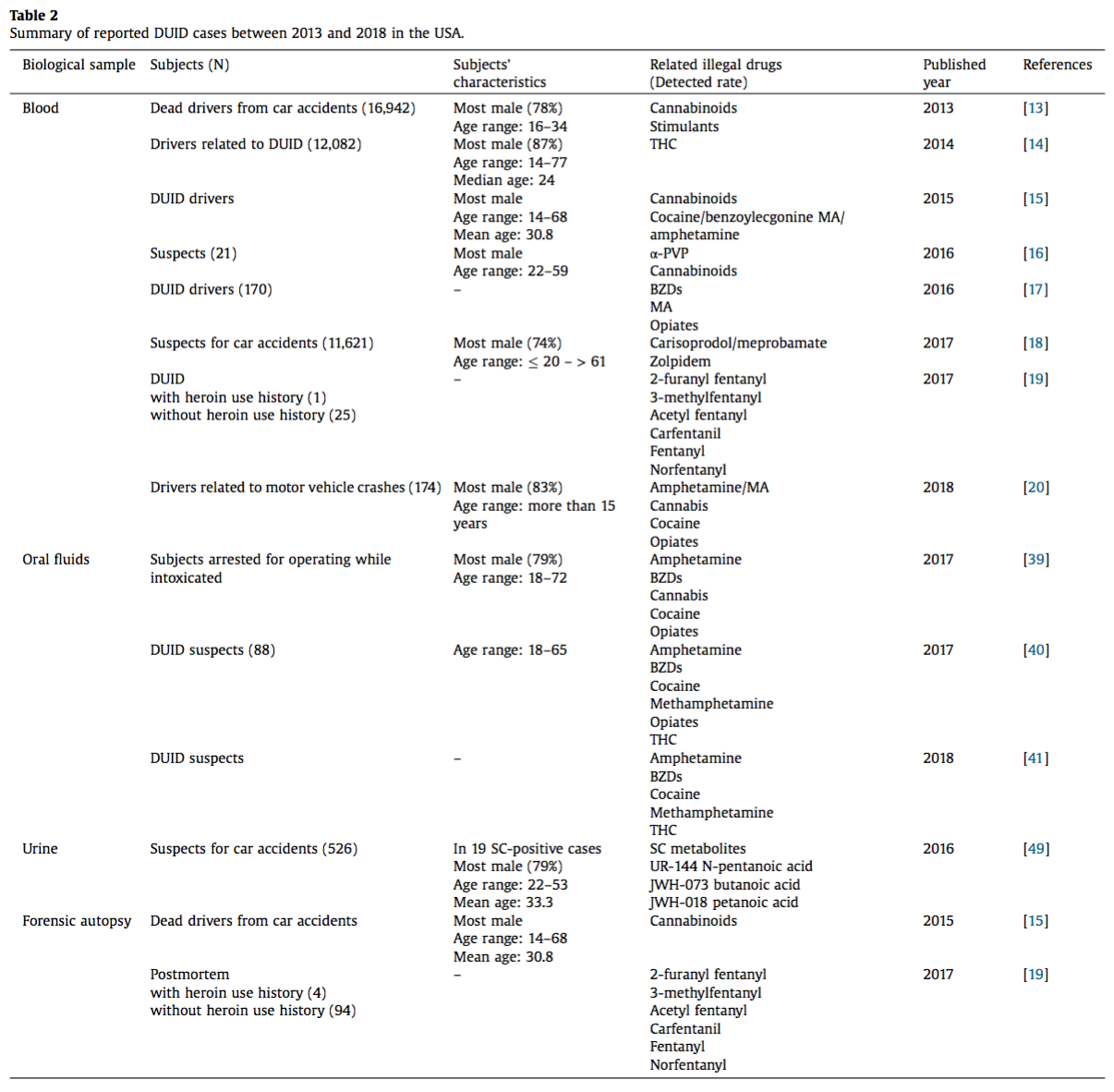
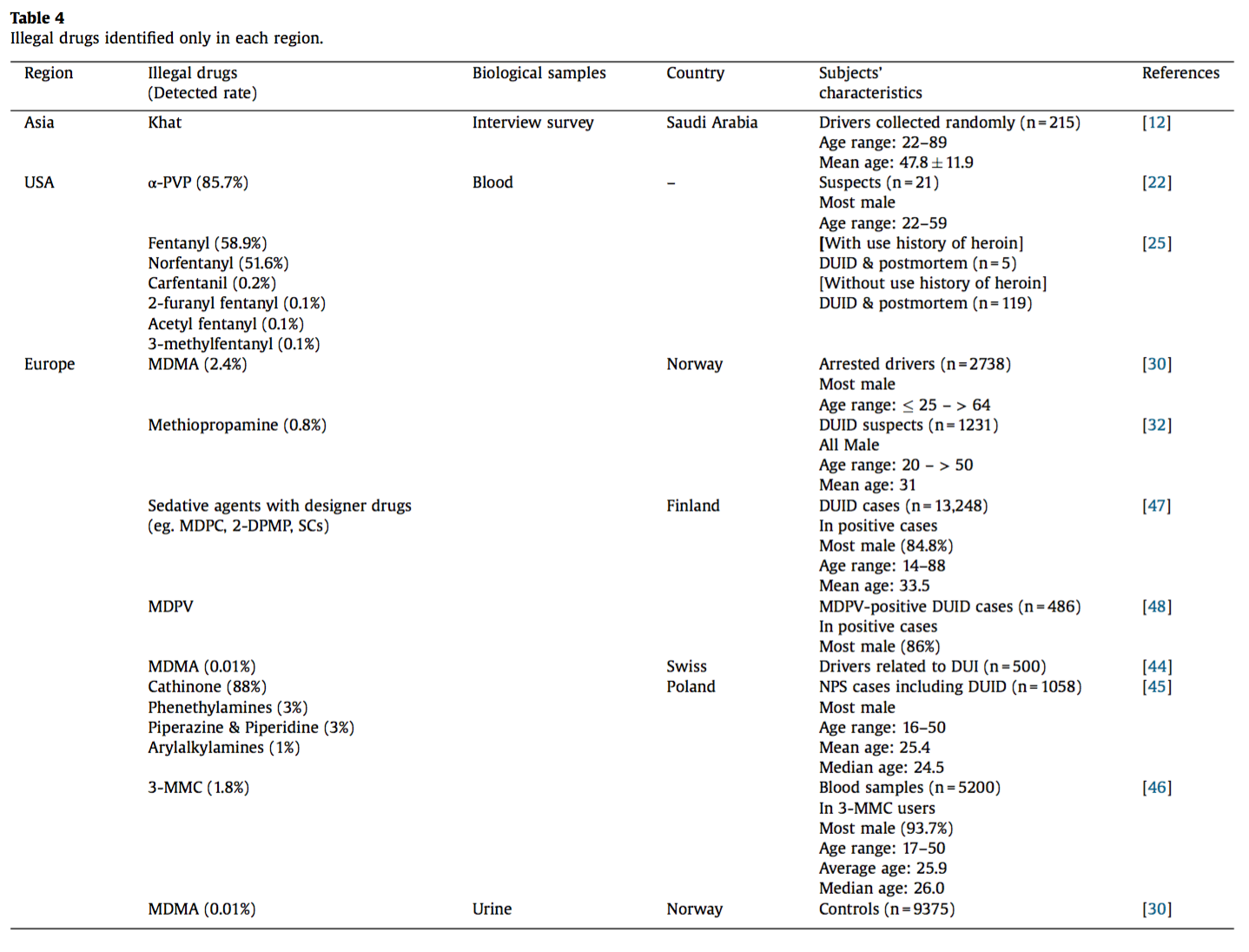
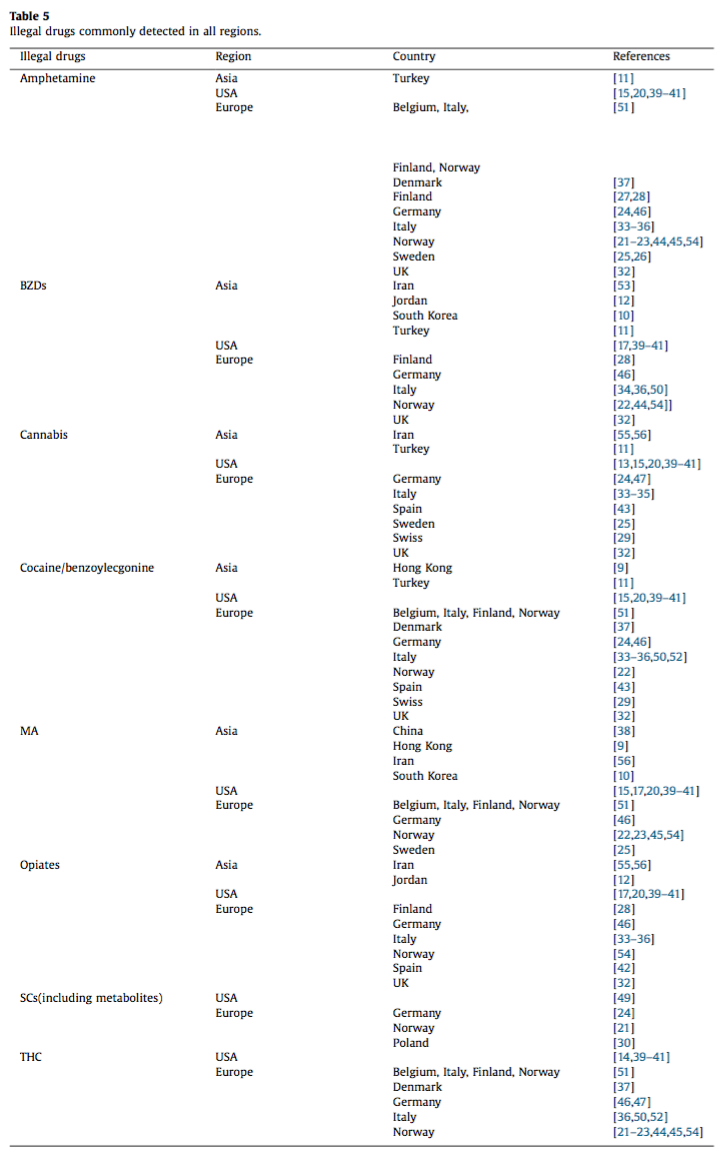
Title: A review of drug abuse in recently reported cases of driving under the influence of drugs (DUID) in Asia, USA, and Europe
A recent literature review has found that the current driving regulations in Asia, Europe, and the US have not prevented cases of driving under the influence of drugs. The authors observed steady trends of incidences of driving under the influence in all three regions, despite legislature specifically enacted against such actions. In the literature, there is a consistent recommendation that drivers should be regularly tested, especially in the case of an accident, in order to gather more data on the role of drugs in traffic accidents.
This review highlights the different illicit drugs that contribute to traffic accidents, depending on the region of the world. Cannabis is legal in certain areas of Europe, whereas it is still considered an illicit substance here in the US, and many other locations, worldwide. Looking at the differences in severity or circumstance of the accidents between the type of illicit drug used may provide data to create more beneficial regulations for each country. As the legal status of cannabis continues to evolve, and it becomes more common to find drivers on the road who have consumed a minimal amount of cannabis, new screening techniques will likely be developed to help the culture establish what it considers an “acceptable amount” of blood-borne cannabinoids to be.
Throughout the ages, from health & wellness, religious rituals, and textile applications to the entertainment and social elements, cannabis has been a vital part of multiple sectors of human culture.
For millions, the modern cannabis revival is a welcome return home to a core element that has been missing for years.
Characteristics of the bitter and sweet honey from Algeria Mediterranean coast
Previous research on honey and its historical use in traditional medicine has pointed toward its therapeutic application for the immune system, anemia, and heart function, among other conditions.
Two kinds of honey harvested from the Algeria Mediterranean coast, so-called poly-floral sweet honey and uni-floral bitter honey, have demonstrated their many medicinal uses. In a comparative analysis of the two kinds of honey, bitter honey had higher flavonoid content, lower sucrose content, and higher total polyphenols and tannins levels, giving it an increased antioxidant potential over sweet honey.
Additional Point: Factors including a higher flavonoid content in uni-floral bitter content gives it an improved antioxidant potential over poly-floral sweet honey. This makes for a wide variety of clinical benefits, including treatment of anemia, colon cancer, improved immune function, and more.
To explore related information, click the keywords below:
Benjamin Caplan, MDBetween Bitter and Sweet Honey, from Algeria Mediterranean Coast, Different Flavonoid Content Contributes to Distinct Antioxidant Potentials
A new literature review summarizing the recent findings relating to cannabis and anxiety.
Researchers conclude that CBD and low-dose THC can cause relaxation and decrease anxiety and self-spun thoughts. Some studies show that high-dose THC can cause psychotic symptoms; however, studies also show that CBD can protect against those THC-induced symptoms. Therefore, using cannabis extracts with THC and CBD could be a safe way to reduce anxiety.
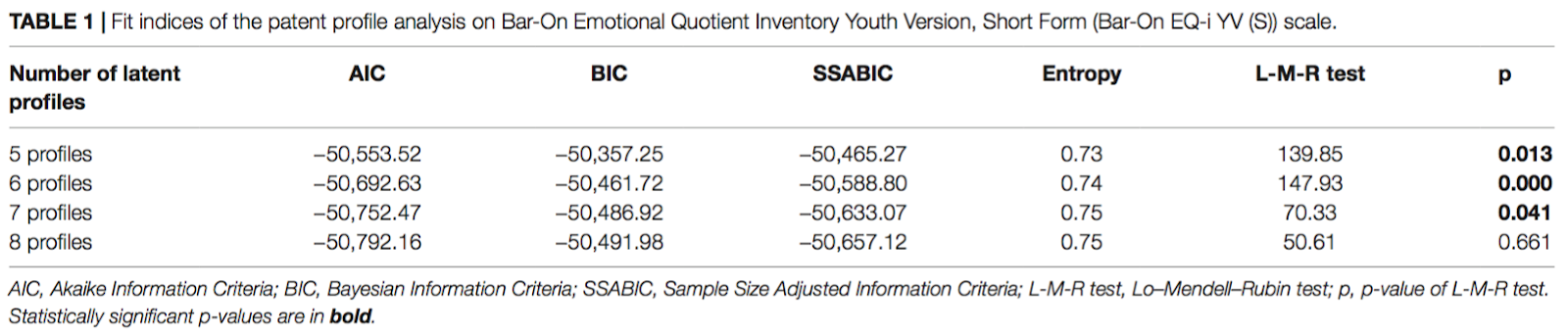
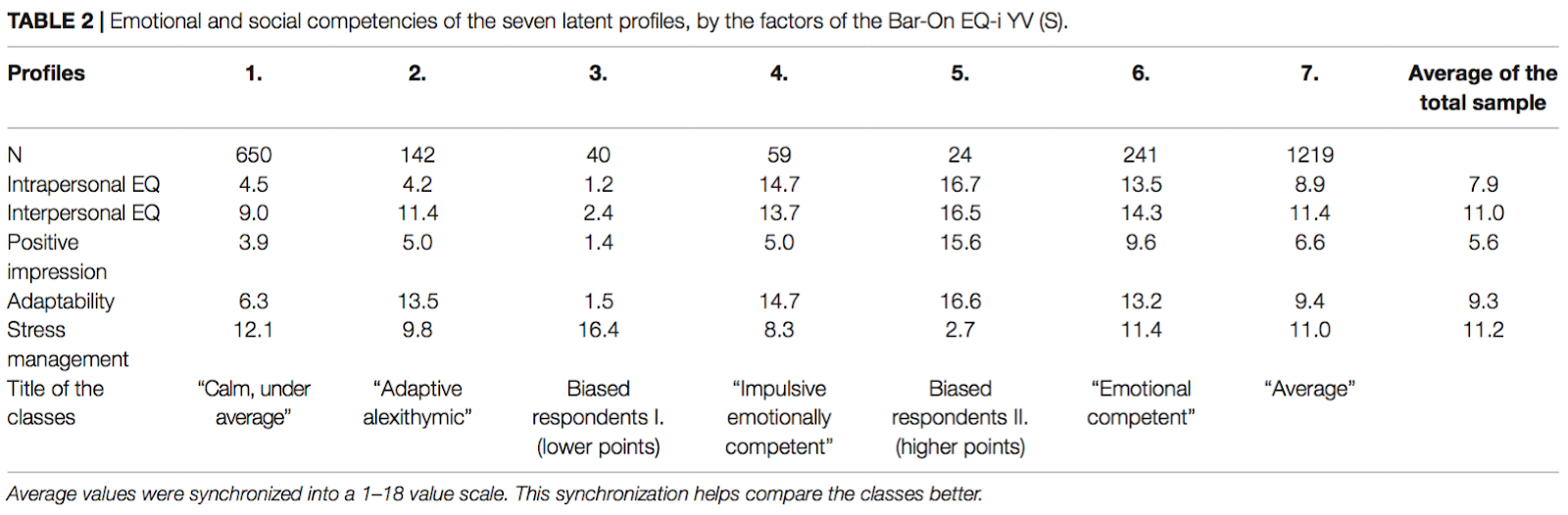
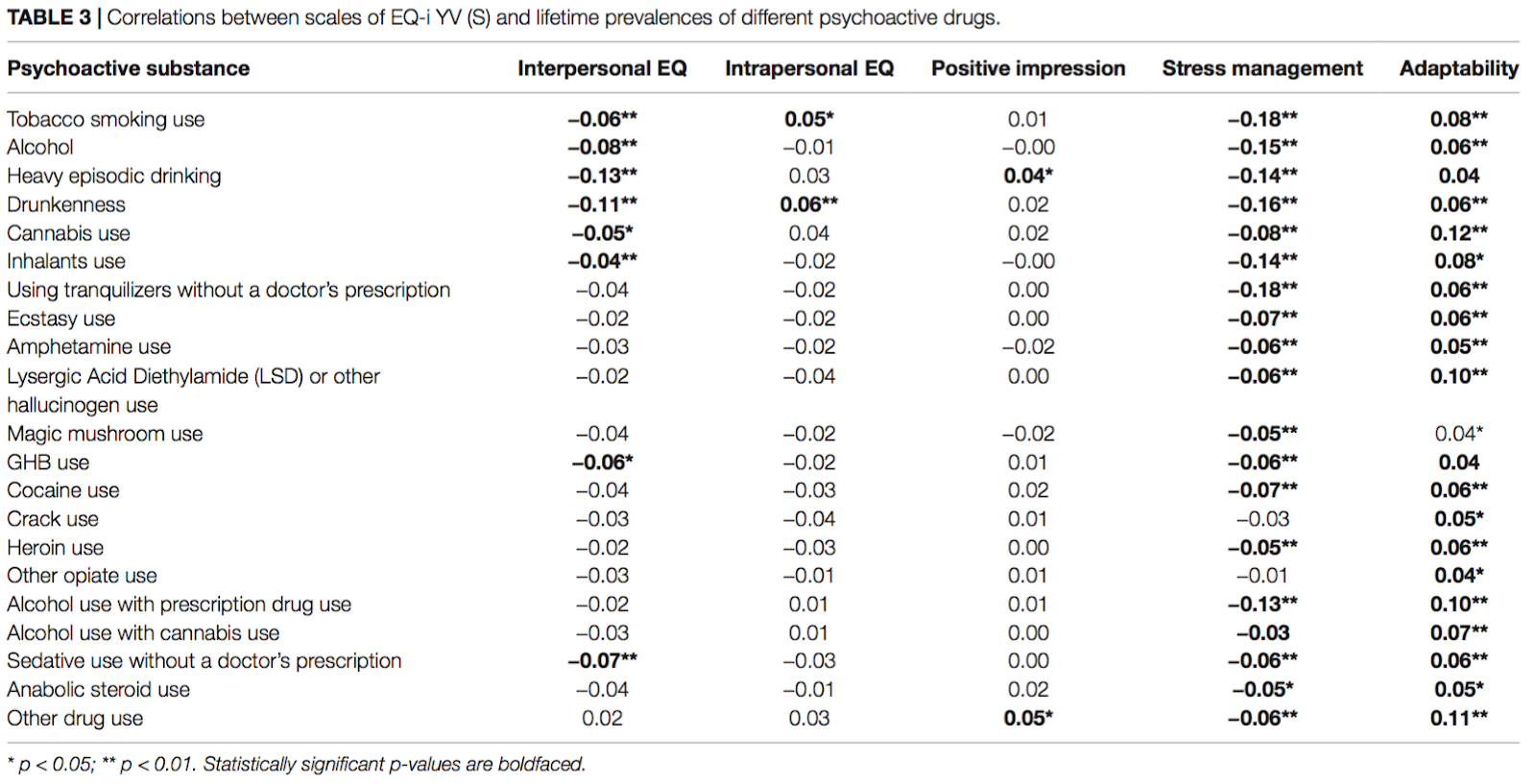
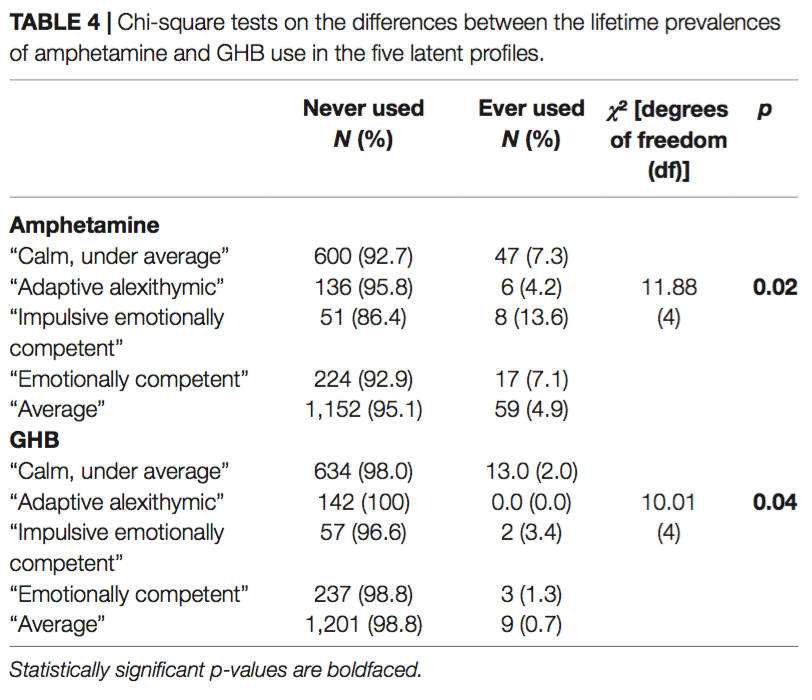
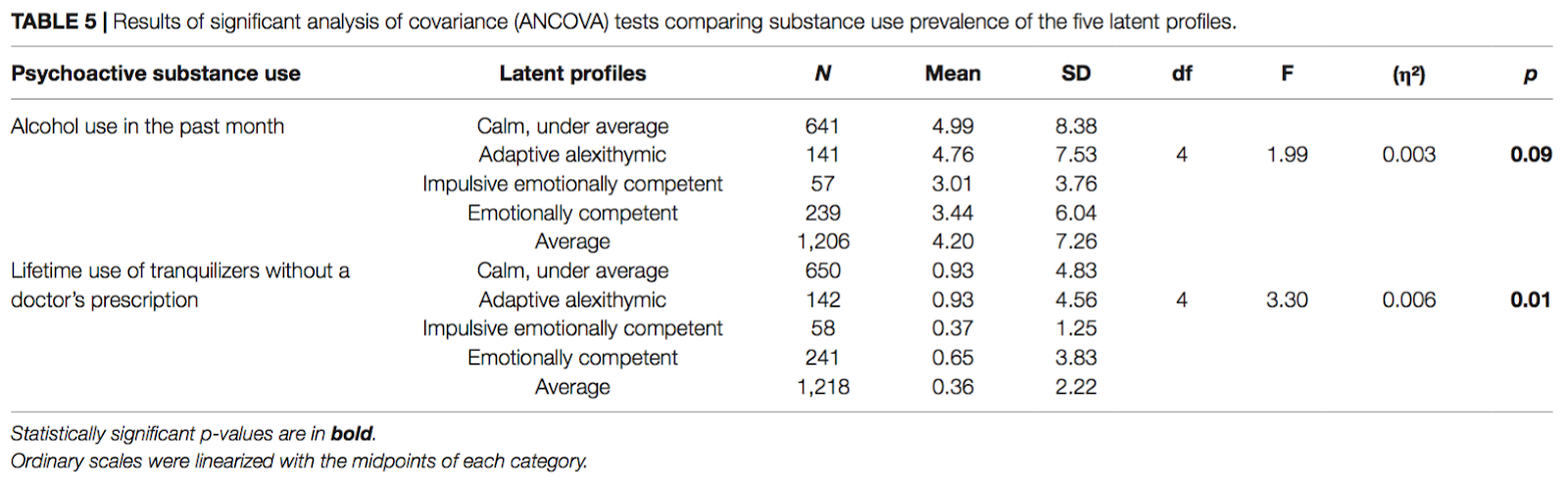
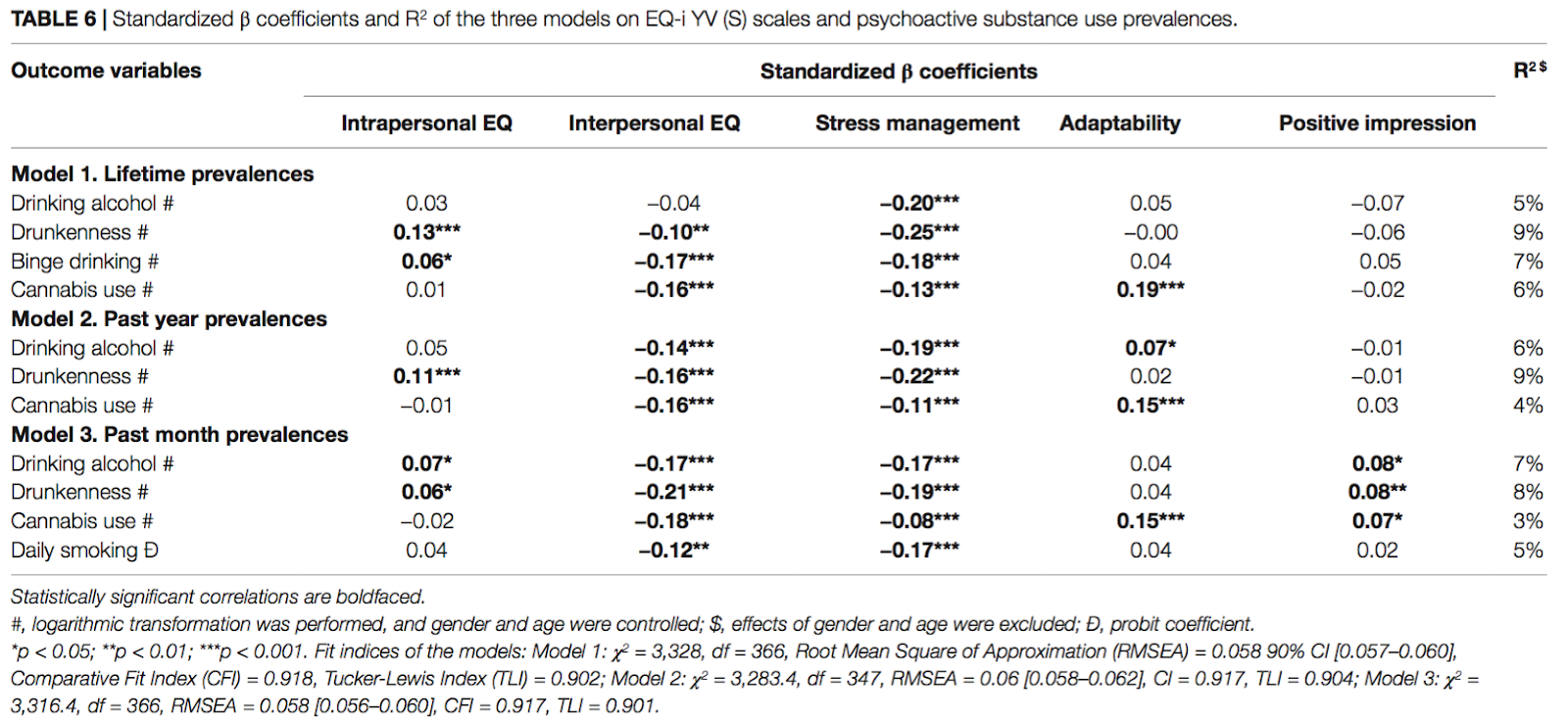
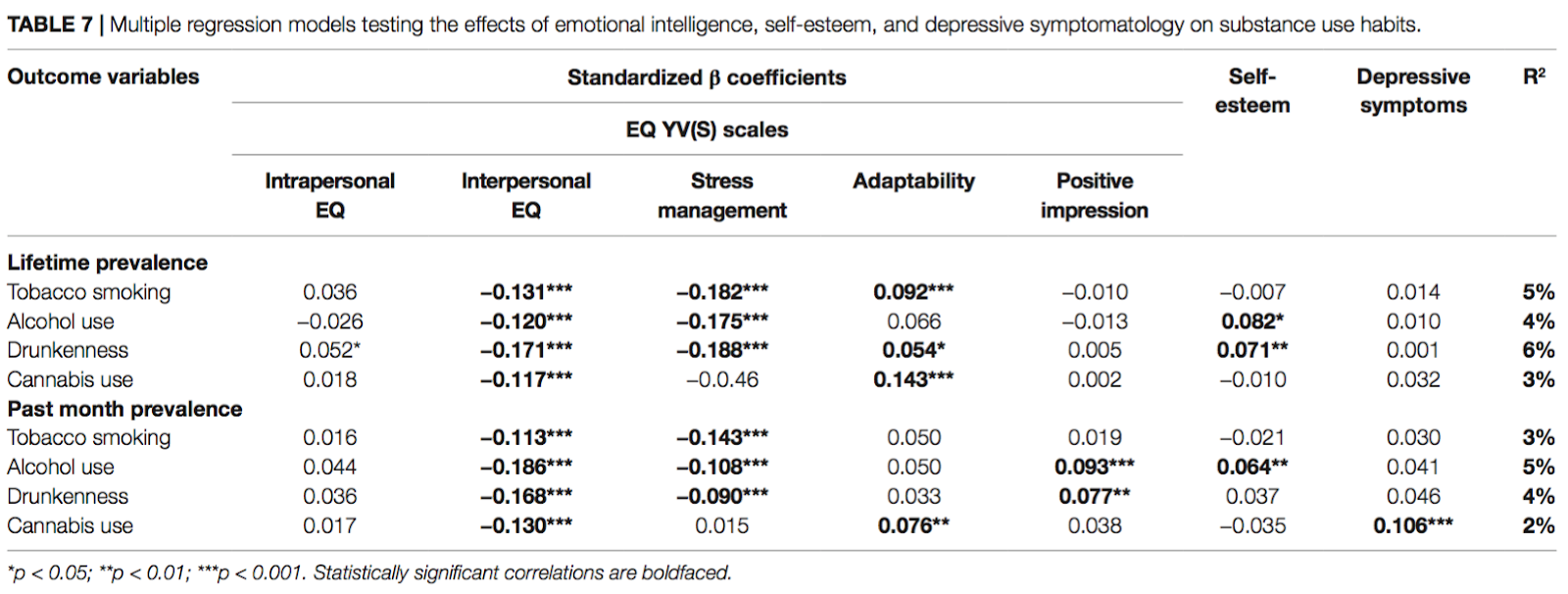
The Effects of Trait Emotional Intelligence on Adolescent Substance Use- Findings From a Hungarian Representative Survey
A recent study has revealed that teenagers who have a difficult time managing stress and appear to lack empathy were more likely to abuse tobacco, alcohol, and cannabis.
The studies initial goal was to determine if emotional intelligence could predict future drug abuse, but found that those with more empathy and interpersonal competencies were less likely to engage in substance abuse. This study provides data that may help to develop targeted drug prevention programs in order to lessen adolescent drug abuse or the development of any future substance abuse disorders.
Highlighted in this study was the possible inaccuracy of the conclusions as the results may have been skewed by teenagers merely providing what they thought was a socially acceptable answer. Despite the fact that the majority of states have legalized the use of medical marijuana a stigma against cannabis use remains.
Stigma has and continues to stand in the way of medical research. If the consumption of cannabis were less frowned upon then perhaps more observational studies, studies that relied on self-reporting use, or even appropriate medical treatment, would be improved. The more information that can be gathered, the more accurate the research that can be conducted. In order to fully understand all the benefits and limitations of cannabinoids, although this also applies to tobacco and alcohol consumption, the uninformed stigma must also be eroded.
Some believe that it is difficult to compete with industry giants, such as Tilray and Cronos. But, Israel’s long history of cannabis research and its innovative companies, leading tech and strong agricultural climate make it a likely region to attract many in the global cannabis market. http://bit.ly/2IPXbz8
To explore related information, click the keywords below:
Benjamin Caplan, MDIsrael and the global cannabis market
Title of study: Cannabis use as a risk factor for causing motor vehicle crashes: a prospective study
After legalization in 2018, many Canadian provinces implemented “zero tolerance” policies for drivers who have THC in their systems. But a new study from the University of British Columbia suggests that Canada’s drug-impaired driving laws may be unnecessarily strict. According to researchers, there is no link between THC levels below 5ng/mL and increased risk of car accidents.
Note: Considering the potentially grave risk to life and health for modern culture to make the wrong interpretation of the potential dangers of the effects of cannabis consumption on driving, it is critical for the industry to approach the circumstances with delicacy and diligence. Ideally, everyone involved will be motivated to learn as much as possible about the impact of cannabis on the risks of operating machinery and all will follow a cautious approach which will minimize the risk to all. To that end, it is important to consider and reconcile evidence from multiple perspectives.
According to anthropologists, Cannabis plants were burned in wooden braziers (circa 500 BCE) during ceremonies at the Jirzankal Cemetery in the eastern Pamirs region.
This suggests that cannabis was smoked as part of ritual activities in western China at least 2,500 years ago. Interestingly, phytochemical analyses reveal that these cannabis plants produced high levels of psychoactive compounds, suggesting that people used cannabis not only for medical purposes but also to get intoxicated.