Forget CBD; flavonoids found in cannabis have been found to be 30 times more effective painkillers than aspirin, targeting inflammation at the source and making them great alternatives for pain killers. If produced on a larger scale, they could help get away from the opioid crisis.
Title:Preferences for Medical Marijuana over Prescription Medications Among Persons Living with Chronic Conditions: Alternative, Complementary, and Tapering Uses
In a survey of 30 patients using medical cannabis for a range of diseases including rheumatoid arthritis, cancer, hepatitis C, PTSD, among others, patients reported an array of benefits they have reaped from cannabis use. Patients successfully used cannabis in several ways: as an alternative to prescription medication, complementarily with prescription medicine, and to gradually replace use of prescription medication.
Benefits described by participants included the effects of cannabis lasting longer than that of opioids, lower risk of addiction, fewer side-effects. Patients also saw their sleep, anxiety, appetite, and adverse reactions improve with the use of medical cannabis. Larger, more controlled studies may suggest cannabis more affirmatively as an alternative or complementary therapy with prescription medications.
Title: Novel approaches in clinical development of cannabinoid drugs
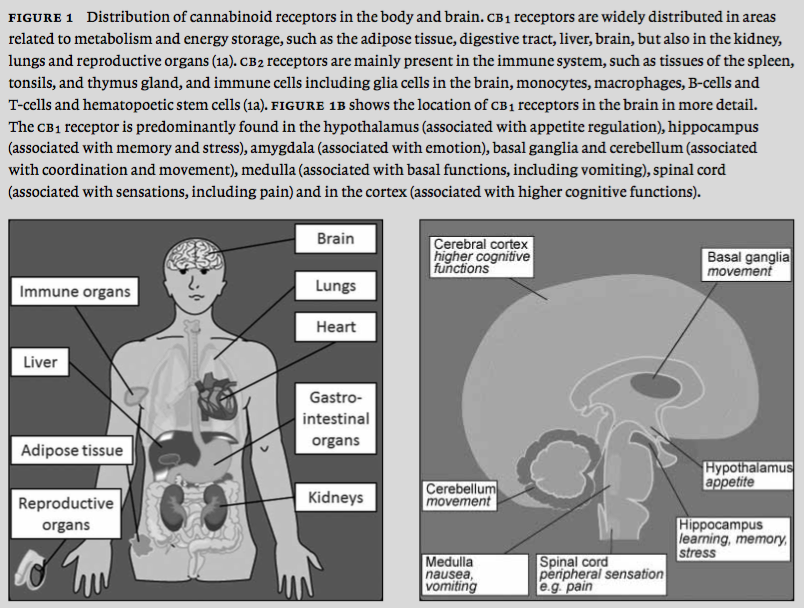
A pamphlet has recently been published that highlights new approaches in the clinical development of cannabinoid-based therapies. The pamphlet begins with a look into how current cannabinoids affect patients based on gender, stress, physiological variations, and also delves into how cannabis works on the body in general.
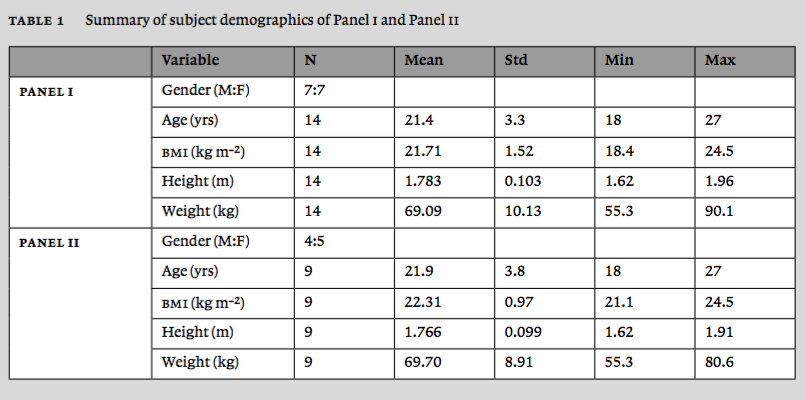
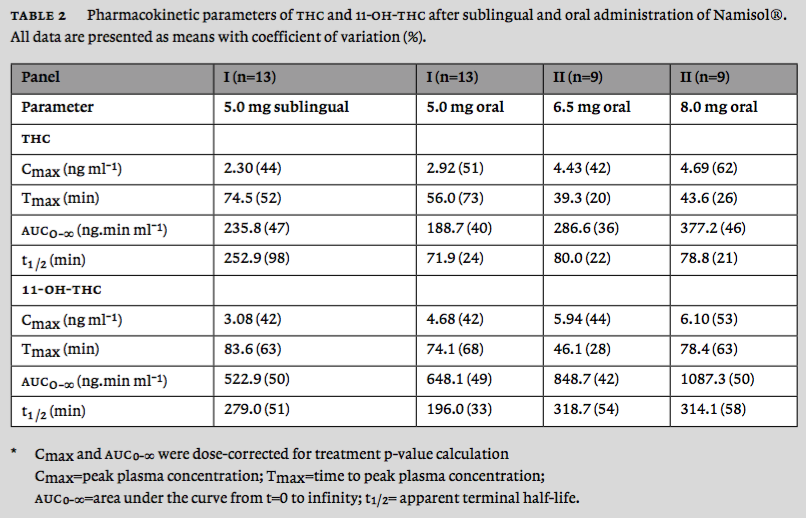
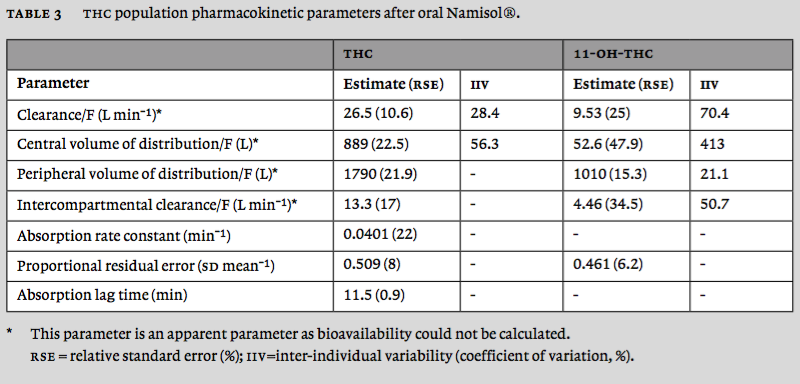
A novel therapy that features an oral version of tetrahydrocannabinol (THC) and a synthetic activator of cannabinoid-receptor-1 (CB1) is explored in this piece and frames it to be a promising future therapy. The pharmacological properties of these two novel therapies were optimized during development after various analysis techniques, forming medications that the authors hope to see in future clinical trials.
Although the authors remain hopeful that their cannabis-based therapies will reach clinical trials soon, trials featuring cannabinoids are difficult to test in a formal setting because of a dire lack of funding. The federal government still lists cannabis as a Schedule I substance, under the Controlled Substances Act, meaning that the federal government does not support the idea that cannabis has any medical use. Considering the legal status of cannabis, only privately-funded studies are able to take place, and unfortunately, that leaves cannabis research in an area of complete bias and prohibitively underfunded. Considering the massive literature supporting a myriad of novel therapeutic benefits, this is a costly reality to the health and well-being of millions.
Title: Neuroanatomical alterations in people with high and low cannabis dependence
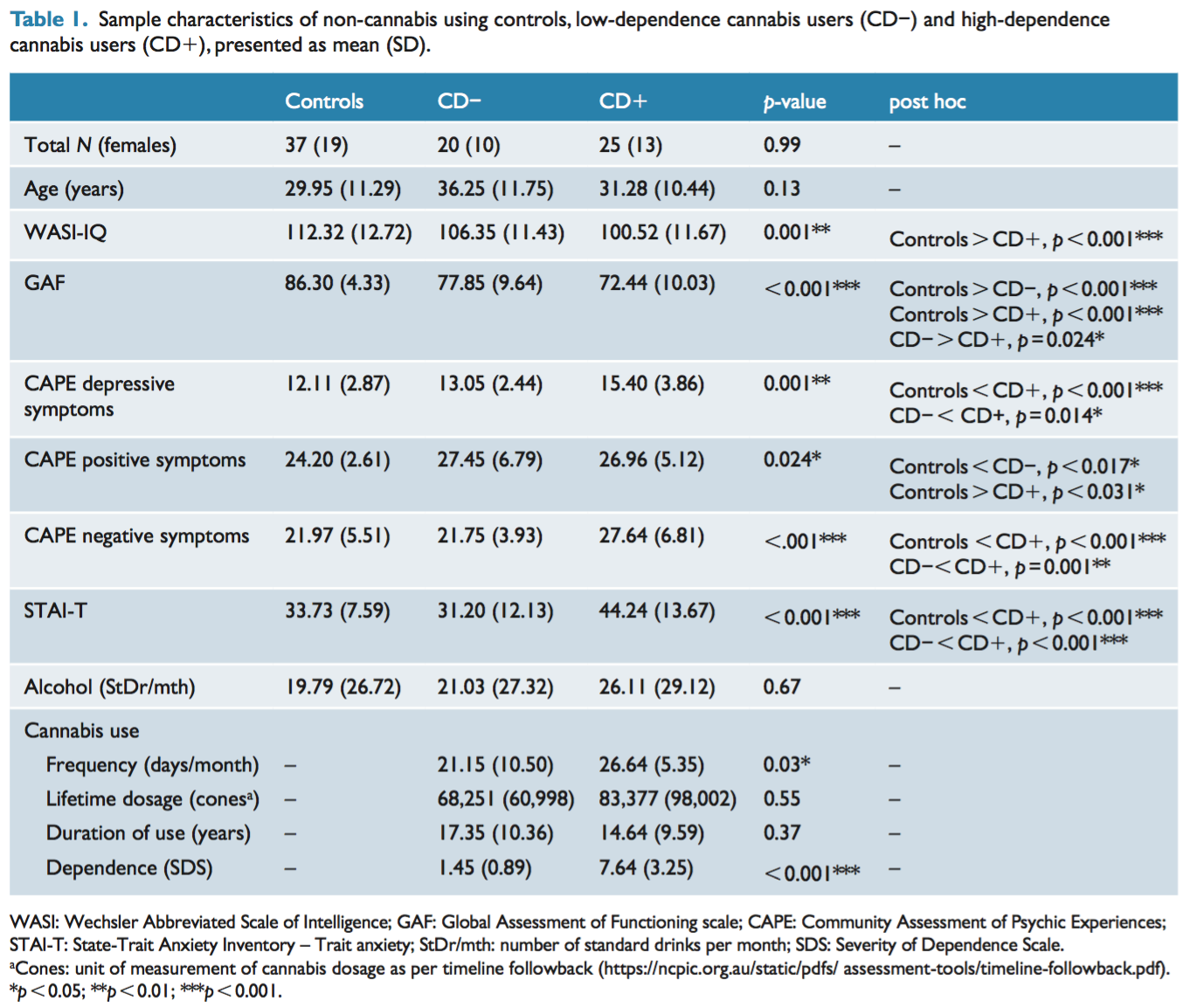
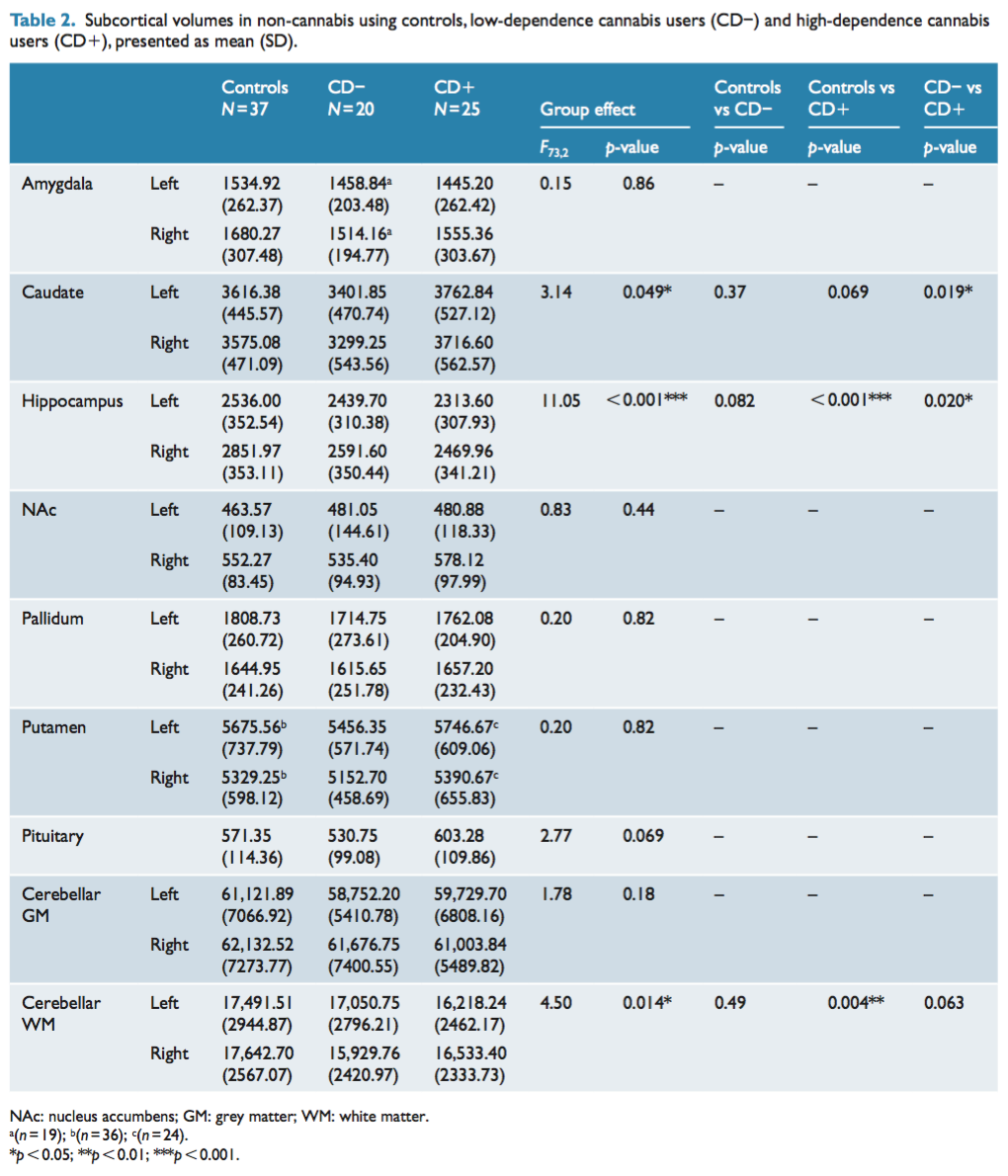
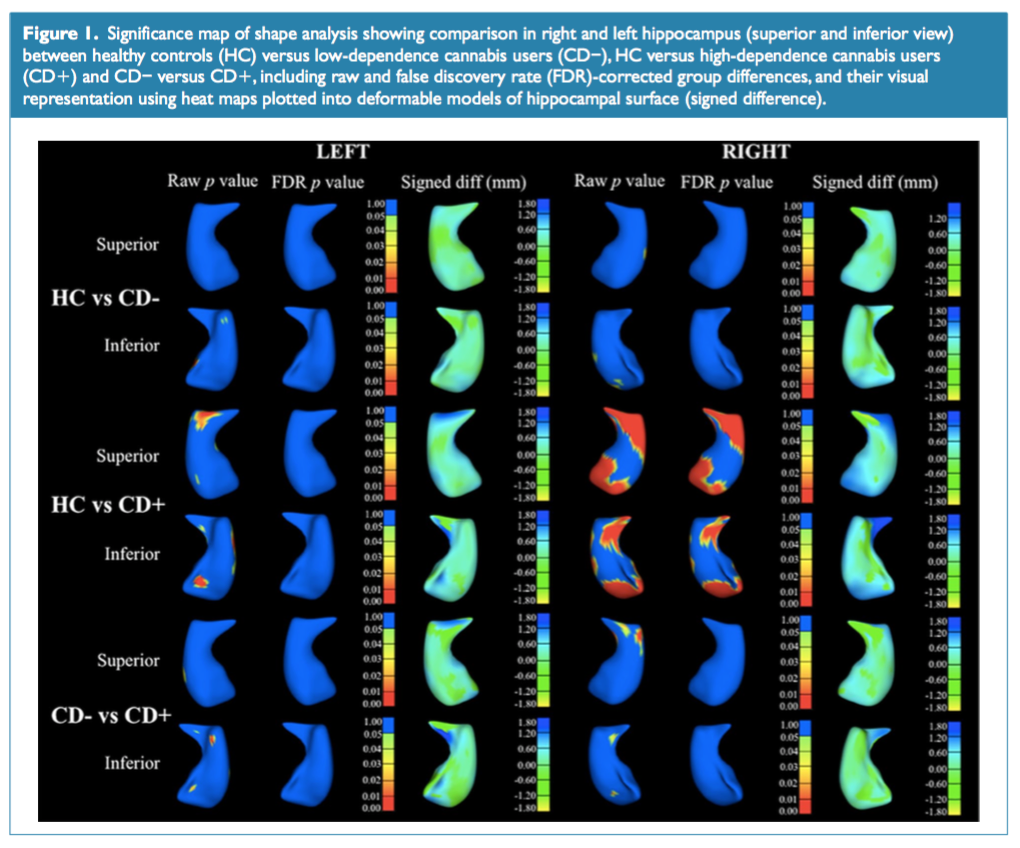
A recent article has been published revealing some volumetric alterations in specific brain regions in people who report dependence on cannabis. Magnetic resonance imaging revealed that the volume of certain regions, including the hippocampus, the cerebellum, and the caudate, in cannabis dependent users, were all reduced in size, relative to recreational cannabis users who did not use cannabis chronically. Future research will likely focus on the effects of the structural alterations on patients’ reward, stress, and addiction-relevant circuitry to examine the possible relevance of cannabis dependance on those circuits.
There are certainly possibilities that suggest this volume difference could be of concern, but there are also a great number of explanations (more than likely) whereby this is related to another variable that we have not yet fully appreciated.
Currently, cannabis use is thought to have a little-to-no risk of addiction (beyond any “normal” product of medical value, such as coffee or eyeglasses), because it does not act directly on the reward circuit. Opioids have a high risk of addiction, and therefore a concerning safety profile, in part because of the direct effect of the opioid system on the reward pathway of the central and peripheral nervous systems. While the endocannabinoid system has been observed to act directly up the reward circuit, it does so in subtle, soft ways, making it an ideal adjunct therapy for opioids to help with pain management. Current research provides inconsistent results and appropriately emphasizes a need for more testing to validate the possibility of cannabis as a recommended pain medication.
“Among all surveyed consumers, 49% reported reducing their over-the-counter painkiller use since starting cannabis, and 52% reduced prescription drug use. Another 37% said they’ve reduced alcohol consumption since starting cannabis”
A sneak peek at the latest news coming about solo sciences, inc!
Imagine a future of cannabis, where consumers have the control of purchase decisions, based on accurate information about the brand and products they may want, and tamper-proof, third-party verification that what we are buying is actually what the package says it is? (and then… consider that this concept applies to products beyond cannabis, from food to beauty products, toys, entertainment…)
“The world of cannabis is murky, unpredictable, and often not safe,” said Ashesh Shah, CEO and founder of solo sciences and a former CIA profiler. “As brands and governments are struggling to fight the illicit market, we created solo* to solve that problem by creating transparency into what cannabis providers are actually selling to consumers. solo* is designed to keep people out of the dark when it comes to what they’re consuming and putting into their bodies, so they feel secure and knowledgeable about the products they’re purchasing.”
Using cannabis to decrease dependency on cannabis? An Australian study shows promise using Nabiximols to target receptors and diminish the rate of relapse. The spray of equal parts CBD and THC had regular smokers smoking 19 fewer days than those on placebo