All posts tagged: cannabinoids

Exciting New Cannabis Compound with Great Therapeutic Potential

Functionalized 6-(Piperidin-1-yl)-8,9-Diphenyl Purines as Peripherally Restricted Inverse Agonists of the CB1 Receptor

Summary information:

A recent study has developed a synthetic compound that can act as an inverse agonist (a reverse activator) of cannabinoid receptor 1 (CB1.) Considering how prevalent these receptors are in the body, this may serve as a useful treatment for a great many concerns that involve this receptor, and/or for altering the effects of other cannabinoid therapies. The developed compounds are orally bioavailable and peripherally selective for CB1, meaning they can be taken by mouth and can still have action in the periphery of the body, as opposed to simply at the brain’s receptors. The selectivity and therapeutic benefits of these novel compounds present a promising development for the potential treatment of metabolic syndrome, diabetes, liver diseases, and gastrointestinal disorders, to name but a few.

Dr Caplan’s Input:

We have CB1 receptors from head-to-toe, through every organ, and just about everywhere in the body. This article highlights a few interesting points. While we have compounds which can activate a target cannabinoid receptor, the action in this review is actually stimulating an opposite impact (activating the opposite action, or an “inverse agonist” effect.) Also, the concept of targeting central (at the brain) vs peripheral (everywhere else) has not been well-addressed yet in Cannabis Medicine. If we can separate the two targets easily, the options for applications of cannabinoid therapies multiplies, as does the opportunity to eliminate undesirable effects.
View this review (yellow link) or download:

This paper is also stored here:   http://bit.ly/2UmvClo      inside the CED Foundation Archive

To explore related information, click the keywords below:

Benjamin Caplan, MDExciting New Cannabis Compound with Great Therapeutic Potential
read more

The Cannabinoid System Provides Target for Novel Alzheimer’s Treatment

Discovery of novel benzofuran-based compounds with neuroprotective and immunomodulatory properties for Alzheimer’s disease treatment

A recent study has revealed that novel therapeutic methods that modulate the endocannabinoid system may help to treat Alzheimer’s disease. Researchers have isolated two compounds that provide neuroprotective benefits regulated by the endocannabinoid system. This treatment is specifically thought to slow the progression of the disease as it provides anti-inflammatory and neuroprotective effects that would prevent the aggressive degradation of the cholinergic system.  Further research will hopefully continue to expand on findings such as these, toward the development of much-needed medications. 

View this review (yellow link) or download:

This paper is also stored here:     http://bit.ly/2HreN39    inside the CED Foundation Archive

To explore related information, click the keywords below:

Benjamin Caplan, MDThe Cannabinoid System Provides Target for Novel Alzheimer’s Treatment
read more

Cannabinoid Receptors Regulating the Function of Opioid Receptors

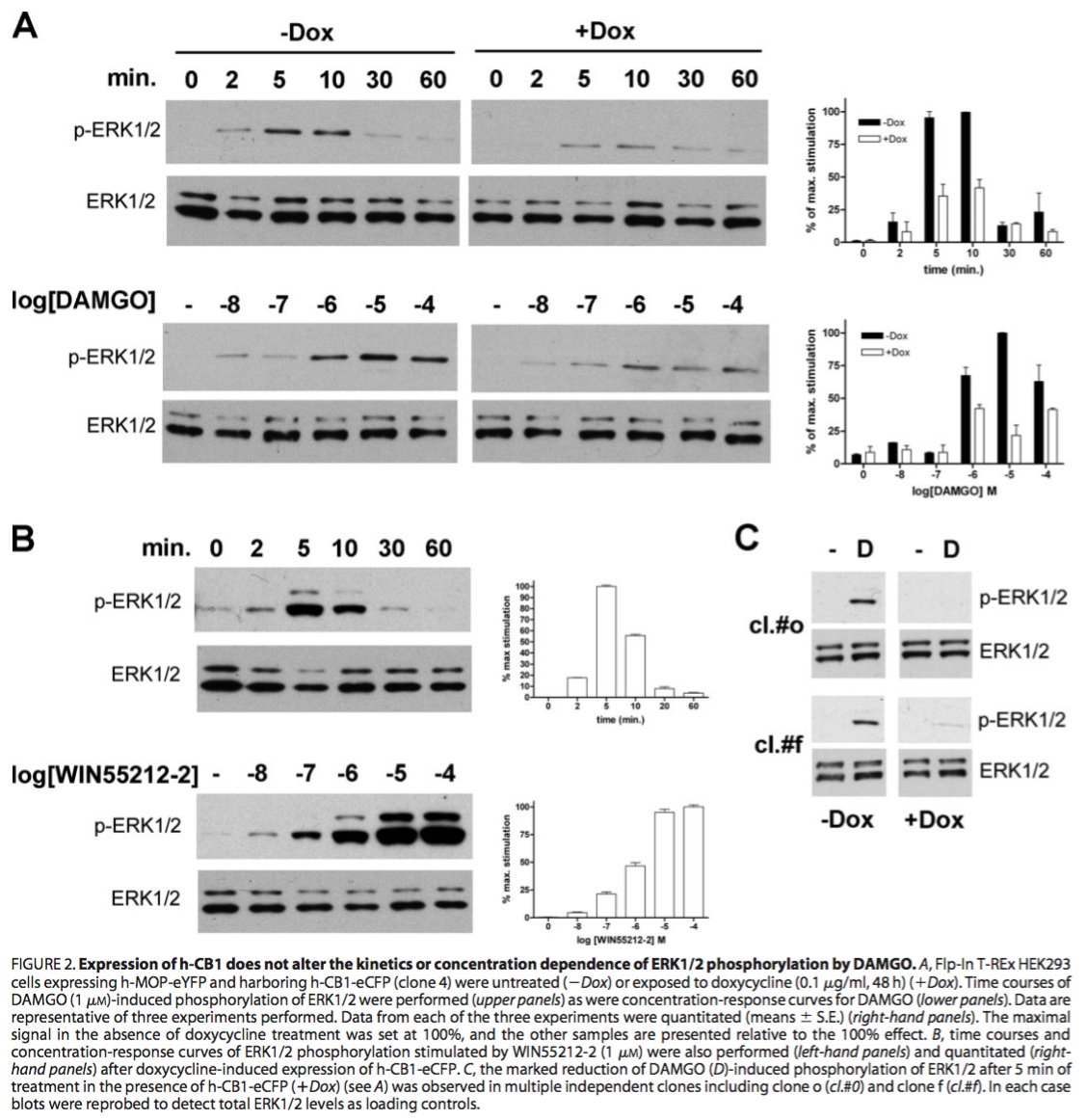
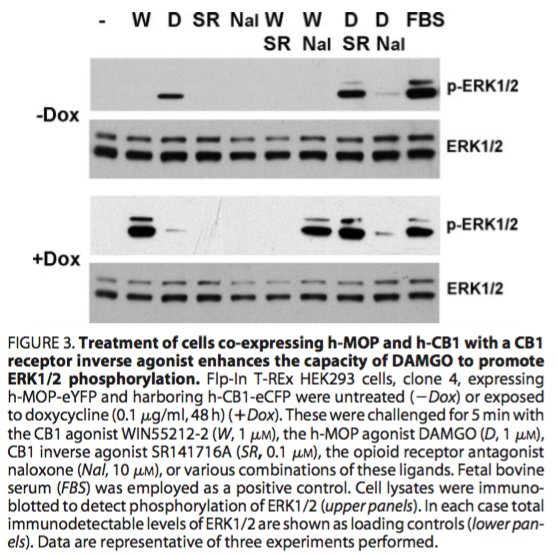
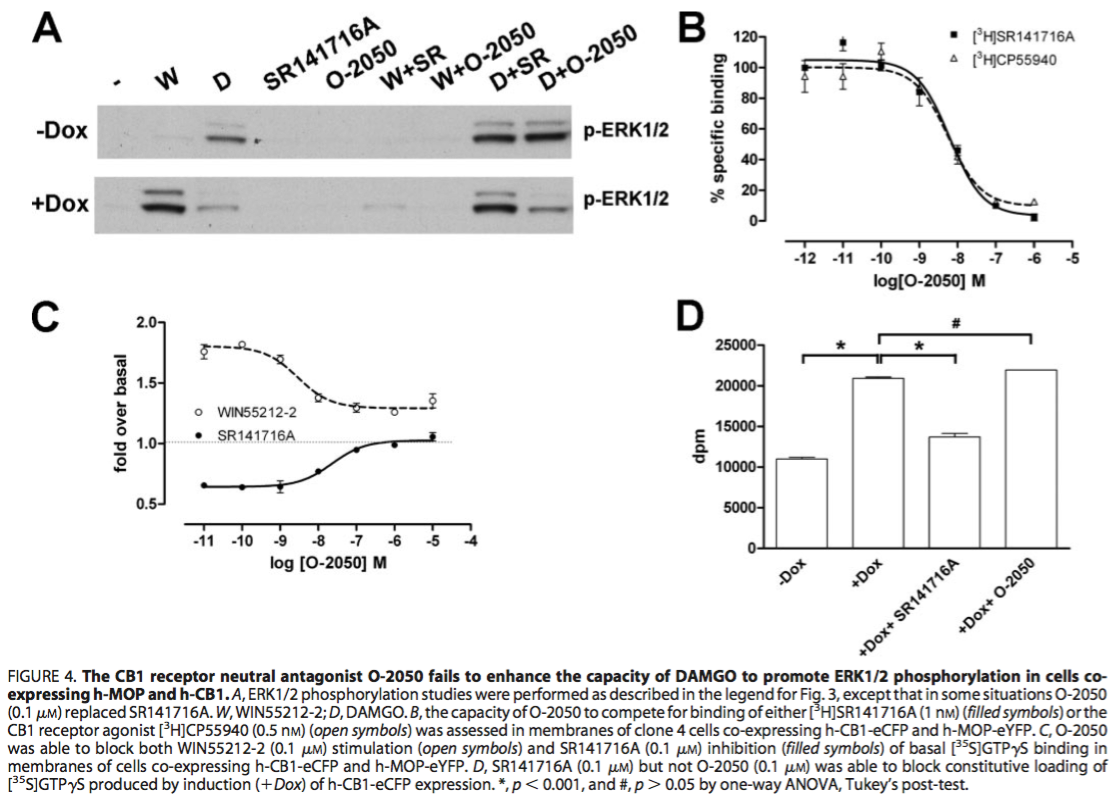
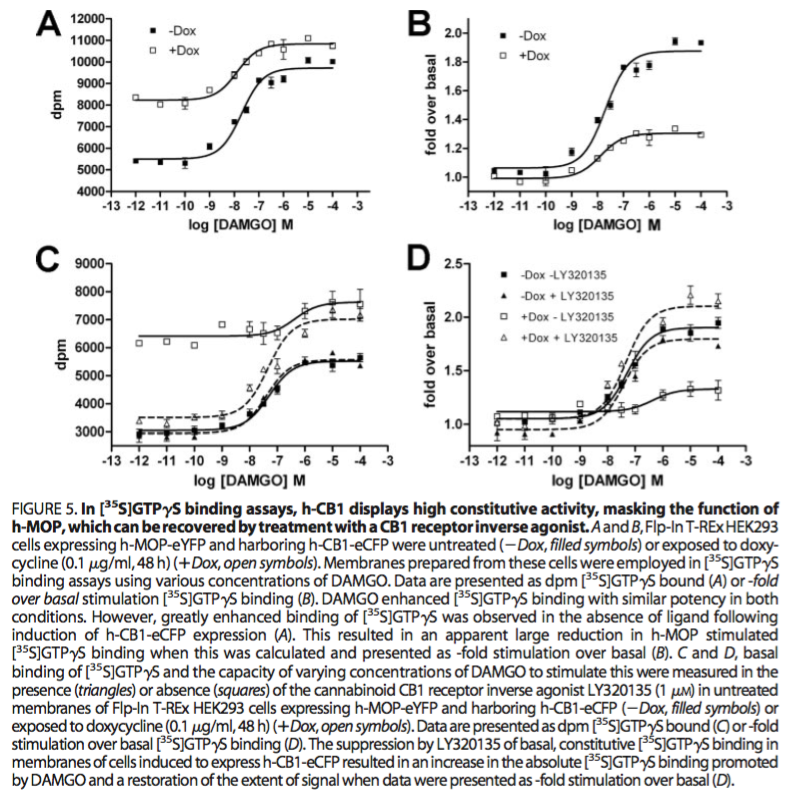
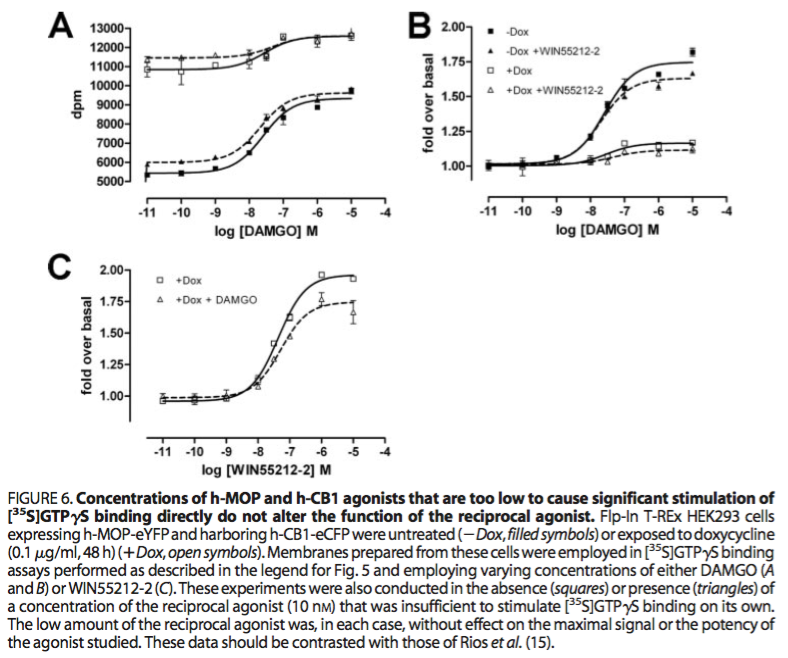
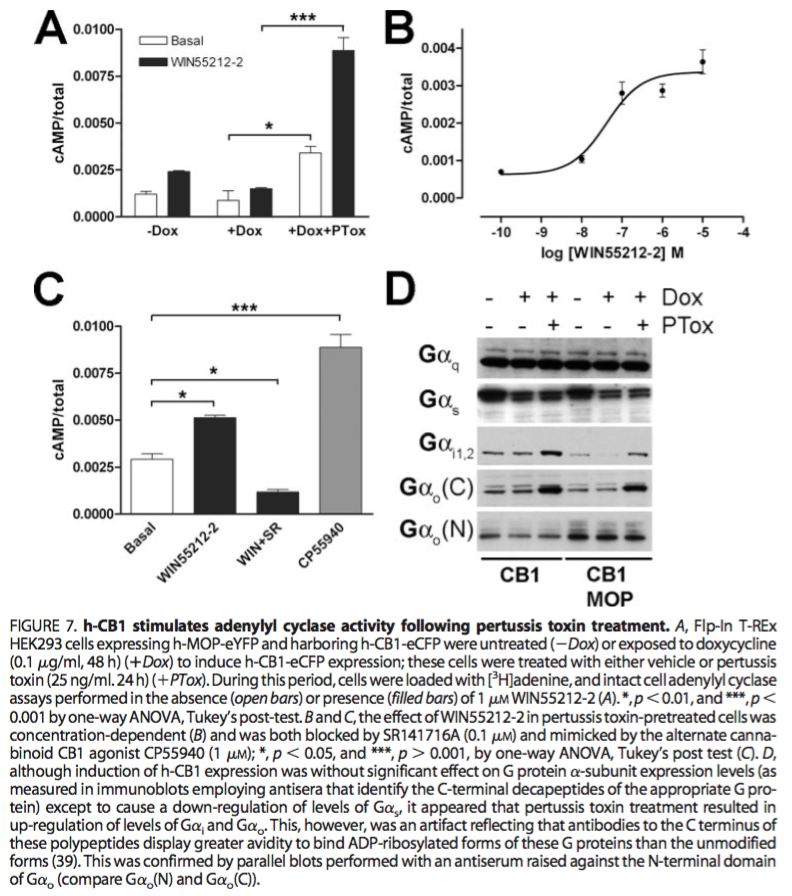
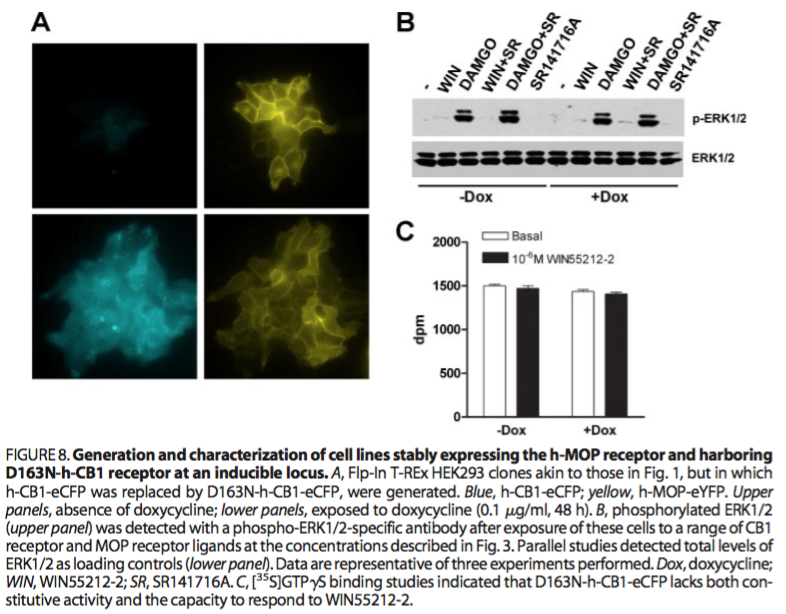
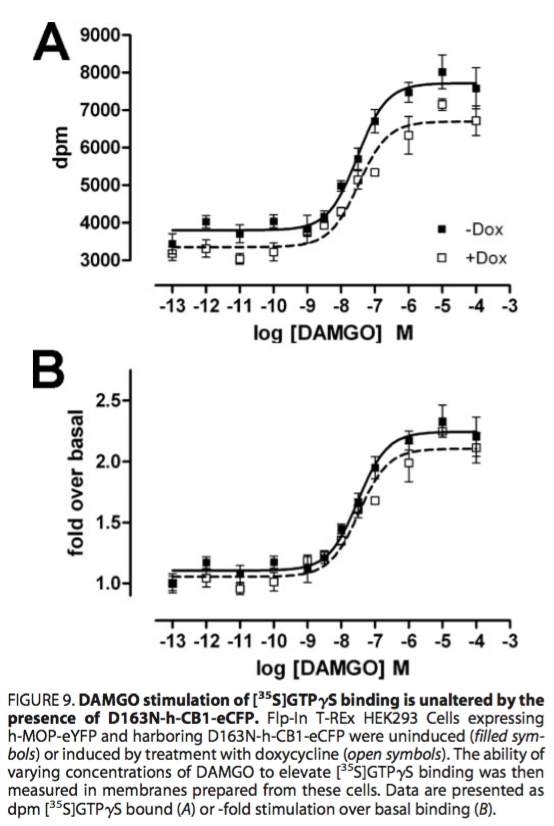
Constitutive Activity of the Cannabinoid CB1 Receptor Regulates the Function of Co-expressed Mu Opioid Receptors

Summary info:

Cannabinoid receptors have been found to regulate the function of co-expressed mu-opioid receptors. Researchers have found data that indicates the constitutive activity within the cannabinoid system reduced the capacity of expressed mu-opioid receptor functions. This research brings to light the possible benefits of modulating opioid consumption with  cannabis-based medicines. 

Dr Caplan Discussion Points:

One of the interesting discussion points in this paper is a close look at the effects of the CB1 receptor and its capacity to reduce the function of some mu-opioid receptors, through a mechanism different than naloxone. This suggests some appropriate optimism for cannabinoid-based tools in the battle against the worldwide opioid epidemic.

Learn more at http://bit.ly/2wRsbbt 

View this review (yellow link) or download:

This paper is also stored here:   http://bit.ly/2Hqu8Bn      inside the CED Foundation Archive

To explore related information, click the keywords below:

Benjamin Caplan, MDCannabinoid Receptors Regulating the Function of Opioid Receptors
read more

Natural & Cannabinoid Changes in Dopamine: A key to the psychosis question?

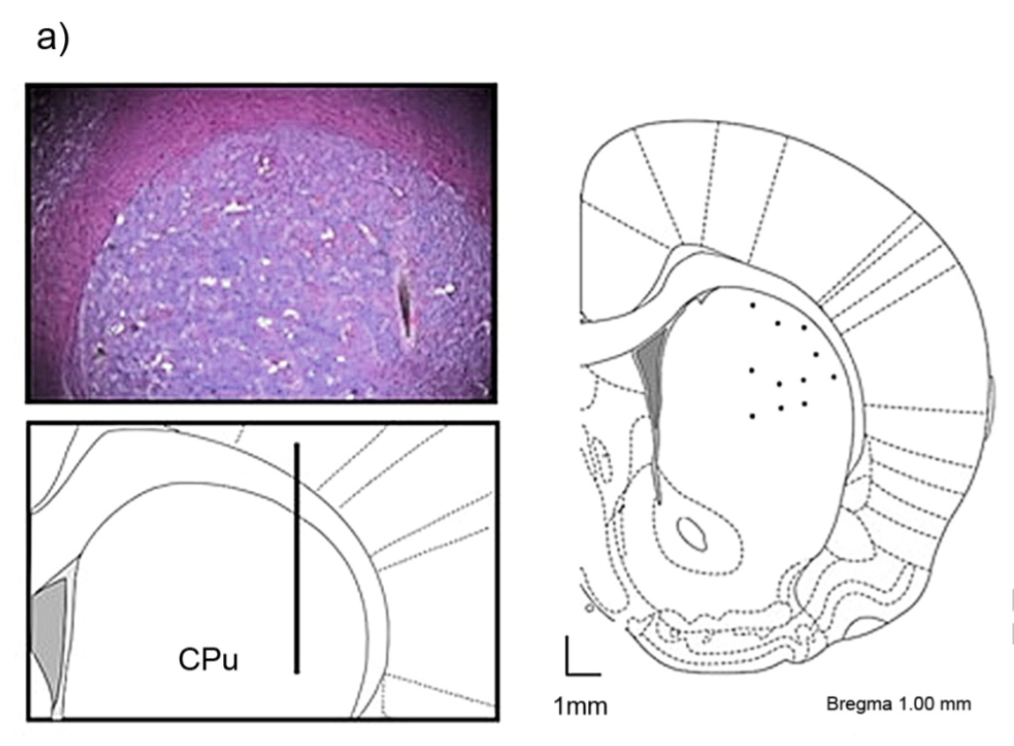
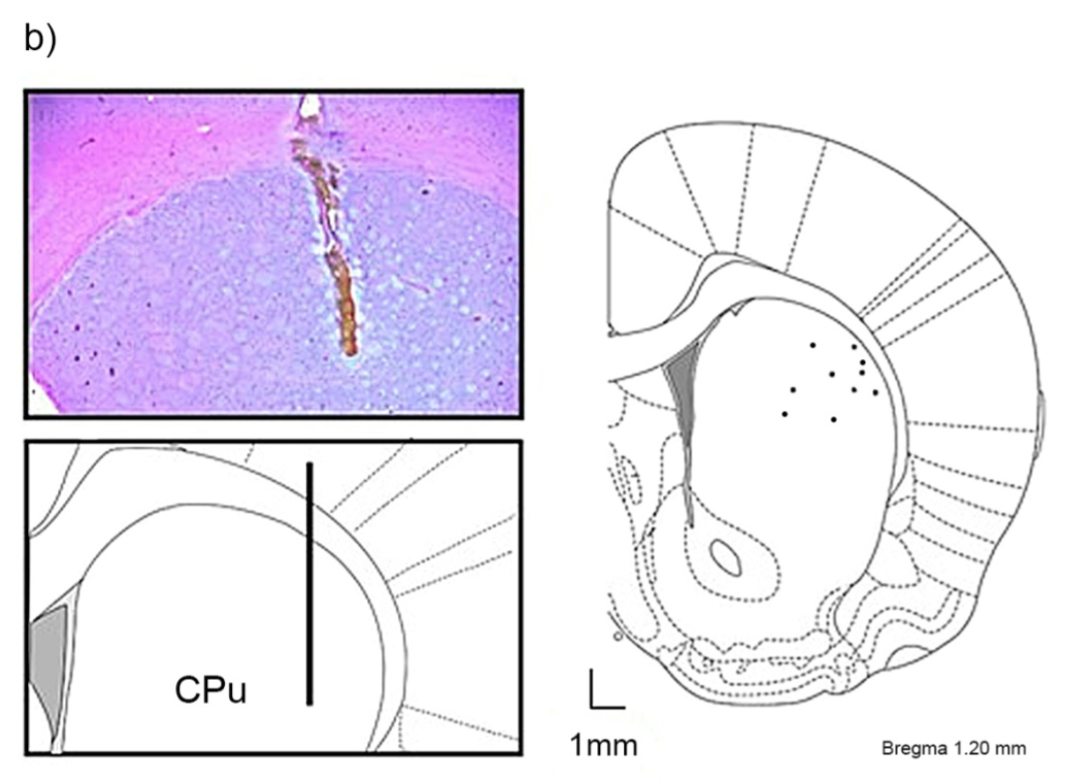
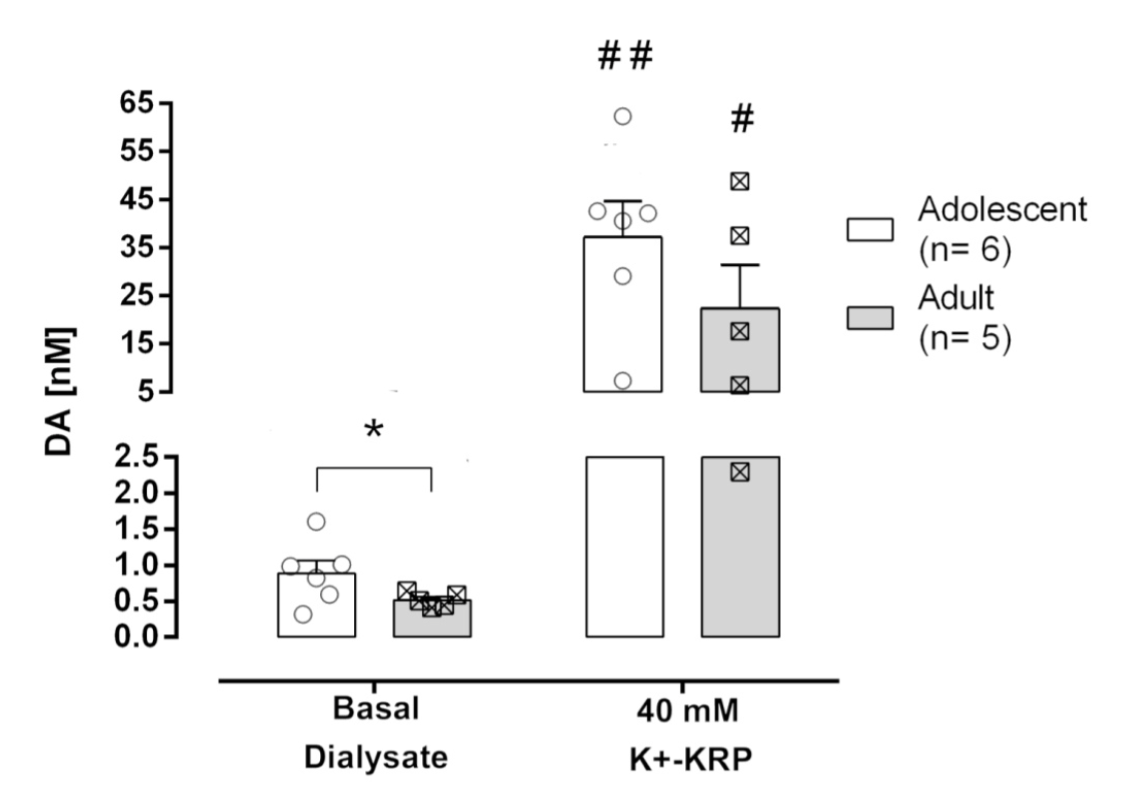
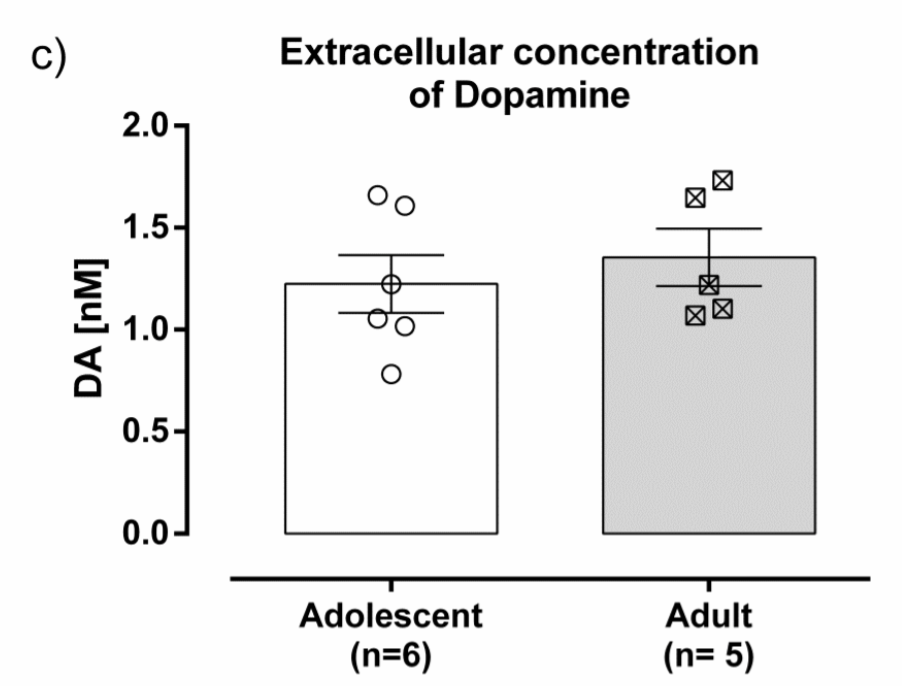
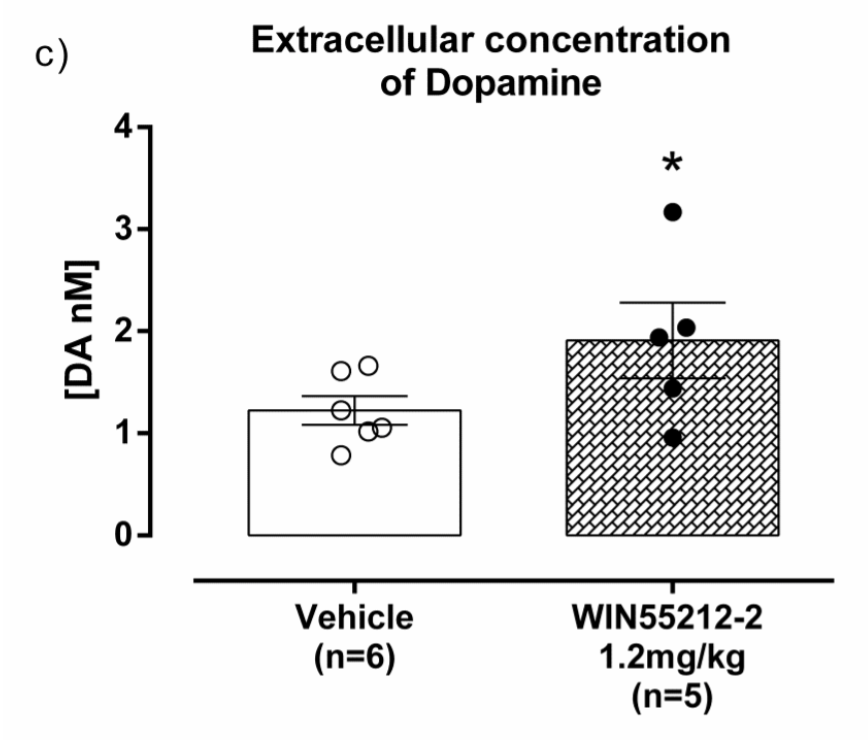
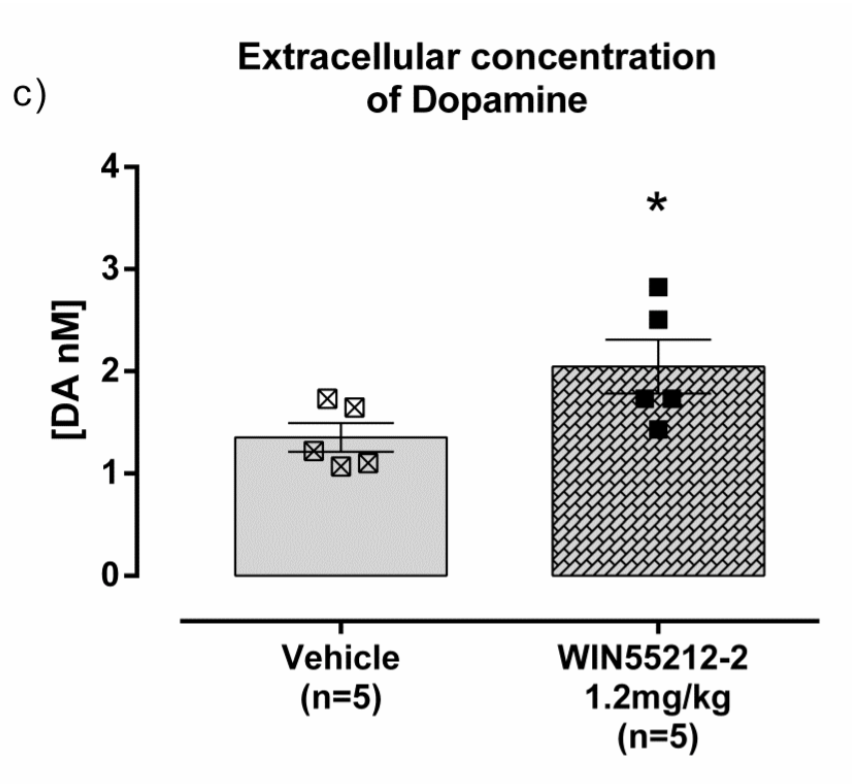
Comparing dopaminergic dynamics in the dorsolateral striatum between adolescent and adult rats- Effect of an acute dose of WIN55212-2

Brief summary:

A recent study has exposed an age-dependent mechanism within the dopaminergic system that relies on cannabinoid receptor 1 (CB1). Adult and adolescent dopamine levels were examined in the presence of a CB1 agonist and increased levels of extracellular dopamine were found in adolescents. This study reveals the different effects cannabis-based medicine has depended on the age of the patient and warrants future research to ensure cannabis has the desired therapeutic effect on patients.   

Dr Caplan Discussion Points:

This adds a helpful layer of insight to the way an animal model of dopamine changes over time, as well as its interaction with exogenous cannabinoids. This sheds light on the natural evolution of the dopamine control system (irrespective of how it interacts with endocannabinoids), and it also points to how cannabinoids may be involved.

This helps to educate the discussion about how psychosis and cannabis use may interact. There is a long-held understanding that dopamine abnormalities in the specific parts of the brain (mesolimbic and prefrontal brain regions) exist in schizophrenia. More recently, research has also strongly suggested that other neurotransmitters, including glutamate, GABA, acetylcholine, and serotonin are also involved in schizophrenia (and, coincidentally, there is also interaction with these other neurotransmitters from various components of cannabis). Nonetheless, this study simply suggests that, by nature, basal dopamine levels increase during adolescence. Also, the study points out that some cannabinoids boost basal levels too. It seems logical to suggest that excessive dopamine may create a problematic force of additional tipping toward illness, within individuals for whom a congenital predisposition toward illness exists.

View this review (yellow link) or download:

This paper is also stored here:    http://bit.ly/2HpWqM5     inside the CED Foundation Archive

To explore related information, click the keywords below:

Benjamin Caplan, MDNatural & Cannabinoid Changes in Dopamine: A key to the psychosis question?
read more

CED Foundation data share drive

This week, CED Foundation is sharing 558 reviews on the medicinal effects of a variety of terpenes (234 added just today)

The drive is free for all to educate. Search. Read. Share. Teach yourself. Help everyone Evolve.

http://bit.ly/33f9a1n

The full drive: tinyurl.com/DrCaplan

Benjamin Caplan, MDCED Foundation data share drive
read more

Masters Degree in Medical Cannabis

Starting this fall, the University of Maryland will offer a masters degree in medical cannabis. The university’s School of Pharmacy developed the Medical Cannabis Science and Therapeutics Master of Science program to train medical students to treat medical marijuana patients and conduct research on cannabis. 

Benjamin Caplan, MDMasters Degree in Medical Cannabis
read more

California veterinarians & Cannabis

Vets in CA can now discuss the use of cannabis for patients and their pets legally and soon, prescribe cannabis medication. Although there is still more much research to be done, adults can already legally buy products, so involving professional vets can help keep pets safe http://bit.ly/33dmbIK

Benjamin Caplan, MDCalifornia veterinarians & Cannabis
read more