Something still not entirely understood is why cannabis affects people differently. A study looking at THC interactions in the brain show that rewarding and adverse effects are produced by anatomically different areas. Individual experiences likely differ due to genetic variation.
A report published by the British Journal of Psychiatry in 2001 demonstrates the progress the medical community has made but also what gaps still need to be filled in when utilizing cannabis. This report found that excess consumption of cannabis leads to feelings of panic and anxiety and that 15% of those willing to respond to a survey experienced acute psychotic symptoms. It was also found that cannabis dependence can occur, as well as withdrawal, which can last for close to a week. This article was a review that synthesized relevant studies but also claimed that the casual conclusions of these papers were difficult to find or replicate.
This paper is interesting given its age considering it put out what was current data but then ended by stating the casual conclusions of each paper may not stand. 18 years later, some of the data has stood, and some have not. Users can gain a tolerance to cannabis but many are looking to mitigate it. The author uses the word dependence when discussing cannabis which is a word that holds weight and is up for debate. Intoxicating cannabinoids, like THC, affect the reward center, but non-altering cannabinoids, such as CBD, tend to work more noticeably outside of the brain, although all have mixed effects in both regions. Cannabinoids are not all the same, apply quite differently to various ailments, and have divergent effects. Blanketing an entire crop with a misinformed warning label seems irresponsible and unduly harsh. Users or those looking into cannabis-based medicine are encouraged to do their research.
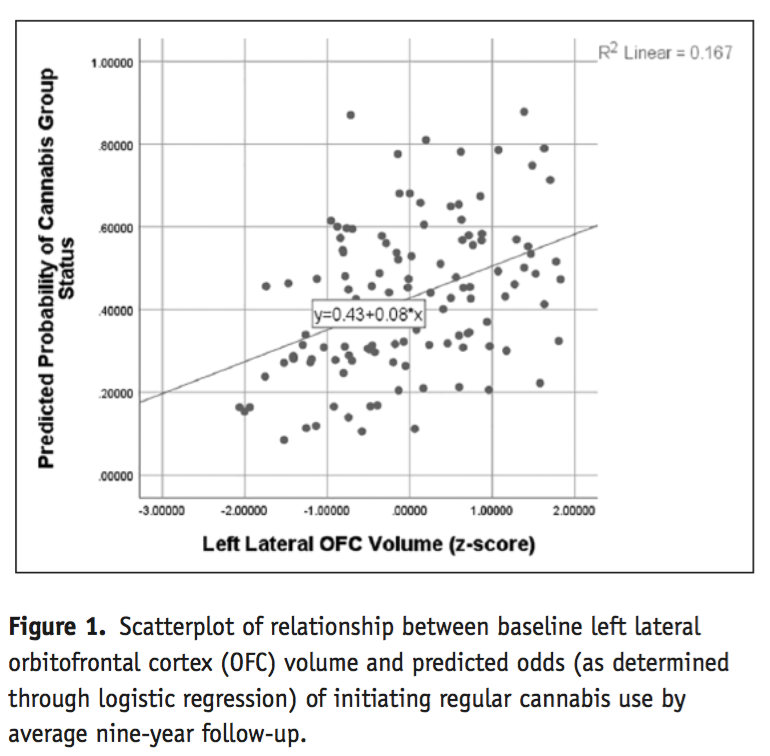
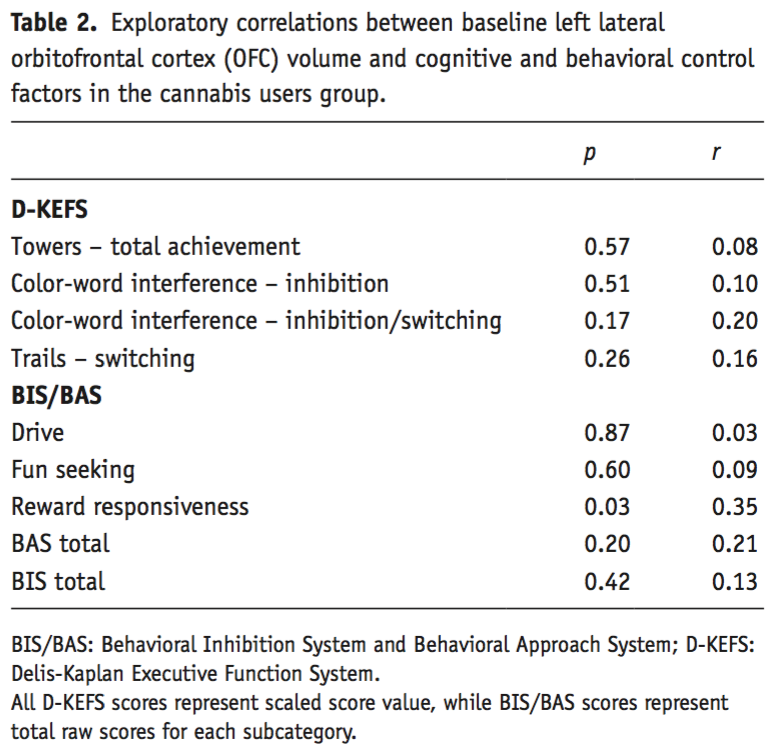
Orbitofrontal cortex volume prospectively predicts cannabis and other substance use onset in adolescents
Researchers have recently unveiled that the volume of the lateral orbitofrontal cortex (OFC) is able to predict future substance use in adolescents. Individuals were followed for 13 years after undergoing magnetic functional resonance imaging and surveyed for cannabis and alcohol use. Interestingly, the authors chose to utilize those who had used cannabis, but in limited quantities, as a control group instead of including them in their cannabis users group. Similarly, the alcohol only group of participants also included those who used cannabis multiple times within the past year. Nevertheless, the authors conclude that the size of the lateral OFC is able to predict drug use in adolescents although not without admitting the need for replication and validity.
This paper represents an important example of biased information within the medical community. Bias is inherent, there is no way around it. But, it is the duty of researchers to publish their findings while remaining as objective as possible, and to do so, transparently. The grouping decisions for the study groups here, and the choices the authors made regarding statistical analysis of this data are odd, considering their definitions and broad claims. This may be due to the views of the organization funding the research, or the bias of the research team members themselves, but the limitations of the study should be considered strongly. Even beyond the groupings, the fact that this research took place in a state where cannabis use is legal for recreational and medical use is a reason to consider other confounding variables. Scientists have an obligation to pursue the truth and not extrapolate their findings to fit a personal or professional agenda. Many articles cherry-pick statistics and extrapolate small findings of data, leaving readers and media outlets to polularize findings that do not represent a full picture. It falls on discerning readers to read mindfully and consider a study’s methodolgy and demographics, as carefully as possible.
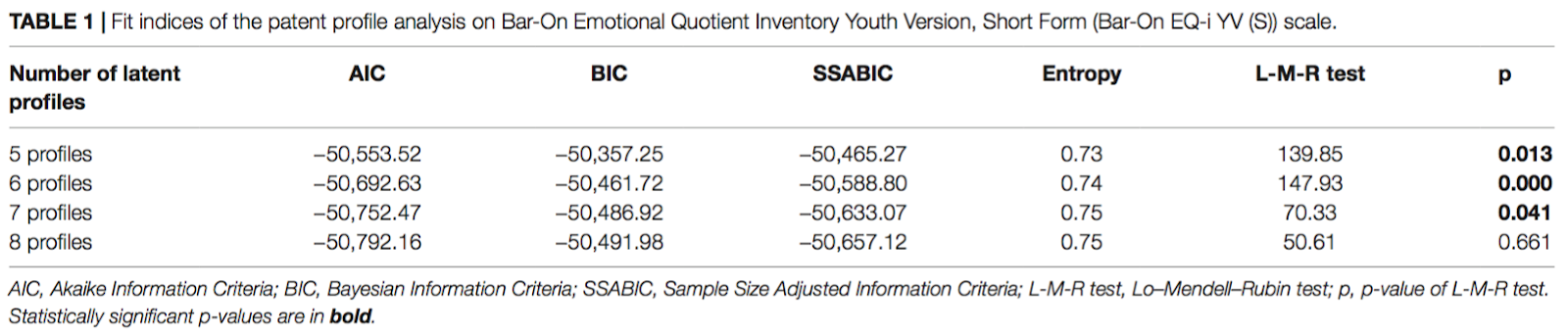
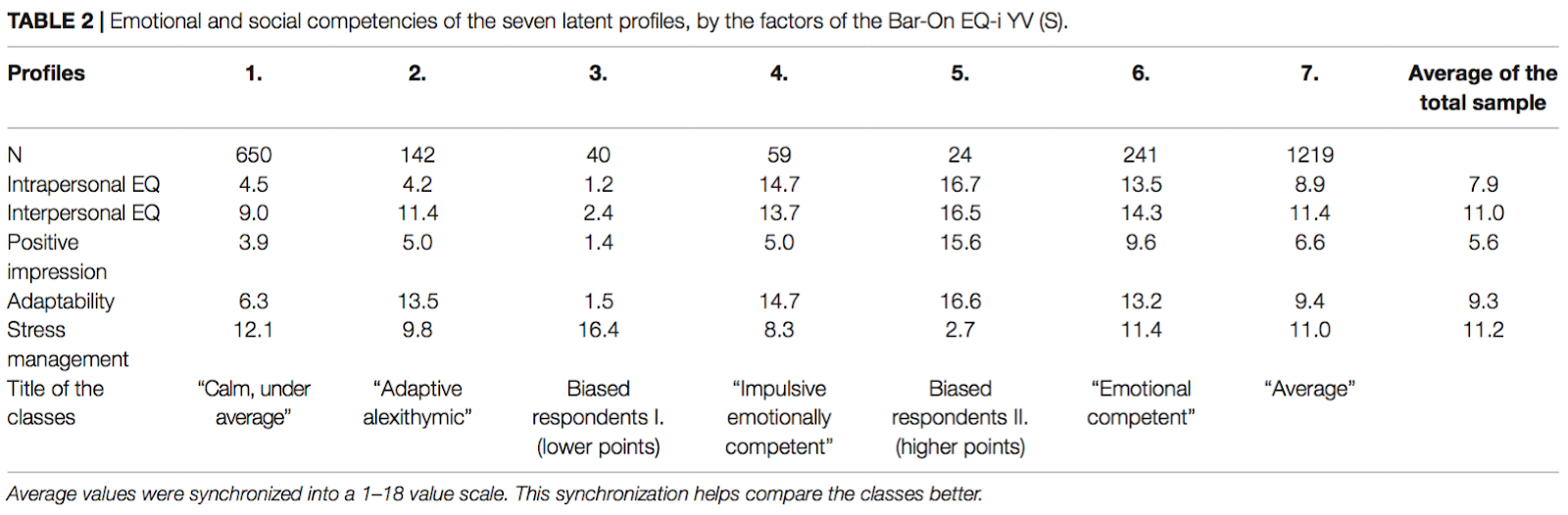
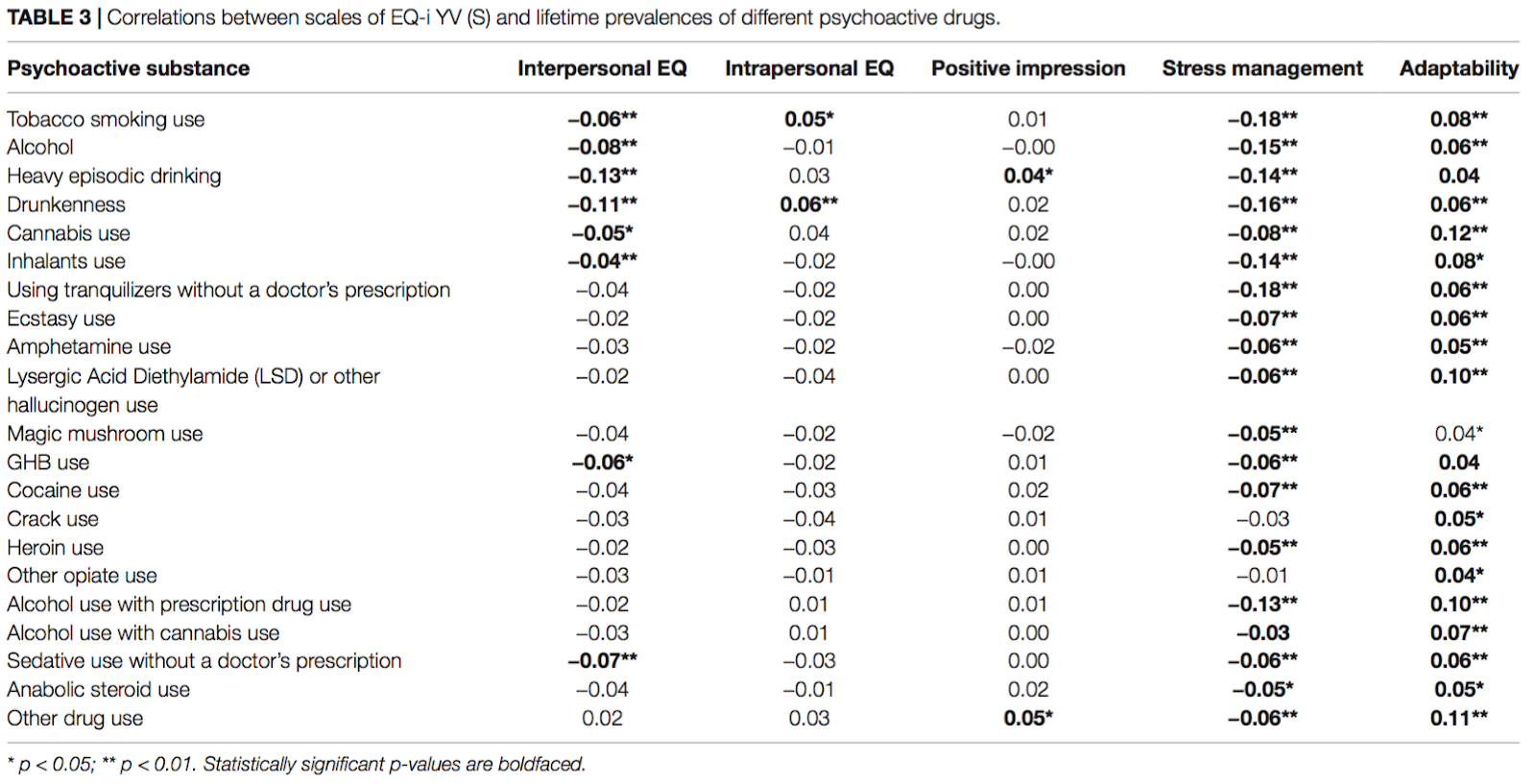
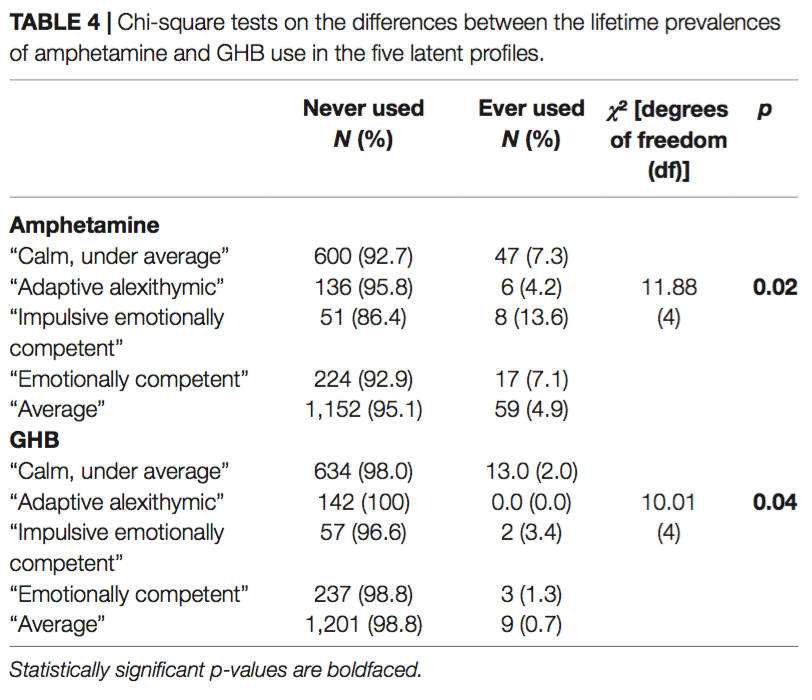
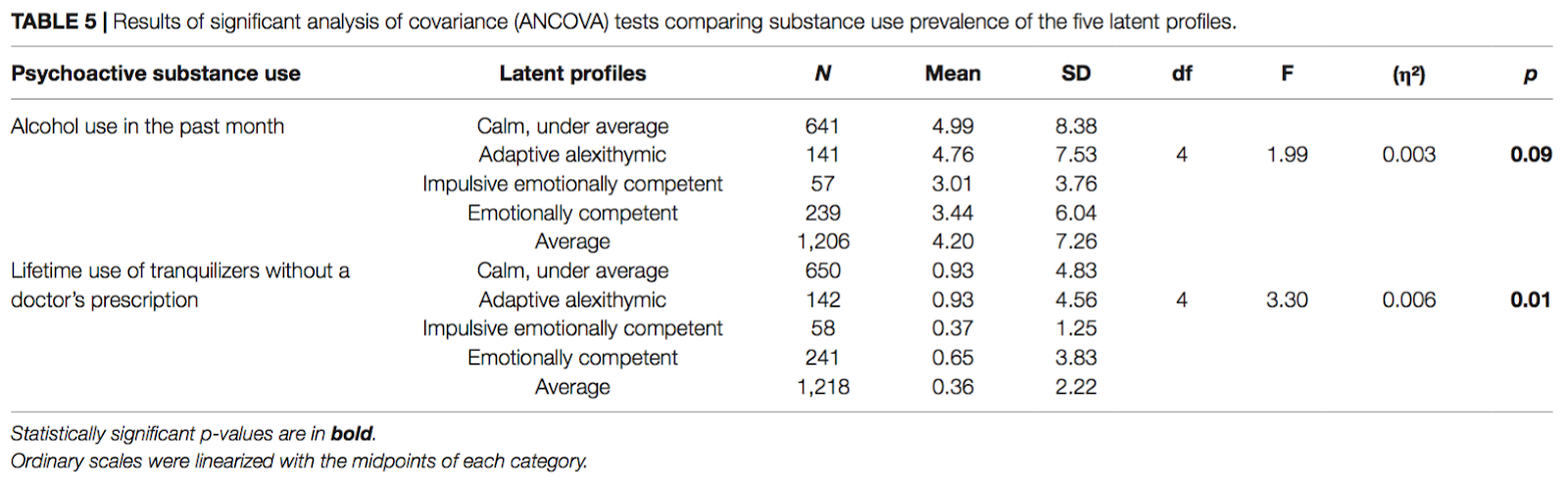
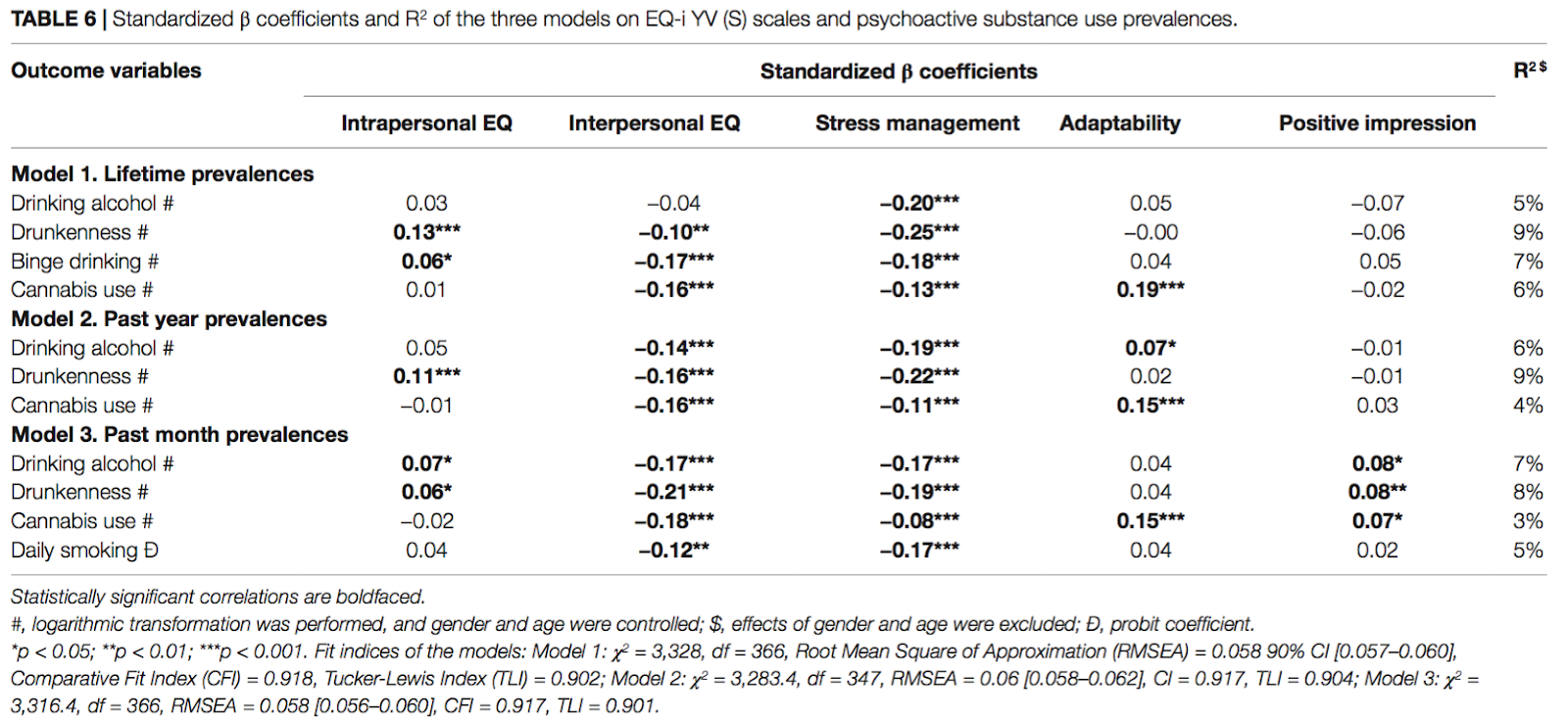
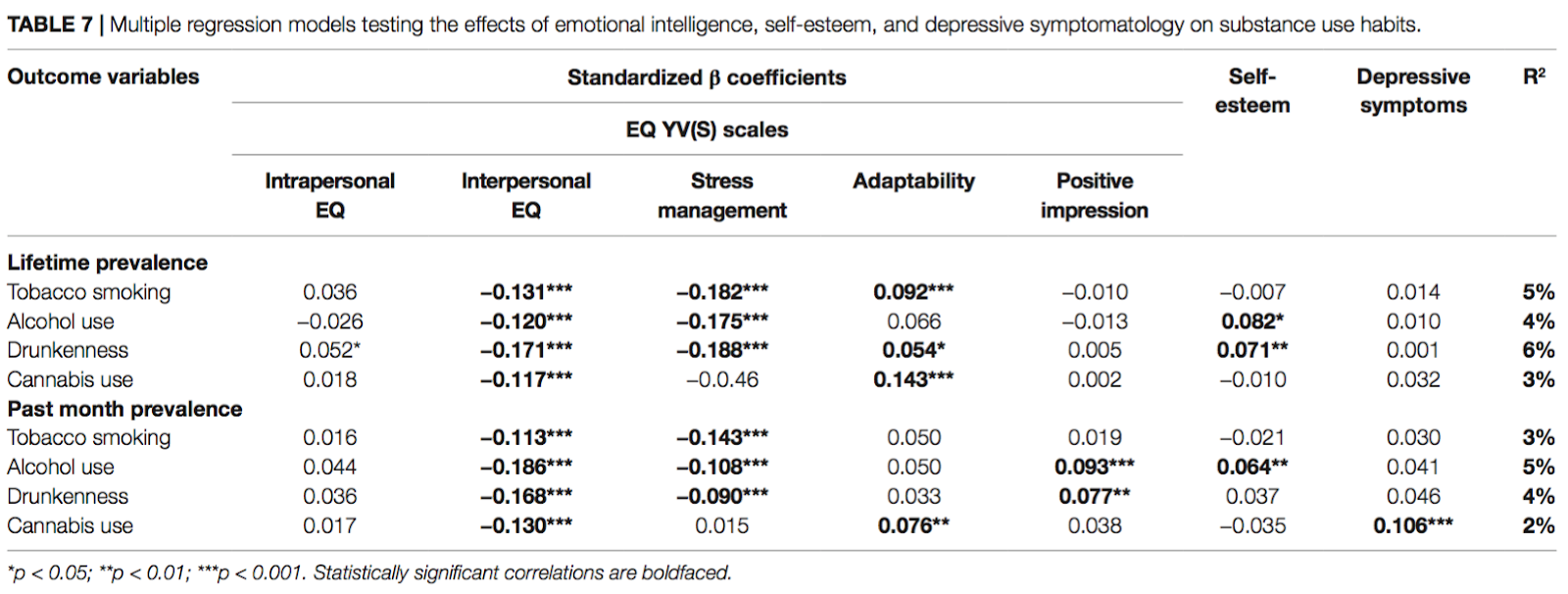
The Effects of Trait Emotional Intelligence on Adolescent Substance Use- Findings From a Hungarian Representative Survey
A recent study has revealed that teenagers who have a difficult time managing stress and appear to lack empathy were more likely to abuse tobacco, alcohol, and cannabis.
The studies initial goal was to determine if emotional intelligence could predict future drug abuse, but found that those with more empathy and interpersonal competencies were less likely to engage in substance abuse. This study provides data that may help to develop targeted drug prevention programs in order to lessen adolescent drug abuse or the development of any future substance abuse disorders.
Highlighted in this study was the possible inaccuracy of the conclusions as the results may have been skewed by teenagers merely providing what they thought was a socially acceptable answer. Despite the fact that the majority of states have legalized the use of medical marijuana a stigma against cannabis use remains.
Stigma has and continues to stand in the way of medical research. If the consumption of cannabis were less frowned upon then perhaps more observational studies, studies that relied on self-reporting use, or even appropriate medical treatment, would be improved. The more information that can be gathered, the more accurate the research that can be conducted. In order to fully understand all the benefits and limitations of cannabinoids, although this also applies to tobacco and alcohol consumption, the uninformed stigma must also be eroded.
Cannabis and Psychosis: Are We any Closer to Understanding the Relationship?
Despite the constant technological gains in medicine, there is still insufficient information and knowledge about who is at risk of developing cannabis psychosis prior to an individual’s exposure to cannabis. Controlled research is limited due to the legal status of cannabis but the growing number of states legalizing medicinal and recreational use of cannabis will likely provide a naturalistic experiment that will produce a prevention strategy for the condition. Current schizophrenia research is limited to western male populations and an overemphasis on the biological model; future research should extend to a more diverse population and sociocultural factors that may lead to schizophrenia.
The endocannabinoid system has long been recognized as a promising target for PTSD treatment.
Here, a 2018 literature review summarizes the risks and benefits of cannabis as a treatment option. Watch our video adaptation, and review the source literature, below:
In overarching trends, one pattern that is seen in the medical literature is a greater tendency for males to be more likely to develop drug abuse disorders than female counterparts, whilst females are more likely to develop anxiety disorders than male counterparts.
Of course, these trends are merely observational patterns in the current literature, which represents a biased perspective of biased subjects, and certainly not etched in stone. Further, many people do not conform to one pre-determined organization system as simple as gender to help educate whether they would be likely to develop drug dependence or anxiety, and even others don’t conform to a single gender. So, a sizeable grain of salt must be taken with what we understand from this literature.
That given, the relevant punch line here is what role might cannabis play in inducing or reducing anxiety across sexes, and how does cannabis might relate to addiction/dependence.
We are still at early stages of these important questions, but one recent study found, that female rats were significantly more likely than male rats to experience anxiety when given large doses of cannabis.
Cannabidiol: a hope to treat non‑motor symptoms of Parkinson’s Disease Patients
Cannabidiol (CBD) has recently been postulated as an ideal drug to address the treatment of non-motor symptoms of Parkinson’s Disease (PD) due to its multifaceted mechanism of action. The plethora of effects of CBD includes anti-inflammatory, neuroprotective, anxiolytic, and antipsychotic actions, which improve non-motor symptoms of PD and lift the quality of life for patients coping with the illness. Further research is recommended to garner support for FDA approval.
Genome-wide association study implicates CHRNA2 in Cannabis Use Disorder
Roughly 9% of cannabis users become dependent. In a recent study, scientists identified a significant association between CHRNA2 gene expression and a diagnosis of Cannabis Use Disorder. In other words, genetics might help to explain why some people may find themselves more dependent upon cannabis than others.
Massachusetts has come one step closer to a pilot program involving cannabis cafes across the state. This will also bring about more licenses for cannabis delivery and social consumption, as a less capital-intensive option for entrepreneurs to enter the industry. http://bit.ly/2IOjOUz
To explore related information, click the keywords below: