All posts tagged: Adverse Effects

Cannabis use as a risk factor for causing motor vehicle crashes: a prospective study

Title of study: Cannabis use as a risk factor for causing motor vehicle crashes: a prospective study

After legalization in 2018, many Canadian provinces implemented “zero tolerance” policies for drivers who have THC in their systems. But a new study from the University of British Columbia suggests that Canada’s drug-impaired driving laws may be unnecessarily strict. According to researchers, there is no link between THC levels below 5ng/mL and increased risk of car accidents.

Note: Considering the potentially grave risk to life and health for modern culture to make the wrong interpretation of the potential dangers of the effects of cannabis consumption on driving, it is critical for the industry to approach the circumstances with delicacy and diligence. Ideally, everyone involved will be motivated to learn as much as possible about the impact of cannabis on the risks of operating machinery and all will follow a cautious approach which will minimize the risk to all. To that end, it is important to consider and reconcile evidence from multiple perspectives.

The article:

“New study suggests low levels of THC in blood do not increase risk of car crash” https://www.straight.com/cannabis/1256476/new-study-suggests-low-levels-thc-blood-do-not-increase-risk-car-crash#

View this review (yellow link) or download:

This paper is also stored here:     http://bit.ly/2IVhSJY    inside the CED Foundation Archive

To explore related information, click the keywords below:

Benjamin Caplan, MDCannabis use as a risk factor for causing motor vehicle crashes: a prospective study
read more

Looking for a genetic explanation for “Cannabis Use Disorder”

Genome-wide association study implicates CHRNA2 in Cannabis Use Disorder

Roughly 9% of cannabis users become dependent. In a recent study, scientists identified a significant association between CHRNA2 gene expression and a diagnosis of Cannabis Use Disorder. In other words, genetics might help to explain why some people may find themselves more dependent upon cannabis than others.

View this review (yellow link) or download:

This paper is also stored here:    http://bit.ly/2IVZJvJ     inside the CED Foundation Archive

To explore related information, click the keywords below:

Benjamin Caplan, MDLooking for a genetic explanation for “Cannabis Use Disorder”
read more

The Cannabinoid System is a Promising Source of Targets for Treating Pain

A Budding Source of Targets for Treating Inflammatory and Neuropathic Pain ECS

The cannabinoid system provides momentum to develop cannabinoid-based medications to treat inflammatory and neuropathic pain as researchers continue to find promising therapeutic targets. These new targets may lead to the formation of novel pain-relief medications that may serve well to alleviate pain for those suffering from cancer, multiple sclerosis, and fibromyalgia. Cannabis-based pain medicine is also being researched for opioid-sparing effects and effectiveness in reducing the necessary dose of opioids.

View this review (yellow link) or download:

This paper is also stored here:  http://bit.ly/2FfLorA        inside the CED Foundation Archive

To explore related information, click the keywords below:


Benjamin Caplan, MDThe Cannabinoid System is a Promising Source of Targets for Treating Pain
read more

Neem Oil vs Cannabinoid Hyperemesis Syndrome

Some people are concerned that Cannabinoid Hyperemesis Syndrome (CHS,) a rare condition involving cyclical vomiting, may be caused by neem oil or pesticides. However, symptoms are more consistent with an overload of CB1 receptors, circumstances that occur primarily with habitual, large-volume consumers. Here, an interesting review of the ongoing public conversation: http://bit.ly/2LepwAV

To explore related information, click the keywords below:

Benjamin Caplan, MDNeem Oil vs Cannabinoid Hyperemesis Syndrome
read more

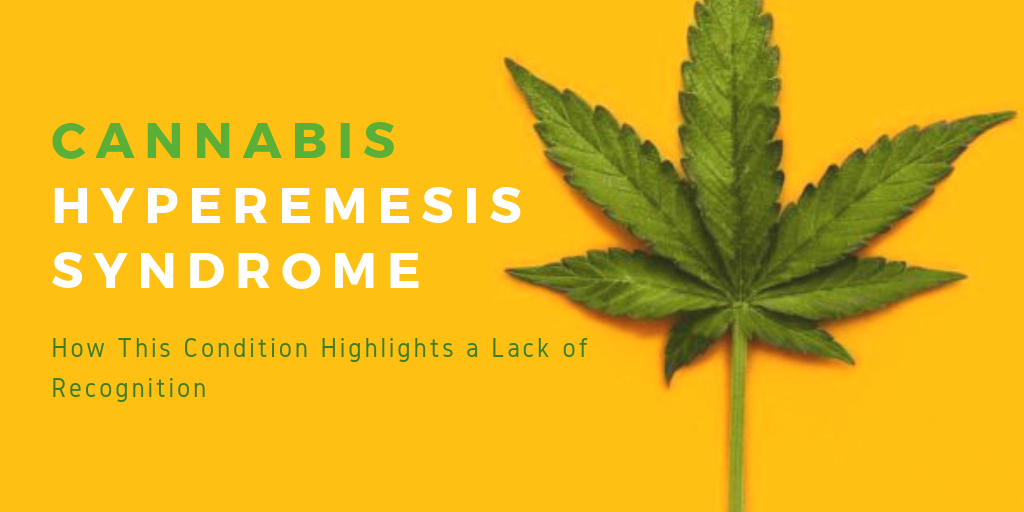
Case Studies Expose Under Recognition of Cannabis Hyperemesis Syndrome

“Cannabis hyperemesis syndrome: still under-recognized after all these years“

After two years of chronic vomiting and pain and dozens of trips to emergency rooms a 23-year-old woman was found to have cannabis hyperemesis syndrome (CHS). Physicians are still unable to recognize the early symptoms of CHS as cannabis use is still in a legal gray area in much of the country. A lack of research, recognition, and trust often prevents a quick diagnosis when an illness is related to cannabis, leading to multiple referrals and invasive tests.

CHS was first described 15 years ago yet it is not frequently recognized in patients. The case study featured in this blog post highlights patients and physicians’ outcry for tolerance and support so that cannabis-related illnesses can be efficiently and effectively engaged.

View this review (yellow link) or download:

This paper is also stored here:    http://bit.ly/2IxMxNx     inside the CED Foundation Archive

To explore related information, click the keywords below:

Benjamin Caplan, MDCase Studies Expose Under Recognition of Cannabis Hyperemesis Syndrome
read more

Video: Cannabis and Multiple Sclerosis

A 2019 literature review summarizes the findings on cannabis use for patients with multiple sclerosis. Cannabis has been shown to aid a number of symptoms associated with multiple sclerosis, including chronic pain, spasticity, and problems with sleep. To learn more, check out our video adaptation below:

View this review (yellow link) or download:

This paper is also stored here:     http://bit.ly/2IJAqNz    inside the CED Foundation Archive

To explore related information, click the keywords below:

Benjamin Caplan, MDVideo: Cannabis and Multiple Sclerosis
read more

Should donors who have used marijuana be considered candidates for living kidney donation?

Although tobacco use has been linked to worse outcomes for kidney donors and recipients, cannabis seems to have no effect on post-operation outcomes.

 In a retrospective study of 294 kidney transplants, doctors found no short-term or long-term differences in kidney function for donors or recipients. 

In other words, cannabis users may safely donate kidneys.

View this review (yellow link) or download:

This paper is also stored here:   http://bit.ly/2IFl0cQ      inside the CED Foundation Archive

To explore related information, click the keywords below:

Benjamin Caplan, MDShould donors who have used marijuana be considered candidates for living kidney donation?
read more

Variations in Genes Influences Cannabis’ Acute Effects on Behavior

CNR1 and FAAH variation and affective states induced by marijuana smoking

A recent study has revealed that variations within cannabinoid receptor 1 (CBR1) and fatty acid amide hydrolase (FAAH) influences cannabis’ acute effects on affect. Variations of CBR1 and FAAH are known to be associated with cannabis dependence. The current study now adds that the variations in genes also affect an individual’s behavior when ingesting cannabis. The results of this study provide useful information for understanding an individual’s motivation for marijuana use, as well as risks and associated behaviors.

View this review (yellow link) or download:

This paper is also stored here:   http://bit.ly/31Ce9Za     inside the CED Foundation Archive

To explore related information, click the keywords below:

Benjamin Caplan, MDVariations in Genes Influences Cannabis’ Acute Effects on Behavior
read more

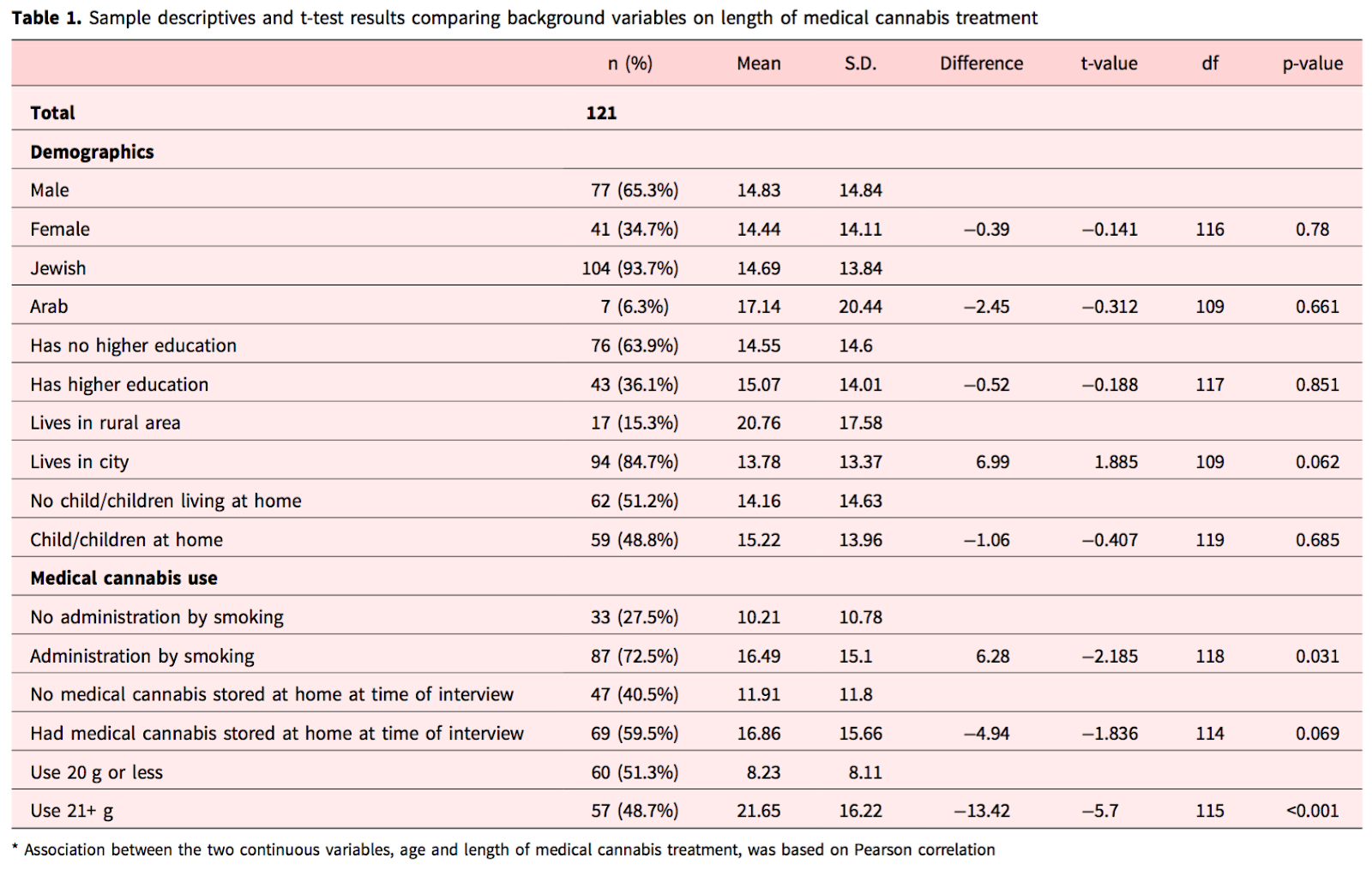
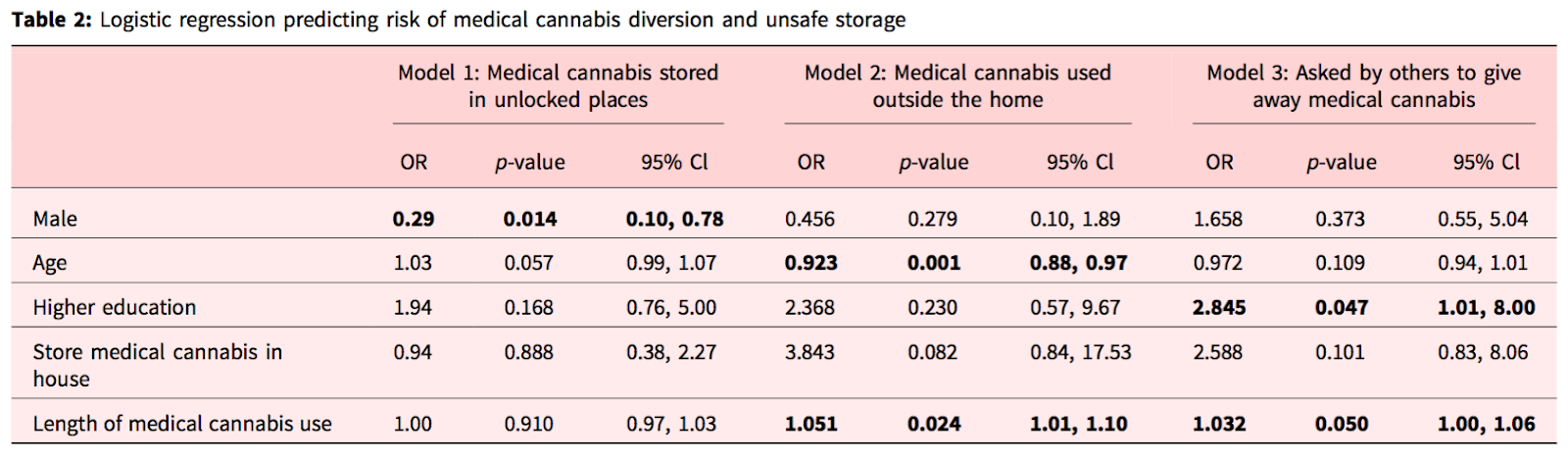
Oncologists Communication with Chronic Medical Cannabis Users

Long-term medical cannabis use and risk factors for diversion- report on physician’s guidance and patients’ behaviour

A recent examination of long-term medical cannabis users has demonstrated the need for more consistent training of storage and disposal practices from oncologists. Chronic users tend to increase the dosage taken of medical cannabis over time due to tolerance; higher doses of cannabis are associated with dangerous storage and disposal practices. The current study calls for oncologists who recommend cannabis-based medicine to their patients to have more consistent training in safe storage and disposal methods to prevent patients from ingesting or giving away impure cannabis.

An important point brought up in this article is the pressure some patients experience from their peers to buy cannabis for multiple people with their medical marijuana identification card or certification. Physicians should be wary of this practice and support their patients, reminding them of the accidents that can happen when medications are shared.

View this review (yellow link) or download:

This paper is also stored here:    http://bit.ly/2IyYTEV     inside the CED Foundation Archive

To explore related information, click the keywords below:

Benjamin Caplan, MDOncologists Communication with Chronic Medical Cannabis Users
read more

Pregnant women are using more cannabis over time

Statistics show that in the past 15 years, the number of pregnant women using marijuana, especially in their first trimester, has risen greatly. These numbers may be slightly skewed, but they show the importance of more research being done on the effect of cannabis on pregnant women. https://cnn.it/2WWQV1e

View this review (yellow link) or download:

This paper is also stored here:     http://bit.ly/2IwLxcp    inside the CED Foundation Archive

To explore related information, click the keywords below:

Benjamin Caplan, MDPregnant women are using more cannabis over time
read more