Science

The Cannabinoid System is a Promising Source of Targets for Treating Pain

A Budding Source of Targets for Treating Inflammatory and Neuropathic Pain ECS

The cannabinoid system provides momentum to develop cannabinoid-based medications to treat inflammatory and neuropathic pain as researchers continue to find promising therapeutic targets. These new targets may lead to the formation of novel pain-relief medications that may serve well to alleviate pain for those suffering from cancer, multiple sclerosis, and fibromyalgia. Cannabis-based pain medicine is also being researched for opioid-sparing effects and effectiveness in reducing the necessary dose of opioids.

View this review (yellow link) or download:

This paper is also stored here:  http://bit.ly/2FfLorA        inside the CED Foundation Archive

To explore related information, click the keywords below:

Benjamin Caplan, MDThe Cannabinoid System is a Promising Source of Targets for Treating Pain
read more

Cannabidiol May Provide Novel Treatment for Rare Ovarian Cancer

Dramatic response to Laetrile and cannabidiol (CBD) oil in a patient with metastatic low grade serous ovarian carcinoma

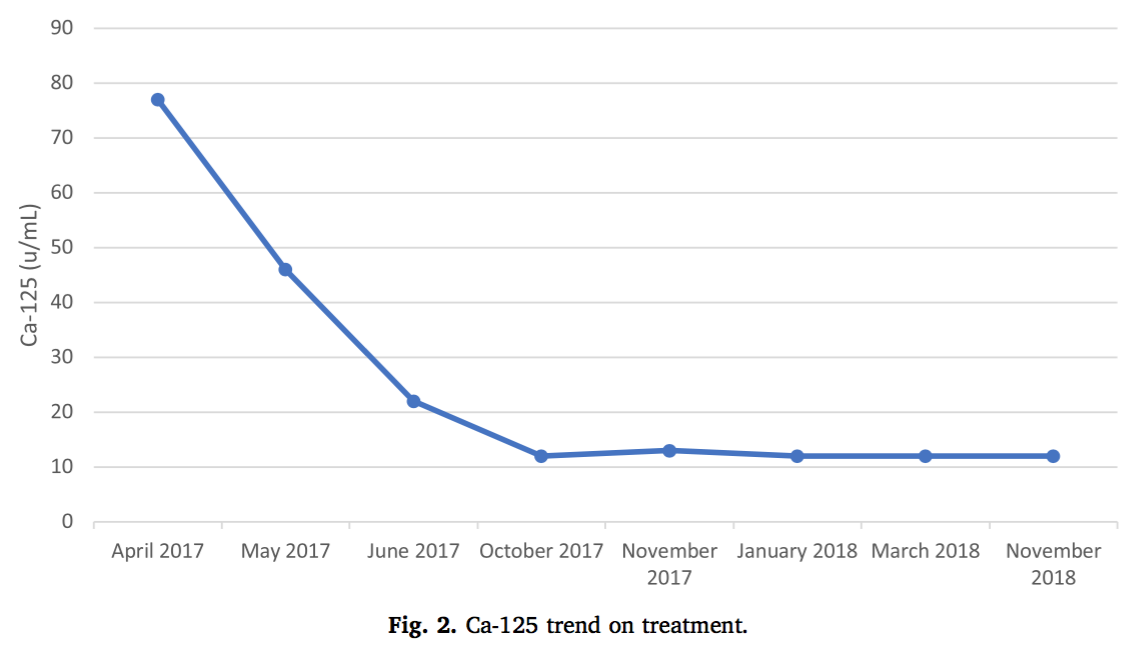
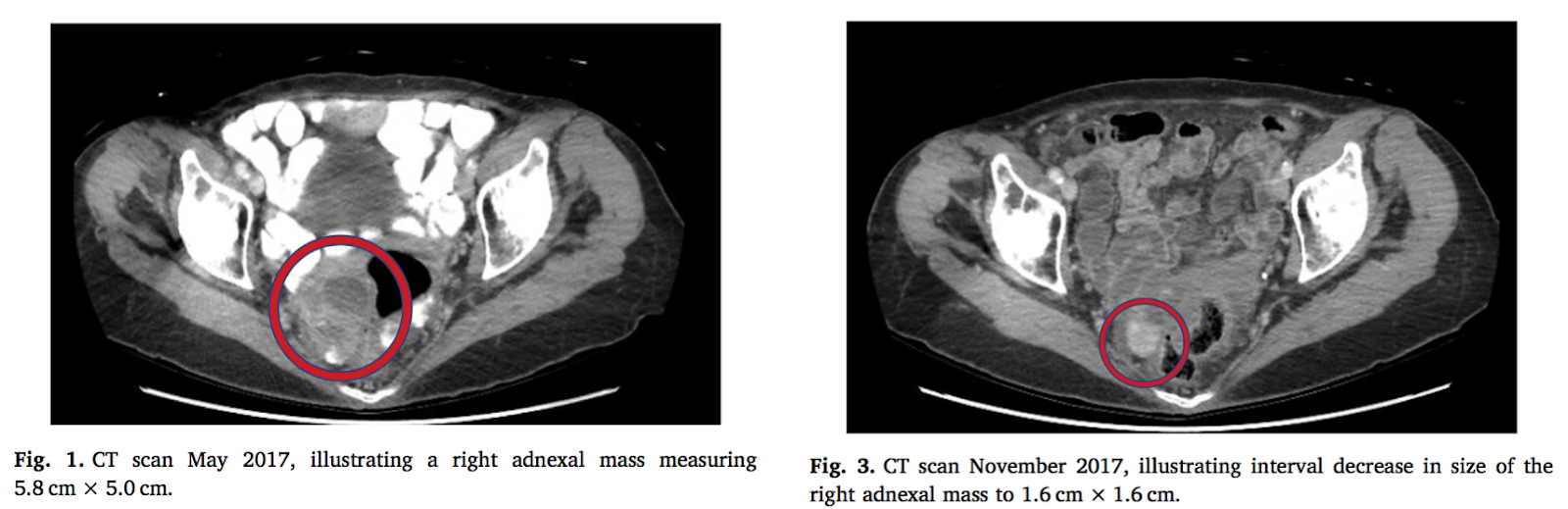
A recent case study has examined a patient’s response to the consumption of cannabidiol (CBD) as a treatment for a rare type of ovarian cancer. Rather than participate in chemotherapy, which has been shown to only be effective in 5% of patients with low grade serous ovarian carcinoma, an 81-year-old decided to take a combination of amygdalin and CBD. Although CBD has only been shown to have effective anti-cancer properties in murine models the featured patient reported a significant decrease in tumor size, revealing that CBD may, in fact, be an effective treatment for patients looking into alternative care methods.

Although proven ineffective, the use of amygdalin highlights alternative therapies derived from naturally occurring chemicals found in common plants. Flavonoids and terpenes are chemical components of cannabis plants, also found in a variety of fruits and vegetables, that are just now being investigated for their therapeutic benefits. The results of those inquiries may prove useful for similar patients suffering from illnesses that are resistant to the usual treatments.

View this review (yellow link) or download:

This paper is also stored here:   http://bit.ly/2L9pCJZ      inside the CED Foundation Archive

To explore related information, click the keywords below:
Benjamin Caplan, MDCannabidiol May Provide Novel Treatment for Rare Ovarian Cancer
read more

Video: The Endocannabinoid System’s Intriguing Role in Gut Health

A 2018 literature review summarizes the findings on cannabis and gut health. The endocannabinoid system plays a key role in gut motility, obesity, and inflammatory bowel disease (IBD). Targeting the endocannabinoid system with CBD oil or other cannabinoids seems to reduce colonic inflammation and relieve stress, at a microscopic level, inside the gastrointestinal tract. Watch our video adaptation of the effects of cannabis on IBD:

View this review (yellow link) or download:

This paper is also stored here:    http://bit.ly/2IQCNy1     inside the CED Foundation Archive

To explore related information, click the keywords below:

Benjamin Caplan, MDVideo: The Endocannabinoid System’s Intriguing Role in Gut Health
read more

CBD antibacterial properties, topically

Preliminary testing shows positive results towards using CBD as an antibiotic topically, but also potentially to deal with systematic infections, such as pneumonia, using oral dosing. One of the present concerns is the struggle of getting permits to handle these cannabinoids to do further testing.

While these specific findings have not yet been published in a peer-review journal, this is far from the first time we have seen antimicrobial activity associated with plants or with cannabis. Evolutionarily, this trait is believed to be adaptive for the plant, and within cannabinoid, terpenoid, and flavonoid compounds, this activity has been demonstrated reproducibly, both in the lab and in clinic.
http://bit.ly/2LbTwxm

To explore related information, check the CED Foundation MMJ archive to search, or click the keywords below:

Benjamin Caplan, MDCBD antibacterial properties, topically
read more

Cannabinoids + opioid pain relief: subjective effects in healthy humans

Human study finds that, when taken with opioids, dronabinol (THC) may increase impairment and decrease, or not affect, pain relief. Researchers conclude that THC might NOT protect the body from the adverse effects of opioids. However, the study examined only 10 participants, and such a small sample size should give pause to the validity and applicability of the findings. 

View this review (yellow link) or download:

This paper is also stored here:    http://bit.ly/2IHJuSO     inside the CED Foundation Archive

To explore related information, click the keywords below:

Benjamin Caplan, MDCannabinoids + opioid pain relief: subjective effects in healthy humans
read more

Case Studies Expose Under Recognition of Cannabis Hyperemesis Syndrome

“Cannabis hyperemesis syndrome: still under-recognized after all these years“

After two years of chronic vomiting and pain and dozens of trips to emergency rooms a 23-year-old woman was found to have cannabis hyperemesis syndrome (CHS). Physicians are still unable to recognize the early symptoms of CHS as cannabis use is still in a legal gray area in much of the country. A lack of research, recognition, and trust often prevents a quick diagnosis when an illness is related to cannabis, leading to multiple referrals and invasive tests.

CHS was first described 15 years ago yet it is not frequently recognized in patients. The case study featured in this blog post highlights patients and physicians’ outcry for tolerance and support so that cannabis-related illnesses can be efficiently and effectively engaged.

View this review (yellow link) or download:

This paper is also stored here:    http://bit.ly/2IxMxNx     inside the CED Foundation Archive

To explore related information, click the keywords below:

Benjamin Caplan, MDCase Studies Expose Under Recognition of Cannabis Hyperemesis Syndrome
read more

Video: Cannabis and Multiple Sclerosis

A 2019 literature review summarizes the findings on cannabis use for patients with multiple sclerosis. Cannabis has been shown to aid a number of symptoms associated with multiple sclerosis, including chronic pain, spasticity, and problems with sleep. To learn more, check out our video adaptation below:

View this review (yellow link) or download:

This paper is also stored here:     http://bit.ly/2IJAqNz    inside the CED Foundation Archive

To explore related information, click the keywords below:
Benjamin Caplan, MDVideo: Cannabis and Multiple Sclerosis
read more

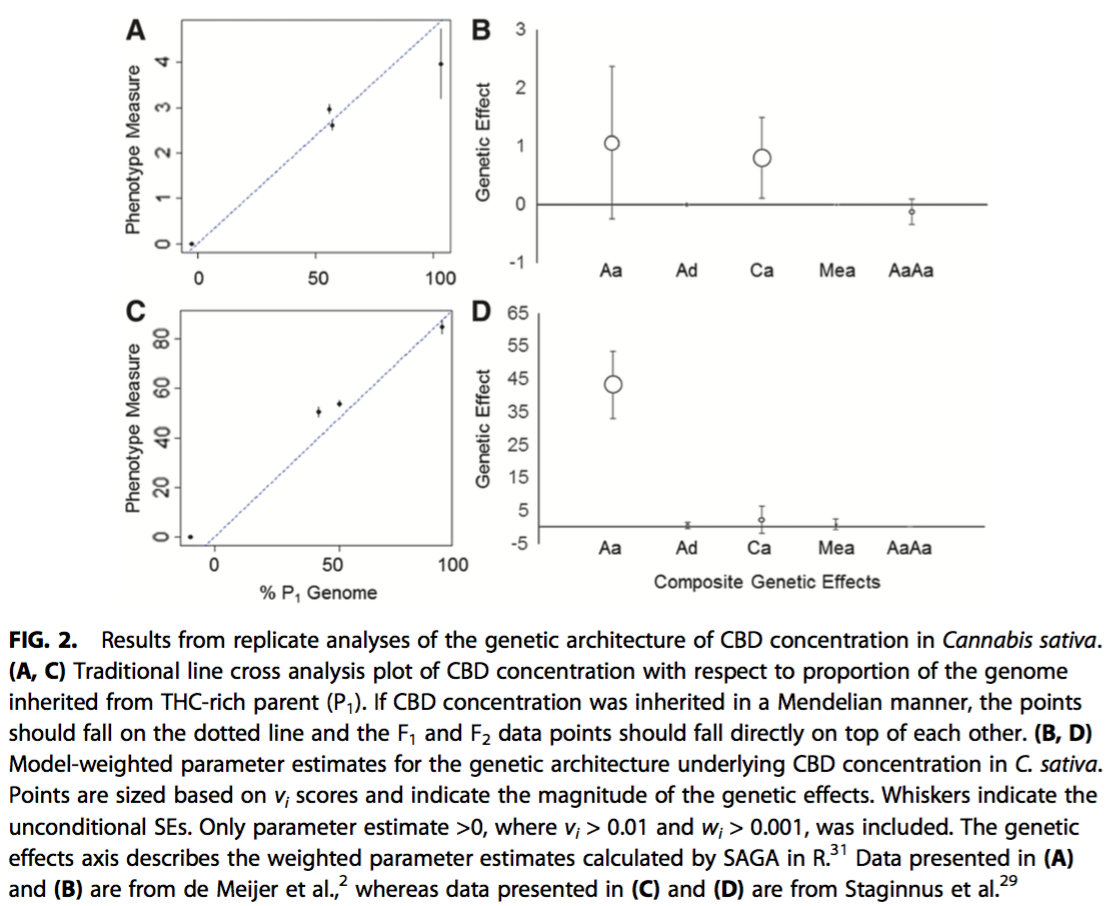
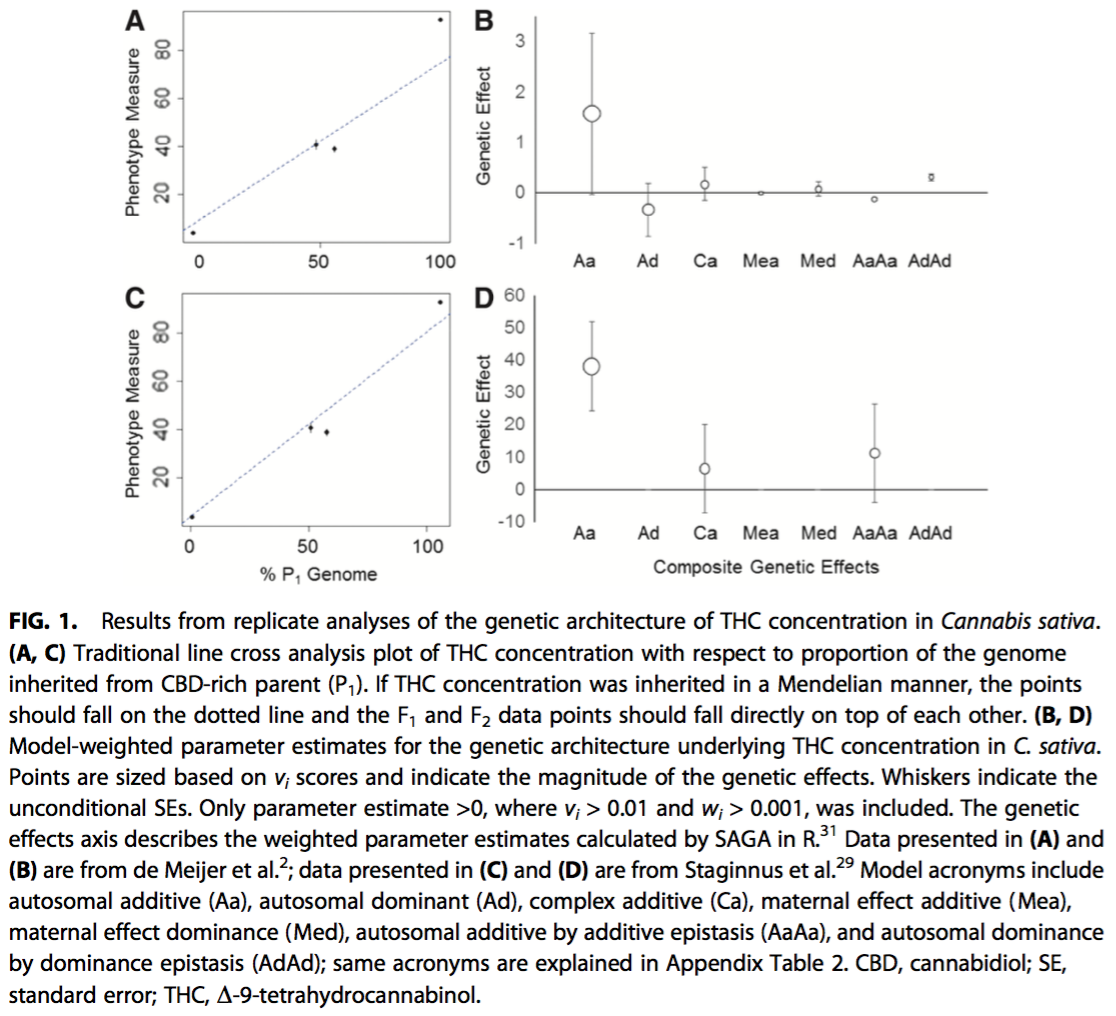
Complex Genetics Underlie Cannabinoid Production

Cannabinoid Inheritance Relies on Complex Genetic Architecture

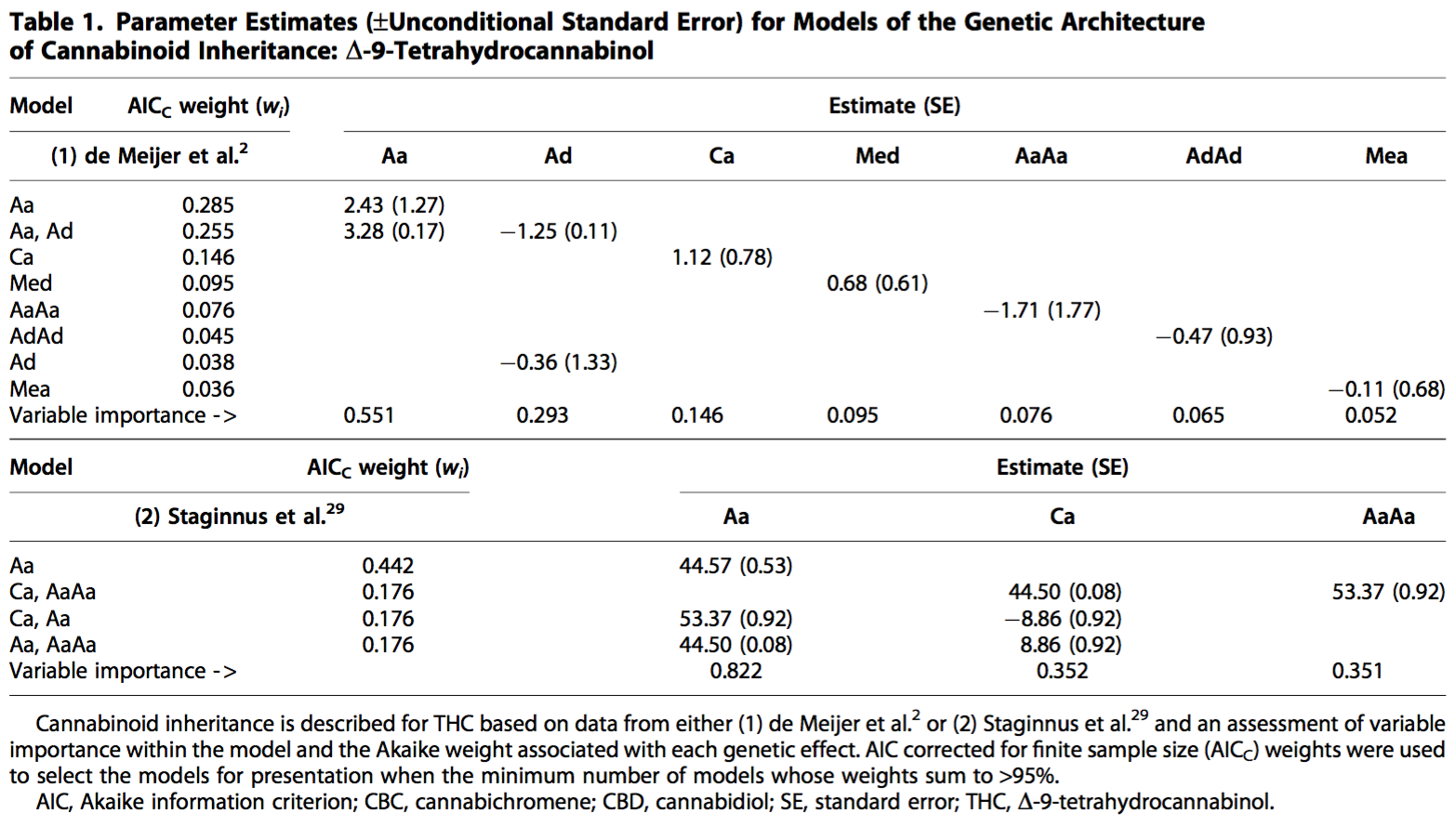
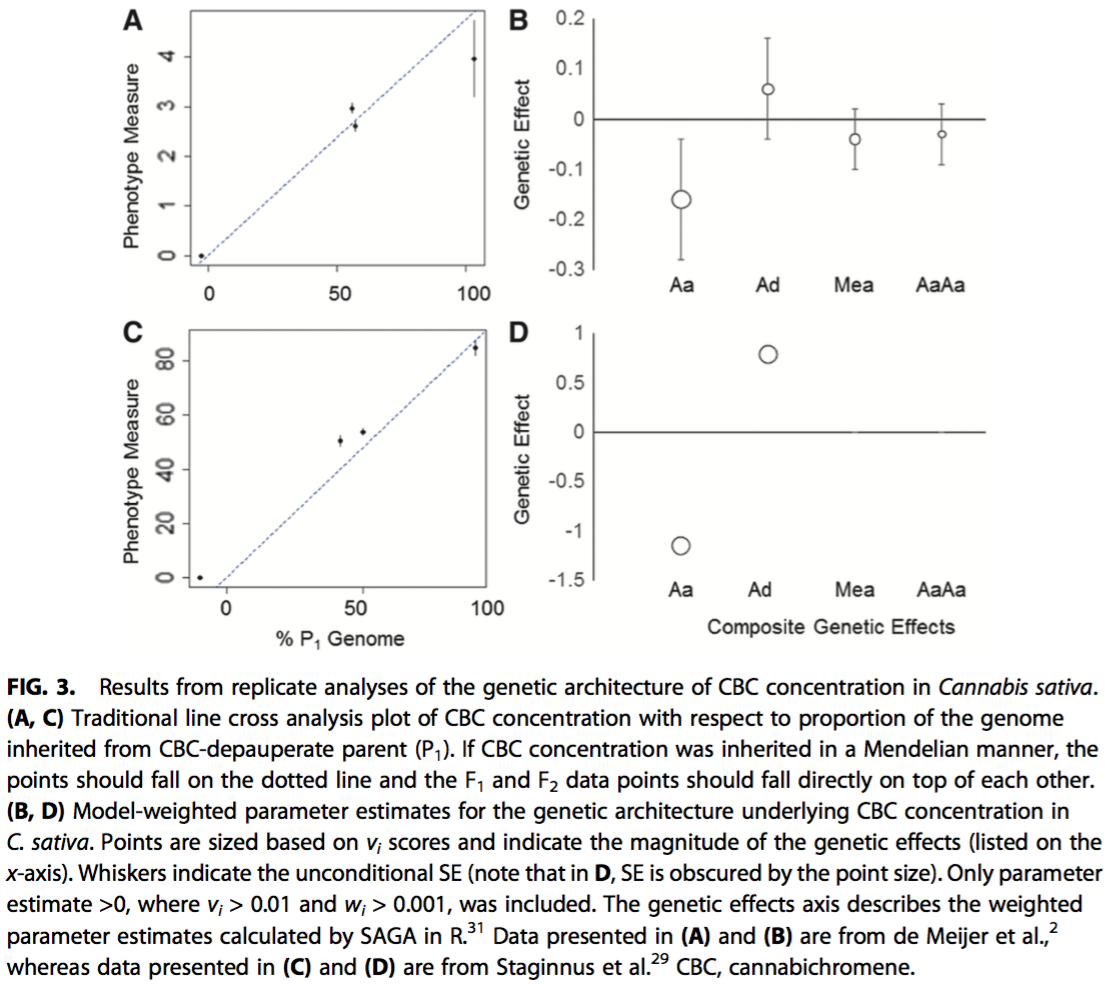
Researchers have recently attempted to discover the genetic basis of cannabinoid production within cannabis plants, finding a complex genetic architecture. This study highlights the lack of knowledge surrounding cannabis cultivation, suggesting current producers record the phenotypic and genetic crosses they breed so that the community can further research the cannabinoids produced. Specifying which genetic profiles match up to the ratio of cannabinoids produced will benefit mass production and medical research.

The introduction of this article focuses heavily on the ratio of ∆-9-tetrahydrocannabinol to cannabidiol, yet there are therapeutic benefits associated with all of the other cannabinoids as well as flavonoids and terpenes produced by the plant. Multiple chemical components of cannabis strains have yet to be fully explored and preliminary findings warrant the same amount of attention in order to develop various therapies.

View this review (yellow link) or download:

This paper is also stored here:   http://bit.ly/2L3PeIl      inside the CED Foundation Archive


Benjamin Caplan, MDComplex Genetics Underlie Cannabinoid Production
read more

Cannabis constituent synergy in a mouse neuropathic pain model

In a mice-model study, researchers found that low dose THC:CBD might successfully treat neuropathic pain. 

Neuropathic pain is pain caused by damage to the somatosensory nervous system. Neuropathic pain may be associated with abnormal sensations or pain from normally non-painful stimuli, for example, Phantom Limb Syndrome.

View this review (yellow link) or download:

This paper is also stored here:   http://bit.ly/2Fk0yw7      inside the CED Foundation Archive

To explore related information, click the keywords below:
Benjamin Caplan, MDCannabis constituent synergy in a mouse neuropathic pain model
read more

Analyses of Cannabinoid Signaling in the Immune System Highlights Key Questions, Challenges, and Future Directions

Targeting Cannabinoid Signaling in the Immune System: “High”-ly Exciting Questions, Possibilities, and Challenges

A meta-analysis concerning the role of cannabinoid signaling in immune system regulations revealed current therapeutic benefits, challenges for future research, and exciting new directions. Among the current research, cannabinoids have already been found to suppress inflammation associated with autoimmune diseases, especially in multiple sclerosis, rheumatoid arthritis, Type-1 Diabetes, and Crohn’s Disease. Future cannabis-based therapies aim to improve immune responses to organ donation, bone marrow transplants, and skin grafts. The analysis includes challenges facing future cannabis research such as potential side effects and legal status.  

View this review (yellow link) or download:

This paper is also stored here:    http://bit.ly/31ArGR9      inside the CED Foundation Archive

To explore related information, click the keywords below:
Benjamin Caplan, MDAnalyses of Cannabinoid Signaling in the Immune System Highlights Key Questions, Challenges, and Future Directions
read more