A new literature review summarizing the recent findings relating to cannabis and anxiety.
Researchers conclude that CBD and low-dose THC can cause relaxation and decrease anxiety and self-spun thoughts. Some studies show that high-dose THC can cause psychotic symptoms; however, studies also show that CBD can protect against those THC-induced symptoms. Therefore, using cannabis extracts with THC and CBD could be a safe way to reduce anxiety.
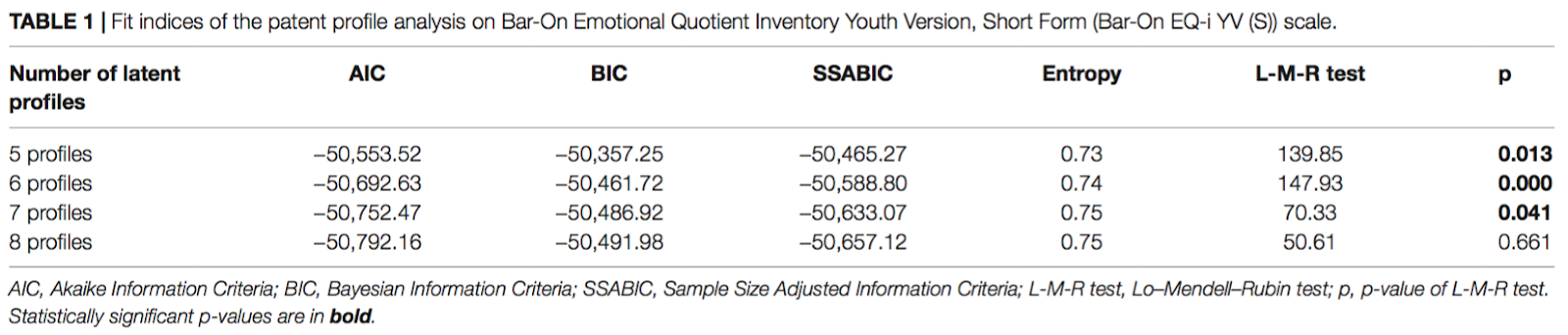
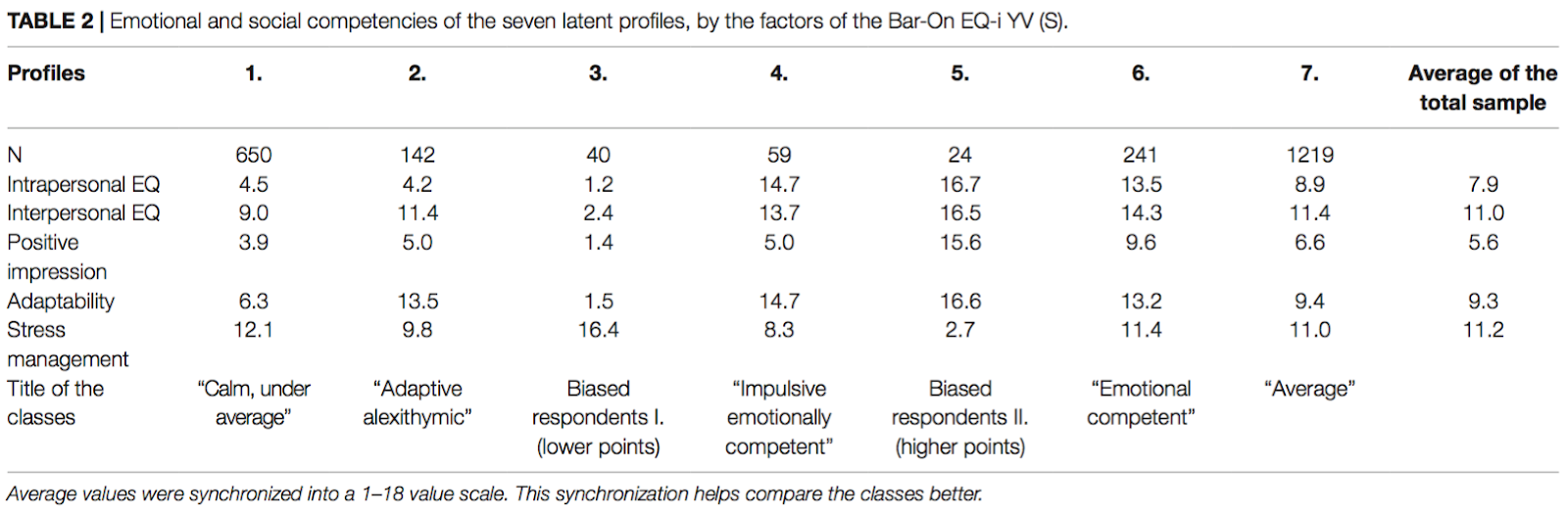
The Effects of Trait Emotional Intelligence on Adolescent Substance Use- Findings From a Hungarian Representative Survey
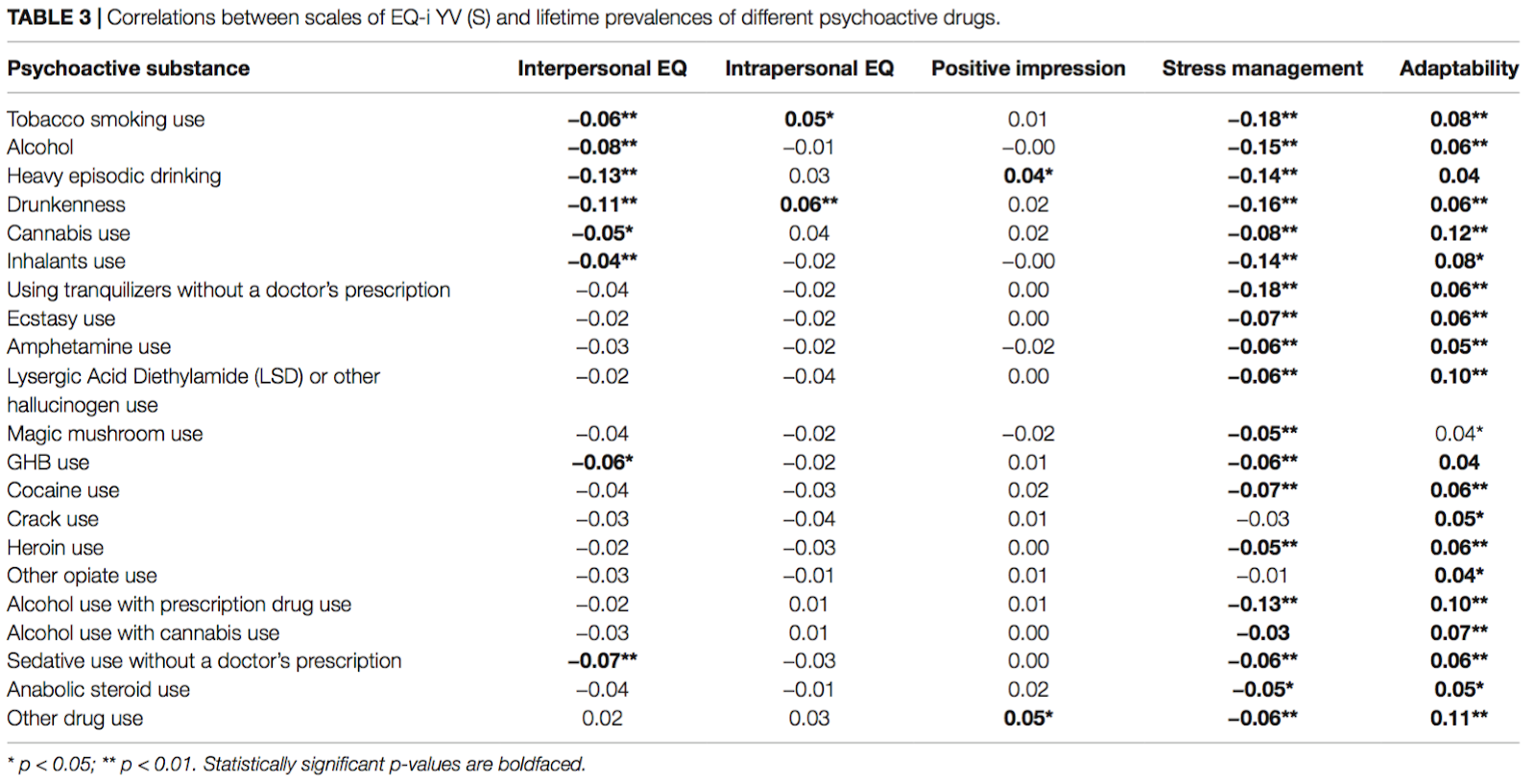
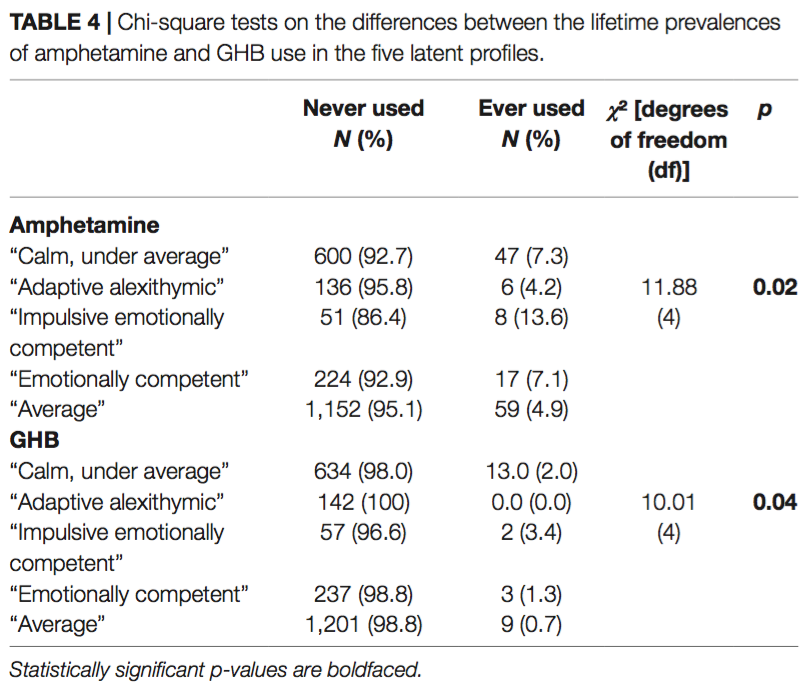
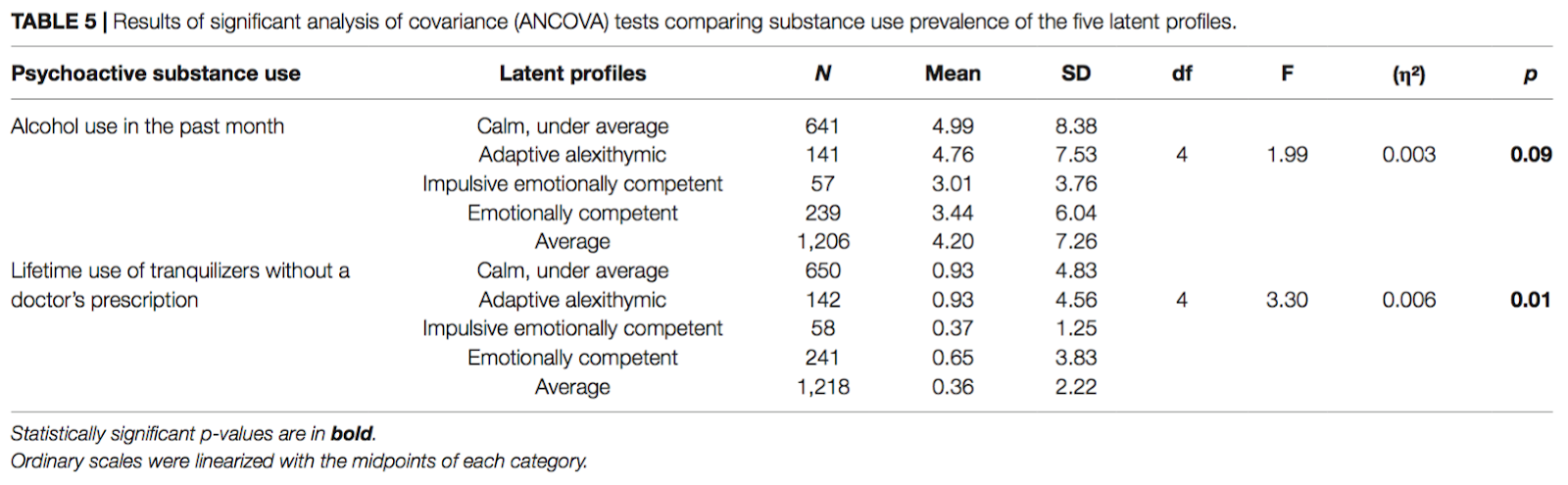
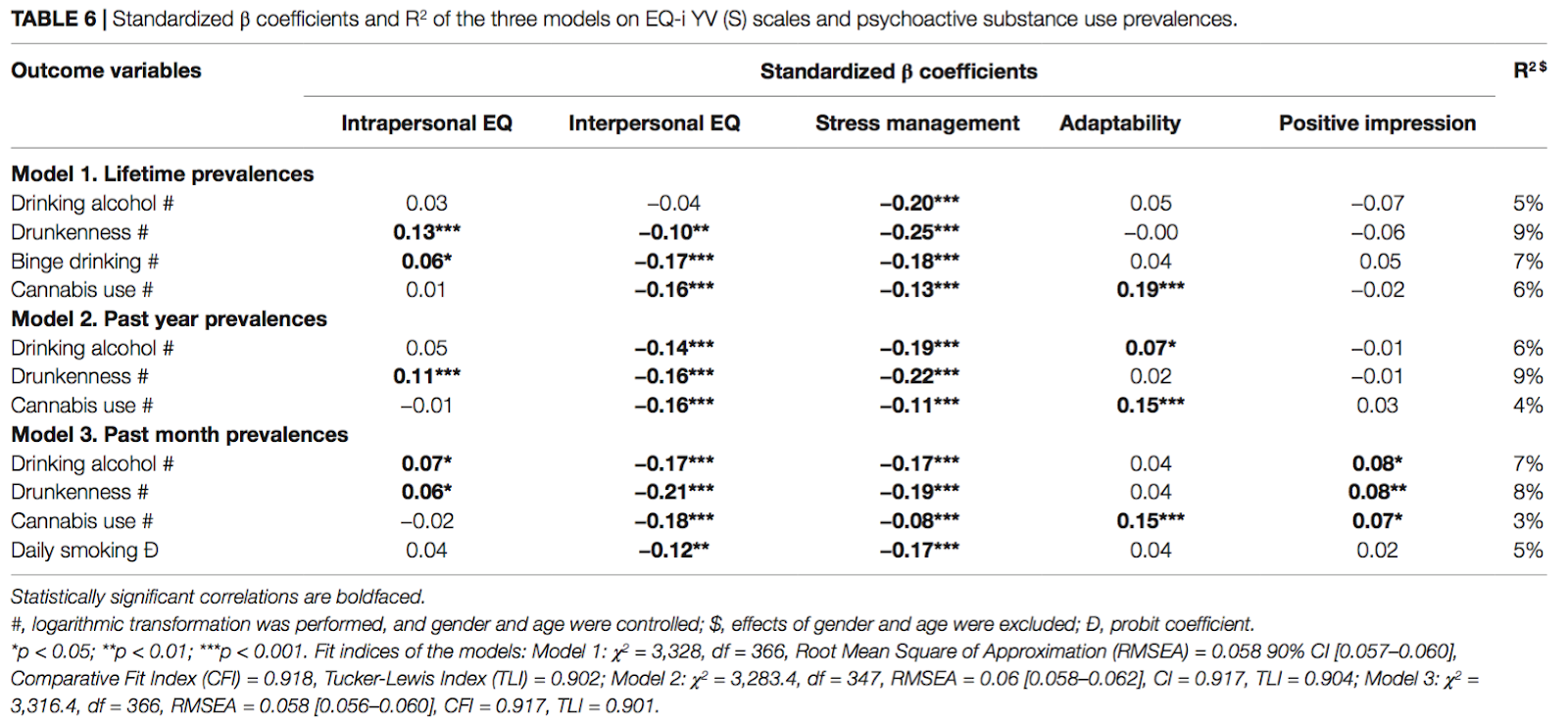
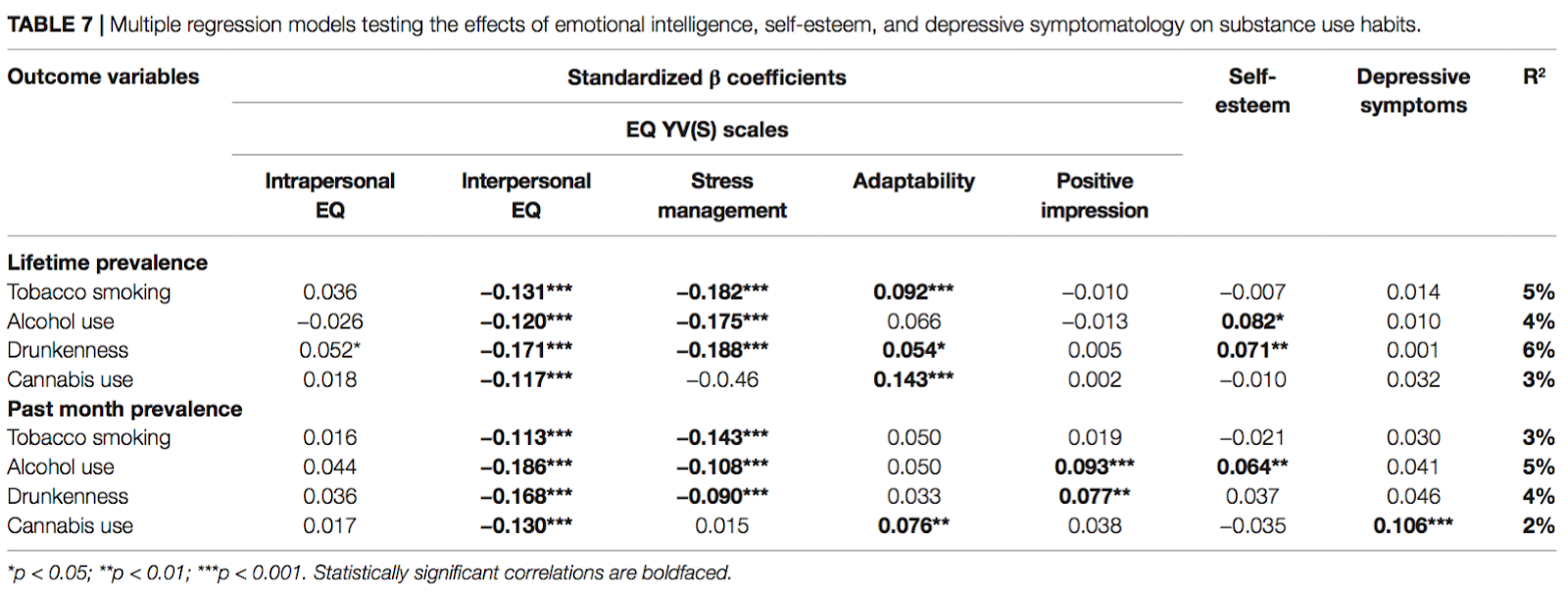
A recent study has revealed that teenagers who have a difficult time managing stress and appear to lack empathy were more likely to abuse tobacco, alcohol, and cannabis.
The studies initial goal was to determine if emotional intelligence could predict future drug abuse, but found that those with more empathy and interpersonal competencies were less likely to engage in substance abuse. This study provides data that may help to develop targeted drug prevention programs in order to lessen adolescent drug abuse or the development of any future substance abuse disorders.
Highlighted in this study was the possible inaccuracy of the conclusions as the results may have been skewed by teenagers merely providing what they thought was a socially acceptable answer. Despite the fact that the majority of states have legalized the use of medical marijuana a stigma against cannabis use remains.
Stigma has and continues to stand in the way of medical research. If the consumption of cannabis were less frowned upon then perhaps more observational studies, studies that relied on self-reporting use, or even appropriate medical treatment, would be improved. The more information that can be gathered, the more accurate the research that can be conducted. In order to fully understand all the benefits and limitations of cannabinoids, although this also applies to tobacco and alcohol consumption, the uninformed stigma must also be eroded.
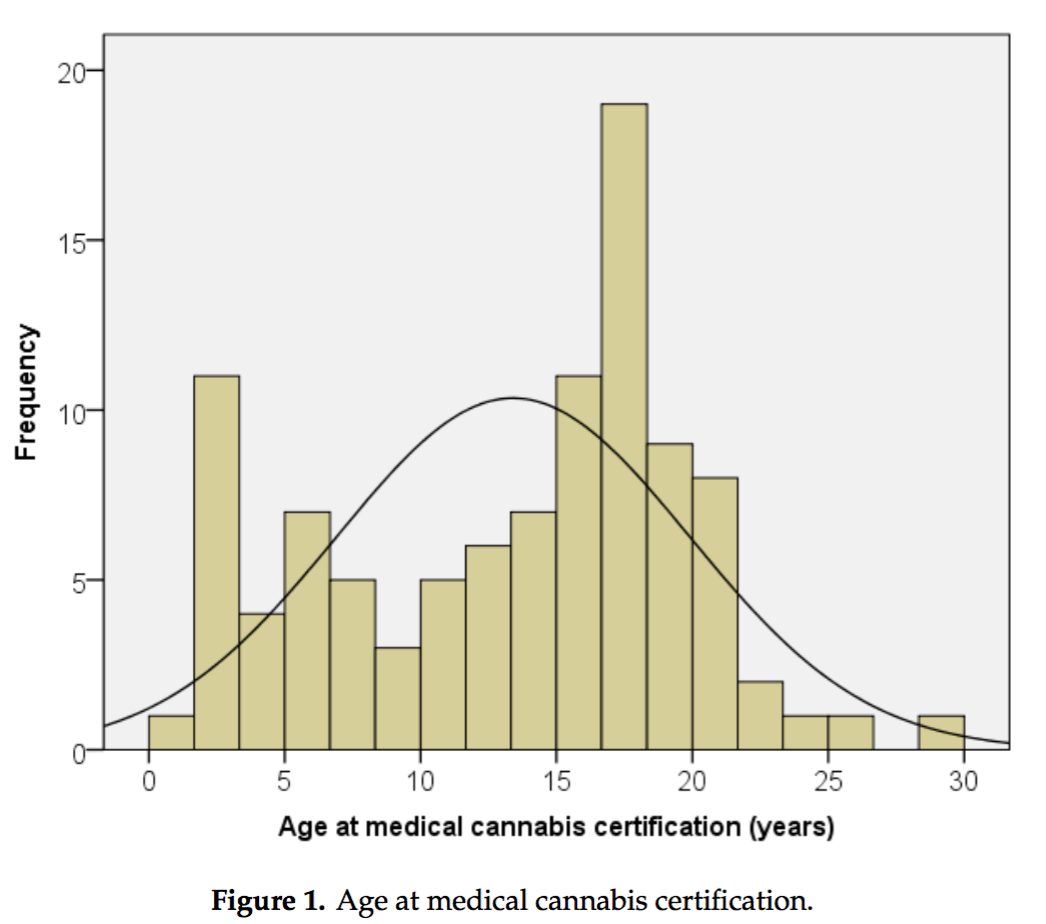
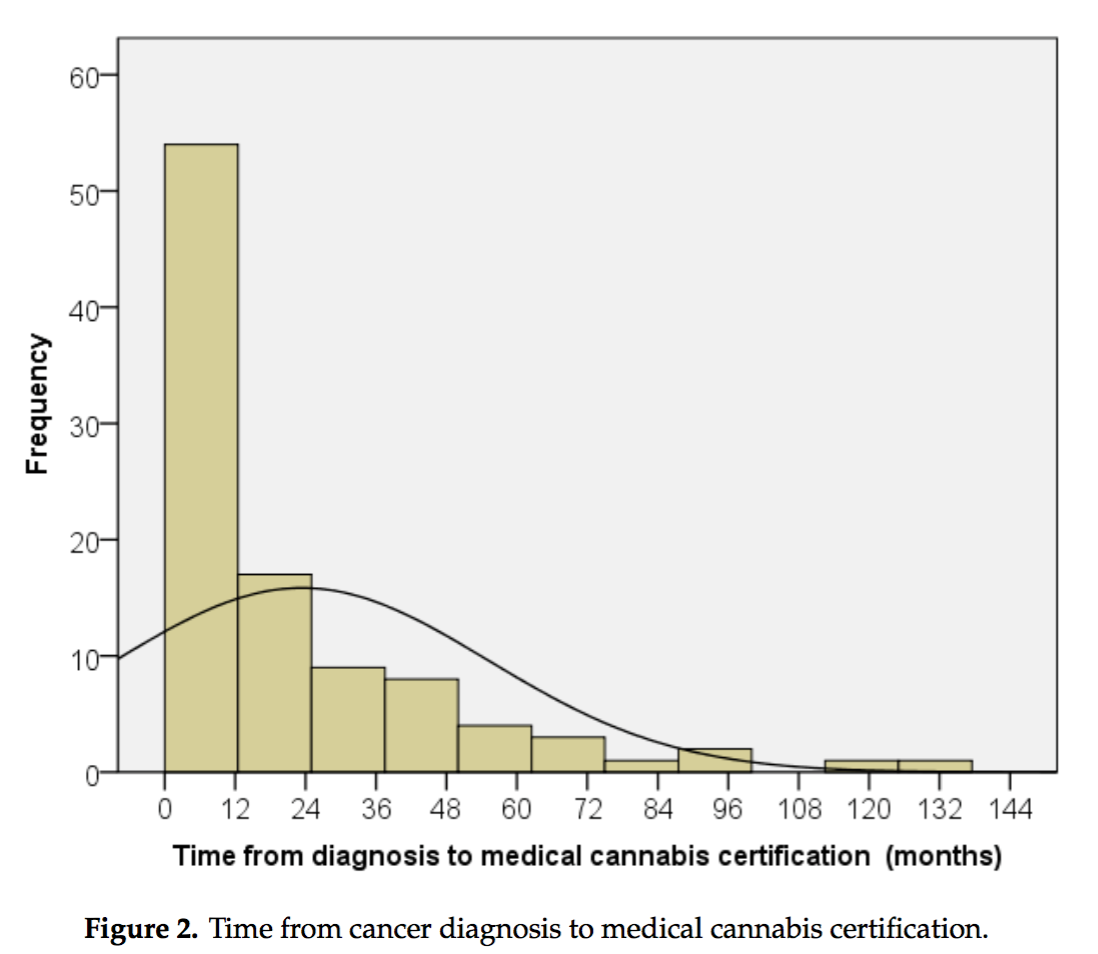
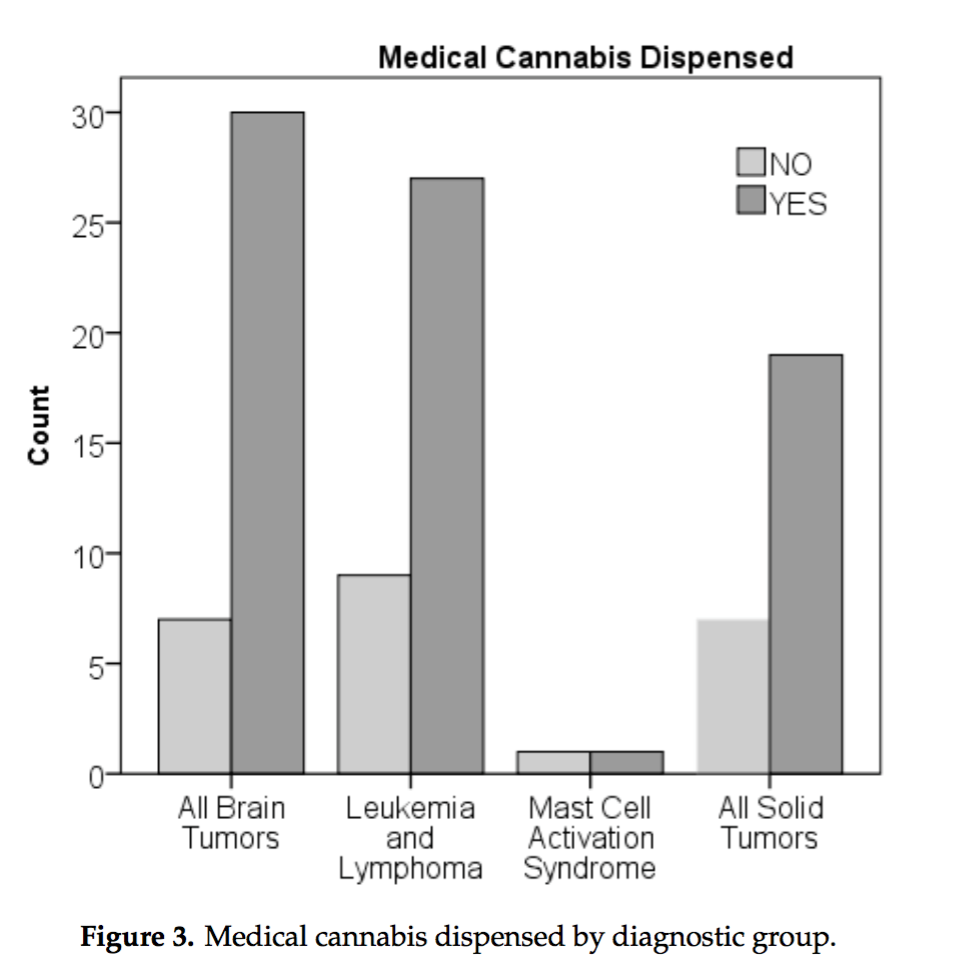
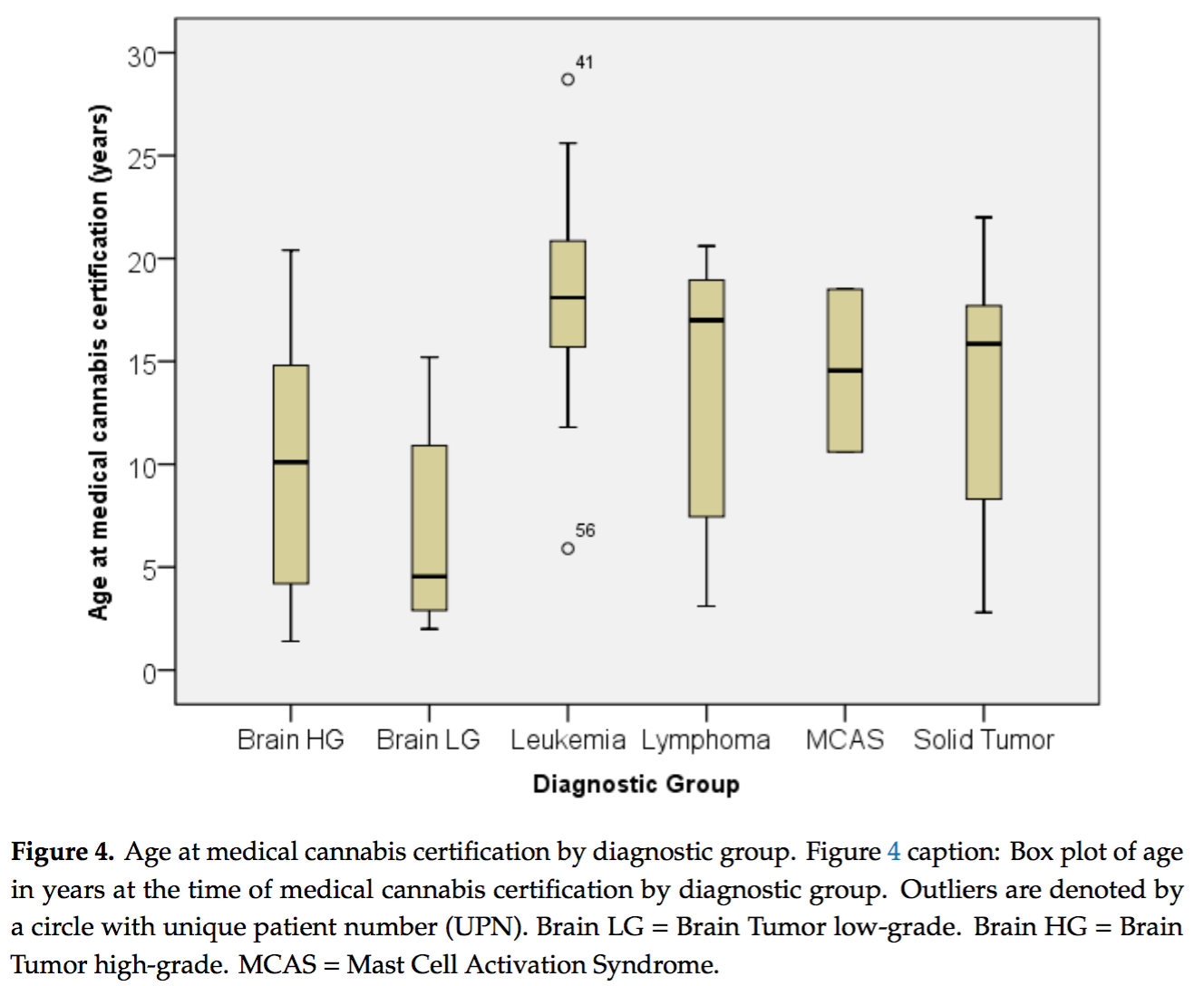
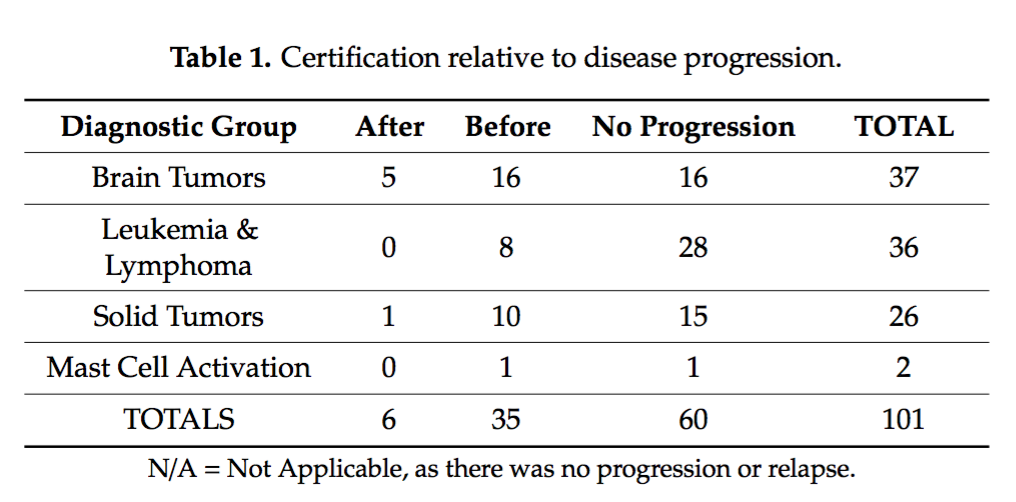
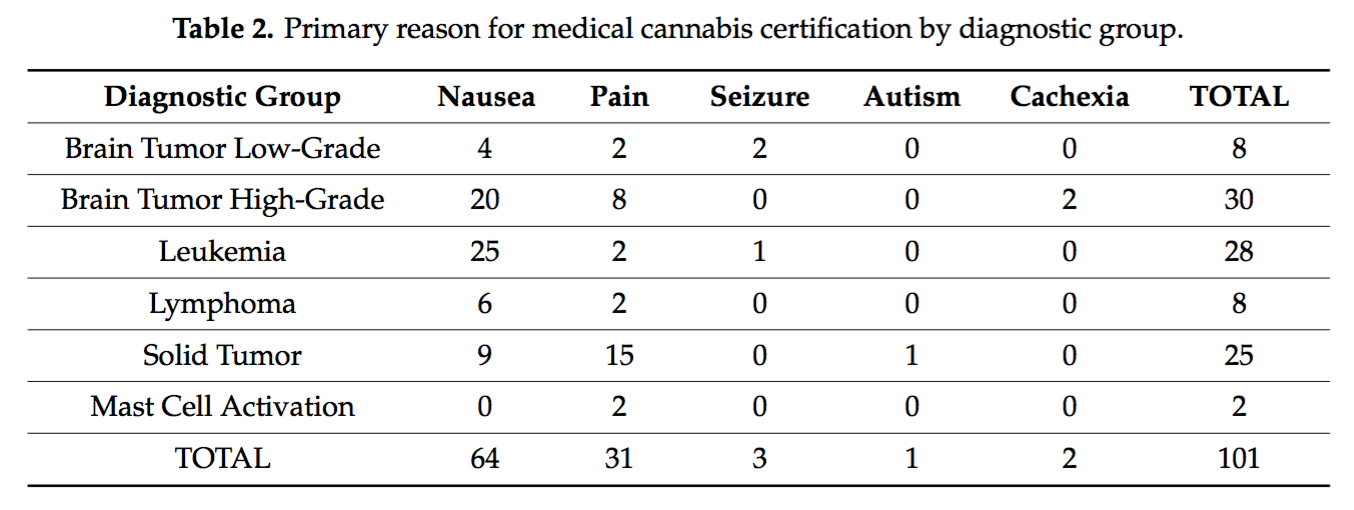
Pediatric oncologists from Minnesota recently published an article justifying their use of medical cannabis as palliative care for their patients.
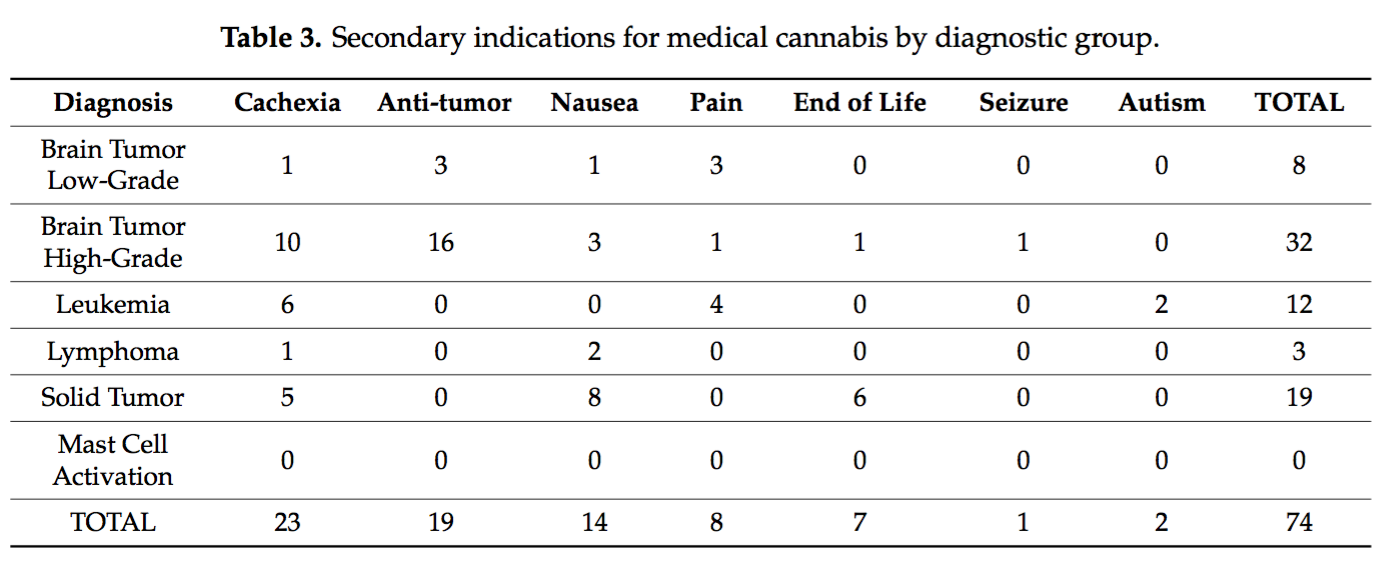
The majority of patients at the oncology center were approved for medical cannabis use during their first round of treatment, in order to immediately address the negative side effects of chemotherapy such as nausea, pain, and cancer cachexia. The data provided from the center described much higher chemotherapy compliance rates among patients, and that patients have a much better quality of life when utilizing cannabis.
This article highlights a few promising trends and issues with using medical cannabis; one promising trend is the hope for cannabis to provide antitumor effects. Cannabis has been a subject of exploration for antitumor effects and it has shown promising results. But, there are many limitations to the few studies that have been published, leading the authors to defer any definitive conclusions. The center in Minnesota noted that many of the patients diagnosed with brain tumors were especially hopeful that cannabis would aid in curing them of cancer, second to utilizing the drug for nausea. This is a promising trend because it means the greater public is showing interest in the therapeutic possibilities of cannabis and their support and call for research will aid the drive for the federal rescheduling of marijuana.
Also highlighted in this article is that, of all the patients certified to use medical cannabis, a subset of 24% never actually registered through the state to receive it. The authors have no firm explanation for these circumstances but seem to suspect that the $200 annual certification fee, on top of the cost for each additional dispensed product may be limiting of patients abilities to afford cannabis. Without the backing of the federal government, insurance companies are unable to cover medical cannabis. As the depth and reach of cannabis research grow, there are good reasons for patients to feel optimistic about medical cannabis.
Some believe that it is difficult to compete with industry giants, such as Tilray and Cronos. But, Israel’s long history of cannabis research and its innovative companies, leading tech and strong agricultural climate make it a likely region to attract many in the global cannabis market. http://bit.ly/2IPXbz8
To explore related information, click the keywords below:
Benjamin Caplan, MDIsrael and the global cannabis market
Tennessee is yet another state looking to regulate hemp effectively, and a proposed solution to this is on-the-go testing kits to determine THC levels in hemp products. If executed well, this could prevent many from being charged with possession of cannabis and save money in the courts and prison systems http://bit.ly/2ISjm7V
To explore related information, click the keywords below:
Benjamin Caplan, MDRegulation of hemp in Tennessee
Title of study: Cannabis use as a risk factor for causing motor vehicle crashes: a prospective study
After legalization in 2018, many Canadian provinces implemented “zero tolerance” policies for drivers who have THC in their systems. But a new study from the University of British Columbia suggests that Canada’s drug-impaired driving laws may be unnecessarily strict. According to researchers, there is no link between THC levels below 5ng/mL and increased risk of car accidents.
Note: Considering the potentially grave risk to life and health for modern culture to make the wrong interpretation of the potential dangers of the effects of cannabis consumption on driving, it is critical for the industry to approach the circumstances with delicacy and diligence. Ideally, everyone involved will be motivated to learn as much as possible about the impact of cannabis on the risks of operating machinery and all will follow a cautious approach which will minimize the risk to all. To that end, it is important to consider and reconcile evidence from multiple perspectives.
According to anthropologists, Cannabis plants were burned in wooden braziers (circa 500 BCE) during ceremonies at the Jirzankal Cemetery in the eastern Pamirs region.
This suggests that cannabis was smoked as part of ritual activities in western China at least 2,500 years ago. Interestingly, phytochemical analyses reveal that these cannabis plants produced high levels of psychoactive compounds, suggesting that people used cannabis not only for medical purposes but also to get intoxicated.
Many think medical marijuana laws will ultimately lead to adult-use, but this is not necessarily true, and for good reason. The medical industry recognizes that cannabis is a powerful medication and prioritizes its safety and health benefits, while so-called “recreational” or “adult use” cannabis seems to focus more on making money and supporting the pleasurable aspects of the plant.
Interestingly, at CED Clinic, we’re seeing more and more patients come in from the “adult-use.” Whether it’s a desire for comprehensive education (anything we put into our bodies has effects), personalizing a medical plan that considers short-term and long-term impact, or simply having a knowledgeable person to support individual choices and empowerment on an individual journey, we find that our patients enjoy learning and riding the cutting edge of the science of cannabis! http://bit.ly/2INDGY7
To explore related information, click the keywords below:
MA effectively outlawed the sale of any food products with CBD or products which make therapeutic claims. This is the result of FDA saying that CBD cannot be added to food or dietary supplements. In a state where cannabis is legally accessible, consumers and hemp farmers are very unhappy. What do you think? http://bit.ly/2IOtTRm
Benjamin Caplan, MDIn MA, despite being state-legal, FDA says CBD cannot be added to food or dietary supplements. What now?