Scientists found that blocking CB1 receptors and CB2-receptors in young zebrafish resulted in morphological deficits, reductions in heart rate, and non-inflated swim bladders. These findings indicate that the endocannabinoid system is pivotal to the development of the locomotor system in zebrafish, and that disturbances to the endocannabinoid system in early life may have detrimental effects.
The translation of these effects to humans is obviously not direct, but it is important for science to learn about safety and expected effects, to examine how chemistry interacts in petri dishes, how basic organic/animal functions are impacted in a living thing, and when the time is appropriate, to then assess any effects in humans
Kudos to the Massachusetts Cannabis Control Commission for implementing a regulatory standard to ensure a sustained opportunity for education and knowledge improvement into the state’s cannabis industry and community.
Massachusetts has consistently shown outstanding leadership in the healthcare arena, and it’s thrilling to see that cannabis is treated no differently.
Already leading the cutting edge of research, education, and cannabis formulation development, CED Foundation is ready & eager to support our industry colleagues with education and guidance, here in MA, and worldwide.
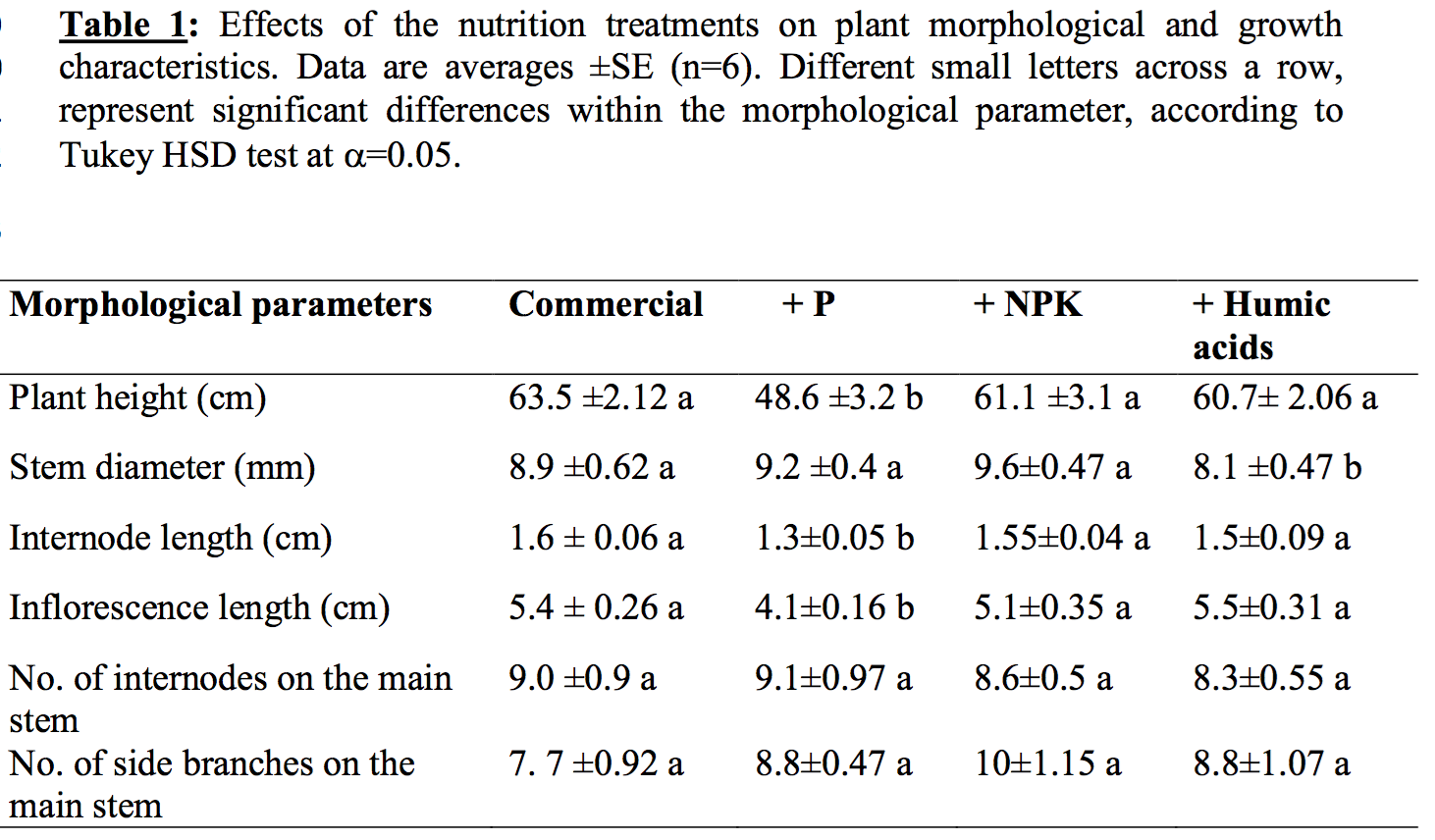
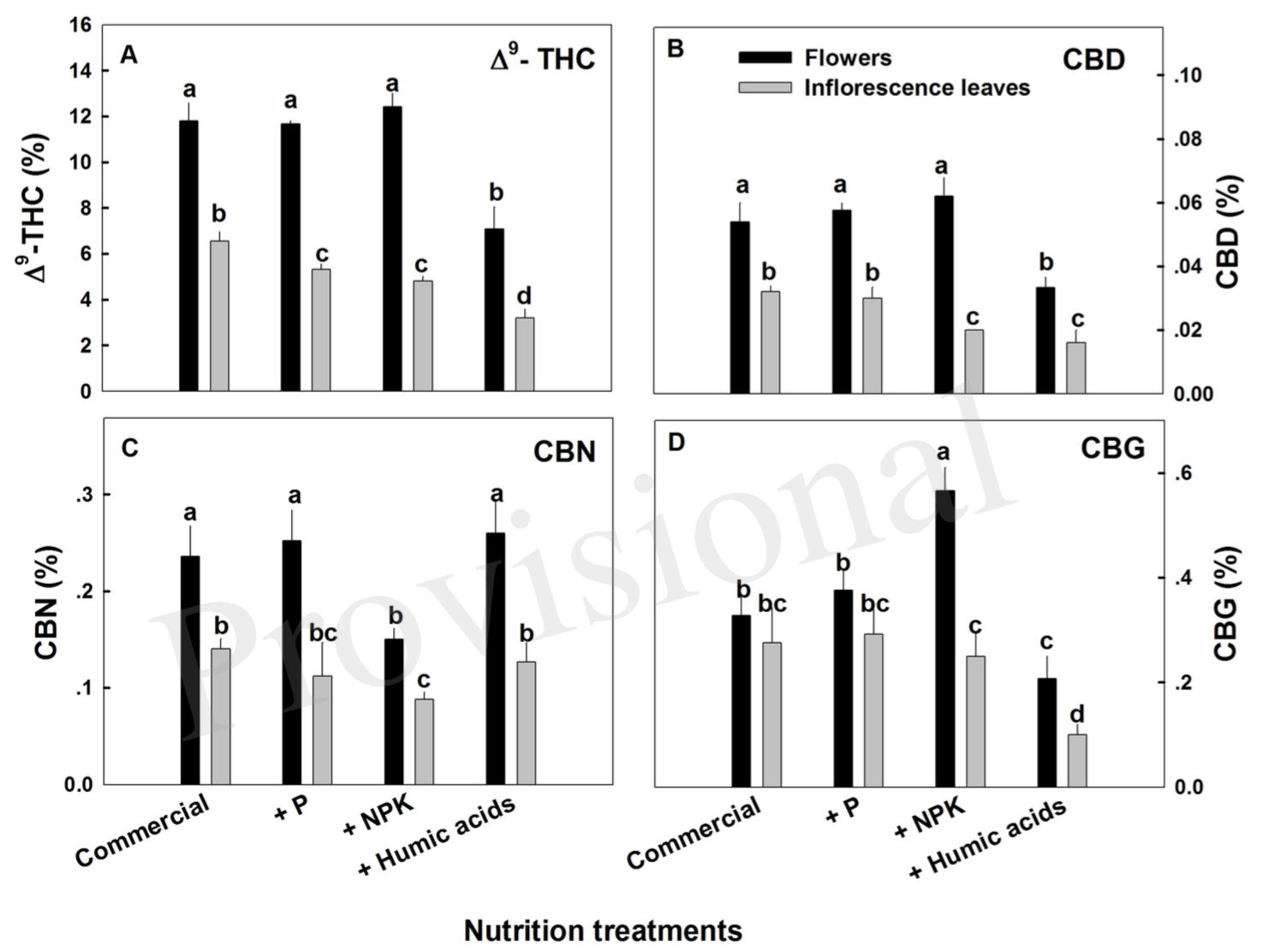
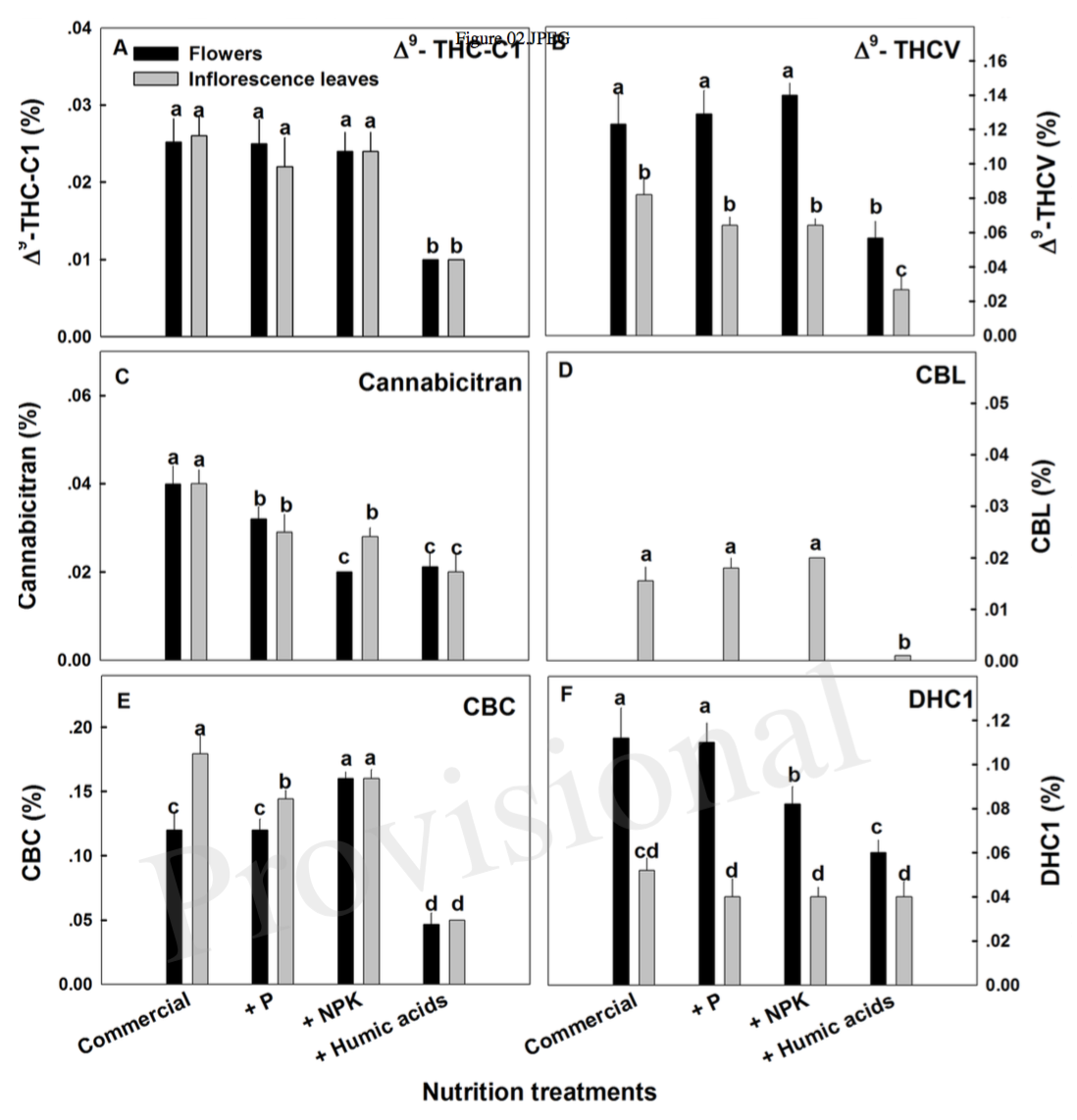
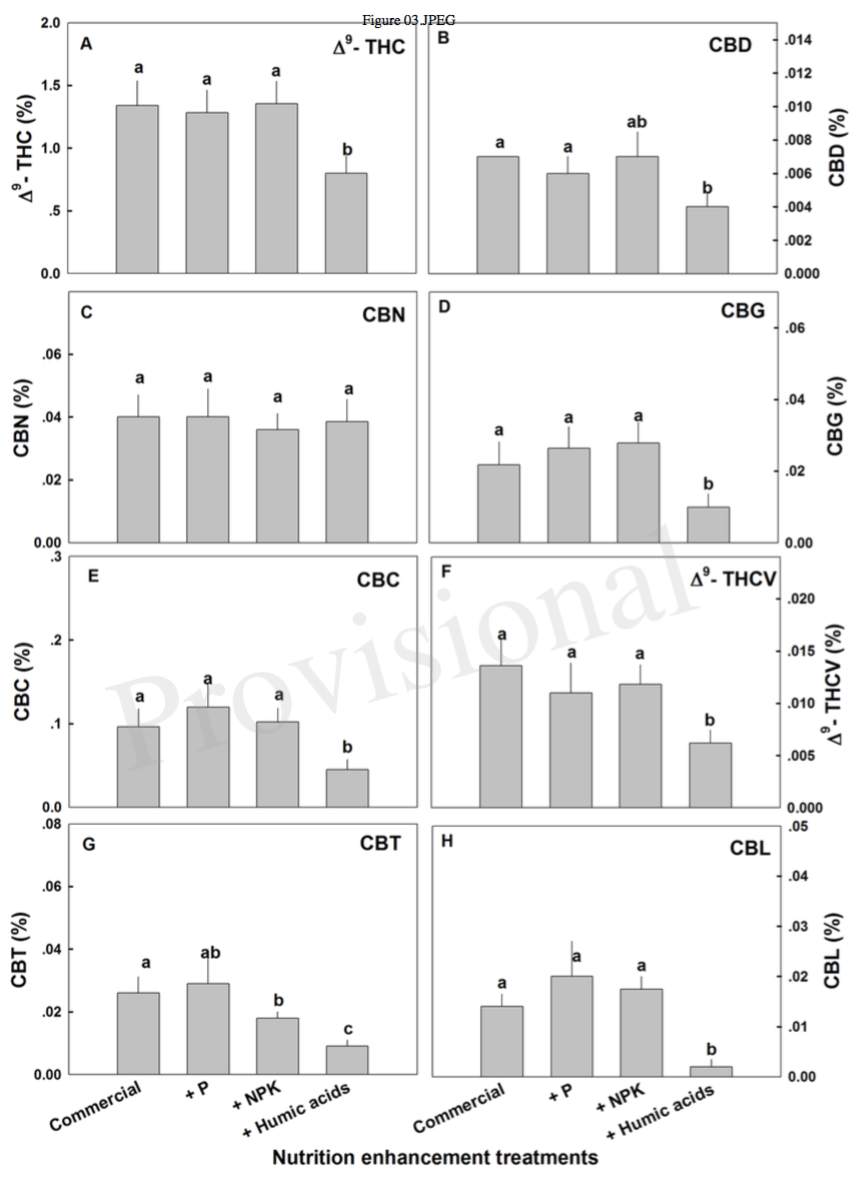
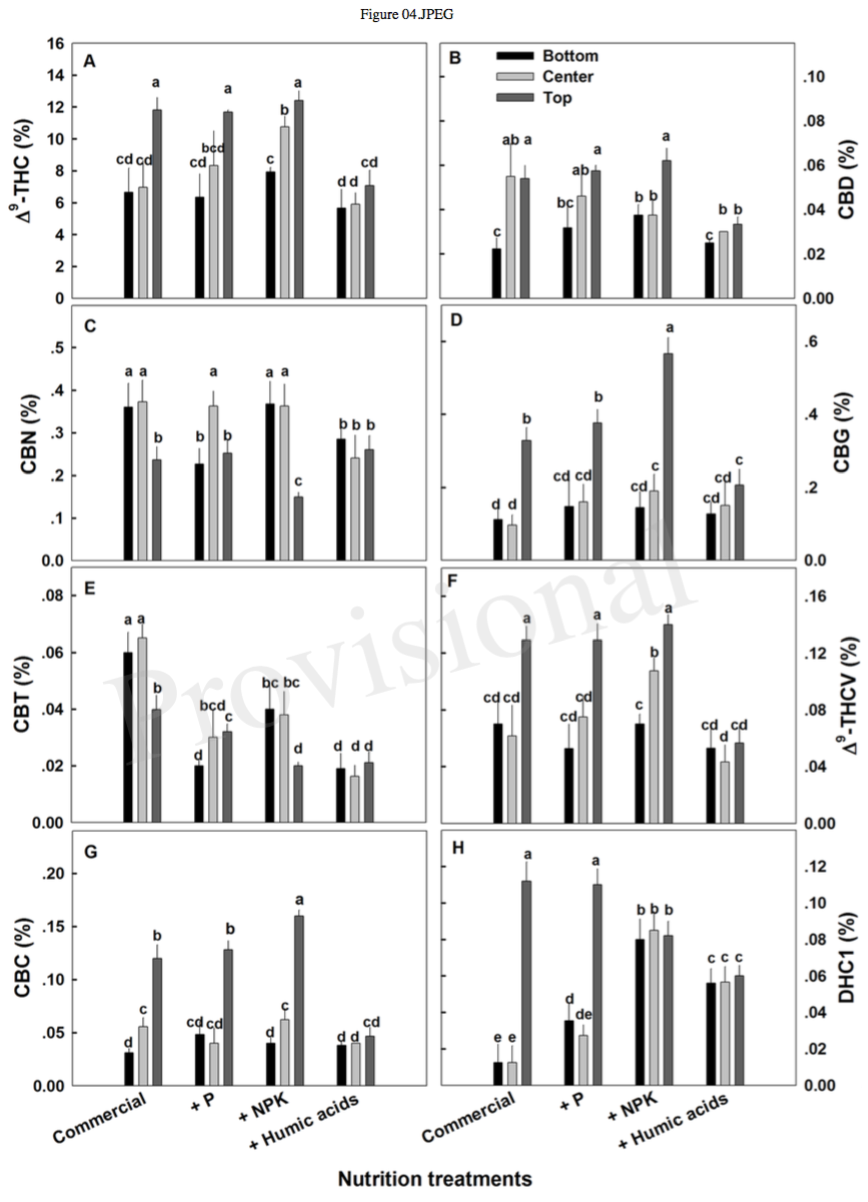
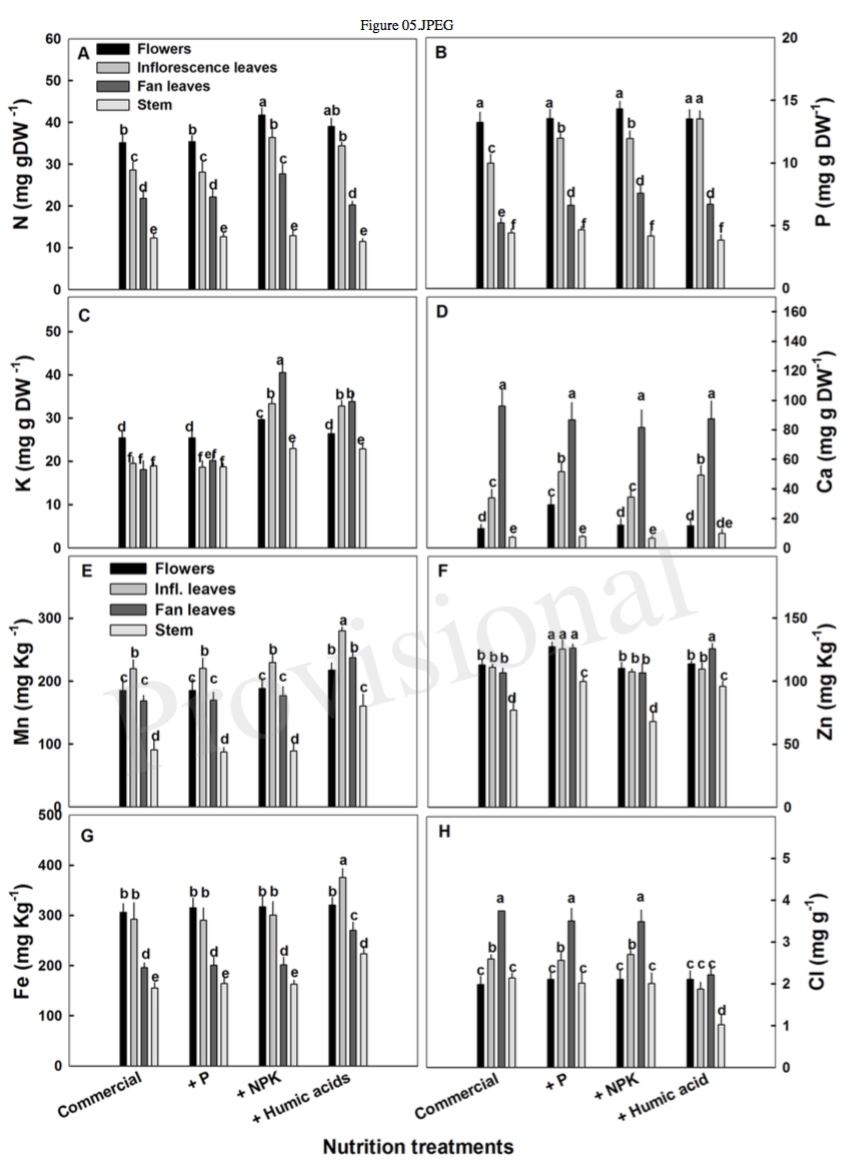
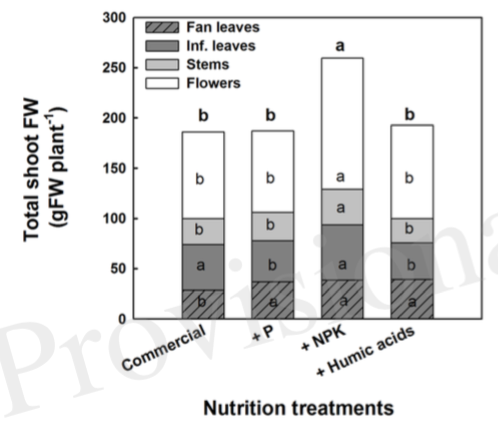
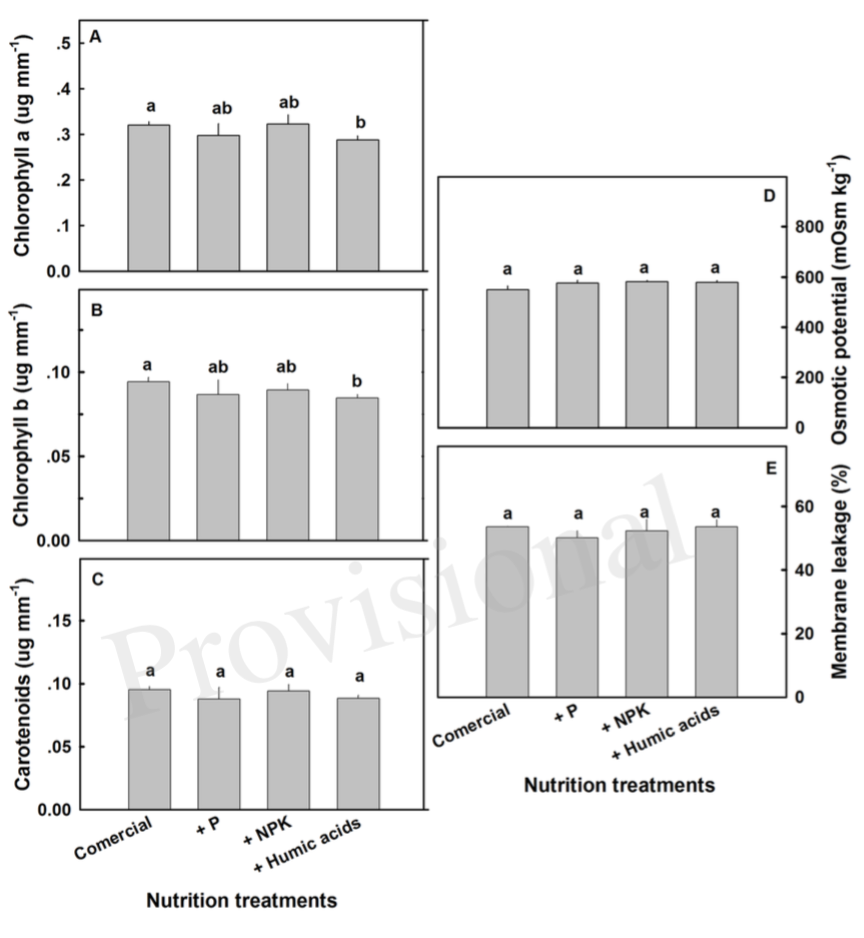
Title: Impact of N, P, K and humic acids supplementation on the chemical profile of medical cannabis (Cannabis sativa L)
A recent study has come out revealing the effects of nutritional supplements (plant food) on cannabinoid content during the growth of the cannabis plant.
Researchers enhanced nutritional supplements such as humic acids and inorganic nitrogen and potassium and determined that the changes in supplement levels caused variations in the cannabinoid content of the plant organs. This research has demonstrated that maintaining specific nutritional supplements effects the chemical properties of cannabis plants and may play a role in standardizing the cannabinoid content in plants, no matter the region of growth. This knowledge may one day help cultivators with the process of standardizing cultivars, and perhaps help organize strain names and content across state lines.
This work spotlights the inconsistency between cannabis plants, even if they share the same name. The nutrients cannabis plants grow in have been proven to alter the cannabinoid content which changes (sometimes drastically) the effects felt by patients who consume that plant. Growers or enthusiasts who grow cannabis at home may be buying seeds from a known strain, but the same seeds produce a completely different strain, depending on the growing conditions. Standardizing growth conditions will hopefully help cultivators produce strains of the same name with consistent cannabinoid content, making buying safer and somewhat more uniformly regulatable.
Tweet: A recent study has come out revealing the effects of #nutritional supplements on #cannabinoid content during #cannabis plant growth. Read this and other linked studies:
One of the terrific realities of modern Cannabis is that it is possible, and often quite simple, to make effective products at home. With suitable education and access to testing facilities, the soil, nutrients, and plant growth can be supported at home, lab-tested for make-up and potency, as well as safety-checked for potential microscopic contaminants, and ultimately, individualized medicine can be created right at home!
Here is a sample instructional for just one way that cannabis tincture can be made at home. There are countless others and hopefully, many that are yet to be discovered!
To explore related information, click the keywords below:
Benjamin Caplan, MDVideo: Do-It-Yourself Cannabis Tinctures
Surveys on medical professionals’ opinions on medical cannabis show that while many are still skeptical and do not think it is completely safe, younger doctors and those on the East coast are more supportive. This clash could be good for solving some common concerns with cannabis. http://bit.ly/2XQVxWz
Benjamin Caplan, MDSurveys show medical professionals’ opinions clashing around Cannabis
Title: Cannabis and Alcohol- From Basic Science to Public Policy
This new analysis summarizes the most recent preclinical trials and epidemiological studies concerning the interactions between cannabis and alcohol, as well as possible risk factors for co-use. Specific risk factors, such as frequency of use or belonging to particular groups, were found to be significant within studies (but not across separate studies.) The compiled data reveals that previous research is inconsistent and emphasizes the need for further research to elucidate at-risk populations.
This article highlights a few secondary findings which all focus on the gaps in our knowledge concerning cannabis, of which there are many. There may be potential concerns with the integration of cannabis into modern culture, which has essentially normalized alcohol consumption. Future research will undoubtedly evaluate these concerns, and highlight potential advantages that cannabis consumption may offer as an alternative option.
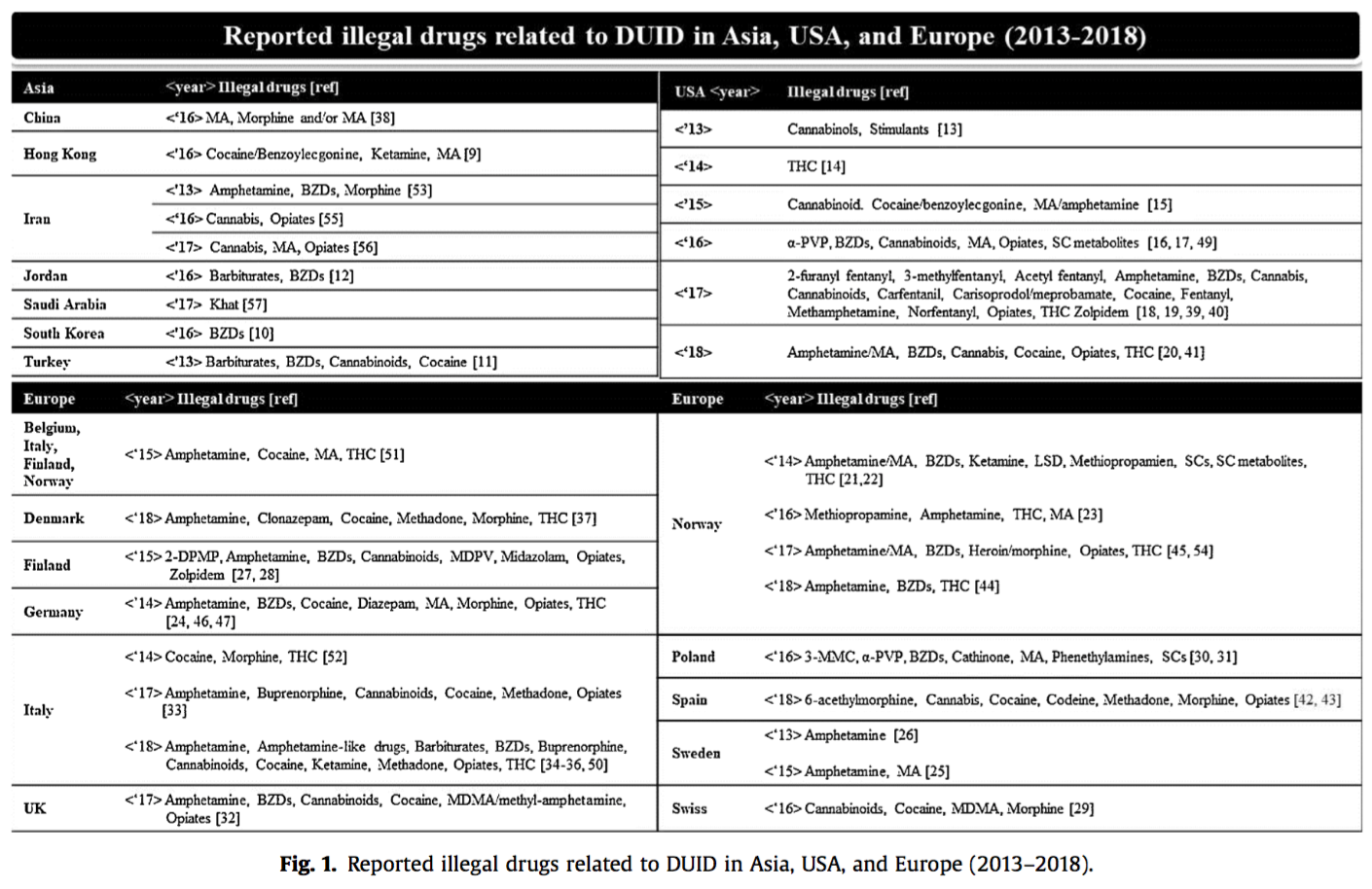
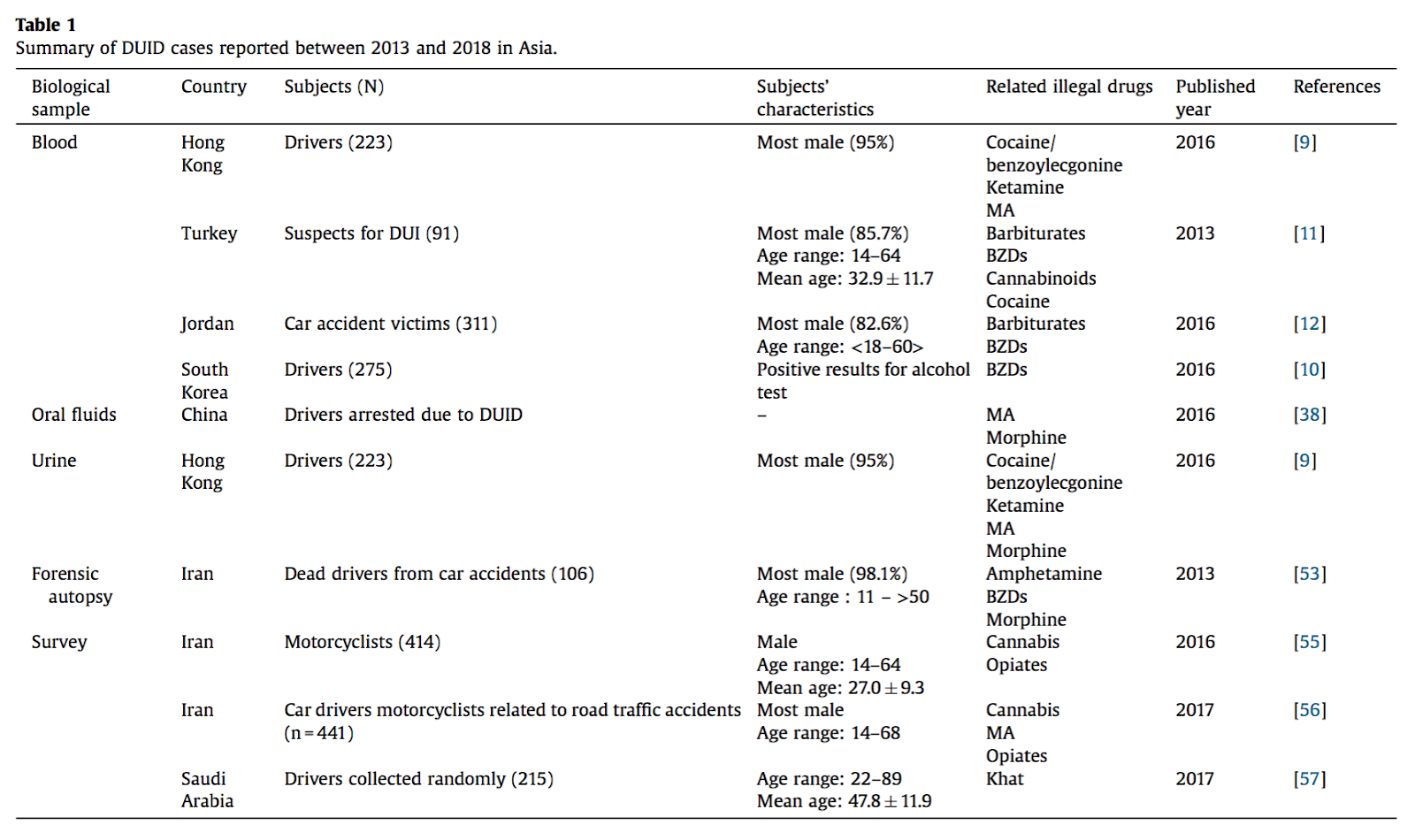
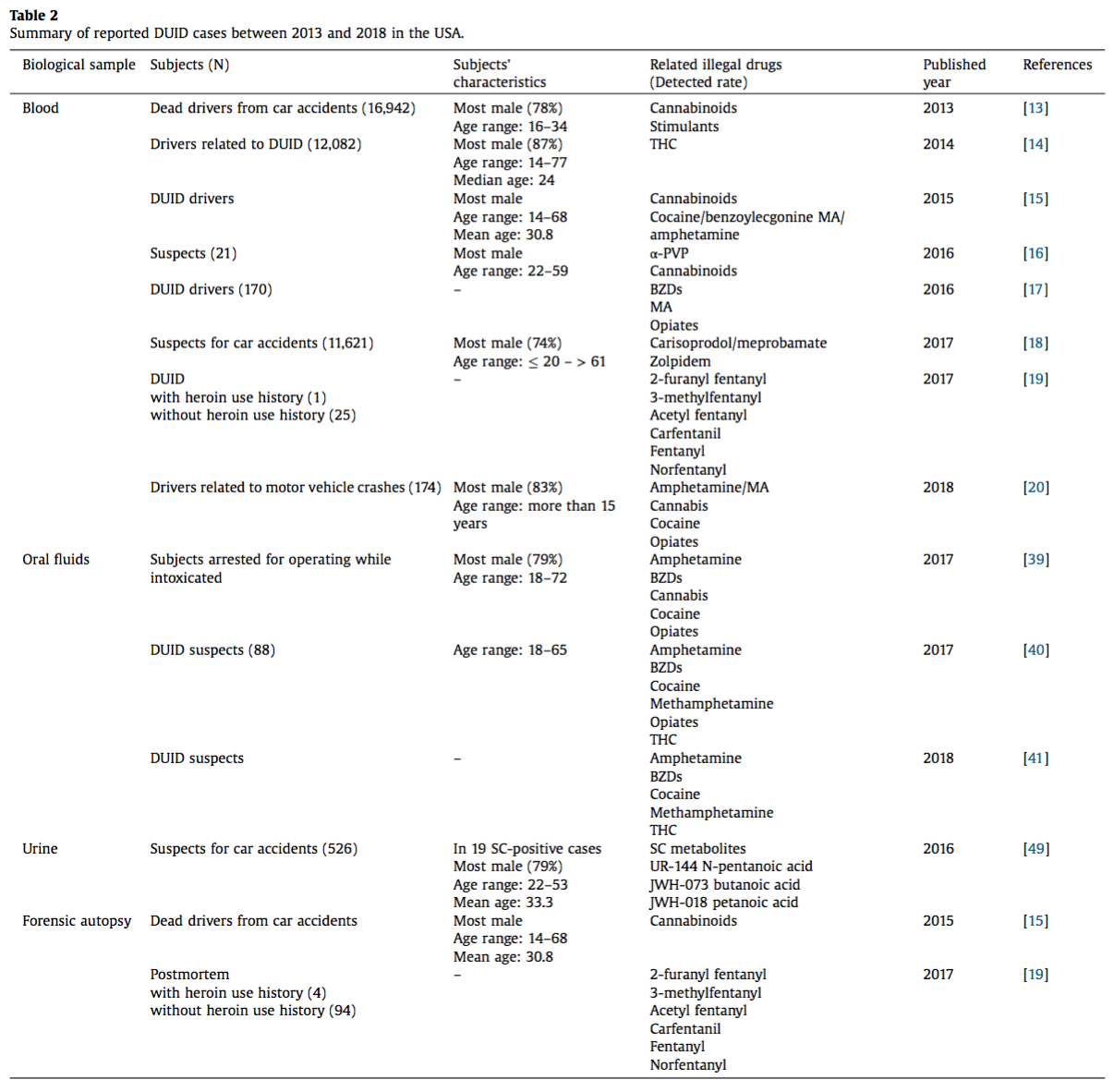
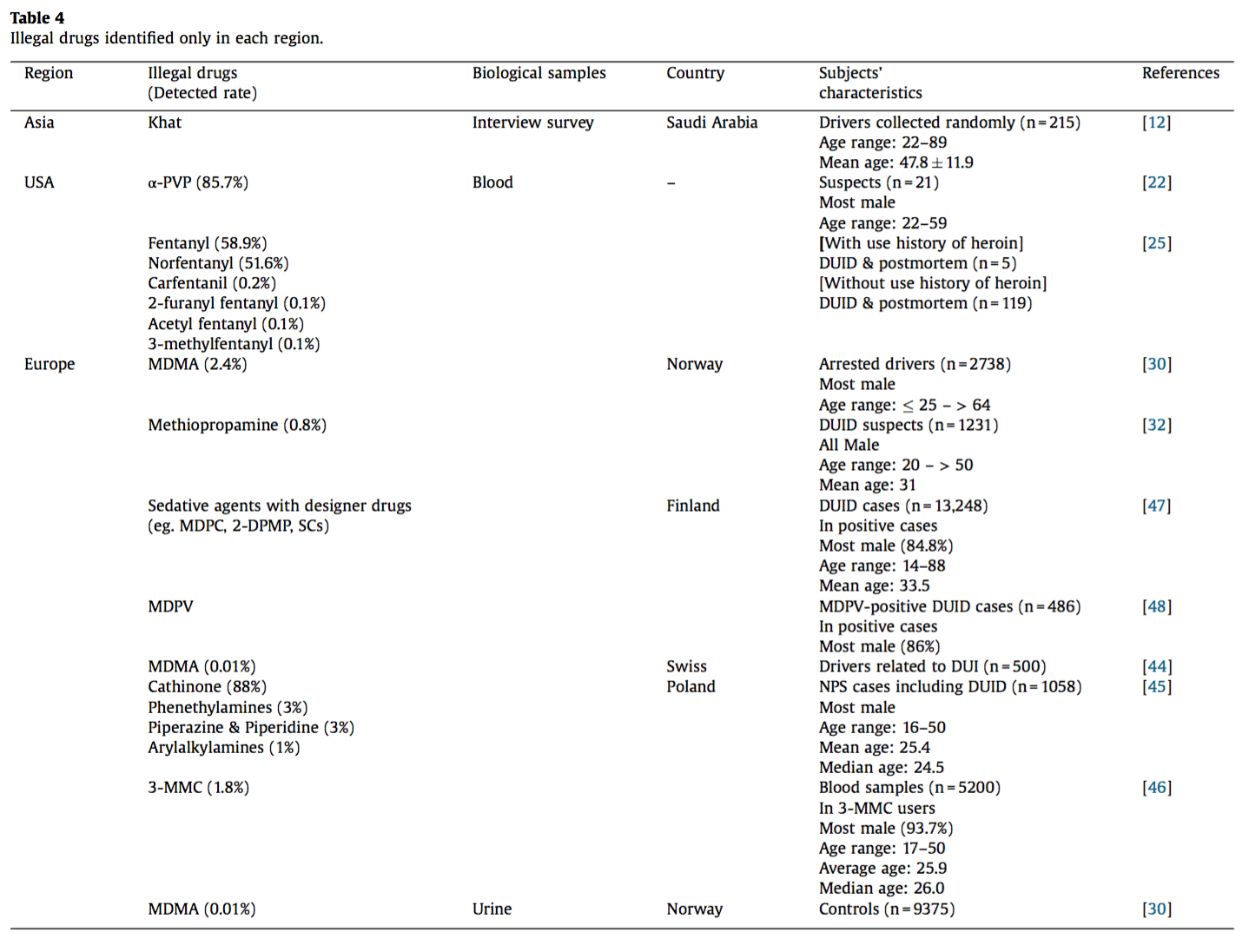
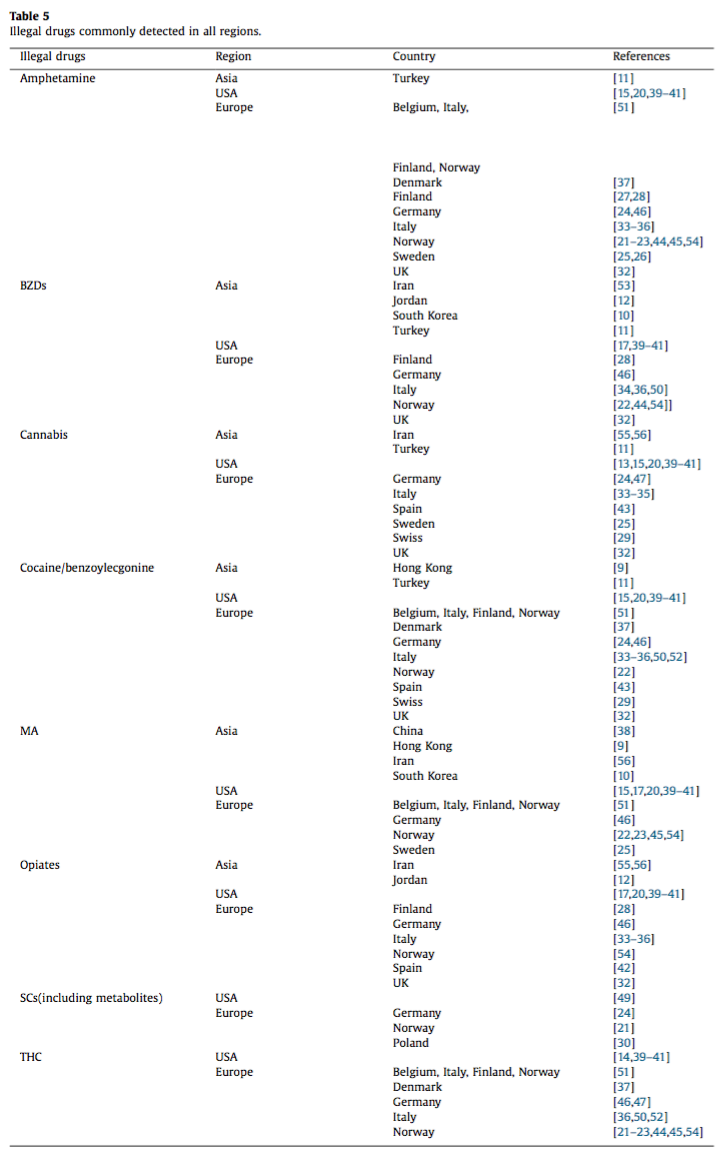
Title: A review of drug abuse in recently reported cases of driving under the influence of drugs (DUID) in Asia, USA, and Europe
A recent literature review has found that the current driving regulations in Asia, Europe, and the US have not prevented cases of driving under the influence of drugs. The authors observed steady trends of incidences of driving under the influence in all three regions, despite legislature specifically enacted against such actions. In the literature, there is a consistent recommendation that drivers should be regularly tested, especially in the case of an accident, in order to gather more data on the role of drugs in traffic accidents.
This review highlights the different illicit drugs that contribute to traffic accidents, depending on the region of the world. Cannabis is legal in certain areas of Europe, whereas it is still considered an illicit substance here in the US, and many other locations, worldwide. Looking at the differences in severity or circumstance of the accidents between the type of illicit drug used may provide data to create more beneficial regulations for each country. As the legal status of cannabis continues to evolve, and it becomes more common to find drivers on the road who have consumed a minimal amount of cannabis, new screening techniques will likely be developed to help the culture establish what it considers an “acceptable amount” of blood-borne cannabinoids to be.
Throughout the ages, from health & wellness, religious rituals, and textile applications to the entertainment and social elements, cannabis has been a vital part of multiple sectors of human culture.
For millions, the modern cannabis revival is a welcome return home to a core element that has been missing for years.
Characteristics of the bitter and sweet honey from Algeria Mediterranean coast
Previous research on honey and its historical use in traditional medicine has pointed toward its therapeutic application for the immune system, anemia, and heart function, among other conditions.
Two kinds of honey harvested from the Algeria Mediterranean coast, so-called poly-floral sweet honey and uni-floral bitter honey, have demonstrated their many medicinal uses. In a comparative analysis of the two kinds of honey, bitter honey had higher flavonoid content, lower sucrose content, and higher total polyphenols and tannins levels, giving it an increased antioxidant potential over sweet honey.
Additional Point: Factors including a higher flavonoid content in uni-floral bitter content gives it an improved antioxidant potential over poly-floral sweet honey. This makes for a wide variety of clinical benefits, including treatment of anemia, colon cancer, improved immune function, and more.
To explore related information, click the keywords below:
Benjamin Caplan, MDBetween Bitter and Sweet Honey, from Algeria Mediterranean Coast, Different Flavonoid Content Contributes to Distinct Antioxidant Potentials