Cannabis

Characteristics of Canadians likely to try or increase cannabis use following legalization for non-medical purposes

In October 2018, recreational cannabis became legal in Canada. And in 2019, researchers asked nearly 20 thousand Canadians over the age of 15 about their cannabis habits. The survey found that 1 in 5 Canadians plan on trying or increasing cannabis use following legalization for non-medical purposes, particularly those who are younger, who have used cannabis in the past 3 months, and who have a higher income. To ensure responsible cannabis use and informed decision-making, clinicians and policy-makers should pay close attention to these higher risk populations.

View this review (yellow link) or download:

This paper is also stored here:   http://bit.ly/2Lfduay      inside the CED Foundation Archive

To explore related information, click the keywords below:

Benjamin Caplan, MDCharacteristics of Canadians likely to try or increase cannabis use following legalization for non-medical purposes
read more

Video: Cannabis and Multiple Sclerosis

A 2019 literature review summarizes the findings on cannabis use for patients with multiple sclerosis. Cannabis has been shown to aid a number of symptoms associated with multiple sclerosis, including chronic pain, spasticity, and problems with sleep. To learn more, check out our video adaptation below:

View this review (yellow link) or download:

This paper is also stored here:     http://bit.ly/2IJAqNz    inside the CED Foundation Archive

To explore related information, click the keywords below:
Benjamin Caplan, MDVideo: Cannabis and Multiple Sclerosis
read more

Should donors who have used marijuana be considered candidates for living kidney donation?

Although tobacco use has been linked to worse outcomes for kidney donors and recipients, cannabis seems to have no effect on post-operation outcomes.

 In a retrospective study of 294 kidney transplants, doctors found no short-term or long-term differences in kidney function for donors or recipients. 

In other words, cannabis users may safely donate kidneys.

View this review (yellow link) or download:

This paper is also stored here:   http://bit.ly/2IFl0cQ      inside the CED Foundation Archive

To explore related information, click the keywords below:
Benjamin Caplan, MDShould donors who have used marijuana be considered candidates for living kidney donation?
read more

Complex Genetics Underlie Cannabinoid Production

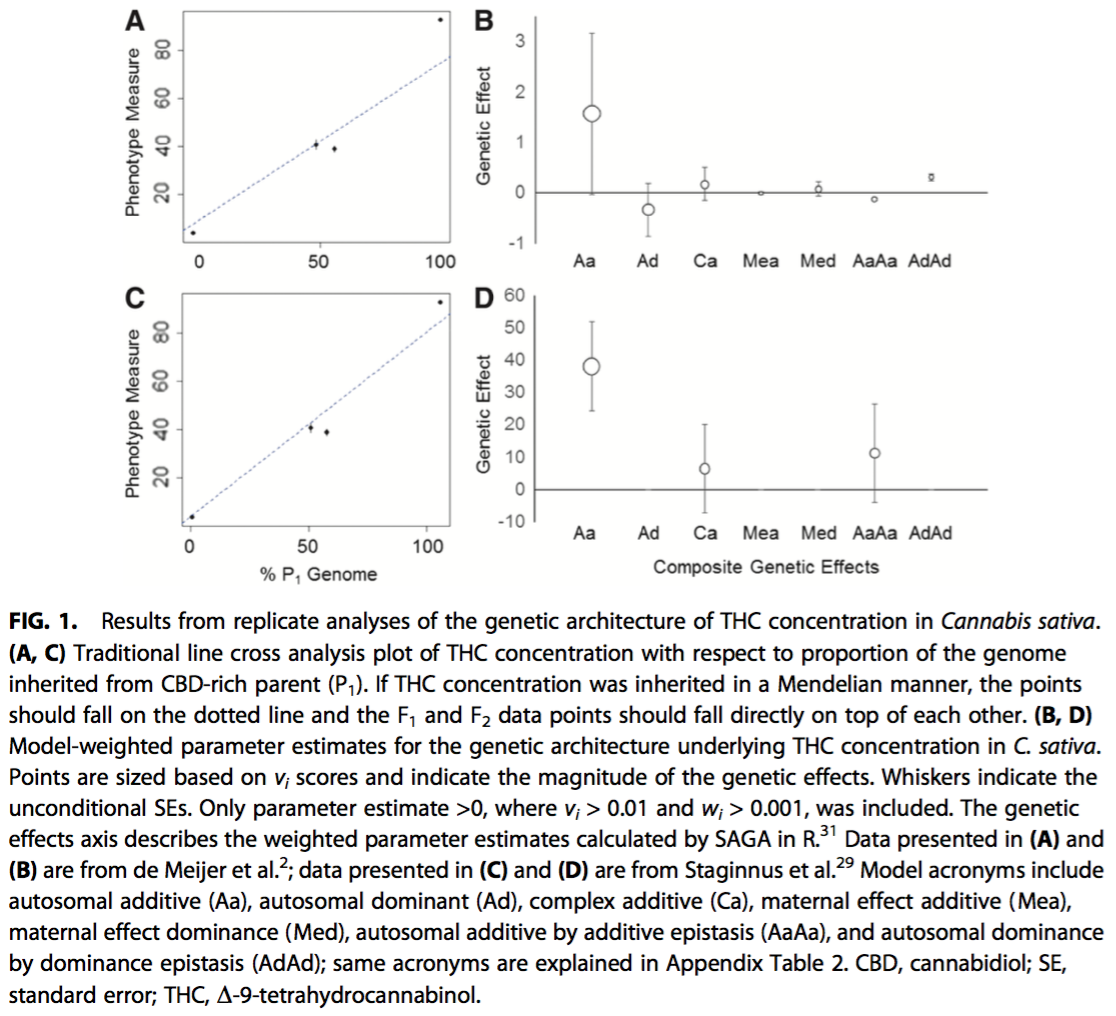
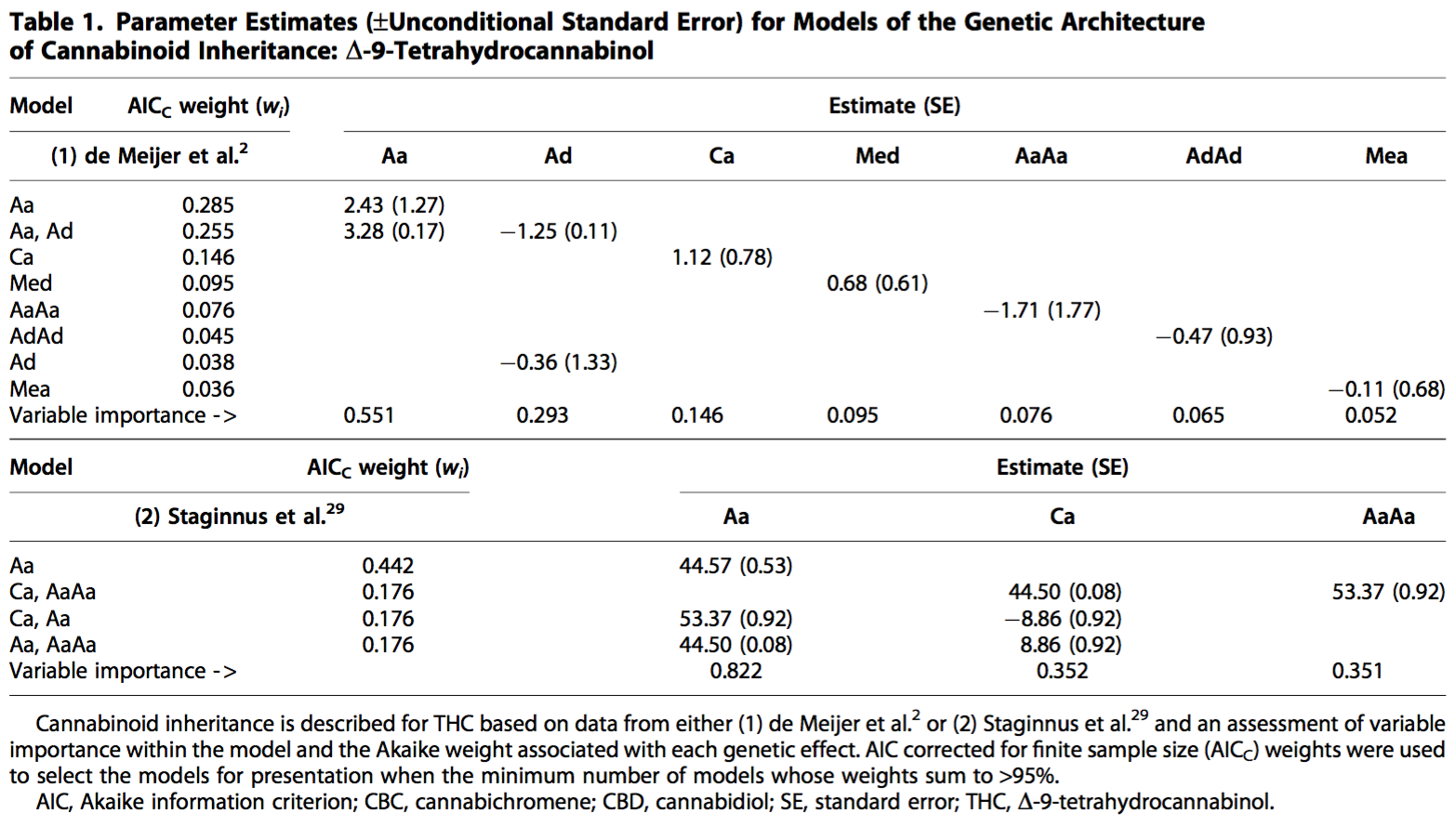
Cannabinoid Inheritance Relies on Complex Genetic Architecture

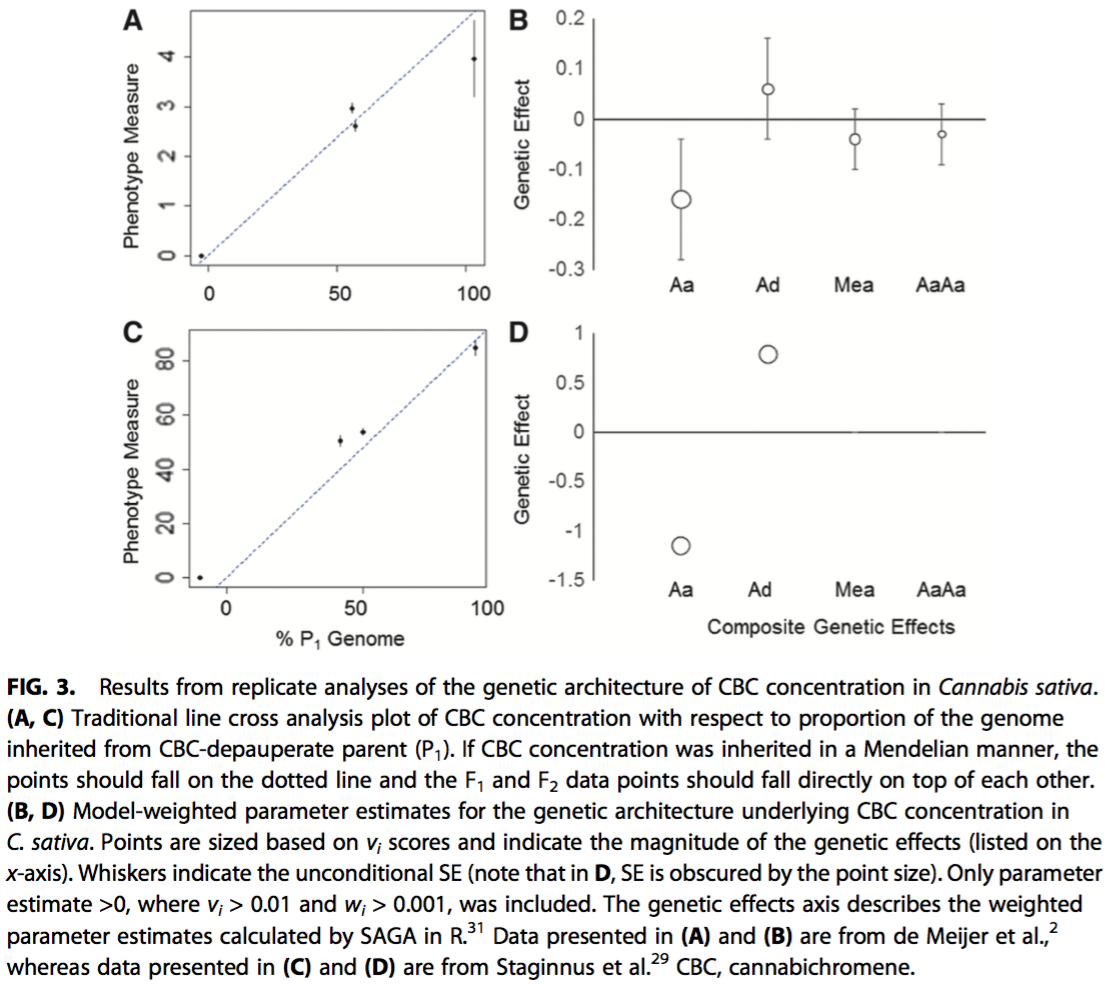
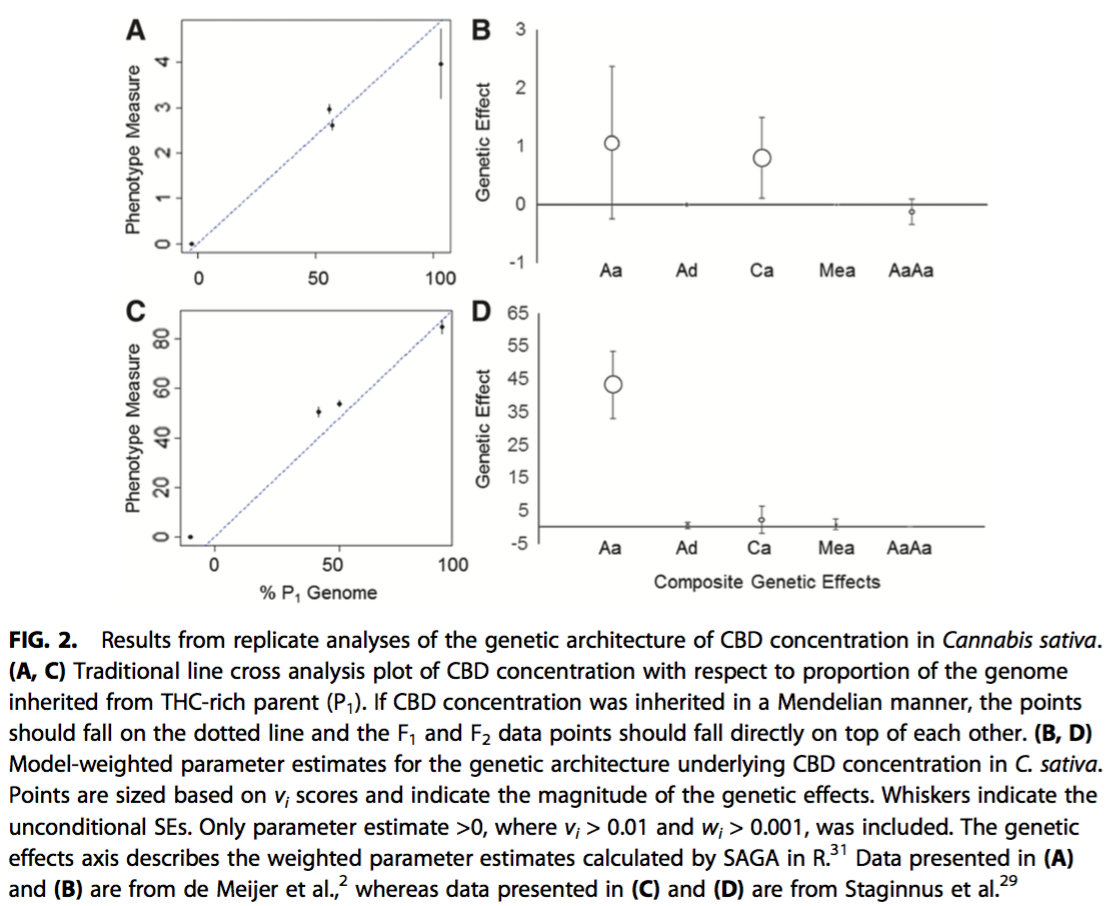
Researchers have recently attempted to discover the genetic basis of cannabinoid production within cannabis plants, finding a complex genetic architecture. This study highlights the lack of knowledge surrounding cannabis cultivation, suggesting current producers record the phenotypic and genetic crosses they breed so that the community can further research the cannabinoids produced. Specifying which genetic profiles match up to the ratio of cannabinoids produced will benefit mass production and medical research.

The introduction of this article focuses heavily on the ratio of ∆-9-tetrahydrocannabinol to cannabidiol, yet there are therapeutic benefits associated with all of the other cannabinoids as well as flavonoids and terpenes produced by the plant. Multiple chemical components of cannabis strains have yet to be fully explored and preliminary findings warrant the same amount of attention in order to develop various therapies.

View this review (yellow link) or download:

This paper is also stored here:   http://bit.ly/2L3PeIl      inside the CED Foundation Archive


Benjamin Caplan, MDComplex Genetics Underlie Cannabinoid Production
read more

THC Has Potential for Treating Agitation in Alzheimer’s Disease

In a crossover trial of 39 patients with Alzheimer’s disease, treatment with nabilone (a synthetic THC analog) was associated with significant improvement in agitation and, remarkably, cognition. Further studies should examine the effects of both THC and CBD in patients with Alzheimer’s disease because anxiety is common in dementia and may exacerbate agitation. 

View this review (yellow link) or download:

This paper is also stored here:   http://bit.ly/2IH2BfX      inside the CED Foundation Archive

To explore related information, click the keywords below:
Benjamin Caplan, MDTHC Has Potential for Treating Agitation in Alzheimer’s Disease
read more

Analyses of Cannabinoid Signaling in the Immune System Highlights Key Questions, Challenges, and Future Directions

Targeting Cannabinoid Signaling in the Immune System: “High”-ly Exciting Questions, Possibilities, and Challenges

A meta-analysis concerning the role of cannabinoid signaling in immune system regulations revealed current therapeutic benefits, challenges for future research, and exciting new directions. Among the current research, cannabinoids have already been found to suppress inflammation associated with autoimmune diseases, especially in multiple sclerosis, rheumatoid arthritis, Type-1 Diabetes, and Crohn’s Disease. Future cannabis-based therapies aim to improve immune responses to organ donation, bone marrow transplants, and skin grafts. The analysis includes challenges facing future cannabis research such as potential side effects and legal status.  

View this review (yellow link) or download:

This paper is also stored here:    http://bit.ly/31ArGR9      inside the CED Foundation Archive

To explore related information, click the keywords below:
Benjamin Caplan, MDAnalyses of Cannabinoid Signaling in the Immune System Highlights Key Questions, Challenges, and Future Directions
read more

Variations in Genes Influences Cannabis’ Acute Effects on Behavior

CNR1 and FAAH variation and affective states induced by marijuana smoking

A recent study has revealed that variations within cannabinoid receptor 1 (CBR1) and fatty acid amide hydrolase (FAAH) influences cannabis’ acute effects on affect. Variations of CBR1 and FAAH are known to be associated with cannabis dependence. The current study now adds that the variations in genes also affect an individual’s behavior when ingesting cannabis. The results of this study provide useful information for understanding an individual’s motivation for marijuana use, as well as risks and associated behaviors.

View this review (yellow link) or download:

This paper is also stored here:   http://bit.ly/31Ce9Za     inside the CED Foundation Archive

To explore related information, click the keywords below:

Benjamin Caplan, MDVariations in Genes Influences Cannabis’ Acute Effects on Behavior
read more

Earliest evidence for cannabis smoking discovered in ancient tombs

https://www.nationalgeographic.com/culture/2019/06/earliest-evidence-cannabis-marijuana-smoking-china-tombs/

The earliest evidence for human consumption of cannabis has been discovered in a 2,500-year-old cemetery in Central Asia. The traces of cannabis feature higher levels of THC than have been found at any other ancient site, suggesting that people could have intentionally cultivated certain strains of cannabis for a potent high.

Benjamin Caplan, MDEarliest evidence for cannabis smoking discovered in ancient tombs
read more

Prospective analysis of safety and efficacy of medical cannabis in a large, unselected population of patients with cancer

In a study of 2,970 cancer patients, researchers determined that cannabis as a palliative treatment seems to be well tolerated, effective and a safe option to help patients cope with cancer-related symptoms.

View this review (yellow link) or download:

This paper is also stored here:   http://bit.ly/2Fiid7B      inside the CED Foundation Archive

Benjamin Caplan, MDProspective analysis of safety and efficacy of medical cannabis in a large, unselected population of patients with cancer
read more

Oncologists Communication with Chronic Medical Cannabis Users

Long-term medical cannabis use and risk factors for diversion- report on physician’s guidance and patients’ behaviour

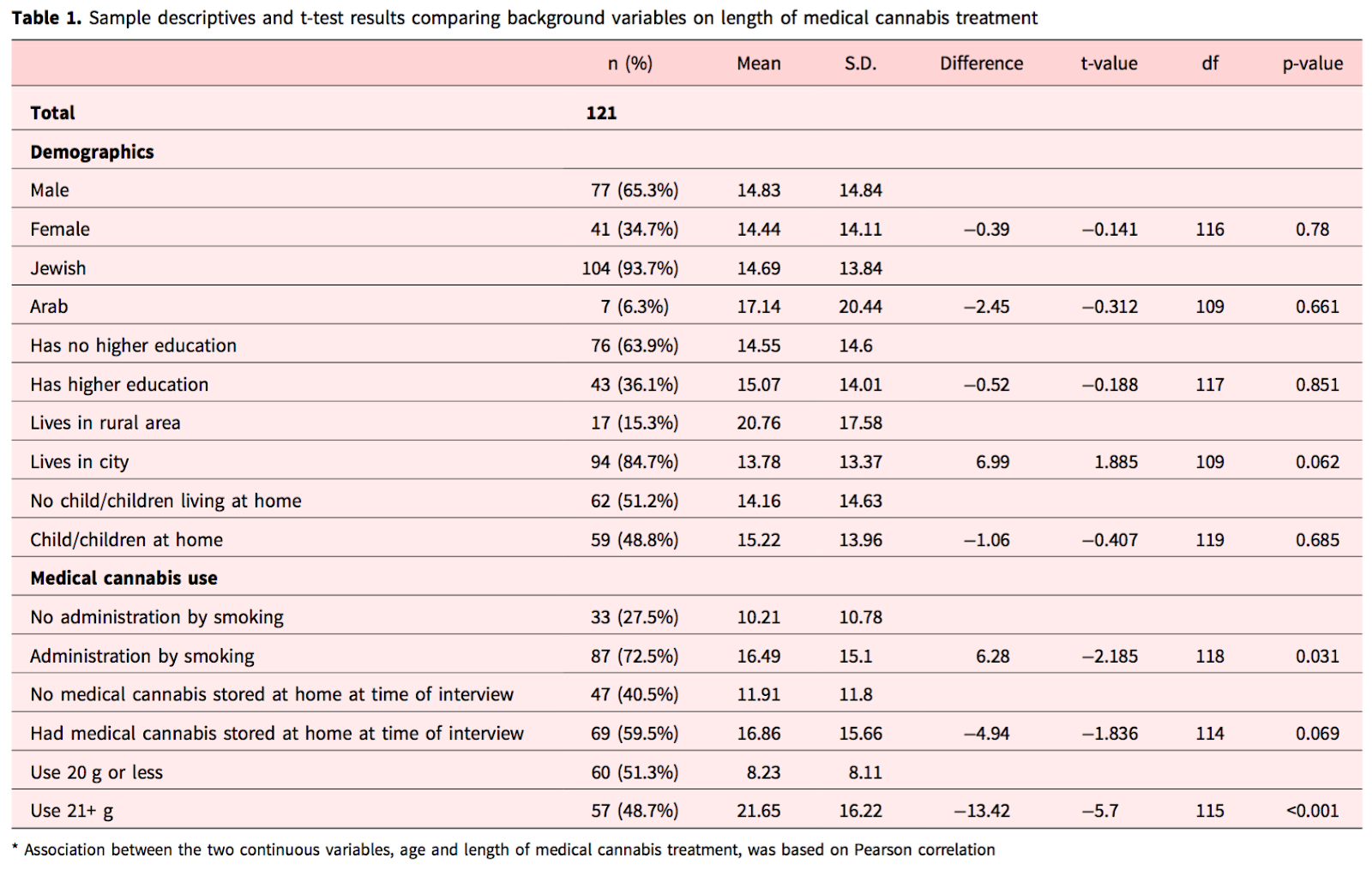
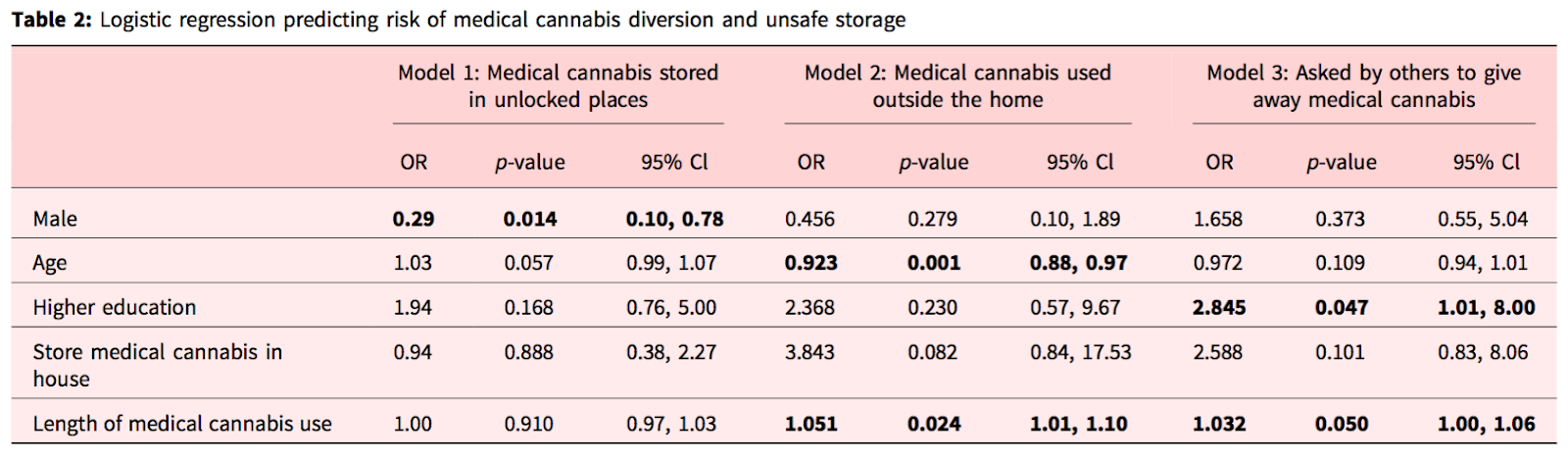
A recent examination of long-term medical cannabis users has demonstrated the need for more consistent training of storage and disposal practices from oncologists. Chronic users tend to increase the dosage taken of medical cannabis over time due to tolerance; higher doses of cannabis are associated with dangerous storage and disposal practices. The current study calls for oncologists who recommend cannabis-based medicine to their patients to have more consistent training in safe storage and disposal methods to prevent patients from ingesting or giving away impure cannabis.

An important point brought up in this article is the pressure some patients experience from their peers to buy cannabis for multiple people with their medical marijuana identification card or certification. Physicians should be wary of this practice and support their patients, reminding them of the accidents that can happen when medications are shared.

View this review (yellow link) or download:

This paper is also stored here:    http://bit.ly/2IyYTEV     inside the CED Foundation Archive

To explore related information, click the keywords below:

Benjamin Caplan, MDOncologists Communication with Chronic Medical Cannabis Users
read more