Cannabis Science

Development of Cannabis-Based Treatment for Bipolar Disorder

Bipolar disorder and the endocannabinoid system

A recently published article serves as a call for research to be conducted to discover how cannabis could impact the management of bipolar disorder (BD). Presented in the article is a full review of the advantages and disadvantages of cannabis-based medicine in the treatment of BD and provides insight into possible mechanisms might affect the pathophysiology of the disorder. The insights listed within the article provide the rationale for examining the endocannabinoid system, specifically the cannabinoid receptor 2, with the hopes of finding therapeutic targets for mood control associated with BD.  

View this review (yellow link) or download:

This paper is also stored here:   http://bit.ly/2FfJXK6      inside the CED Foundation Archive

To explore related information, click the keywords below:

Benjamin Caplan, MDDevelopment of Cannabis-Based Treatment for Bipolar Disorder
read more

Cannabis use as a risk factor for causing motor vehicle crashes: a prospective study

Title of study: Cannabis use as a risk factor for causing motor vehicle crashes: a prospective study

After legalization in 2018, many Canadian provinces implemented “zero tolerance” policies for drivers who have THC in their systems. But a new study from the University of British Columbia suggests that Canada’s drug-impaired driving laws may be unnecessarily strict. According to researchers, there is no link between THC levels below 5ng/mL and increased risk of car accidents.

Note: Considering the potentially grave risk to life and health for modern culture to make the wrong interpretation of the potential dangers of the effects of cannabis consumption on driving, it is critical for the industry to approach the circumstances with delicacy and diligence. Ideally, everyone involved will be motivated to learn as much as possible about the impact of cannabis on the risks of operating machinery and all will follow a cautious approach which will minimize the risk to all. To that end, it is important to consider and reconcile evidence from multiple perspectives.

The article:

“New study suggests low levels of THC in blood do not increase risk of car crash” https://www.straight.com/cannabis/1256476/new-study-suggests-low-levels-thc-blood-do-not-increase-risk-car-crash#

View this review (yellow link) or download:

This paper is also stored here:     http://bit.ly/2IVhSJY    inside the CED Foundation Archive

To explore related information, click the keywords below:

Benjamin Caplan, MDCannabis use as a risk factor for causing motor vehicle crashes: a prospective study
read more

Looking for a genetic explanation for “Cannabis Use Disorder”

Genome-wide association study implicates CHRNA2 in Cannabis Use Disorder

Roughly 9% of cannabis users become dependent. In a recent study, scientists identified a significant association between CHRNA2 gene expression and a diagnosis of Cannabis Use Disorder. In other words, genetics might help to explain why some people may find themselves more dependent upon cannabis than others.

View this review (yellow link) or download:

This paper is also stored here:    http://bit.ly/2IVZJvJ     inside the CED Foundation Archive

To explore related information, click the keywords below:

Benjamin Caplan, MDLooking for a genetic explanation for “Cannabis Use Disorder”
read more

A systematic review of Safety and effectiveness of cannabinoids for the treatment of neuropsychiatric symptoms in dementia

A 2019 literature review summarizes the finding on using THC and CBD on patients with dementia. Researchers found that Dronabinol and THC were associated with significant improvements in a range of psychiatric scores. Interestingly, cannabis products showed the most promising results in patients whose symptoms were previously unmanageable or resistant to other treatments.

View this review (yellow link) or download:

This paper is also stored here:    http://bit.ly/2IWFA8R     inside the CED Foundation Archive

To explore related information, click the keywords below:

Benjamin Caplan, MDA systematic review of Safety and effectiveness of cannabinoids for the treatment of neuropsychiatric symptoms in dementia
read more

The Cannabinoid System is a Promising Source of Targets for Treating Pain

A Budding Source of Targets for Treating Inflammatory and Neuropathic Pain ECS

The cannabinoid system provides momentum to develop cannabinoid-based medications to treat inflammatory and neuropathic pain as researchers continue to find promising therapeutic targets. These new targets may lead to the formation of novel pain-relief medications that may serve well to alleviate pain for those suffering from cancer, multiple sclerosis, and fibromyalgia. Cannabis-based pain medicine is also being researched for opioid-sparing effects and effectiveness in reducing the necessary dose of opioids.

View this review (yellow link) or download:

This paper is also stored here:  http://bit.ly/2FfLorA        inside the CED Foundation Archive

To explore related information, click the keywords below:


Benjamin Caplan, MDThe Cannabinoid System is a Promising Source of Targets for Treating Pain
read more

Cannabidiol May Provide Novel Treatment for Rare Ovarian Cancer

Dramatic response to Laetrile and cannabidiol (CBD) oil in a patient with metastatic low grade serous ovarian carcinoma

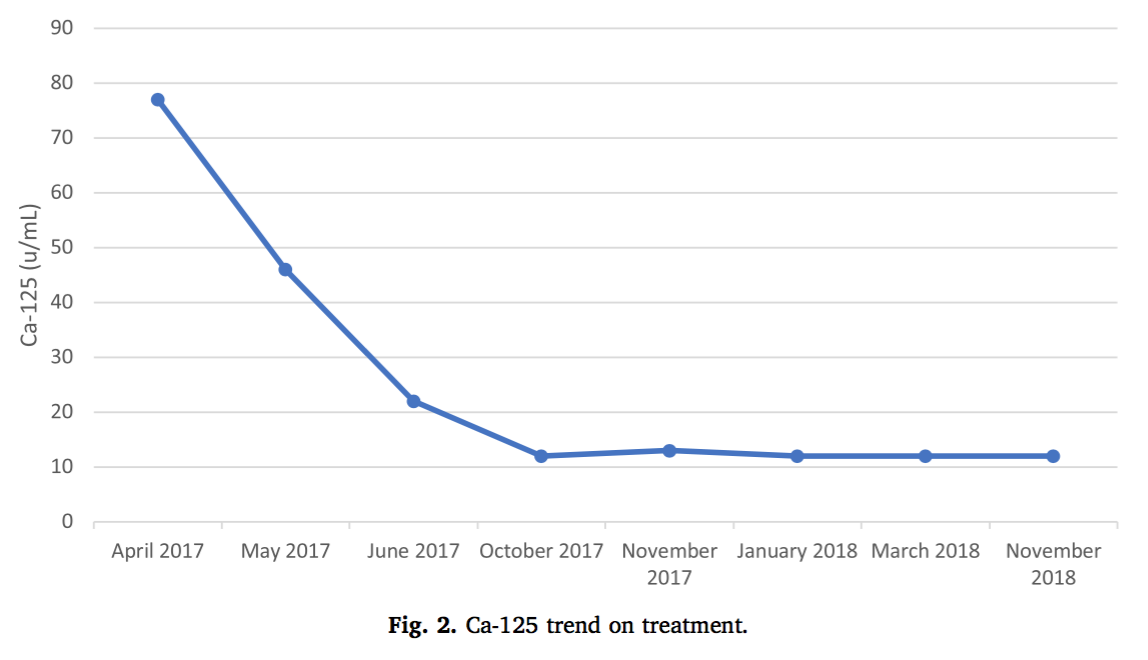
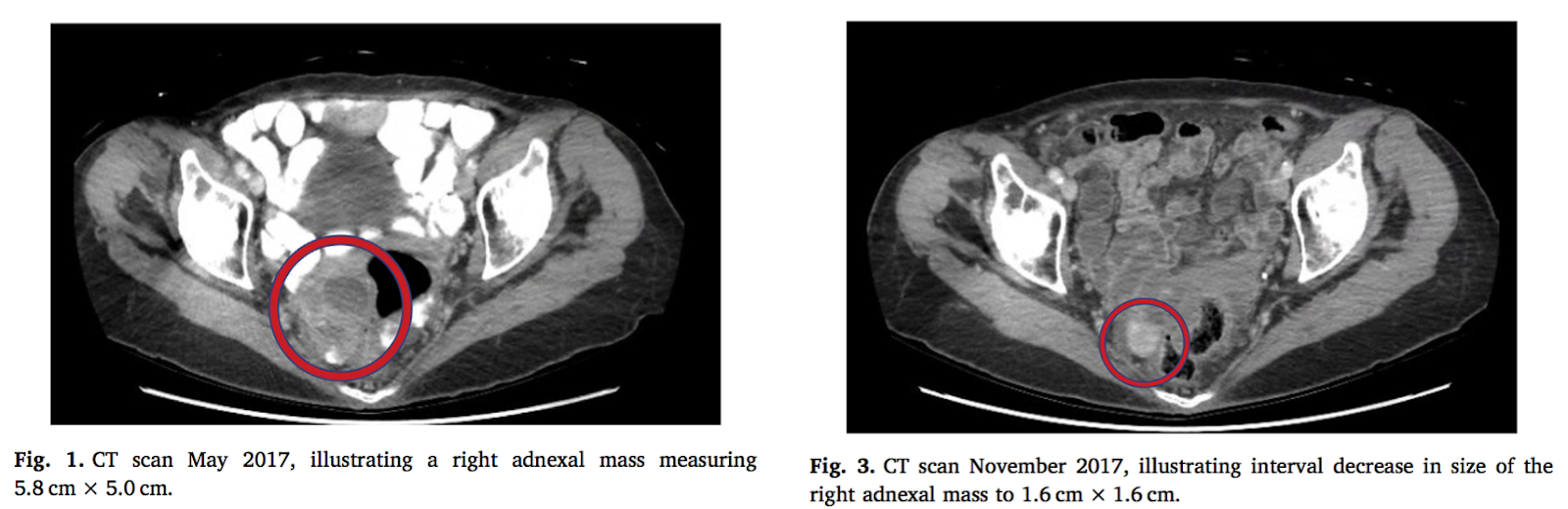
A recent case study has examined a patient’s response to the consumption of cannabidiol (CBD) as a treatment for a rare type of ovarian cancer. Rather than participate in chemotherapy, which has been shown to only be effective in 5% of patients with low grade serous ovarian carcinoma, an 81-year-old decided to take a combination of amygdalin and CBD. Although CBD has only been shown to have effective anti-cancer properties in murine models the featured patient reported a significant decrease in tumor size, revealing that CBD may, in fact, be an effective treatment for patients looking into alternative care methods.

Although proven ineffective, the use of amygdalin highlights alternative therapies derived from naturally occurring chemicals found in common plants. Flavonoids and terpenes are chemical components of cannabis plants, also found in a variety of fruits and vegetables, that are just now being investigated for their therapeutic benefits. The results of those inquiries may prove useful for similar patients suffering from illnesses that are resistant to the usual treatments.

View this review (yellow link) or download:

This paper is also stored here:   http://bit.ly/2L9pCJZ      inside the CED Foundation Archive

To explore related information, click the keywords below:

Benjamin Caplan, MDCannabidiol May Provide Novel Treatment for Rare Ovarian Cancer
read more

Case Studies Reveal Difficulties in Differences between State Cannabis Laws

Crossing the Line: Care of a Pediatric Patient with Intractable Seizures and Severe Neuropathic Pain in Absence of Access to Medical Marijuana

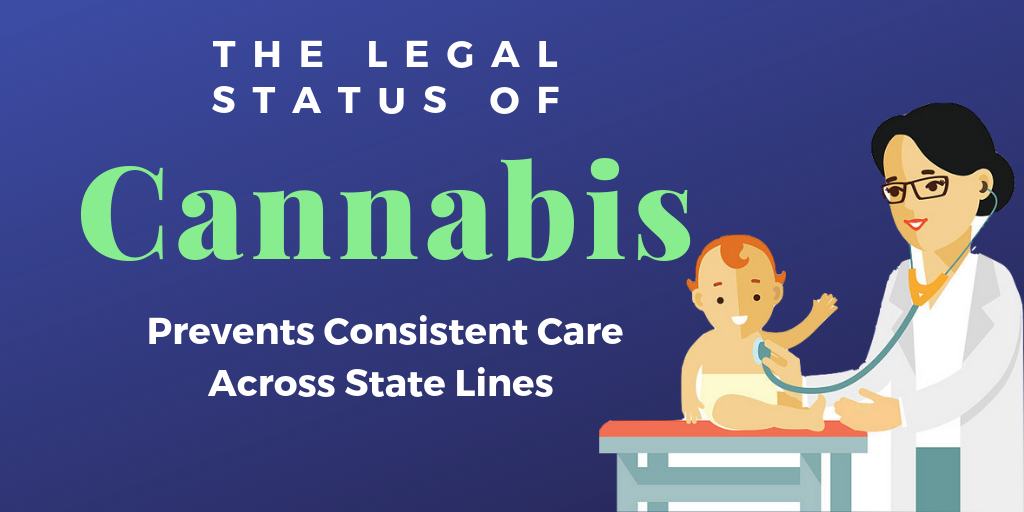
A recent case report discussing a six-year-old patient suffering from a seizure disorder has exposed the difficulty is receiving treatment across state lines. The patient was prescribed medical marijuana that alleviated the severity and duration of her seizures but was weaned off that medication when traveling to Nebraska for a therapeutic surgery due to the legal status in the state. This case study exposes the difficulty of treating patients across the country due to the legal variability of cannabis across states.  

An interesting question brought up in this case study is how to handle palliative care in the absence of opioids and without synthetic products. A combination of massage, essential oils, and salt light therapies were able to compensate for medical marijuana, but not without great effort. Natural therapies like the ones administered here are costly and highlight the simplicity and effectiveness of medicinal cannabis.

View this review (yellow link) or download:

This paper is also stored here:   http://bit.ly/2IxPoWN      inside the CED Foundation Archive

To explore related information, click the keywords below:

Benjamin Caplan, MDCase Studies Reveal Difficulties in Differences between State Cannabis Laws
read more

Video: The Endocannabinoid System’s Intriguing Role in Gut Health

A 2018 literature review summarizes the findings on cannabis and gut health. The endocannabinoid system plays a key role in gut motility, obesity, and inflammatory bowel disease (IBD). Targeting the endocannabinoid system with CBD oil or other cannabinoids seems to reduce colonic inflammation and relieve stress, at a microscopic level, inside the gastrointestinal tract. Watch our video adaptation of the effects of cannabis on IBD:

View this review (yellow link) or download:

This paper is also stored here:    http://bit.ly/2IQCNy1     inside the CED Foundation Archive

To explore related information, click the keywords below:

Benjamin Caplan, MDVideo: The Endocannabinoid System’s Intriguing Role in Gut Health
read more

Neem Oil vs Cannabinoid Hyperemesis Syndrome

Some people are concerned that Cannabinoid Hyperemesis Syndrome (CHS,) a rare condition involving cyclical vomiting, may be caused by neem oil or pesticides. However, symptoms are more consistent with an overload of CB1 receptors, circumstances that occur primarily with habitual, large-volume consumers. Here, an interesting review of the ongoing public conversation: http://bit.ly/2LepwAV

To explore related information, click the keywords below:

Benjamin Caplan, MDNeem Oil vs Cannabinoid Hyperemesis Syndrome
read more

Cost-effectiveness of treating pediatric drug-resistant epilepsy

Cannabis-based treatments may reduce seizures among children with drug-resistant epilepsy, but are these treatments cost-effective? 

Economic evaluations of cannabis treatments are needed, and they should address issues including weight-gain over time, switching or discontinuation of treatments, the effectiveness of interventions, and long-term success, beyond the duration of available clinical studies.

This paper is also stored here:     http://bit.ly/2INWAOJ    inside the CED Foundation Archive

To explore related information, click the keywords below:

Benjamin Caplan, MDCost-effectiveness of treating pediatric drug-resistant epilepsy
read more