Blood-Levels

Consuming CBD with THC Decreases Systemic Availability of THC

Title: Model-based analysis on systemic availability of coadministered cannabinoids after controlled vaporized administration 

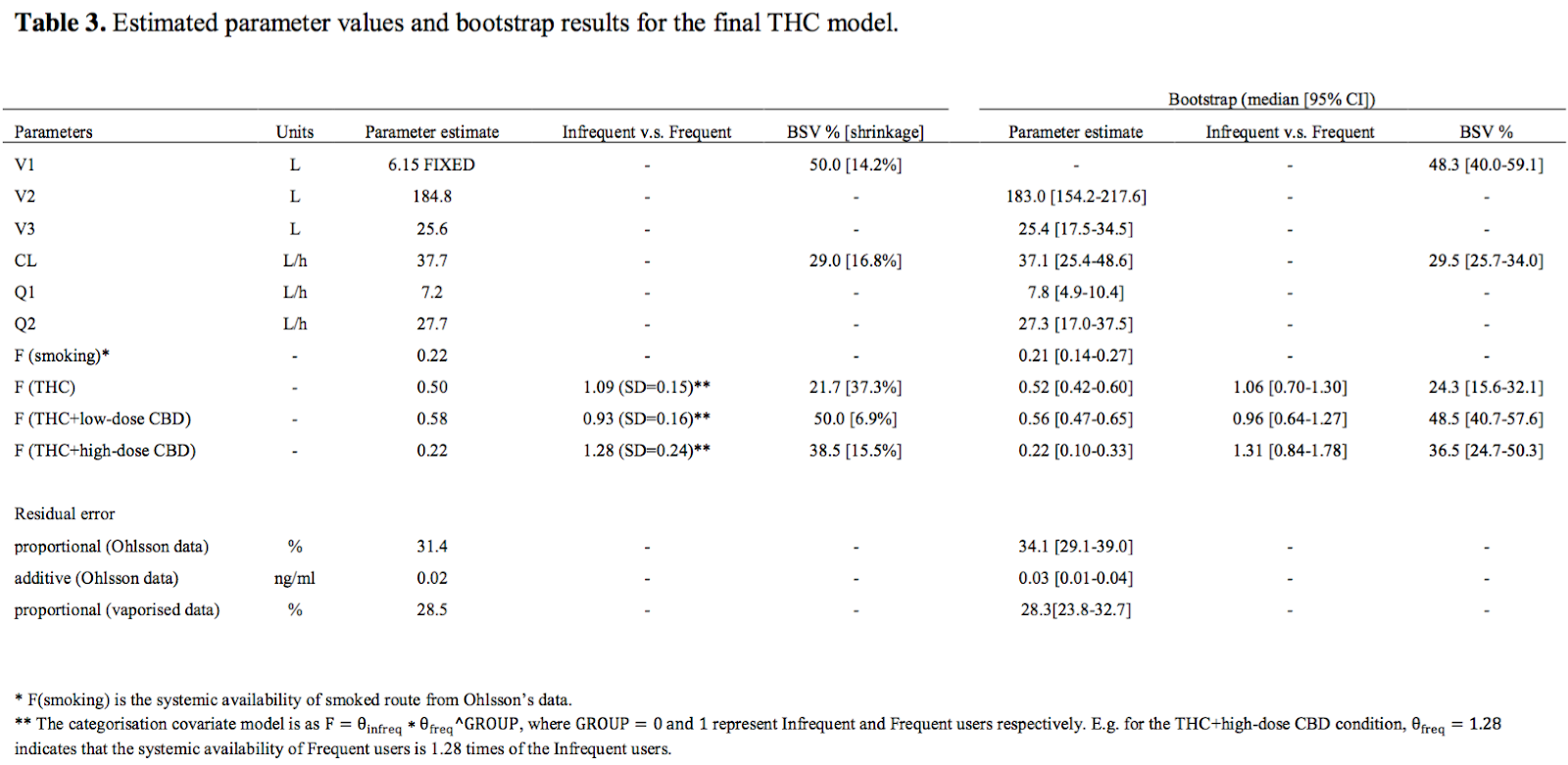
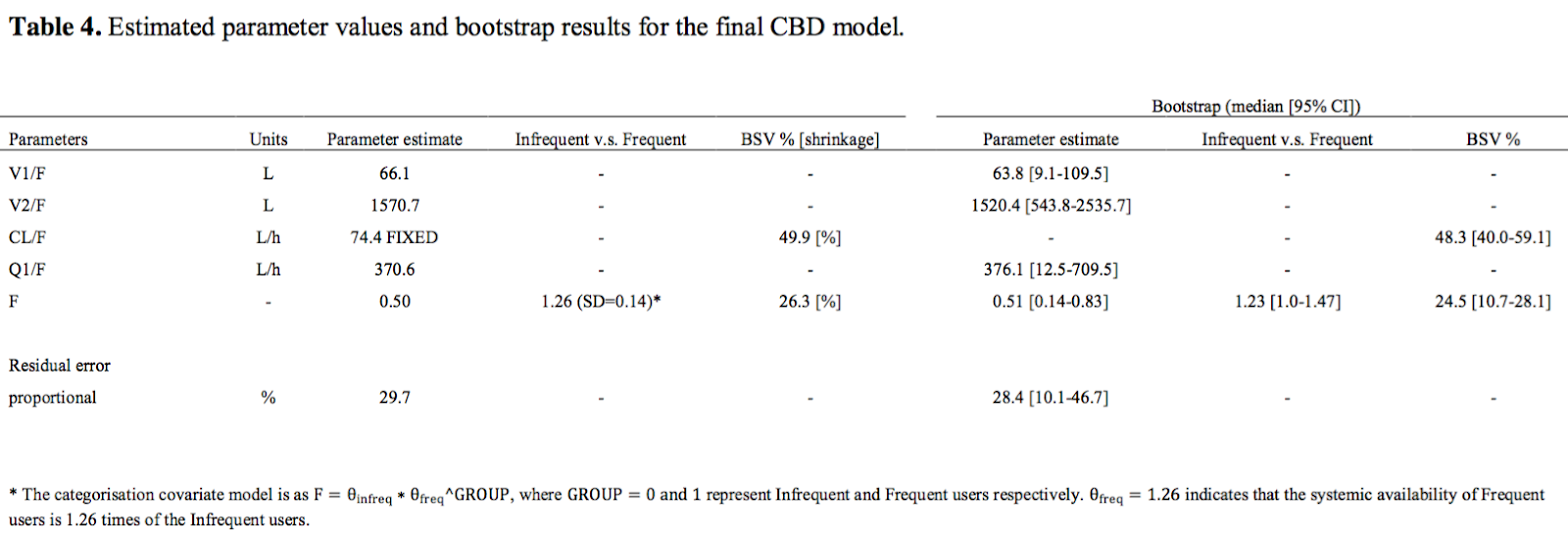
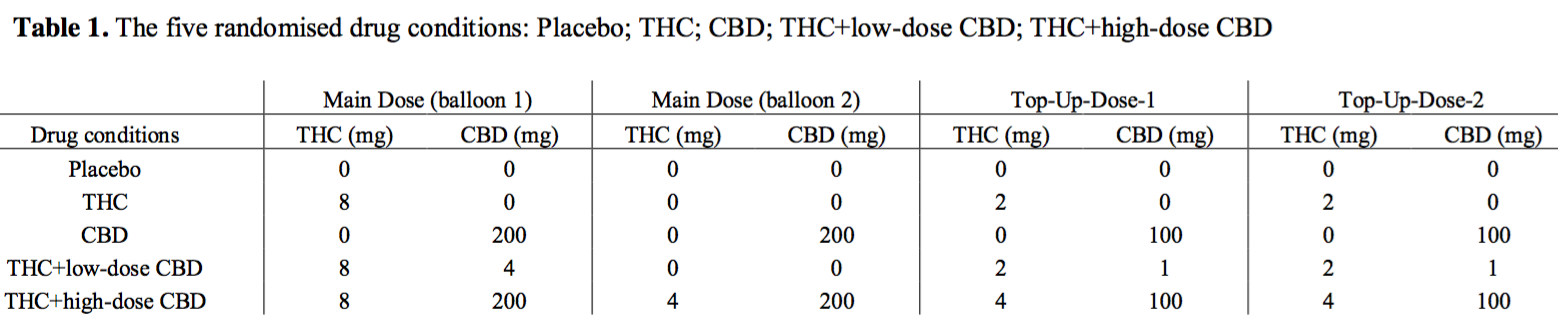
A new study revealed findings that vaporizing cannabidiol (CBD) with ∆-9-tetrahydrocannabinol (THC) lowers the systemic availability of THC.

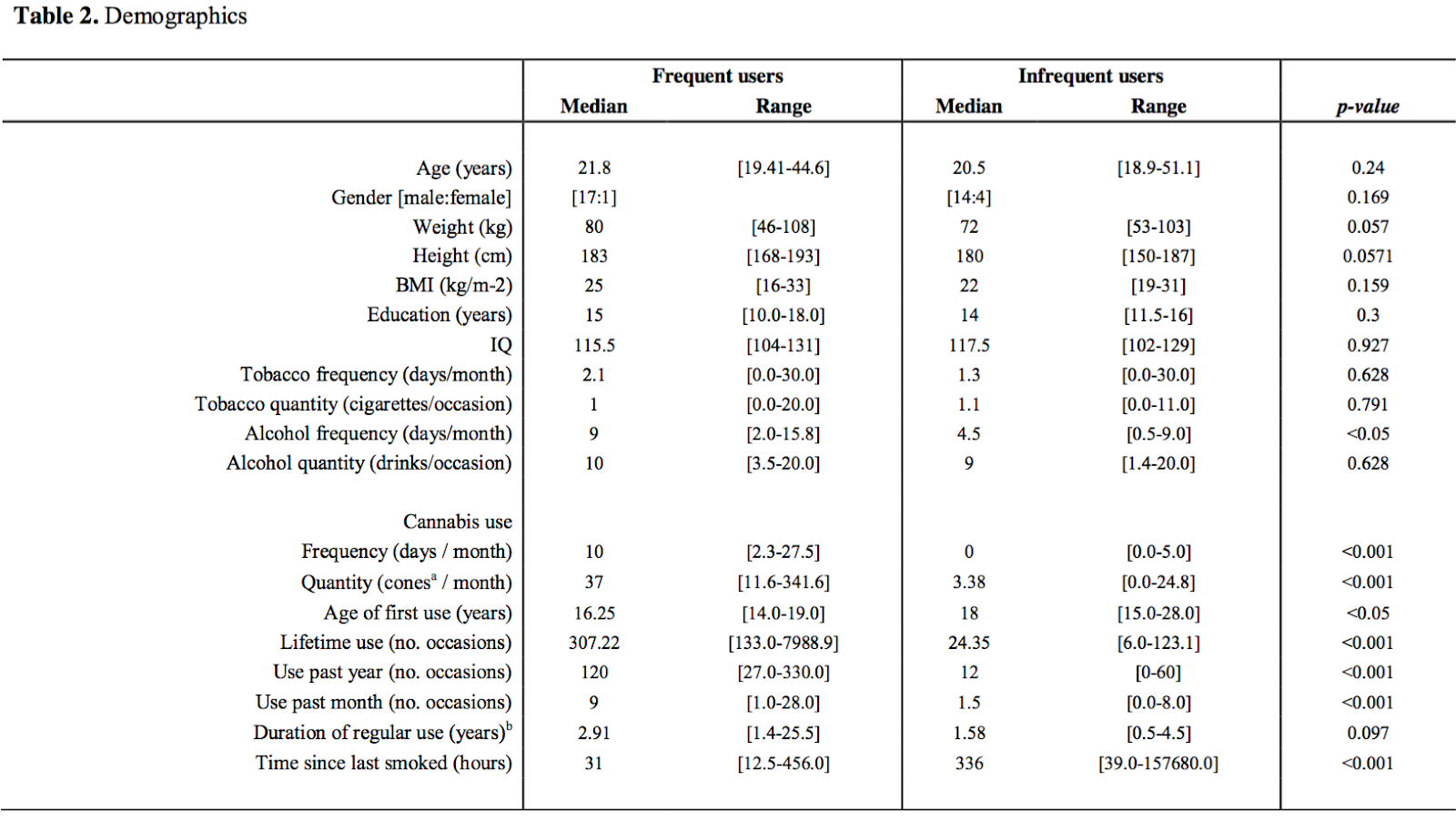
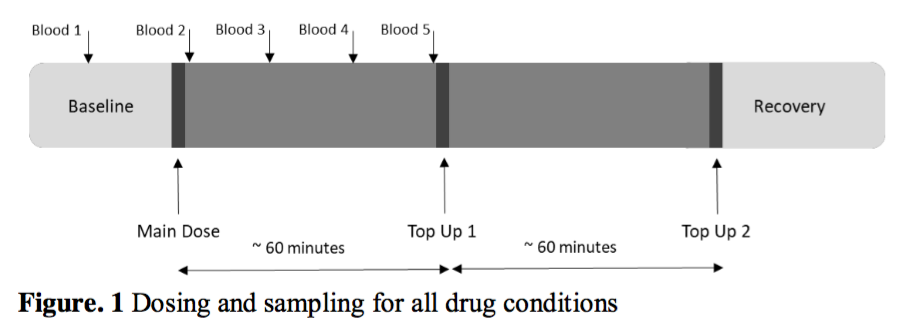
Researchers analyzed the blood plasma level of CBD and THC in a randomized, double-blind study, and found that those who inhaled a high dose of CBD were found to have lower levels of THC. Frequent cannabis users were found to have only minorly decreased levels of THC in their plasma when high doses of CBD was coadministered. Future studies should be conducted to examine the validity of these results for other consumption methods. 

This work highlights how those who have consumed too much THC can combat some of the symptoms associated with THC by consuming CBD. Occasionally, cannabis users may overindulge in THC and feel anxiety, panic, or dizziness. One of the best ways to combat such overindulgence (and lower the effects of THC) is to consume a high dose of CBD. Other, non-cannabis related, methods are also commonly recommended, such as relaxation or food with high levels of the terpenes caryophyllene and limonene. When using cannabis it’s important to start low and go slow in order to minimize the possibility of overindulgence. 
View this review (yellow link) or download:

This paper is also stored here:   http://bit.ly/2xNCHkw      inside the CED Foundation Archive

To explore related information, click the keywords below:
Benjamin Caplan, MDConsuming CBD with THC Decreases Systemic Availability of THC
read more

Cannabinoids and autoimmune diseases: A systematic review (Diabetes)

As it stands, there is no cure for Type 1 Diabetes Mellitus. But, some of us in the medical community are starting to wonder if cannabis could be a viable treatment option. Several studies already address this, with impressive findings, and now, A new mouse model study suggests that not only could CBD prevent Type 1 Diabetes, but it seems to also reduce symptoms after onset. 

Now researchers must determine the long term effects of CBD treatment. Watch a video summary below:

View this review (yellow link) or download:

This paper is also stored here:    http://bit.ly/2Y1paV5     inside the CED Foundation Archive

To explore related information, click the keywords below:
Benjamin Caplan, MDCannabinoids and autoimmune diseases: A systematic review (Diabetes)
read more

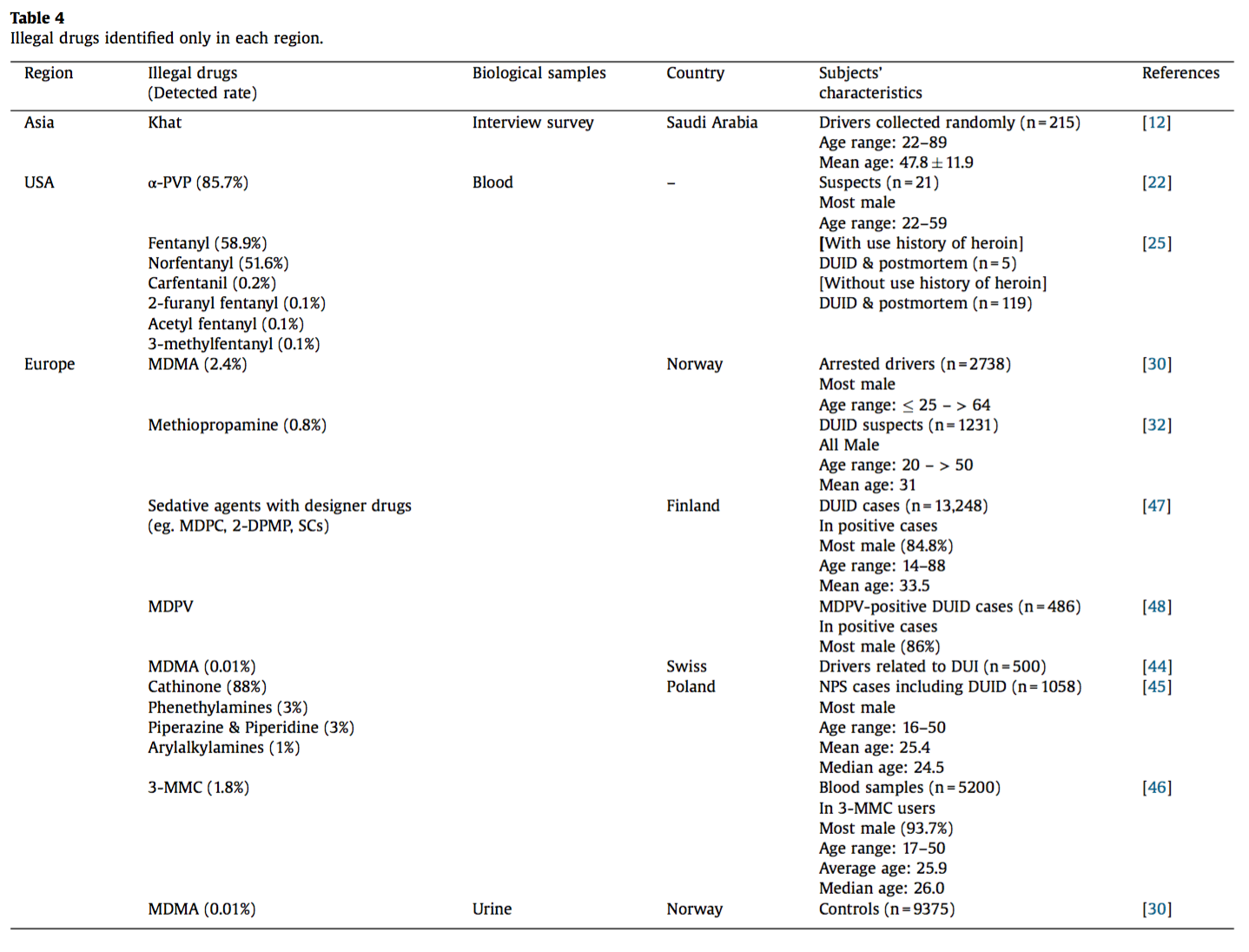
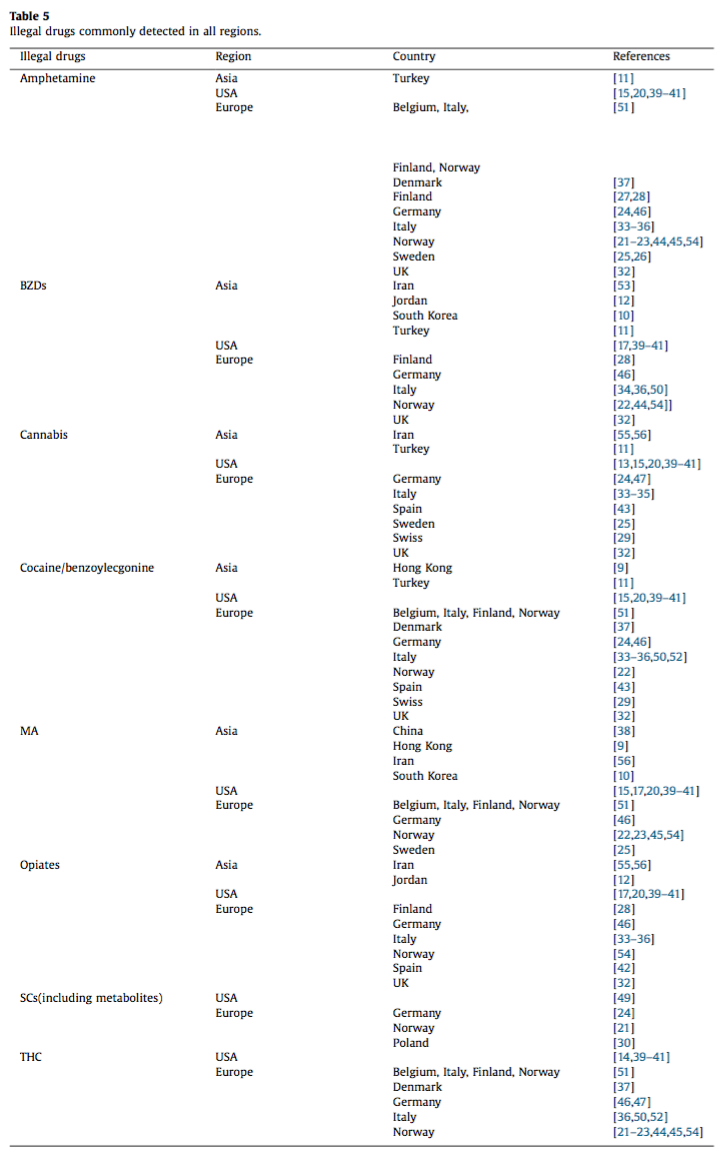
Incidents of Driving Under the Influence of Drugs Reveals A Need for Stricter Regulations

Title: A review of drug abuse in recently reported cases of driving under the influence of drugs (DUID) in Asia, USA, and Europe

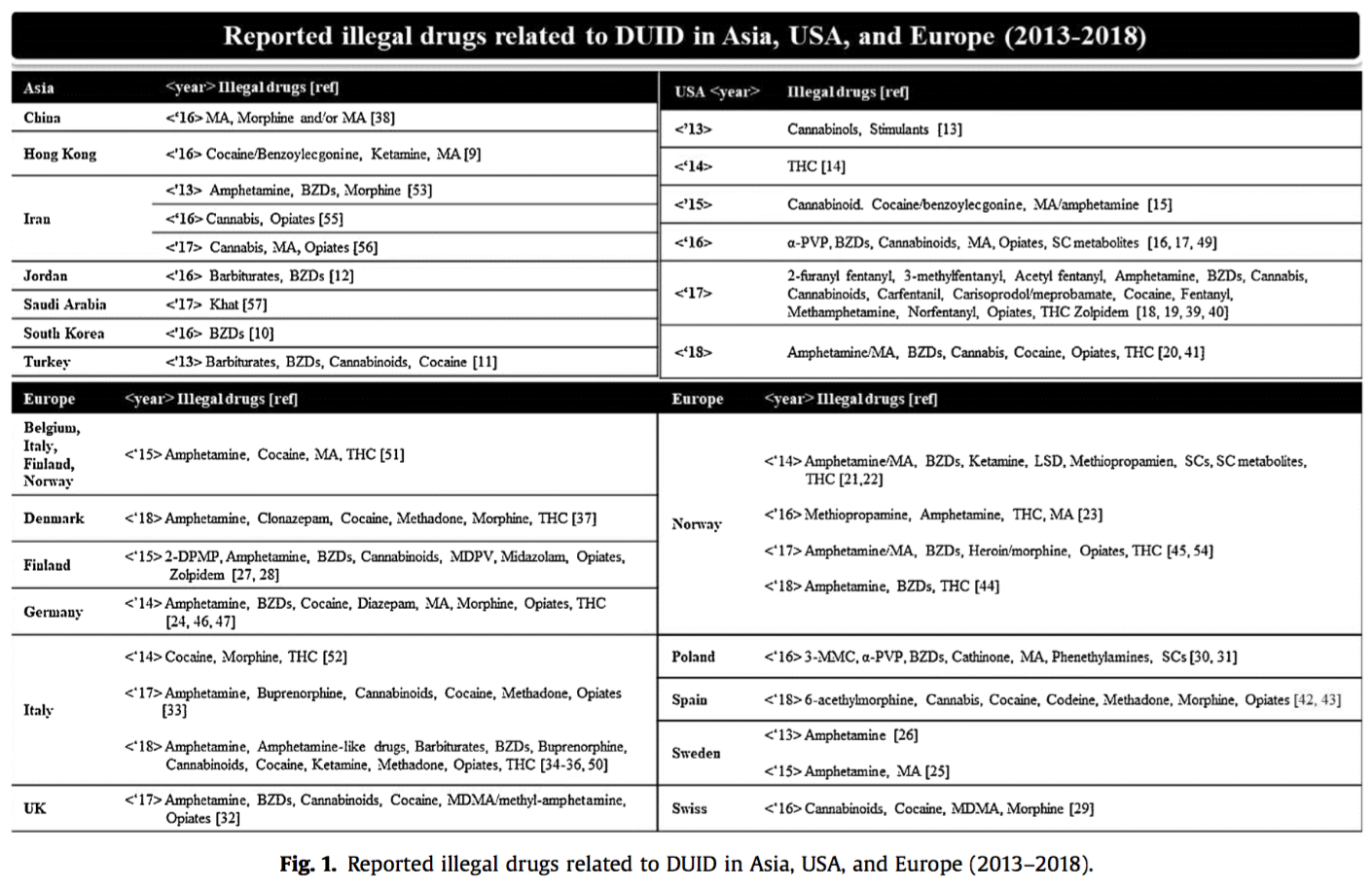
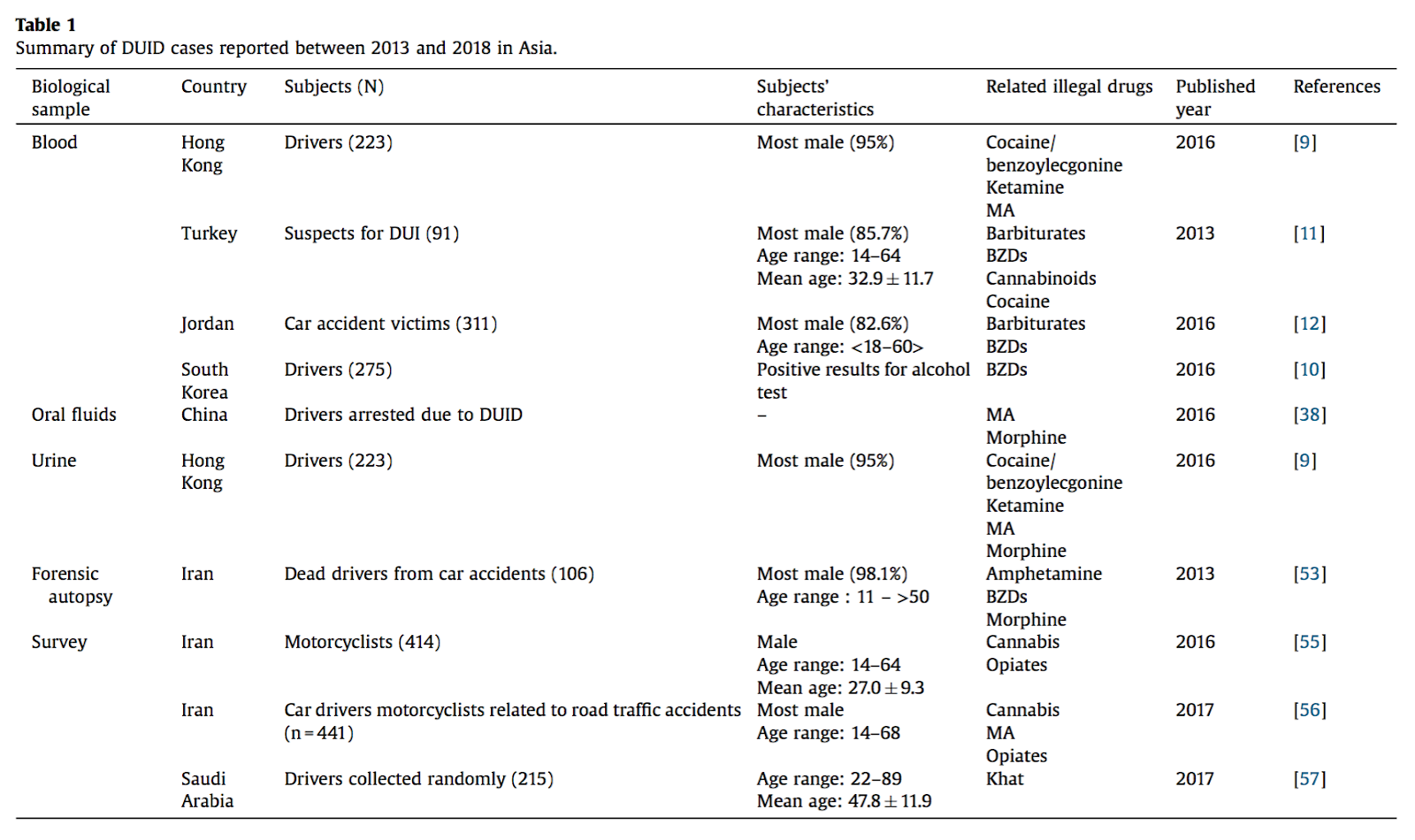
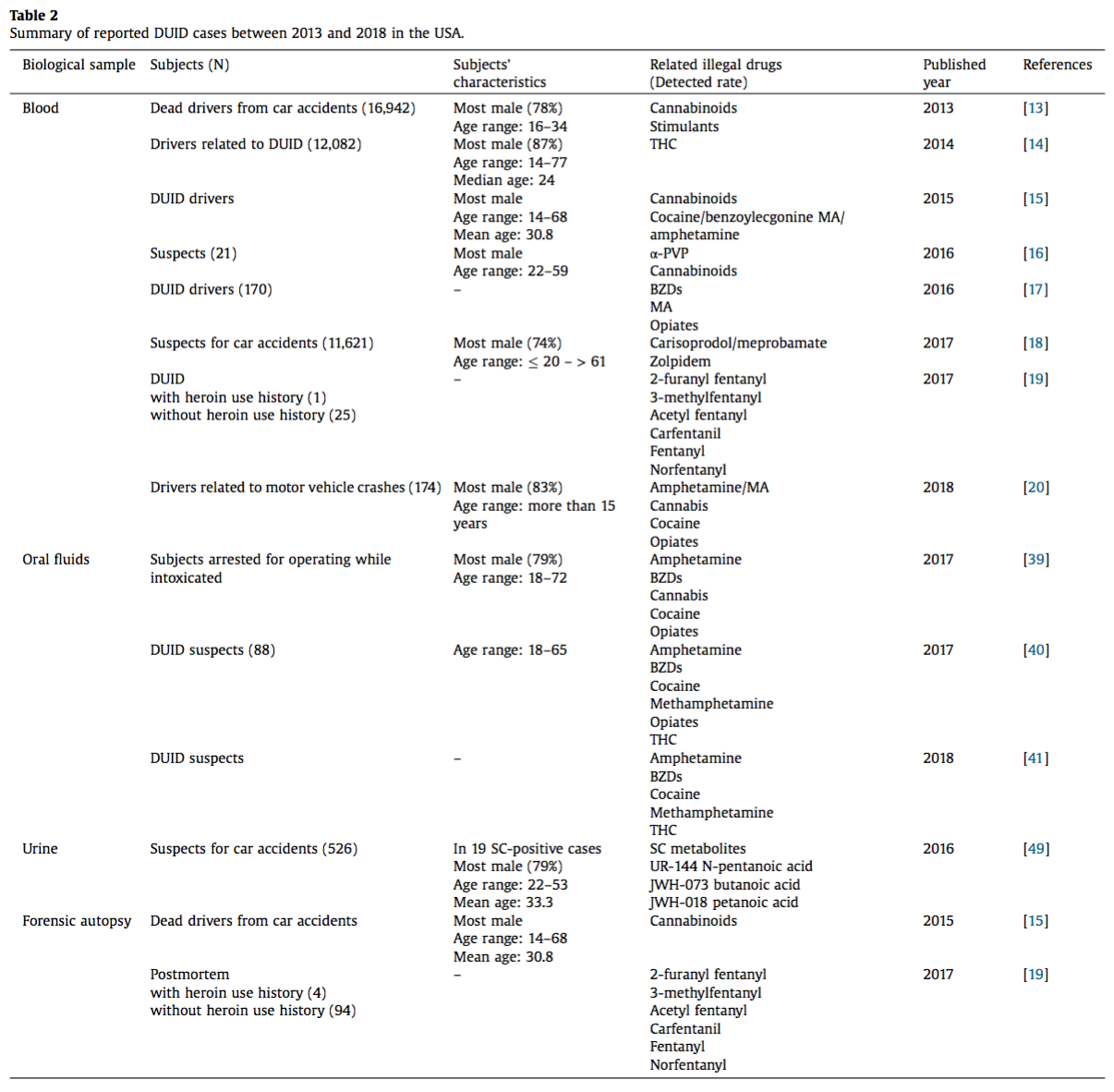
A recent literature review has found that the current driving regulations in Asia, Europe, and the US have not prevented cases of driving under the influence of drugs. The authors observed steady trends of incidences of driving under the influence in all three regions, despite legislature specifically enacted against such actions. In the literature, there is a consistent recommendation that drivers should be regularly tested, especially in the case of an accident, in order to gather more data on the role of drugs in traffic accidents. 


This review highlights the different illicit drugs that contribute to traffic accidents, depending on the region of the world. Cannabis is legal in certain areas of Europe, whereas it is still considered an illicit substance here in the US, and many other locations, worldwide. Looking at the differences in severity or circumstance of the accidents between the type of illicit drug used may provide data to create more beneficial regulations for each country. As the legal status of cannabis continues to evolve, and it becomes more common to find drivers on the road who have consumed a minimal amount of cannabis, new screening techniques will likely be developed to help the culture establish what it considers an “acceptable amount” of blood-borne cannabinoids to be.

View this review (yellow link) or download:

This paper is also stored here:    http://bit.ly/2JucMot     inside the CED Foundation Archive

To explore related information, click the keywords below:
Benjamin Caplan, MDIncidents of Driving Under the Influence of Drugs Reveals A Need for Stricter Regulations
read more

The Endocannabinoid System may Provide Biomarkers for Endometrial Cancer

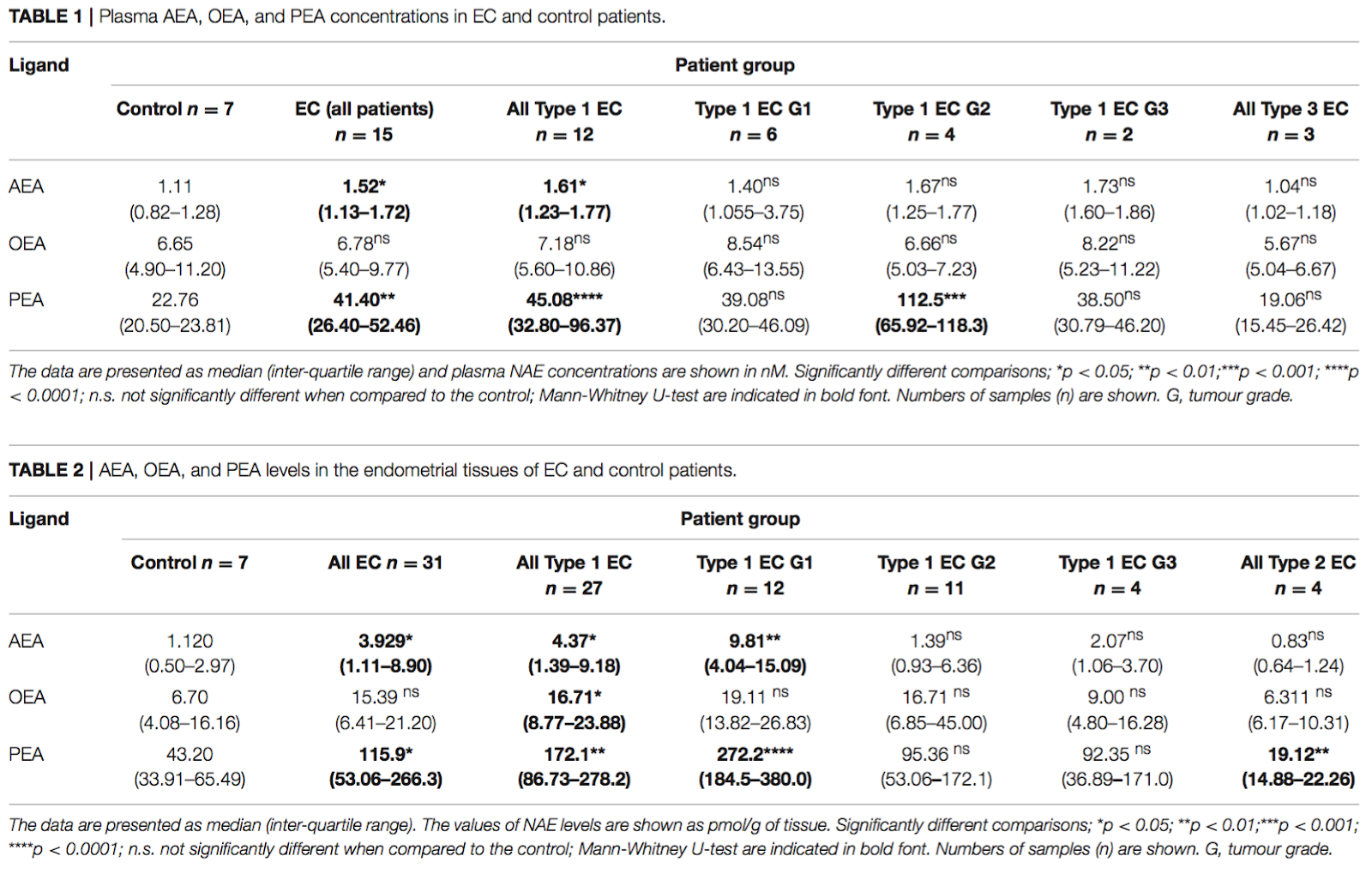
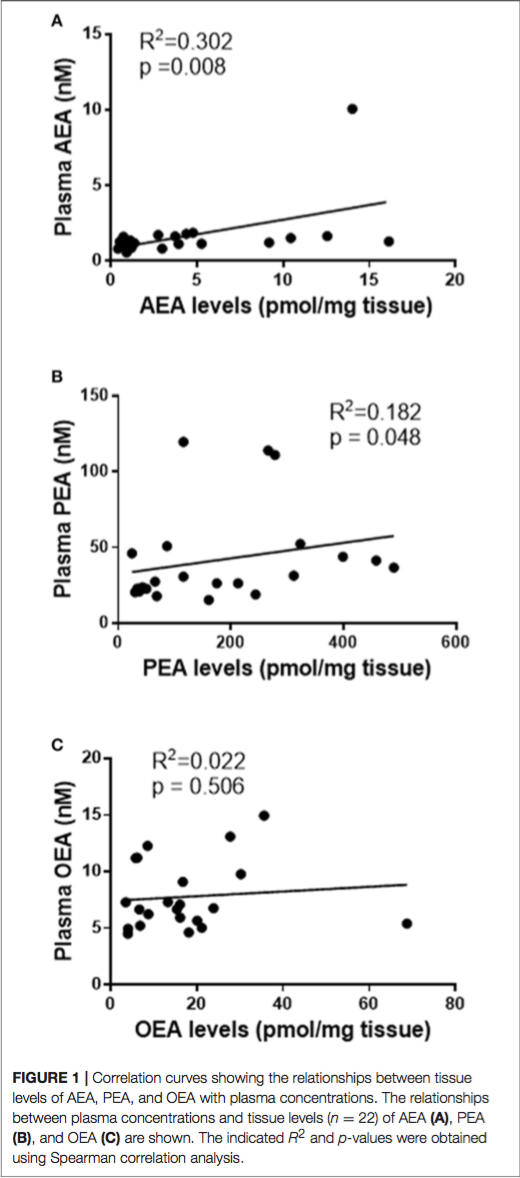
Title: Identification of Novel Predictive Biomarkers for Endometrial Malignancies- N-Acylethanolamines

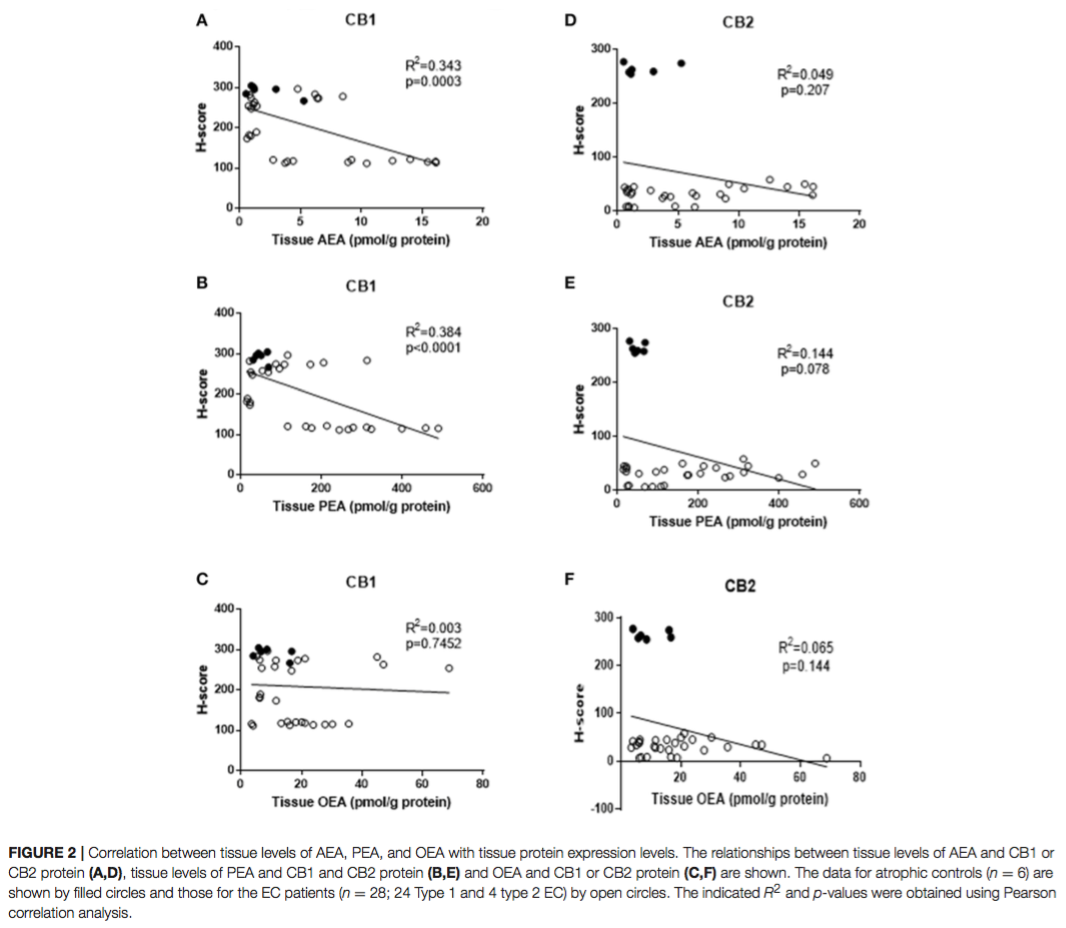
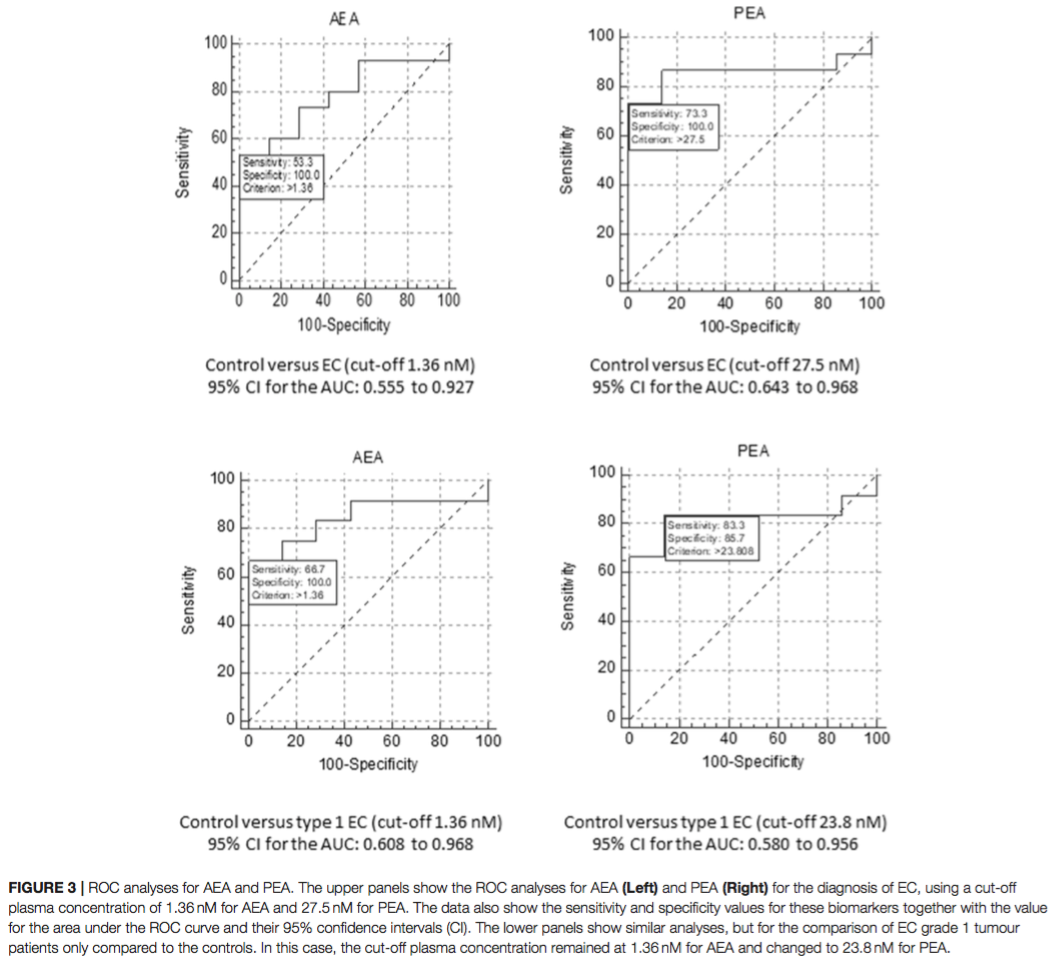
A recent study has demonstrated that specific members of the endocannabinoid system may serve as potential biochemical markers for endometrial cancer. Elevated levels of two products of the endocannabinoid system (N-palmitoylethanolamine and N-arachidonoylethanolamine), reflect the production of endometrial tumors.

By screening for elevated levels of those substances, it may be easier for physicians to more quickly recognize the possible presence of endometrial tumors, leading to a potentially sooner diagnosis and intervention. Further research should be conducted to see if there is an even stronger connection between the dysregulation of the endocannabinoid system and endometrial cancer. 


This study highlights the far-reaching arms of the endocannabinoid system that are still so poorly understood. Until the federal government supports the research of cannabis and helps the general public to recognize it as a medically useful substance, research will continue to be limited and stifled. Government-sponsored research is required to boost the growing data that is currently limited by a reliance on private funding. State governments continue to legalize medical marijuana and recognize the medical and economic benefits of cannabis-based medicines. As local legislature demonstrates the success of medical cannabis programs, many patients continue to look to the federal government to follows suit, to further support our fellow citizens in need. 

View this review (yellow link) or download:

This paper is also stored here:    http://bit.ly/2XHXX5n     inside the CED Foundation Archive

To explore related information, click the keywords below:
Benjamin Caplan, MDThe Endocannabinoid System may Provide Biomarkers for Endometrial Cancer
read more

Maintain a Balanced Diet when Consuming Oral Cannabidiol

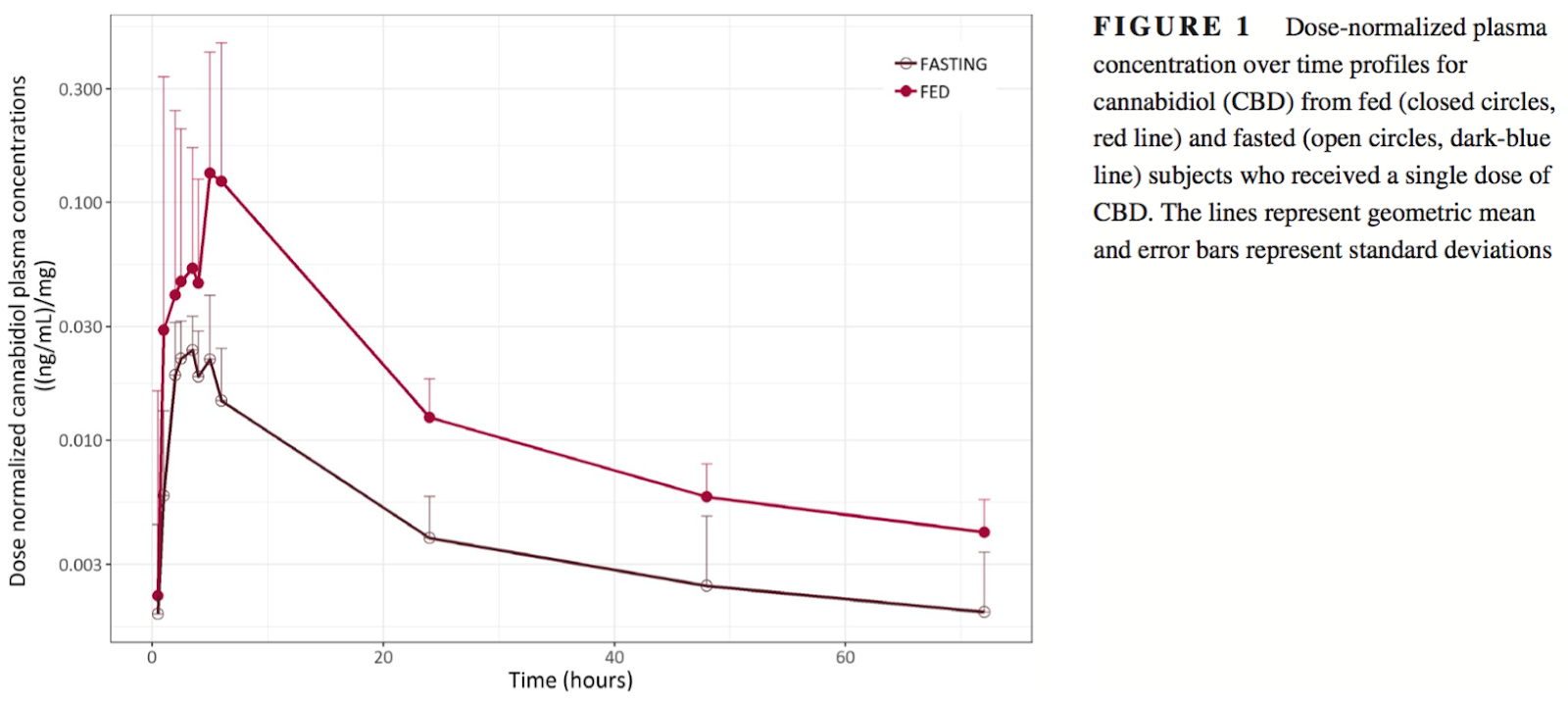
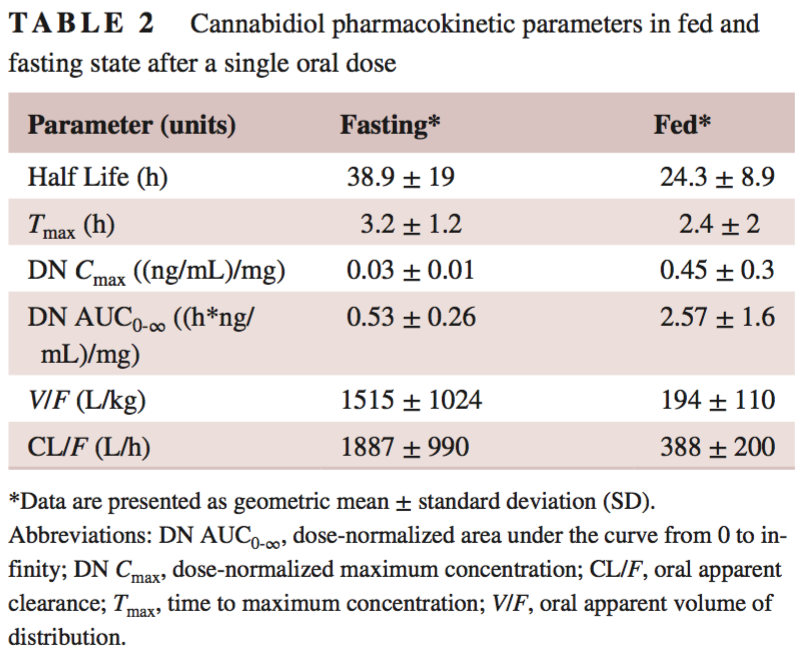
Title: Food effect on pharmacokinetics of cannabidiol oral capsules in adult patients with refractory epilepsy

Researchers have recently revealed the importance of maintaining a balanced diet, when consuming cannabidiol (CBD). Consuming oral capsules containing CBD may be a more consistent method of consumption than blending CBD into liquids or solid foods, but unfortunately, capsules do not prevent a high degree of potential fluctuation of dosing. The fat content of a meal may vary widely, and so may change the active concentrations of CBD which become active in the bloodstream. In other words, the effects felt by a consumer may be either stronger or weaker, and differ in duration, related to the method of consumption, and the product make-up taken. Patients considering CBD as a therapeutic intervention, who also want a consistency of effect, would be wise to be mindful to maintain a diet with a balanced amount of fat (oils, butter, etc.) when consuming CBD capsules. 


This article highlights the variation of effects felt when altering consumption methods. For example, edibles and inhaled cannabinoids of the same dosage have extremely different effects, because of how they are processed in the body processes. When inhaled, tetrahydrocannabinol (THC) diffuses across structures in the lungs known as alveoli, and are then transmitted to circulate throughout the bloodstream. Edibles introduce THC into the system by first metabolizing with liver enzymes, resulting in an altered metabolite of THC circulating throughout the body. This subtly-altered metabolite of THC can be more potent than the starting material, although the onset is delayed due to the process of consumption, digestion, and metabolism. All consumers would do well to research their consumption method of choice and proceed carefully when switching between methods. 

Tweet: Researchers have recently revealed the importance of maintaining a balanced #diet when consuming #cannabidiol (#CBD). Learn more at

View this review (yellow link) or download:

This paper is also stored here:    http://bit.ly/2Ju8KfY     inside the CED Foundation Archive

To explore related information, click the keywords below:
Benjamin Caplan, MDMaintain a Balanced Diet when Consuming Oral Cannabidiol
read more

Cannabinoids have Opioid-Sparing Effects on Morphine Analgesia

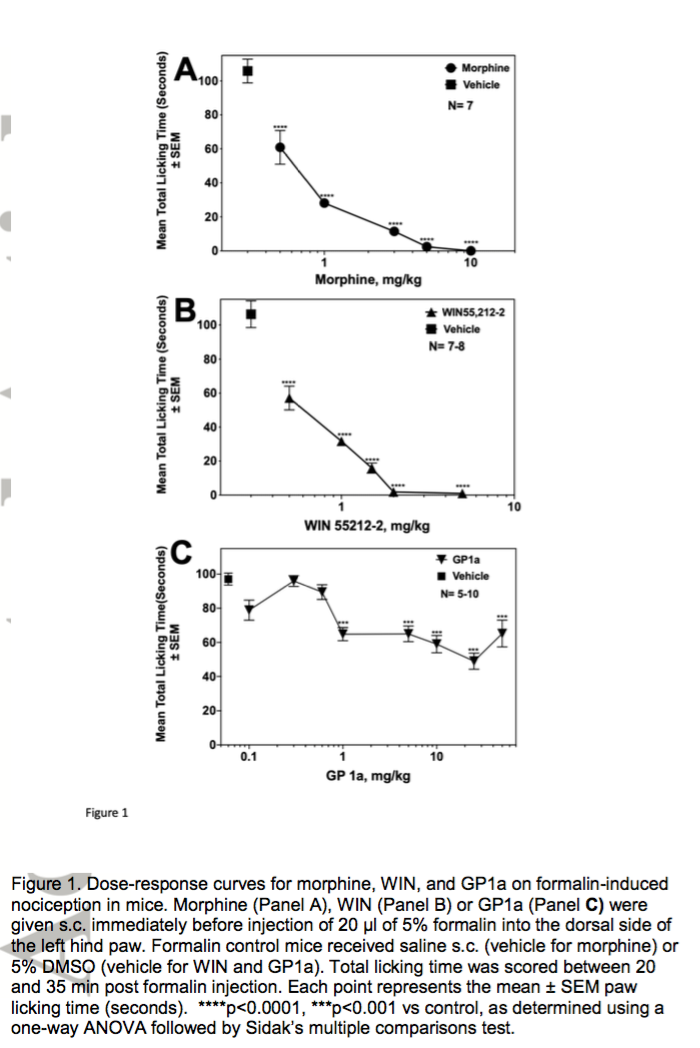
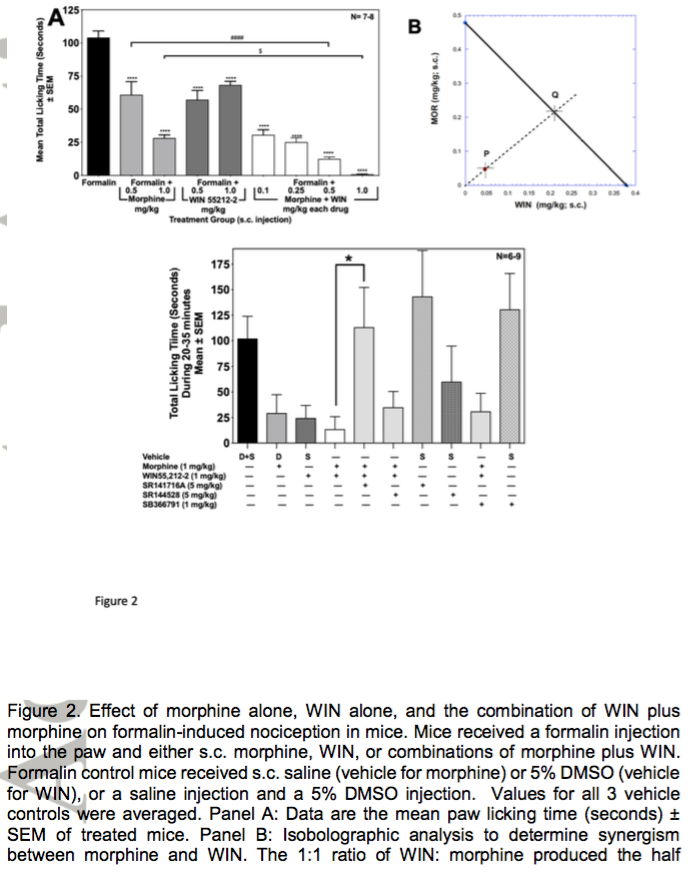
Opioid-Sparing Effects of Cannabinoids on Morphine Analgesia- Participation of CB1 and CB2 Receptors

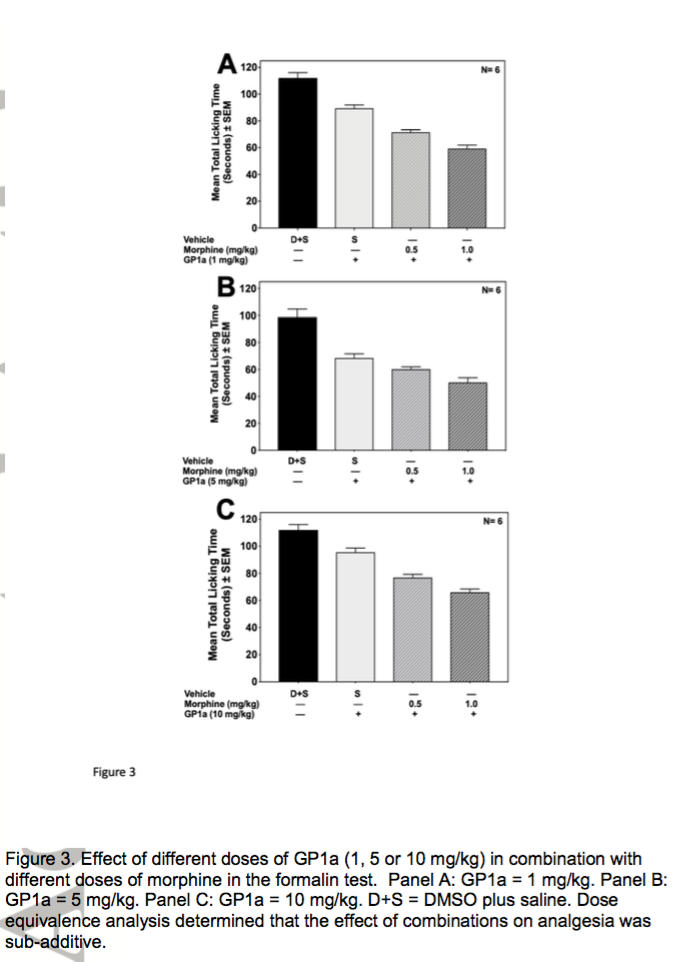
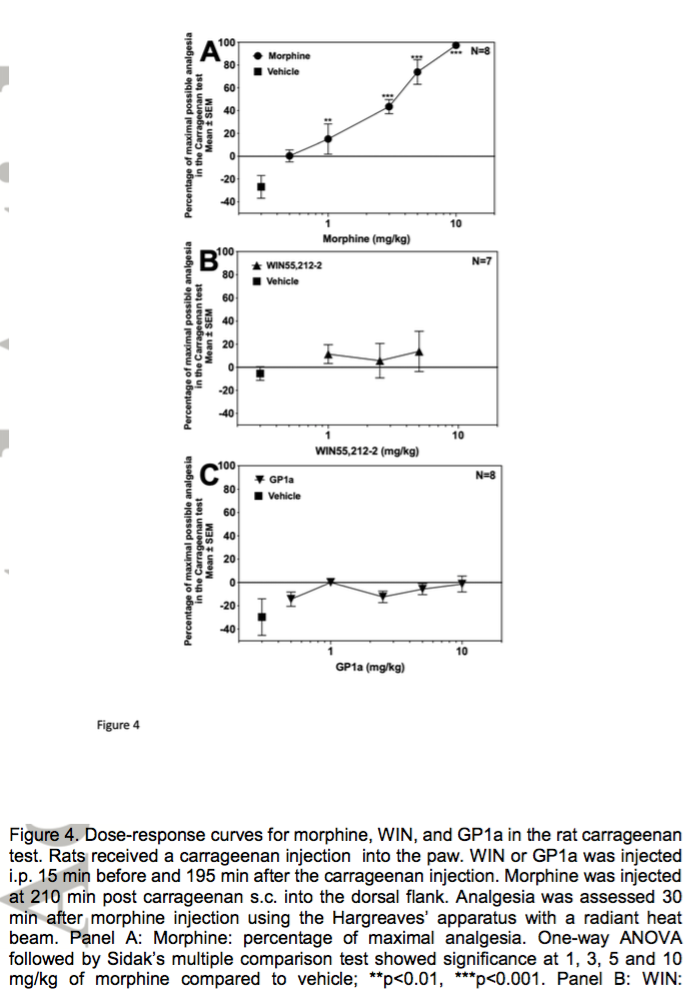
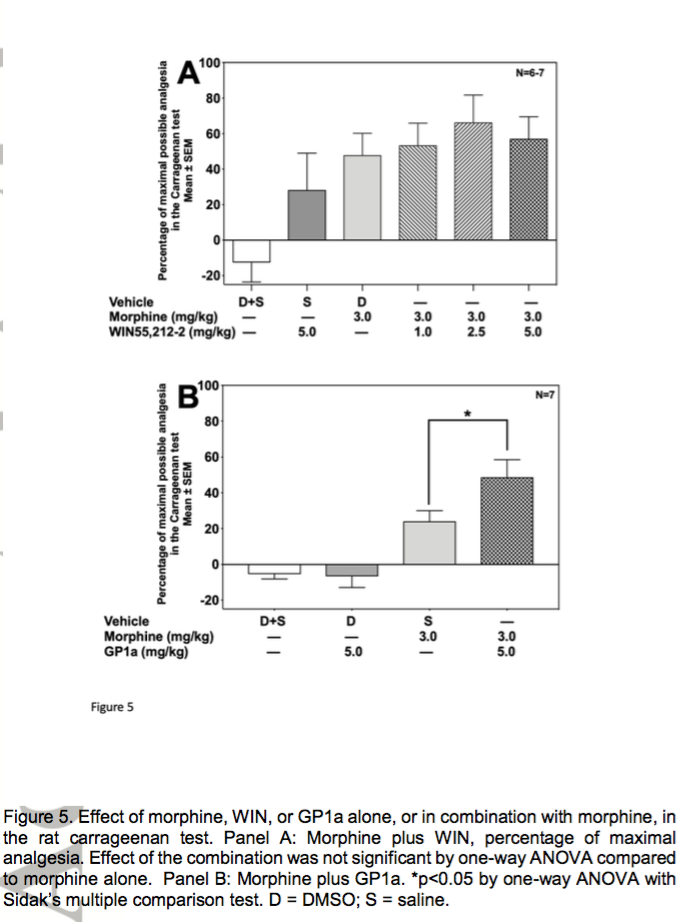
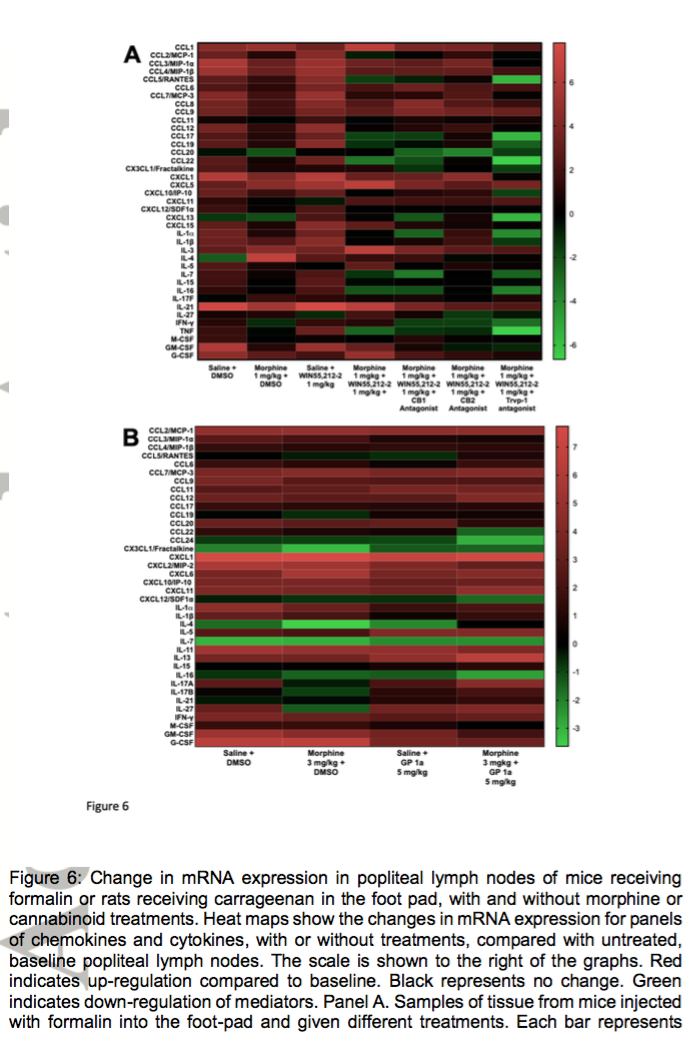
Researchers have recently provided evidence that synthetic cannabinoids are able to work synergistically with morphine to provide maximum pain relief while limiting opioid doses.

In an effort to control the current opioid epidemic researchers have been looking into the possible benefits of cannabinoids due to the interaction of the opioid and endocannabinoid systems. The results of this study showed that various synthetic cannabinoids (WIN and GP1a) were able to work synergistically with morphine in two separate pain models to maximize analgesic effects. Further evidence is still needed to validate these claims before patient use, but this paper provides further evidence that medical cannabis may help put an end to the opioid crisis. 

Highlighted in this paper is the lingering uncertainty of exact mechanisms within the endocannabinoid system. The authors of this article are left without definite answers as to whether or not the analgesic effect is mediated completely through cannabinoid receptor 1 (CB1) or if cannabinoid receptor 2 (CB2) is also involved. Research into cannabinoids is slow within the United States, as there are currently only privately funded studies. This severely limits the medical community from a full understanding. The better a system is understood, the more concrete answers can be found. Critics may never support the rescheduling of cannabis but without moving cannabis to a Schedule II or III, it remains impossible to back even their claims. 

View this review (yellow link) or download:

This paper is also stored here:    http://bit.ly/2Xh5PQl     inside the CED Foundation Archive


To explore related information, click the keywords below:
Benjamin Caplan, MDCannabinoids have Opioid-Sparing Effects on Morphine Analgesia
read more

Pediatric Oncology Center Justifies the Use of Medical Cannabis

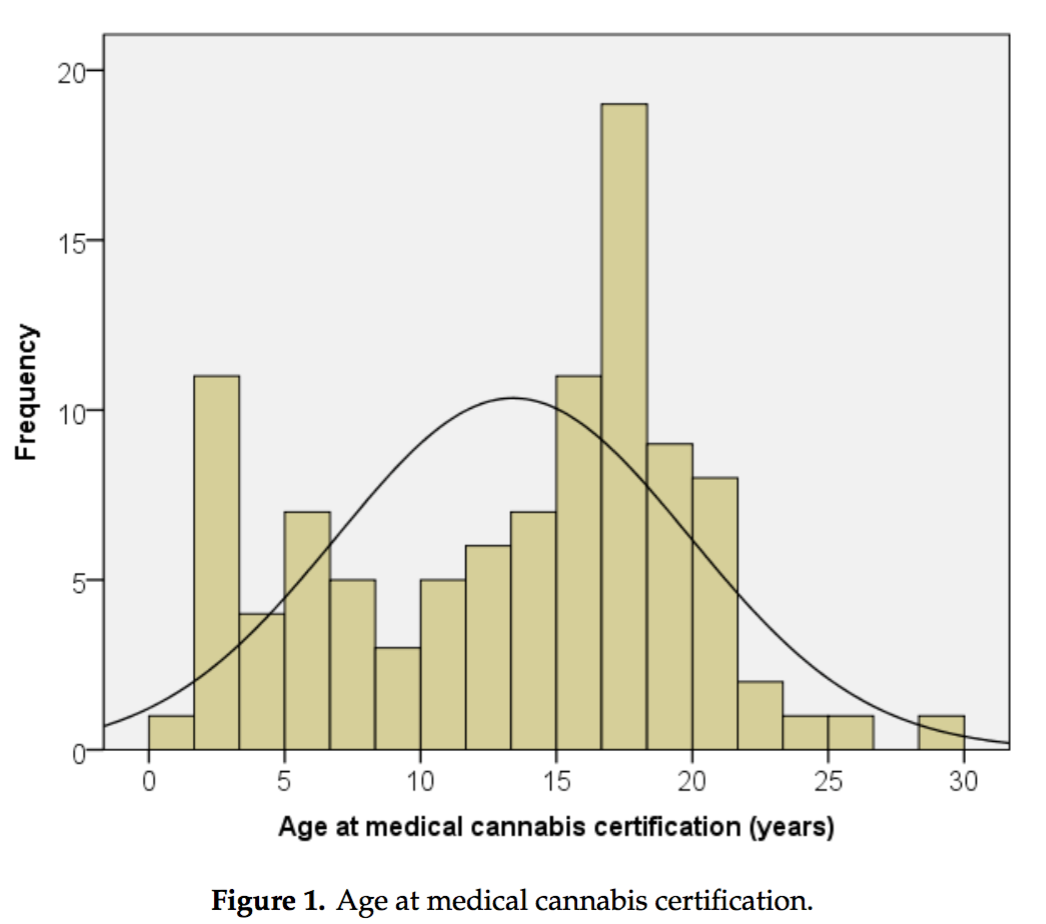
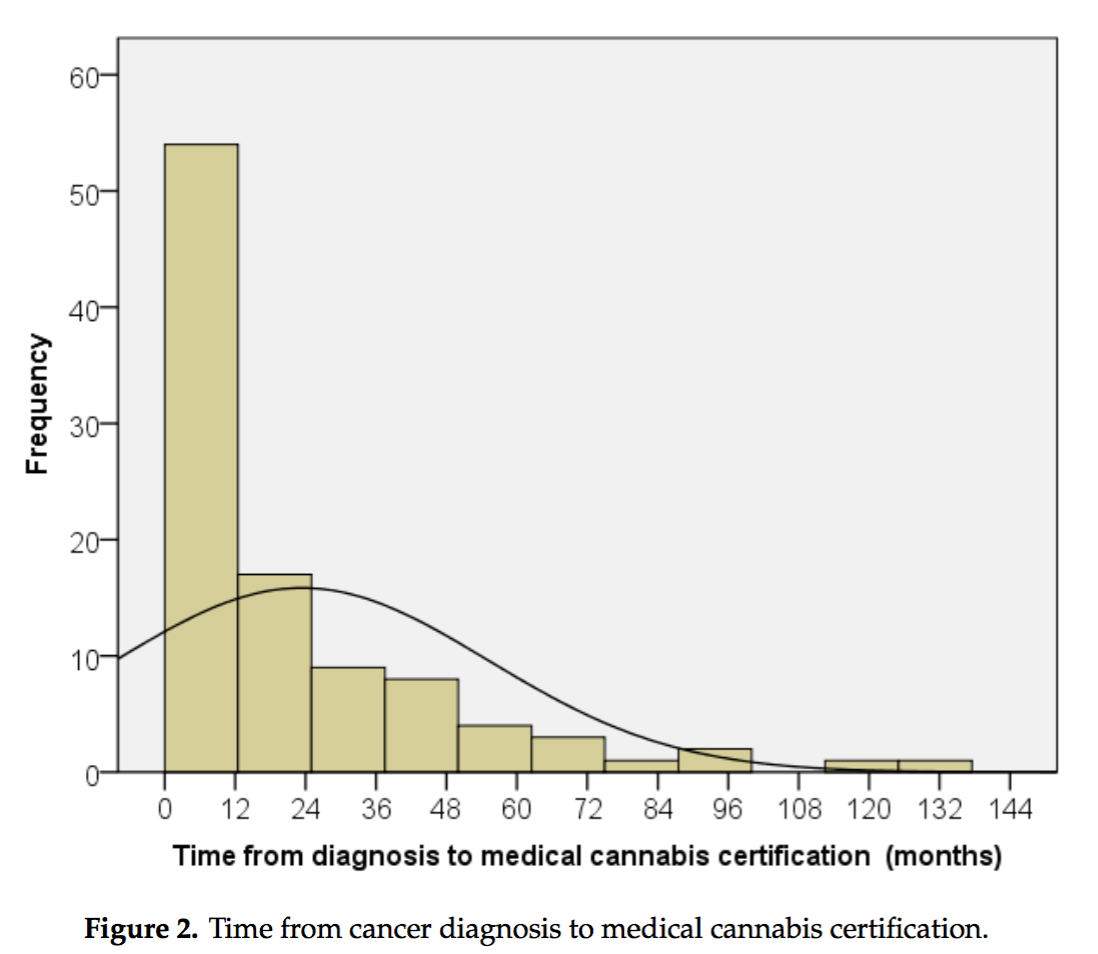
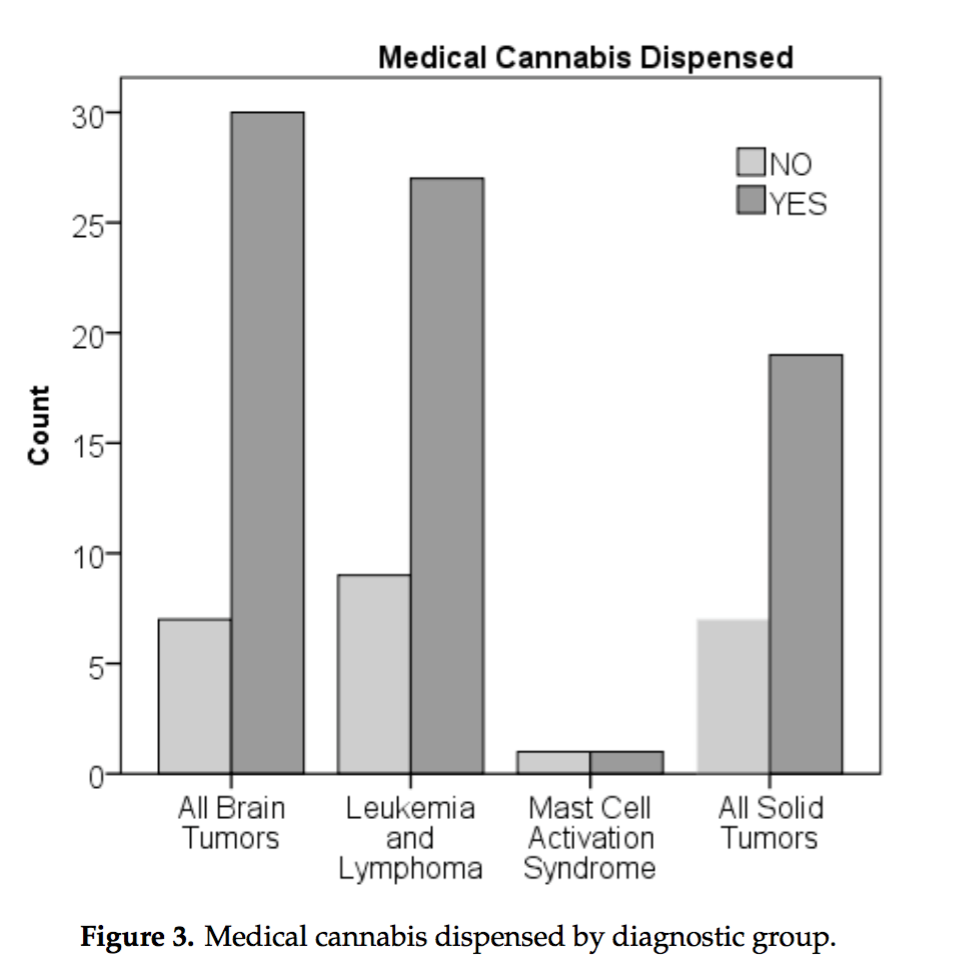
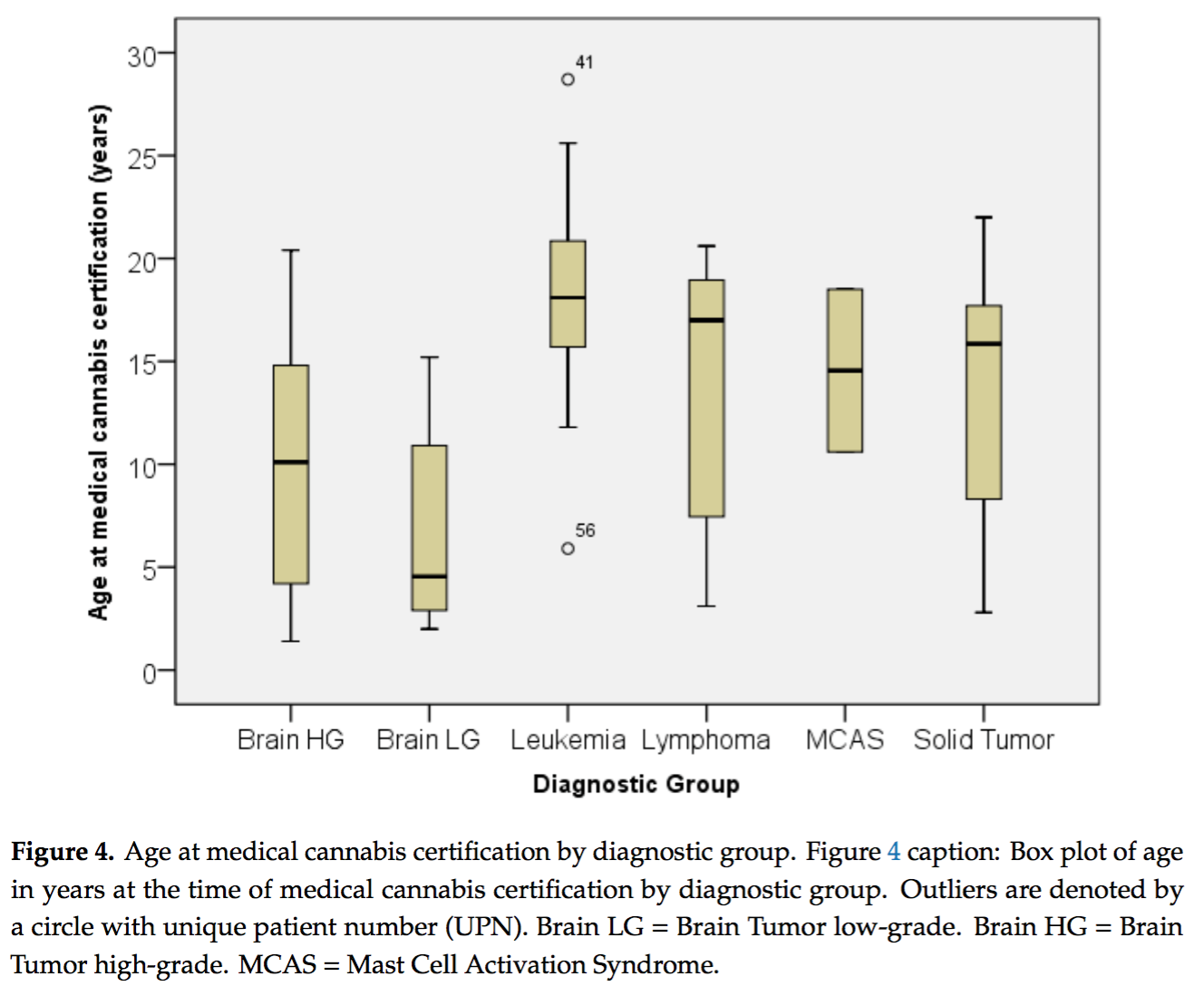
Pediatric oncologists from Minnesota recently published an article justifying their use of medical cannabis as palliative care for their patients.

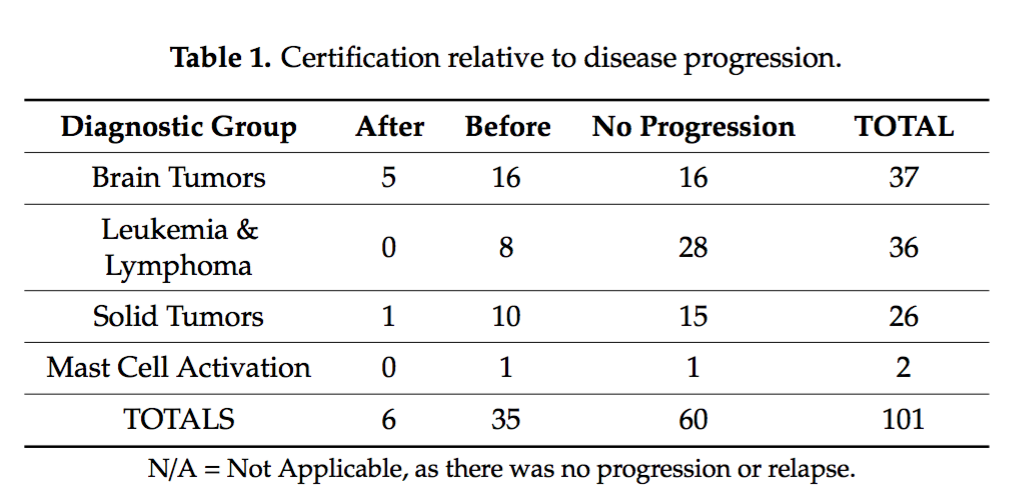
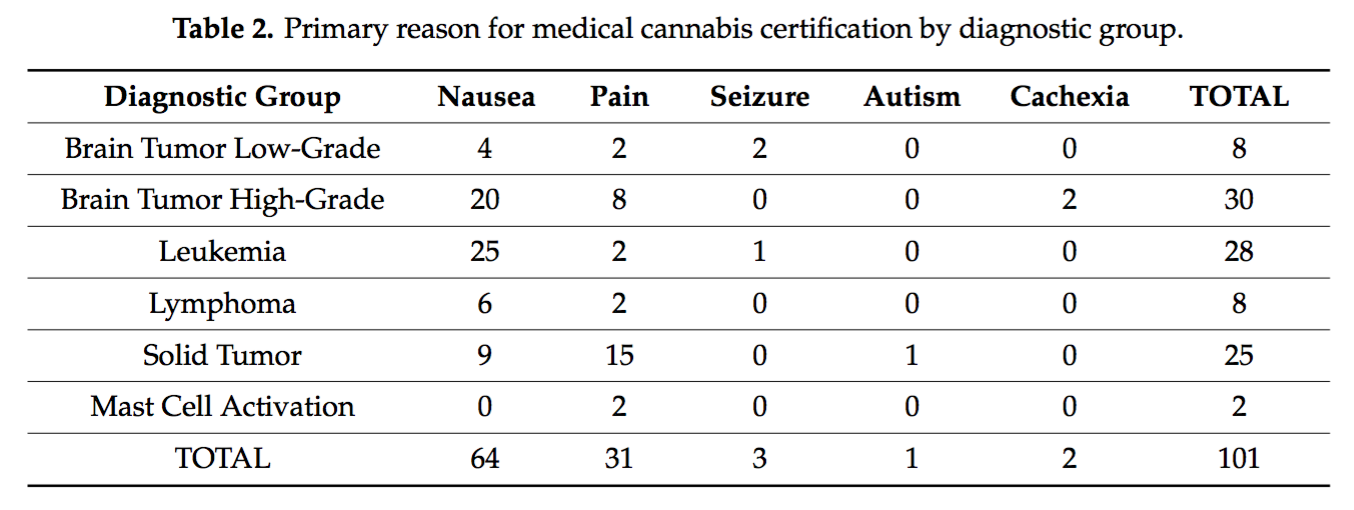
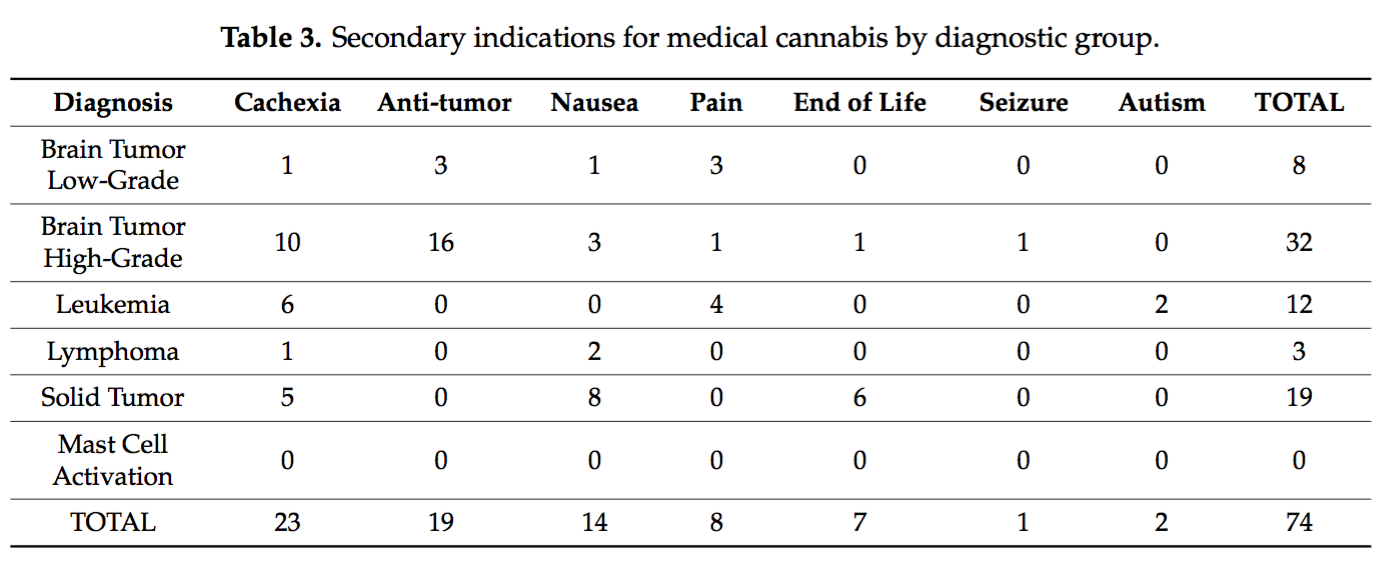
The majority of patients at the oncology center were approved for medical cannabis use during their first round of treatment, in order to immediately address the negative side effects of chemotherapy such as nausea, pain, and cancer cachexia. The data provided from the center described much higher chemotherapy compliance rates among patients, and that patients have a much better quality of life when utilizing cannabis.

This article highlights a few promising trends and issues with using medical cannabis; one promising trend is the hope for cannabis to provide antitumor effects. Cannabis has been a subject of exploration for antitumor effects and it has shown promising results. But, there are many limitations to the few studies that have been published, leading the authors to defer any definitive conclusions. The center in Minnesota noted that many of the patients diagnosed with brain tumors were especially hopeful that cannabis would aid in curing them of cancer, second to utilizing the drug for nausea. This is a promising trend because it means the greater public is showing interest in the therapeutic possibilities of cannabis and their support and call for research will aid the drive for the federal rescheduling of marijuana. 

Also highlighted in this article is that, of all the patients certified to use medical cannabis, a subset of 24% never actually registered through the state to receive it. The authors have no firm explanation for these circumstances but seem to suspect that the $200 annual certification fee, on top of the cost for each additional dispensed product may be limiting of patients abilities to afford cannabis. Without the backing of the federal government, insurance companies are unable to cover medical cannabis. As the depth and reach of cannabis research grow, there are good reasons for patients to feel optimistic about medical cannabis.

View this review (yellow link) or download:

This paper is also stored here:    http://bit.ly/2Xb2O3N     inside the CED Foundation Archive


To explore related information, click the keywords below:
Benjamin Caplan, MDPediatric Oncology Center Justifies the Use of Medical Cannabis
read more

Study Reveals that Flavanoids can act as Allergy Medications

Anti-histaminic Effects of Resveratrol and Silymarin on Human Gingival Fibroblasts

It has recently been revealed that the flavonoids resveratrol and silymarin have an anti-histaminic effect on human gingival fibroblasts (HGF). HGF are cells that compose part of the gum tissue in the oral cavity. Silymarin and resveratrol were already known to have anti-bacterial and anti-inflammatory properties, but a recently published study has now revealed that silymarin alone and a combination of the two flavonoids both provide novel therapeutic approaches for inflammation due to allergies.

View this review (yellow link) or download:

This paper is also stored here:    http://bit.ly/2Ff1lhW   inside the CED Foundation Archive

To explore related information, click the keywords below:
Benjamin Caplan, MDStudy Reveals that Flavanoids can act as Allergy Medications
read more

The Cannabinoid System is a Promising Source of Targets for Treating Pain

A Budding Source of Targets for Treating Inflammatory and Neuropathic Pain ECS

The cannabinoid system provides momentum to develop cannabinoid-based medications to treat inflammatory and neuropathic pain as researchers continue to find promising therapeutic targets. These new targets may lead to the formation of novel pain-relief medications that may serve well to alleviate pain for those suffering from cancer, multiple sclerosis, and fibromyalgia. Cannabis-based pain medicine is also being researched for opioid-sparing effects and effectiveness in reducing the necessary dose of opioids.

View this review (yellow link) or download:

This paper is also stored here:  http://bit.ly/2FfLorA        inside the CED Foundation Archive

To explore related information, click the keywords below:

Benjamin Caplan, MDThe Cannabinoid System is a Promising Source of Targets for Treating Pain
read more

Case Studies Reveal Difficulties in Differences between State Cannabis Laws

Crossing the Line: Care of a Pediatric Patient with Intractable Seizures and Severe Neuropathic Pain in Absence of Access to Medical Marijuana

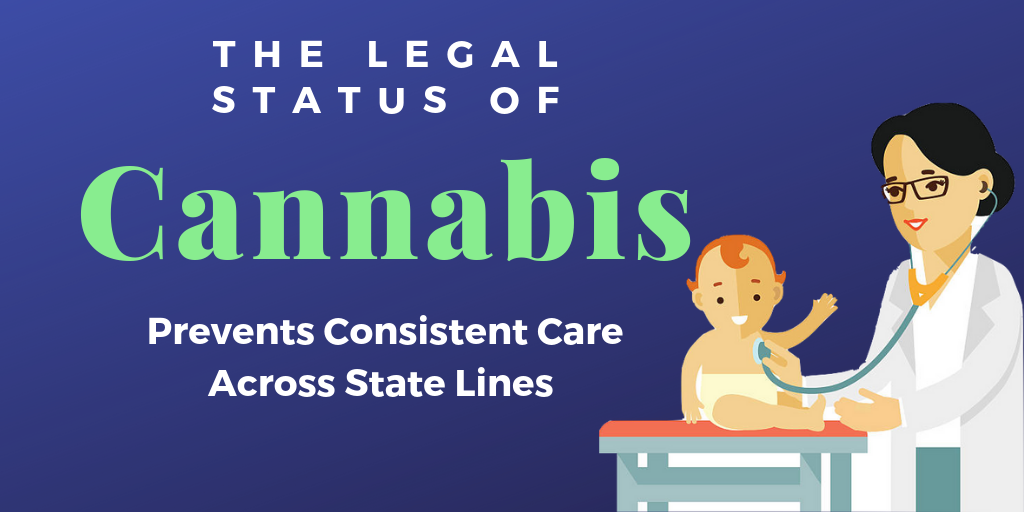
A recent case report discussing a six-year-old patient suffering from a seizure disorder has exposed the difficulty is receiving treatment across state lines. The patient was prescribed medical marijuana that alleviated the severity and duration of her seizures but was weaned off that medication when traveling to Nebraska for a therapeutic surgery due to the legal status in the state. This case study exposes the difficulty of treating patients across the country due to the legal variability of cannabis across states.  

An interesting question brought up in this case study is how to handle palliative care in the absence of opioids and without synthetic products. A combination of massage, essential oils, and salt light therapies were able to compensate for medical marijuana, but not without great effort. Natural therapies like the ones administered here are costly and highlight the simplicity and effectiveness of medicinal cannabis.

View this review (yellow link) or download:

This paper is also stored here:   http://bit.ly/2IxPoWN      inside the CED Foundation Archive

To explore related information, click the keywords below:
Benjamin Caplan, MDCase Studies Reveal Difficulties in Differences between State Cannabis Laws
read more