A sneak peek at the latest news coming about solo sciences, inc!
Imagine a future of cannabis, where consumers have the control of purchase decisions, based on accurate information about the brand and products they may want, and tamper-proof, third-party verification that what we are buying is actually what the package says it is? (and then… consider that this concept applies to products beyond cannabis, from food to beauty products, toys, entertainment…)
“The world of cannabis is murky, unpredictable, and often not safe,” said Ashesh Shah, CEO and founder of solo sciences and a former CIA profiler. “As brands and governments are struggling to fight the illicit market, we created solo* to solve that problem by creating transparency into what cannabis providers are actually selling to consumers. solo* is designed to keep people out of the dark when it comes to what they’re consuming and putting into their bodies, so they feel secure and knowledgeable about the products they’re purchasing.”
Though UK doctors have been able to prescribe cannabis since November 2018, very few prescriptions have been issued, because most forms of medical cannabis have not been approved by the government.
In response to thousands of disappointed patients, the House of Commons Health and Social Care Committee called for immediate clinical trials focusing on the treatment of intractable childhood epilepsy.
One of the terrific realities of modern Cannabis is that it is possible, and often quite simple, to make effective products at home. With suitable education and access to testing facilities, the soil, nutrients, and plant growth can be supported at home, lab-tested for make-up and potency, as well as safety-checked for potential microscopic contaminants, and ultimately, individualized medicine can be created right at home!
Here is a sample instructional for just one way that cannabis tincture can be made at home. There are countless others and hopefully, many that are yet to be discovered!
To explore related information, click the keywords below:
Benjamin Caplan, MDVideo: Do-It-Yourself Cannabis Tinctures
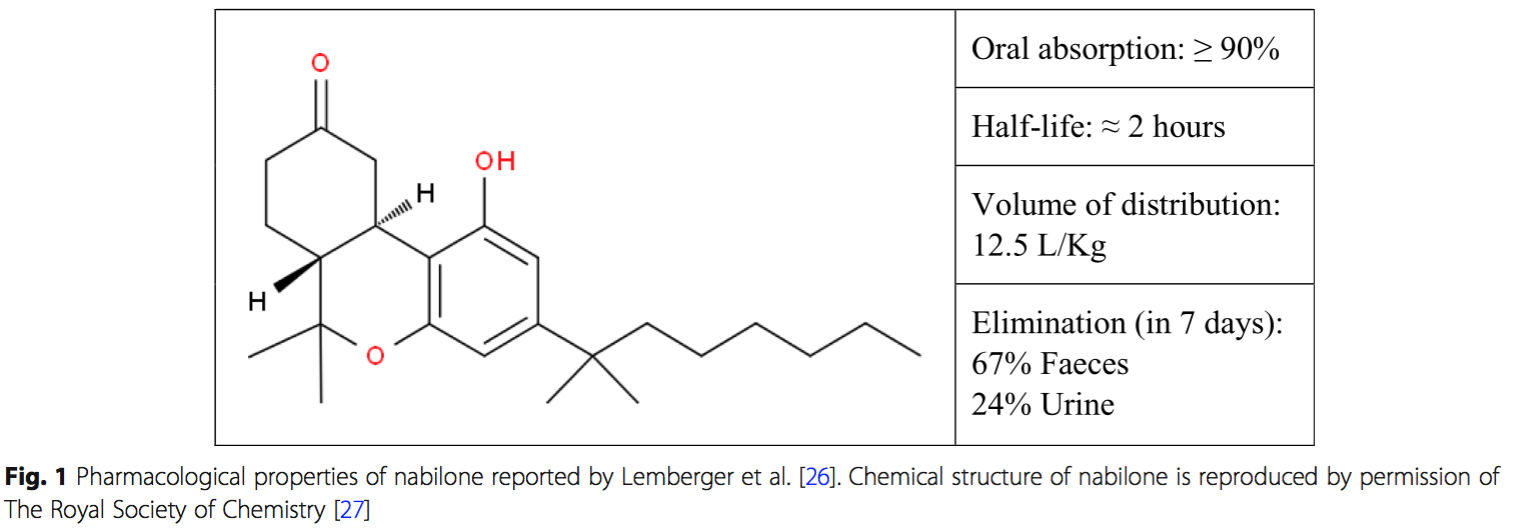
Title: Nabilone administration in refractory chronic diarrhea- a case series
A new study reveals the efficacy of treating chronic gastrointestinal disorders with cannabinoids, such as Nabilone. Researchers followed case studies in which patients were given nabilone which greatly reduced symptoms of chronic diarrhea and weight gain, over a period of three months.
The cannabinoid treatment also reduced the abdominal pain felt by patients and improved their overall quality of life. Considering the favorable safety profile of cannabinoids and the effectiveness demonstrated in the patients, cannabinoids were deemed an appropriate and clinically beneficial method for the treatment of chronic gastrointestinal disorders, such as chronic diarrhea.
Highlighted by this article are the many symptoms cannabis used to treat before the prohibition of cannabis and the scheduling of the medication under the Controlled Substances Act. Cannabis has been used in eastern medicine, for thousands of years, and used to be a prevalent medication in the late 19th and early 20th centuries, and has just recently been re-recognized as an option to treat anorexia associated with human immunodeficiency virus (HIV), nausea and vomiting due to chemotherapy, and various sleep disorders. Cannabis was once a well-recognized medication, but it has been mercilessly slandered by politicians. The rise and fall of cannabis have largely been politically driven pushes, and the plant and its effects deserve further study to examine the scope and efficacy of its therapeutic benefits.
A Forbes article shedding light on #CBD and its effects on the livers of mice. Dr Peter Grinspoon and Devitt-Lee wisely talk some sense around the lousy methods and insensible dosage used on mice to command sensational headlines. http://bit.ly/2XMP36W
Surveys on medical professionals’ opinions on medical cannabis show that while many are still skeptical and do not think it is completely safe, younger doctors and those on the East coast are more supportive. This clash could be good for solving some common concerns with cannabis. http://bit.ly/2XQVxWz
Benjamin Caplan, MDSurveys show medical professionals’ opinions clashing around Cannabis
Title: Adolescent Cannabis Use and Risk of Mental Health Problems – The Need for Newer Data
Here, an article presenting a case, justifying the need for new research to determine how cannabis use in adolescents may affect their risk for mental health. Few recent studies have come out discussing mental health and adolescent use. This is problematic because, over the years, cannabis products have been curated to be significantly more potent than in the past. Considering how vulnerable the brain is, during adolescence, because it is still developing, longitudinal studies need to be conducted to fully elucidate the effects of cannabis on development.
This review highlights how poorly adolescents consuming cannabis seem to be at titrating their dose, or correctly self-regulating consumption of cannabis. There is an overall need for greater education before cannabis is acquired, from a dispensary or otherwise. For adults and teens seeking to self-regulate their use of cannabis, irrespective of the consumption method, it is difficult to succeed, considering the gross lack of knowledge and sophistication around the dosage. The wide variabilityin choice and make-up of cannabis products, added to the complexity associated with how each patient may process the myriad of cannabinoids within the products consumed leads to a complexity of confounding variables, and here, a call for more studies to be conducted on more than just adolescents.
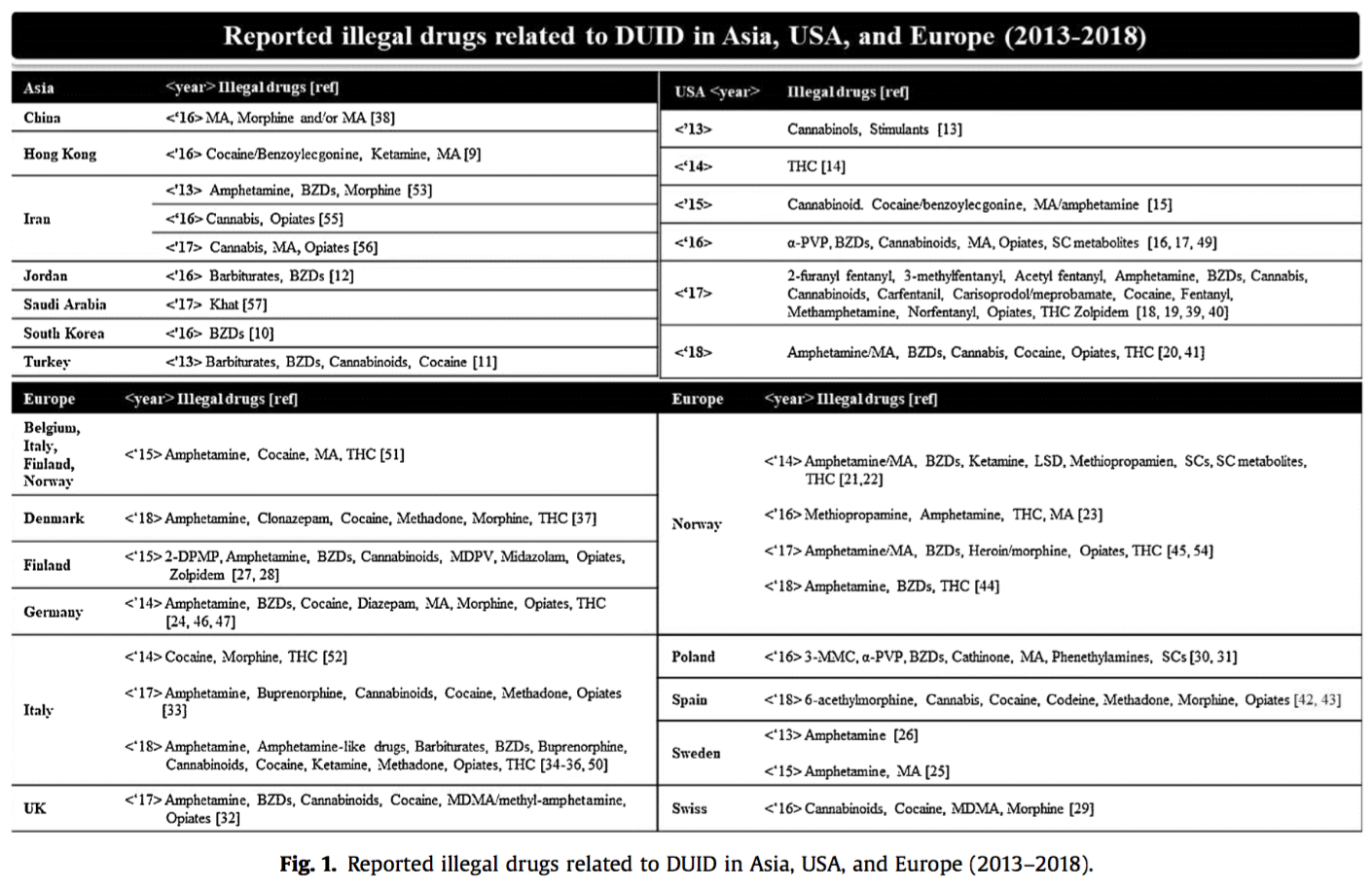
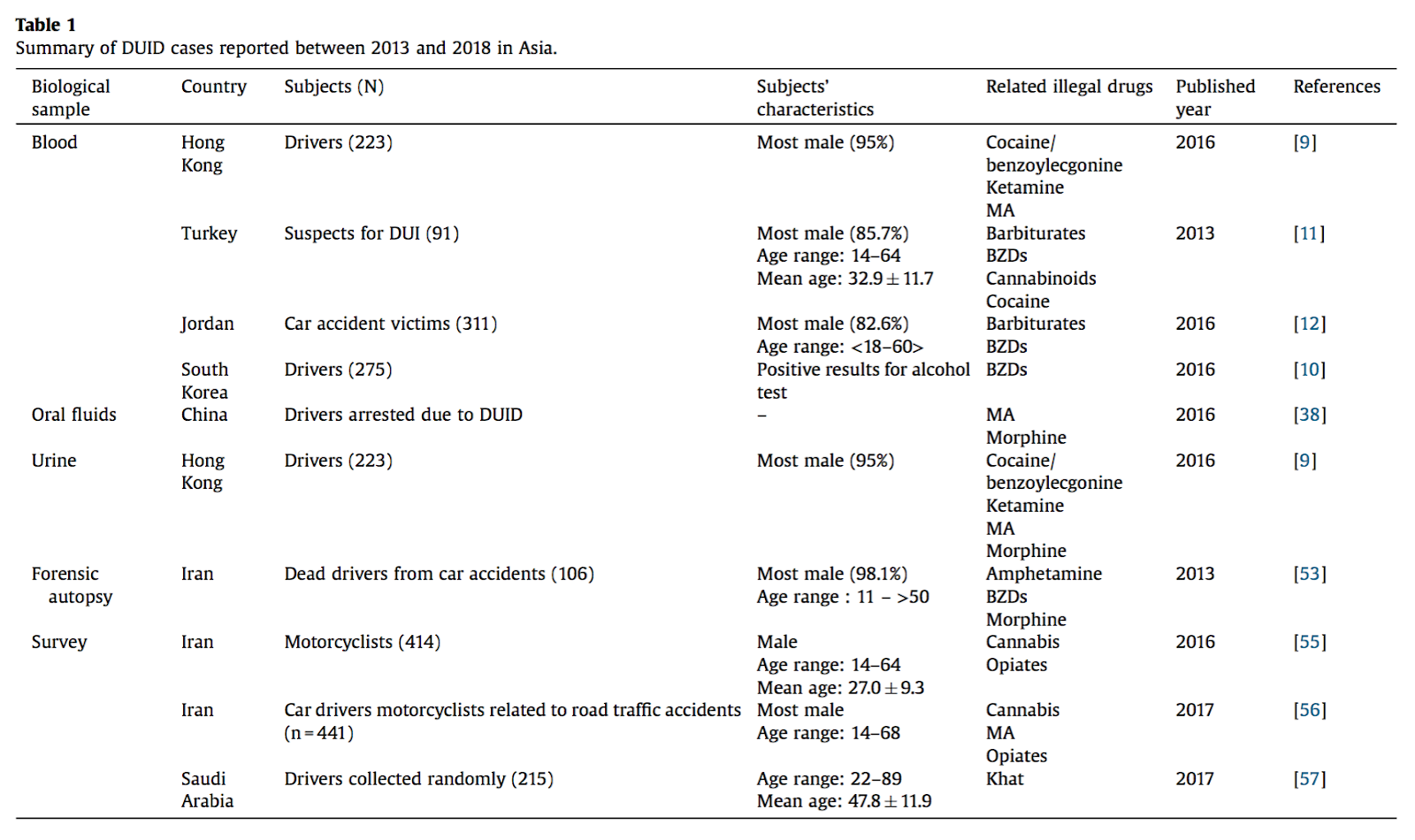
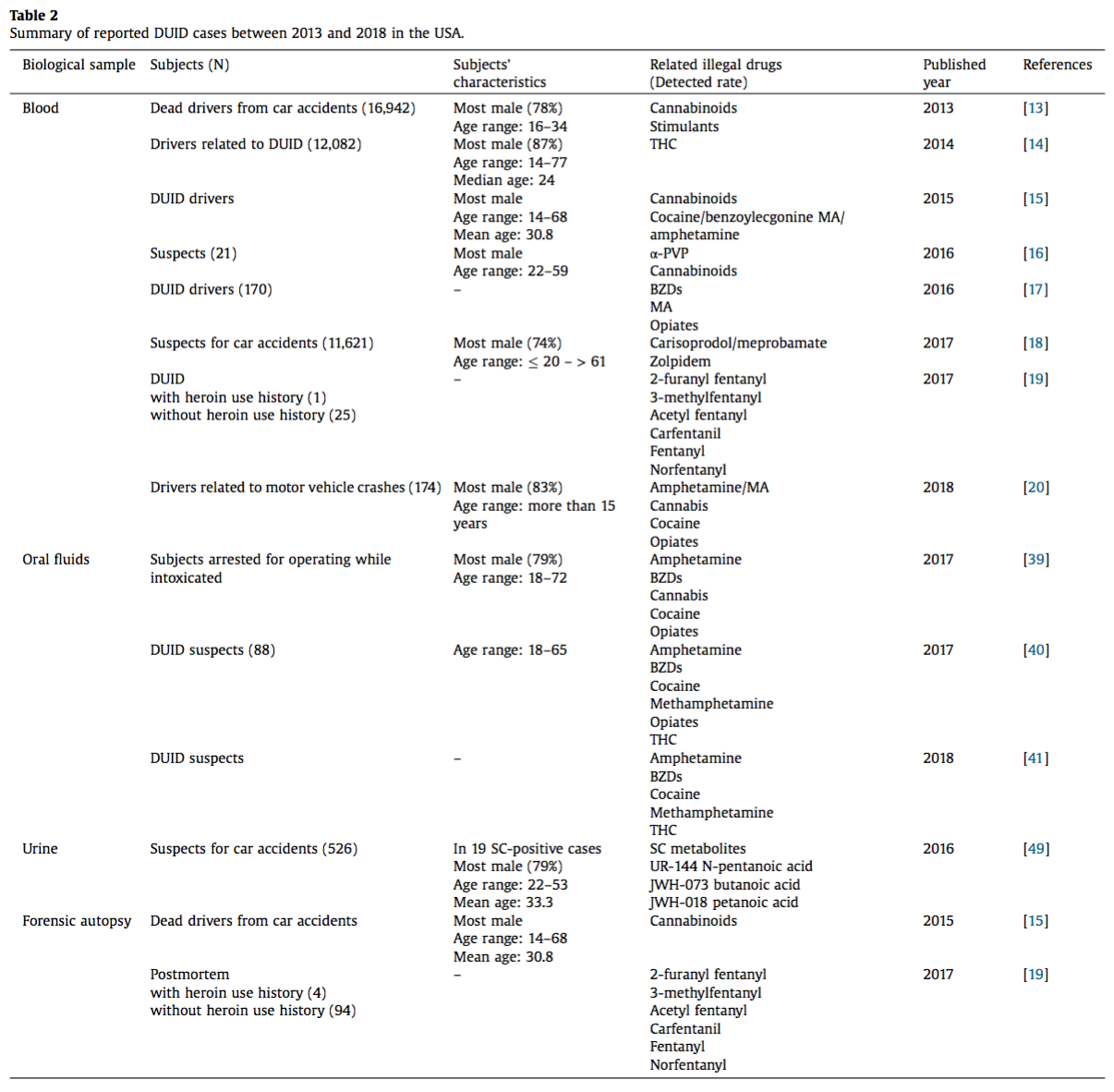
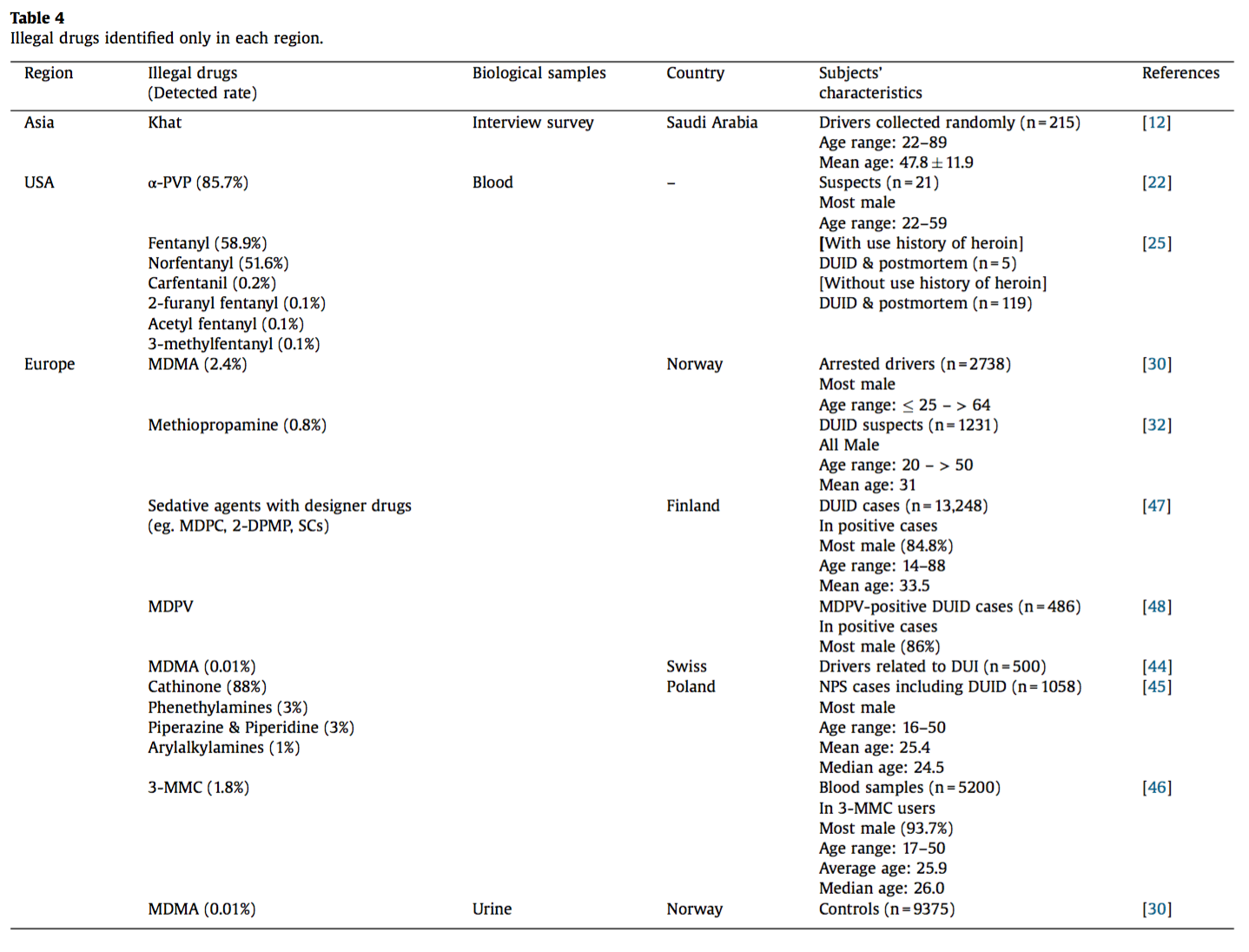
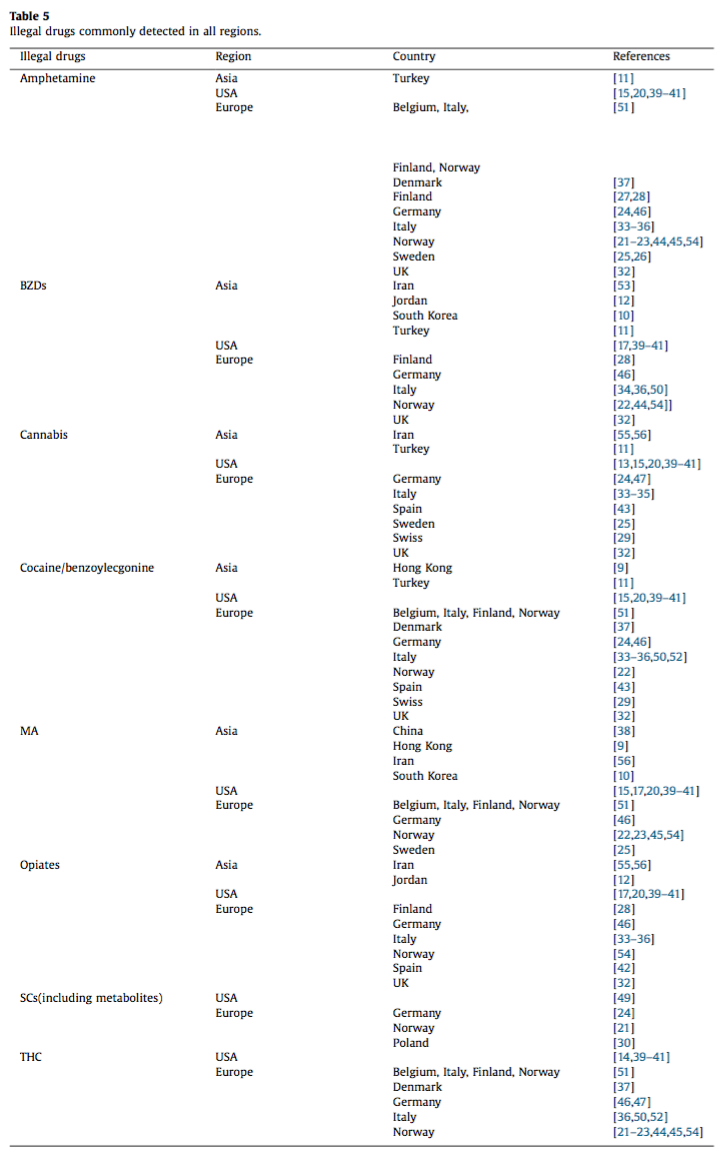
Title: A review of drug abuse in recently reported cases of driving under the influence of drugs (DUID) in Asia, USA, and Europe
A recent literature review has found that the current driving regulations in Asia, Europe, and the US have not prevented cases of driving under the influence of drugs. The authors observed steady trends of incidences of driving under the influence in all three regions, despite legislature specifically enacted against such actions. In the literature, there is a consistent recommendation that drivers should be regularly tested, especially in the case of an accident, in order to gather more data on the role of drugs in traffic accidents.
This review highlights the different illicit drugs that contribute to traffic accidents, depending on the region of the world. Cannabis is legal in certain areas of Europe, whereas it is still considered an illicit substance here in the US, and many other locations, worldwide. Looking at the differences in severity or circumstance of the accidents between the type of illicit drug used may provide data to create more beneficial regulations for each country. As the legal status of cannabis continues to evolve, and it becomes more common to find drivers on the road who have consumed a minimal amount of cannabis, new screening techniques will likely be developed to help the culture establish what it considers an “acceptable amount” of blood-borne cannabinoids to be.