Throughout the ages, from health & wellness, religious rituals, and textile applications to the entertainment and social elements, cannabis has been a vital part of multiple sectors of human culture.
For millions, the modern cannabis revival is a welcome return home to a core element that has been missing for years.
Characteristics of the bitter and sweet honey from Algeria Mediterranean coast
Previous research on honey and its historical use in traditional medicine has pointed toward its therapeutic application for the immune system, anemia, and heart function, among other conditions.
Two kinds of honey harvested from the Algeria Mediterranean coast, so-called poly-floral sweet honey and uni-floral bitter honey, have demonstrated their many medicinal uses. In a comparative analysis of the two kinds of honey, bitter honey had higher flavonoid content, lower sucrose content, and higher total polyphenols and tannins levels, giving it an increased antioxidant potential over sweet honey.
Additional Point: Factors including a higher flavonoid content in uni-floral bitter content gives it an improved antioxidant potential over poly-floral sweet honey. This makes for a wide variety of clinical benefits, including treatment of anemia, colon cancer, improved immune function, and more.
To explore related information, click the keywords below:
Benjamin Caplan, MDBetween Bitter and Sweet Honey, from Algeria Mediterranean Coast, Different Flavonoid Content Contributes to Distinct Antioxidant Potentials
A 2019 study found that patients with early-stage psychotic disorders had lower levels of CB1-R (Cannabinoid Receptor – 1) compared to healthy individuals. These findings suggest that targeting CB1R with cannabis-based products could potentially treat psychotic disorders. Interestingly, reductions in CB1R levels were associated with greater symptom severity and poorer cognitive functioning but only in male patients. More research is needed into the intersections of gender and psychotic disorders.
A new literature review summarizing the recent findings relating to cannabis and anxiety.
Researchers conclude that CBD and low-dose THC can cause relaxation and decrease anxiety and self-spun thoughts. Some studies show that high-dose THC can cause psychotic symptoms; however, studies also show that CBD can protect against those THC-induced symptoms. Therefore, using cannabis extracts with THC and CBD could be a safe way to reduce anxiety.
Something still not entirely understood is why cannabis affects people differently. A study looking at THC interactions in the brain show that rewarding and adverse effects are produced by anatomically different areas. Individual experiences likely differ due to genetic variation.
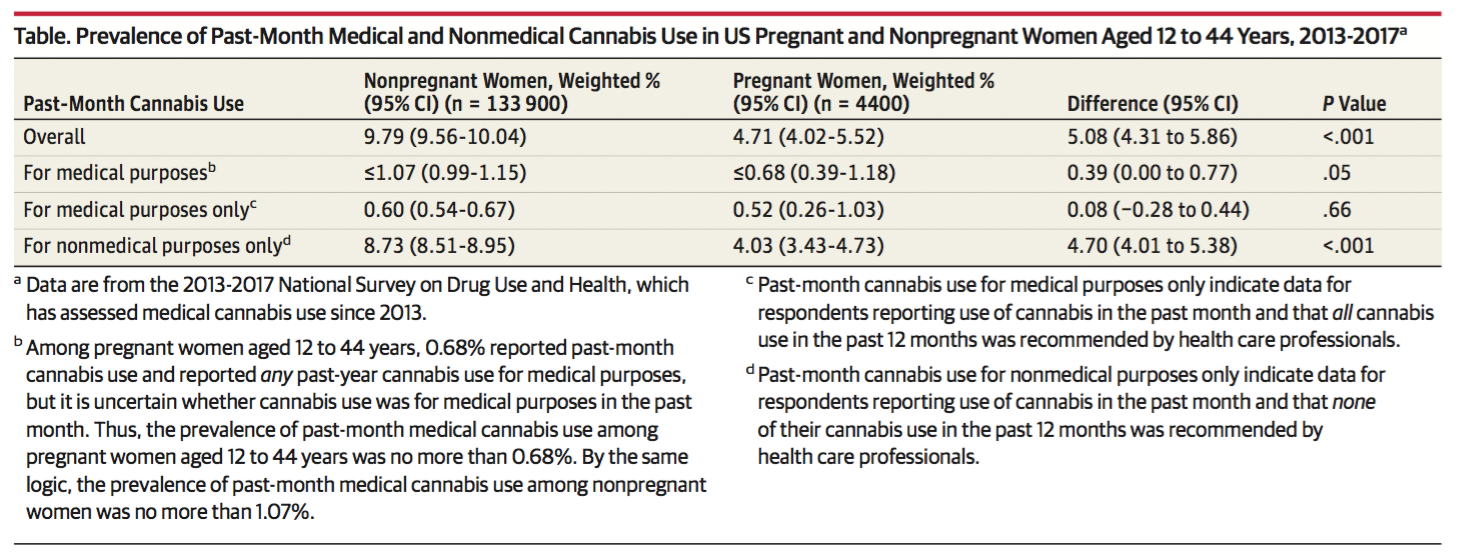
Self-reported Medical and Nonmedical Cannabis Use Among Pregnant Women in the United States
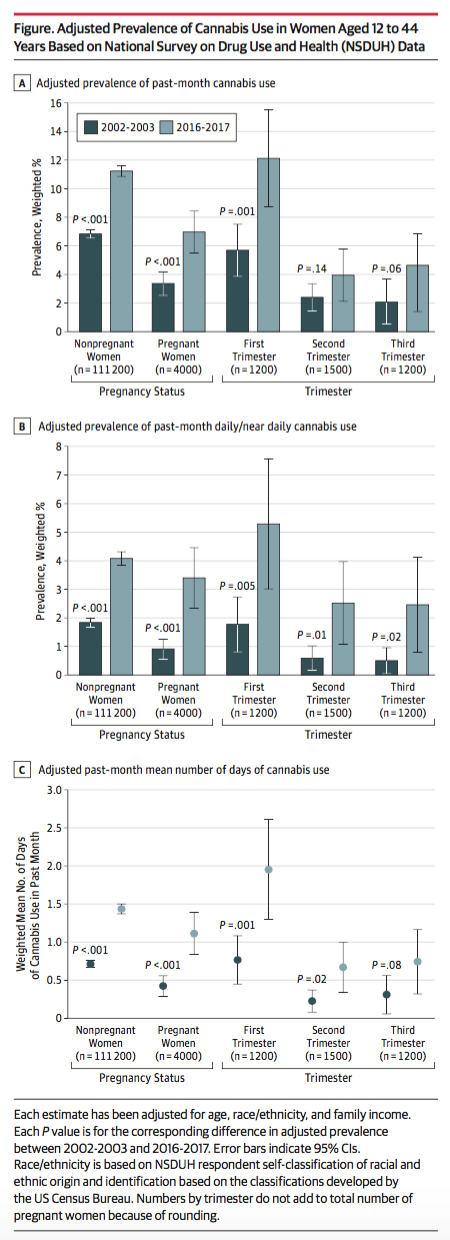
An observational study has revealed that the prevalence and frequency of cannabis use in pregnant women have increased over the past two decades.
No trends were seen although except a slight decrease in fetal growth in women who frequently used during the first two trimesters. The data concerning fetal growth, such as length and weight, were not statistically significant and would require further studies to appropriately indicate a correlation between cannabis use and decreased fetal growth.
The authors acknowledge that cannabis use may suffer from recall bias as women may underestimate the amount of cannabis they consumed or purposely withheld some information due to stigma, although some of the surveyed women were using recommended medical cannabis.
This article highlights the large issue surrounding women consuming cannabis while expecting. Cannabinoids are able to cross the placenta and therefore affect the fetus during development. The American College of Obstetrics and Gynecologists recommend the cessation of any cannabis consumption while pregnant although there has been limited data discussing the actual effects on fetal development. A previously featured article on this blog stated that cannabis use had no effect on birth outcomes but also noted uncertainty in the possible effect on fetal growth. Considering this uncertainty, physicians should push for more research so that women who take medical cannabis can accurately discern whether or not to cease consumption while pregnant.
Safety and Efficacy of Medical Cannabis in Fibromyalgia
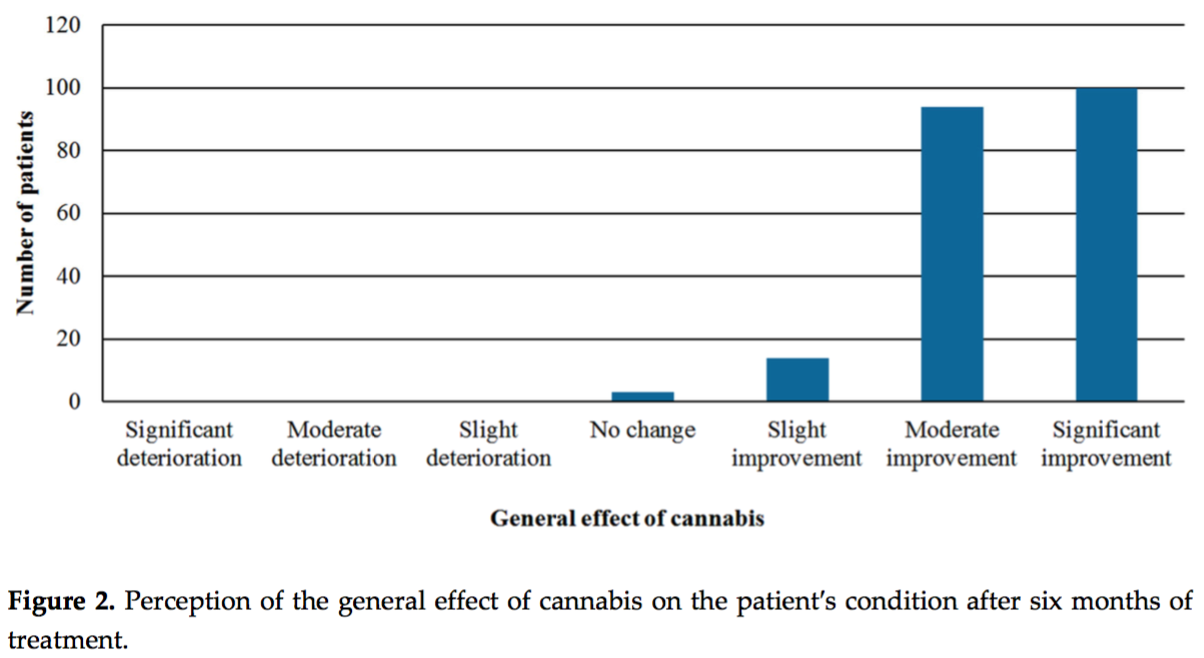
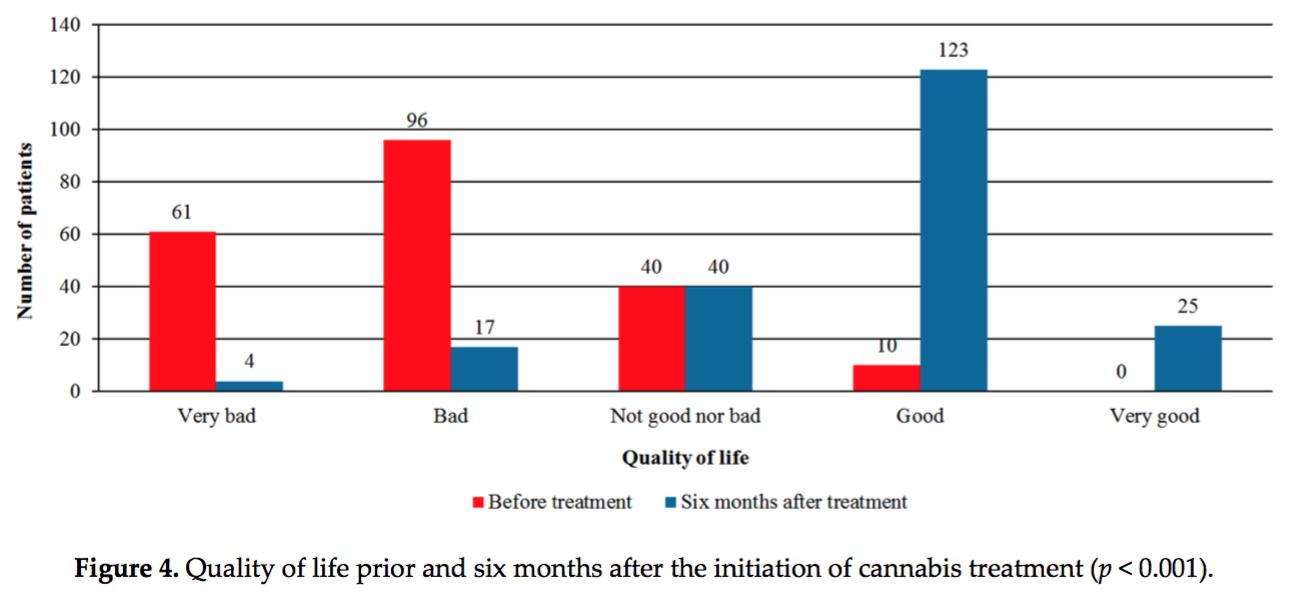
A recent study has concluded that cannabis is a safe and effective treatment for patients suffering from fibromyalgia symptoms.
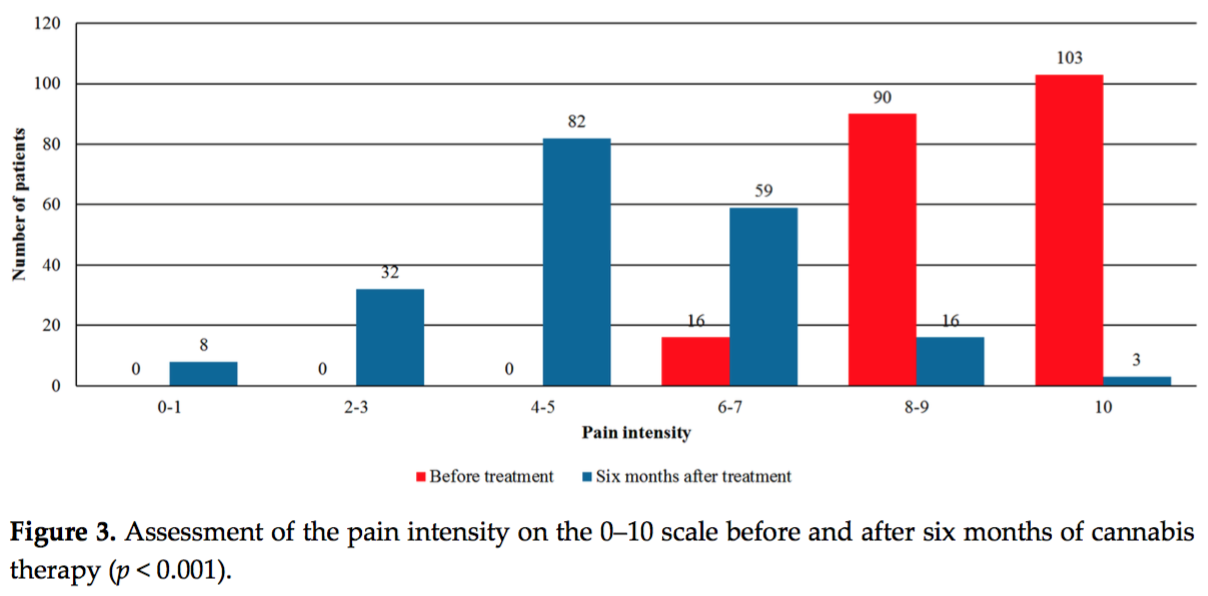
Fibromyalgia is a disorder characterized by widespread pain, fatigue, and issues sleeping. Cannabis is well known for its ability to treat pain, especially in lieu of opioids as the side effects are minimal and the risk of addiction minimal. This study found that over 200 patients were greatly benefited by cannabis as it moderated their pain and improved their mood. Future studies should aim to directly compare cannabis-based treatment with the currently accepted methods of fibromyalgia treatment to validate efficacy.
This study highlights how beneficial cannabis can be for those patients who are treatment-resistant for the general treatment of most disorders, especially when pain is involved. Cannabis has been proven to be much safer than opioids, and yet our lack of complete information, concerning the exact mechanisms of the endocannabinoid system and how different cannabinoids act on those mechanisms severely limits our ability to offer practical, novel therapies. Cannabis has previously been shown to be beneficial for treatment-resistant forms of epilepsy and depression, which holds promise when continuing to look for novel treatments for other disorders that have proven difficult to treat.
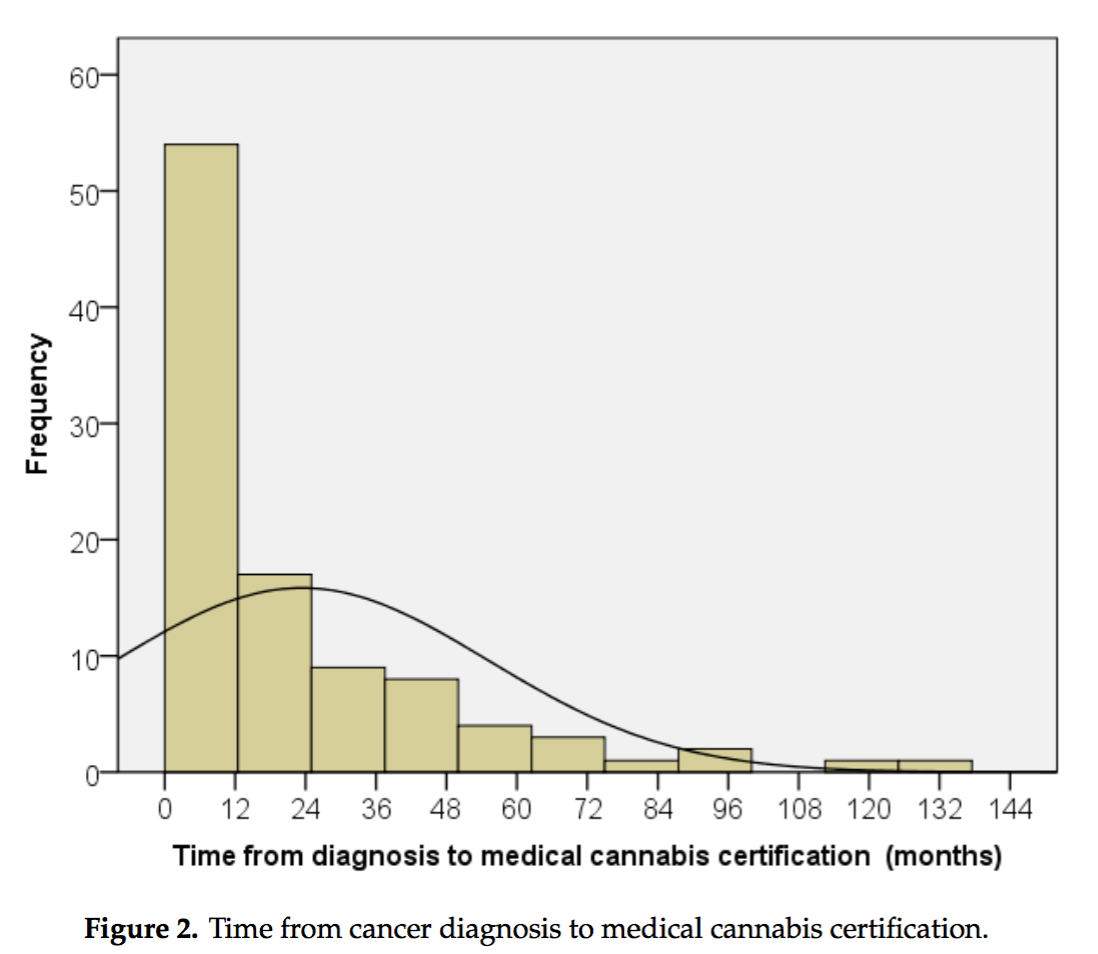
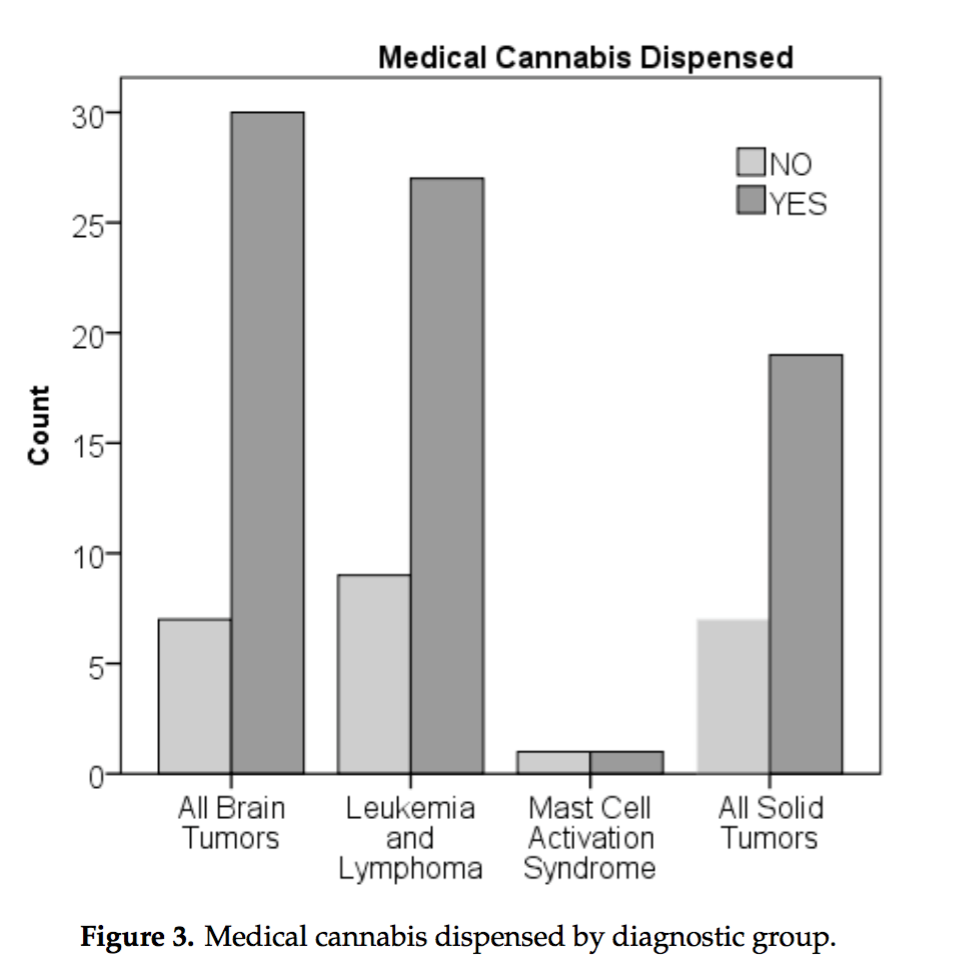
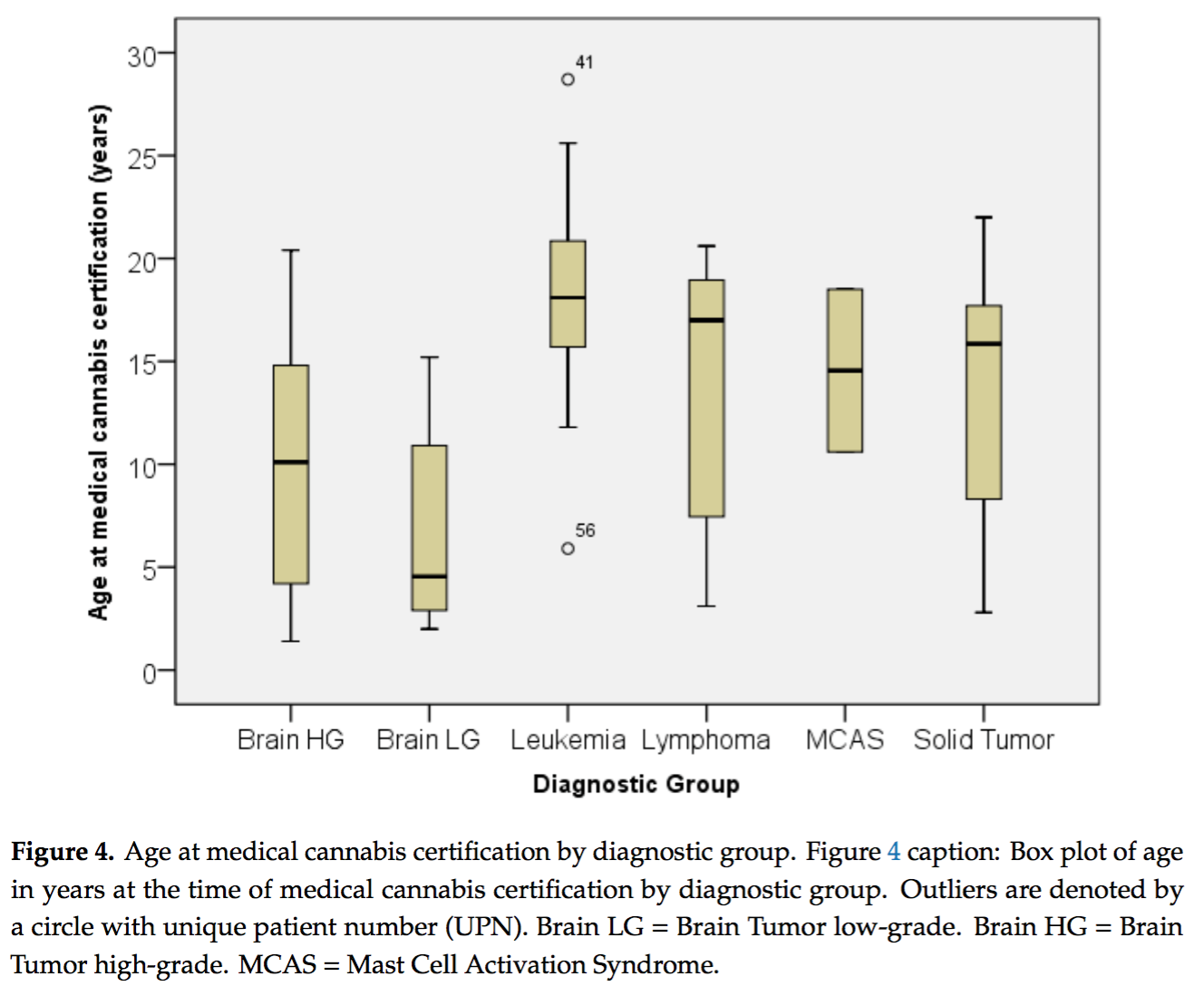
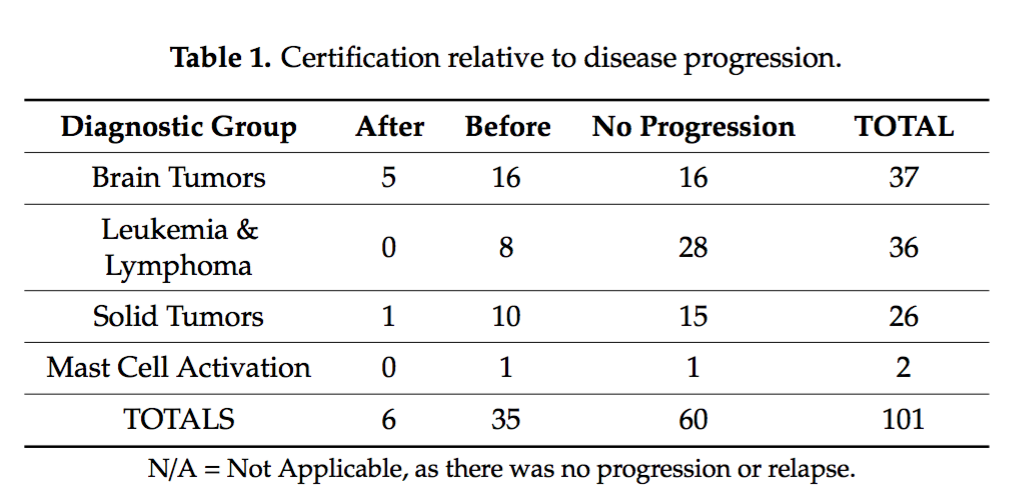
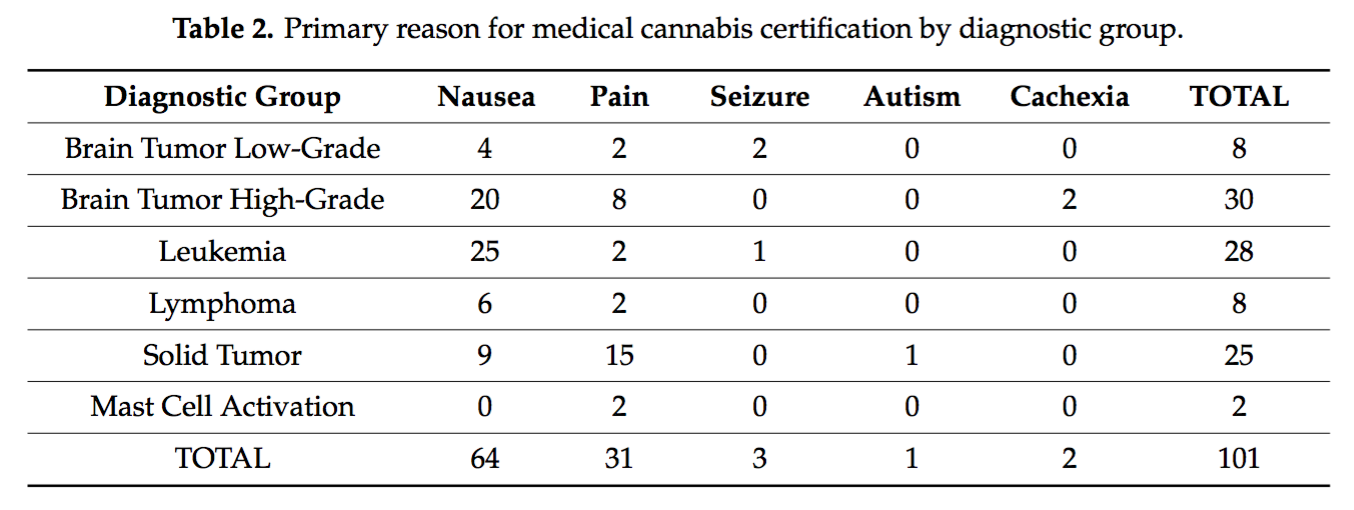
Pediatric oncologists from Minnesota recently published an article justifying their use of medical cannabis as palliative care for their patients.
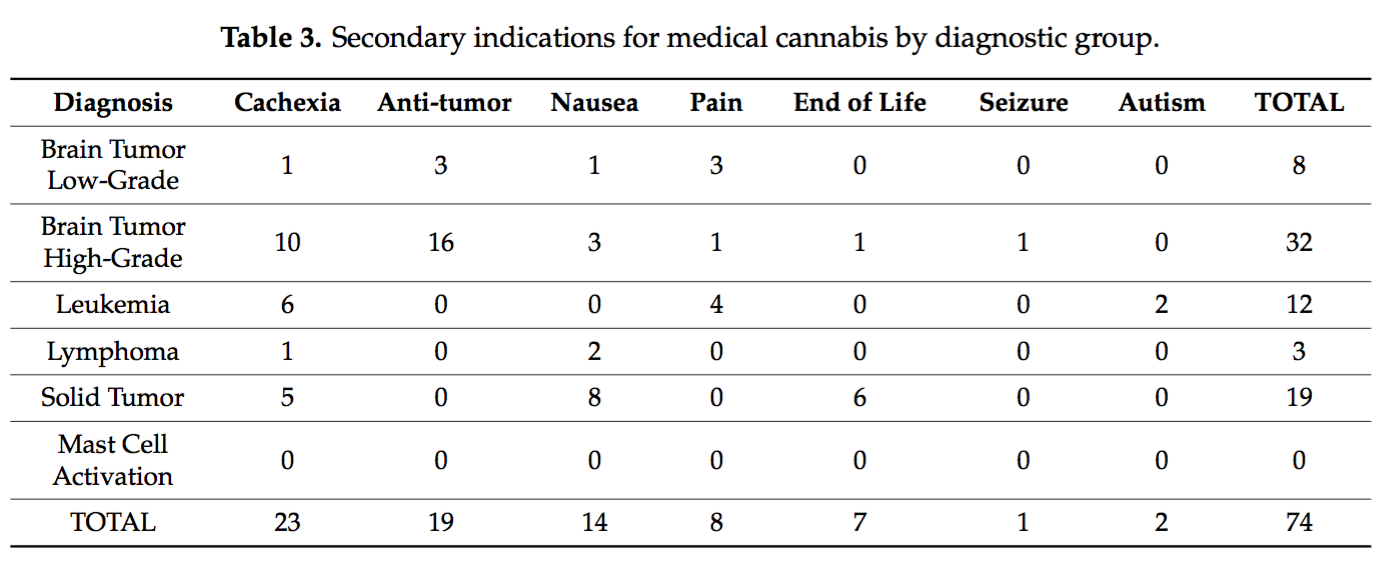
The majority of patients at the oncology center were approved for medical cannabis use during their first round of treatment, in order to immediately address the negative side effects of chemotherapy such as nausea, pain, and cancer cachexia. The data provided from the center described much higher chemotherapy compliance rates among patients, and that patients have a much better quality of life when utilizing cannabis.
This article highlights a few promising trends and issues with using medical cannabis; one promising trend is the hope for cannabis to provide antitumor effects. Cannabis has been a subject of exploration for antitumor effects and it has shown promising results. But, there are many limitations to the few studies that have been published, leading the authors to defer any definitive conclusions. The center in Minnesota noted that many of the patients diagnosed with brain tumors were especially hopeful that cannabis would aid in curing them of cancer, second to utilizing the drug for nausea. This is a promising trend because it means the greater public is showing interest in the therapeutic possibilities of cannabis and their support and call for research will aid the drive for the federal rescheduling of marijuana.
Also highlighted in this article is that, of all the patients certified to use medical cannabis, a subset of 24% never actually registered through the state to receive it. The authors have no firm explanation for these circumstances but seem to suspect that the $200 annual certification fee, on top of the cost for each additional dispensed product may be limiting of patients abilities to afford cannabis. Without the backing of the federal government, insurance companies are unable to cover medical cannabis. As the depth and reach of cannabis research grow, there are good reasons for patients to feel optimistic about medical cannabis.
A 2018 literature review summarizes the various ways patients can consume cannabis (orally, topically, etc.) and the pain reductions associated with each method. The review focuses on the treatment of multiple sclerosis, cancer, anorexia, arthritis, and other painful disorders.