Discovery of novel benzofuran-based compounds with neuroprotective and immunomodulatory properties for Alzheimer’s disease treatment
A recent study has revealed that novel therapeutic methods that modulate the endocannabinoid system may help to treat Alzheimer’s disease. Researchers have isolated two compounds that provide neuroprotective benefits regulated by the endocannabinoid system. This treatment is specifically thought to slow the progression of the disease as it provides anti-inflammatory and neuroprotective effects that would prevent the aggressive degradation of the cholinergic system. Further research will hopefully continue to expand on findings such as these, toward the development of much-needed medications.
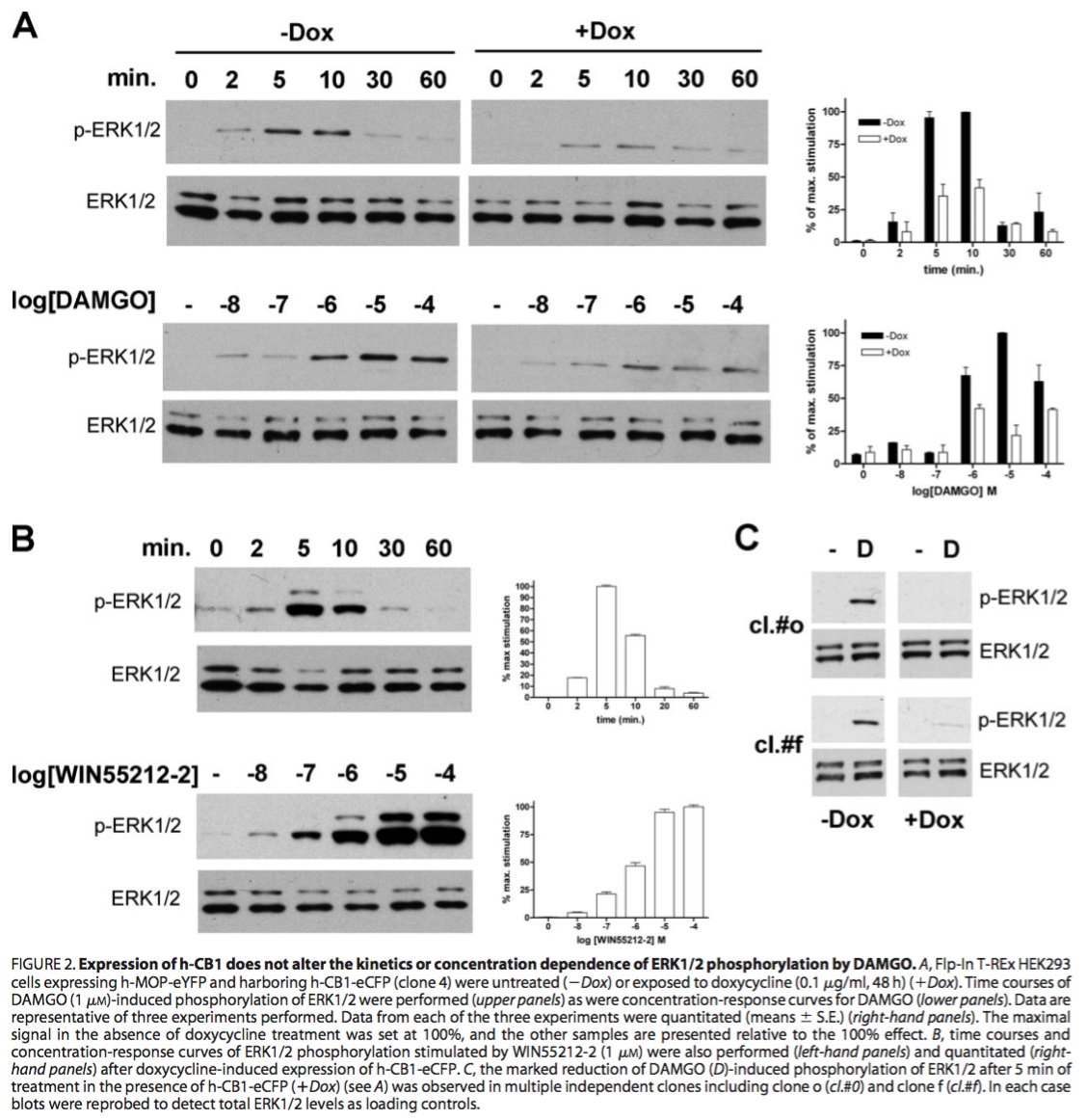
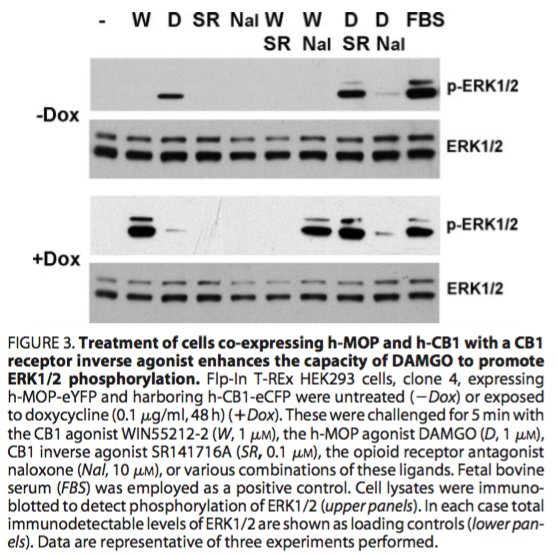
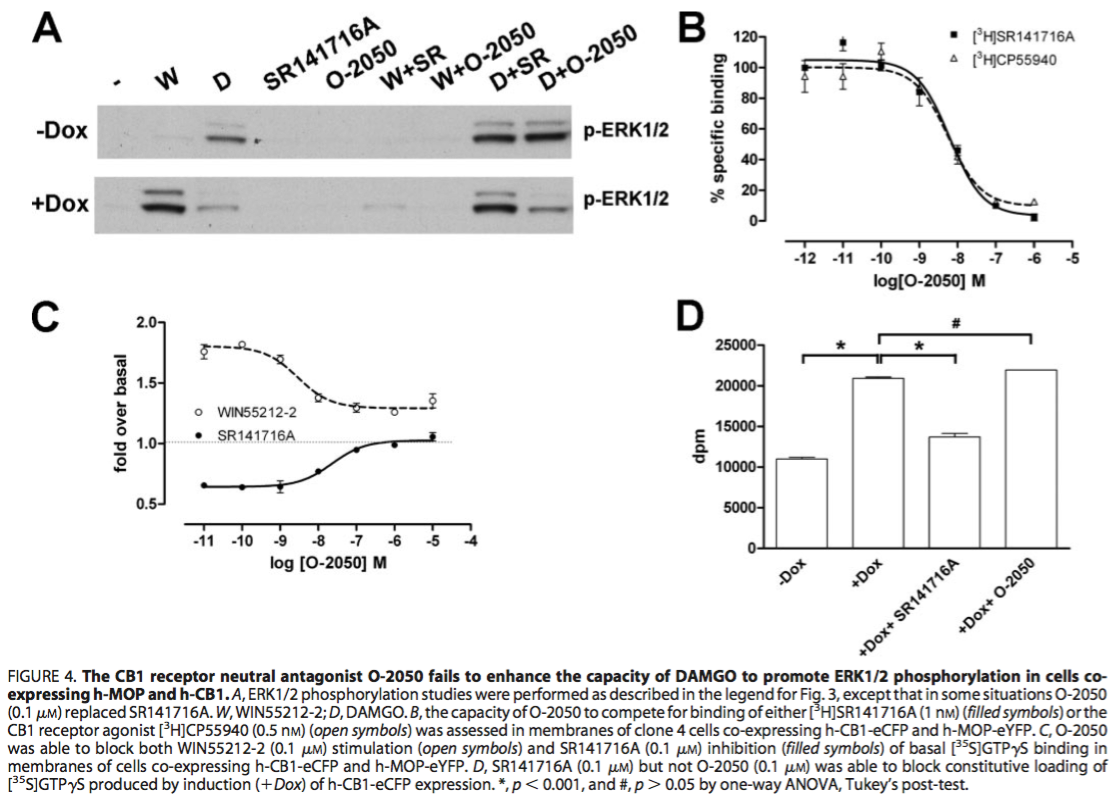
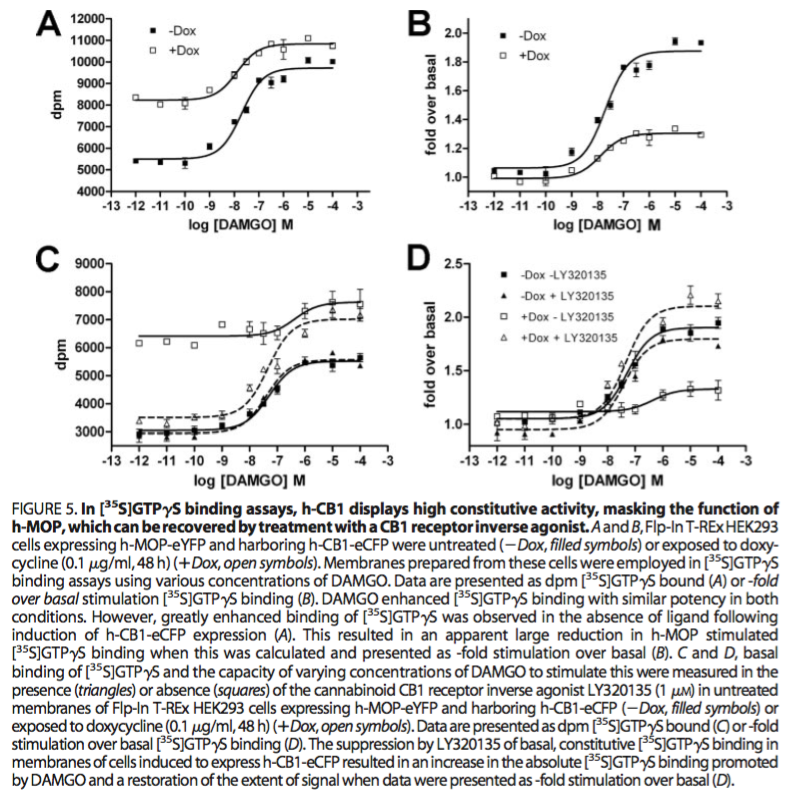
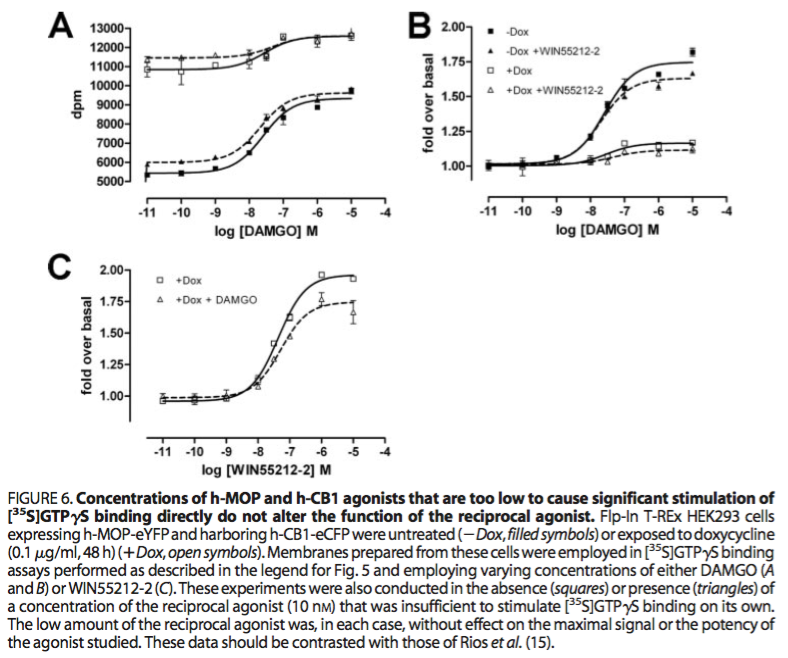
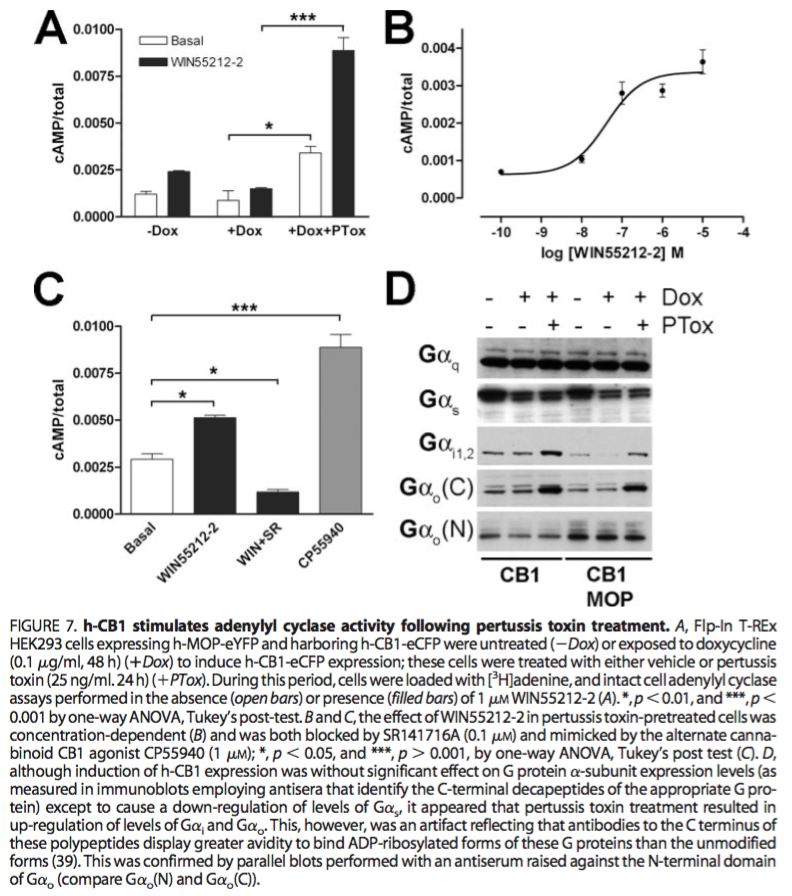
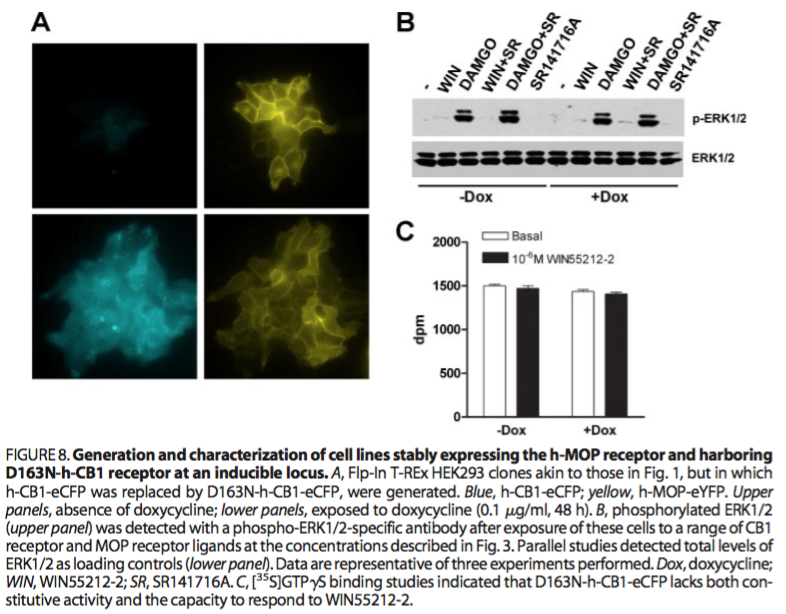
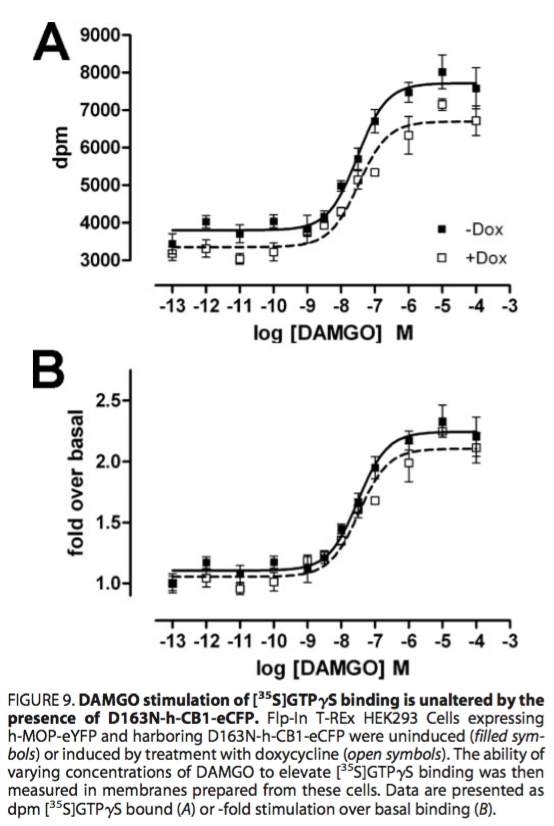
Constitutive Activity of the Cannabinoid CB1 Receptor Regulates the Function of Co-expressed Mu Opioid Receptors
Summary info:
Cannabinoid receptors have been found to regulate the function of co-expressed mu-opioid receptors. Researchers have found data that indicates the constitutive activity within the cannabinoid system reduced the capacity of expressed mu-opioid receptor functions. This research brings to light the possible benefits of modulating opioid consumption with cannabis-based medicines.
Dr Caplan Discussion Points:
One of the interesting discussion points in this paper is a close look at the effects of the CB1 receptor and its capacity to reduce the function of some mu-opioid receptors, through a mechanism different than naloxone. This suggests some appropriate optimism for cannabinoid-based tools in the battle against the worldwide opioid epidemic.
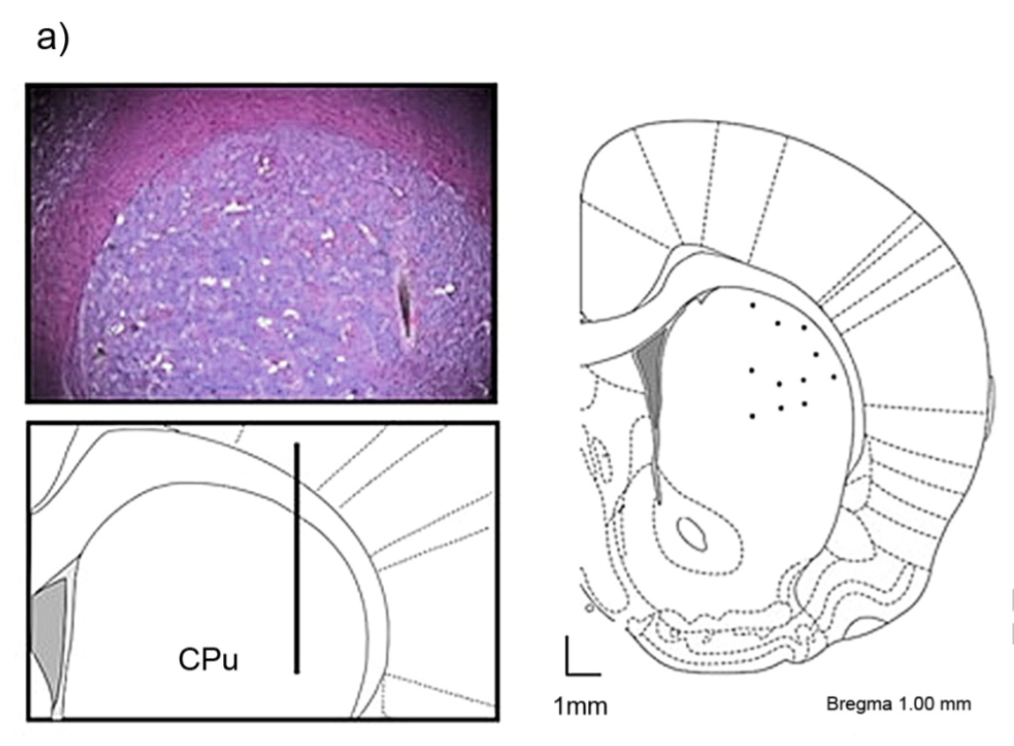
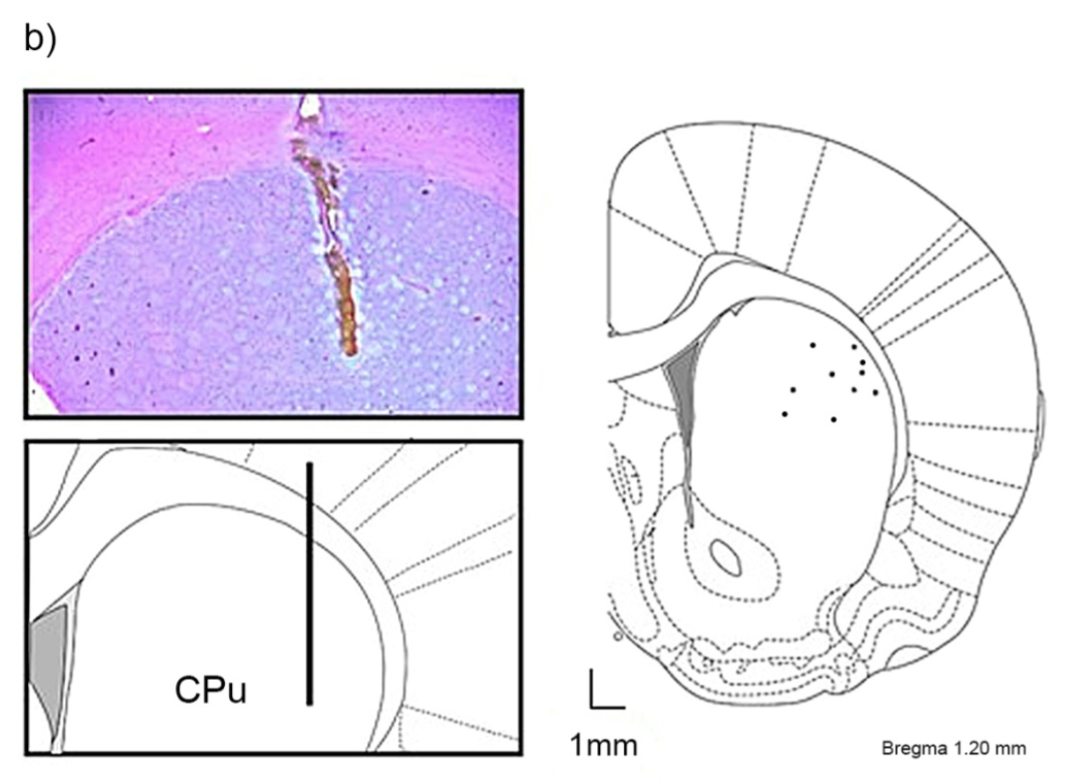
Comparing dopaminergic dynamics in the dorsolateral striatum between adolescent and adult rats- Effect of an acute dose of WIN55212-2
Brief summary:
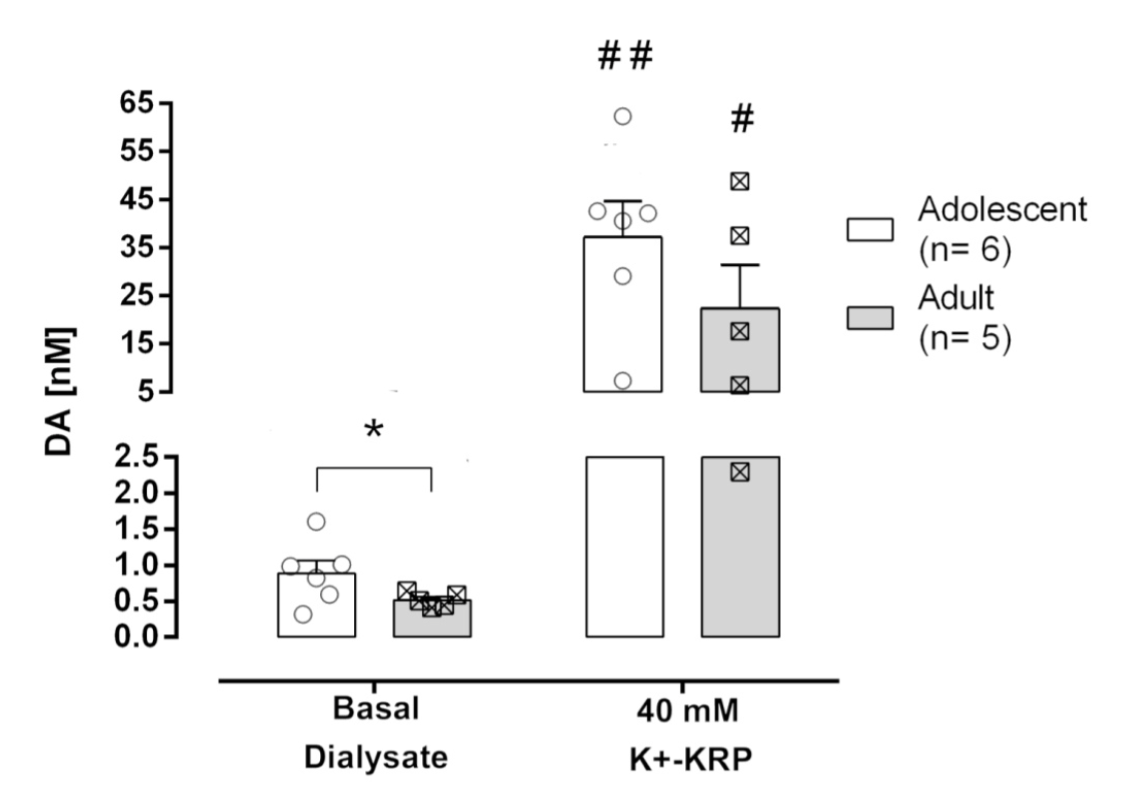
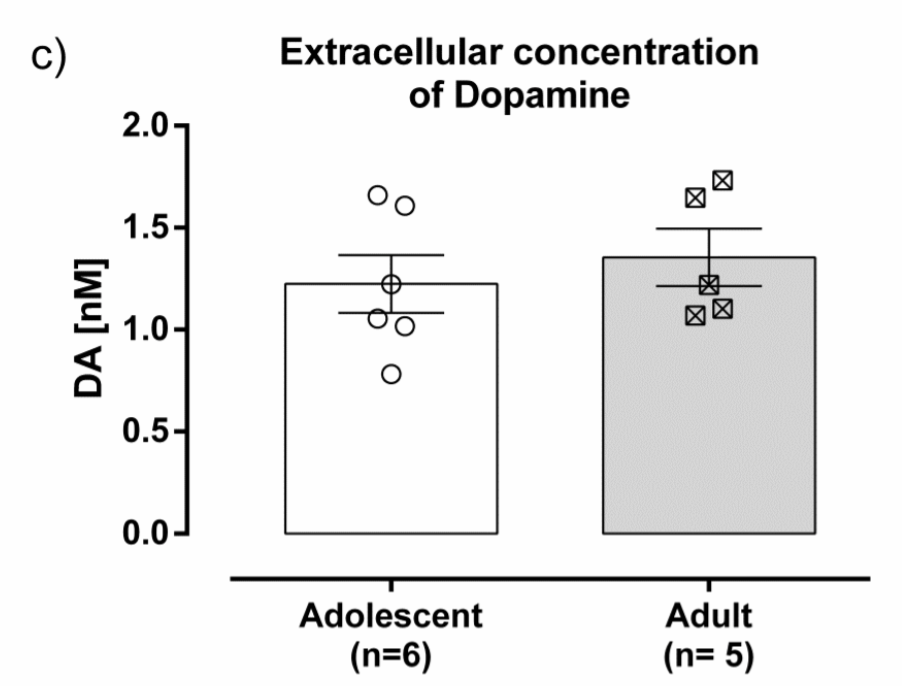
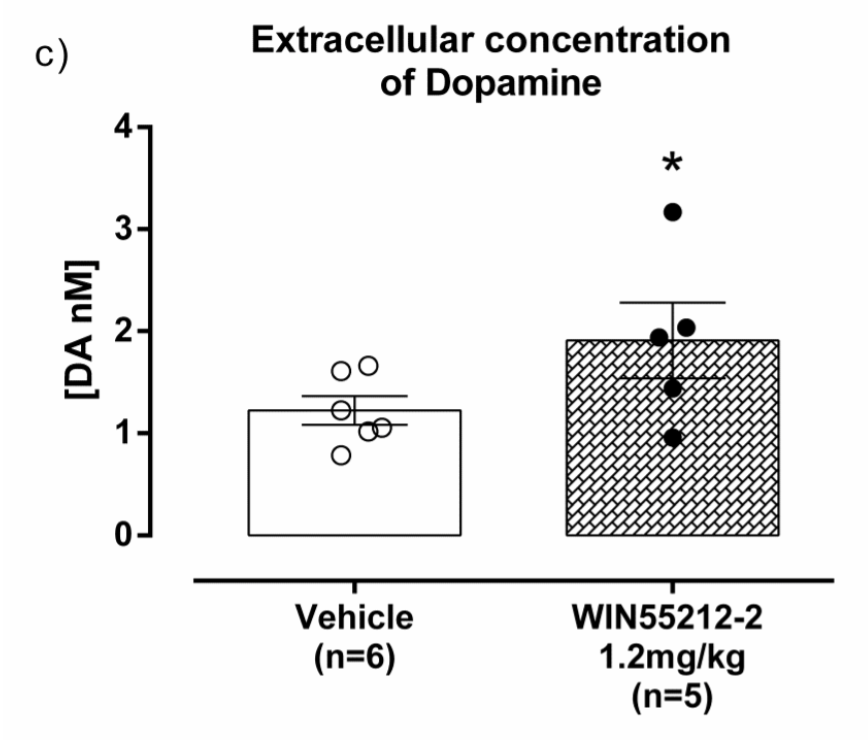
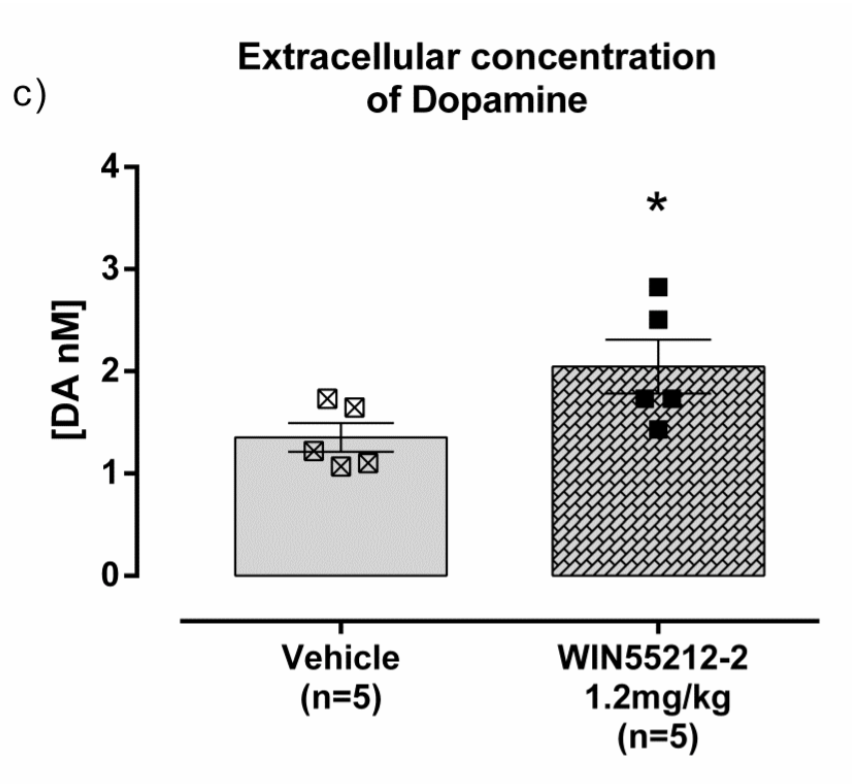
A recent study has exposed an age-dependent mechanism within the dopaminergic system that relies on cannabinoid receptor 1 (CB1). Adult and adolescent dopamine levels were examined in the presence of a CB1 agonist and increased levels of extracellular dopamine were found in adolescents. This study reveals the different effects cannabis-based medicine has depended on the age of the patient and warrants future research to ensure cannabis has the desired therapeutic effect on patients.
Dr Caplan Discussion Points:
This adds a helpful layer of insight to the way an animal model of dopamine changes over time, as well as its interaction with exogenous cannabinoids. This sheds light on the natural evolution of the dopamine control system (irrespective of how it interacts with endocannabinoids), and it also points to how cannabinoids may be involved.
This helps to educate the discussion about how psychosis and cannabis use may interact. There is a long-held understanding that dopamine abnormalities in the specific parts of the brain (mesolimbic and prefrontal brain regions) exist in schizophrenia. More recently, research has also strongly suggested that other neurotransmitters, including glutamate, GABA, acetylcholine, and serotonin are also involved in schizophrenia (and, coincidentally, there is also interaction with these other neurotransmitters from various components of cannabis). Nonetheless, this study simply suggests that, by nature, basal dopamine levels increase during adolescence. Also, the study points out that some cannabinoids boost basal levels too. It seems logical to suggest that excessive dopamine may create a problematic force of additional tipping toward illness, within individuals for whom a congenital predisposition toward illness exists.
Though cannabis has many medical benefits, using the drug without professional guidance can cause serious harm. Watch this video to learn about 4 major risks associated with recreational cannabis use
Benjamin Caplan, MDVideo: 4 major risks of recreational cannabis use
“Pancreatic cancer is particularly refractory to modern therapies, with a 5-year survival rate for patients at a dismal 8%. One of the significant barriers to effective treatment is the immunosuppressive pancreatic tumor microenvironment and development of resistance to treatment. New treatment options to increase both the survival and quality of life of patients are urgently needed. This study reports on a new non-cannabinoid, non-psychoactive derivative of cannabis, termed FBL-03G, with the potential to treat pancreatic cancer. In vitro results show major increase in apoptosis and consequential decrease in survival for two pancreatic cancer models- Panc-02 and KPC pancreatic cancer cells treated with varying concentrations of FBL-03G and radiotherapy. Meanwhile, in vivo results demonstrate therapeutic efficacy in delaying both local and metastatic tumor progression in animal models with pancreatic cancer when using FBL-03G sustainably delivered from smart radiotherapy biomaterials. Repeated experiments also showed significant (P < 0.0001) increase in survival for animals with pancreatic cancer compared to control cohorts. The findings demonstrate the potential for this new cannabis derivative in the treatment of both localized and advanced pancreatic cancer, providing impetus for further studies toward clinical translation.
Discussion highlights:
“From the results of this study, the key findings include, observation that a non-cannabinoid derivative of cannabis can enhance radiotherapy treatment outcomes in-vitro and in-vivo as highlighted in Figures 2, 4. Secondly, the sustained delivery of the cannabis derivative FBL-03G from smart radiotherapy biomaterials (SRBs) results in tumor growth inhibition of both locally treated and distant untreated tumors, with and without radiotherapy. The use of smart radiotherapy biomaterials (SRBs) (8, 23) was recently proposed as a novel approach to deliver cannabinoids, allowing for prolonged exposure of tumor cells to these cannabis derivatives, which is expected to be more effective (10). The FBL-03G payload used in this study is a flavonoid non- cannabinoid derivative of cannabis, and the potential to inhibit both local and metastatic tumor progression is remarkable, especially for pancreatic cancer, with a dismal 5-year survival rate of 8% (1).”
“While the results indicate that sustained exposure of tumor cells to FBL-03G can boost both local and metastatic tumor cell kill, the mechanism of such action needs to be further investigated. One hypothesis is that, FBL-03G can serve as an immunotherapy agent, inhibiting growth of locally treated and untreated tumors, representing metastasis. Metastasis accounts for most of all cancer-associated suffering and death, and questionably presents the most daunting challenge in cancer management. Henceforth, the observed significant increase in survival is promising, especially for pancreatic cancer which is often recalcitrant to treatments. Another hypothesis is that sustained delivery allows FBL-03G to reach the untreated tumor over a prolonged period as well. Either way, the FBL-03G results reveal a new potential non-cannabinoid cannabis derivative with major potential for consideration in further investigations in the treatment of pancreatic cancer, where new therapy options are urgently needed.”
Dr Caplan’s Take:
This article is one in a growing collection of impressive data that highlights a critical area of Medicine that has hidden from the scientific community for decades. The goal of the review is NOT to hail praise on cannabis as a panacea, nor even a sole treatment option, for pancreatic cancer. Rather, it highlights that it seems to be working effectively, both in living tumor cells in the lab and in animal models with live tumor cells. For a devastating illness that currently carries a grim prognosis, the proposition here is to learn more.
The milestones between pioneering scientific study and effective medication are many and there is much work to be done. Studies must be reviewed, criticized, replicated, integrated, before pioneering products can be developed, produced, tested, scaled, brought to market, marketed, sold, and consumed. The process is long, but at least there is a seed of hope at the beginning!
Forget CBD; flavonoids found in cannabis have been found to be 30 times more effective painkillers than aspirin, targeting inflammation at the source and making them great alternatives for pain killers. If produced on a larger scale, they could help get away from the opioid crisis.
Title:Preferences for Medical Marijuana over Prescription Medications Among Persons Living with Chronic Conditions: Alternative, Complementary, and Tapering Uses
In a survey of 30 patients using medical cannabis for a range of diseases including rheumatoid arthritis, cancer, hepatitis C, PTSD, among others, patients reported an array of benefits they have reaped from cannabis use. Patients successfully used cannabis in several ways: as an alternative to prescription medication, complementarily with prescription medicine, and to gradually replace use of prescription medication.
Benefits described by participants included the effects of cannabis lasting longer than that of opioids, lower risk of addiction, fewer side-effects. Patients also saw their sleep, anxiety, appetite, and adverse reactions improve with the use of medical cannabis. Larger, more controlled studies may suggest cannabis more affirmatively as an alternative or complementary therapy with prescription medications.
Title: Novel approaches in clinical development of cannabinoid drugs
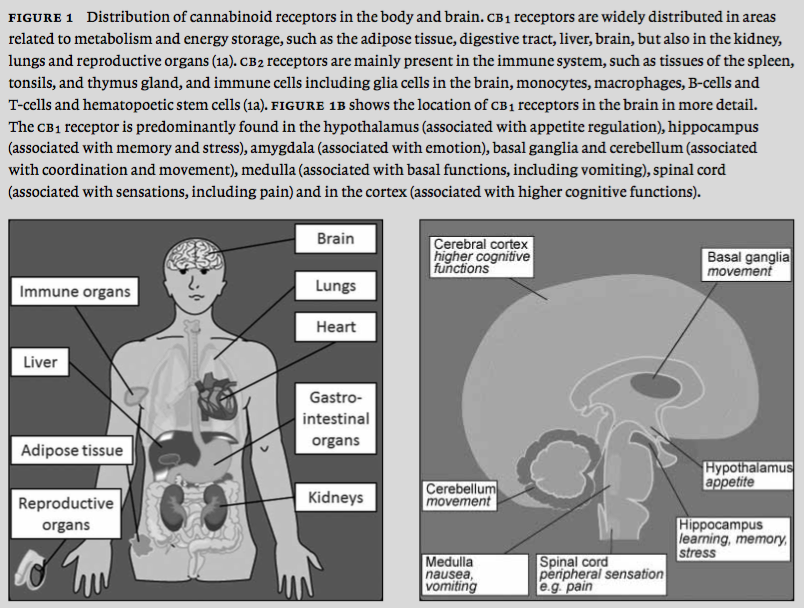
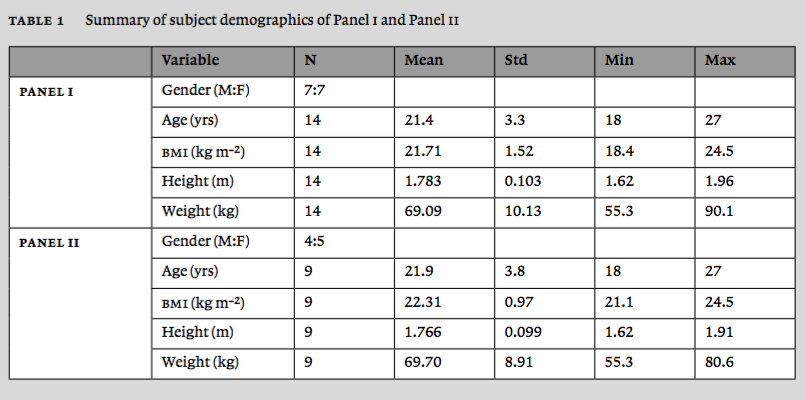
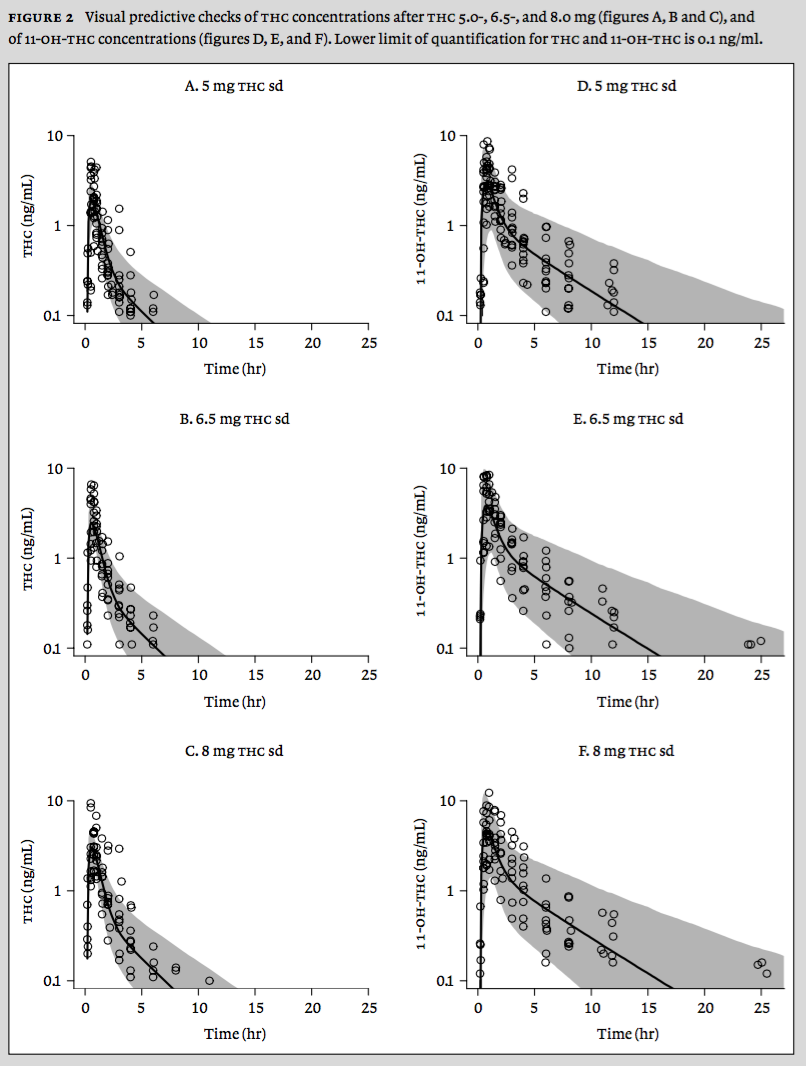
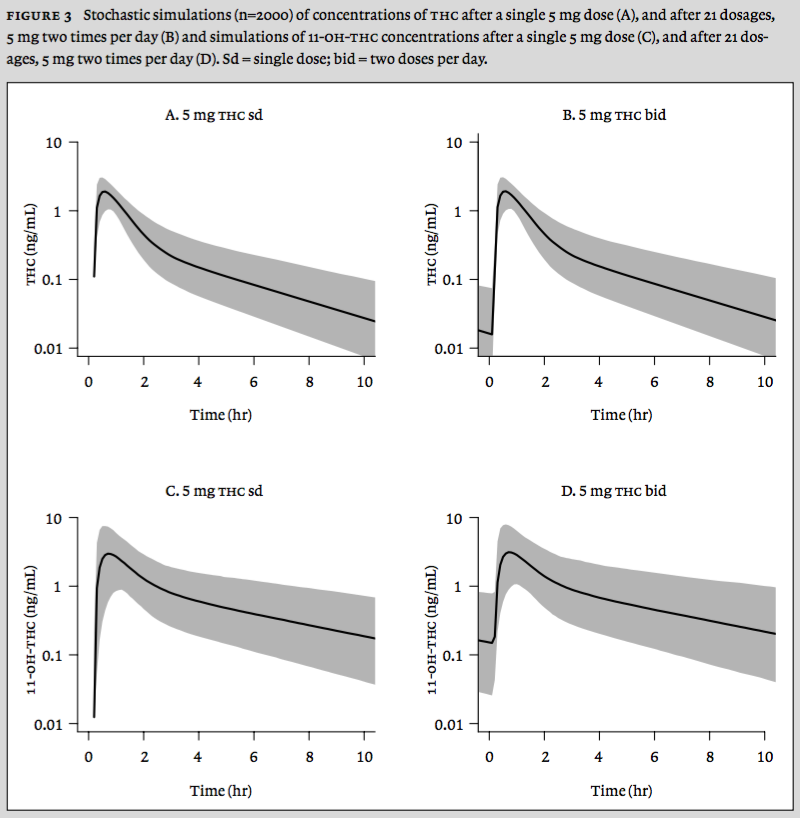
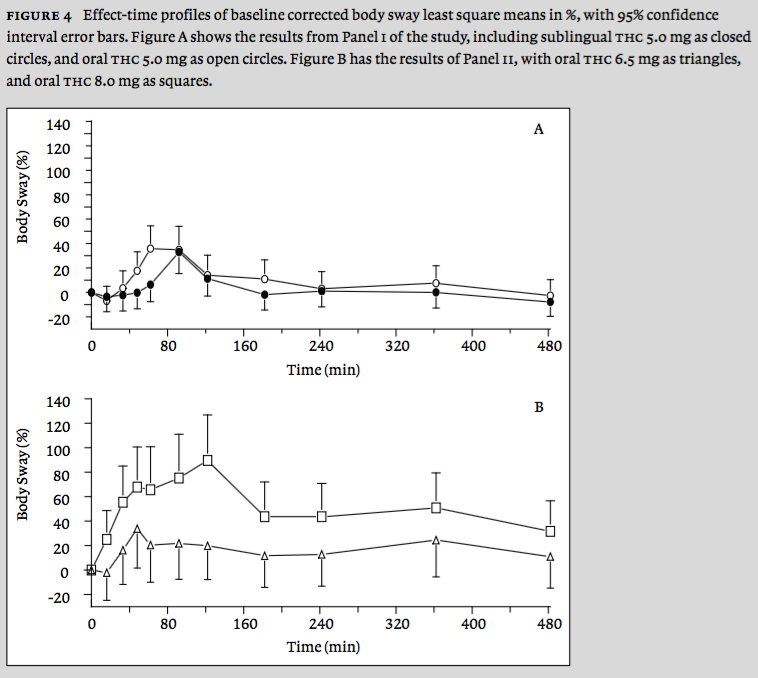
A pamphlet has recently been published that highlights new approaches in the clinical development of cannabinoid-based therapies. The pamphlet begins with a look into how current cannabinoids affect patients based on gender, stress, physiological variations, and also delves into how cannabis works on the body in general.
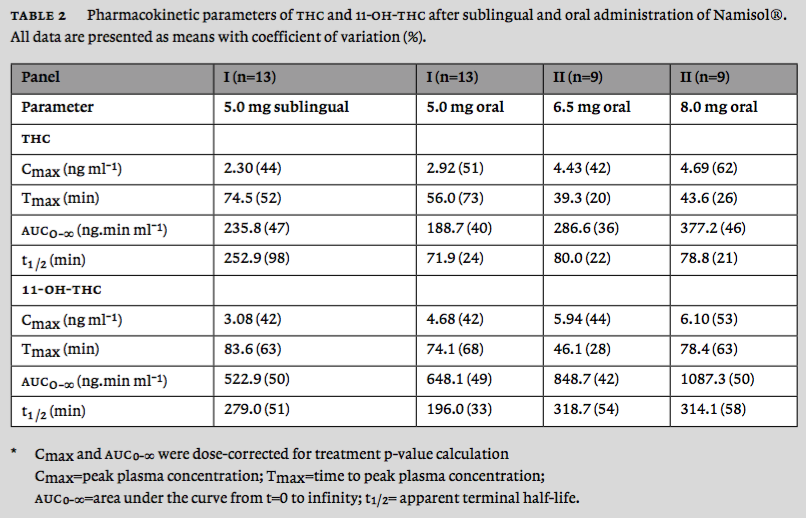
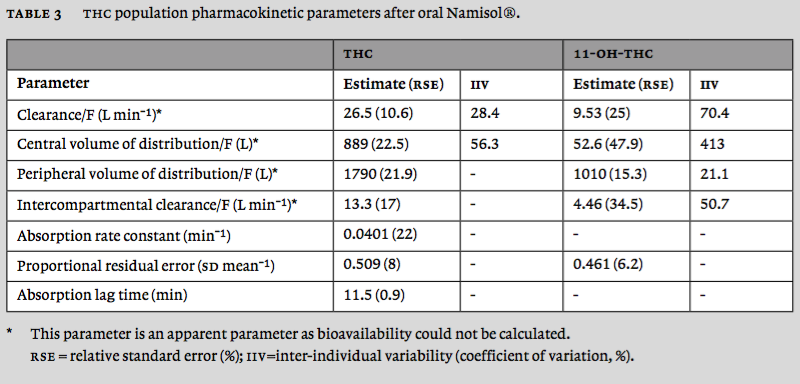
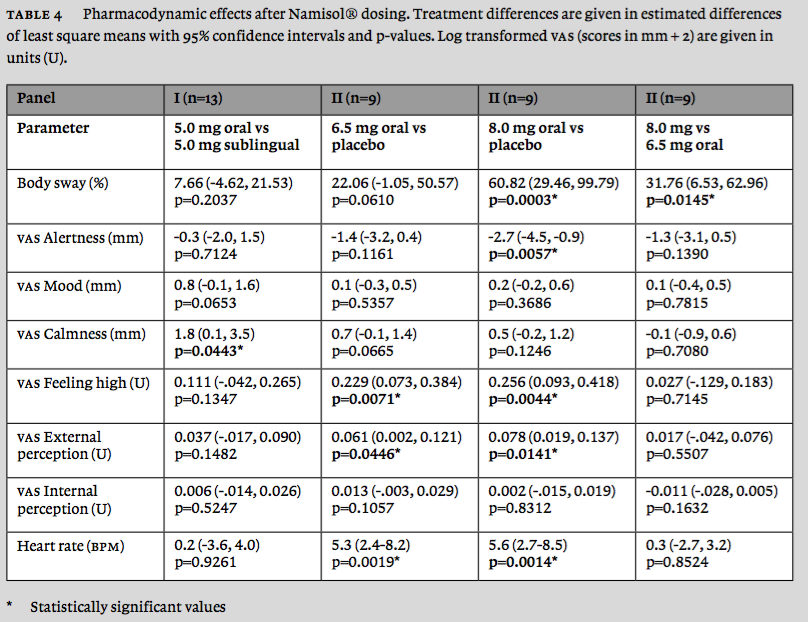
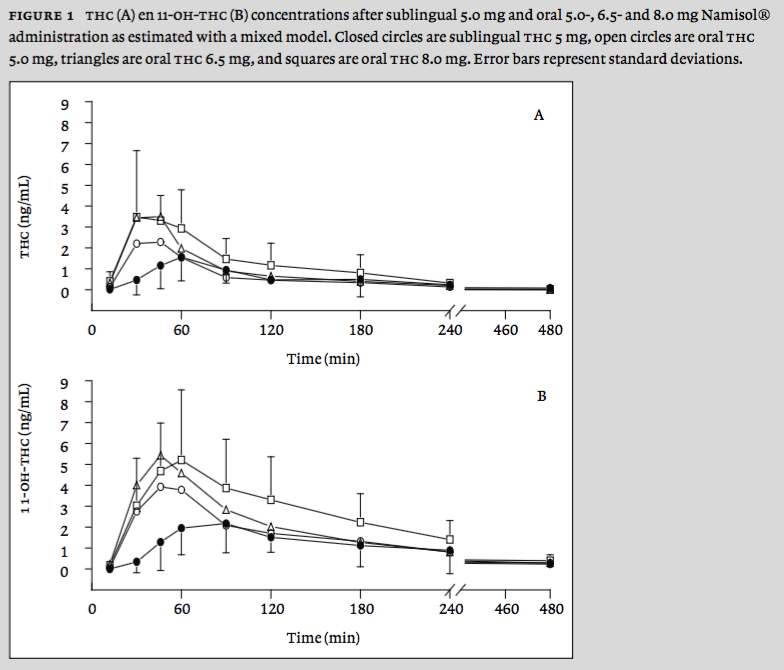
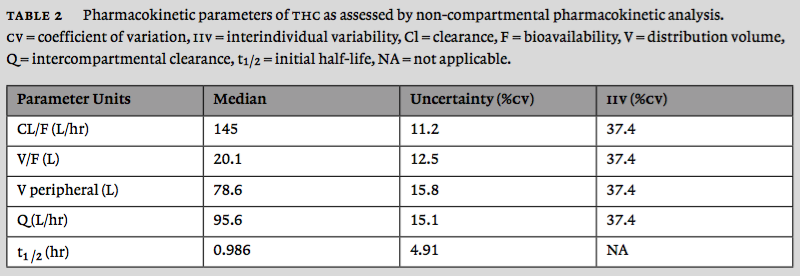
A novel therapy that features an oral version of tetrahydrocannabinol (THC) and a synthetic activator of cannabinoid-receptor-1 (CB1) is explored in this piece and frames it to be a promising future therapy. The pharmacological properties of these two novel therapies were optimized during development after various analysis techniques, forming medications that the authors hope to see in future clinical trials.
Although the authors remain hopeful that their cannabis-based therapies will reach clinical trials soon, trials featuring cannabinoids are difficult to test in a formal setting because of a dire lack of funding. The federal government still lists cannabis as a Schedule I substance, under the Controlled Substances Act, meaning that the federal government does not support the idea that cannabis has any medical use. Considering the legal status of cannabis, only privately-funded studies are able to take place, and unfortunately, that leaves cannabis research in an area of complete bias and prohibitively underfunded. Considering the massive literature supporting a myriad of novel therapeutic benefits, this is a costly reality to the health and well-being of millions.