All posts tagged: Cannabis Education

Stress Increases the Probability of Drug Abuse

The Effects of Trait Emotional Intelligence on Adolescent Substance Use- Findings From a Hungarian Representative Survey

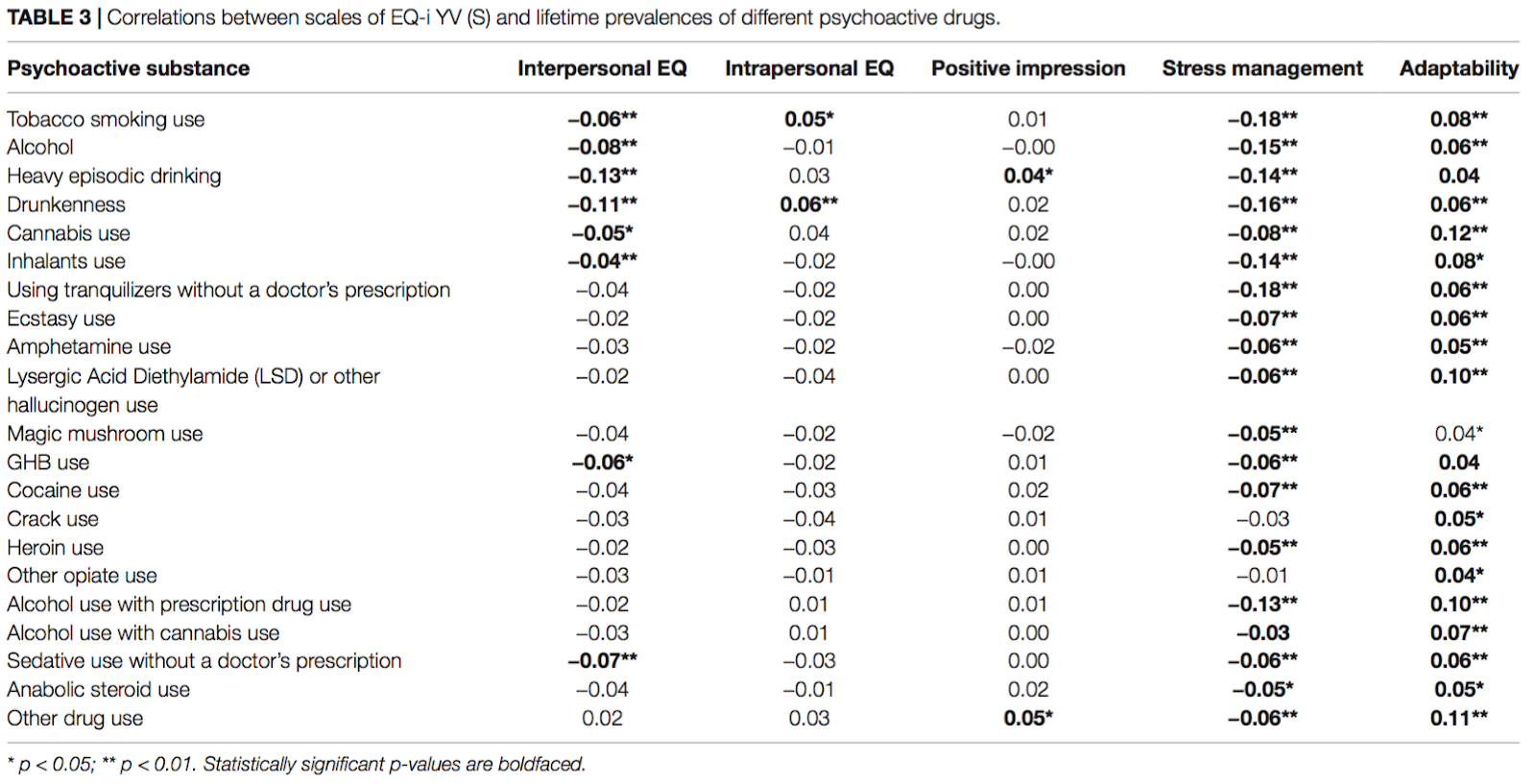
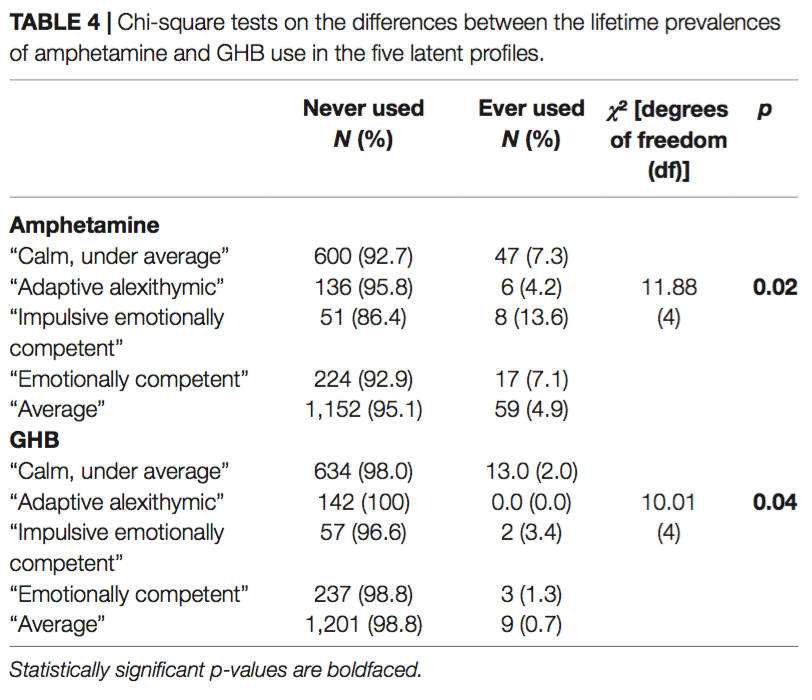
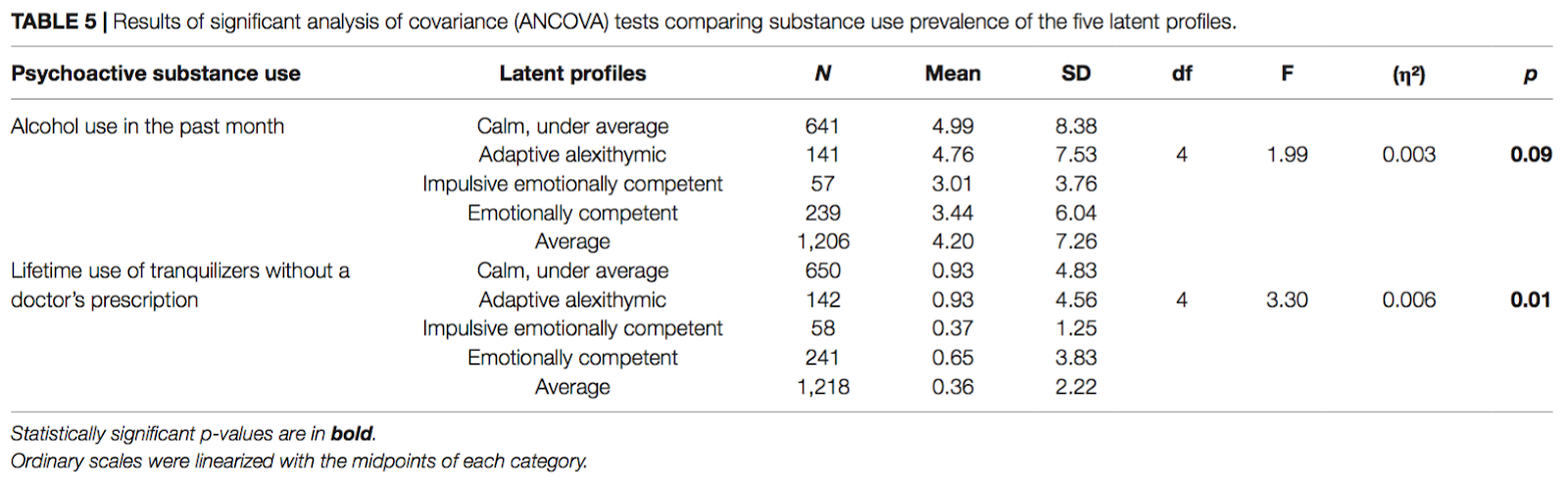
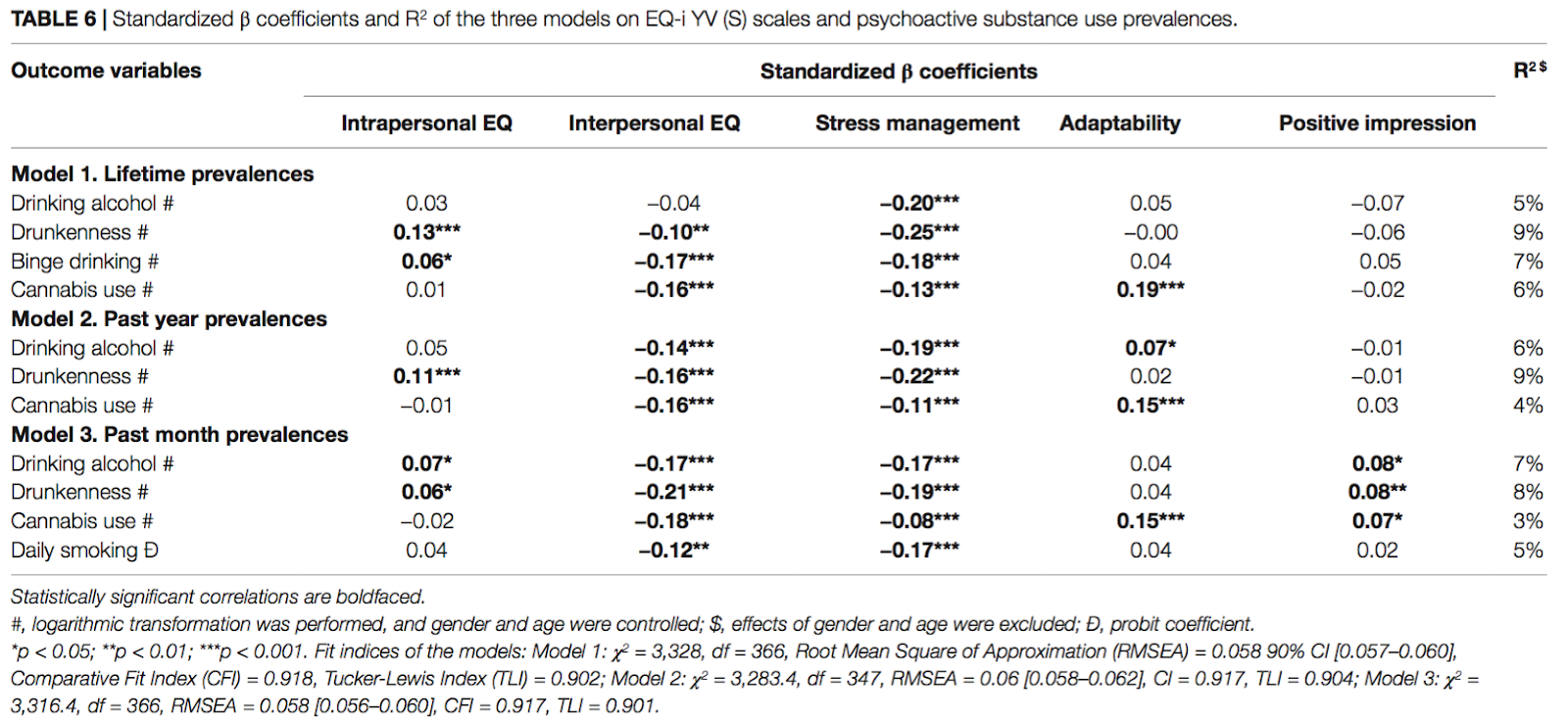
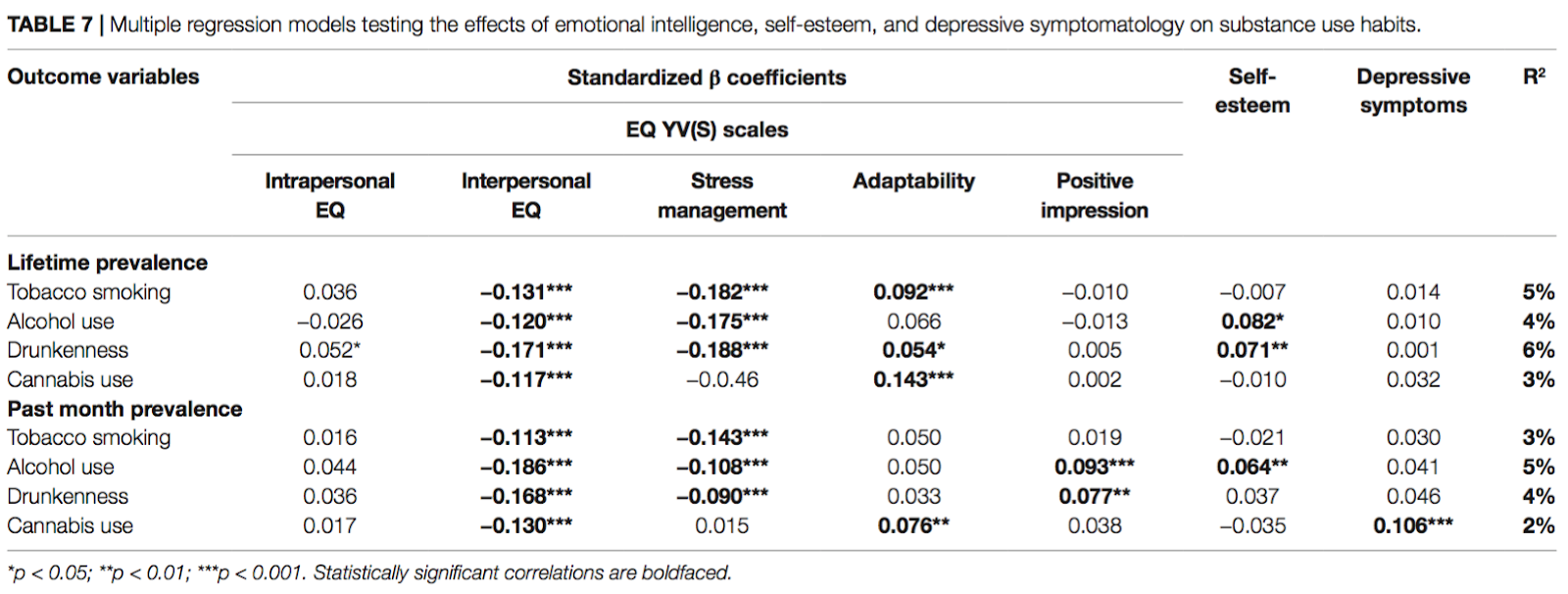
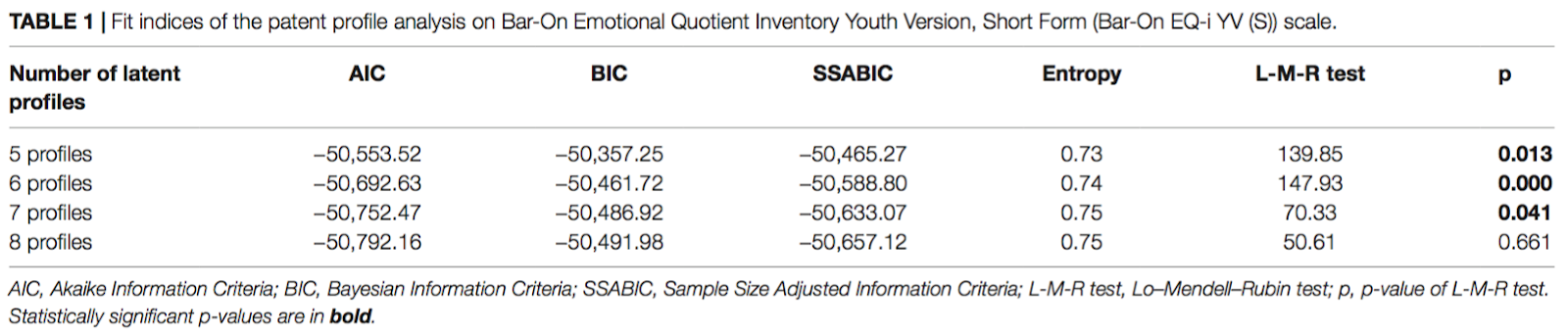
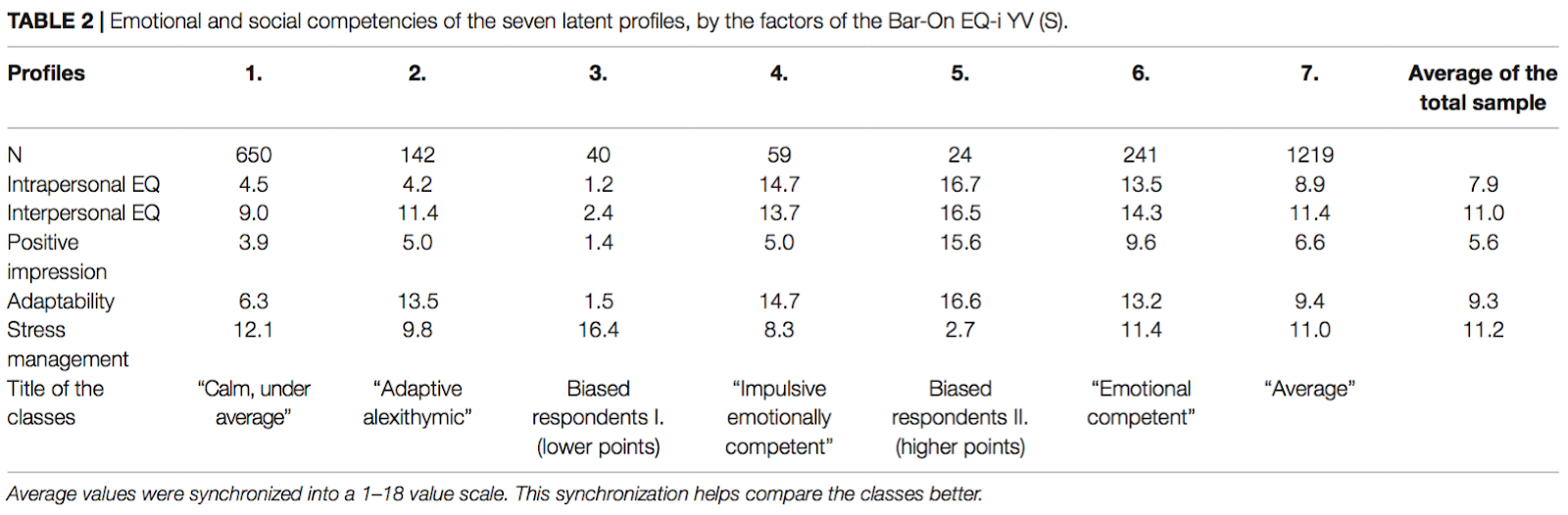
A recent study has revealed that teenagers who have a difficult time managing stress and appear to lack empathy were more likely to abuse tobacco, alcohol, and cannabis.

The studies initial goal was to determine if emotional intelligence could predict future drug abuse, but found that those with more empathy and interpersonal competencies were less likely to engage in substance abuse. This study provides data that may help to develop targeted drug prevention programs in order to lessen adolescent drug abuse or the development of any future substance abuse disorders. 

Highlighted in this study was the possible inaccuracy of the conclusions as the results may have been skewed by teenagers merely providing what they thought was a socially acceptable answer. Despite the fact that the majority of states have legalized the use of medical marijuana a stigma against cannabis use remains.

Stigma has and continues to stand in the way of medical research. If the consumption of cannabis were less frowned upon then perhaps more observational studies, studies that relied on self-reporting use, or even appropriate medical treatment, would be improved. The more information that can be gathered, the more accurate the research that can be conducted. In order to fully understand all the benefits and limitations of cannabinoids, although this also applies to tobacco and alcohol consumption, the uninformed stigma must also be eroded.
View this review (yellow link) or download:

This paper is also stored here:   http://bit.ly/2YB4dgE      inside the CED Foundation Archive

To explore related information, click the keywords below:


Benjamin Caplan, MDStress Increases the Probability of Drug Abuse
read more

Video: Cannabinoid Delivery Systems for Pain and Inflammation Treatment

A 2018 literature review summarizes the various ways patients can consume cannabis (orally, topically, etc.) and the pain reductions associated with each method. The review focuses on the treatment of multiple sclerosis, cancer, anorexia, arthritis, and other painful disorders.

View this review (yellow link) or download:

This paper is also stored here:    http://bit.ly/2TSZ2Wr     inside the CED Foundation Archive

Benjamin Caplan, MDVideo: Cannabinoid Delivery Systems for Pain and Inflammation Treatment
read more

The Relationship between Cannabis and Schizophrenia

Cannabis and Psychosis: Are We any Closer to Understanding the Relationship?

Despite the constant technological gains in medicine, there is still insufficient information and knowledge about who is at risk of developing cannabis psychosis prior to an individual’s exposure to cannabis. Controlled research is limited due to the legal status of cannabis but the growing number of states legalizing medicinal and recreational use of cannabis will likely provide a naturalistic experiment that will produce a prevention strategy for the condition. Current schizophrenia research is limited to western male populations and an overemphasis on the biological model; future research should extend to a more diverse population and sociocultural factors that may lead to schizophrenia.

View this review (yellow link) or download:

This paper is also stored here:   http://bit.ly/2FcDVJR      inside the CED Foundation Archive

To explore related information, click the keywords below:


Benjamin Caplan, MDThe Relationship between Cannabis and Schizophrenia
read more

Video: Cannabinoid Intervention for PTSD: Where to Next?

The endocannabinoid system has long been recognized as a promising target for PTSD treatment.

Here, a 2018 literature review summarizes the risks and benefits of cannabis as a treatment option. Watch our video adaptation, and review the source literature, below:


View this review (yellow link) or download:

This paper is also stored here:    http://bit.ly/2XgnrXn     inside the CED Foundation Archive

To explore related information, click the keywords below:

Benjamin Caplan, MDVideo: Cannabinoid Intervention for PTSD: Where to Next?
read more

Cannabinoids in the treatment of cancer

A literature review from 2009 (10 years ago) summarizes the anti-cancer properties of cannabis, concluding that various cannabinoids might inhibit cancer cell growth and tumor growth. In particular, cannabis shows promise to help treat colon, skin, prostate, and breast cancer. 

This paper is also stored here:    http://bit.ly/2J1XS8A     inside the CED Foundation Archive

To explore related information, click the keywords below:

Benjamin Caplan, MDCannabinoids in the treatment of cancer
read more

Patients are Unclear on Cannabis Dosing

Dr. Ernest found that 82% of her epileptic patients found cannabis treatment helpful, but she also found that many of them were unaware of the doses they were taking or the levels of THC and CBD. Doctors and patients alike need to learn about dosing to maximize their health benefits http://bit.ly/2J29kkB

To explore related information, click the keywords below:

Benjamin Caplan, MDPatients are Unclear on Cannabis Dosing
read more

Sex differences in the anxiety effects of cannabinoids

In overarching trends, one pattern that is seen in the medical literature is a greater tendency for males to be more likely to develop drug abuse disorders than female counterparts, whilst females are more likely to develop anxiety disorders than male counterparts.

Of course, these trends are merely observational patterns in the current literature, which represents a biased perspective of biased subjects, and certainly not etched in stone. Further, many people do not conform to one pre-determined organization system as simple as gender to help educate whether they would be likely to develop drug dependence or anxiety, and even others don’t conform to a single gender. So, a sizeable grain of salt must be taken with what we understand from this literature.

That given, the relevant punch line here is what role might cannabis play in inducing or reducing anxiety across sexes, and how does cannabis might relate to addiction/dependence.

We are still at early stages of these important questions, but one recent study found, that female rats were significantly more likely than male rats to experience anxiety when given large doses of cannabis.

View this review (yellow link) or download:

This paper is also stored here:    http://bit.ly/2J15XdL     inside the CED Foundation Archive

To explore related information, click the keywords below:

Benjamin Caplan, MDSex differences in the anxiety effects of cannabinoids
read more

Cannabidiol Treatment for Parkinson’s Disease

Cannabidiol: a hope to treat non‑motor symptoms of Parkinson’s Disease Patients

Cannabidiol (CBD) has recently been postulated as an ideal drug to address the treatment of non-motor symptoms of Parkinson’s Disease (PD) due to its multifaceted mechanism of action. The plethora of effects of CBD includes anti-inflammatory, neuroprotective, anxiolytic, and antipsychotic actions, which improve non-motor symptoms of PD and lift the quality of life for patients coping with the illness. Further research is recommended to garner support for FDA approval.

View this review (yellow link) or download:

This paper is also stored here:    http://bit.ly/2KXTb0Y     inside the CED Foundation Archive

To explore related information, click the keywords below:

Benjamin Caplan, MDCannabidiol Treatment for Parkinson’s Disease
read more

Cannabis use as a risk factor for causing motor vehicle crashes: a prospective study

Title of study: Cannabis use as a risk factor for causing motor vehicle crashes: a prospective study

After legalization in 2018, many Canadian provinces implemented “zero tolerance” policies for drivers who have THC in their systems. But a new study from the University of British Columbia suggests that Canada’s drug-impaired driving laws may be unnecessarily strict. According to researchers, there is no link between THC levels below 5ng/mL and increased risk of car accidents.

Note: Considering the potentially grave risk to life and health for modern culture to make the wrong interpretation of the potential dangers of the effects of cannabis consumption on driving, it is critical for the industry to approach the circumstances with delicacy and diligence. Ideally, everyone involved will be motivated to learn as much as possible about the impact of cannabis on the risks of operating machinery and all will follow a cautious approach which will minimize the risk to all. To that end, it is important to consider and reconcile evidence from multiple perspectives.

The article:

“New study suggests low levels of THC in blood do not increase risk of car crash” https://www.straight.com/cannabis/1256476/new-study-suggests-low-levels-thc-blood-do-not-increase-risk-car-crash#

View this review (yellow link) or download:

This paper is also stored here:     http://bit.ly/2IVhSJY    inside the CED Foundation Archive

To explore related information, click the keywords below:

Benjamin Caplan, MDCannabis use as a risk factor for causing motor vehicle crashes: a prospective study
read more

The origins of cannabis smoking: Chemical residue evidence from the first millennium BCE in the Pamirs

According to anthropologists, Cannabis plants were burned in wooden braziers (circa 500 BCE) during ceremonies at the Jirzankal Cemetery in the eastern Pamirs region.

 This suggests that cannabis was smoked as part of ritual activities in western China at least 2,500 years ago. Interestingly, phytochemical analyses reveal that these cannabis plants produced high levels of psychoactive compounds, suggesting that people used cannabis not only for medical purposes but also to get intoxicated. 

View this review (yellow link) or download:

This paper is also stored here:   http://bit.ly/2IUbYZU      inside the CED Foundation Archive

To explore related information, click the keywords below:

Benjamin Caplan, MDThe origins of cannabis smoking: Chemical residue evidence from the first millennium BCE in the Pamirs
read more