Forget CBD; flavonoids found in cannabis have been found to be 30 times more effective painkillers than aspirin, targeting inflammation at the source and making them great alternatives for pain killers. If produced on a larger scale, they could help get away from the opioid crisis.
As cannabis finds its place back into modern human culture quickly, there is much still to be learned. As the science grows and adapts to modern need and expectations, the “can we” may be out-pacing the “should we.” On the other hand, there are circumstances where modern culture really “should be” and is handicapped by years of misinformed stigma.
Here, a few controversial questions about cannabis:
Should teachers be allowed to use cannabis around children?
Should spiritual leaders be allowed to use cannabis, as they have for millennia?
Should taxi drivers be allowed to use cannabis on the job?
Should pilots be allowed to use cannabis?
To explore related information, click the keywords below:
Benjamin Caplan, MDVideo: Controversial Questions in Cannabis Today
Title:Preferences for Medical Marijuana over Prescription Medications Among Persons Living with Chronic Conditions: Alternative, Complementary, and Tapering Uses
In a survey of 30 patients using medical cannabis for a range of diseases including rheumatoid arthritis, cancer, hepatitis C, PTSD, among others, patients reported an array of benefits they have reaped from cannabis use. Patients successfully used cannabis in several ways: as an alternative to prescription medication, complementarily with prescription medicine, and to gradually replace use of prescription medication.
Benefits described by participants included the effects of cannabis lasting longer than that of opioids, lower risk of addiction, fewer side-effects. Patients also saw their sleep, anxiety, appetite, and adverse reactions improve with the use of medical cannabis. Larger, more controlled studies may suggest cannabis more affirmatively as an alternative or complementary therapy with prescription medications.
Medical marijuana is legal in 33 states, and recreational marijuana is legal in 11. But on a federal level, the use and possession of marijuana is illegal for any purpose. The illegal status of cannabis prohibits research opportunities and hinders the safety of cannabis sales.
Watch this video for 4 reasons to legalize marijuana on a federal level
Benjamin Caplan, MDVideo: Legalization of Cannabis?
Using cannabis to decrease dependency on cannabis? An Australian study shows promise using Nabiximols to target receptors and diminish the rate of relapse. The spray of equal parts CBD and THC had regular smokers smoking 19 fewer days than those on placebo
One of the terrific realities of modern Cannabis is that it is possible, and often quite simple, to make effective products at home. With suitable education and access to testing facilities, the soil, nutrients, and plant growth can be supported at home, lab-tested for make-up and potency, as well as safety-checked for potential microscopic contaminants, and ultimately, individualized medicine can be created right at home!
Here is a sample instructional for just one way that cannabis tincture can be made at home. There are countless others and hopefully, many that are yet to be discovered!
To explore related information, click the keywords below:
Benjamin Caplan, MDVideo: Do-It-Yourself Cannabis Tinctures
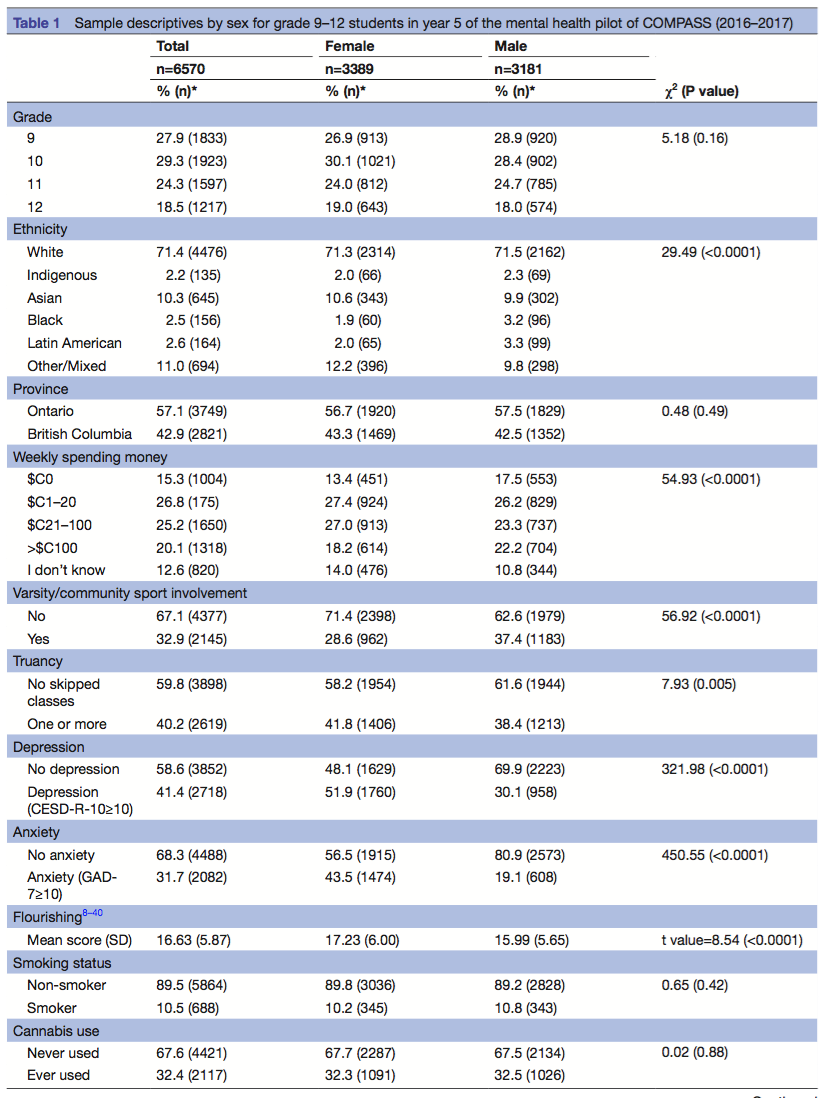
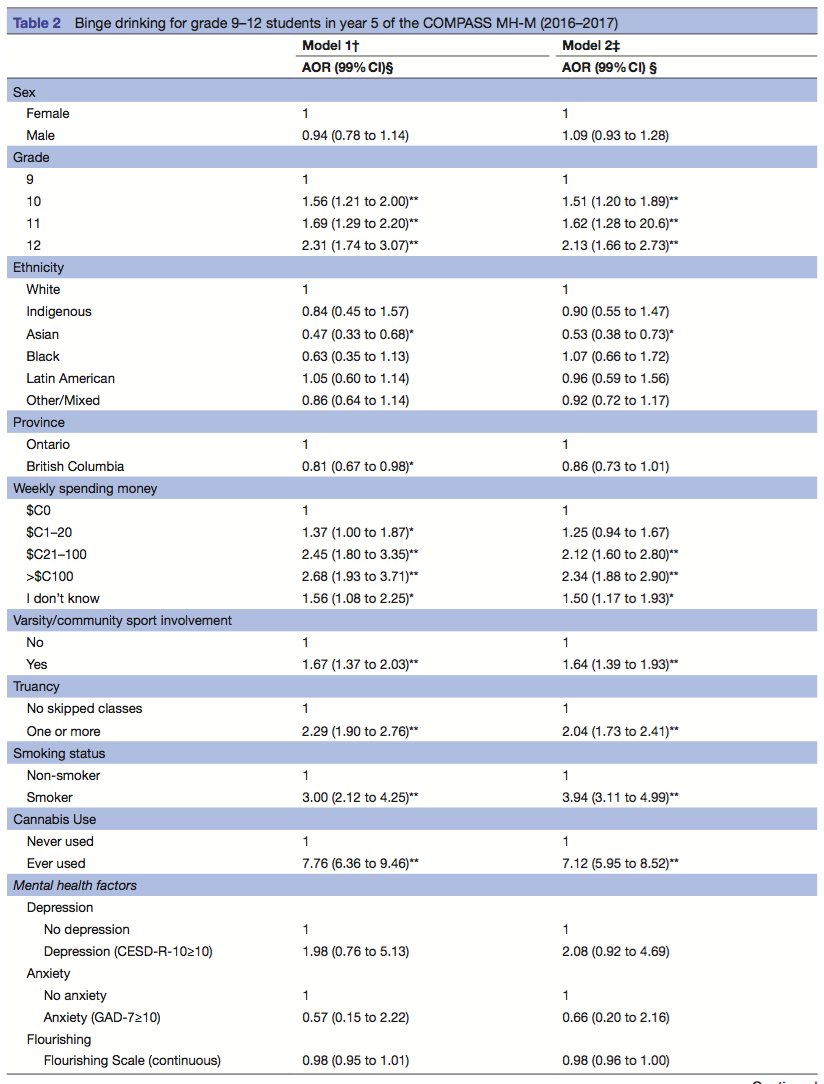
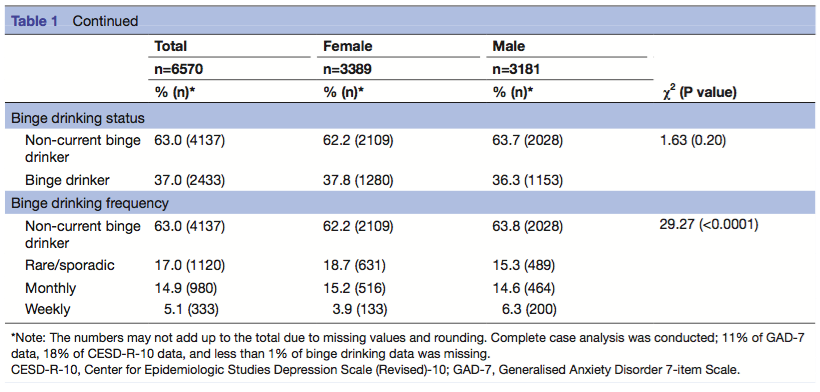
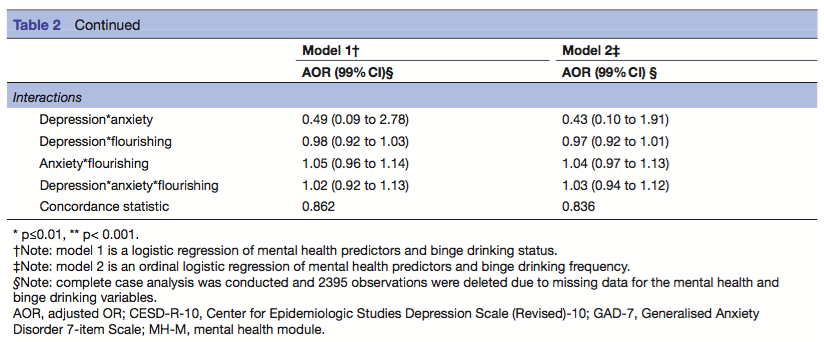
Title: Psychological correlates and binge drinking behaviours among Canadian youth- a cross-sectional analysis of the mental health pilot data from the COMPASS study
A recent study has examined data from the COMPASS program and found that student-athletes in Canada were more likely to engage in binge-drinking and illicit substance use. Researchers focussed on the measure of flourishing, defined as an overall healthy mental state and emotional connectedness, and how flourishing related to concerning drinking and substance use behavior. Student-athletes were found to be the most at risk for binge-drinking, defined as consuming 5 or more drinks in a single session, and those more likely to binge-drink were also more likely to co-use illicit substances. This research provides evidence for the formation of targeted prevention programs.
Cannabis use is banned among athletes by most sports organizations. Cannabis appeals to athletes considering the many different consumption methods, allowing discreet consumption and personalization with variable potential opportunities for relief. Cannabinoids are generally naturally occurring substances unless clearly manufactured, and have been shown to be beneficial for post-workout recovery, muscle soreness, anxiety, sleep, and relaxation. All of those symptoms, including the emotionally driven ones, are common among student-athletes who often feel an immense amount of pressure to perform in competition. As in most other areas of modern culture, Cannabidiol (CBD) finds itself in a grey area for most sports organizations’ substance regulations given that it is not intoxicating and readily available with a notable safety profile. Even if cannabis is not federally legal, CBD is so widely available that many athletes are embracing it, in lieu of more dangerous, or potentially addictive, medications.
Tweet: A recent study has examined data from the #COMPASS program and found that #studentathletes in Canada were more likely to engage in #binge-drinking and illicit substance use. Read this and other linked studies:
Title: Model-based analysis on systemic availability of coadministered cannabinoids after controlled vaporized administration
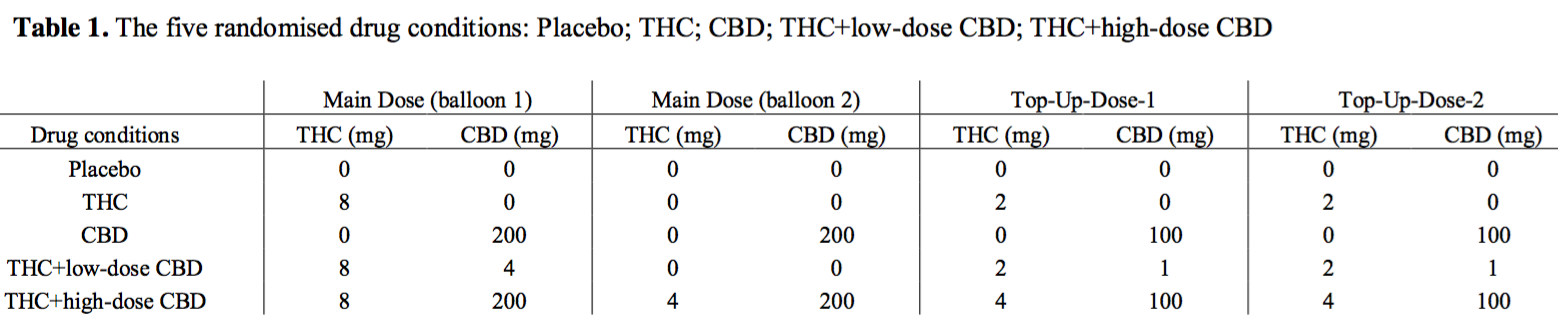
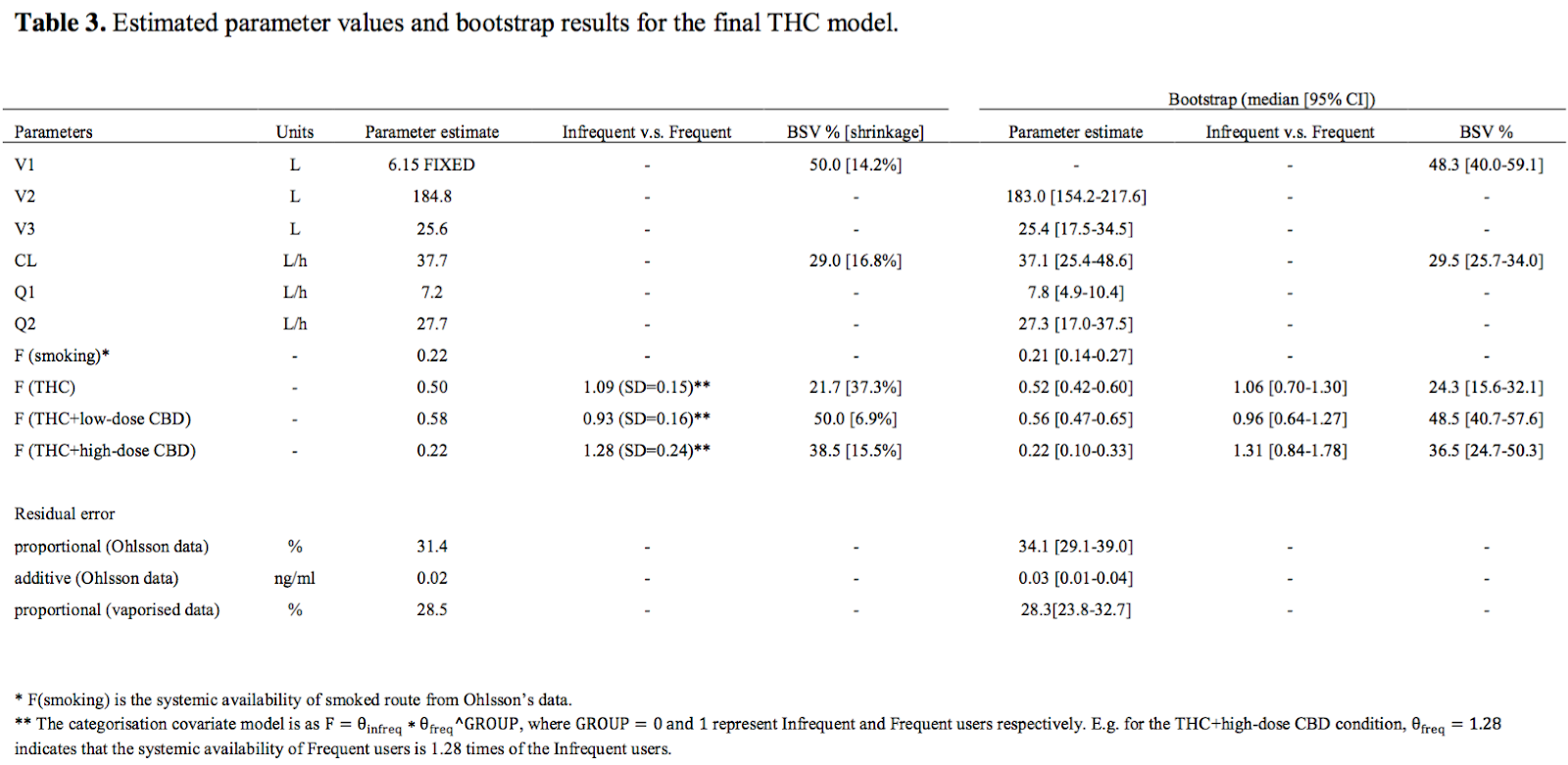
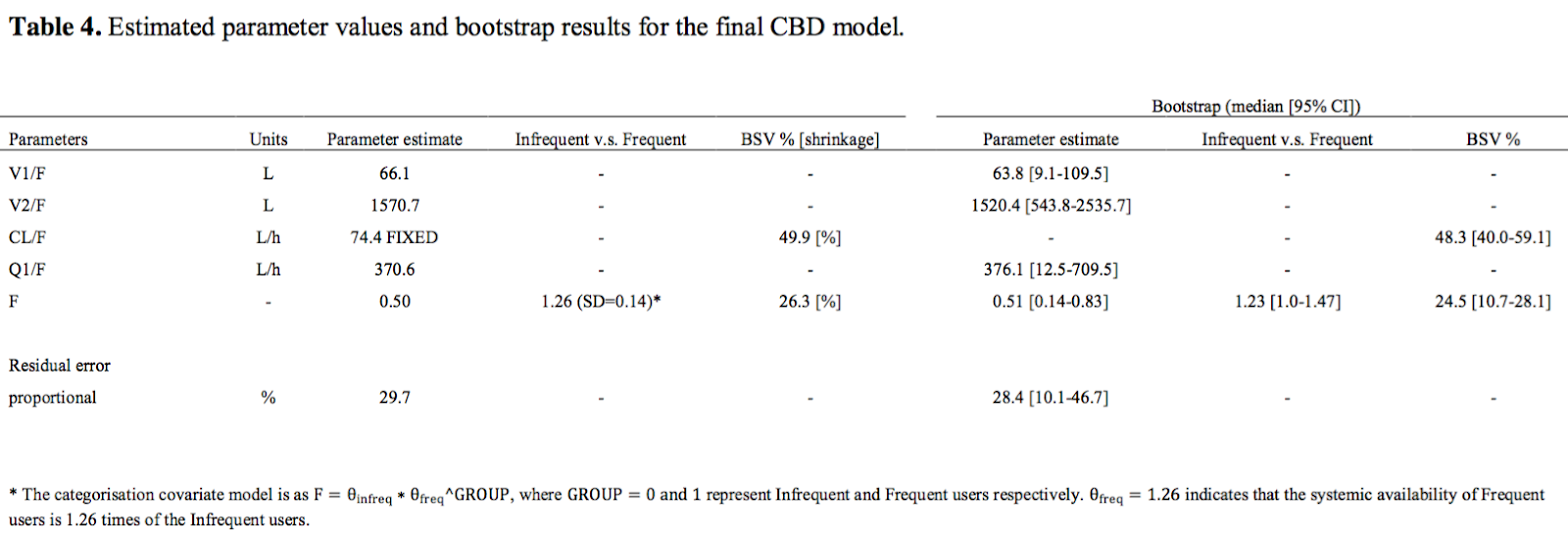
A new study revealed findings that vaporizing cannabidiol (CBD) with ∆-9-tetrahydrocannabinol (THC) lowers the systemic availability of THC.
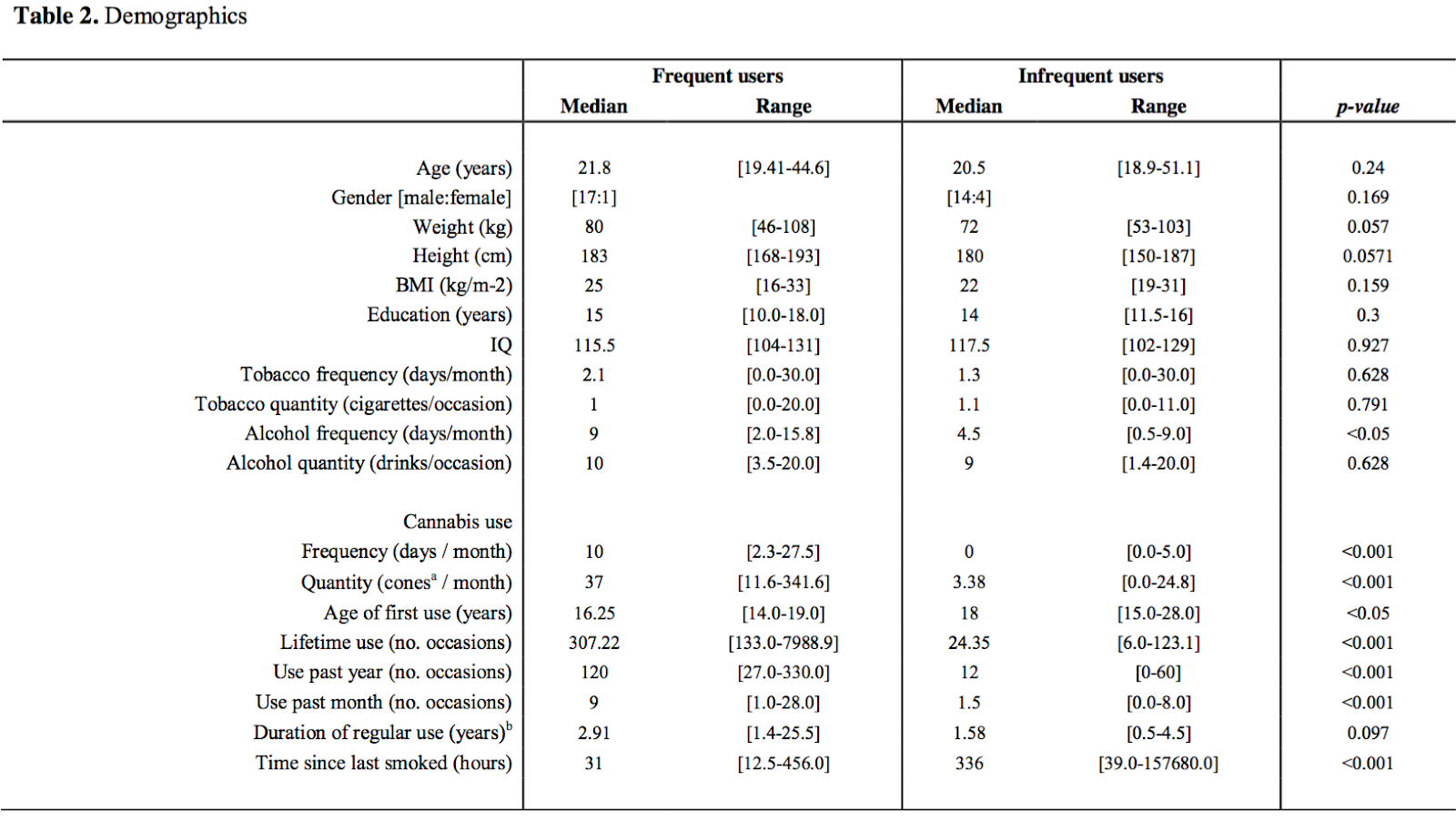
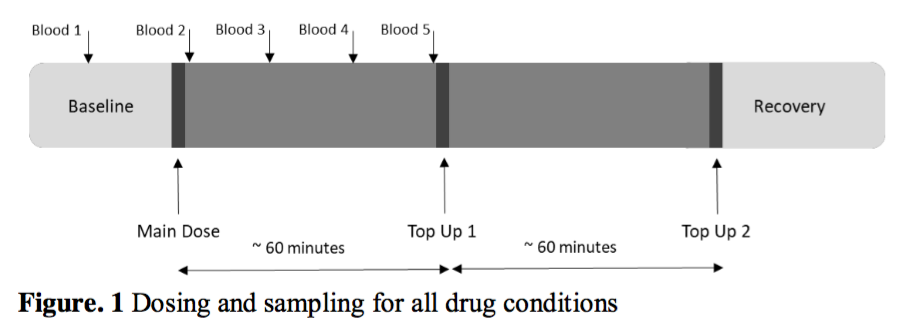
Researchers analyzed the blood plasma level of CBD and THC in a randomized, double-blind study, and found that those who inhaled a high dose of CBD were found to have lower levels of THC. Frequent cannabis users were found to have only minorly decreased levels of THC in their plasma when high doses of CBD was coadministered. Future studies should be conducted to examine the validity of these results for other consumption methods.
This work highlights how those who have consumed too much THC can combat some of the symptoms associated with THC by consuming CBD. Occasionally, cannabis users may overindulge in THC and feel anxiety, panic, or dizziness. One of the best ways to combat such overindulgence (and lower the effects of THC) is to consume a high dose of CBD. Other, non-cannabis related, methods are also commonly recommended, such as relaxation or food with high levels of the terpenes caryophyllene and limonene. When using cannabis it’s important to start low and go slow in order to minimize the possibility of overindulgence.