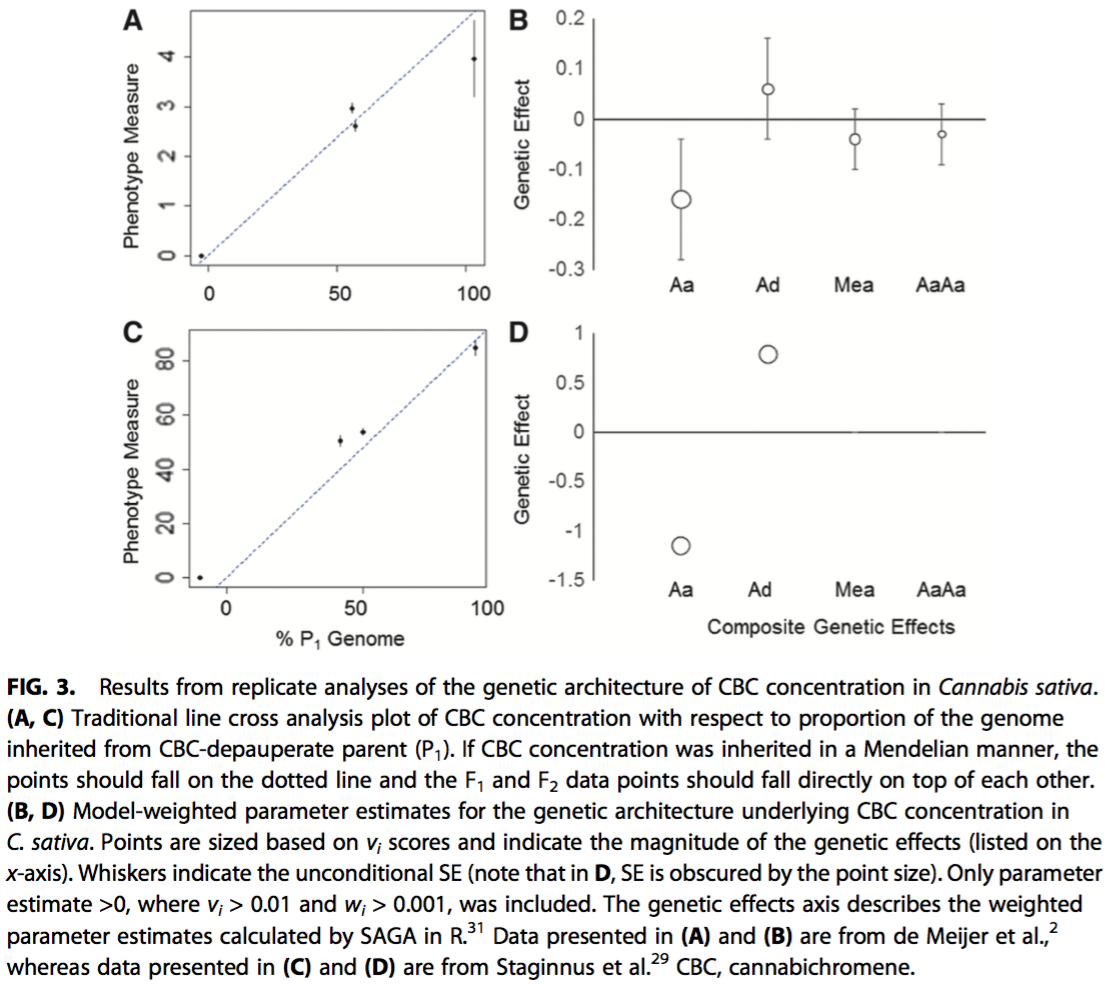
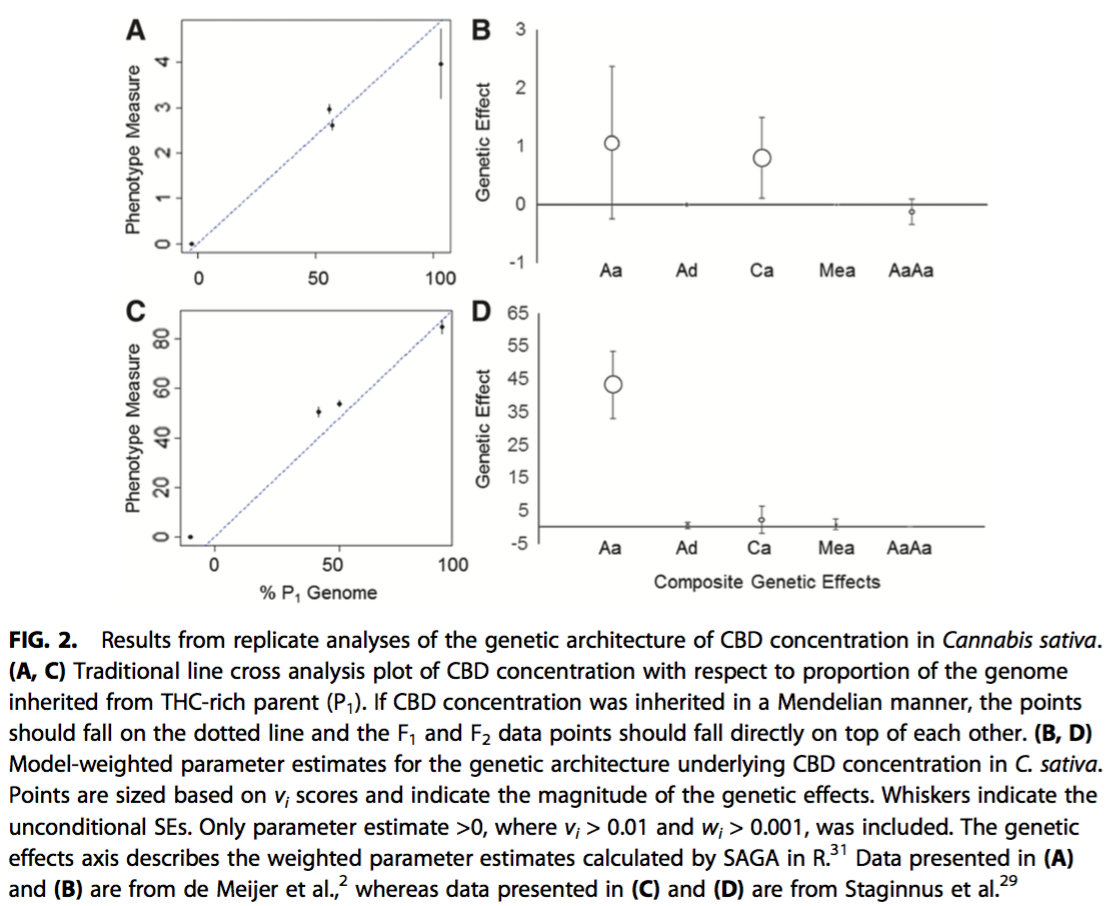
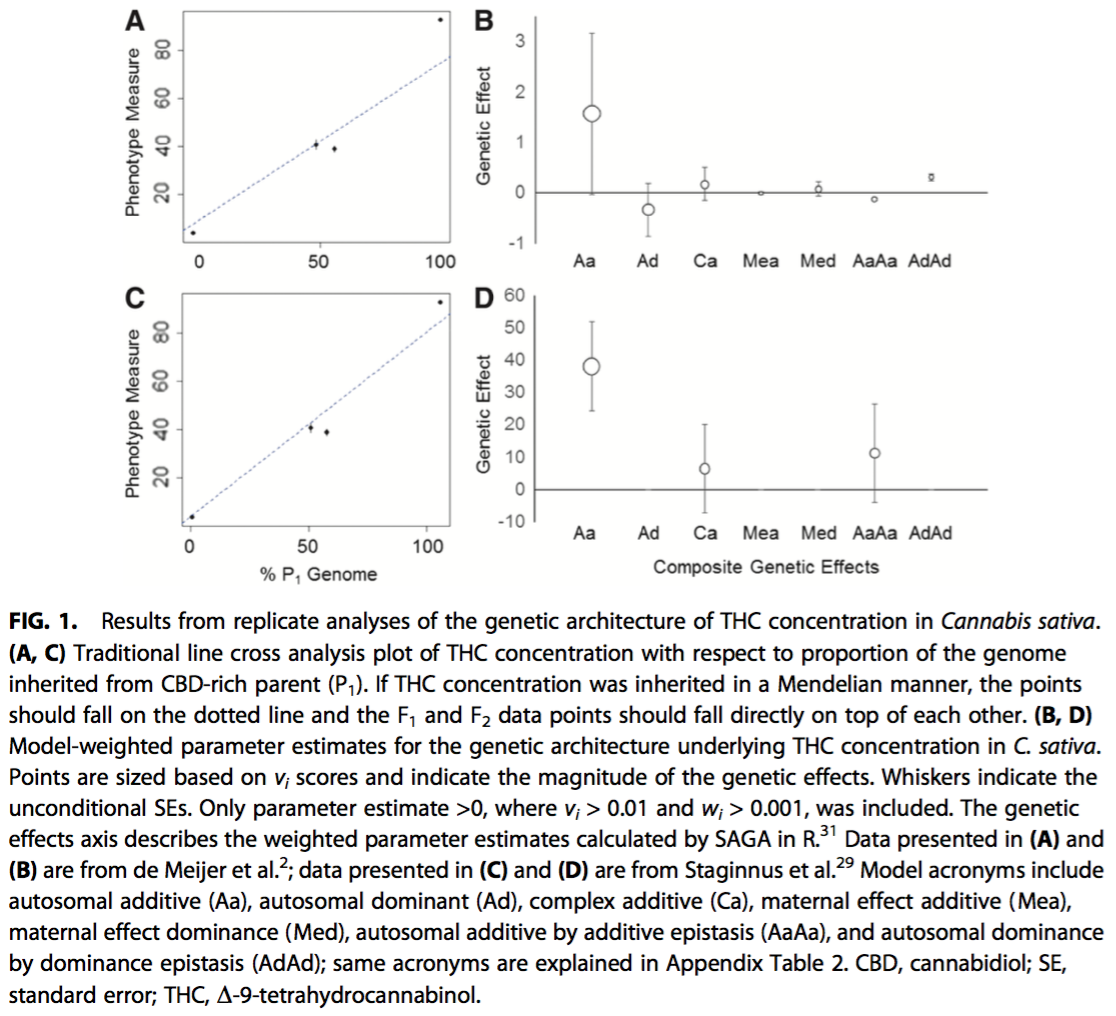
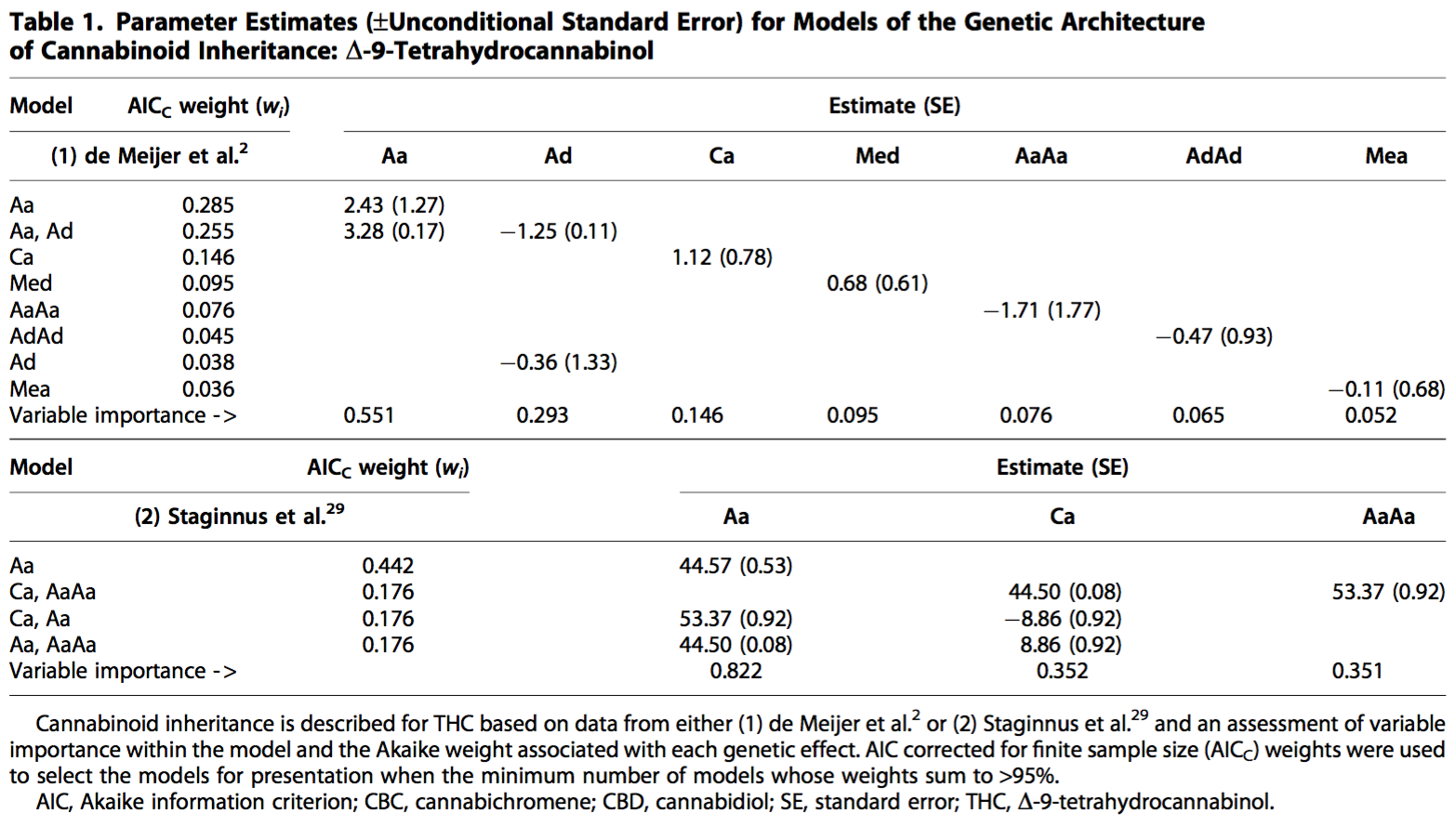
Cannabinoid Inheritance Relies on Complex Genetic Architecture
Researchers have recently attempted to discover the genetic basis of cannabinoid production within cannabis plants, finding a complex genetic architecture. This study highlights the lack of knowledge surrounding cannabis cultivation, suggesting current producers record the phenotypic and genetic crosses they breed so that the community can further research the cannabinoids produced. Specifying which genetic profiles match up to the ratio of cannabinoids produced will benefit mass production and medical research.
The introduction of this article focuses heavily on the ratio of ∆-9-tetrahydrocannabinol to cannabidiol, yet there are therapeutic benefits associated with all of the other cannabinoidsas well as flavonoids and terpenes produced by the plant. Multiple chemical components of cannabis strains have yet to be fully explored and preliminary findings warrant the same amount of attention in order to develop various therapies.
Euphorbia honey and garlic- Biological activity and burn wound recovery
A recent study has shown that a combination of euphorbia honey and garlic can help heal burn wounds. Euphorbia honey and garlic have antioxidant, microbial, and healing properties that have now been confirmed to be effective when treating wounds resulting from exposure to extreme heat. Combining natural ingredients has been common in traditional medicine for years, but now western medicine is beginning to look at more natural compounds to aid in recovery and treatment methods.
This 2018 review summarizes the available data regarding the safety and effectiveness of medical cannabis in young ASD patients. Here’s our video adaptation:
Autism spectrum disorder (ASD) defines a group of neurodevelopmental disorders that are frequently associated with general cognitive deficits
DSM-5 criteria of ASD include:
A. Persistent deficits in social communication and social interaction
B. Restricted, repetitive patterns of behavior, interests, or activities
C. Symptoms must be present in the early developmental period
D. Symptoms cause clinically significant impairment in social, occupational, or other important areas of current functioning.
E. These disturbances are not better explained by intellectual disability or global developmental delay
ASD is frequently accompanied by co-morbidities:
sleep disorders
attention-deficit/hyperactivity disorder (ADHD)
Psychosis
Anxiety
mood and cognitive disorders
epilepsy
Despite it being one of the most severe chronic childhood disorders with relatively high prevalence, morbidity and impact on the society, no effective treatment for the core symptoms of ASD is available yet.
There is increasing interest in cannabinoids, especially cannabidiol (CBD), as monotherapy or add-on treatment for the core symptoms and co-morbidities of ASD.
CBD Use for Epilepsy
20-30% of people with ASD also suffer from epilepsy
Surveys conducted among parents of children suffering from epilepsy suggest improvement following treatment with CBD-enriched cannabis extracts. These results however, do not necessarily apply when it comes to treating adults with epilepsy (Alexander et al., 2009).
Still, in a retrospective study that examined the effect of CBD enriched medical cannabis oil on children with intractable epilepsy, the treatment caused a reduction in seizure frequency in 89% of patients (Tzadok et al., 2016).
CBD Use in Psychiatry
CBD in Psychosis
In some cases, psychosis can be a comorbidity of ASD, with the simultaneous onset of schizophrenia at adolescence or early adulthood (Sagar et al., 2013).
Ineffective
A 2006 study that investigated the influence of CBD as monotherapy in treatment-resistant schizophrenia found that it was ineffective (Zuardi et al., 2006).
Effective
But a 2018 study showed that, in patients with schizophrenia, adding CBD to ongoing antipsychotic treatment resulted in greater antipsychotic activity and beneficial effects, as compared to placebo add-on (Mcguire et al., 2018).
CBD and Anxiety
Many ASD patients suffer from anxiety disorders that harm their quality of life (Gu, 2017; Haan et al., 2008; Perrin, 2011).
CBD may possess anxiolytic effects both in animals and humans (Bergamaschi et al., 2011).
When tested in humans, CBD showed an anxiolytic effect in patients that suffer from social anxiety disorder (SAD), contrary to THC that may induce anxiety (Devinsky et al., 2014).
CBD, mood and cognitive disorders
It was previously shown that a variety of psychiatric co-morbidities may occur in ASD patients, the most common one being mood disorders (Ghaziddin and Zafar, 2008).
Risks of THC
THC use may be associated with onset or aggravation of depression, bipolar disorder, mania and psychosis (Rong et al., 2017).
THC administration may also result in memory impairment (Ranganathan and Souza, 2006; Rong et al., 2017).
Benefits of CBD
On the other hand, CBD possesses agonistic activity at the 5-HT1A serotonin receptor and shares similar mechanisms with lithium. These pharmacological properties may indicate its potential role in the treatment of mood disorders (Rong et al., 2017).
Therapeutic CBD properties were investigated for cognitive deficits as well. In a preclinical study that tested the effect of CBD on cognition in an Alzheimer’s Disease mouse model (APPxPS1), chronic CBD treatment reversed the cognitive deficits without affecting anxiety-related behaviors (Cheng et al., 2014).
CBD and sleep disorders
Sleep disorders are highly prevalent among children with ASD.
In the general population insomnia is the most common sleep complaint, and treatment with medical cannabis may be effective, especially when the insomnia is associated with pain (Gates et al., 2014).
It has been claimed that long term use of cannabis may induce sleep disturbances (Gates et al., 2014). however, a case series indicated that CBD treatment may actually improve the quality of sleep in Parkinson’s disease (Chagas et al., 2014).
CBD and ADHD
ADHD is one of the most common psychiatric co-morbidities in young ASD patients (Ghaziddin and Zafar, 2008), with comorbidity rates in the range of 40-70% (Antshel et al., 2016).
In a pilot randomized placebo-controlled experimental study of a cannabinoid medication (an oral spray containing 1:1 ratio of THC:CBD) in adults who suffer from ADHD, there was no significant improvement in the cognitive performance, but there was a significant improvement in the hyperactivity, impulsivity and inhibition measures after the treatment with the medical cannabis (Cooper et al., 2017).
The role of cannabis use for social behavior
Risks
Some studies show that THC administration may lead as well to a reduction in social interaction in rats, while co-administration of CBD seems to attenuate this effect (Malone et al., 2009).
Benefits
On the other hand, in a study that tested the influence of marijuana smoking on healthy human volunteers, subjects reported retrospectively that while smoking marijuana they were happier, friendlier and calmer, responded more warmly to others, seemed to have a better understanding of their peers’ state of mind and were less likely to respond angrily or defensively. However, they had a harder time focusing and paying attention to what others said (Galanter et al., 1974).
CBD Use for Children
The administration of cannabinoids for children and adolescents suffering from ASD is a controversial legal and ethical issue (Khalil, 2012).
Risks
Those who oppose the use of medical cannabis in pediatrics claim that this treatment might harm young children and adolescents’ brain development.
Benefits
In the field of pediatric mental illnesses, CBD is sometimes used as a treatment for anxiety disorders. In a case report describing a 10-year-old girl who suffered from PTSD after being sexually abused, it was reported that CBD treatment reduced her anxiety and improved her sleep (Shannon, 2016).
Conclusions
The use of cannabinoids in general and CBD in particular in the treatment of numerous medical and mental conditions, including ASD, is growing rapidly.
There certainly is a big gap in the field and such studies are needed before drawing any conclusions on the potential therapeutic applications of cannabinoids in ASD.
Further pre-clinical and clinical studies are needed in order to examine the pros and cons of CBD and other cannabinoids in ASD, before they are established as a treatment for ASD symptoms and co-morbidities.
A Kaempferol-3-O-β-D-glucoside, Intervention Effect of Astragalin on Estradiol Metabolism
A recent study found that a flavonoid known as astragalin possesses a strong anti-tumor effect. High levels of a metabolite formed from the hormone estradiol have been found in tumor tissues leading researchers to search for an inhibitor to prevent estradiol from forming the metabolite. This study has found that astragalin, which is a naturally occurring substance found in a variety of plants and wine, has an effective antitumor mechanism that inhibits the formation of the metabolite.
Effect of citrus peel extracts on the cellular quiescence of prostate cancer cells
A recent study has revealed that citrus peel extracts (CPE) have the potential to prevent prostate cancer from recurring in post-therapy cancer patients. A component of CPE, flavonoids, have previously been found to have anticancer effects, but appear to lack the correct structure to prevent tumors in patients with prostate cancer. This specific study found that the citric acid present in CPE was the contributing factor to its anticancer effects but mentioned that flavonoids should continue to be researched for chemopreventive benefits.
Citrus peels waste as a source of value-added compounds- extraction and quantification of bioactive polyphenols
A recent study has exposed a more efficient, sustainable, and economically viable extraction method for polyphenols (specific active chemical compounds) from citrus peels. One such polyphenol is Naringin, a flavonoid present in lemon peels, which has been hypothesized to have anti-inflammatory and antioxidant effects, as well as, potentially, to help treat obesity. This new extraction method will allow researchers to discover more definite therapeutic effects of polyphenols in citrus peels.
Edibles are a popular way to consume cannabis because they can be tasty & easy, but maybe this is a problem? Should meds be made unappealing to children or pets? Although many people enjoy treatment via gummy bears, is this a bad path? The Brilliant Dr Peter Grinspoon’s take: http://bit.ly/2KygQov
Taste buds likely evolved to detect foods which have a positive (or negative) effect on the body. It seems logical to assume that good taste would prime good effects. Also, cannabis has an effect similar to hypnotizability and suggestibility. If it tastes good, it’s logical to suggest that good tastes would suggest a higher likelihood of improved effect, from a psychological standpoint too.
A counter-argument: “If it tastes good, people (especially kids) would take it all the time. It actually should taste unpleasant so that you only take it when the alternative is worse.”
1 – Better-tasting medications may enhance pediatric adherence to drug therapy, where that is appropriate.
2 – Sugars, acids, salt, and other substances may reduce perceived unpleasant taste of cannabis With respect to children, in one study, more than 90% of pediatricians suggested that a drug’s taste and palatability were the biggest barriers to completing treatment.
3 – The potential for taste stimuli to activate nongustatory sensory systems, including those of a visceroceptive nature in the cases where the taste solutions are swallowed, must be considered, particularly as bitter tastes (likely with cannabis) are governed by GPR protein receptors.
4 – Pleasant tasting products activate a conditioned response: good taste = good effect (when can then generalized to all pleasant-tasting edibles.
5 – “The unpleasant taste of medicine is often a sensory expression of its pharmacological activity; in many cases, the more potent the drug, the more bitter it will be. The more bitter, the more likely the drug will be rejected. Better-tasting medications may go a long way toward enhancing the ability of pediatric patients to adhere to drug therapy, especially when failure to consume may do harm and, in some cases, be life-threatening.”
6 – On the other hand, frequent use of sucrose-sweetened medicines has been linked to dental caries
#THC & #CBD are neuroprotective antioxidants. Research shows they might reduce the effects of brain damage. Small, sequential doses can help alleviate concussion symptoms, especially w/ certain strains containing CBD & specific neuroprotective terpenes. http://bit.ly/30UNbvy
Cannabis can be promote increased anxiety in some people. While the details are not fully understood yet, the synergistic functioning of multiple cannabis components, known as the entourage effect, is a reliable way to lessen the paranoia and anxiety that may stem from the consumption of THC. Cannabinoids and terpenes such as CBD, pinene, linalool and more have been shown to help. http://bit.ly/3102p2w
Benjamin Caplan, MDWhy Some People Freak Out on Cannabis, and Others Don’t