Kudos to Kyle Jaeger for a helpful summary of last week’s US House’s vote on an amendment to block the Department of Justice from interfering in states’ legal cannabis programs. His work outlines which representatives stand where, with regard to #cannabis. Interesting to see, and how times change! http://bit.ly/2LgKO0P
To explore related information, click the keywords below:
Benjamin Caplan, MDUS House of Representatives votes to support state legal cannabis
In what may be considered preemptive action, Oregon legislature passed Senate Bill 582, allowing the governor to enter agreements with other states for cannabis import and export. This hinges on the federal government, but if so, Oregon aims to be a national supplier of cannabis. https://lat.ms/2LezJ00
Benjamin Caplan, MDOregon aiming to supply Cannabis nationally
Preliminary testing shows positive results towards using CBD as an antibiotic topically, but also potentially to deal with systematic infections, such as pneumonia, using oral dosing. One of the present concerns is the struggle of getting permits to handle these cannabinoids to do further testing.
While these specific findings have not yet been published in a peer-review journal, this is far from the first time we have seen antimicrobial activity associated with plants or with cannabis. Evolutionarily, this trait is believed to be adaptive for the plant, and within cannabinoid, terpenoid, and flavonoid compounds, this activity has been demonstrated reproducibly, both in the lab and in clinic. http://bit.ly/2LbTwxm
To explore related information, check the CED Foundation MMJ archive to search, or click the keywords below:
Benjamin Caplan, MDCBD antibacterial properties, topically
Exciting note to Massachusetts medical cannabis patients: Beginning July 1, medical patients will have the opportunity for an “Initial Access Certification” once they have seen their certifying physician. This access is good for 14 days, so patients will no longer have to wait for the state approval process before having access to medication. More info: http://bit.ly/2LmFY1Q
View the full documentation (yellow link) or download:
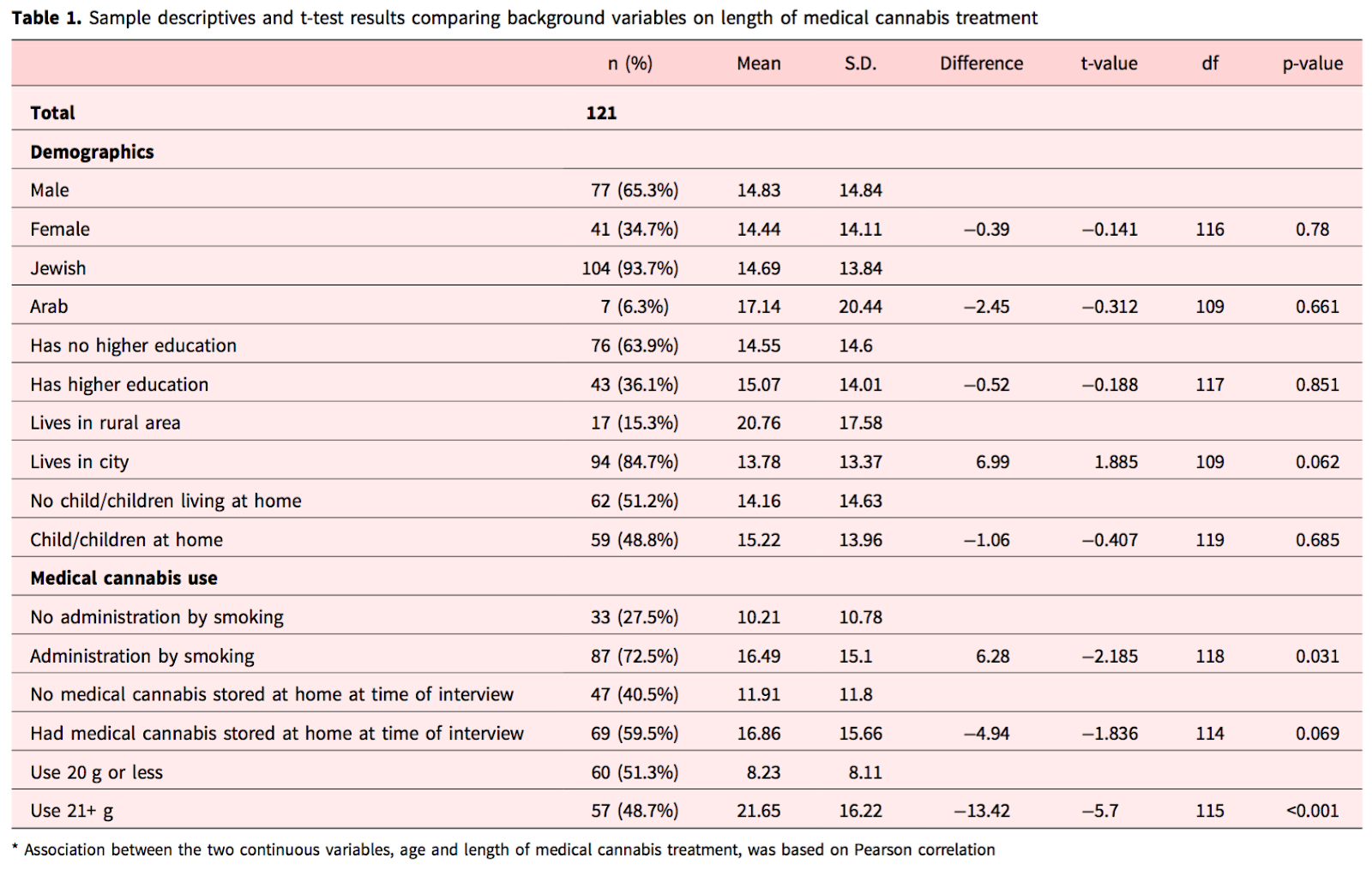
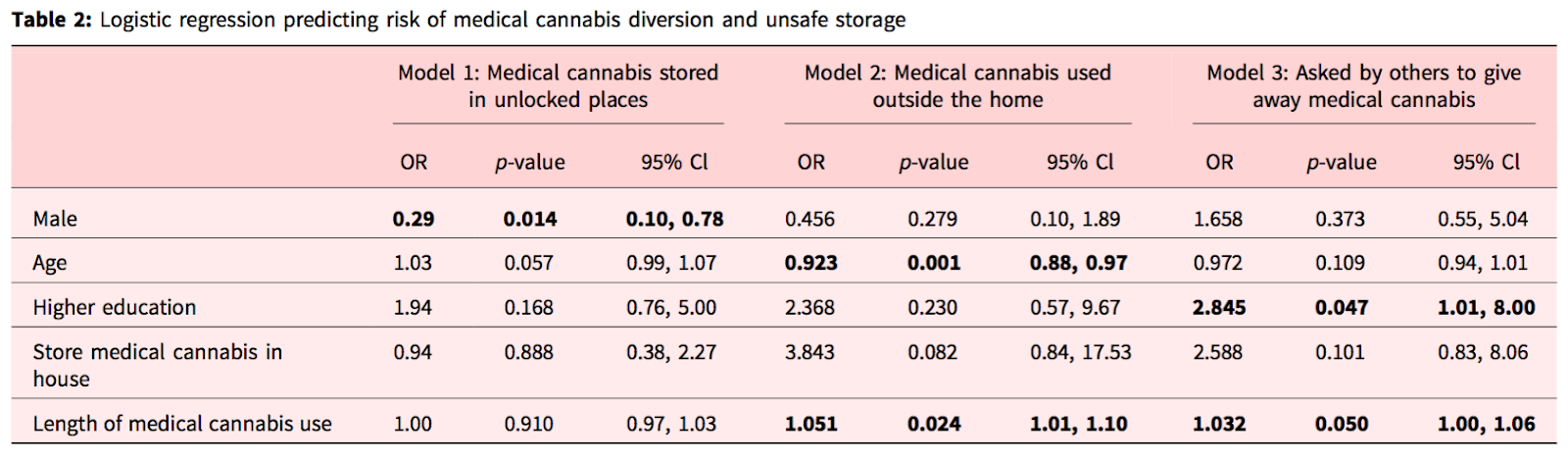
Long-term medical cannabis use and risk factors for diversion- report on physician’s guidance and patients’ behaviour
A recent examination of long-term medical cannabis users has demonstrated the need for more consistent training of storage and disposal practices from oncologists. Chronic users tend to increase the dosage taken of medical cannabis over time due to tolerance; higher doses of cannabis are associated with dangerous storage and disposal practices. The current study calls for oncologists who recommend cannabis-based medicine to their patients to have more consistent training in safe storage and disposal methods to prevent patients from ingesting or giving away impure cannabis.
An important point brought up in this article is the pressure some patients experience from their peers to buy cannabis for multiple people with their medical marijuana identification card or certification. Physicians should be wary of this practice and support their patients, reminding them of the accidents that can happen when medications are shared.
Euphorbia honey and garlic- Biological activity and burn wound recovery
A recent study has shown that a combination of euphorbia honey and garlic can help heal burn wounds. Euphorbia honey and garlic have antioxidant, microbial, and healing properties that have now been confirmed to be effective when treating wounds resulting from exposure to extreme heat. Combining natural ingredients has been common in traditional medicine for years, but now western medicine is beginning to look at more natural compounds to aid in recovery and treatment methods.
A Kaempferol-3-O-β-D-glucoside, Intervention Effect of Astragalin on Estradiol Metabolism
A recent study found that a flavonoid known as astragalin possesses a strong anti-tumor effect. High levels of a metabolite formed from the hormone estradiol have been found in tumor tissues leading researchers to search for an inhibitor to prevent estradiol from forming the metabolite. This study has found that astragalin, which is a naturally occurring substance found in a variety of plants and wine, has an effective antitumor mechanism that inhibits the formation of the metabolite.
Flavonoids in common and Tartary Buckwheat hull extracts and antioxidant activity of the extracts against lipids in mayonnaise
A recent study has revealed that the various flavonoids in buckwheat hulls are a reliable source for antioxidant material. When a buckwheat hull extract was made and exposed to mayonnaise, the shelf-life of the mayonnaise was extended, likely related to the antioxidant properties. This study was able to determine the effectiveness of extracts from the common and Tartary Buckwheat hulls, as well as provide an efficient extraction method.
Efficacy and safety of cannabidiol followed by an open-label add-on of tetrahydrocannabinol for the treatment of chronic pain in patients with rheumatoid arthritis or ankylosing spondylitis: protocol for a multicentre, randomized, placebo-controlled study
Current researchers have proposed a study protocol that would expose any possible benefits of cannabidiol (CBD) and tetrahydrocannabinol (THC) for the treatment of chronic pain in patients suffering from rheumatoid arthritis (RA) and ankylosing spondylitis (AS). This new study hopes to identify how medical cannabis affects pain and cognitive function in RA and AS and provide evidence that cannabis-based pain medication is an alternative to opioids with fewer risks.
Effects of Drug Abuse, Smoking and Alcohol on Donor Hearts and Lungs
A review article that discusses how drug use can affect donor organs has revealed that receiving organs, such as a heart or lungs, from a donor who has used cannabis does not add risk to the procedure. A careful assessment of any donor organ should still be conducted, but having a history of cannabis use does not prevent someone from safely donating.