Here is a nice summary of information for US medical cannabis patients with respect to traveling while on a cannabis regimen (what to think about, including plane/trains/automobiles, helpful tips, which states have reciprocity, and/or access to medical cannabis options, etc)
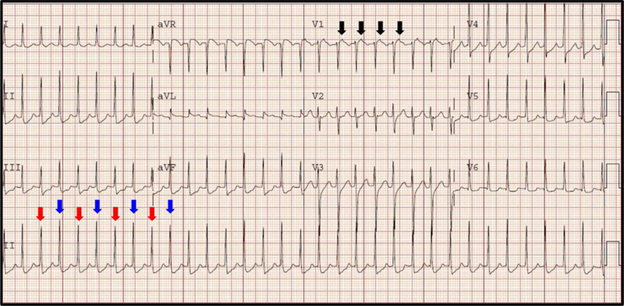
Article title: Atrioventricular Nodal Reentrant Tachycardia Triggered by Marijuana Use: A case report and review of the literature
Summary:
The effect of cannabis on the heart is not yet well-understood. This report highlights a case of one 40-year-old patient who had, an hour after smoking cannabis, a specific type of cardiac rhythm abnormality (arrhythmia) called atrioventricular nodal reentrant tachycardia (AVNRT). There is a physical component of this abnormality, an errant track where aberrant rhythms re-enter the heart and can cause rapid heartbeats (tachycardia.) In the discussion, the authors suggest that cannabis use, at higher doses, may stimulate the parasympathetic system, which happens to be involved in electrical current tracks in our heart. The authors further hypothesize that in susceptible people, as in this case, cannabis may affect this electrical pathway in the heart, and may disrupt a stable rhythm.
Dr Caplan and the #MDTake:
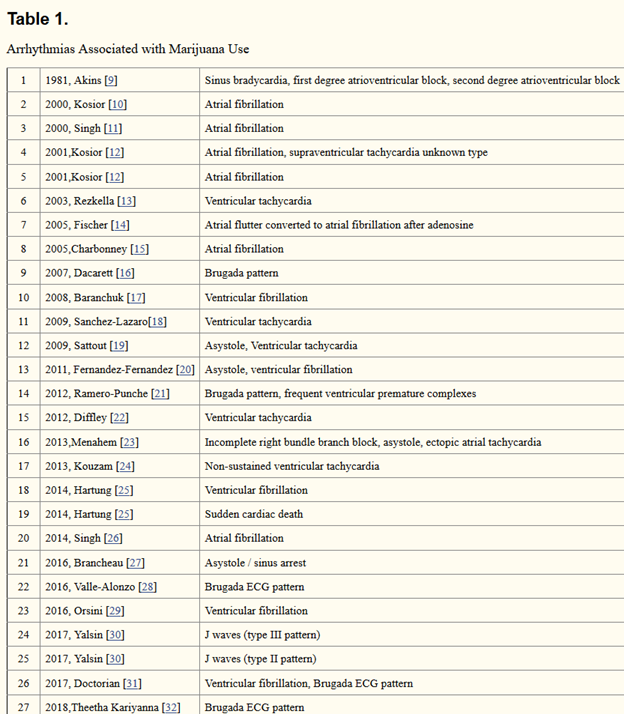
Abnormal heart rhythm disorders can be life-concerning conditions, however, there have only been 17 or so reported cases (see Table 1) of life-threatening cases in the medical literature. As it is exceedingly rare, it can be difficult to determine if cannabis is implicated or not.
Clinical Impressions:
Including rare, serious heart conditions, relatively benign circumstances, and conditions related to structural heart disease, arrhythmias are a relatively uncommon condition. Nevertheless, CED Clinic has seen many patients who have atrial fibrillation, a smaller but significant number of patients who have stable low or elevated heart rates, and a rare few with irregularly irregular abnormalities. Some patients have embraced cannabis while anticoagulated (helpful to reduce the risks of potentially dangerous clots), and some who are engaging with cannabis have been treated surgically. The approach to cannabis that most seem to prefer is a slow, gradually increasing dosage routine, where one can become accustomed to low doses, prior to advancing to something which may be more therapeutic, while minimizing the potential cardiac impact. Fortunately, to date, we have observed no grave repercussions that seemed caused, correlated or attributable to cannabis.
Functionalized 6-(Piperidin-1-yl)-8,9-Diphenyl Purines as Peripherally Restricted Inverse Agonists of the CB1 Receptor
Summary information:
A recent study has developed a synthetic compound that can act as an inverse agonist (a reverse activator) of cannabinoid receptor 1 (CB1.) Considering how prevalent these receptors are in the body, this may serve as a useful treatment for a great many concerns that involve this receptor, and/or for altering the effects of other cannabinoid therapies. The developed compounds are orally bioavailable and peripherally selective for CB1, meaning they can be taken by mouth and can still have action in the periphery of the body, as opposed to simply at the brain’s receptors. The selectivity and therapeutic benefits of these novel compounds present a promising development for the potential treatment of metabolic syndrome, diabetes, liver diseases, and gastrointestinal disorders, to name but a few.
Dr Caplan’s Input:
We have CB1 receptors from head-to-toe, through every organ, and just about everywhere in the body. This article highlights a few interesting points. While we have compounds which can activate a target cannabinoid receptor, the action in this review is actually stimulating an opposite impact (activating the opposite action, or an “inverse agonist” effect.) Also, the concept of targeting central (at the brain) vs peripheral (everywhere else) has not been well-addressed yet in Cannabis Medicine. If we can separate the two targets easily, the options for applications of cannabinoid therapies multiplies, as does the opportunity to eliminate undesirable effects.
Discovery of novel benzofuran-based compounds with neuroprotective and immunomodulatory properties for Alzheimer’s disease treatment
A recent study has revealed that novel therapeutic methods that modulate the endocannabinoid system may help to treat Alzheimer’s disease. Researchers have isolated two compounds that provide neuroprotective benefits regulated by the endocannabinoid system. This treatment is specifically thought to slow the progression of the disease as it provides anti-inflammatory and neuroprotective effects that would prevent the aggressive degradation of the cholinergic system. Further research will hopefully continue to expand on findings such as these, toward the development of much-needed medications.
Crossing the Line: Care of a Pediatric Patient with Intractable Seizures and Severe Neuropathic Pain in Absence of Access to Medical Marijuana
A recent case report discussing a six-year-old patient suffering from a seizure disorder has exposed the difficulty is receiving treatment across state lines. The patient was prescribed medical marijuana that alleviated the severity and duration of her seizures but was weaned off of that medication when traveling to Nebraska for a therapeutic surgery, due to the legal status in the state. This case study exposes the difficulty of treating patients across the country due to the legal variability of cannabis across states.
Author’s summary reflections:
“The current state-specific approach to medical marijuana notably burdens patients, families, and health care systems with a fragmented approach to symptom management based on local context. The stigmatization or legal implications of medical marijuana in certain settings may lead well-meaning providers to avoid asking about use or to struggle with appropriate response. Provider response to parents reporting medical marijuana use in Schedule I settings notably varies from direct inquiry, feigned ignorance, or informed ignoring. Ideally, providers would compassionately and competently inquire about pharmaceutical and nonpharmaceutical interventions (to include medical marijuana use) as part of comprehensive palliative care symptom assessments.”
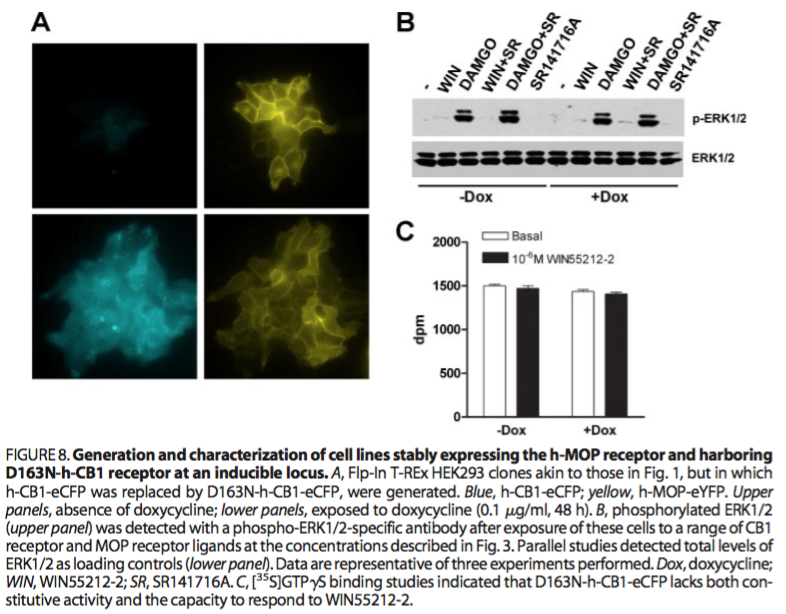
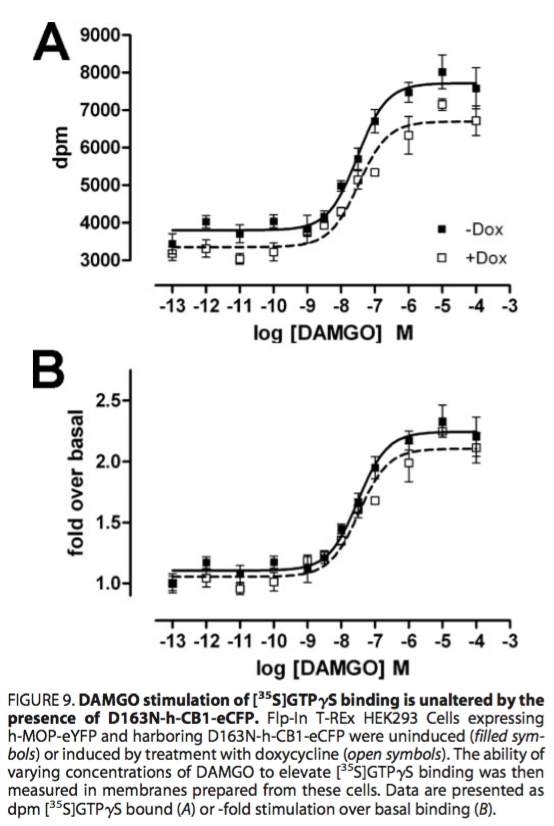
Constitutive Activity of the Cannabinoid CB1 Receptor Regulates the Function of Co-expressed Mu Opioid Receptors
Summary info:
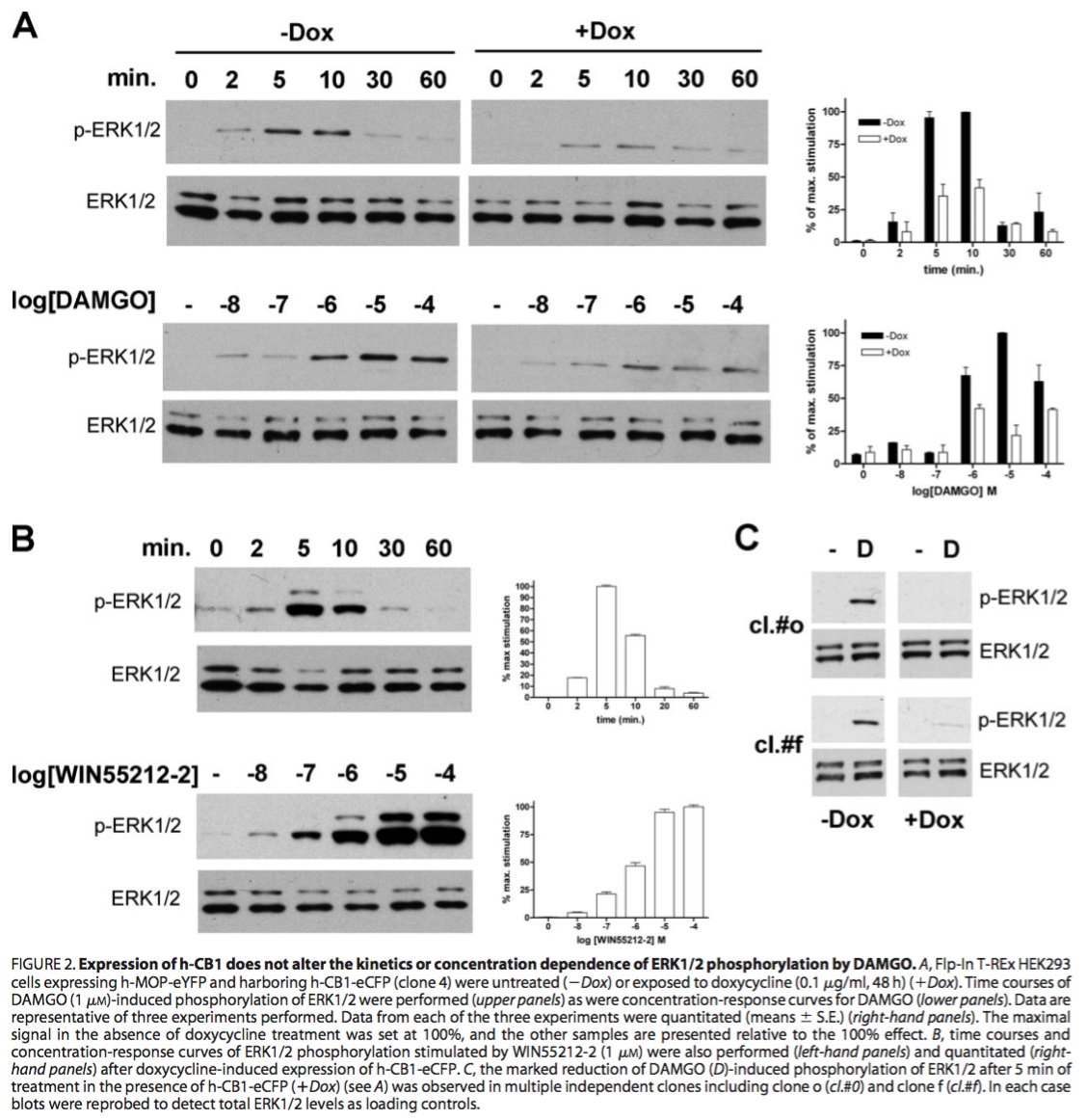
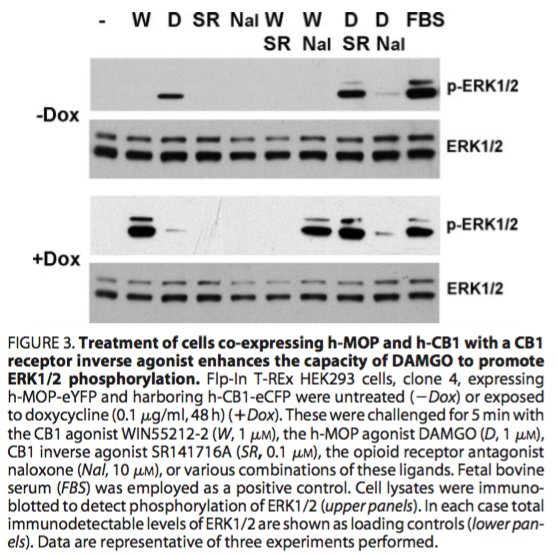
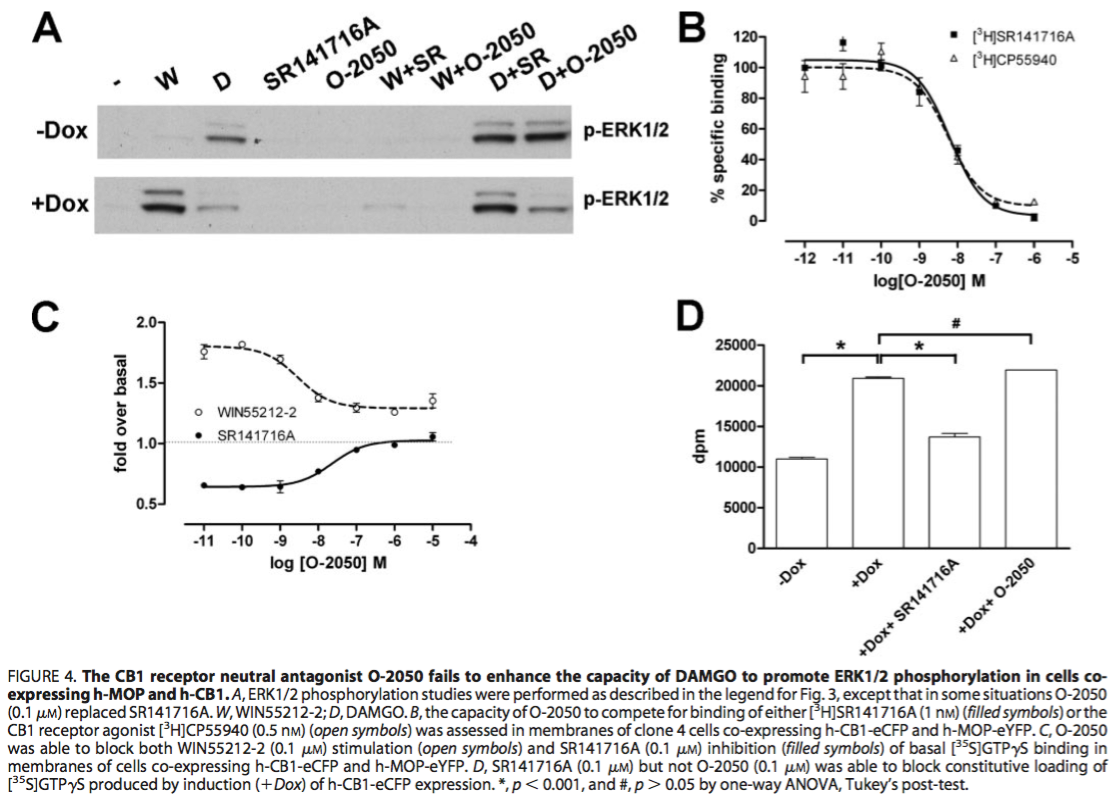
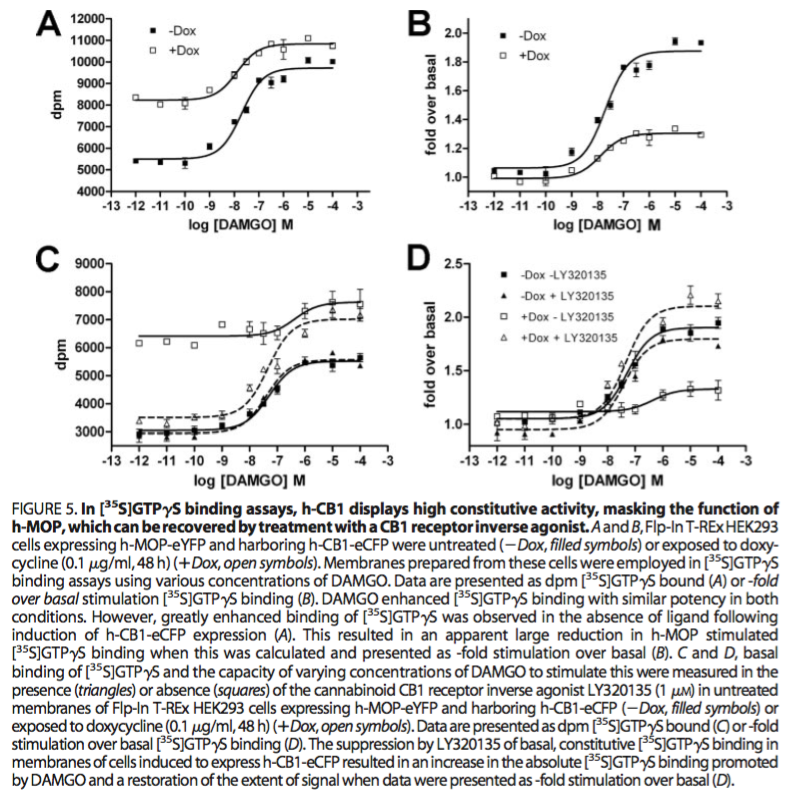
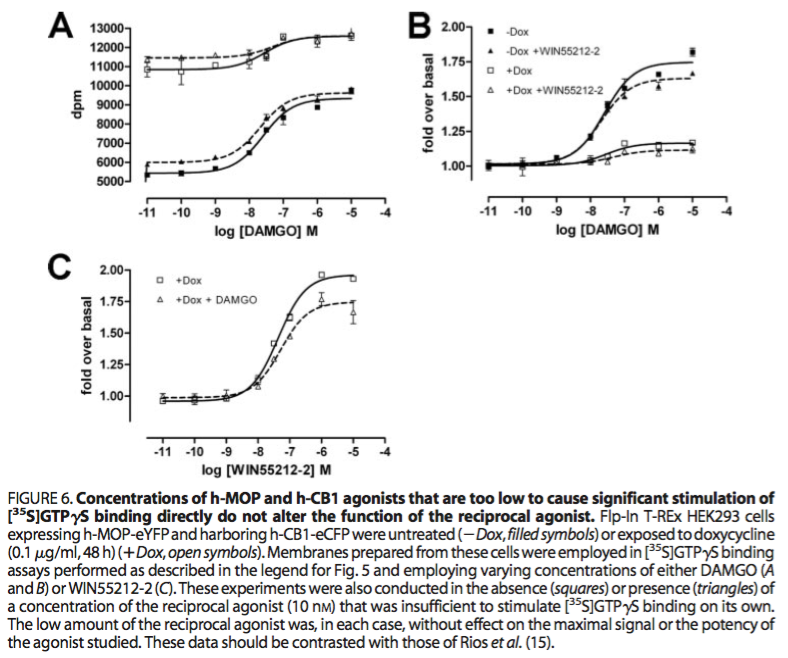
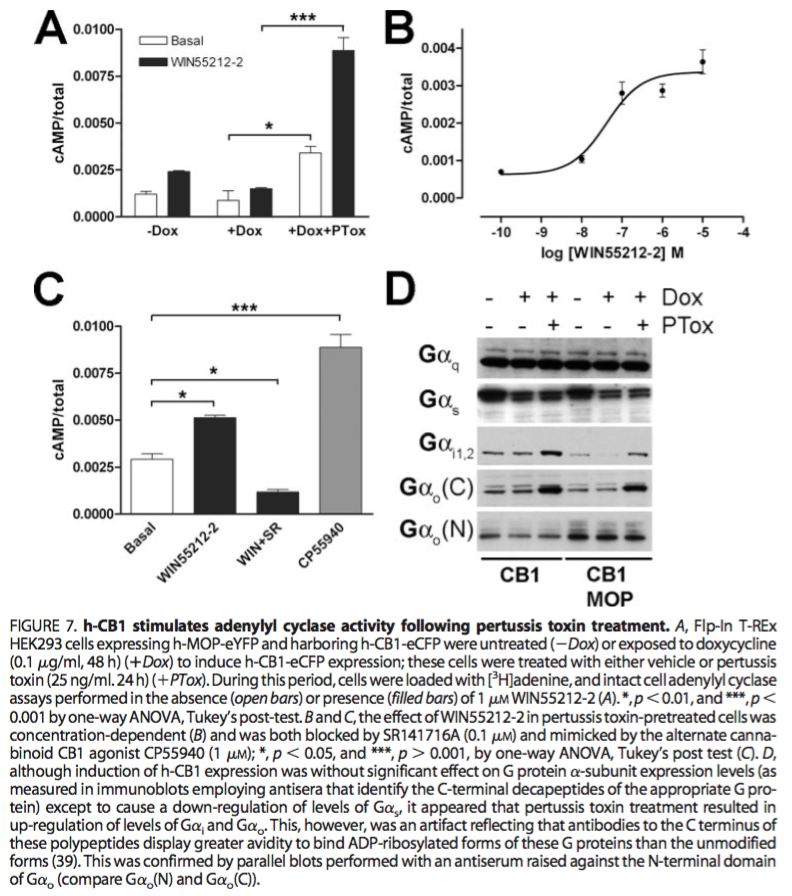
Cannabinoid receptors have been found to regulate the function of co-expressed mu-opioid receptors. Researchers have found data that indicates the constitutive activity within the cannabinoid system reduced the capacity of expressed mu-opioid receptor functions. This research brings to light the possible benefits of modulating opioid consumption with cannabis-based medicines.
Dr Caplan Discussion Points:
One of the interesting discussion points in this paper is a close look at the effects of the CB1 receptor and its capacity to reduce the function of some mu-opioid receptors, through a mechanism different than naloxone. This suggests some appropriate optimism for cannabinoid-based tools in the battle against the worldwide opioid epidemic.
Though cannabis has many medical benefits, using the drug without professional guidance can cause serious harm. Watch this video to learn about 4 major risks associated with recreational cannabis use
Benjamin Caplan, MDVideo: 4 major risks of recreational cannabis use
“Pancreatic cancer is particularly refractory to modern therapies, with a 5-year survival rate for patients at a dismal 8%. One of the significant barriers to effective treatment is the immunosuppressive pancreatic tumor microenvironment and development of resistance to treatment. New treatment options to increase both the survival and quality of life of patients are urgently needed. This study reports on a new non-cannabinoid, non-psychoactive derivative of cannabis, termed FBL-03G, with the potential to treat pancreatic cancer. In vitro results show major increase in apoptosis and consequential decrease in survival for two pancreatic cancer models- Panc-02 and KPC pancreatic cancer cells treated with varying concentrations of FBL-03G and radiotherapy. Meanwhile, in vivo results demonstrate therapeutic efficacy in delaying both local and metastatic tumor progression in animal models with pancreatic cancer when using FBL-03G sustainably delivered from smart radiotherapy biomaterials. Repeated experiments also showed significant (P < 0.0001) increase in survival for animals with pancreatic cancer compared to control cohorts. The findings demonstrate the potential for this new cannabis derivative in the treatment of both localized and advanced pancreatic cancer, providing impetus for further studies toward clinical translation.
Discussion highlights:
“From the results of this study, the key findings include, observation that a non-cannabinoid derivative of cannabis can enhance radiotherapy treatment outcomes in-vitro and in-vivo as highlighted in Figures 2, 4. Secondly, the sustained delivery of the cannabis derivative FBL-03G from smart radiotherapy biomaterials (SRBs) results in tumor growth inhibition of both locally treated and distant untreated tumors, with and without radiotherapy. The use of smart radiotherapy biomaterials (SRBs) (8, 23) was recently proposed as a novel approach to deliver cannabinoids, allowing for prolonged exposure of tumor cells to these cannabis derivatives, which is expected to be more effective (10). The FBL-03G payload used in this study is a flavonoid non- cannabinoid derivative of cannabis, and the potential to inhibit both local and metastatic tumor progression is remarkable, especially for pancreatic cancer, with a dismal 5-year survival rate of 8% (1).”
“While the results indicate that sustained exposure of tumor cells to FBL-03G can boost both local and metastatic tumor cell kill, the mechanism of such action needs to be further investigated. One hypothesis is that, FBL-03G can serve as an immunotherapy agent, inhibiting growth of locally treated and untreated tumors, representing metastasis. Metastasis accounts for most of all cancer-associated suffering and death, and questionably presents the most daunting challenge in cancer management. Henceforth, the observed significant increase in survival is promising, especially for pancreatic cancer which is often recalcitrant to treatments. Another hypothesis is that sustained delivery allows FBL-03G to reach the untreated tumor over a prolonged period as well. Either way, the FBL-03G results reveal a new potential non-cannabinoid cannabis derivative with major potential for consideration in further investigations in the treatment of pancreatic cancer, where new therapy options are urgently needed.”
Dr Caplan’s Take:
This article is one in a growing collection of impressive data that highlights a critical area of Medicine that has hidden from the scientific community for decades. The goal of the review is NOT to hail praise on cannabis as a panacea, nor even a sole treatment option, for pancreatic cancer. Rather, it highlights that it seems to be working effectively, both in living tumor cells in the lab and in animal models with live tumor cells. For a devastating illness that currently carries a grim prognosis, the proposition here is to learn more.
The milestones between pioneering scientific study and effective medication are many and there is much work to be done. Studies must be reviewed, criticized, replicated, integrated, before pioneering products can be developed, produced, tested, scaled, brought to market, marketed, sold, and consumed. The process is long, but at least there is a seed of hope at the beginning!