A 2019 study found that patients with early-stage psychotic disorders had lower levels of CB1-R (Cannabinoid Receptor – 1) compared to healthy individuals. These findings suggest that targeting CB1R with cannabis-based products could potentially treat psychotic disorders. Interestingly, reductions in CB1R levels were associated with greater symptom severity and poorer cognitive functioning but only in male patients. More research is needed into the intersections of gender and psychotic disorders.
A report published by the British Journal of Psychiatry in 2001 demonstrates the progress the medical community has made but also what gaps still need to be filled in when utilizing cannabis. This report found that excess consumption of cannabis leads to feelings of panic and anxiety and that 15% of those willing to respond to a survey experienced acute psychotic symptoms. It was also found that cannabis dependence can occur, as well as withdrawal, which can last for close to a week. This article was a review that synthesized relevant studies but also claimed that the casual conclusions of these papers were difficult to find or replicate.
This paper is interesting given its age considering it put out what was current data but then ended by stating the casual conclusions of each paper may not stand. 18 years later, some of the data has stood, and some have not. Users can gain a tolerance to cannabis but many are looking to mitigate it. The author uses the word dependence when discussing cannabis which is a word that holds weight and is up for debate. Intoxicating cannabinoids, like THC, affect the reward center, but non-altering cannabinoids, such as CBD, tend to work more noticeably outside of the brain, although all have mixed effects in both regions. Cannabinoids are not all the same, apply quite differently to various ailments, and have divergent effects. Blanketing an entire crop with a misinformed warning label seems irresponsible and unduly harsh. Users or those looking into cannabis-based medicine are encouraged to do their research.
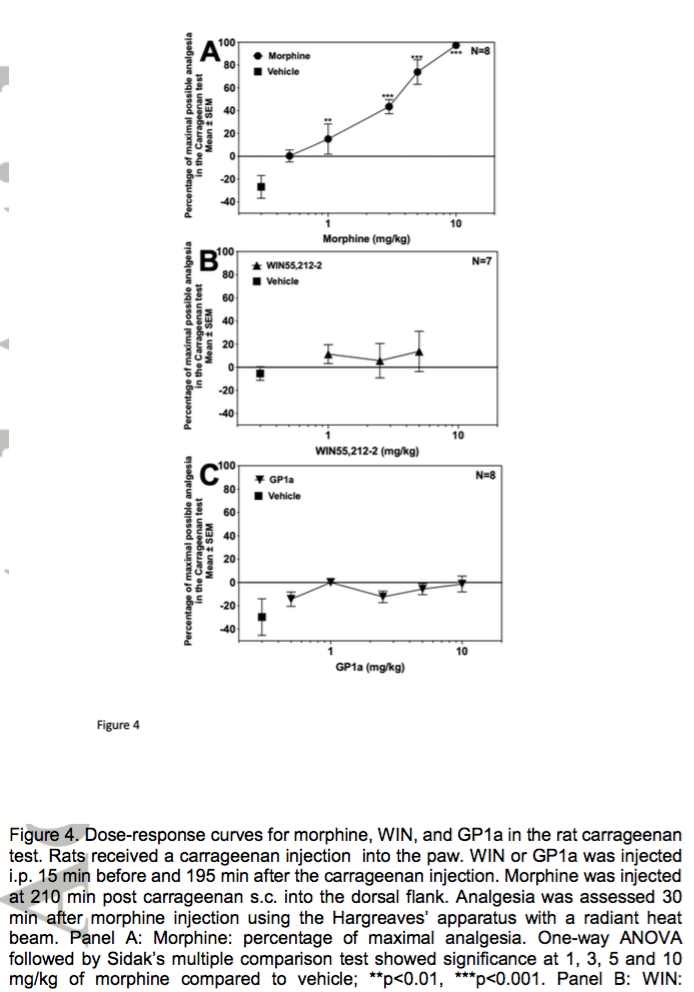
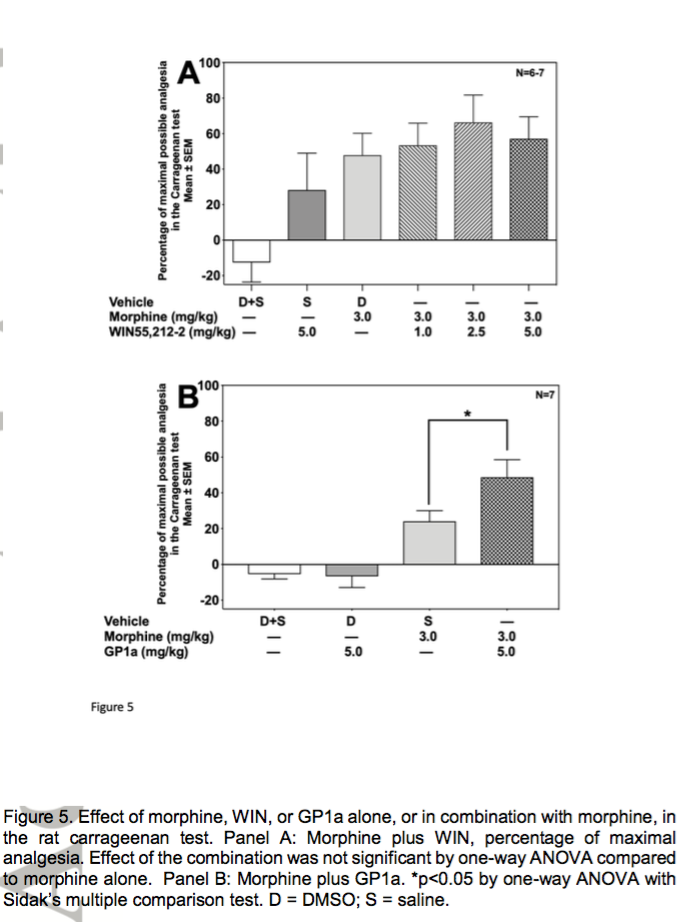
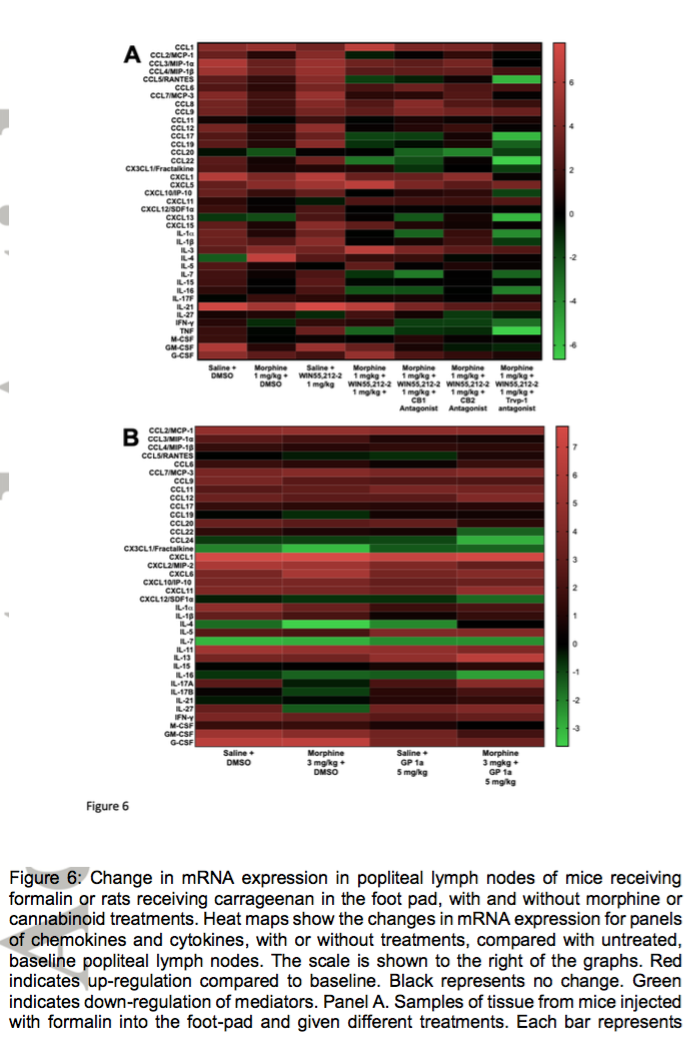
Opioid-Sparing Effects of Cannabinoids on Morphine Analgesia- Participation of CB1 and CB2 Receptors
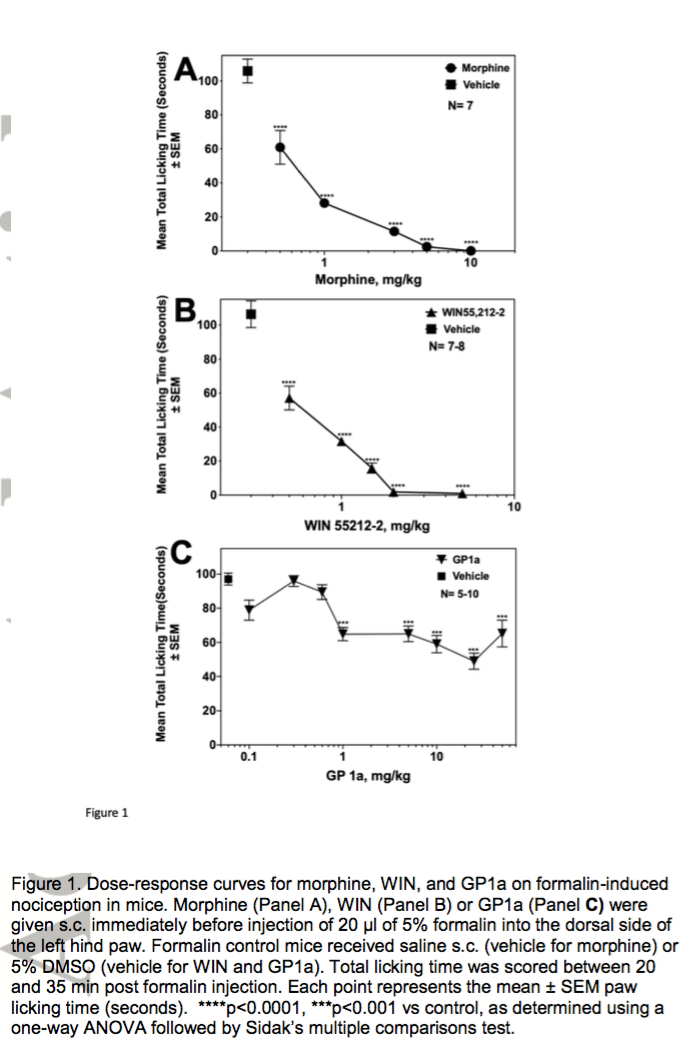
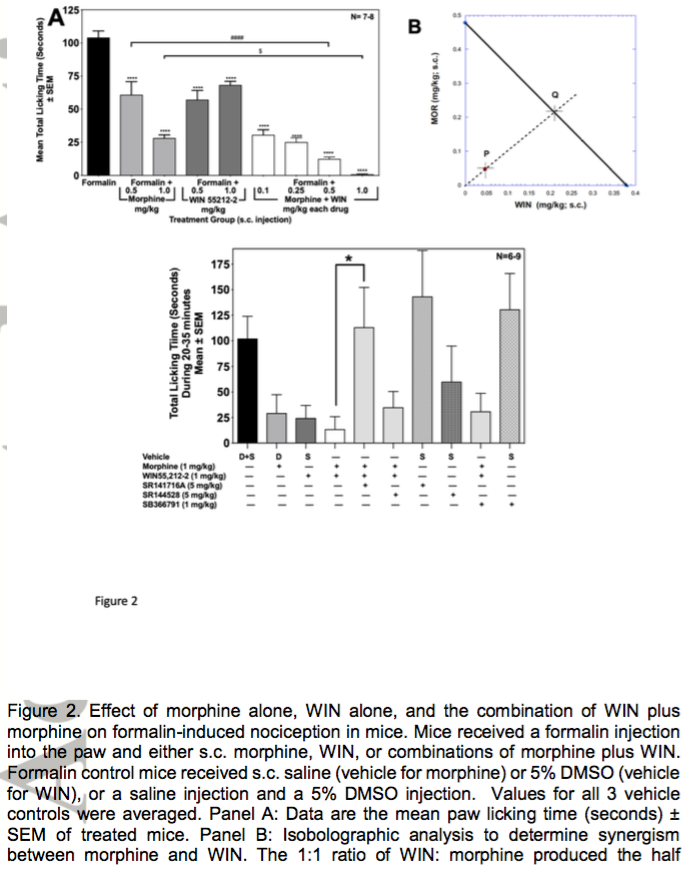
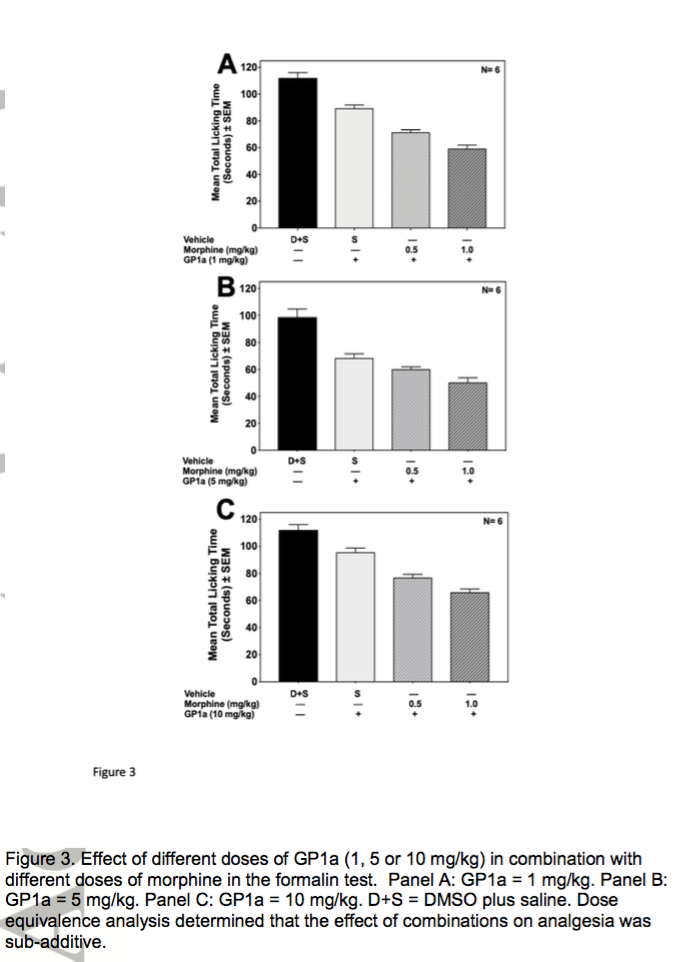
Researchers have recently provided evidence that synthetic cannabinoids are able to work synergistically with morphine to provide maximum pain relief while limiting opioid doses.
In an effort to control the current opioid epidemic researchers have been looking into the possible benefits of cannabinoids due to the interaction of the opioid and endocannabinoid systems. The results of this study showed that various synthetic cannabinoids (WIN and GP1a) were able to work synergistically with morphine in two separate pain models to maximize analgesic effects. Further evidence is still needed to validate these claims before patient use, but this paper provides further evidence that medical cannabis may help put an end to the opioid crisis.
Highlighted in this paper is the lingering uncertainty of exact mechanisms within the endocannabinoid system. The authors of this article are left without definite answers as to whether or not the analgesic effect is mediated completely through cannabinoid receptor 1 (CB1) or if cannabinoid receptor 2 (CB2) is also involved. Research into cannabinoids is slow within the United States, as there are currently only privately funded studies. This severely limits the medical community from a full understanding. The better a system is understood, the more concrete answers can be found. Critics may never support the rescheduling of cannabis but without moving cannabis to a Schedule II or III, it remains impossible to back even their claims.
A 2018 literature review summarizes the various ways patients can consume cannabis (orally, topically, etc.) and the pain reductions associated with each method. The review focuses on the treatment of multiple sclerosis, cancer, anorexia, arthritis, and other painful disorders.
Dr. Ernest found that 82% of her epileptic patients found cannabis treatment helpful, but she also found that many of them were unaware of the doses they were taking or the levels of THC and CBD. Doctors and patients alike need to learn about dosing to maximize their health benefits http://bit.ly/2J29kkB
To explore related information, click the keywords below:
Benjamin Caplan, MDPatients are Unclear on Cannabis Dosing
Cannabidiol: a hope to treat non‑motor symptoms of Parkinson’s Disease Patients
Cannabidiol (CBD) has recently been postulated as an ideal drug to address the treatment of non-motor symptoms of Parkinson’s Disease (PD) due to its multifaceted mechanism of action. The plethora of effects of CBD includes anti-inflammatory, neuroprotective, anxiolytic, and antipsychotic actions, which improve non-motor symptoms of PD and lift the quality of life for patients coping with the illness. Further research is recommended to garner support for FDA approval.
A recently published article serves as a call for research to be conducted to discover how cannabis could impact the management of bipolar disorder (BD). Presented in the article is a full review of the advantages and disadvantages of cannabis-based medicine in the treatment of BD and provides insight into possible mechanisms might affect the pathophysiology of the disorder. The insights listed within the article provide the rationale for examining the endocannabinoid system, specifically the cannabinoid receptor 2, with the hopes of finding therapeutic targets for mood control associated with BD.
A Budding Source of Targets for Treating Inflammatory and Neuropathic Pain ECS
The cannabinoid system provides momentum to develop cannabinoid-based medications to treat inflammatory and neuropathic pain as researchers continue to find promising therapeutic targets. These new targets may lead to the formation of novel pain-relief medications that may serve well to alleviate pain for those suffering from cancer, multiple sclerosis, and fibromyalgia. Cannabis-based pain medicine is also being researched for opioid-sparing effects and effectiveness in reducing the necessary dose of opioids.
A 2018 literature review summarizes the findings on cannabis and gut health. The endocannabinoid system plays a key role in gut motility, obesity, and inflammatory bowel disease (IBD). Targeting the endocannabinoid system with CBD oil or other cannabinoids seems to reduce colonic inflammation and relieve stress, at a microscopic level, inside the gastrointestinal tract. Watch our video adaptation of the effects of cannabis on IBD:
Preliminary testing shows positive results towards using CBD as an antibiotic topically, but also potentially to deal with systematic infections, such as pneumonia, using oral dosing. One of the present concerns is the struggle of getting permits to handle these cannabinoids to do further testing.
While these specific findings have not yet been published in a peer-review journal, this is far from the first time we have seen antimicrobial activity associated with plants or with cannabis. Evolutionarily, this trait is believed to be adaptive for the plant, and within cannabinoid, terpenoid, and flavonoid compounds, this activity has been demonstrated reproducibly, both in the lab and in clinic. http://bit.ly/2LbTwxm
To explore related information, check the CED Foundation MMJ archive to search, or click the keywords below:
Benjamin Caplan, MDCBD antibacterial properties, topically