Cannabis Science

Does Cannabis affect blood pressure, heart rate, brain blood flow?

Article title: Acute Cardiovascular Effects of Marijuana Use

The Review:

The authors of this systematic review combed through multiple previously published studies, looking at the short-term cardiovascular effects of THC on the body. The cardiovascular effects they covered included: changes in blood pressure, heart rate, and blood flow to the brain (cerebrovascular circulation).

This review showed that for blood pressure, the results were undecided, as some studied showed a drop in blood pressure, while others did not. For heart rate, the studies showed an increase after consuming marijuana, but quantity and duration were not mentioned. As for blood flow to the brain, only one study showed a potential decrease while the others found no change. The THC percentage of the products used (mainly inhaled ones) ranged from 1.2% to 17.5%.

Dr Caplan and the #MDTake:

This limited review aims to evaluate the effects of THC on blood pressure, heart rate and blood flow to the brain, but it has important limitations. In terms of how the changes were recorded in the studies and the relevant amounts (of what is changing) were not mentioned. For instance, while the study did show that THC may increase heart rate in the short term, it is not clear what the relevance is, what risk this may poses to consumers if any. Past literature has shown that heart muscle can respond to specific cannabinoids, both in the lab and in animals trails. Several case studies have reported individuals with grave reactions, although these concerns have yet to be replicated in a controlled manner, nor correlated with any specific circumstances or components of cannabis. Toward a goal of maximizing safety, caution is likely warranted for those consuming cannabis with known cardiac risk factors (including heart dysfunction, blood pressure concerns, rhythm abnormalities, and others) particularly with regard to the consumption of high THC products.

Clinical Impressions:

Clinically, there is a distinct trend of people who have found heart rate effects with their cannabis use, mostly increased heart rates at the beginning of use (both when first beginning to consume cannabis as well as early on during an episode of consumption.) There seems to be a tolerance to the heart rate effects because many report that this effect wanes over time. There are a clear group of patients for whom cannabis lowers blood pressure, but also groups for who it either has no effect or increases blood pressure. The long-term trend again seems that tolerance plays a role in bringing all extremes to the middle ground. Regarding blood flow, there seems to be a clear increase in local blood flow with topicals and, at least among CED Clinic patients, no observable relationship between cannabis use and blood flow, from a macroscopic perspective.

View this review (yellow link) or download:

This paper is also stored here:    http://bit.ly/2MLkihz     inside the CED Foundation Archive

To explore related information, click the keywords below:

Benjamin Caplan, MDDoes Cannabis affect blood pressure, heart rate, brain blood flow?
read more

Is Sativex absorbed in the mouth or gut? To eat or not to eat beforehand?

Article Title: A meta-opinion: cannabinoids delivered to oral mucosa by a spray for systemic absorption are rather ingested into gastro-intestinal tract: the influences of fed/fasting states.

Sativex® spray is made of a 1:1 ratio of THC and CBD. It is marketed for use in the treatment of spasticity in patients with Multiple Sclerosis and is absorbed into the bloodstream through the oral mucosa. This absorption has the benefit of rapid absorption, as it avoids the slow process of digestion which is the typical path of absorption for edibles. This meta-opinion (expert opinion) review argues that Sativex is actually washed down by our saliva and digested through our gastrointestinal tract very much like edibles, and NOT merely absorbed in the mouth via oral mucosa, as the producers suggest. The authors reviewed several research studies which have found that the concentrations of THC and CBD in the body, following administration of Sativex differed if a patient had a meal or not beforehand. This would suggest that Sativex is indeed absorbed in the gastrointestinal tract, rather than merely through the oral mucosa.

How this matters to consumers:

Toward a goal of reproducible dosing and effects, consumers would do well to understand the effects of various methods of absorption. Specifically, it is helpful to know that the effect of Sativex may be delayed if it follows a meal.

View this review (yellow link) or download:

This paper is also stored here:    http://bit.ly/2MNjQ2u     inside the CED Foundation Archive

To explore related information, click the keywords below:
Benjamin Caplan, MDIs Sativex absorbed in the mouth or gut? To eat or not to eat beforehand?
read more

Exciting New Cannabis Compound with Great Therapeutic Potential

Functionalized 6-(Piperidin-1-yl)-8,9-Diphenyl Purines as Peripherally Restricted Inverse Agonists of the CB1 Receptor

Summary information:

A recent study has developed a synthetic compound that can act as an inverse agonist (a reverse activator) of cannabinoid receptor 1 (CB1.) Considering how prevalent these receptors are in the body, this may serve as a useful treatment for a great many concerns that involve this receptor, and/or for altering the effects of other cannabinoid therapies. The developed compounds are orally bioavailable and peripherally selective for CB1, meaning they can be taken by mouth and can still have action in the periphery of the body, as opposed to simply at the brain’s receptors. The selectivity and therapeutic benefits of these novel compounds present a promising development for the potential treatment of metabolic syndrome, diabetes, liver diseases, and gastrointestinal disorders, to name but a few.

Dr Caplan’s Input:

We have CB1 receptors from head-to-toe, through every organ, and just about everywhere in the body. This article highlights a few interesting points. While we have compounds which can activate a target cannabinoid receptor, the action in this review is actually stimulating an opposite impact (activating the opposite action, or an “inverse agonist” effect.) Also, the concept of targeting central (at the brain) vs peripheral (everywhere else) has not been well-addressed yet in Cannabis Medicine. If we can separate the two targets easily, the options for applications of cannabinoid therapies multiplies, as does the opportunity to eliminate undesirable effects.

View this review (yellow link) or download:

This paper is also stored here:   http://bit.ly/2UmvClo      inside the CED Foundation Archive

To explore related information, click the keywords below:

Benjamin Caplan, MDExciting New Cannabis Compound with Great Therapeutic Potential
read more

The Cannabinoid System Provides Target for Novel Alzheimer’s Treatment

Discovery of novel benzofuran-based compounds with neuroprotective and immunomodulatory properties for Alzheimer’s disease treatment

A recent study has revealed that novel therapeutic methods that modulate the endocannabinoid system may help to treat Alzheimer’s disease. Researchers have isolated two compounds that provide neuroprotective benefits regulated by the endocannabinoid system. This treatment is specifically thought to slow the progression of the disease as it provides anti-inflammatory and neuroprotective effects that would prevent the aggressive degradation of the cholinergic system.  Further research will hopefully continue to expand on findings such as these, toward the development of much-needed medications. 

View this review (yellow link) or download:

This paper is also stored here:     http://bit.ly/2HreN39    inside the CED Foundation Archive

To explore related information, click the keywords below:

Benjamin Caplan, MDThe Cannabinoid System Provides Target for Novel Alzheimer’s Treatment
read more

Cannabinoid Receptors Regulating the Function of Opioid Receptors

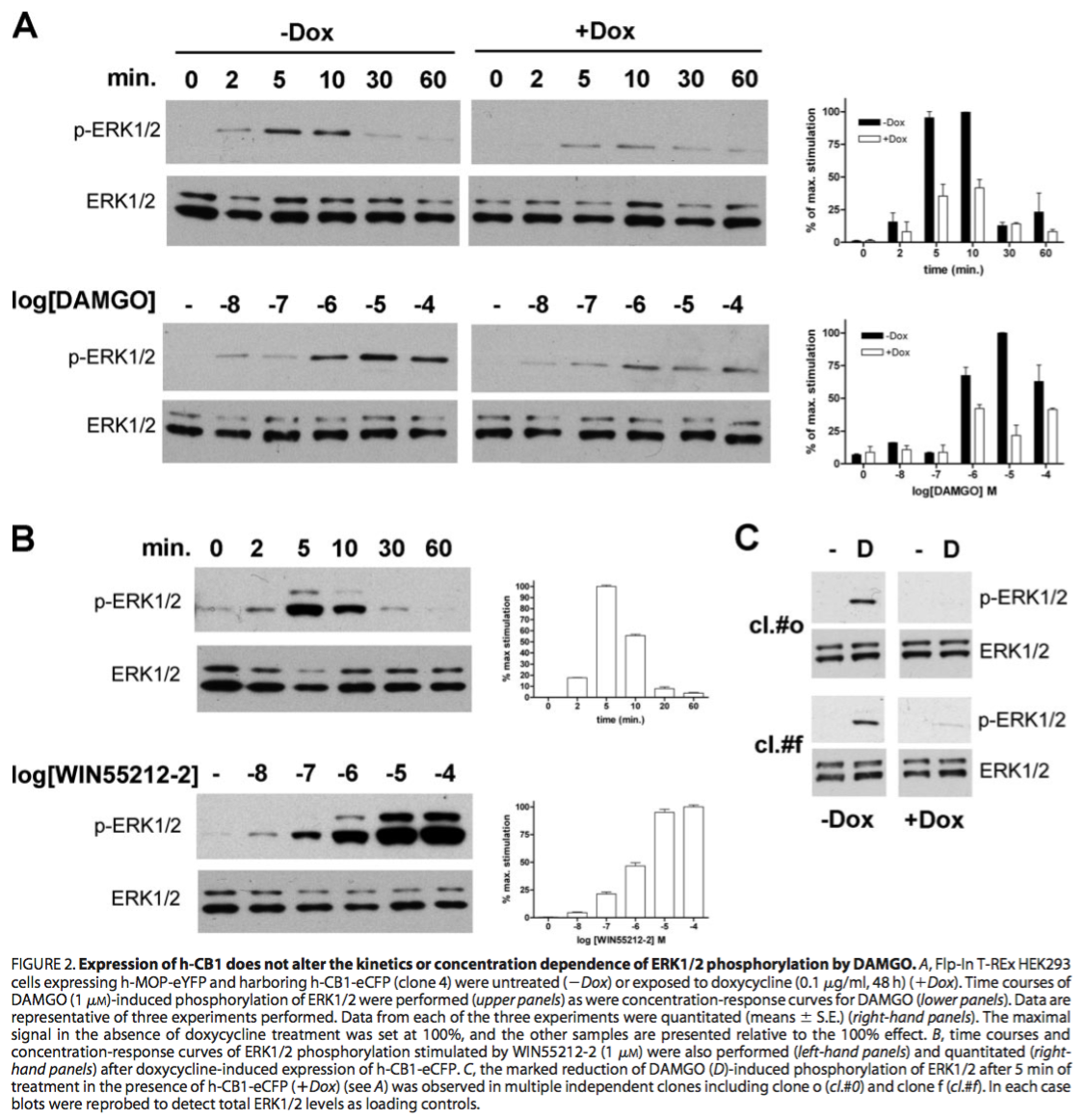
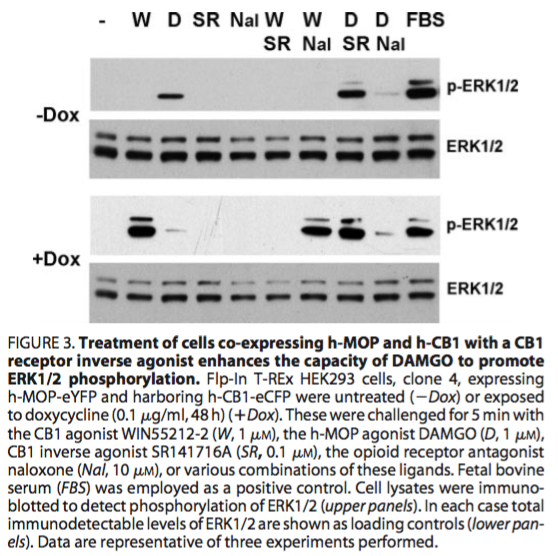
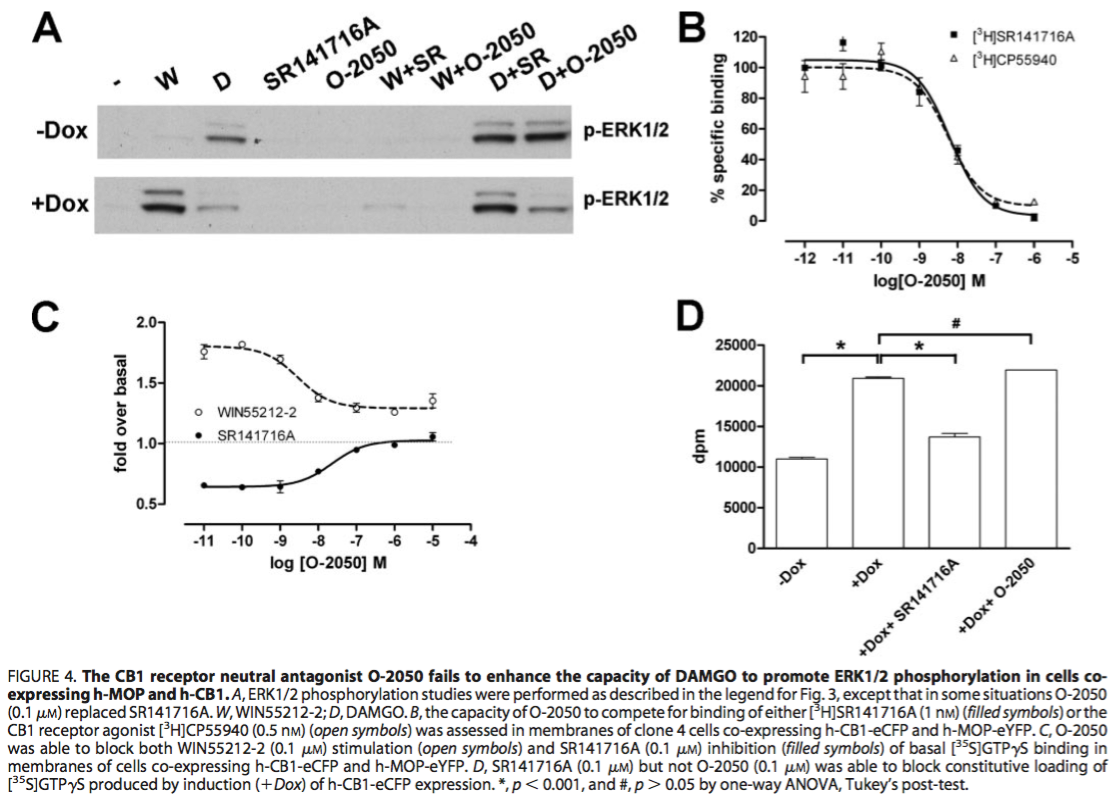
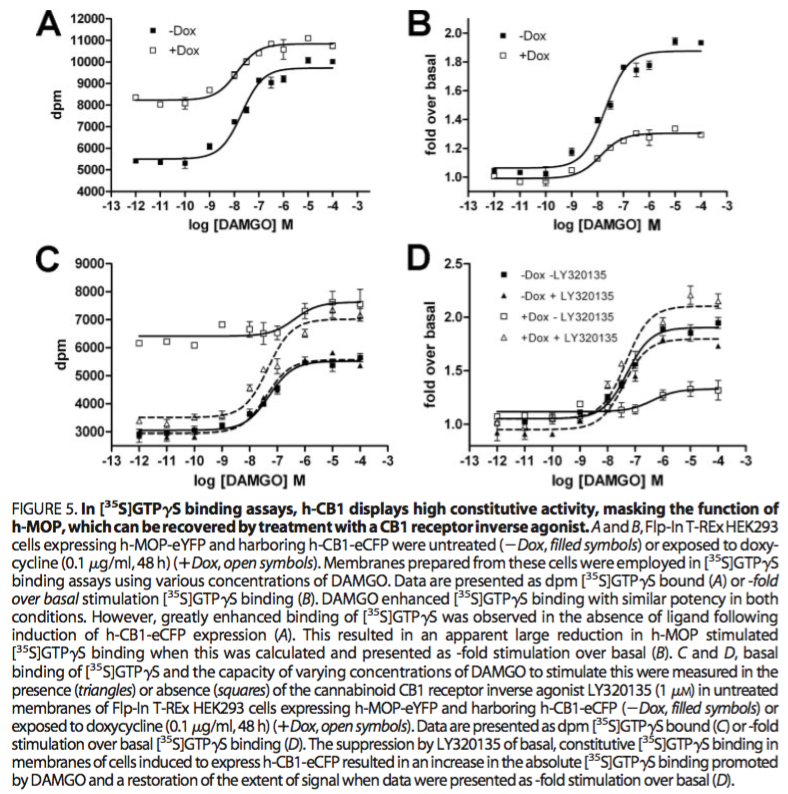
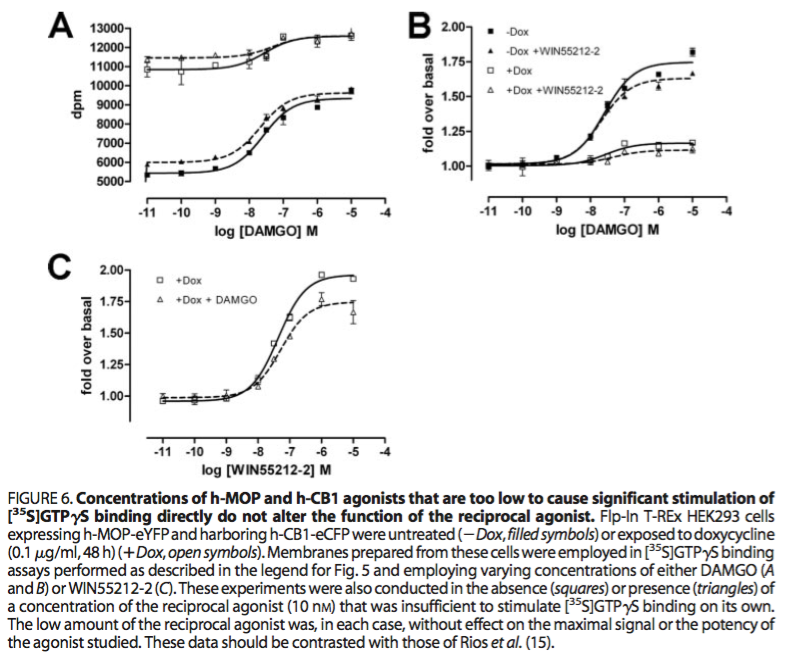
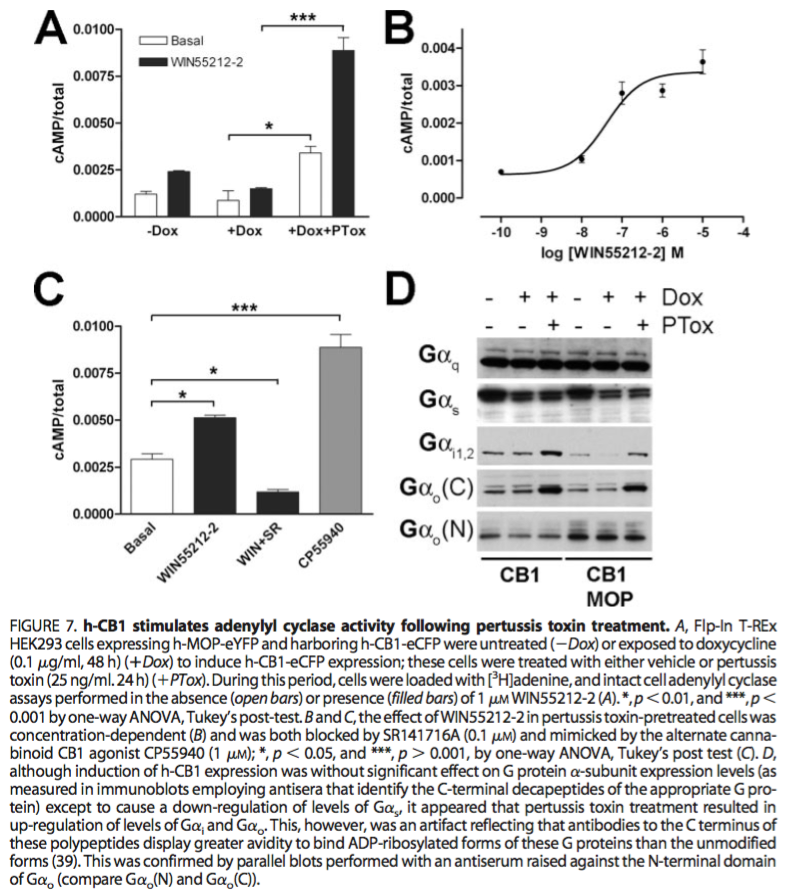
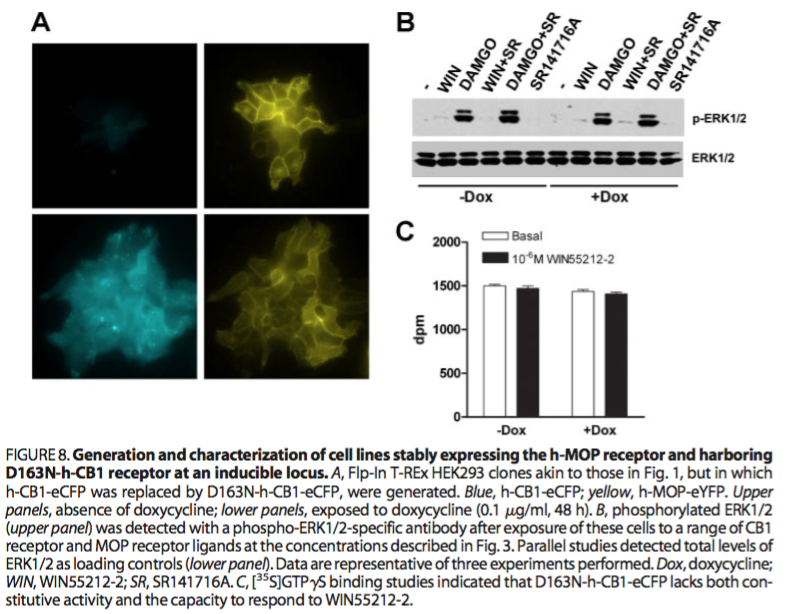
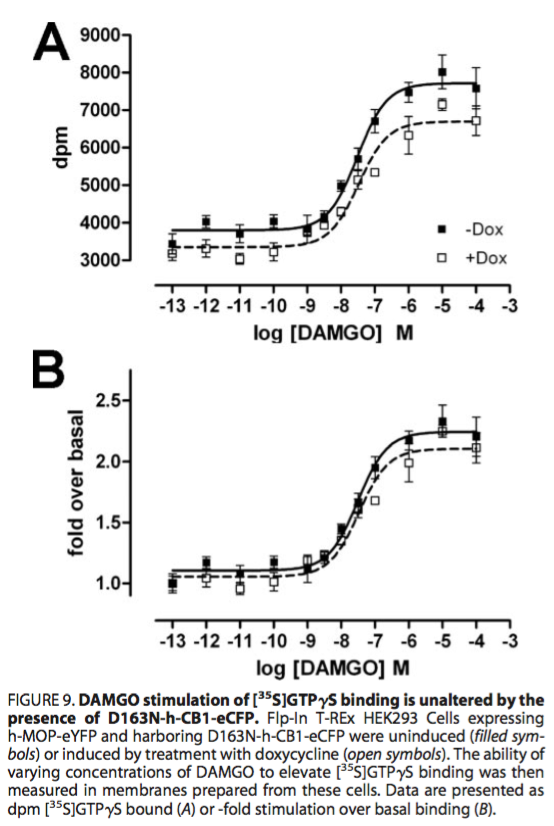
Constitutive Activity of the Cannabinoid CB1 Receptor Regulates the Function of Co-expressed Mu Opioid Receptors

Summary info:

Cannabinoid receptors have been found to regulate the function of co-expressed mu-opioid receptors. Researchers have found data that indicates the constitutive activity within the cannabinoid system reduced the capacity of expressed mu-opioid receptor functions. This research brings to light the possible benefits of modulating opioid consumption with  cannabis-based medicines. 

Dr Caplan Discussion Points:

One of the interesting discussion points in this paper is a close look at the effects of the CB1 receptor and its capacity to reduce the function of some mu-opioid receptors, through a mechanism different than naloxone. This suggests some appropriate optimism for cannabinoid-based tools in the battle against the worldwide opioid epidemic.

Learn more at http://bit.ly/2wRsbbt 

View this review (yellow link) or download:

This paper is also stored here:   http://bit.ly/2Hqu8Bn      inside the CED Foundation Archive

To explore related information, click the keywords below:

Benjamin Caplan, MDCannabinoid Receptors Regulating the Function of Opioid Receptors
read more

Natural & Cannabinoid Changes in Dopamine: A key to the psychosis question?

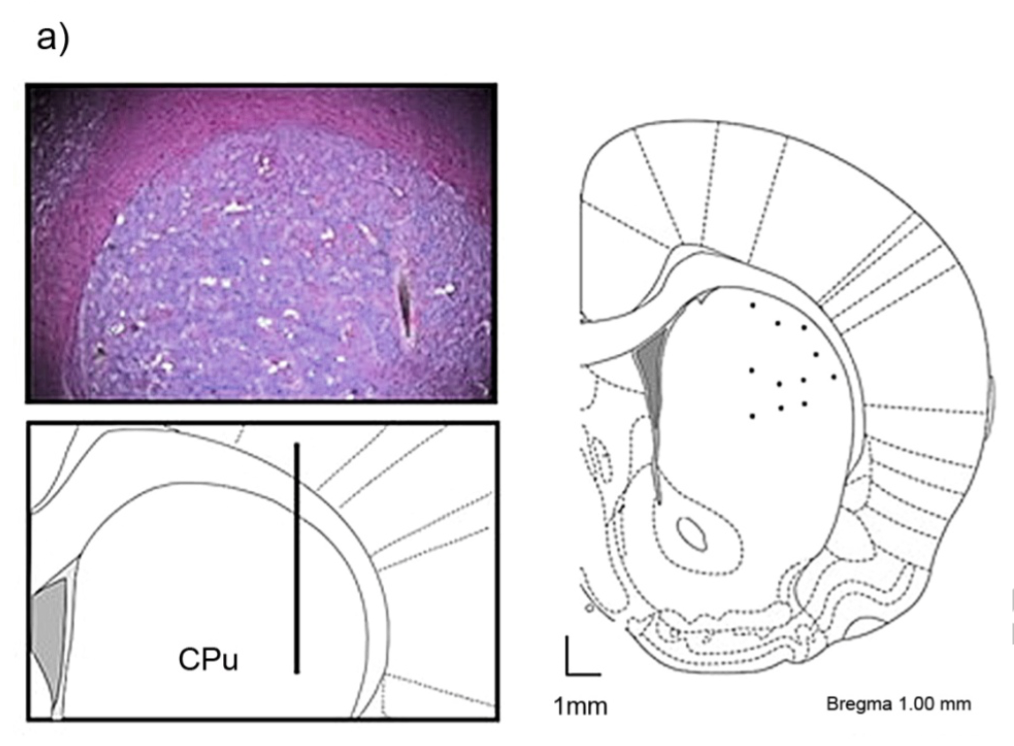
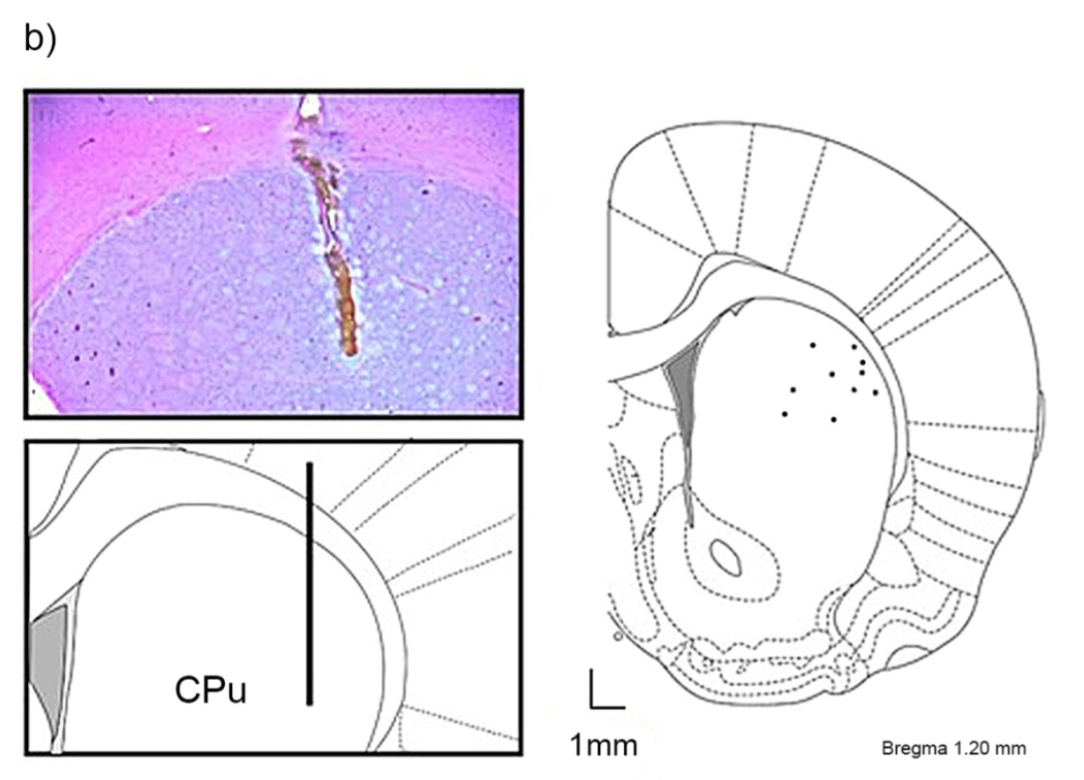
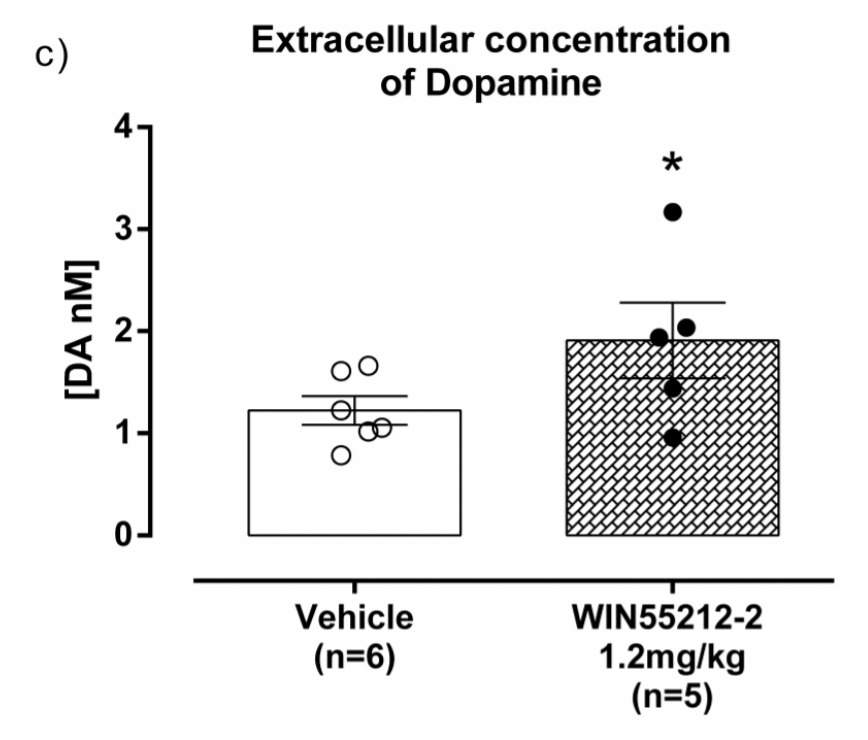
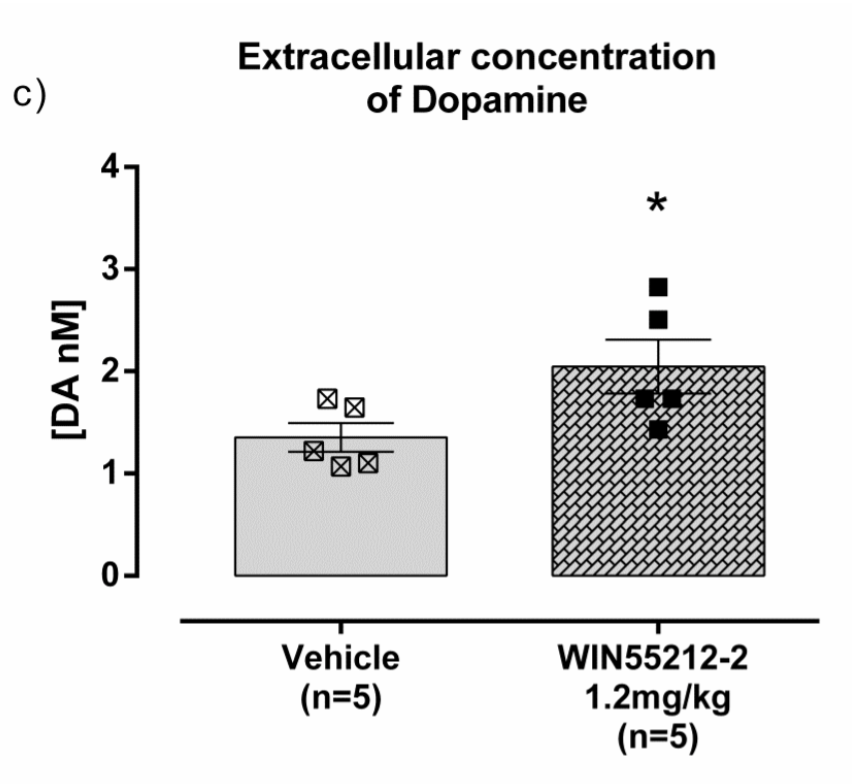
Comparing dopaminergic dynamics in the dorsolateral striatum between adolescent and adult rats- Effect of an acute dose of WIN55212-2

Brief summary:

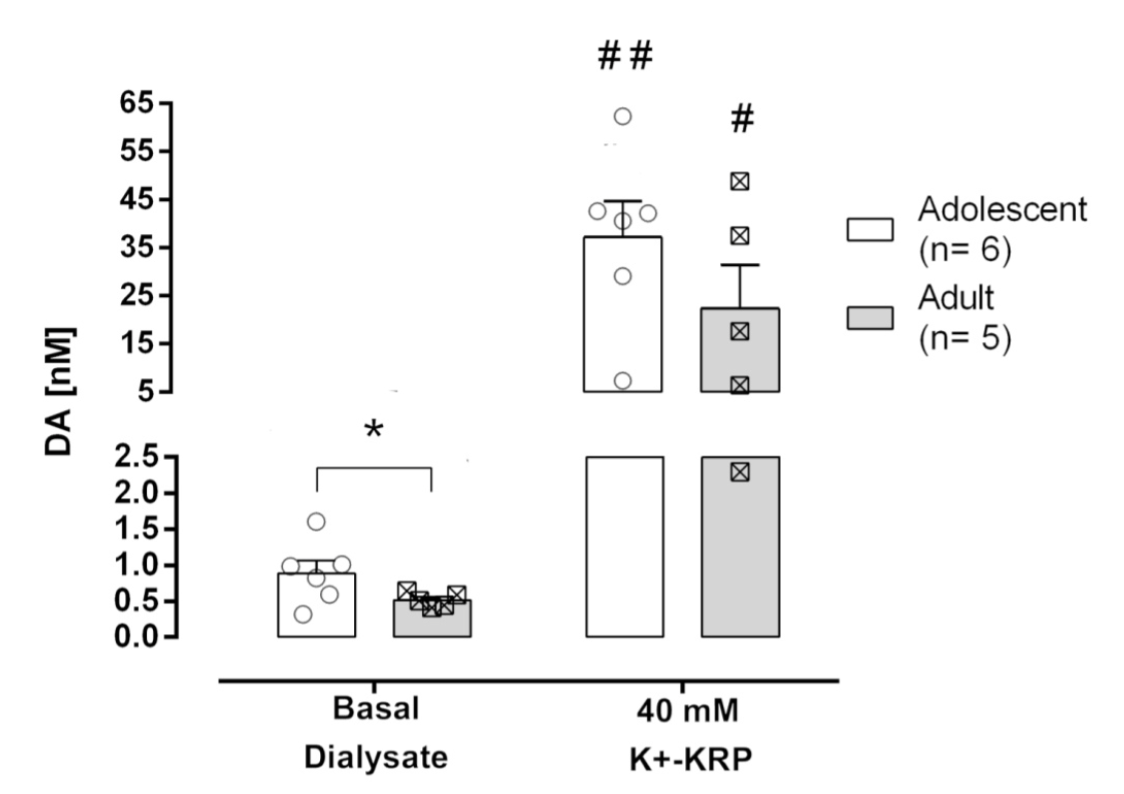
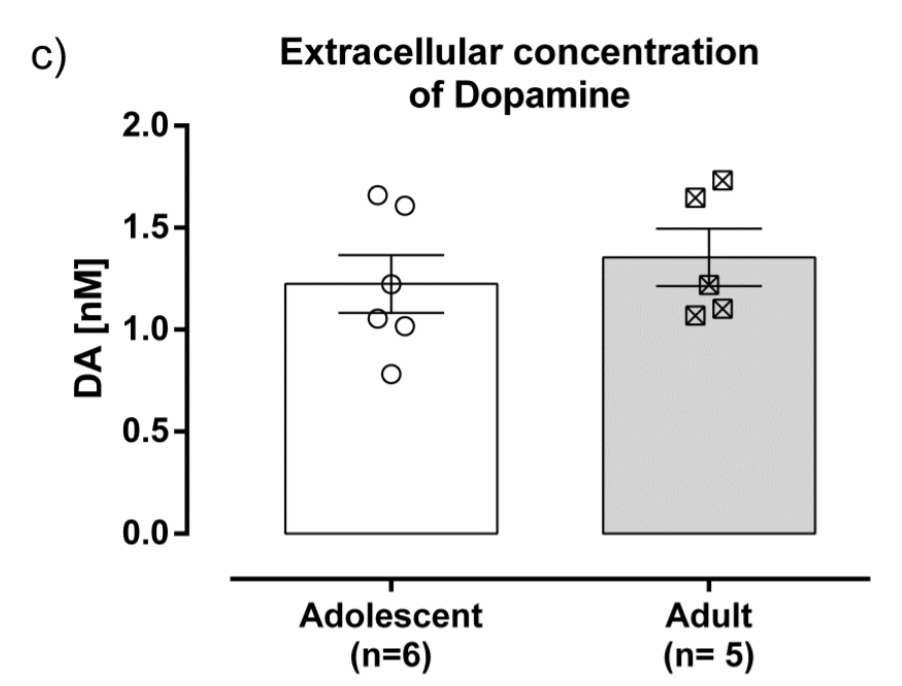
A recent study has exposed an age-dependent mechanism within the dopaminergic system that relies on cannabinoid receptor 1 (CB1). Adult and adolescent dopamine levels were examined in the presence of a CB1 agonist and increased levels of extracellular dopamine were found in adolescents. This study reveals the different effects cannabis-based medicine has depended on the age of the patient and warrants future research to ensure cannabis has the desired therapeutic effect on patients.   

Dr Caplan Discussion Points:

This adds a helpful layer of insight to the way an animal model of dopamine changes over time, as well as its interaction with exogenous cannabinoids. This sheds light on the natural evolution of the dopamine control system (irrespective of how it interacts with endocannabinoids), and it also points to how cannabinoids may be involved.

This helps to educate the discussion about how psychosis and cannabis use may interact. There is a long-held understanding that dopamine abnormalities in the specific parts of the brain (mesolimbic and prefrontal brain regions) exist in schizophrenia. More recently, research has also strongly suggested that other neurotransmitters, including glutamate, GABA, acetylcholine, and serotonin are also involved in schizophrenia (and, coincidentally, there is also interaction with these other neurotransmitters from various components of cannabis). Nonetheless, this study simply suggests that, by nature, basal dopamine levels increase during adolescence. Also, the study points out that some cannabinoids boost basal levels too. It seems logical to suggest that excessive dopamine may create a problematic force of additional tipping toward illness, within individuals for whom a congenital predisposition toward illness exists.

View this review (yellow link) or download:

This paper is also stored here:    http://bit.ly/2HpWqM5     inside the CED Foundation Archive

To explore related information, click the keywords below:

Benjamin Caplan, MDNatural & Cannabinoid Changes in Dopamine: A key to the psychosis question?
read more

Video: 4 major risks of recreational cannabis use

Though cannabis has many medical benefits, using the drug without professional guidance can cause serious harm. Watch this video to learn about 4 major risks associated with recreational cannabis use

Benjamin Caplan, MDVideo: 4 major risks of recreational cannabis use
read more

Flavonoid Treatment for Pancreatic Cancer?

“Study on cannabis chemical as a treatment for pancreatic cancer may have ‘major impact,’ Harvard researcher says”

The article:

https://yhoo.it/2TQw0bo


The Science:

Abstract:

“Pancreatic cancer is particularly refractory to modern therapies, with a 5-year survival rate for patients at a dismal 8%. One of the significant barriers to effective treatment is the immunosuppressive pancreatic tumor microenvironment and development of resistance to treatment. New treatment options to increase both the survival and quality of life of patients are urgently needed. This study reports on a new non-cannabinoid, non-psychoactive derivative of cannabis, termed FBL-03G, with the potential to treat pancreatic cancer. In vitro results show major increase in apoptosis and consequential decrease in survival for two pancreatic cancer models- Panc-02 and KPC pancreatic cancer cells treated with varying concentrations of FBL-03G and radiotherapy. Meanwhile, in vivo results demonstrate therapeutic efficacy in delaying both local and metastatic tumor progression in animal models with pancreatic cancer when using FBL-03G sustainably delivered from smart radiotherapy biomaterials. Repeated experiments also showed significant (P < 0.0001) increase in survival for animals with pancreatic cancer compared to control cohorts. The findings demonstrate the potential for this new cannabis derivative in the treatment of both localized and advanced pancreatic cancer, providing impetus for further studies toward clinical translation.

Discussion highlights:

“From the results of this study, the key findings include, observation that a non-cannabinoid derivative of cannabis can enhance radiotherapy treatment outcomes in-vitro and in-vivo as highlighted in Figures 2, 4. Secondly, the sustained delivery of the cannabis derivative FBL-03G from smart radiotherapy biomaterials (SRBs) results in tumor growth inhibition of both locally treated and distant untreated tumors, with and without radiotherapy. The use of smart radiotherapy biomaterials (SRBs) (8, 23) was recently proposed as a novel approach to deliver cannabinoids, allowing for prolonged exposure of tumor cells to these cannabis derivatives, which is expected to be more effective (10). The FBL-03G payload used in this study is a flavonoid non- cannabinoid derivative of cannabis, and the potential to inhibit both local and metastatic tumor progression is remarkable, especially for pancreatic cancer, with a dismal 5-year survival rate of 8% (1).”

“While the results indicate that sustained exposure of tumor cells to FBL-03G can boost both local and metastatic tumor cell kill, the mechanism of such action needs to be further investigated. One hypothesis is that, FBL-03G can serve as an immunotherapy agent, inhibiting growth of locally treated and untreated tumors, representing metastasis. Metastasis accounts for most of all cancer-associated suffering and death, and questionably presents the most daunting challenge in cancer management. Henceforth, the observed significant increase in survival is promising, especially for pancreatic cancer which is often recalcitrant to treatments. Another hypothesis is that sustained delivery allows FBL-03G to reach the untreated tumor over a prolonged period as well. Either way, the FBL-03G results reveal a new potential non-cannabinoid cannabis derivative with major potential for consideration in further investigations in the treatment of pancreatic cancer, where new therapy options are urgently needed.”

Dr Caplan’s Take:

This article is one in a growing collection of impressive data that highlights a critical area of Medicine that has hidden from the scientific community for decades. The goal of the review is NOT to hail praise on cannabis as a panacea, nor even a sole treatment option, for pancreatic cancer. Rather, it highlights that it seems to be working effectively, both in living tumor cells in the lab and in animal models with live tumor cells. For a devastating illness that currently carries a grim prognosis, the proposition here is to learn more.

The milestones between pioneering scientific study and effective medication are many and there is much work to be done. Studies must be reviewed, criticized, replicated, integrated, before pioneering products can be developed, produced, tested, scaled, brought to market, marketed, sold, and consumed. The process is long, but at least there is a seed of hope at the beginning!

View this review (yellow link) or download:

This paper is also stored here:   http://bit.ly/2TPSY2t      inside the CED Foundation Archive

To explore related information, click the keywords below:

Benjamin Caplan, MDFlavonoid Treatment for Pancreatic Cancer?
read more

CED Foundation data share drive

This week, CED Foundation is sharing 558 reviews on the medicinal effects of a variety of terpenes (234 added just today)

The drive is free for all to educate. Search. Read. Share. Teach yourself. Help everyone Evolve.

http://bit.ly/33f9a1n

The full drive: tinyurl.com/DrCaplan

Benjamin Caplan, MDCED Foundation data share drive
read more