Cannabis News

Consuming CBD with THC Decreases Systemic Availability of THC

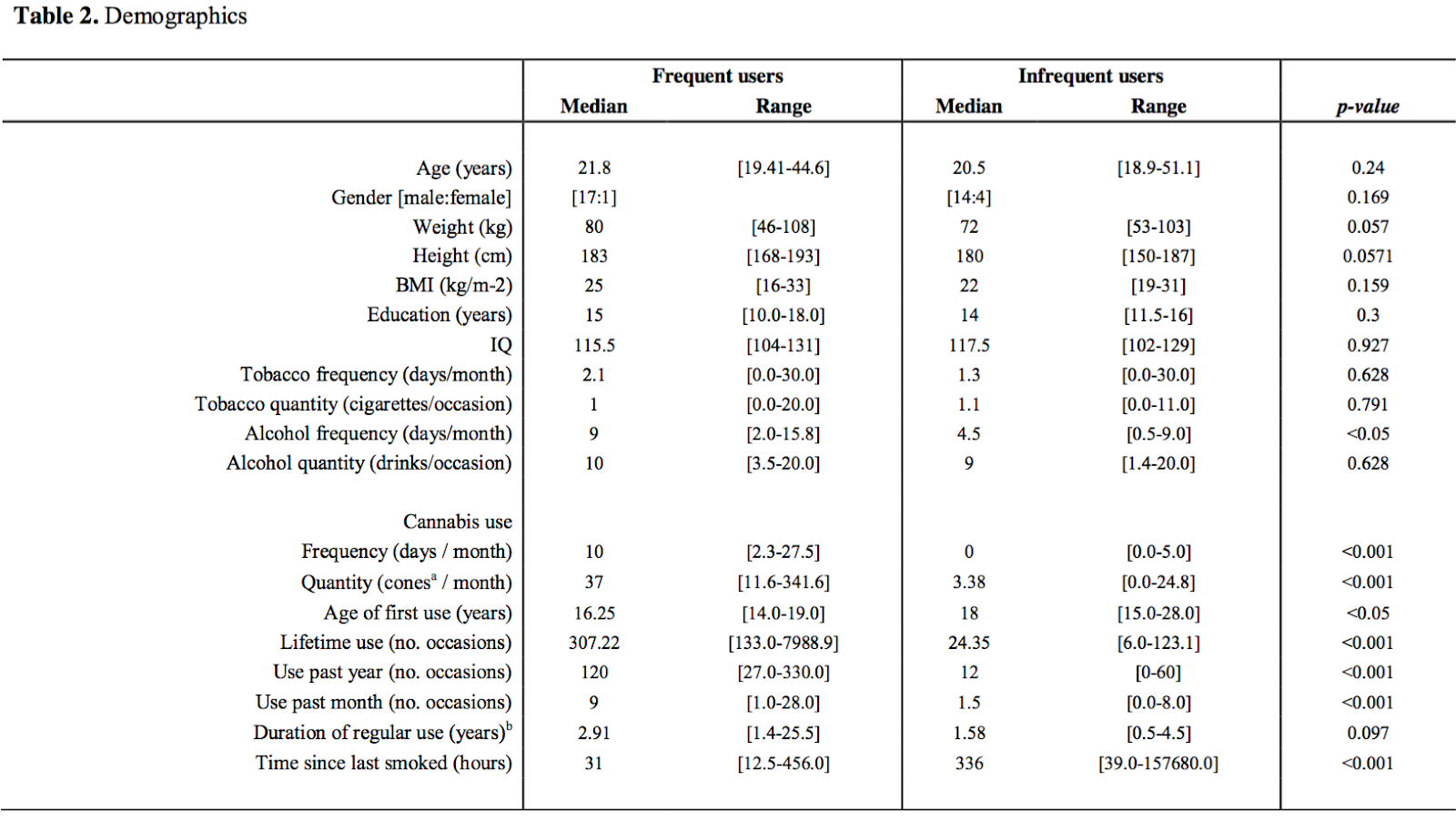
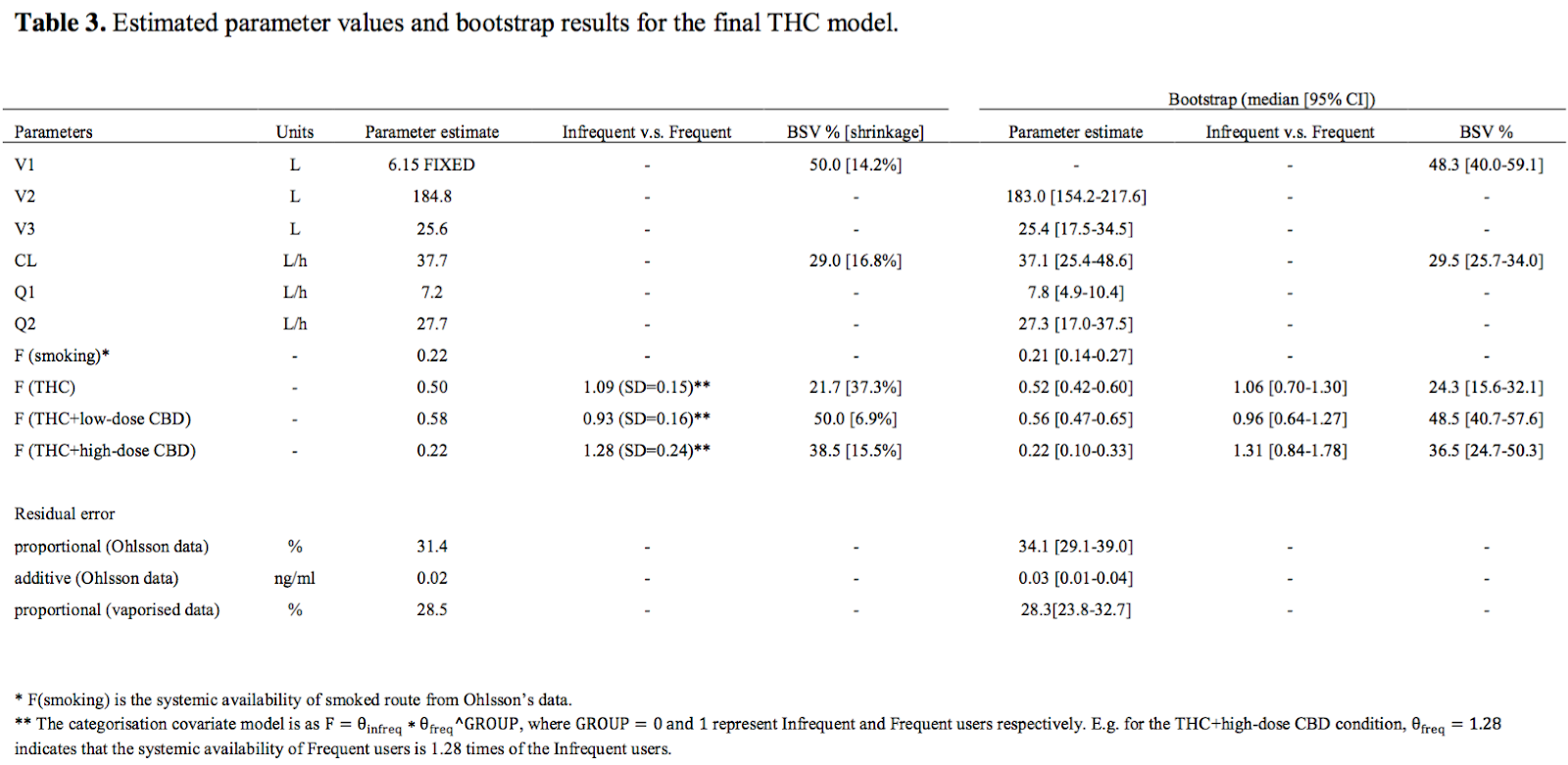
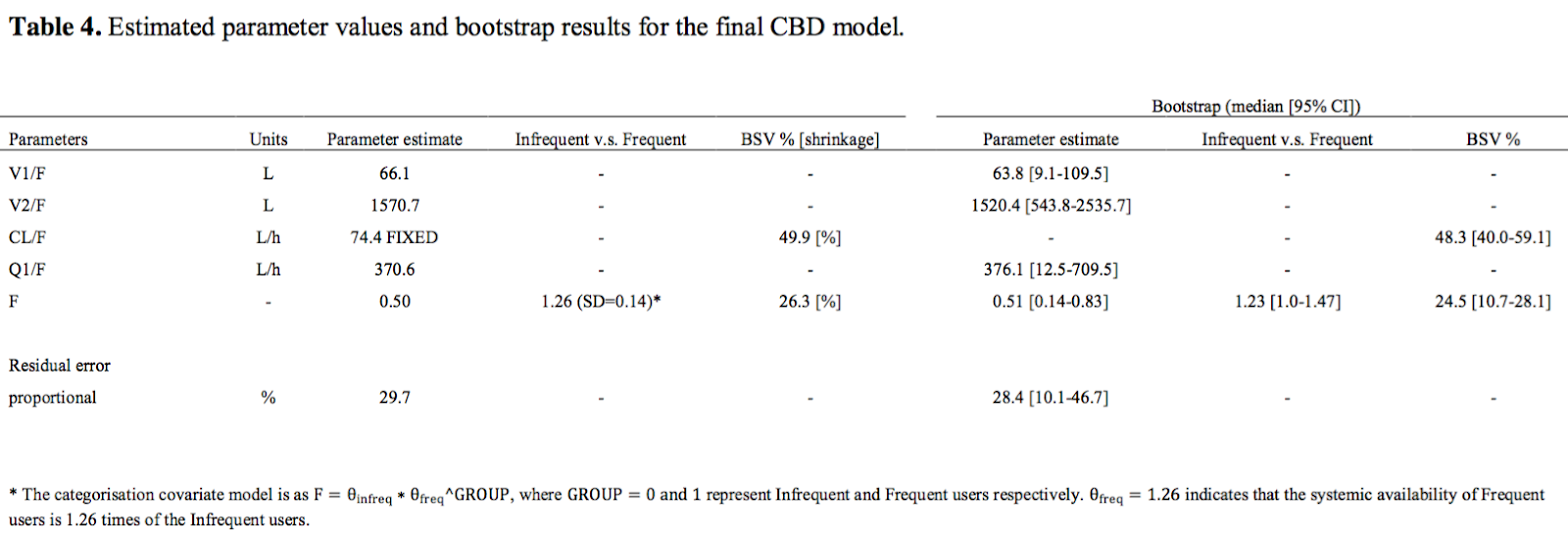
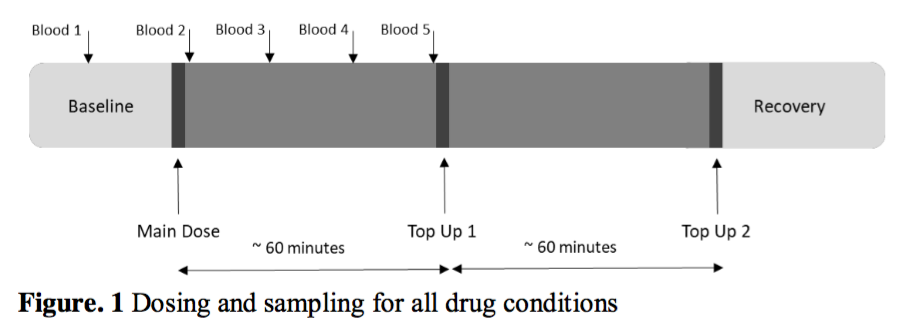
Title: Model-based analysis on systemic availability of coadministered cannabinoids after controlled vaporized administration 

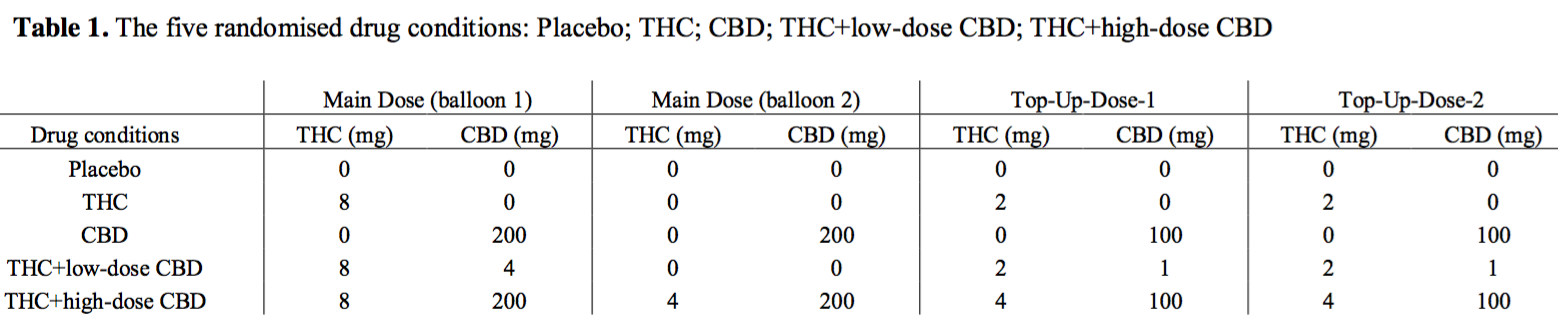
A new study revealed findings that vaporizing cannabidiol (CBD) with ∆-9-tetrahydrocannabinol (THC) lowers the systemic availability of THC.

Researchers analyzed the blood plasma level of CBD and THC in a randomized, double-blind study, and found that those who inhaled a high dose of CBD were found to have lower levels of THC. Frequent cannabis users were found to have only minorly decreased levels of THC in their plasma when high doses of CBD was coadministered. Future studies should be conducted to examine the validity of these results for other consumption methods. 

This work highlights how those who have consumed too much THC can combat some of the symptoms associated with THC by consuming CBD. Occasionally, cannabis users may overindulge in THC and feel anxiety, panic, or dizziness. One of the best ways to combat such overindulgence (and lower the effects of THC) is to consume a high dose of CBD. Other, non-cannabis related, methods are also commonly recommended, such as relaxation or food with high levels of the terpenes caryophyllene and limonene. When using cannabis it’s important to start low and go slow in order to minimize the possibility of overindulgence. 
View this review (yellow link) or download:

This paper is also stored here:   http://bit.ly/2xNCHkw      inside the CED Foundation Archive

To explore related information, click the keywords below:

Benjamin Caplan, MDConsuming CBD with THC Decreases Systemic Availability of THC
read more

Video: Medical Cannabis Around the Globe & Across Centuries

Throughout the ages, from health & wellness, religious rituals, and textile applications to the entertainment and social elements, cannabis has been a vital part of multiple sectors of human culture.

For millions, the modern cannabis revival is a welcome return home to a core element that has been missing for years.


View this review (yellow link) or download:

This paper is also stored here:     http://bit.ly/2l4Vgxq    inside the CED Foundation Archive

To explore related information, click the keywords below:
Benjamin Caplan, MDVideo: Medical Cannabis Around the Globe & Across Centuries
read more

Topical Cannabis to help heal chronic wounds

Another thoughtful piece by Abbie Rosner at Forbes, reviewing the healing of chronic wounds with topical cannabis treatments.

https://www.forbes.com/sites/abbierosner/2019/07/09/cannabis-based-medicine-a-breakthrough-for-healing-intractable-chronic-wounds/#7b1362bf9387

Benjamin Caplan, MDTopical Cannabis to help heal chronic wounds
read more

Current Numbers for Cannabis Use Among Pregnant Women in the United State

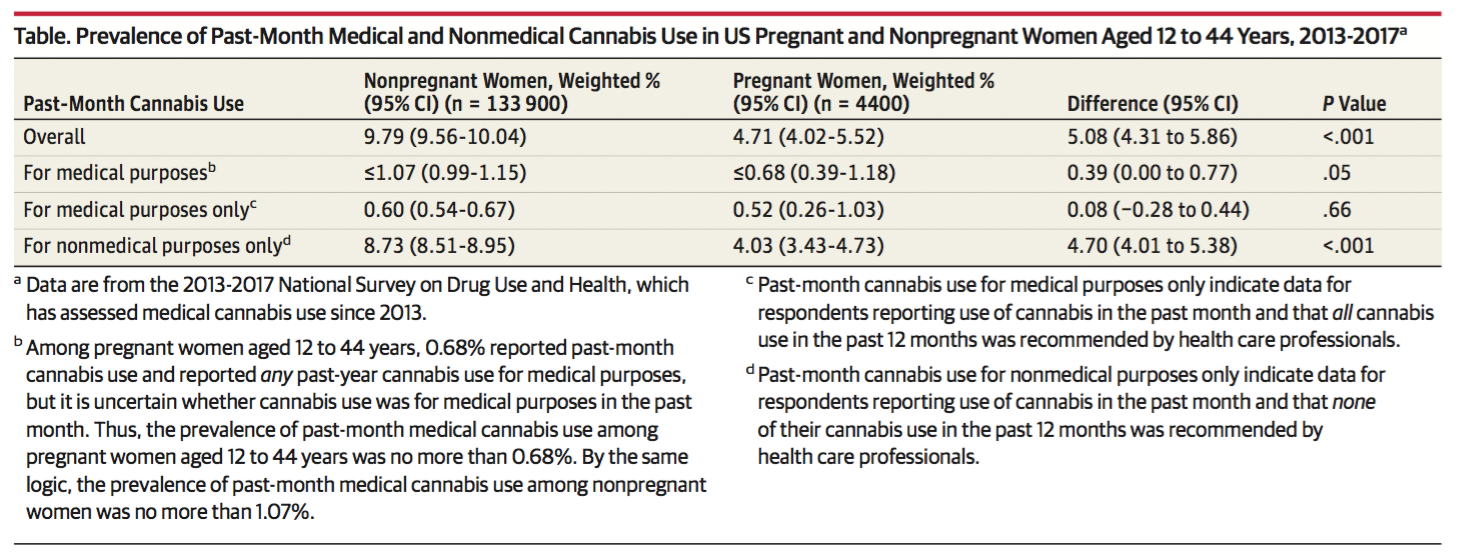
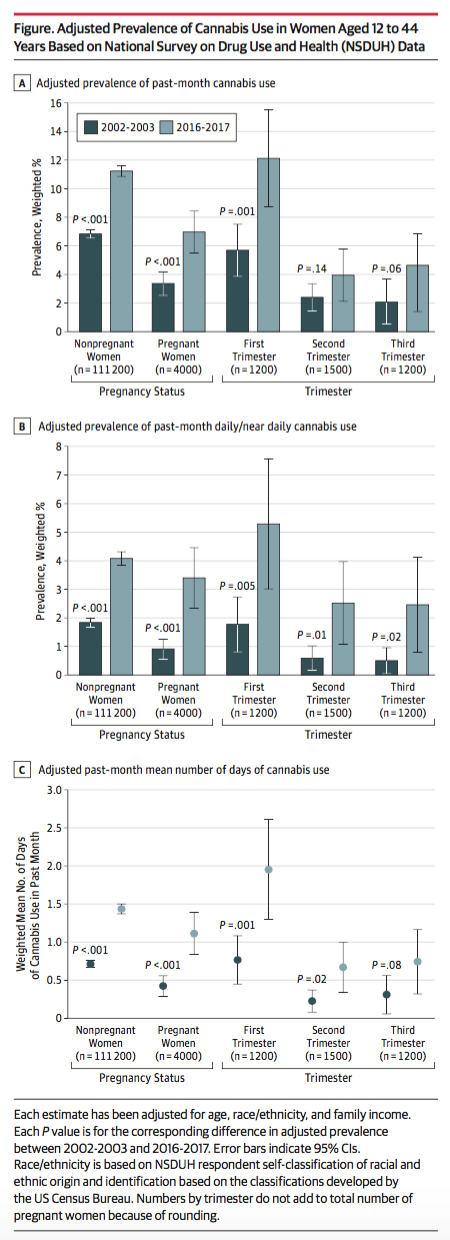
Self-reported Medical and Nonmedical Cannabis Use Among Pregnant Women in the United States 

An observational study has revealed that the prevalence and frequency of cannabis use in pregnant women have increased over the past two decades.

No trends were seen although except a slight decrease in fetal growth in women who frequently used during the first two trimesters. The data concerning fetal growth, such as length and weight, were not statistically significant and would require further studies to appropriately indicate a correlation between cannabis use and decreased fetal growth.

The authors acknowledge that cannabis use may suffer from recall bias as women may underestimate the amount of cannabis they consumed or purposely withheld some information due to stigma, although some of the surveyed women were using recommended medical cannabis.  

This article highlights the large issue surrounding women consuming cannabis while expecting. Cannabinoids are able to cross the placenta and therefore affect the fetus during development. The American College of Obstetrics and Gynecologists recommend the cessation of any cannabis consumption while pregnant although there has been limited data discussing the actual effects on fetal development. A previously featured article on this blog stated that cannabis use had no effect on birth outcomes but also noted uncertainty in the possible effect on fetal growth. Considering this uncertainty, physicians should push for more research so that women who take medical cannabis can accurately discern whether or not to cease consumption while pregnant. 

View this review (yellow link) or download:

This paper is also stored here:    http://bit.ly/2Xoo0mW     inside the CED Foundation Archive

To explore related information, click the keywords below:

Benjamin Caplan, MDCurrent Numbers for Cannabis Use Among Pregnant Women in the United State
read more

Cannabinoids have Opioid-Sparing Effects on Morphine Analgesia

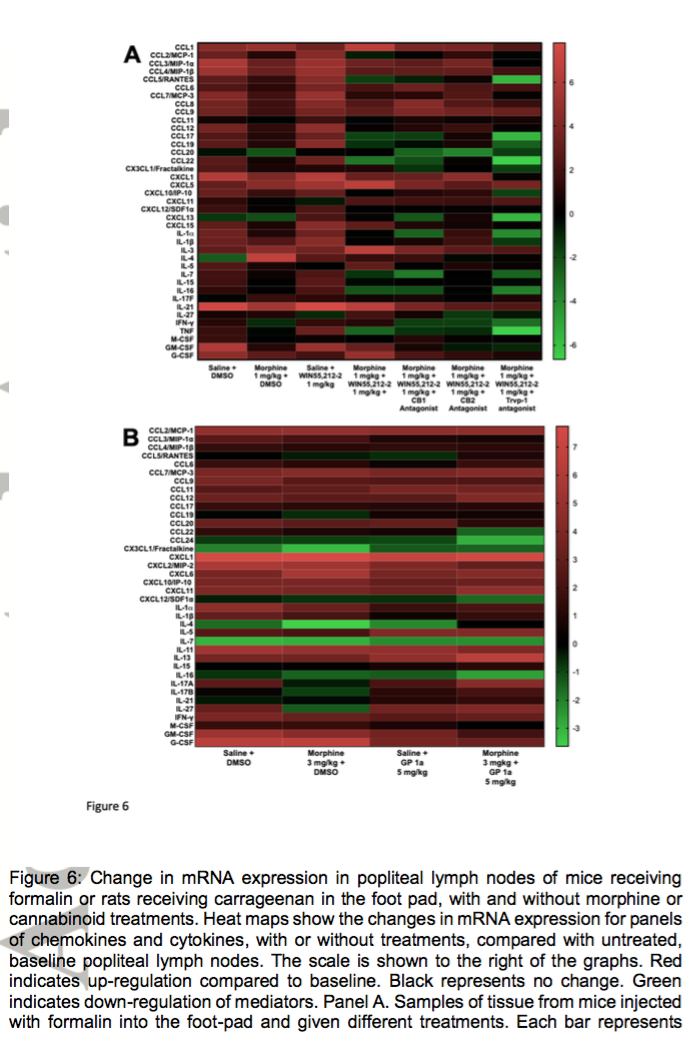
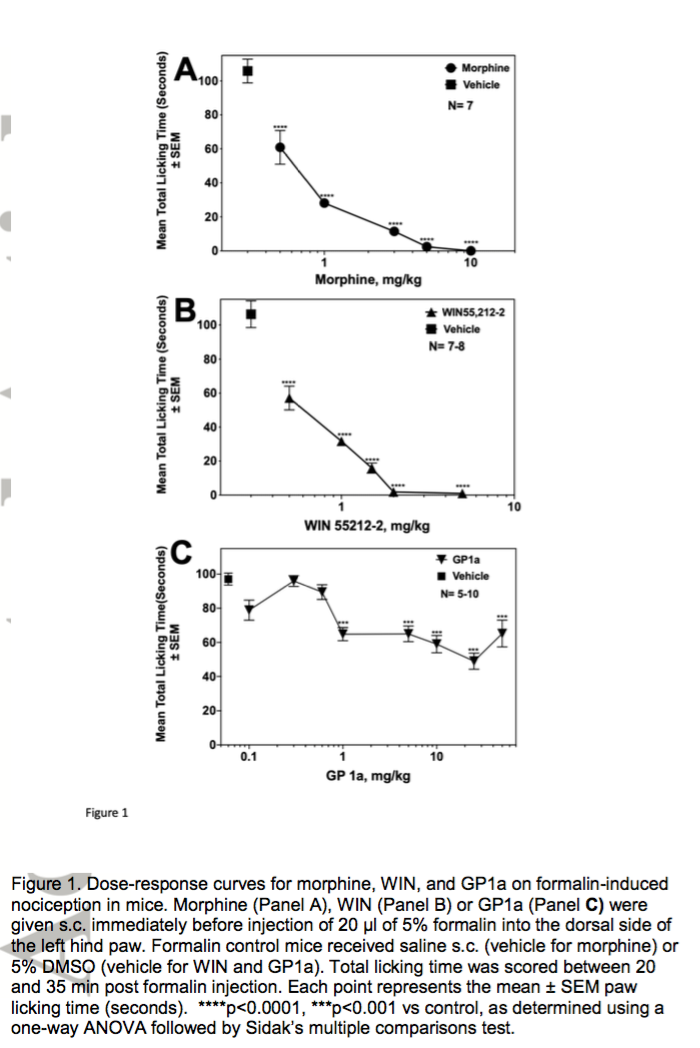
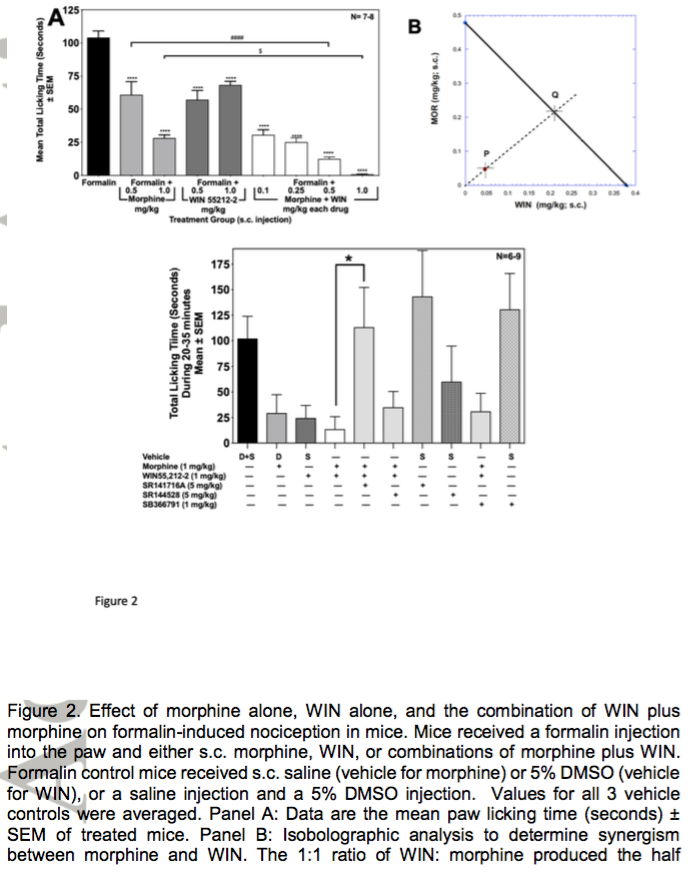
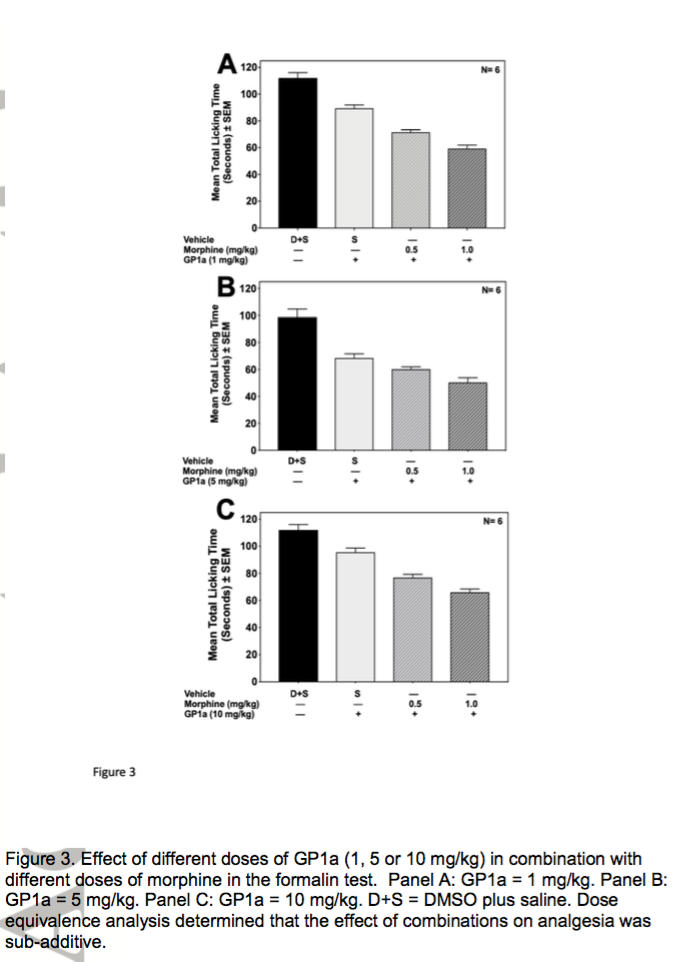
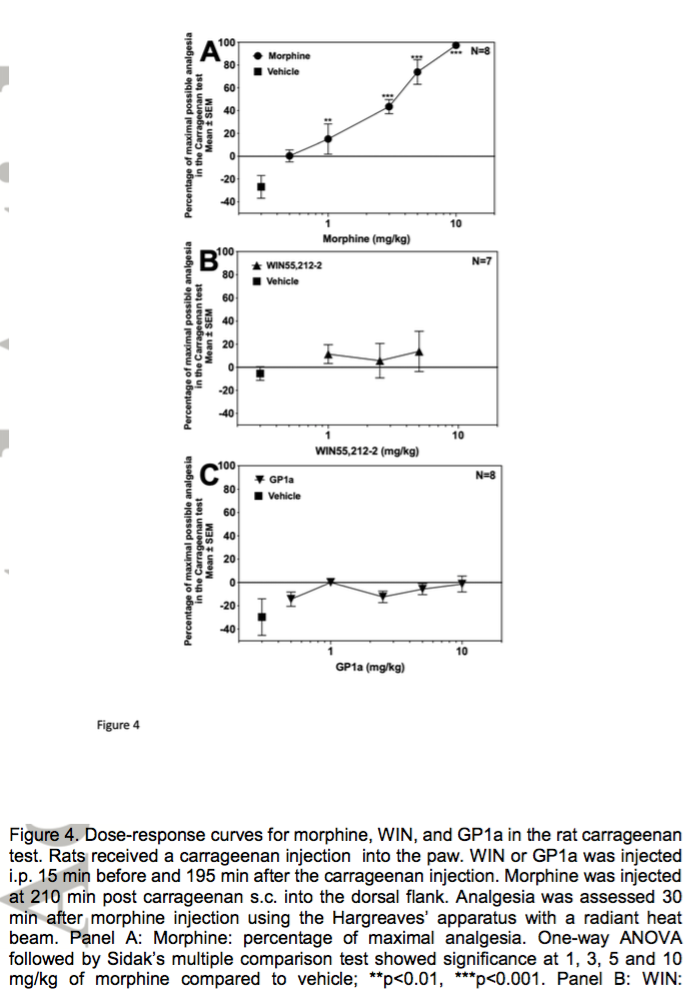
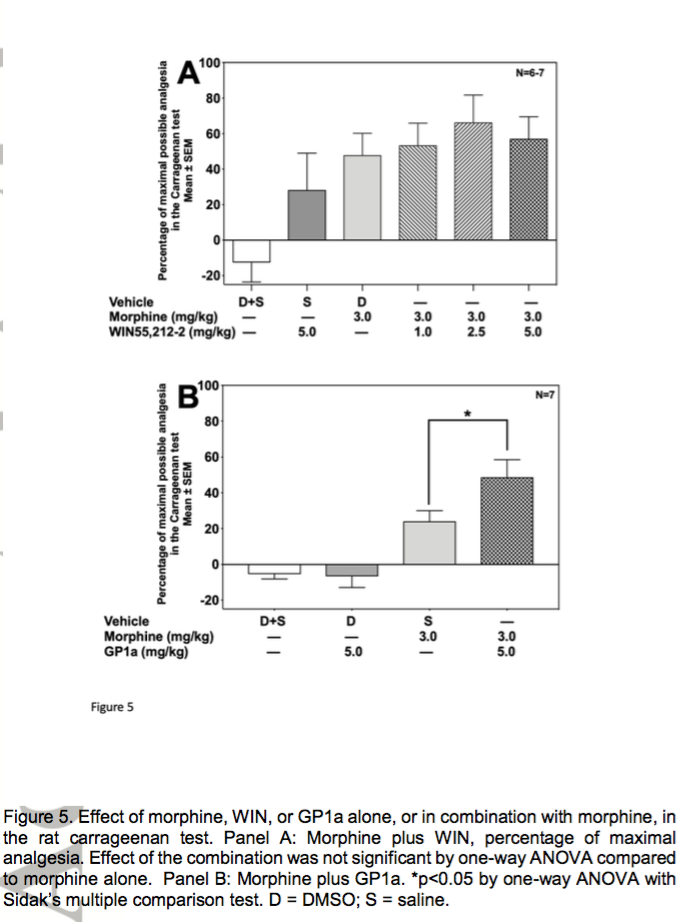
Opioid-Sparing Effects of Cannabinoids on Morphine Analgesia- Participation of CB1 and CB2 Receptors

Researchers have recently provided evidence that synthetic cannabinoids are able to work synergistically with morphine to provide maximum pain relief while limiting opioid doses.

In an effort to control the current opioid epidemic researchers have been looking into the possible benefits of cannabinoids due to the interaction of the opioid and endocannabinoid systems. The results of this study showed that various synthetic cannabinoids (WIN and GP1a) were able to work synergistically with morphine in two separate pain models to maximize analgesic effects. Further evidence is still needed to validate these claims before patient use, but this paper provides further evidence that medical cannabis may help put an end to the opioid crisis. 

Highlighted in this paper is the lingering uncertainty of exact mechanisms within the endocannabinoid system. The authors of this article are left without definite answers as to whether or not the analgesic effect is mediated completely through cannabinoid receptor 1 (CB1) or if cannabinoid receptor 2 (CB2) is also involved. Research into cannabinoids is slow within the United States, as there are currently only privately funded studies. This severely limits the medical community from a full understanding. The better a system is understood, the more concrete answers can be found. Critics may never support the rescheduling of cannabis but without moving cannabis to a Schedule II or III, it remains impossible to back even their claims. 

View this review (yellow link) or download:

This paper is also stored here:    http://bit.ly/2Xh5PQl     inside the CED Foundation Archive


To explore related information, click the keywords below:
Benjamin Caplan, MDCannabinoids have Opioid-Sparing Effects on Morphine Analgesia
read more

Adolescent E-Cigarette Use Increased by 78%

Characteristics of Daily E-Cigarette Use and Acquisition Means Among a National Sample of Adolescents

From 2017 to 2018 the amount of middle school and high school electronic cigarette (e-cigarette) users increased by 48% and 78% respectively. One of the first studies examining the association between e-cigarette characteristics and daily use among US adolescents is calling for comprehensive tobacco control efforts to reduce e-cigarette and nicotine addiction among adolescents. 38% of adolescent users report using their e-cigarette devices for cannabis which can be hazardous due to the lack of regulation. The potential risks associated with nicotine use and the dangerous misuse of these devices for other substances is putting youth’s health at risk.

View this review (yellow link) or download:


This paper is also stored here:    http://bit.ly/2Ff733m     inside the CED Foundation Archive

To explore related information, click the keywords below:
Benjamin Caplan, MDAdolescent E-Cigarette Use Increased by 78%
read more

Patients are Unclear on Cannabis Dosing

Dr. Ernest found that 82% of her epileptic patients found cannabis treatment helpful, but she also found that many of them were unaware of the doses they were taking or the levels of THC and CBD. Doctors and patients alike need to learn about dosing to maximize their health benefits http://bit.ly/2J29kkB

To explore related information, click the keywords below:
Benjamin Caplan, MDPatients are Unclear on Cannabis Dosing
read more

Israel and the global cannabis market

Some believe that it is difficult to compete with industry giants, such as Tilray and Cronos. But, Israel’s long history of cannabis research and its innovative companies, leading tech and strong agricultural climate make it a likely region to attract many in the global cannabis market. http://bit.ly/2IPXbz8

To explore related information, click the keywords below:
Benjamin Caplan, MDIsrael and the global cannabis market
read more

Regulation of hemp in Tennessee

Tennessee is yet another state looking to regulate hemp effectively, and a proposed solution to this is on-the-go testing kits to determine THC levels in hemp products. If executed well, this could prevent many from being charged with possession of cannabis and save money in the courts and prison systems http://bit.ly/2ISjm7V

To explore related information, click the keywords below:

Benjamin Caplan, MDRegulation of hemp in Tennessee
read more

The origins of cannabis smoking: Chemical residue evidence from the first millennium BCE in the Pamirs

According to anthropologists, Cannabis plants were burned in wooden braziers (circa 500 BCE) during ceremonies at the Jirzankal Cemetery in the eastern Pamirs region.

 This suggests that cannabis was smoked as part of ritual activities in western China at least 2,500 years ago. Interestingly, phytochemical analyses reveal that these cannabis plants produced high levels of psychoactive compounds, suggesting that people used cannabis not only for medical purposes but also to get intoxicated. 

View this review (yellow link) or download:

This paper is also stored here:   http://bit.ly/2IUbYZU      inside the CED Foundation Archive

To explore related information, click the keywords below:
Benjamin Caplan, MDThe origins of cannabis smoking: Chemical residue evidence from the first millennium BCE in the Pamirs
read more