Surveys on medical professionals’ opinions on medical cannabis show that while many are still skeptical and do not think it is completely safe, younger doctors and those on the East coast are more supportive. This clash could be good for solving some common concerns with cannabis. http://bit.ly/2XQVxWz
Benjamin Caplan, MDSurveys show medical professionals’ opinions clashing around Cannabis
Title: Cannabis and Alcohol- From Basic Science to Public Policy
This new analysis summarizes the most recent preclinical trials and epidemiological studies concerning the interactions between cannabis and alcohol, as well as possible risk factors for co-use. Specific risk factors, such as frequency of use or belonging to particular groups, were found to be significant within studies (but not across separate studies.) The compiled data reveals that previous research is inconsistent and emphasizes the need for further research to elucidate at-risk populations.
This article highlights a few secondary findings which all focus on the gaps in our knowledge concerning cannabis, of which there are many. There may be potential concerns with the integration of cannabis into modern culture, which has essentially normalized alcohol consumption. Future research will undoubtedly evaluate these concerns, and highlight potential advantages that cannabis consumption may offer as an alternative option.
Title: Adolescent Cannabis Use and Risk of Mental Health Problems – The Need for Newer Data
Here, an article presenting a case, justifying the need for new research to determine how cannabis use in adolescents may affect their risk for mental health. Few recent studies have come out discussing mental health and adolescent use. This is problematic because, over the years, cannabis products have been curated to be significantly more potent than in the past. Considering how vulnerable the brain is, during adolescence, because it is still developing, longitudinal studies need to be conducted to fully elucidate the effects of cannabis on development.
This review highlights how poorly adolescents consuming cannabis seem to be at titrating their dose, or correctly self-regulating consumption of cannabis. There is an overall need for greater education before cannabis is acquired, from a dispensary or otherwise. For adults and teens seeking to self-regulate their use of cannabis, irrespective of the consumption method, it is difficult to succeed, considering the gross lack of knowledge and sophistication around the dosage. The wide variabilityin choice and make-up of cannabis products, added to the complexity associated with how each patient may process the myriad of cannabinoids within the products consumed leads to a complexity of confounding variables, and here, a call for more studies to be conducted on more than just adolescents.
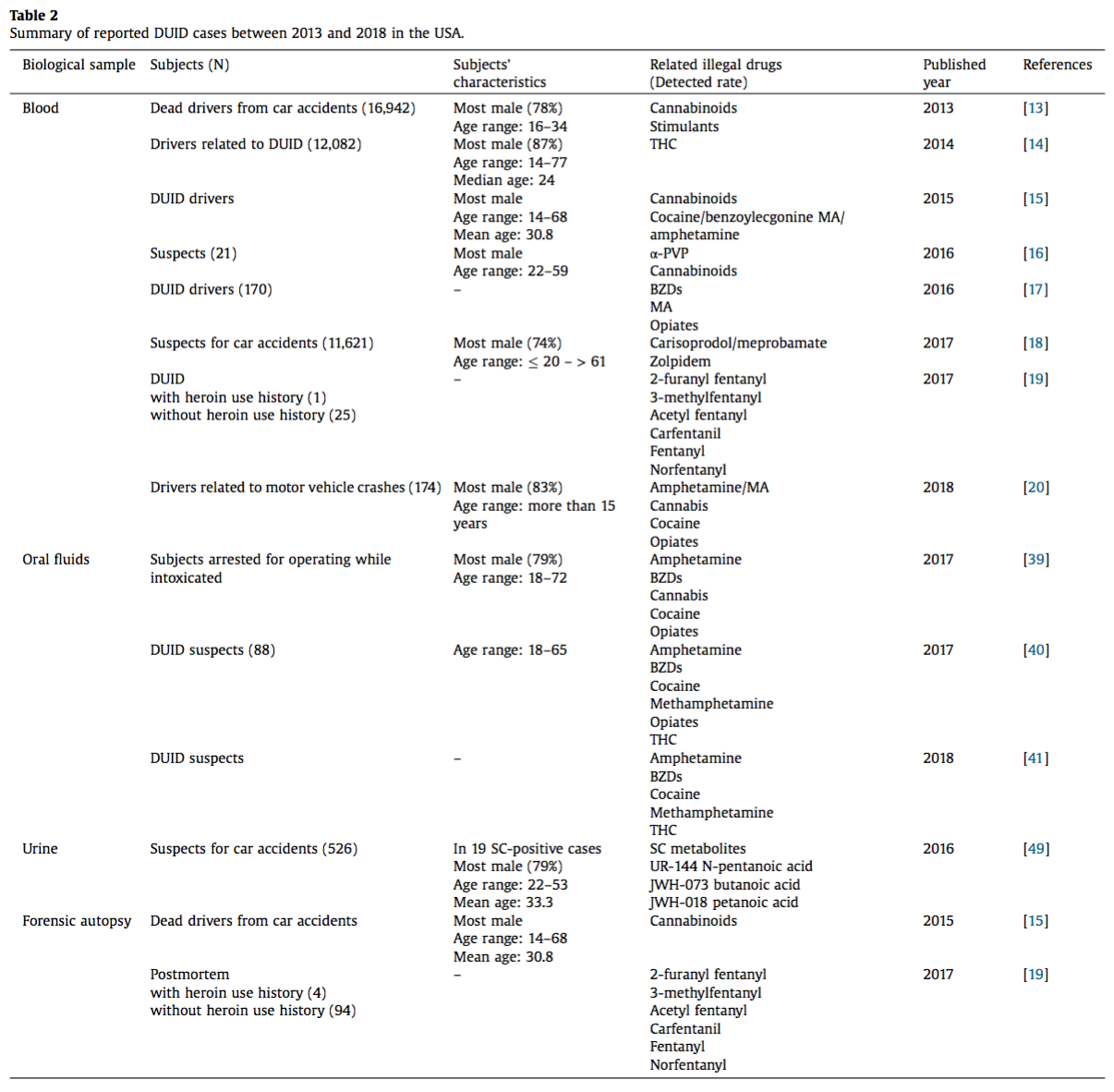
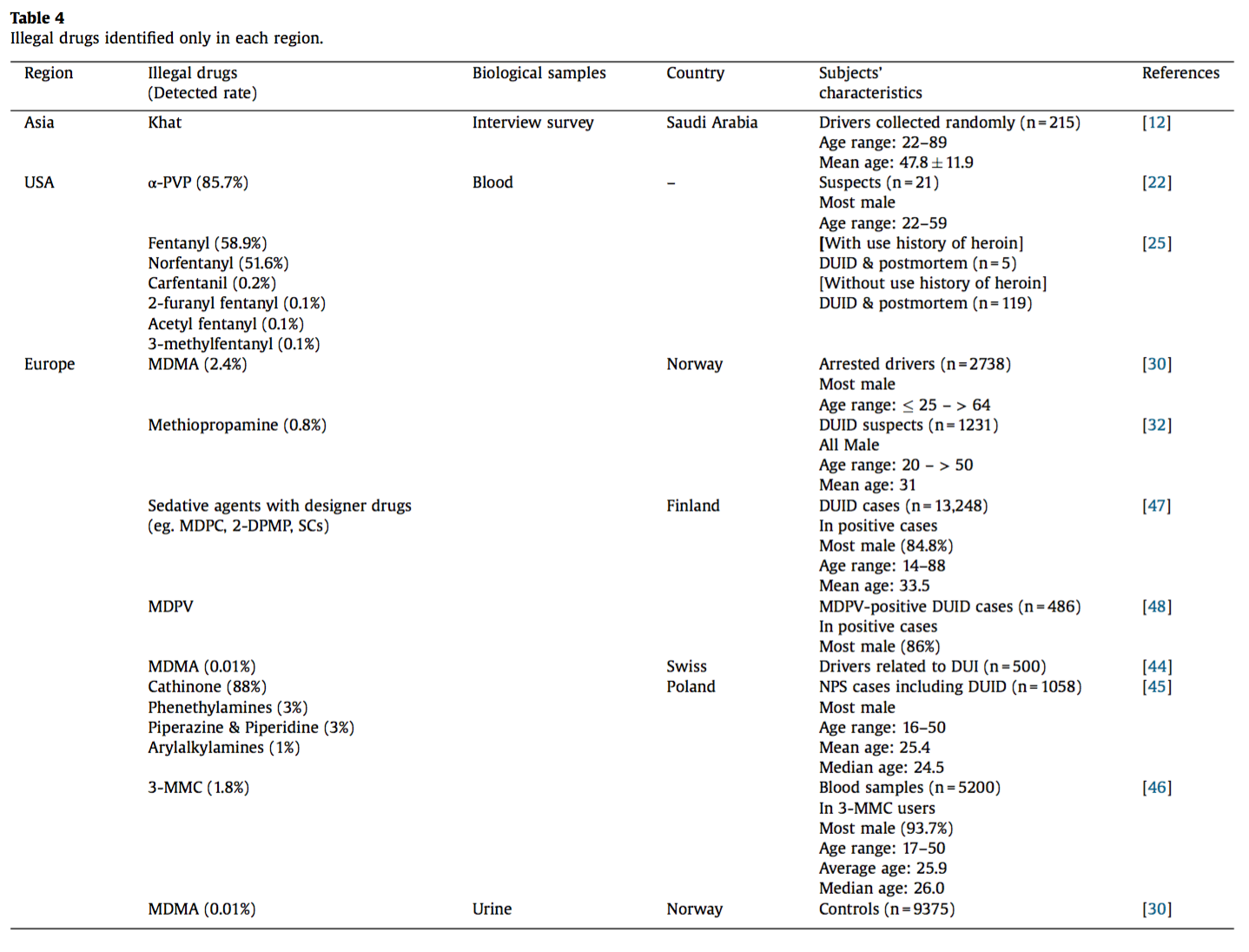
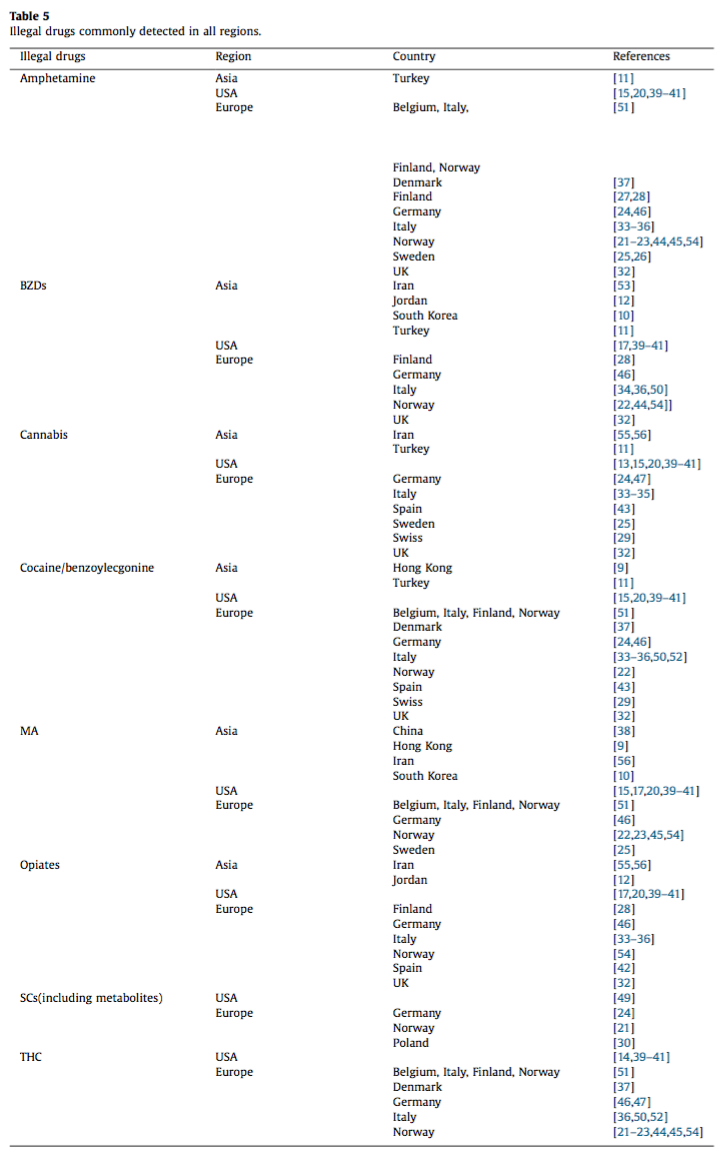
Title: A review of drug abuse in recently reported cases of driving under the influence of drugs (DUID) in Asia, USA, and Europe
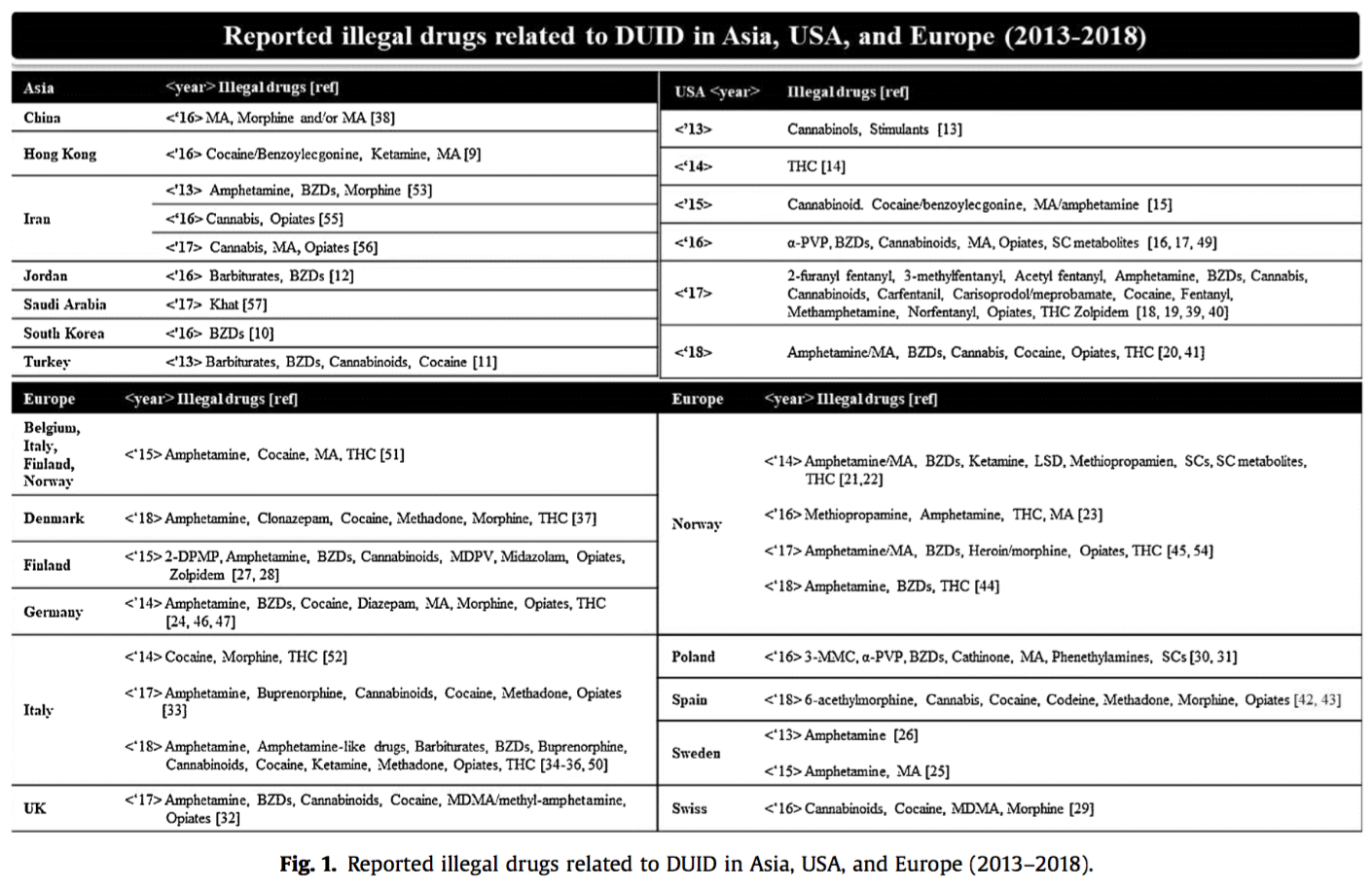
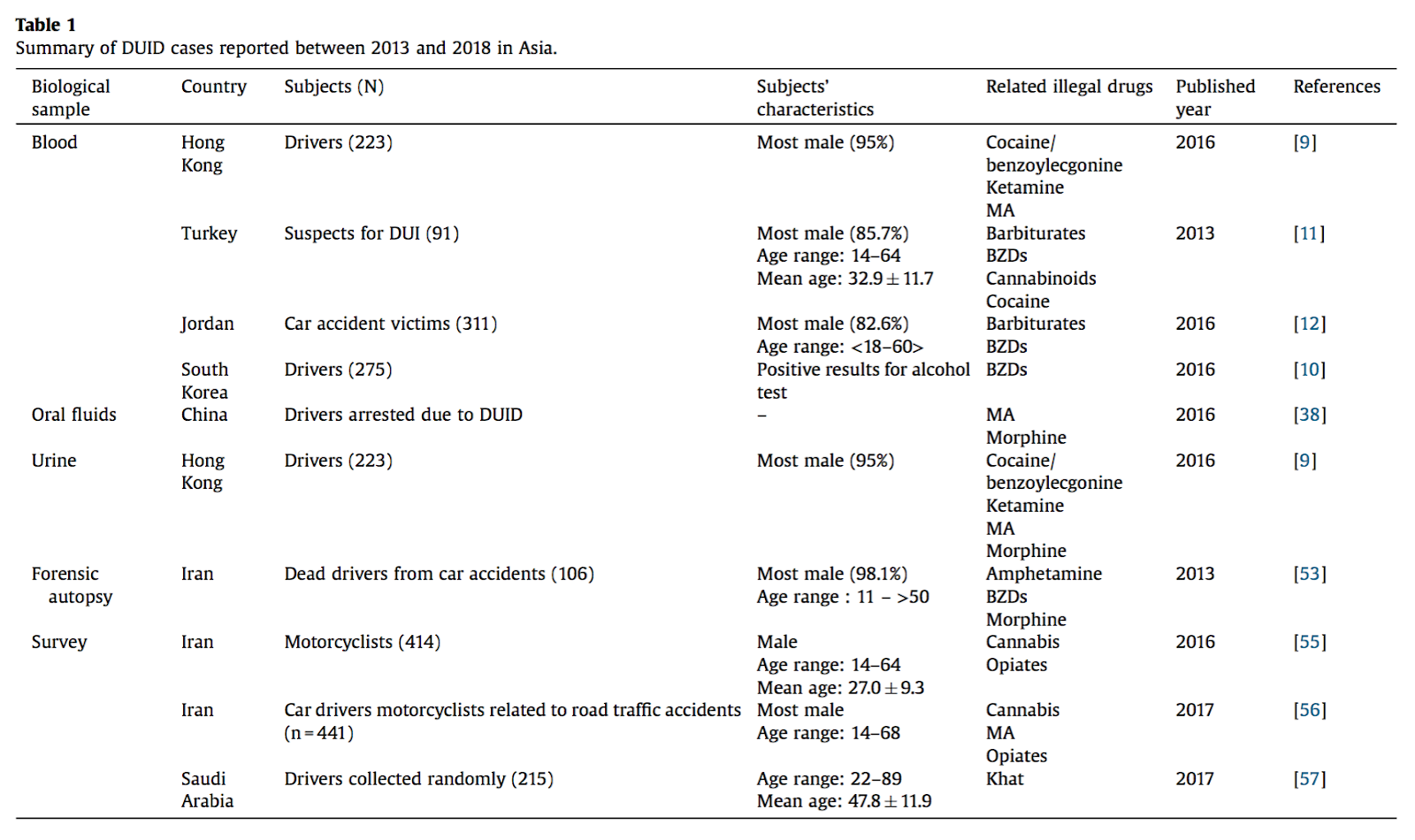
A recent literature review has found that the current driving regulations in Asia, Europe, and the US have not prevented cases of driving under the influence of drugs. The authors observed steady trends of incidences of driving under the influence in all three regions, despite legislature specifically enacted against such actions. In the literature, there is a consistent recommendation that drivers should be regularly tested, especially in the case of an accident, in order to gather more data on the role of drugs in traffic accidents.
This review highlights the different illicit drugs that contribute to traffic accidents, depending on the region of the world. Cannabis is legal in certain areas of Europe, whereas it is still considered an illicit substance here in the US, and many other locations, worldwide. Looking at the differences in severity or circumstance of the accidents between the type of illicit drug used may provide data to create more beneficial regulations for each country. As the legal status of cannabis continues to evolve, and it becomes more common to find drivers on the road who have consumed a minimal amount of cannabis, new screening techniques will likely be developed to help the culture establish what it considers an “acceptable amount” of blood-borne cannabinoids to be.
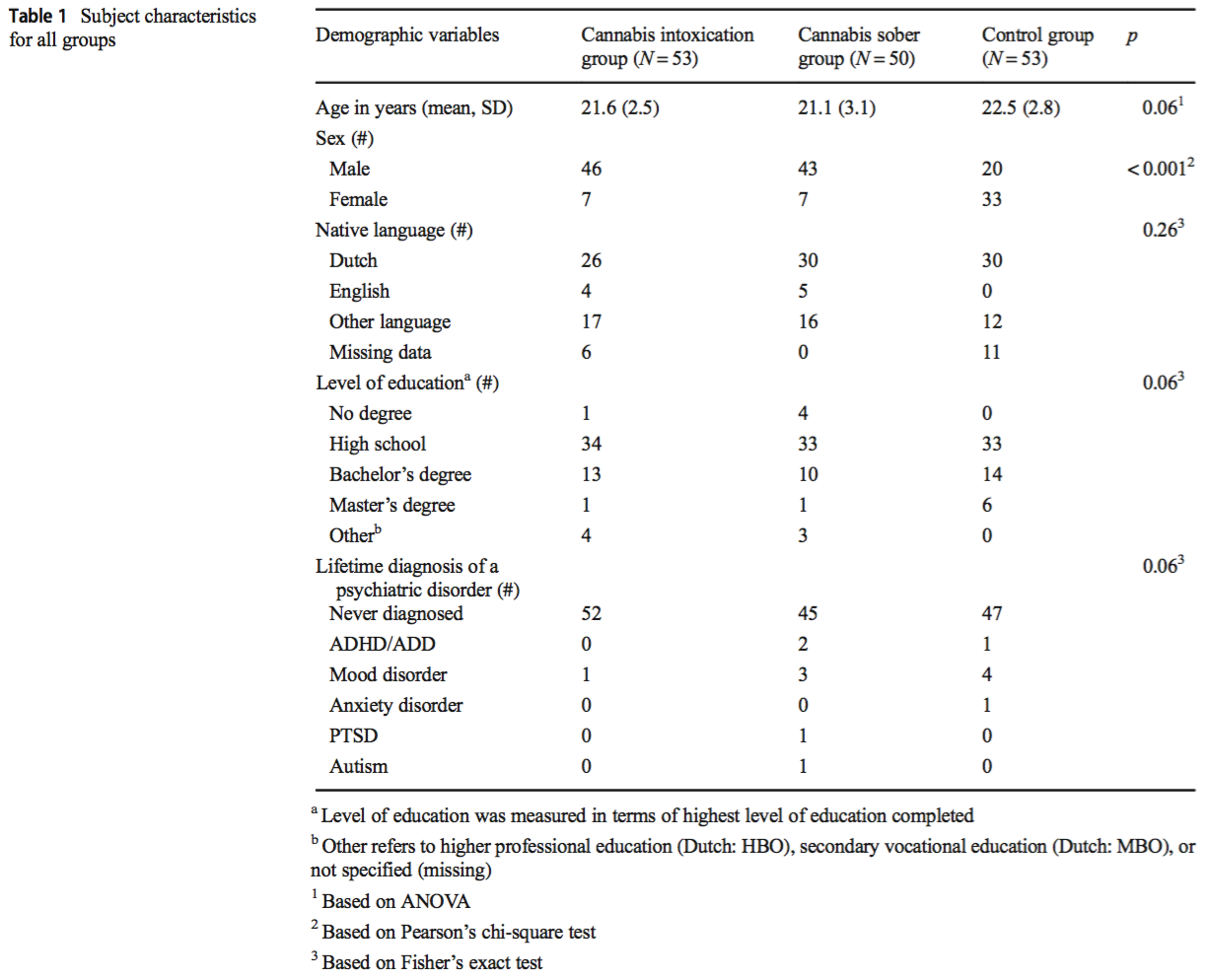
Title: False memory formation in cannabis users- a field study
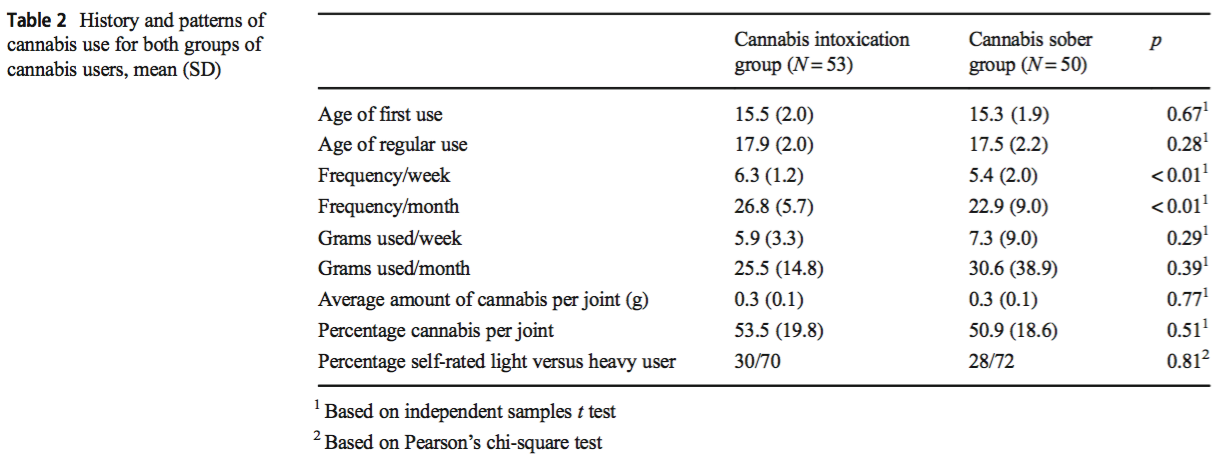
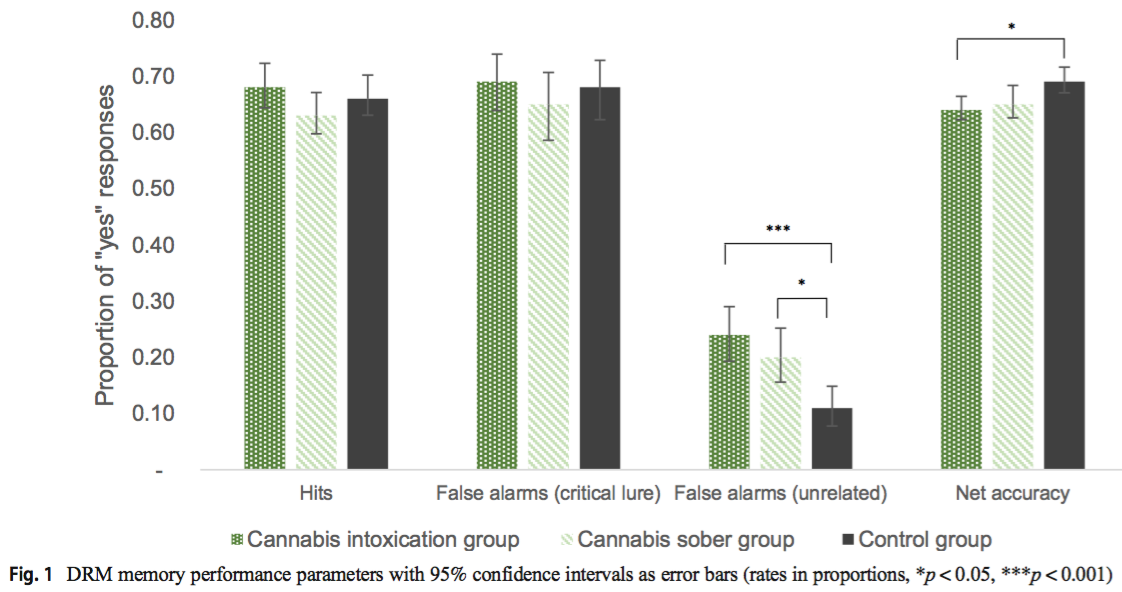
This new study has revealed that although cannabis use does not increase the rate of false memory acquisition, cannabis use did increase the uncertainty of participants. It was also determined that intoxicated cannabis users were less accurate when recognizing true events, providing evidence that cannabis intoxication hinders memory formation.
This research provides a basis of knowledge for those interviewing people under the influence of cannabis for legal proceedings to determine the validity of their statements. If cannabis intoxication increases the uncertainty and liberal answers provided by users then their statements should be used sparingly or well-corroborated.
This research highlights the importance of understanding cannabis for legal proceedings. More and more state governments are legalizing medical and recreational cannabis, each year, increasing the amount of those eligible to legally consume cannabis. As cannabis use continues to climb in popularity, witnesses or others interviewed in legal settings may not provide the most accurate information. Acute cannabis use should be a consideration related to legal proceedings so that the users’ statements can be weighed appropriately.
Characteristics of the bitter and sweet honey from Algeria Mediterranean coast
Previous research on honey and its historical use in traditional medicine has pointed toward its therapeutic application for the immune system, anemia, and heart function, among other conditions.
Two kinds of honey harvested from the Algeria Mediterranean coast, so-called poly-floral sweet honey and uni-floral bitter honey, have demonstrated their many medicinal uses. In a comparative analysis of the two kinds of honey, bitter honey had higher flavonoid content, lower sucrose content, and higher total polyphenols and tannins levels, giving it an increased antioxidant potential over sweet honey.
Additional Point: Factors including a higher flavonoid content in uni-floral bitter content gives it an improved antioxidant potential over poly-floral sweet honey. This makes for a wide variety of clinical benefits, including treatment of anemia, colon cancer, improved immune function, and more.
To explore related information, click the keywords below:
Benjamin Caplan, MDBetween Bitter and Sweet Honey, from Algeria Mediterranean Coast, Different Flavonoid Content Contributes to Distinct Antioxidant Potentials
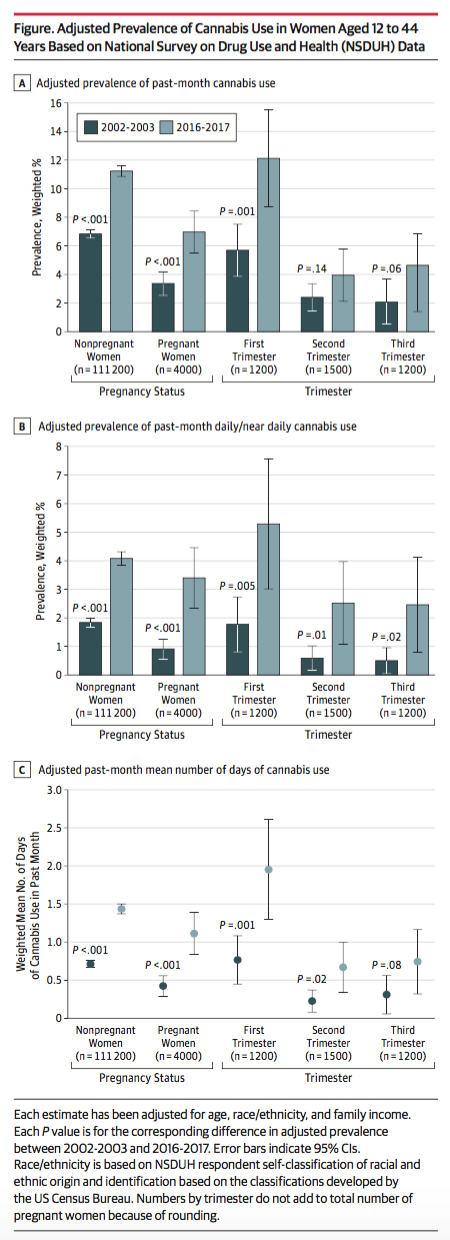
With rates of cannabis use during pregnancy more than doubling between 2002 and 2017, a need for more studies, over longer periods of time, which investigate prenatal cannabis use has emerged. Existing data ranges from reporting an increased risk for preterm birth and low birth weight to cannabis reducing the risk of preeclampsia and gestational diabetes during pregnancy. Concerns are historically informed by preliminary alcohol and cocaine studies that falsely suggested no gestational harm, despite the eventual recognition that these substances ultimately carry significant risk. Pregnant women should exercise caution in their cannabis use until more definitive conclusions are found, regarding maternal cannabis use.
The decision of where, if anywhere, cannabis fits in relationship to pregnancy is populated with more questions than answers. There are a handful of good quality, long-term studies, to date, that show a pattern that informs some degree of generalization: by and large, the less frequently consumed, and the later during the pregnancy the consumption, the less potential risk. But, for the sake of any pregnant woman and her baby, this type of decision should always be made in direct consultation with the obstetrician supporting the pregnancy.
Additional Point: A lack of high-quality studies relating to cannabis use and gestational risk has resulted in conflicting evidence surrounding prenatal cannabis use. However, historical context involving prenatal alcohol and cocaine use studies informs the need to exercise caution before definitive conclusions are made
A new literature review summarizing the recent findings relating to cannabis and anxiety.
Researchers conclude that CBD and low-dose THC can cause relaxation and decrease anxiety and self-spun thoughts. Some studies show that high-dose THC can cause psychotic symptoms; however, studies also show that CBD can protect against those THC-induced symptoms. Therefore, using cannabis extracts with THC and CBD could be a safe way to reduce anxiety.
Something still not entirely understood is why cannabis affects people differently. A study looking at THC interactions in the brain show that rewarding and adverse effects are produced by anatomically different areas. Individual experiences likely differ due to genetic variation.
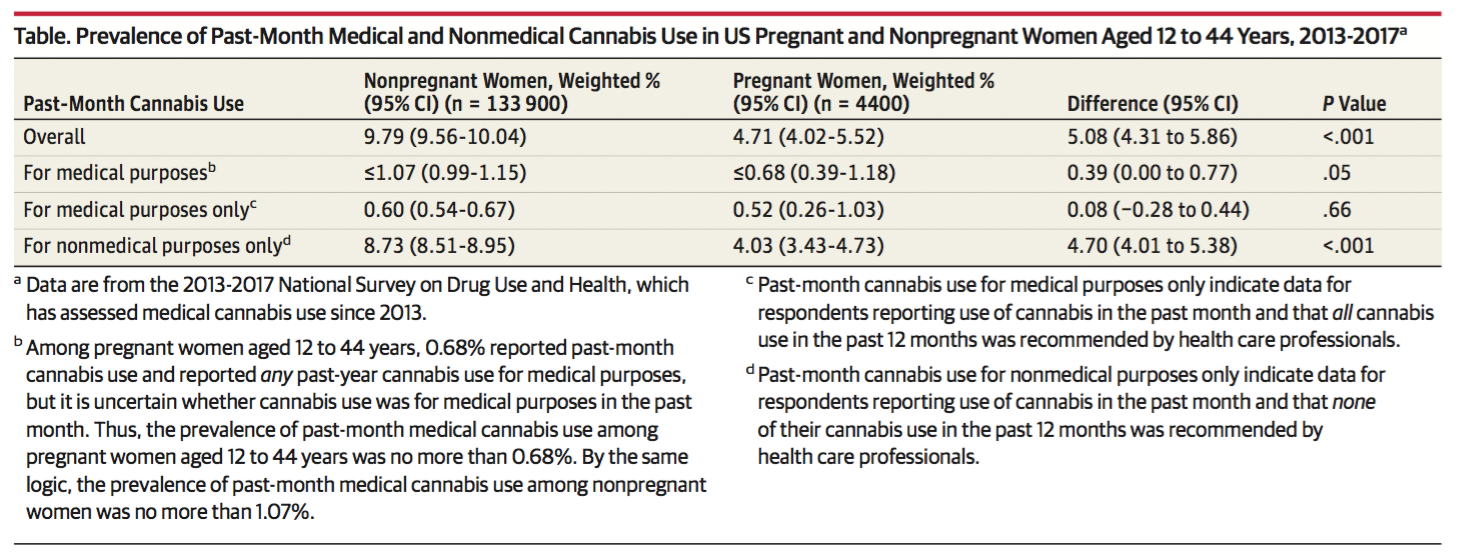
Self-reported Medical and Nonmedical Cannabis Use Among Pregnant Women in the United States
An observational study has revealed that the prevalence and frequency of cannabis use in pregnant women have increased over the past two decades.
No trends were seen although except a slight decrease in fetal growth in women who frequently used during the first two trimesters. The data concerning fetal growth, such as length and weight, were not statistically significant and would require further studies to appropriately indicate a correlation between cannabis use and decreased fetal growth.
The authors acknowledge that cannabis use may suffer from recall bias as women may underestimate the amount of cannabis they consumed or purposely withheld some information due to stigma, although some of the surveyed women were using recommended medical cannabis.
This article highlights the large issue surrounding women consuming cannabis while expecting. Cannabinoids are able to cross the placenta and therefore affect the fetus during development. The American College of Obstetrics and Gynecologists recommend the cessation of any cannabis consumption while pregnant although there has been limited data discussing the actual effects on fetal development. A previously featured article on this blog stated that cannabis use had no effect on birth outcomes but also noted uncertainty in the possible effect on fetal growth. Considering this uncertainty, physicians should push for more research so that women who take medical cannabis can accurately discern whether or not to cease consumption while pregnant.