Behavior change

Looking for a genetic explanation for “Cannabis Use Disorder”

Genome-wide association study implicates CHRNA2 in Cannabis Use Disorder

Roughly 9% of cannabis users become dependent. In a recent study, scientists identified a significant association between CHRNA2 gene expression and a diagnosis of Cannabis Use Disorder. In other words, genetics might help to explain why some people may find themselves more dependent upon cannabis than others.

View this review (yellow link) or download:

This paper is also stored here:    http://bit.ly/2IVZJvJ     inside the CED Foundation Archive

To explore related information, click the keywords below:

Benjamin Caplan, MDLooking for a genetic explanation for “Cannabis Use Disorder”
read more

Cannabis Cafes coming to MA

Massachusetts has come one step closer to a pilot program involving cannabis cafes across the state. This will also bring about more licenses for cannabis delivery and social consumption, as a less capital-intensive option for entrepreneurs to enter the industry. http://bit.ly/2IOjOUz

To explore related information, click the keywords below:

Benjamin Caplan, MDCannabis Cafes coming to MA
read more

Cost-effectiveness of treating pediatric drug-resistant epilepsy

Cannabis-based treatments may reduce seizures among children with drug-resistant epilepsy, but are these treatments cost-effective? 

Economic evaluations of cannabis treatments are needed, and they should address issues including weight-gain over time, switching or discontinuation of treatments, the effectiveness of interventions, and long-term success, beyond the duration of available clinical studies.

This paper is also stored here:     http://bit.ly/2INWAOJ    inside the CED Foundation Archive

To explore related information, click the keywords below:

Benjamin Caplan, MDCost-effectiveness of treating pediatric drug-resistant epilepsy
read more

Video: Cannabis and Multiple Sclerosis

A 2019 literature review summarizes the findings on cannabis use for patients with multiple sclerosis. Cannabis has been shown to aid a number of symptoms associated with multiple sclerosis, including chronic pain, spasticity, and problems with sleep. To learn more, check out our video adaptation below:

View this review (yellow link) or download:

This paper is also stored here:     http://bit.ly/2IJAqNz    inside the CED Foundation Archive

To explore related information, click the keywords below:

Benjamin Caplan, MDVideo: Cannabis and Multiple Sclerosis
read more

Cannabis constituent synergy in a mouse neuropathic pain model

In a mice-model study, researchers found that low dose THC:CBD might successfully treat neuropathic pain. 

Neuropathic pain is pain caused by damage to the somatosensory nervous system. Neuropathic pain may be associated with abnormal sensations or pain from normally non-painful stimuli, for example, Phantom Limb Syndrome.

View this review (yellow link) or download:

This paper is also stored here:   http://bit.ly/2Fk0yw7      inside the CED Foundation Archive

To explore related information, click the keywords below:

Benjamin Caplan, MDCannabis constituent synergy in a mouse neuropathic pain model
read more

THC Has Potential for Treating Agitation in Alzheimer’s Disease

In a crossover trial of 39 patients with Alzheimer’s disease, treatment with nabilone (a synthetic THC analog) was associated with significant improvement in agitation and, remarkably, cognition. Further studies should examine the effects of both THC and CBD in patients with Alzheimer’s disease because anxiety is common in dementia and may exacerbate agitation. 

View this review (yellow link) or download:

This paper is also stored here:   http://bit.ly/2IH2BfX      inside the CED Foundation Archive

To explore related information, click the keywords below:

Benjamin Caplan, MDTHC Has Potential for Treating Agitation in Alzheimer’s Disease
read more

Analyses of Cannabinoid Signaling in the Immune System Highlights Key Questions, Challenges, and Future Directions

Targeting Cannabinoid Signaling in the Immune System: “High”-ly Exciting Questions, Possibilities, and Challenges

A meta-analysis concerning the role of cannabinoid signaling in immune system regulations revealed current therapeutic benefits, challenges for future research, and exciting new directions. Among the current research, cannabinoids have already been found to suppress inflammation associated with autoimmune diseases, especially in multiple sclerosis, rheumatoid arthritis, Type-1 Diabetes, and Crohn’s Disease. Future cannabis-based therapies aim to improve immune responses to organ donation, bone marrow transplants, and skin grafts. The analysis includes challenges facing future cannabis research such as potential side effects and legal status.  

View this review (yellow link) or download:

This paper is also stored here:    http://bit.ly/31ArGR9      inside the CED Foundation Archive

To explore related information, click the keywords below:

Benjamin Caplan, MDAnalyses of Cannabinoid Signaling in the Immune System Highlights Key Questions, Challenges, and Future Directions
read more

Variations in Genes Influences Cannabis’ Acute Effects on Behavior

CNR1 and FAAH variation and affective states induced by marijuana smoking

A recent study has revealed that variations within cannabinoid receptor 1 (CBR1) and fatty acid amide hydrolase (FAAH) influences cannabis’ acute effects on affect. Variations of CBR1 and FAAH are known to be associated with cannabis dependence. The current study now adds that the variations in genes also affect an individual’s behavior when ingesting cannabis. The results of this study provide useful information for understanding an individual’s motivation for marijuana use, as well as risks and associated behaviors.

View this review (yellow link) or download:

This paper is also stored here:   http://bit.ly/31Ce9Za     inside the CED Foundation Archive

To explore related information, click the keywords below:

Benjamin Caplan, MDVariations in Genes Influences Cannabis’ Acute Effects on Behavior
read more

Oncologists Communication with Chronic Medical Cannabis Users

Long-term medical cannabis use and risk factors for diversion- report on physician’s guidance and patients’ behaviour

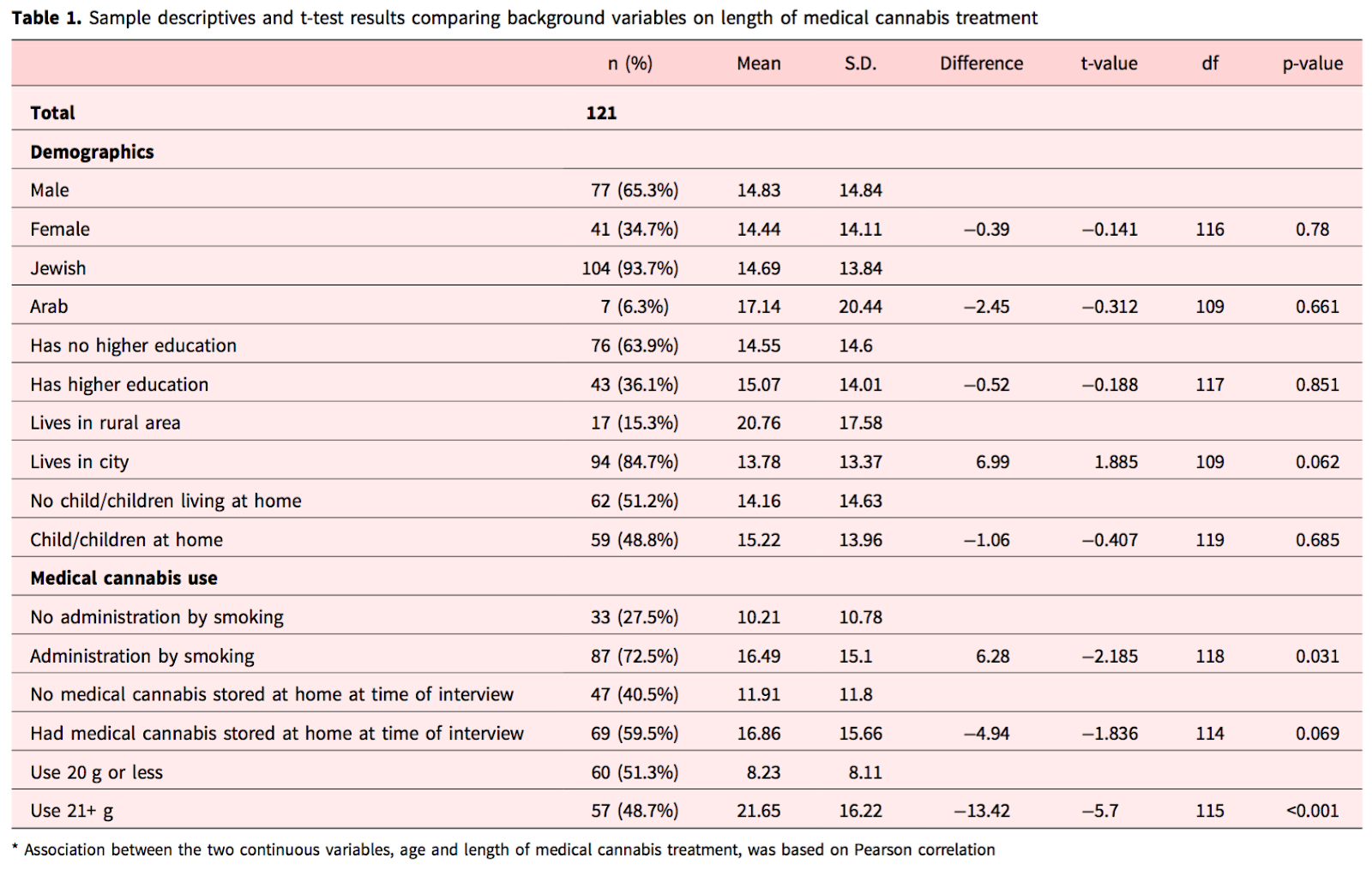
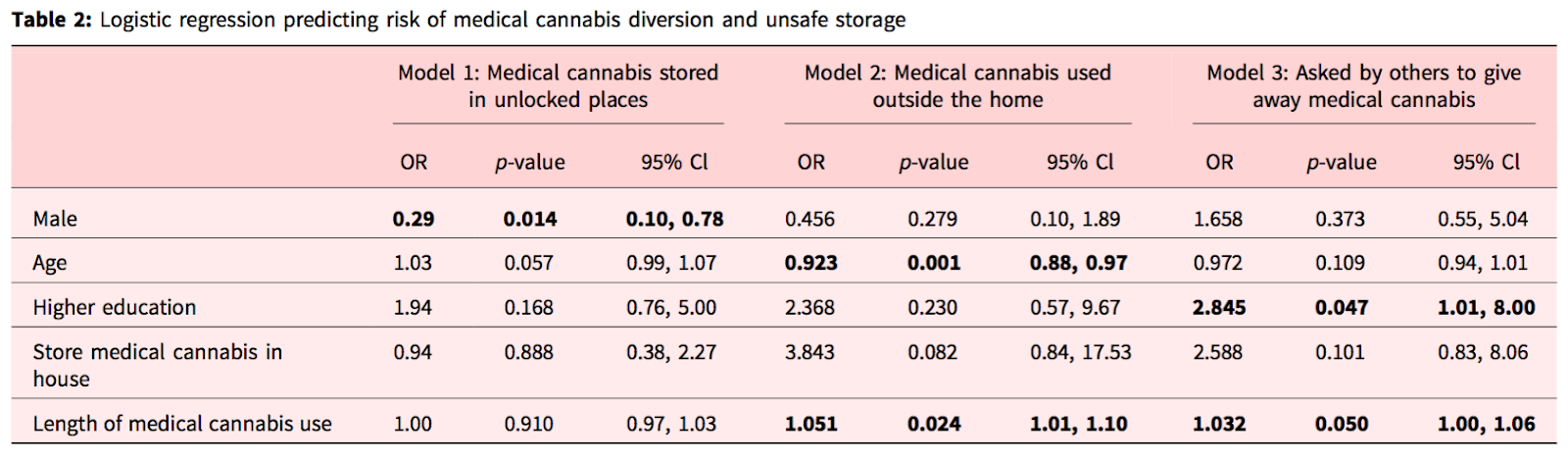
A recent examination of long-term medical cannabis users has demonstrated the need for more consistent training of storage and disposal practices from oncologists. Chronic users tend to increase the dosage taken of medical cannabis over time due to tolerance; higher doses of cannabis are associated with dangerous storage and disposal practices. The current study calls for oncologists who recommend cannabis-based medicine to their patients to have more consistent training in safe storage and disposal methods to prevent patients from ingesting or giving away impure cannabis.

An important point brought up in this article is the pressure some patients experience from their peers to buy cannabis for multiple people with their medical marijuana identification card or certification. Physicians should be wary of this practice and support their patients, reminding them of the accidents that can happen when medications are shared.

View this review (yellow link) or download:

This paper is also stored here:    http://bit.ly/2IyYTEV     inside the CED Foundation Archive

To explore related information, click the keywords below:

Benjamin Caplan, MDOncologists Communication with Chronic Medical Cannabis Users
read more

Vaping cannabis among adolescents: prevalence and associations with tobacco use from a cross-sectional study in the USA

Out of 2,835 high school students from North Carolina, 272 students (or 9.6%) reported ever vaping cannabis. Interestingly, the odds of ever vaping cannabis were significantly higher among males (11.0%) compared with females (8.2%), and significantly higher among non-Hispanic white students (11.3%) compared with non-Hispanic black students (5.0%).

It’s clear that white males are the most likely to have ever vaping cannabis. Why might minority students engage less with recreational drug use?

View this review (yellow link) or download:

This paper is also stored here:    http://bit.ly/2L6zYdv     inside the CED Foundation Archive

Benjamin Caplan, MDVaping cannabis among adolescents: prevalence and associations with tobacco use from a cross-sectional study in the USA
read more