Behavior change

Cannabis: Vaporizing vs Smoking

Smoking cannabis brings toxins and unhealthy combustion byproducts into the body. With temps in the ~2000’F range for flame, burning flower incinerates a large portion of the product being consumed. As the distance from the point of flame grows, temperatures are lower, and cannabinoids are vaporizing, in addition to being burned by the flame. Over time, as heating technology has improved, there is no longer a need for blasting temperatures way beyond what the material can safely sustain before turning to tar and ash.

Beyond developed habits of consumption, social familiarity, and simplicity of use, one of the reasons many enjoy combustion is the other effects of heat. As with any human contact with extreme heat, blood rushes to the source of heat, and this may present a platform, through which cannabinoids may enter the bloodstream more quickly. The extravagant heat is also aerosolizing many more cannabis compounds than vaporization temperatures typically support, so the effect of flame is often felt to be more intense.

Vaporizing cannabis, however, is less likely to introduce mutations in the polyphenol compounds found in abundance within cannabis, and some of the mutations create terrible molecules known to be caustic and destructive.

If the medical rationale for vaporizing (over combustion) is not convincing, please consider the financial argument: Though purchasing a vaporizer may be costly, it’s a smart investment that could save money in the long run. Learn more by watching this video:

Benjamin Caplan, MDCannabis: Vaporizing vs Smoking
read more

Solo Sciences Press

A sneak peek at the latest news coming about solo sciences, inc!

Imagine a future of cannabis, where consumers have the control of purchase decisions, based on accurate information about the brand and products they may want, and tamper-proof, third-party verification that what we are buying is actually what the package says it is? (and then… consider that this concept applies to products beyond cannabis, from food to beauty products, toys, entertainment…)

“The world of cannabis is murky, unpredictable, and often not safe,” said Ashesh Shah, CEO and founder of solo sciences and a former CIA profiler. “As brands and governments are struggling to fight the illicit market, we created solo* to solve that problem by creating transparency into what cannabis providers are actually selling to consumers. solo* is designed to keep people out of the dark when it comes to what they’re consuming and putting into their bodies, so they feel secure and knowledgeable about the products they’re purchasing.”

https://zd.net/2JQc7hi

for more information about solo*:

Website: https://www.solosciences.com/

LinkedIn: https://www.linkedin.com/company/solo-sciences/

Facebook: https://www.facebook.com/solosciences

Twitter: https://twitter.com/solosciences

Benjamin Caplan, MDSolo Sciences Press
read more

Can specific, isolated Cannabinoids reduce Cannabis Dependency?

Using cannabis to decrease dependency on cannabis? An Australian study shows promise using Nabiximols to target receptors and diminish the rate of relapse. The spray of equal parts CBD and THC had regular smokers smoking 19 fewer days than those on placebo

The News article: http://bit.ly/2YbSrN1

View this review (yellow link) or download:

This paper is also stored here:    http://bit.ly/2YlBNuf     inside the CED Foundation Archive

To explore related information, click the keywords below:

Benjamin Caplan, MDCan specific, isolated Cannabinoids reduce Cannabis Dependency?
read more

Colorado Medical Patients losing priority & Rights

In Colorado, medical patients are losing priority and rights at dispensaries due to expiring laws, and dispensaries are focusing on rec. cannabis for fiscal purposes. Up to legislation to maintain focus on medical cannabis, which would be the path to federal legalization of cannabis. http://bit.ly/2Ylmamw

Benjamin Caplan, MDColorado Medical Patients losing priority & Rights
read more

CB1 and CB2 receptors play differential roles in early zebrafish locomotor development

Scientists found that blocking CB1 receptors and CB2-receptors in young zebrafish resulted in morphological deficits, reductions in heart rate, and non-inflated swim bladders. These findings indicate that the endocannabinoid system is pivotal to the development of the locomotor system in zebrafish, and that disturbances to the endocannabinoid system in early life may have detrimental effects.

The translation of these effects to humans is obviously not direct, but it is important for science to learn about safety and expected effects, to examine how chemistry interacts in petri dishes, how basic organic/animal functions are impacted in a living thing, and when the time is appropriate, to then assess any effects in humans

View this review (yellow link) or download:

This paper is also stored here:   http://bit.ly/2YfykgI      inside the CED Foundation Archive

To explore related information, click the keywords below:

Benjamin Caplan, MDCB1 and CB2 receptors play differential roles in early zebrafish locomotor development
read more

Do-it-Yourself Cannabis-infused lubricants

Cannabis-infused lubricant can increase blood flow for men and create full-body experiences for women. Find out how to make your own infused lube at home with this video tutorial!

To explore related information, click the keywords below:

Benjamin Caplan, MDDo-it-Yourself Cannabis-infused lubricants
read more

Video: The Endocannabinoid System

A simplified overview of the human side of the human-cannabis interaction system!

Built from the growing mountain of literature inside the CED Foundation Medical Cannabis Archive

To explore related information, click the keywords below:

Benjamin Caplan, MDVideo: The Endocannabinoid System
read more

Video: Do-It-Yourself Cannabis Tinctures

One of the terrific realities of modern Cannabis is that it is possible, and often quite simple, to make effective products at home. With suitable education and access to testing facilities, the soil, nutrients, and plant growth can be supported at home, lab-tested for make-up and potency, as well as safety-checked for potential microscopic contaminants, and ultimately, individualized medicine can be created right at home!

Here is a sample instructional for just one way that cannabis tincture can be made at home. There are countless others and hopefully, many that are yet to be discovered!

To explore related information, click the keywords below:

Benjamin Caplan, MDVideo: Do-It-Yourself Cannabis Tinctures
read more

Hangovers Resulting from Drinking Negatively Impact Everyday Memory

Alcohol Hangover Has Detrimental Impact Upon Both Executive Function and Prospective Memory

A recent study revealed that alcohol hangovers negatively impact everyday memory, specifically executive function (EF) and prospective memory (PM). EF and PM are cognitive functions that underpin everyday memory; things such as remembering an appointment or where you placed your keys. Participants of the study who suffered from hangovers were able to recall significantly fewer items from memory tasks than their peers. The findings of this study may prove useful when looking into how alcohol and cannabis interact with patients.

View this review (yellow link) or download:

This paper is also stored here:     http://bit.ly/2WBUb1Y    inside the CED Foundation Archive

To explore related information, click the keywords below:


Benjamin Caplan, MDHangovers Resulting from Drinking Negatively Impact Everyday Memory
read more

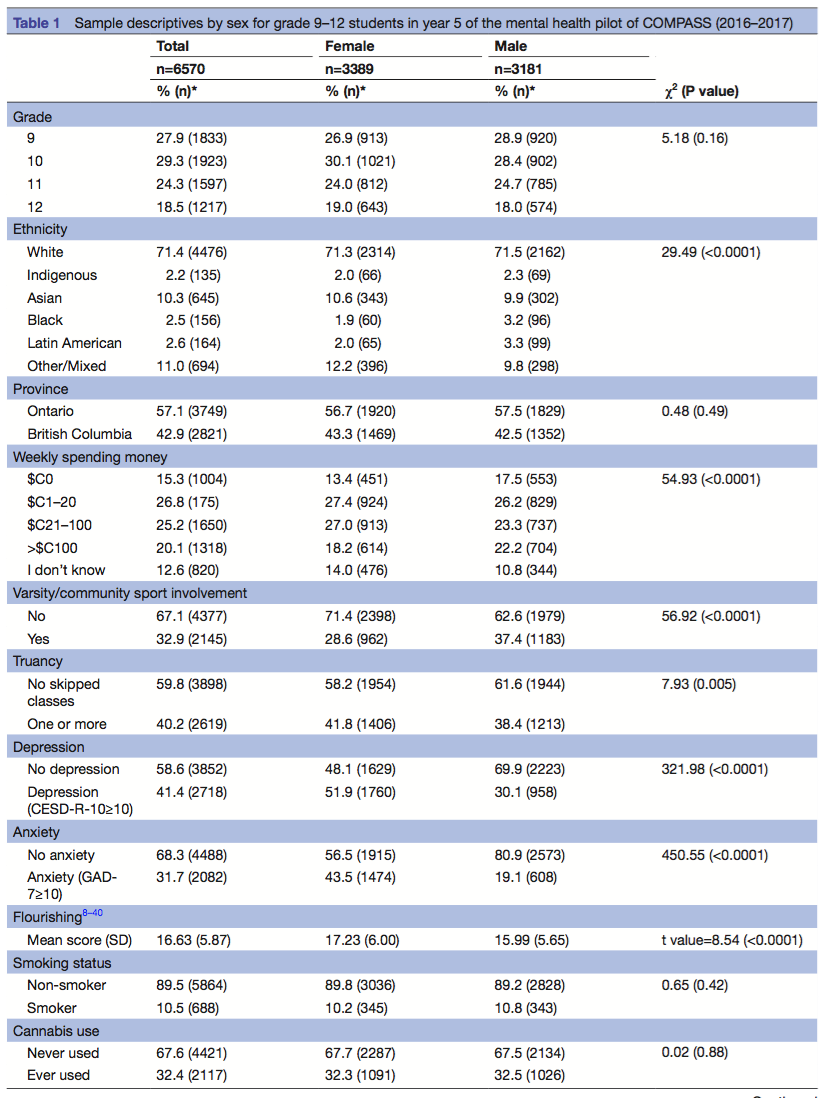
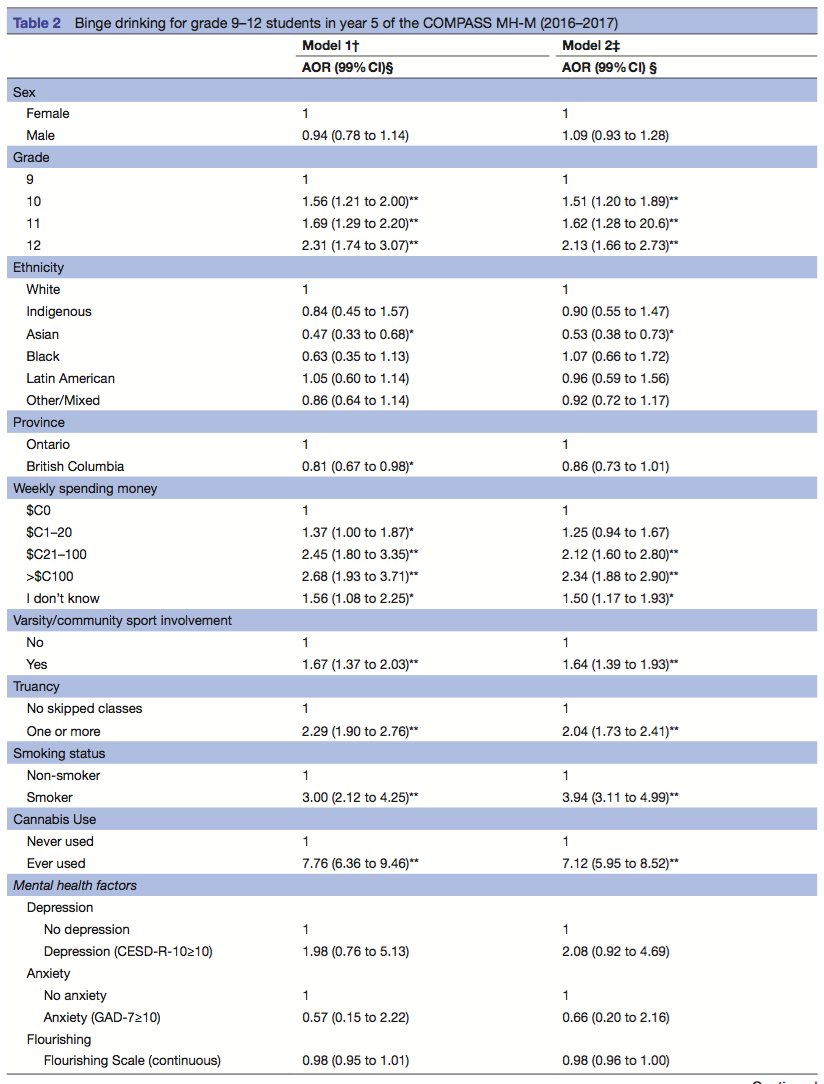
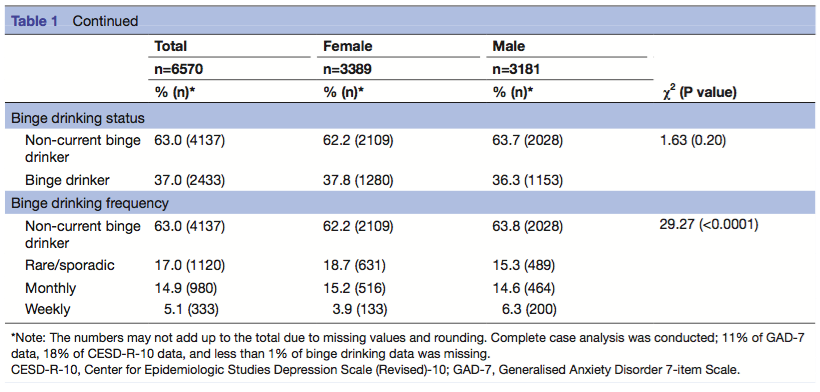
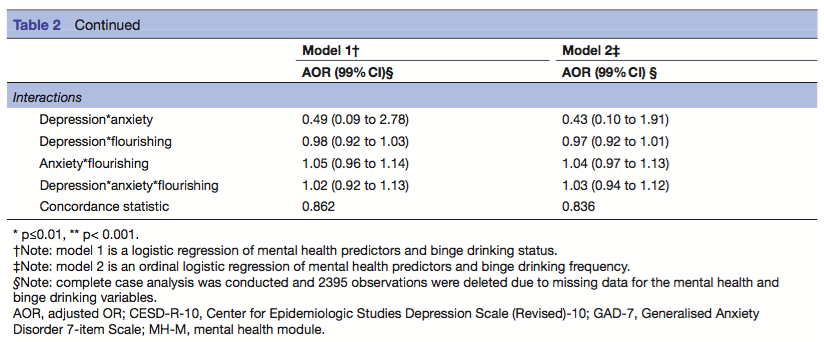
Student-Athletes are at an Increased Risk for Binge Drinking and Substance Use

Title: Psychological correlates and binge drinking behaviours among Canadian youth- a cross-sectional analysis of the mental health pilot data from the COMPASS study

A recent study has examined data from the COMPASS program and found that student-athletes in Canada were more likely to engage in binge-drinking and illicit substance use. Researchers focussed on the measure of flourishing, defined as an overall healthy mental state and emotional connectedness, and how flourishing related to concerning drinking and substance use behavior. Student-athletes were found to be the most at risk for binge-drinking, defined as consuming 5 or more drinks in a single session, and those more likely to binge-drink were also more likely to co-use illicit substances. This research provides evidence for the formation of targeted prevention programs.

Cannabis use is banned among athletes by most sports organizations. Cannabis appeals to athletes considering the many different consumption methods, allowing discreet consumption and personalization with variable potential opportunities for relief. Cannabinoids are generally naturally occurring substances unless clearly manufactured, and have been shown to be beneficial for post-workout recovery, muscle soreness, anxiety, sleep, and relaxation. All of those symptoms, including the emotionally driven ones, are common among student-athletes who often feel an immense amount of pressure to perform in competition. As in most other areas of modern culture, Cannabidiol (CBD) finds itself in a grey area for most sports organizations’ substance regulations given that it is not intoxicating and readily available with a notable safety profile. Even if cannabis is not federally legal, CBD is so widely available that many athletes are embracing it, in lieu of more dangerous, or potentially addictive, medications.

Tweet: A recent study has examined data from the #COMPASS program and found that #studentathletes in Canada were more likely to engage in #binge-drinking and illicit substance use. Read this and other linked studies:

View this review (yellow link) or download:

This paper is also stored here:    http://bit.ly/2XSoIUQ     inside the CED Foundation Archive

To explore related information, click the keywords below:

Benjamin Caplan, MDStudent-Athletes are at an Increased Risk for Binge Drinking and Substance Use
read more