Arthritis

Student-Athletes are at an Increased Risk for Binge Drinking and Substance Use

Title: Psychological correlates and binge drinking behaviours among Canadian youth- a cross-sectional analysis of the mental health pilot data from the COMPASS study

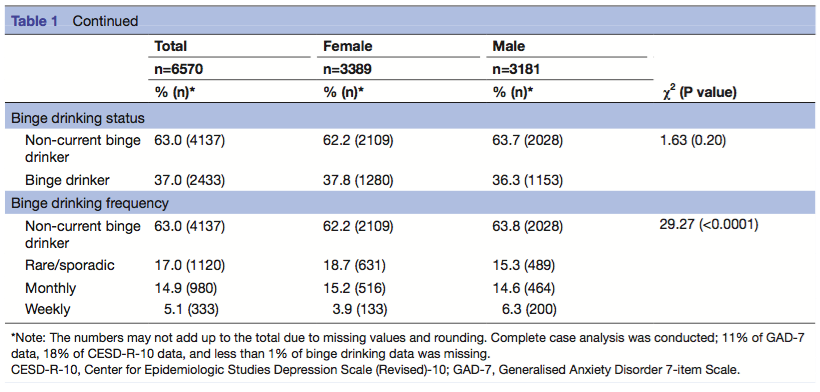
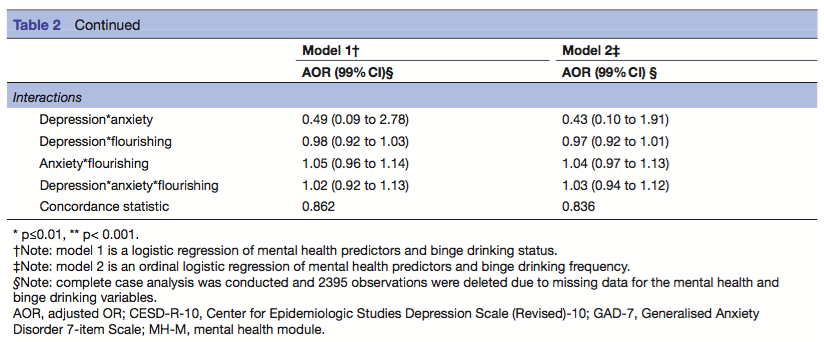
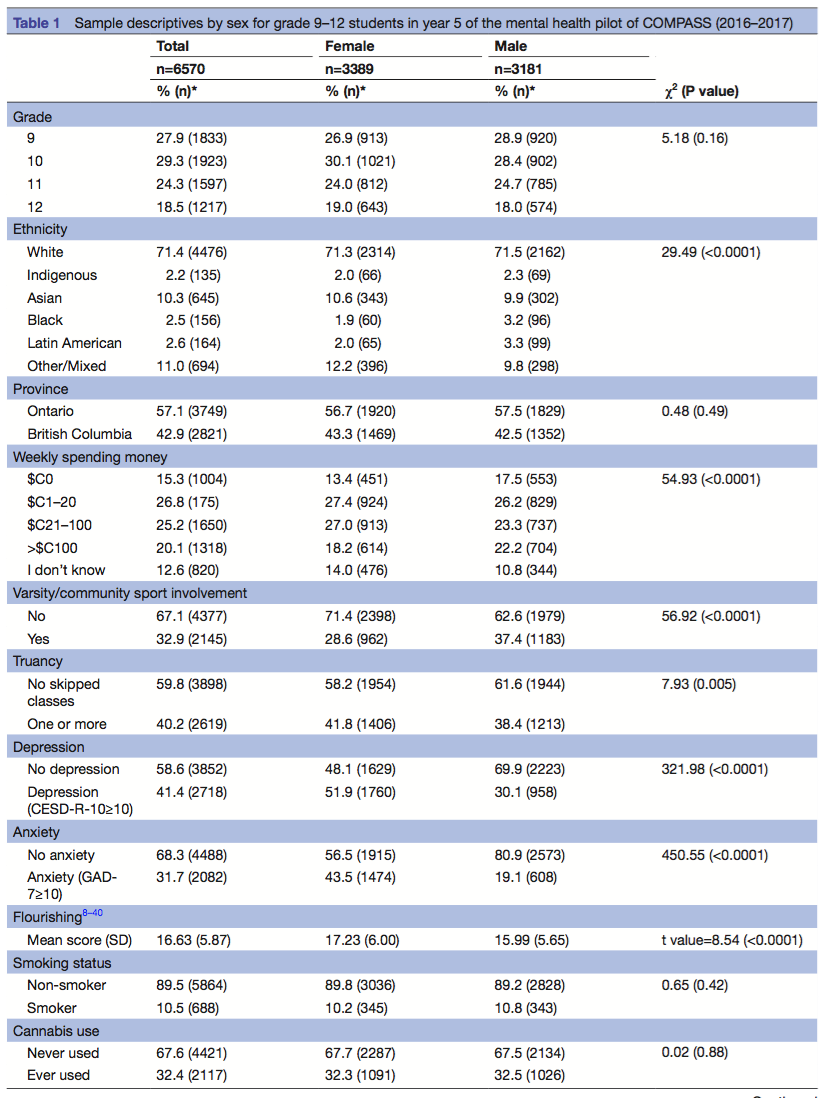
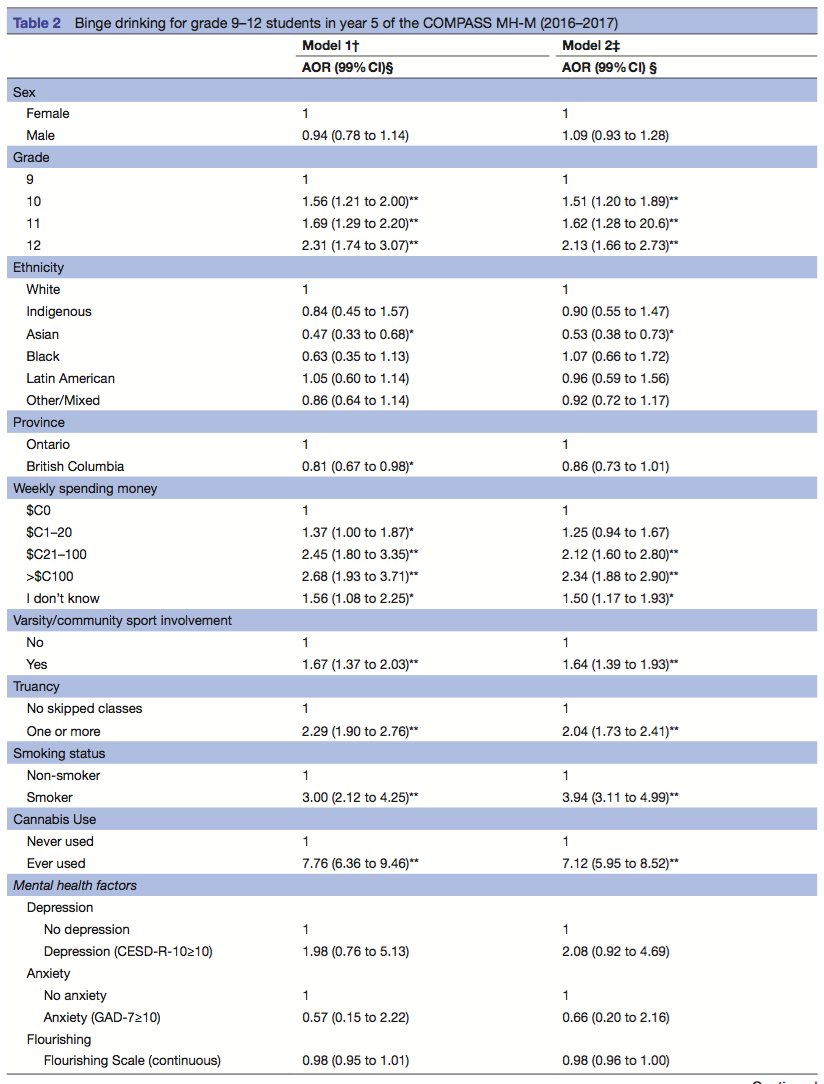
A recent study has examined data from the COMPASS program and found that student-athletes in Canada were more likely to engage in binge-drinking and illicit substance use. Researchers focussed on the measure of flourishing, defined as an overall healthy mental state and emotional connectedness, and how flourishing related to concerning drinking and substance use behavior. Student-athletes were found to be the most at risk for binge-drinking, defined as consuming 5 or more drinks in a single session, and those more likely to binge-drink were also more likely to co-use illicit substances. This research provides evidence for the formation of targeted prevention programs.

Cannabis use is banned among athletes by most sports organizations. Cannabis appeals to athletes considering the many different consumption methods, allowing discreet consumption and personalization with variable potential opportunities for relief. Cannabinoids are generally naturally occurring substances unless clearly manufactured, and have been shown to be beneficial for post-workout recovery, muscle soreness, anxiety, sleep, and relaxation. All of those symptoms, including the emotionally driven ones, are common among student-athletes who often feel an immense amount of pressure to perform in competition. As in most other areas of modern culture, Cannabidiol (CBD) finds itself in a grey area for most sports organizations’ substance regulations given that it is not intoxicating and readily available with a notable safety profile. Even if cannabis is not federally legal, CBD is so widely available that many athletes are embracing it, in lieu of more dangerous, or potentially addictive, medications.

Tweet: A recent study has examined data from the #COMPASS program and found that #studentathletes in Canada were more likely to engage in #binge-drinking and illicit substance use. Read this and other linked studies:
View this review (yellow link) or download:

This paper is also stored here:    http://bit.ly/2XSoIUQ     inside the CED Foundation Archive

To explore related information, click the keywords below:
Benjamin Caplan, MDStudent-Athletes are at an Increased Risk for Binge Drinking and Substance Use
read more

Video: Cannabinoids and autoimmune diseases: A systematic review

This literature review summarizes the findings on the role of cannabis in treating autoimmune diseases. Cannabis has anti-inflammatory properties when treating rheumatoid arthritis, scleroderma, type 1 diabetes, IBD, neuropathic pain, and fibromyalgia. Below is a video adaptation of “Cannabinoids in Rheumatoid Arthritis.” 

View this review (yellow link) or download:

This paper is also stored here:  http://bit.ly/2Y1paV5       inside the CED Foundation Archive

To explore related information, click the keywords below:
Benjamin Caplan, MDVideo: Cannabinoids and autoimmune diseases: A systematic review
read more

Cannabis is a Safe and Effect for the Treatment of Fibromyalgia

Safety and Efficacy of Medical Cannabis in Fibromyalgia 

A recent study has concluded that cannabis is a safe and effective treatment for patients suffering from fibromyalgia symptoms.

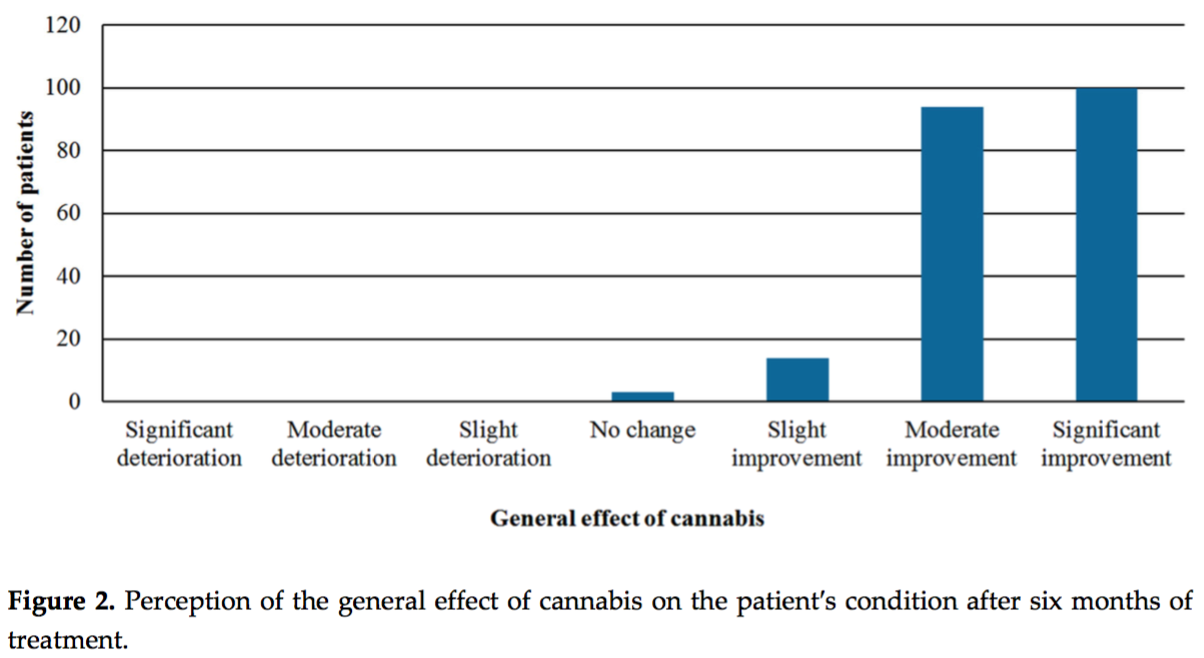
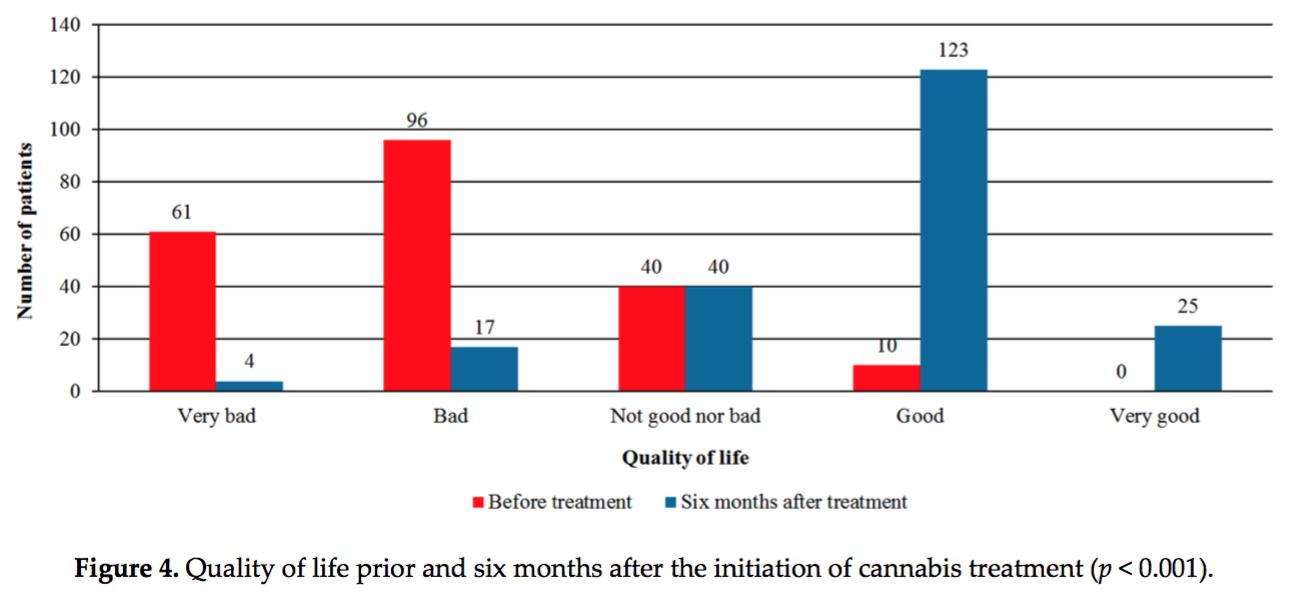
Fibromyalgia is a disorder characterized by widespread pain, fatigue, and issues sleeping. Cannabis is well known for its ability to treat pain, especially in lieu of opioids as the side effects are minimal and the risk of addiction minimal. This study found that over 200 patients were greatly benefited by cannabis as it moderated their pain and improved their mood. Future studies should aim to directly compare cannabis-based treatment with the currently accepted methods of fibromyalgia treatment to validate efficacy. 

This study highlights how beneficial cannabis can be for those patients who are treatment-resistant for the general treatment of most disorders, especially when pain is involved. Cannabis has been proven to be much safer than opioids, and yet our lack of complete information, concerning the exact mechanisms of the endocannabinoid system and how different cannabinoids act on those mechanisms severely limits our ability to offer practical, novel therapies. Cannabis has previously been shown to be beneficial for treatment-resistant forms of epilepsy and depression, which holds promise when continuing to look for novel treatments for other disorders that have proven difficult to treat. 

View this review (yellow link) or download:

This paper is also stored here:     http://bit.ly/2XpsGJr    inside the CED Foundation Archive

To explore related information, click the keywords below:
Benjamin Caplan, MDCannabis is a Safe and Effect for the Treatment of Fibromyalgia
read more

Video: Cannabinoid Delivery Systems for Pain and Inflammation Treatment

A 2018 literature review summarizes the various ways patients can consume cannabis (orally, topically, etc.) and the pain reductions associated with each method. The review focuses on the treatment of multiple sclerosis, cancer, anorexia, arthritis, and other painful disorders.

View this review (yellow link) or download:

This paper is also stored here:    http://bit.ly/2TSZ2Wr     inside the CED Foundation Archive

Benjamin Caplan, MDVideo: Cannabinoid Delivery Systems for Pain and Inflammation Treatment
read more

80%: Cannabis extremely helpful for pain; 82%: helped reduce or stop over-the-counter medications; 88% able to stop taking opioid painkillers

“The study, published in the Journal of Psychoactive Drugs, which looked at 1,000 people taking legalized marijuana in an American state found that among the 65% of people taking cannabis for pain, 80% found it was very or extremely helpful.”

“82% of these people being able to reduce, or stop taking over the counter pain medications, and 88% being able to stop taking opioid painkillers.”

“74% of the 1,000 interviewees bought it to help them sleep – 84% of whom said the marijuana had helped them, and over 83% said that they had since reduced or stopped taking over-the-counter or prescription sleep aids.”

“The study adds weight to the theory that widening access to medical cannabis could lower the use of prescription painkillers, allowing more people to manage and treat their pain without relying on opioid prescription drugs that have dangerous side effects.”

“This is backed up with other research that shows that states with medical cannabis laws have a 6.38% lower rate of opioid prescribing and that Colorado’s adult-use cannabis law is associated with a relative reduction in opioid overdose death rate from 1999 to 2010.”

“”Nonsteroidal anti-inflammatory drugs (NSAIDs) such as ibuprofen cause GI bleeding or kidney damage with chronic use. Paracetemol (Acetaminophen) toxicity is the second most common cause of liver transplantation worldwide, and is responsible for 56,000 ER visits, 2600 hospitalizations, and 500 deaths per year in the U.S.”

Link to news brief: https://eurekalert.org/pub_releases/2019-07/tfg-cmb062819.php

View this review (yellow link) or download:

This paper is also stored here:    http://bit.ly/2JmB7Lv     inside the CED Foundation Archive

To explore related information, click the keywords below:
Benjamin Caplan, MD80%: Cannabis extremely helpful for pain; 82%: helped reduce or stop over-the-counter medications; 88% able to stop taking opioid painkillers
read more

Cannabidiol Treatment for Parkinson’s Disease

Cannabidiol: a hope to treat non‑motor symptoms of Parkinson’s Disease Patients

Cannabidiol (CBD) has recently been postulated as an ideal drug to address the treatment of non-motor symptoms of Parkinson’s Disease (PD) due to its multifaceted mechanism of action. The plethora of effects of CBD includes anti-inflammatory, neuroprotective, anxiolytic, and antipsychotic actions, which improve non-motor symptoms of PD and lift the quality of life for patients coping with the illness. Further research is recommended to garner support for FDA approval.

View this review (yellow link) or download:

This paper is also stored here:    http://bit.ly/2KXTb0Y     inside the CED Foundation Archive

To explore related information, click the keywords below:
Benjamin Caplan, MDCannabidiol Treatment for Parkinson’s Disease
read more

The Cannabinoid System is a Promising Source of Targets for Treating Pain

A Budding Source of Targets for Treating Inflammatory and Neuropathic Pain ECS

The cannabinoid system provides momentum to develop cannabinoid-based medications to treat inflammatory and neuropathic pain as researchers continue to find promising therapeutic targets. These new targets may lead to the formation of novel pain-relief medications that may serve well to alleviate pain for those suffering from cancer, multiple sclerosis, and fibromyalgia. Cannabis-based pain medicine is also being researched for opioid-sparing effects and effectiveness in reducing the necessary dose of opioids.

View this review (yellow link) or download:

This paper is also stored here:  http://bit.ly/2FfLorA        inside the CED Foundation Archive

To explore related information, click the keywords below:


Benjamin Caplan, MDThe Cannabinoid System is a Promising Source of Targets for Treating Pain
read more

Cannabinoids + opioid pain relief: subjective effects in healthy humans

Human study finds that, when taken with opioids, dronabinol (THC) may increase impairment and decrease, or not affect, pain relief. Researchers conclude that THC might NOT protect the body from the adverse effects of opioids. However, the study examined only 10 participants, and such a small sample size should give pause to the validity and applicability of the findings. 

View this review (yellow link) or download:

This paper is also stored here:    http://bit.ly/2IHJuSO     inside the CED Foundation Archive

To explore related information, click the keywords below:

Benjamin Caplan, MDCannabinoids + opioid pain relief: subjective effects in healthy humans
read more

Analyses of Cannabinoid Signaling in the Immune System Highlights Key Questions, Challenges, and Future Directions

Targeting Cannabinoid Signaling in the Immune System: “High”-ly Exciting Questions, Possibilities, and Challenges

A meta-analysis concerning the role of cannabinoid signaling in immune system regulations revealed current therapeutic benefits, challenges for future research, and exciting new directions. Among the current research, cannabinoids have already been found to suppress inflammation associated with autoimmune diseases, especially in multiple sclerosis, rheumatoid arthritis, Type-1 Diabetes, and Crohn’s Disease. Future cannabis-based therapies aim to improve immune responses to organ donation, bone marrow transplants, and skin grafts. The analysis includes challenges facing future cannabis research such as potential side effects and legal status.  

View this review (yellow link) or download:

This paper is also stored here:    http://bit.ly/31ArGR9      inside the CED Foundation Archive

To explore related information, click the keywords below:

Benjamin Caplan, MDAnalyses of Cannabinoid Signaling in the Immune System Highlights Key Questions, Challenges, and Future Directions
read more

Safety and Efficacy of Medical Cannabis in Fibromyalgia

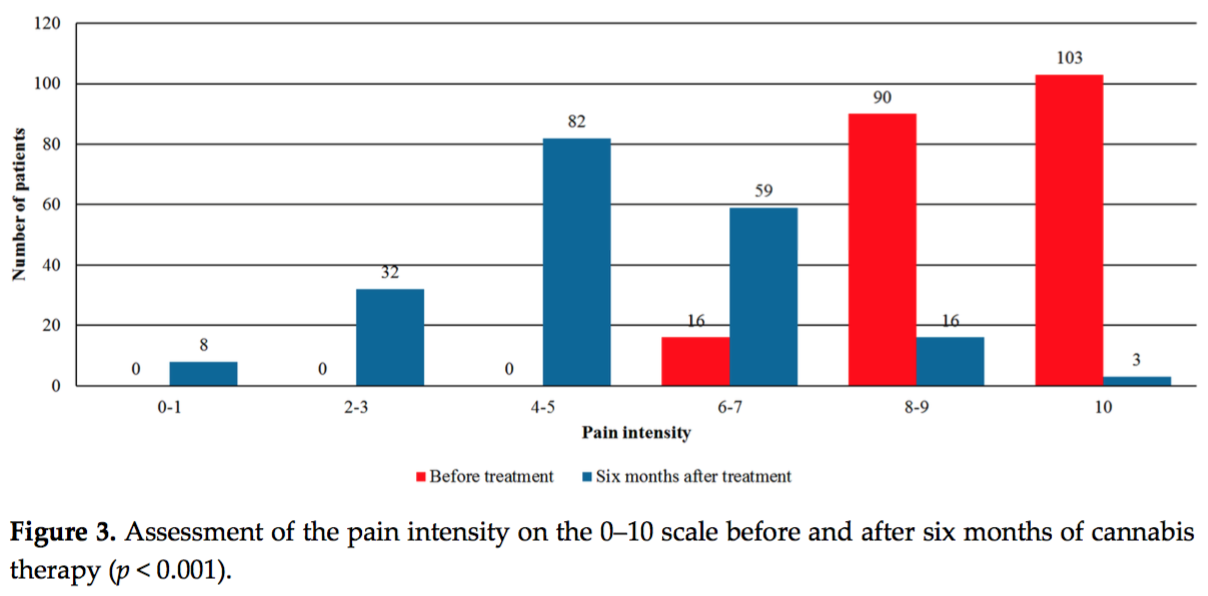
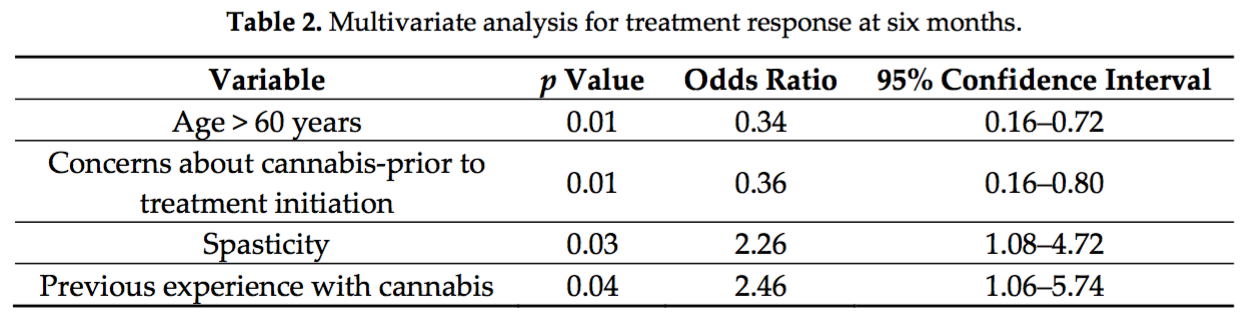
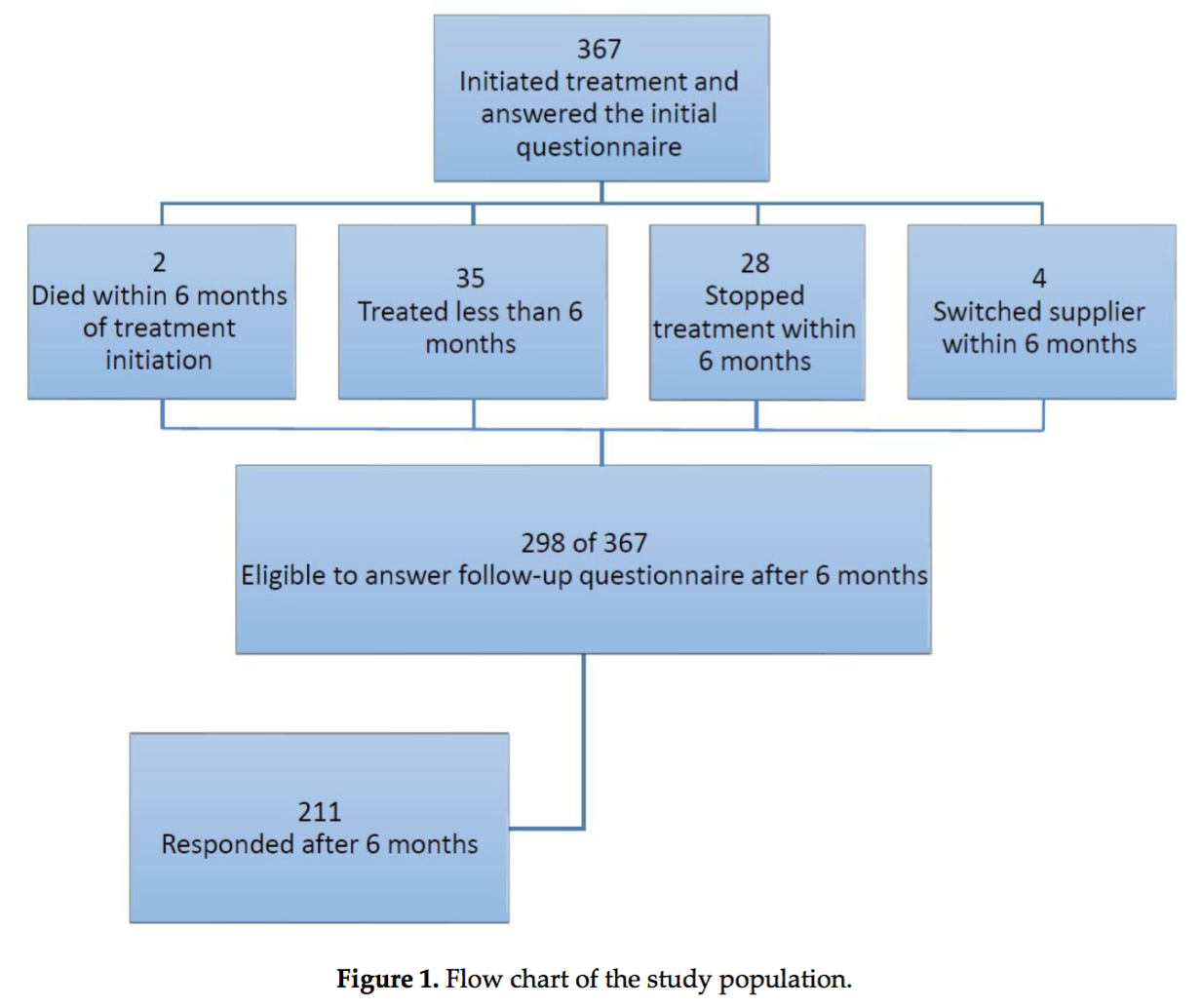
In a study of 367 patients, researchers investigated the safety and effectiveness of cannabis consumption to treat fibromyalgia symptoms. After treatment with cannabis, pain intensity (scale 0–10) reports reduced from a median of 9.0 to a median of 5.0. Interestingly, patients who had previously used cannabis were more likely to have treatment success, whereas patients who shared concerns about cannabis treatment were more likely to have treatment failure. A patient’s mindset can directly affect their treatment outcome.

At CED Clinic, we use the power of education to help patients feel comfortable and confident with their treatment plan.

View this review (yellow link) or download:

This paper is also stored here:     http://bit.ly/2WWLyz6    inside the CED Foundation Archive

To explore related information, click the keywords below:

Benjamin Caplan, MDSafety and Efficacy of Medical Cannabis in Fibromyalgia
read more