Impacts of cannabinoid epigenetics on human development- reflections on Murphy et. al. ‘cannabinoid exposure and altered DNA methylation in rat and human sperm’ epigenetics
An op-ed has praised the work published last year which exposed how pre-conception exposure to cannabis in males is related to alterations in epigenetic regulation of the central nervous and immune systems. Murphy et. al.’s paper ‘Cannabinoid exposure and altered DNA methylation in rat and human sperm,’ revealed that the sperm cells of men who have consumed cannabis are a key vector that may affect neuraxis, heart blood vessels, immune stimulation, secondary genomic instability, and carcinogenesis in the fetus offspring. The author of the response piece extrapolates the data collected by Murphy et. al. to conclude the genome-epigenome is extremely sensitive to environmental toxicants and that further research should examine the epigenomic toxicology of multiple cannabinoids.
The effect of prenatal exposure to cannabis on birth rates, birth outcomes, and the health of the mother is still uncertain. Studies focussing on cannabis use during pregnancy are limited, and what little has been reported, is inconsistent. The featured article now brings to light that bothparents may need to be cautious when attempting to conceive or when having unprotected sex as cannabis may affect both germ cells. Currently, governing bodies of obstetricians advise that pregnant mothers cease any cannabis use so if someone who needs cannabis for a medical purpose that improves their quality of life becomes pregnant they need to seek out alternative methods of treatment. Research is needed so that pregnant women can safely continue their medication or so that alternatives can be found so that women do not need to suffer for the duration of their pregnancy and possible breastfeeding period.
Using cannabis to decrease dependency on cannabis? An Australian study shows promise using Nabiximols to target receptors and diminish the rate of relapse. The spray of equal parts CBD and THC had regular smokers smoking 19 fewer days than those on placebo
Alcohol Hangover Has Detrimental Impact Upon Both Executive Function and ProspectiveMemory
A recent study revealed that alcohol hangovers negatively impact everyday memory, specifically executive function (EF) and prospective memory (PM). EF and PM are cognitive functions that underpin everyday memory; things such as remembering an appointment or where you placed your keys. Participants of the study who suffered from hangovers were able to recall significantly fewer items from memory tasks than their peers. The findings of this study may prove useful when looking into how alcohol and cannabis interact with patients.
Surveys on medical professionals’ opinions on medical cannabis show that while many are still skeptical and do not think it is completely safe, younger doctors and those on the East coast are more supportive. This clash could be good for solving some common concerns with cannabis. http://bit.ly/2XQVxWz
Benjamin Caplan, MDSurveys show medical professionals’ opinions clashing around Cannabis
Title: Cannabis and Alcohol- From Basic Science to Public Policy
This new analysis summarizes the most recent preclinical trials and epidemiological studies concerning the interactions between cannabis and alcohol, as well as possible risk factors for co-use. Specific risk factors, such as frequency of use or belonging to particular groups, were found to be significant within studies (but not across separate studies.) The compiled data reveals that previous research is inconsistent and emphasizes the need for further research to elucidate at-risk populations.
This article highlights a few secondary findings which all focus on the gaps in our knowledge concerning cannabis, of which there are many. There may be potential concerns with the integration of cannabis into modern culture, which has essentially normalized alcohol consumption. Future research will undoubtedly evaluate these concerns, and highlight potential advantages that cannabis consumption may offer as an alternative option.
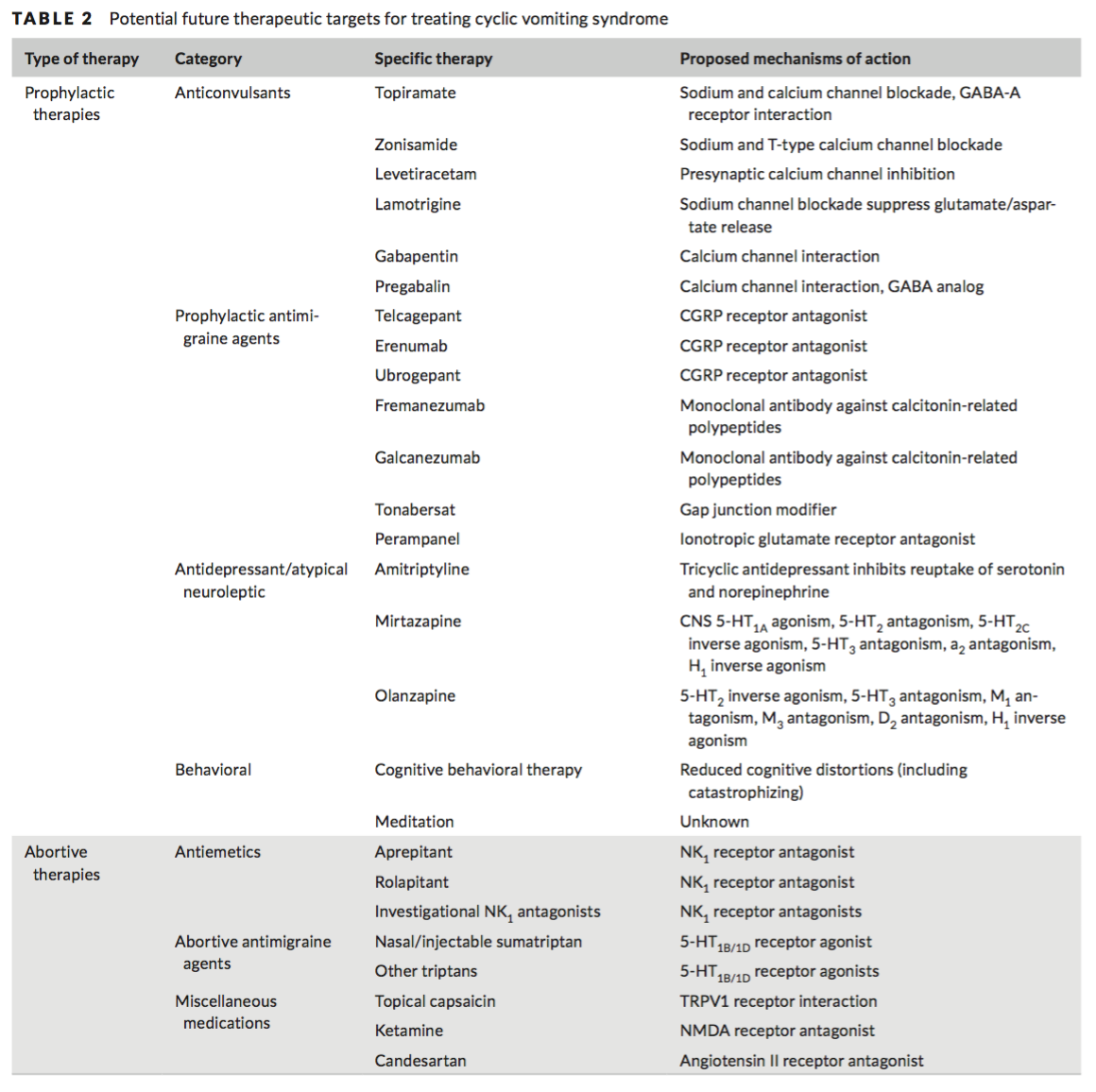
Title: Cyclic vomiting syndrome- Pathophysiology, comorbidities, and future research directions
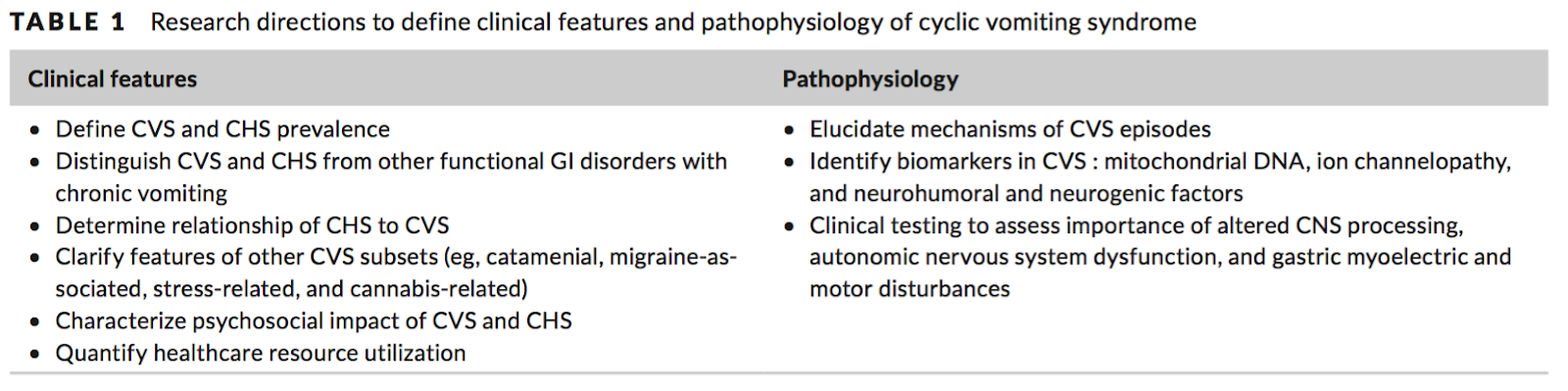
A recent article has called for the establishment of a multicenter registry in order to learn more about cyclic vomiting syndrome and related disorders. Creating such a registry would provide a database of patients for clinical trial recruitment, research on patient outcomes across different treatment methods, the underlying mechanism for the disorder, and the ability to identify potential biomarkers for the disorder. The registry would expand our understanding of the disorder, on all fronts, and hopefully, reveal the most effective treatment method.
Could such a registry be created while still safeguarding patient privacy?
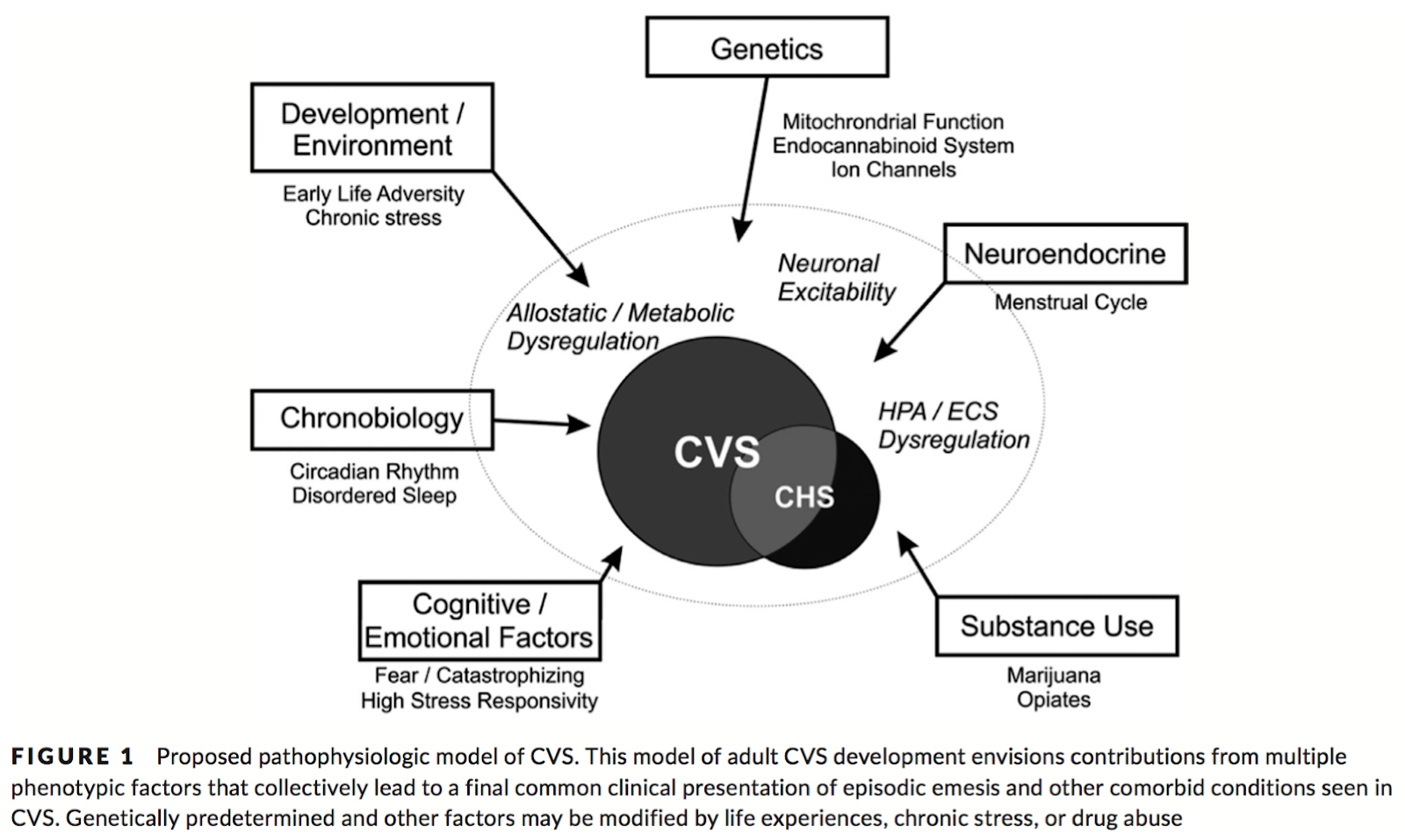
Highlighted in this article is the similarity of cyclic vomiting syndrome and cannabinoid hyperemesis syndrome (CHS). CHS is often misdiagnosed or goes undiagnosed for an exorbitant amount of time. By creating this registry for cyclic vomiting syndrome and related disorders, including CHS, the same information about genetics, underlying mechanisms, and effective treatments could also be determined.
Finding a genetic basis for cannabinoid hyperemesis syndrome would support patients looking into cannabis-based medicine to decide if cannabis would even be an effective treatment, by allowing them to discover possible side effects to which they might be more susceptible.
Characteristics of the bitter and sweet honey from Algeria Mediterranean coast
Previous research on honey and its historical use in traditional medicine has pointed toward its therapeutic application for the immune system, anemia, and heart function, among other conditions.
Two kinds of honey harvested from the Algeria Mediterranean coast, so-called poly-floral sweet honey and uni-floral bitter honey, have demonstrated their many medicinal uses. In a comparative analysis of the two kinds of honey, bitter honey had higher flavonoid content, lower sucrose content, and higher total polyphenols and tannins levels, giving it an increased antioxidant potential over sweet honey.
Additional Point: Factors including a higher flavonoid content in uni-floral bitter content gives it an improved antioxidant potential over poly-floral sweet honey. This makes for a wide variety of clinical benefits, including treatment of anemia, colon cancer, improved immune function, and more.
To explore related information, click the keywords below:
Benjamin Caplan, MDBetween Bitter and Sweet Honey, from Algeria Mediterranean Coast, Different Flavonoid Content Contributes to Distinct Antioxidant Potentials
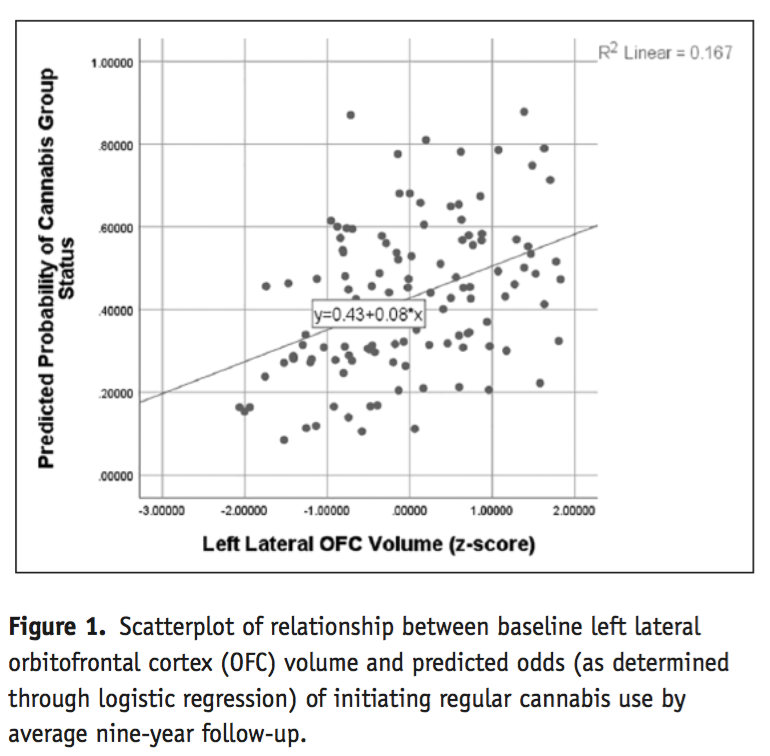
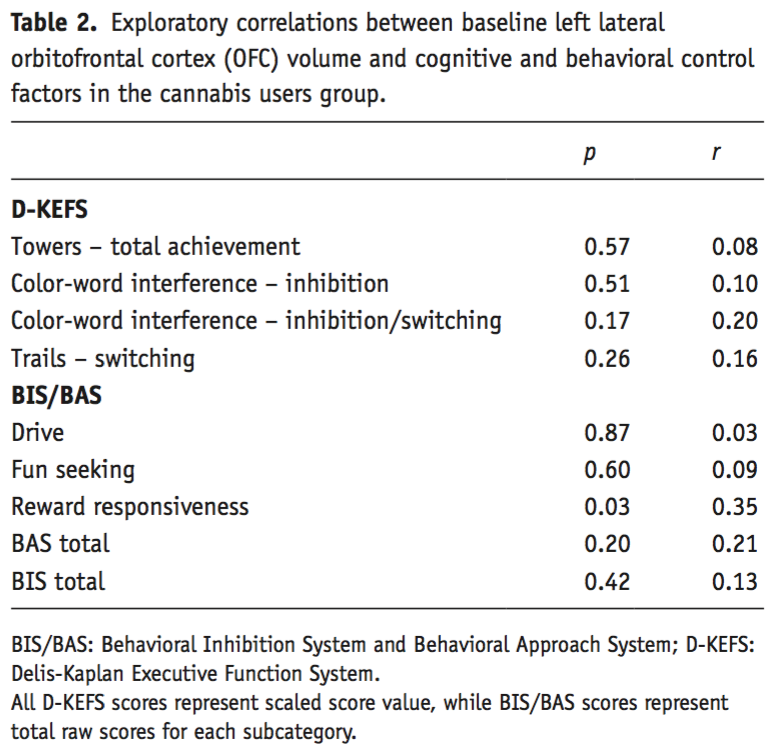
Orbitofrontal cortex volume prospectively predicts cannabis and other substance use onset in adolescents
Researchers have recently unveiled that the volume of the lateral orbitofrontal cortex (OFC) is able to predict future substance use in adolescents. Individuals were followed for 13 years after undergoing magnetic functional resonance imaging and surveyed for cannabis and alcohol use. Interestingly, the authors chose to utilize those who had used cannabis, but in limited quantities, as a control group instead of including them in their cannabis users group. Similarly, the alcohol only group of participants also included those who used cannabis multiple times within the past year. Nevertheless, the authors conclude that the size of the lateral OFC is able to predict drug use in adolescents although not without admitting the need for replication and validity.
This paper represents an important example of biased information within the medical community. Bias is inherent, there is no way around it. But, it is the duty of researchers to publish their findings while remaining as objective as possible, and to do so, transparently. The grouping decisions for the study groups here, and the choices the authors made regarding statistical analysis of this data are odd, considering their definitions and broad claims. This may be due to the views of the organization funding the research, or the bias of the research team members themselves, but the limitations of the study should be considered strongly. Even beyond the groupings, the fact that this research took place in a state where cannabis use is legal for recreational and medical use is a reason to consider other confounding variables. Scientists have an obligation to pursue the truth and not extrapolate their findings to fit a personal or professional agenda. Many articles cherry-pick statistics and extrapolate small findings of data, leaving readers and media outlets to polularize findings that do not represent a full picture. It falls on discerning readers to read mindfully and consider a study’s methodolgy and demographics, as carefully as possible.
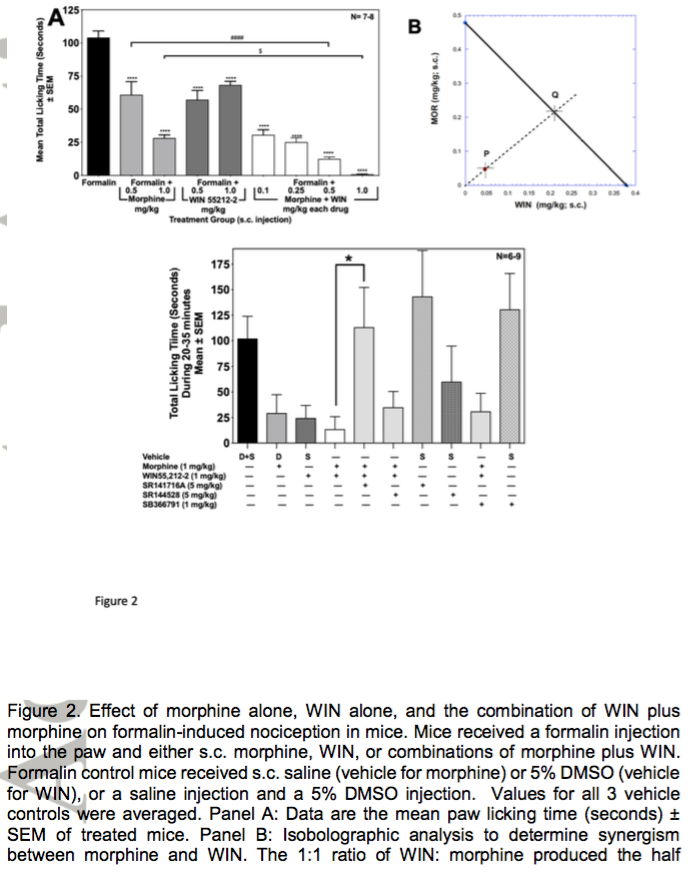
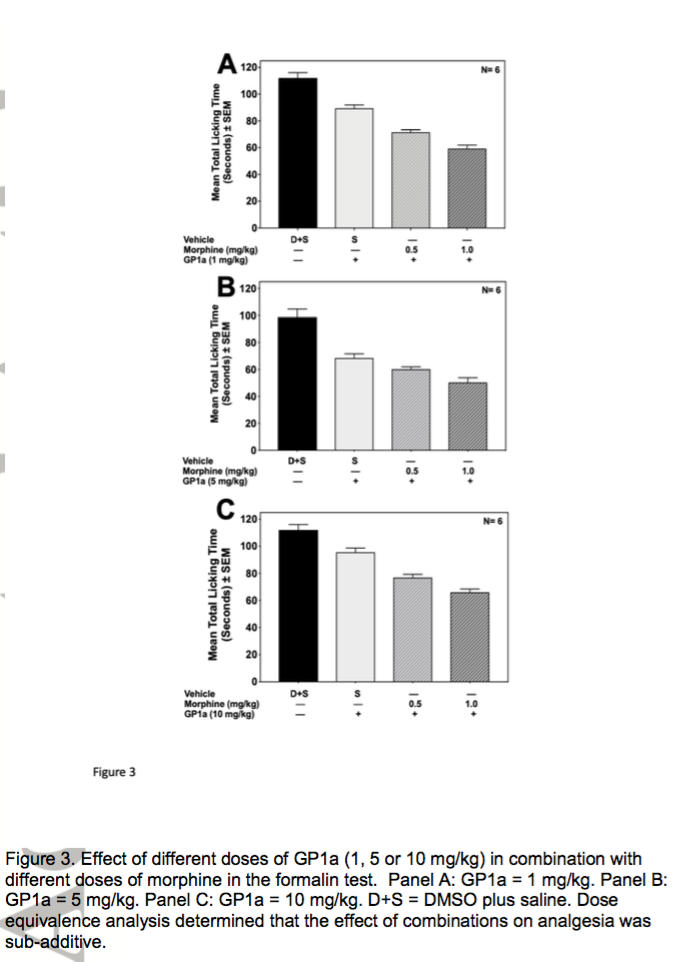
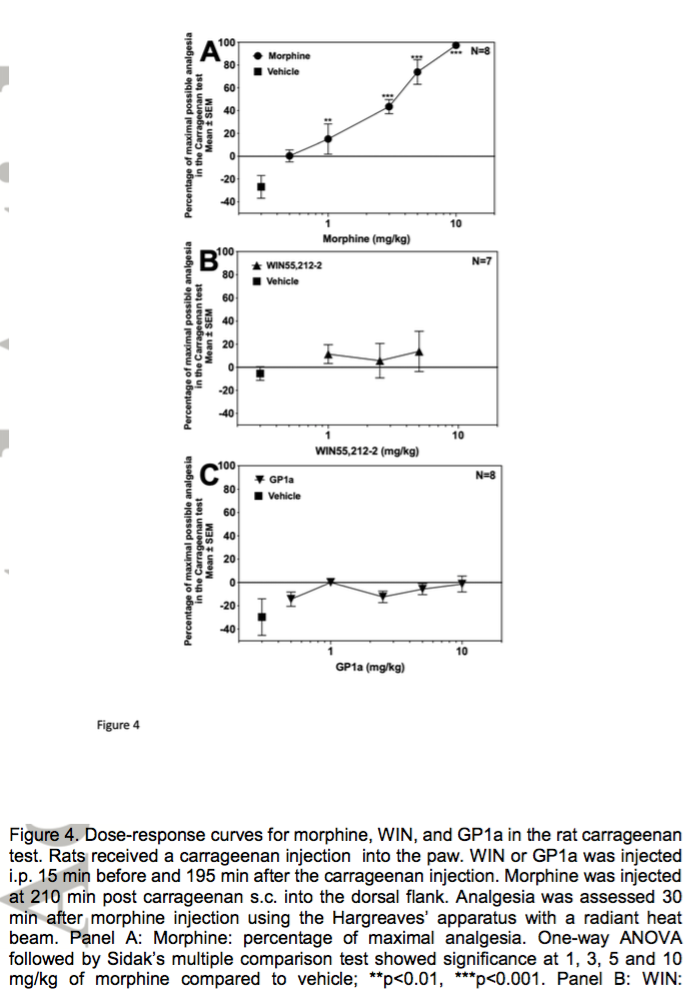
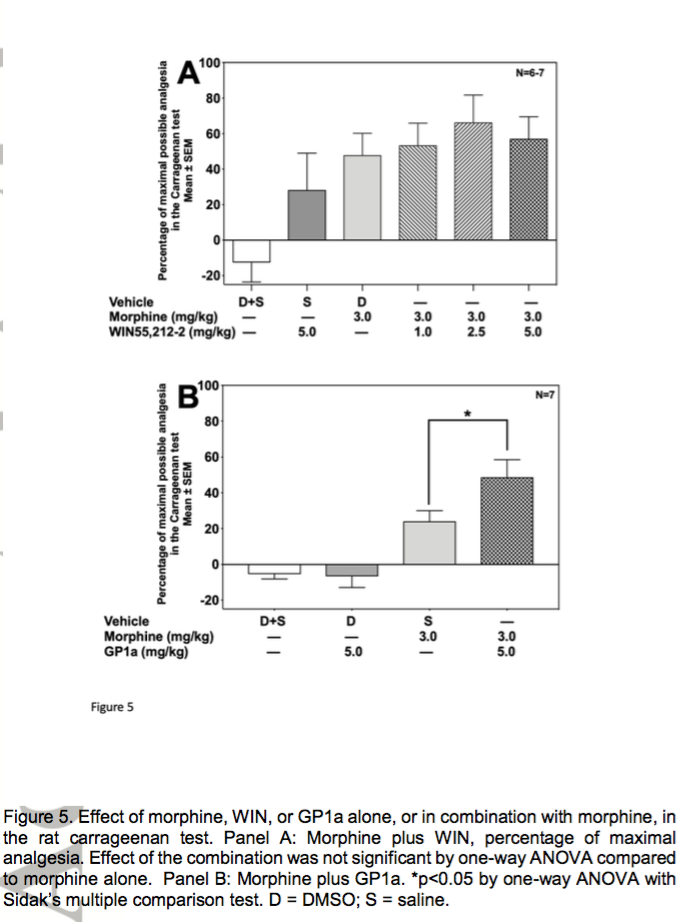
Opioid-Sparing Effects of Cannabinoids on Morphine Analgesia- Participation of CB1 and CB2 Receptors
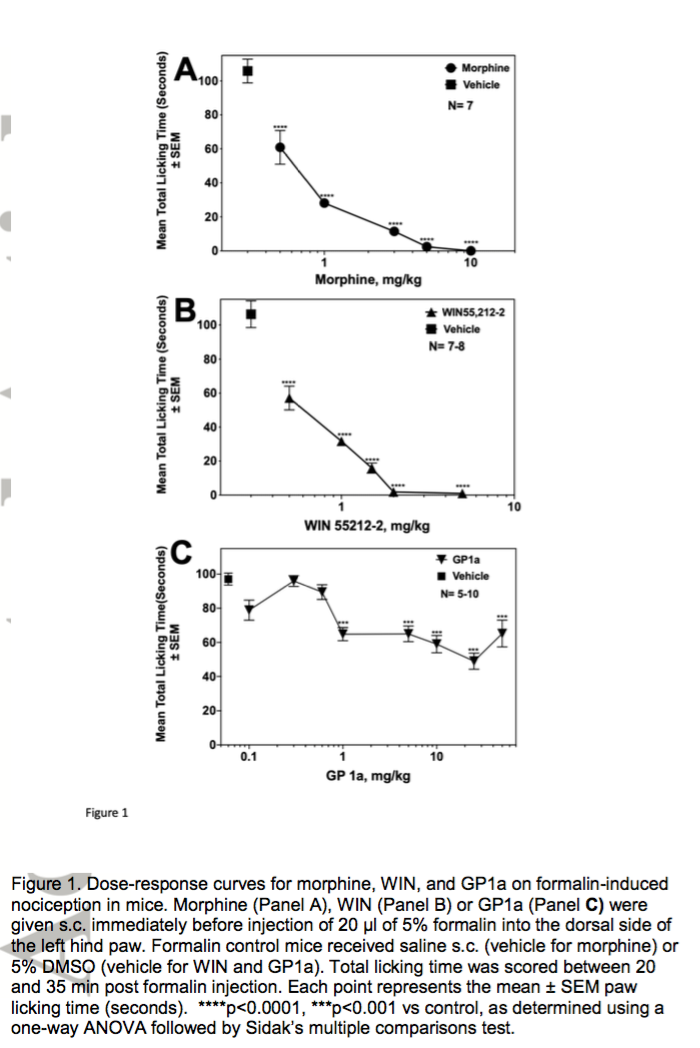
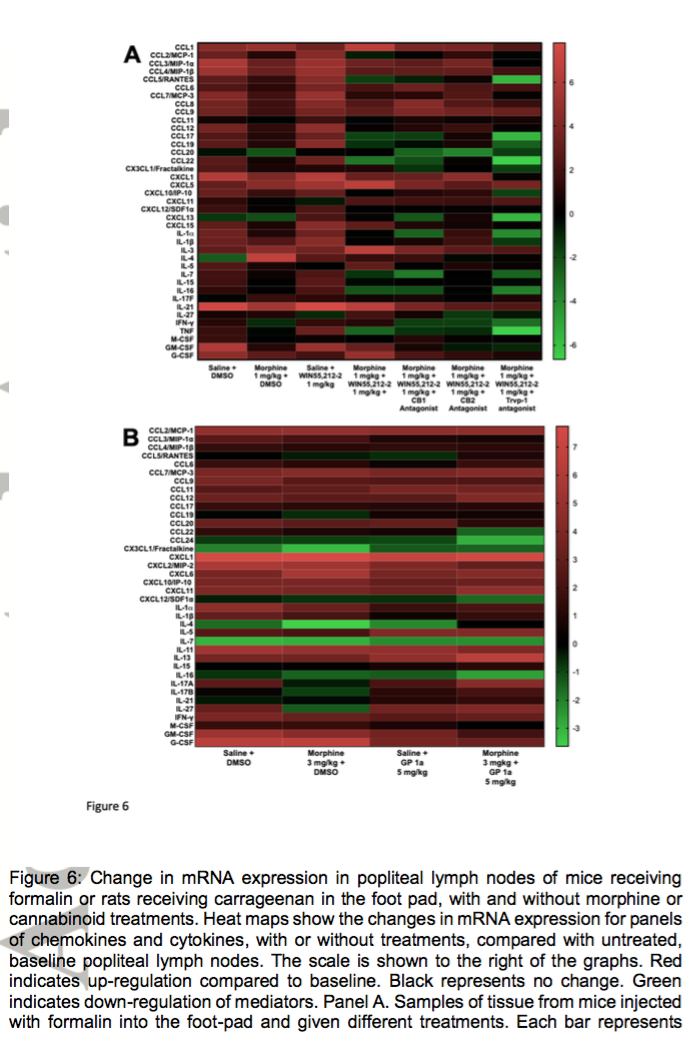
Researchers have recently provided evidence that synthetic cannabinoids are able to work synergistically with morphine to provide maximum pain relief while limiting opioid doses.
In an effort to control the current opioid epidemic researchers have been looking into the possible benefits of cannabinoids due to the interaction of the opioid and endocannabinoid systems. The results of this study showed that various synthetic cannabinoids (WIN and GP1a) were able to work synergistically with morphine in two separate pain models to maximize analgesic effects. Further evidence is still needed to validate these claims before patient use, but this paper provides further evidence that medical cannabis may help put an end to the opioid crisis.
Highlighted in this paper is the lingering uncertainty of exact mechanisms within the endocannabinoid system. The authors of this article are left without definite answers as to whether or not the analgesic effect is mediated completely through cannabinoid receptor 1 (CB1) or if cannabinoid receptor 2 (CB2) is also involved. Research into cannabinoids is slow within the United States, as there are currently only privately funded studies. This severely limits the medical community from a full understanding. The better a system is understood, the more concrete answers can be found. Critics may never support the rescheduling of cannabis but without moving cannabis to a Schedule II or III, it remains impossible to back even their claims.