Blog

The Cannabinoid System is a Promising Source of Targets for Treating Pain

A Budding Source of Targets for Treating Inflammatory and Neuropathic Pain ECS

The cannabinoid system provides momentum to develop cannabinoid-based medications to treat inflammatory and neuropathic pain as researchers continue to find promising therapeutic targets. These new targets may lead to the formation of novel pain-relief medications that may serve well to alleviate pain for those suffering from cancer, multiple sclerosis, and fibromyalgia. Cannabis-based pain medicine is also being researched for opioid-sparing effects and effectiveness in reducing the necessary dose of opioids.

View this review (yellow link) or download:

This paper is also stored here:  http://bit.ly/2FfLorA        inside the CED Foundation Archive

To explore related information, click the keywords below:


Benjamin Caplan, MDThe Cannabinoid System is a Promising Source of Targets for Treating Pain
read more

The origins of cannabis smoking: Chemical residue evidence from the first millennium BCE in the Pamirs

According to anthropologists, Cannabis plants were burned in wooden braziers (circa 500 BCE) during ceremonies at the Jirzankal Cemetery in the eastern Pamirs region.

 This suggests that cannabis was smoked as part of ritual activities in western China at least 2,500 years ago. Interestingly, phytochemical analyses reveal that these cannabis plants produced high levels of psychoactive compounds, suggesting that people used cannabis not only for medical purposes but also to get intoxicated. 

View this review (yellow link) or download:

This paper is also stored here:   http://bit.ly/2IUbYZU      inside the CED Foundation Archive

To explore related information, click the keywords below:

Benjamin Caplan, MDThe origins of cannabis smoking: Chemical residue evidence from the first millennium BCE in the Pamirs
read more

Cannabidiol May Provide Novel Treatment for Rare Ovarian Cancer

Dramatic response to Laetrile and cannabidiol (CBD) oil in a patient with metastatic low grade serous ovarian carcinoma

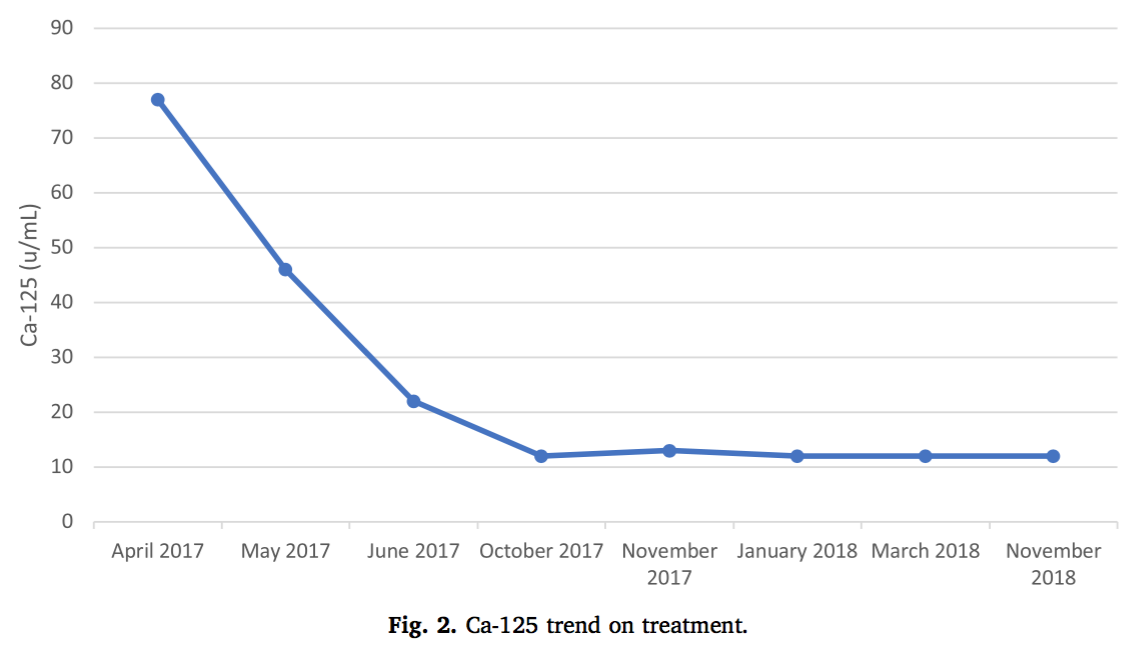
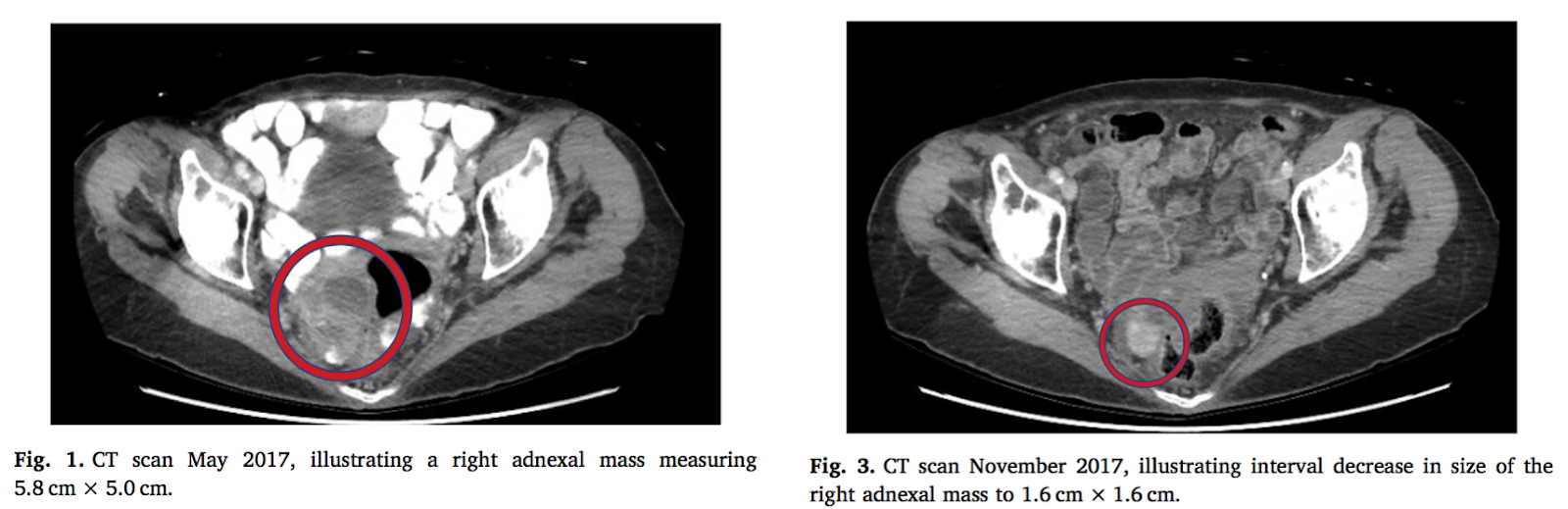
A recent case study has examined a patient’s response to the consumption of cannabidiol (CBD) as a treatment for a rare type of ovarian cancer. Rather than participate in chemotherapy, which has been shown to only be effective in 5% of patients with low grade serous ovarian carcinoma, an 81-year-old decided to take a combination of amygdalin and CBD. Although CBD has only been shown to have effective anti-cancer properties in murine models the featured patient reported a significant decrease in tumor size, revealing that CBD may, in fact, be an effective treatment for patients looking into alternative care methods.

Although proven ineffective, the use of amygdalin highlights alternative therapies derived from naturally occurring chemicals found in common plants. Flavonoids and terpenes are chemical components of cannabis plants, also found in a variety of fruits and vegetables, that are just now being investigated for their therapeutic benefits. The results of those inquiries may prove useful for similar patients suffering from illnesses that are resistant to the usual treatments.

View this review (yellow link) or download:

This paper is also stored here:   http://bit.ly/2L9pCJZ      inside the CED Foundation Archive

To explore related information, click the keywords below:

Benjamin Caplan, MDCannabidiol May Provide Novel Treatment for Rare Ovarian Cancer
read more

Medical vs Rec

Many think medical marijuana laws will ultimately lead to adult-use, but this is not necessarily true, and for good reason. The medical industry recognizes that cannabis is a powerful medication and prioritizes its safety and health benefits, while so-called “recreational” or “adult use” cannabis seems to focus more on making money and supporting the pleasurable aspects of the plant.

Interestingly, at CED Clinic, we’re seeing more and more patients come in from the “adult-use.” Whether it’s a desire for comprehensive education (anything we put into our bodies has effects), personalizing a medical plan that considers short-term and long-term impact, or simply having a knowledgeable person to support individual choices and empowerment on an individual journey, we find that our patients enjoy learning and riding the cutting edge of the science of cannabis! http://bit.ly/2INDGY7

To explore related information, click the keywords below:

Benjamin Caplan, MDMedical vs Rec
read more

In MA, despite being state-legal, FDA says CBD cannot be added to food or dietary supplements. What now?

MA effectively outlawed the sale of any food products with CBD or products which make therapeutic claims. This is the result of FDA saying that CBD cannot be added to food or dietary supplements. In a state where cannabis is legally accessible, consumers and hemp farmers are very unhappy. What do you think? http://bit.ly/2IOtTRm

Benjamin Caplan, MDIn MA, despite being state-legal, FDA says CBD cannot be added to food or dietary supplements. What now?
read more

Cannabis Cafes coming to MA

Massachusetts has come one step closer to a pilot program involving cannabis cafes across the state. This will also bring about more licenses for cannabis delivery and social consumption, as a less capital-intensive option for entrepreneurs to enter the industry. http://bit.ly/2IOjOUz

To explore related information, click the keywords below:

Benjamin Caplan, MDCannabis Cafes coming to MA
read more

Case Studies Reveal Difficulties in Differences between State Cannabis Laws

Crossing the Line: Care of a Pediatric Patient with Intractable Seizures and Severe Neuropathic Pain in Absence of Access to Medical Marijuana

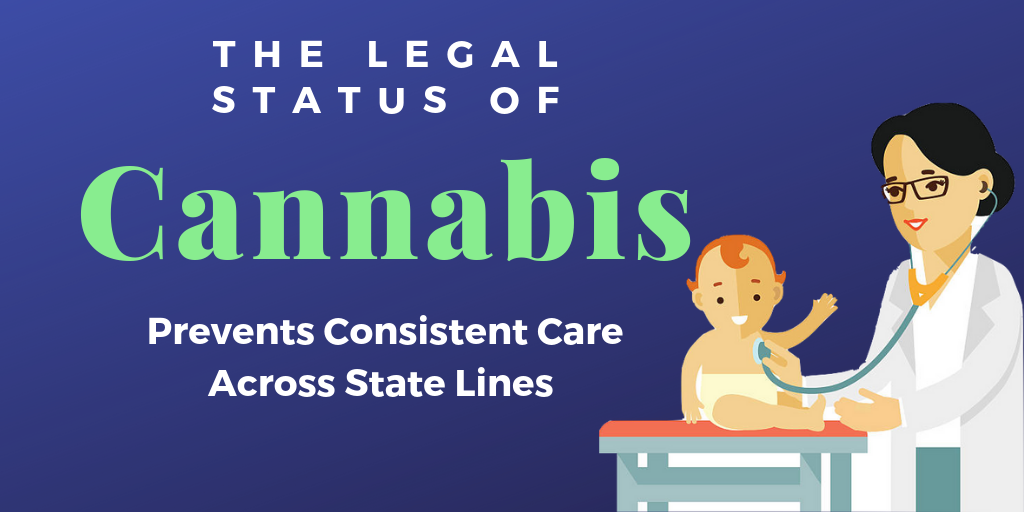
A recent case report discussing a six-year-old patient suffering from a seizure disorder has exposed the difficulty is receiving treatment across state lines. The patient was prescribed medical marijuana that alleviated the severity and duration of her seizures but was weaned off that medication when traveling to Nebraska for a therapeutic surgery due to the legal status in the state. This case study exposes the difficulty of treating patients across the country due to the legal variability of cannabis across states.  

An interesting question brought up in this case study is how to handle palliative care in the absence of opioids and without synthetic products. A combination of massage, essential oils, and salt light therapies were able to compensate for medical marijuana, but not without great effort. Natural therapies like the ones administered here are costly and highlight the simplicity and effectiveness of medicinal cannabis.

View this review (yellow link) or download:

This paper is also stored here:   http://bit.ly/2IxPoWN      inside the CED Foundation Archive

To explore related information, click the keywords below:
Benjamin Caplan, MDCase Studies Reveal Difficulties in Differences between State Cannabis Laws
read more

Video: The Endocannabinoid System’s Intriguing Role in Gut Health

A 2018 literature review summarizes the findings on cannabis and gut health. The endocannabinoid system plays a key role in gut motility, obesity, and inflammatory bowel disease (IBD). Targeting the endocannabinoid system with CBD oil or other cannabinoids seems to reduce colonic inflammation and relieve stress, at a microscopic level, inside the gastrointestinal tract. Watch our video adaptation of the effects of cannabis on IBD:

View this review (yellow link) or download:

This paper is also stored here:    http://bit.ly/2IQCNy1     inside the CED Foundation Archive

To explore related information, click the keywords below:
Benjamin Caplan, MDVideo: The Endocannabinoid System’s Intriguing Role in Gut Health
read more