Blog

Psychiatric Disorders Reduce Survival Among Immune-Mediated Inflammatory Disease Patients

Psychiatric comorbidity increases mortality in immune-mediated inflammatory diseases

Summary Information:

A new study finds that a diagnosis of depression, anxiety, and/or bipolar disorder increases mortality rates for patients of one of three immune-mediated inflammatory diseases (IMID):

1) multiple sclerosis (MS), or

2) inflammatory bowel disease (IBD), or

3) rheumatoid arthritis (RA).

Depression and bipolar disorder can cause poor health behaviors in patients, as depression, bipolar disorder, and anxiety disorders are “associated with increased inflammation and immune dysregulation.” Suicide risk and attempts are increased among IMID patients with mental illness, compared with IMID patients who are not also suffering from one of these additional battles. Given that cannabis has shown promise in treating both inflammation and a range of psychiatric disorders, there is reason to be optimistic for further cannabis research to uncover multifunctional treatment options.  

Dr Caplan and the #MDTake:

Clinically, it’s rare to see medical patients who have only one concern. Sure, there are some who are hoping that cannabis will help them to treat seizures, headaches, anxiety, sleep troubles, or terrible back pain, but more often, it is a combination of several troubles that each add to a cumulative tipping point.

Naturally, very few individual systems act alone. When a body part is injured, sleeping (or not sleeping) effects the course of illness. Similarly, feeling less anxious, or improving sleep, may make symptoms of a struggle with consistent headaches seem more tolerable. Even when there aren’t direct connections between symptoms, a treatment which implements a systemic treatment can have multiplied benefits.

Many patients have found that cannabis offers them a way to attack more than one problem, with a single actor. Some with Diabetes are finding that some formulations are not only helping them reduce blood sugar levels, but also reducing appetite. Similarly, some patients with ADD are turning to cannabis options which may help them focus, without their ability to get to sleep at night.

To a related note, many elderly patients are treated with too many medications. Modern Western medical treatment often compels patients into silos of treatments by isolated specialists, who are not always monitoring the patient as a being beyond individual organ systems. Medications, such as cannabis, which have the opportunity to treat more than one system, without multiplying the risk of potential drug-drug interactions presents a much safer approach to care

View this review (yellow link) or download:

This paper is also stored here:  http://bit.ly/2MRDfiP       inside the CED Foundation Archive

To explore related information, click the keywords below:

Benjamin Caplan, MDPsychiatric Disorders Reduce Survival Among Immune-Mediated Inflammatory Disease Patients
read more

Info about Traveling & Cannabis

Here is a nice summary of information for US medical cannabis patients with respect to traveling while on a cannabis regimen (what to think about, including plane/trains/automobiles, helpful tips, which states have reciprocity, and/or access to medical cannabis options, etc)

https://www.safeaccessnow.org/travel

Benjamin Caplan, MDInfo about Traveling & Cannabis
read more

A case of an abnormal heart rhythm. Is cannabis to blame?

Article title: Atrioventricular Nodal Reentrant Tachycardia Triggered by Marijuana Use: A case report and review of the literature

Summary:

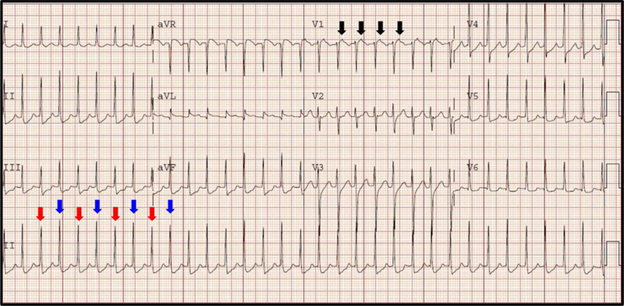
The effect of cannabis on the heart is not yet well-understood. This report highlights a case of one 40-year-old patient who had, an hour after smoking cannabis, a specific type of cardiac rhythm abnormality (arrhythmia) called atrioventricular nodal reentrant tachycardia (AVNRT).  There is a physical component of this abnormality, an errant track where aberrant rhythms re-enter the heart and can cause rapid heartbeats (tachycardia.) In the discussion, the authors suggest that cannabis use, at higher doses, may stimulate the parasympathetic system, which happens to be involved in electrical current tracks in our heart. The authors further hypothesize that in susceptible people, as in this case, cannabis may affect this electrical pathway in the heart, and may disrupt a stable rhythm.

Dr Caplan and the #MDTake:

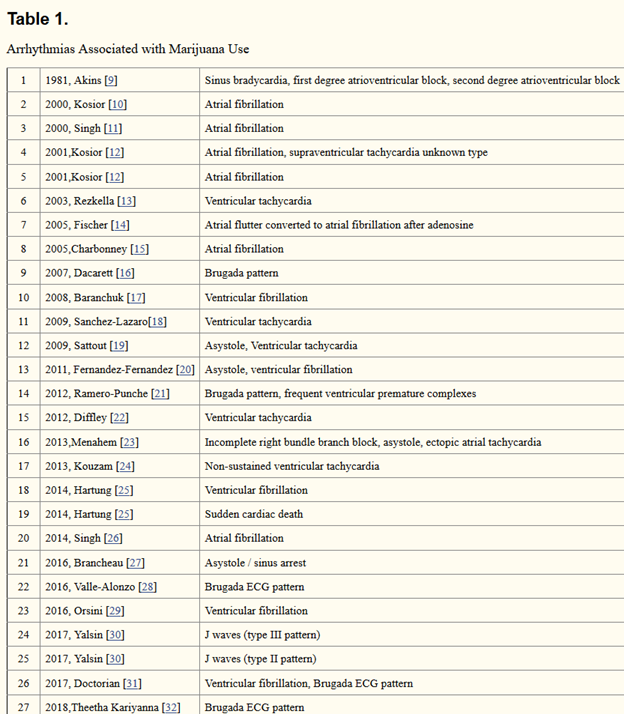
Abnormal heart rhythm disorders can be life-concerning conditions, however, there have only been 17 or so reported cases (see Table 1) of life-threatening cases in the medical literature. As it is exceedingly rare, it can be difficult to determine if cannabis is implicated or not.

Clinical Impressions:

Including rare, serious heart conditions, relatively benign circumstances, and conditions related to structural heart disease, arrhythmias are a relatively uncommon condition. Nevertheless, CED Clinic has seen many patients who have atrial fibrillation, a smaller but significant number of patients who have stable low or elevated heart rates, and a rare few with irregularly irregular abnormalities. Some patients have embraced cannabis while anticoagulated (helpful to reduce the risks of potentially dangerous clots), and some who are engaging with cannabis have been treated surgically. The approach to cannabis that most seem to prefer is a slow, gradually increasing dosage routine, where one can become accustomed to low doses, prior to advancing to something which may be more therapeutic, while minimizing the potential cardiac impact. Fortunately, to date, we have observed no grave repercussions that seemed caused, correlated or attributable to cannabis.

ECG showing AVNRT at the time of presentation.

View this review (yellow link) or download:

This paper is also stored here:    http://bit.ly/2MPc7Rl     inside the CED Foundation Archive

To explore related information, click the keywords below:

Benjamin Caplan, MDA case of an abnormal heart rhythm. Is cannabis to blame?
read more

Does Cannabis affect blood pressure, heart rate, brain blood flow?

Article title: Acute Cardiovascular Effects of Marijuana Use

The Review:

The authors of this systematic review combed through multiple previously published studies, looking at the short-term cardiovascular effects of THC on the body. The cardiovascular effects they covered included: changes in blood pressure, heart rate, and blood flow to the brain (cerebrovascular circulation).

This review showed that for blood pressure, the results were undecided, as some studied showed a drop in blood pressure, while others did not. For heart rate, the studies showed an increase after consuming marijuana, but quantity and duration were not mentioned. As for blood flow to the brain, only one study showed a potential decrease while the others found no change. The THC percentage of the products used (mainly inhaled ones) ranged from 1.2% to 17.5%.

Dr Caplan and the #MDTake:

This limited review aims to evaluate the effects of THC on blood pressure, heart rate and blood flow to the brain, but it has important limitations. In terms of how the changes were recorded in the studies and the relevant amounts (of what is changing) were not mentioned. For instance, while the study did show that THC may increase heart rate in the short term, it is not clear what the relevance is, what risk this may poses to consumers if any. Past literature has shown that heart muscle can respond to specific cannabinoids, both in the lab and in animals trails. Several case studies have reported individuals with grave reactions, although these concerns have yet to be replicated in a controlled manner, nor correlated with any specific circumstances or components of cannabis. Toward a goal of maximizing safety, caution is likely warranted for those consuming cannabis with known cardiac risk factors (including heart dysfunction, blood pressure concerns, rhythm abnormalities, and others) particularly with regard to the consumption of high THC products.

Clinical Impressions:

Clinically, there is a distinct trend of people who have found heart rate effects with their cannabis use, mostly increased heart rates at the beginning of use (both when first beginning to consume cannabis as well as early on during an episode of consumption.) There seems to be a tolerance to the heart rate effects because many report that this effect wanes over time. There are a clear group of patients for whom cannabis lowers blood pressure, but also groups for who it either has no effect or increases blood pressure. The long-term trend again seems that tolerance plays a role in bringing all extremes to the middle ground. Regarding blood flow, there seems to be a clear increase in local blood flow with topicals and, at least among CED Clinic patients, no observable relationship between cannabis use and blood flow, from a macroscopic perspective.

View this review (yellow link) or download:

This paper is also stored here:    http://bit.ly/2MLkihz     inside the CED Foundation Archive

To explore related information, click the keywords below:
Benjamin Caplan, MDDoes Cannabis affect blood pressure, heart rate, brain blood flow?
read more

Is Sativex absorbed in the mouth or gut? To eat or not to eat beforehand?

Article Title: A meta-opinion: cannabinoids delivered to oral mucosa by a spray for systemic absorption are rather ingested into gastro-intestinal tract: the influences of fed/fasting states.

Sativex® spray is made of a 1:1 ratio of THC and CBD. It is marketed for use in the treatment of spasticity in patients with Multiple Sclerosis and is absorbed into the bloodstream through the oral mucosa. This absorption has the benefit of rapid absorption, as it avoids the slow process of digestion which is the typical path of absorption for edibles. This meta-opinion (expert opinion) review argues that Sativex is actually washed down by our saliva and digested through our gastrointestinal tract very much like edibles, and NOT merely absorbed in the mouth via oral mucosa, as the producers suggest. The authors reviewed several research studies which have found that the concentrations of THC and CBD in the body, following administration of Sativex differed if a patient had a meal or not beforehand. This would suggest that Sativex is indeed absorbed in the gastrointestinal tract, rather than merely through the oral mucosa.

How this matters to consumers:

Toward a goal of reproducible dosing and effects, consumers would do well to understand the effects of various methods of absorption. Specifically, it is helpful to know that the effect of Sativex may be delayed if it follows a meal.

View this review (yellow link) or download:

This paper is also stored here:    http://bit.ly/2MNjQ2u     inside the CED Foundation Archive

To explore related information, click the keywords below:

Benjamin Caplan, MDIs Sativex absorbed in the mouth or gut? To eat or not to eat beforehand?
read more

Exciting New Cannabis Compound with Great Therapeutic Potential

Functionalized 6-(Piperidin-1-yl)-8,9-Diphenyl Purines as Peripherally Restricted Inverse Agonists of the CB1 Receptor

Summary information:

A recent study has developed a synthetic compound that can act as an inverse agonist (a reverse activator) of cannabinoid receptor 1 (CB1.) Considering how prevalent these receptors are in the body, this may serve as a useful treatment for a great many concerns that involve this receptor, and/or for altering the effects of other cannabinoid therapies. The developed compounds are orally bioavailable and peripherally selective for CB1, meaning they can be taken by mouth and can still have action in the periphery of the body, as opposed to simply at the brain’s receptors. The selectivity and therapeutic benefits of these novel compounds present a promising development for the potential treatment of metabolic syndrome, diabetes, liver diseases, and gastrointestinal disorders, to name but a few.

Dr Caplan’s Input:

We have CB1 receptors from head-to-toe, through every organ, and just about everywhere in the body. This article highlights a few interesting points. While we have compounds which can activate a target cannabinoid receptor, the action in this review is actually stimulating an opposite impact (activating the opposite action, or an “inverse agonist” effect.) Also, the concept of targeting central (at the brain) vs peripheral (everywhere else) has not been well-addressed yet in Cannabis Medicine. If we can separate the two targets easily, the options for applications of cannabinoid therapies multiplies, as does the opportunity to eliminate undesirable effects.

View this review (yellow link) or download:

This paper is also stored here:   http://bit.ly/2UmvClo      inside the CED Foundation Archive

To explore related information, click the keywords below:

Benjamin Caplan, MDExciting New Cannabis Compound with Great Therapeutic Potential
read more

The Cannabinoid System Provides Target for Novel Alzheimer’s Treatment

Discovery of novel benzofuran-based compounds with neuroprotective and immunomodulatory properties for Alzheimer’s disease treatment

A recent study has revealed that novel therapeutic methods that modulate the endocannabinoid system may help to treat Alzheimer’s disease. Researchers have isolated two compounds that provide neuroprotective benefits regulated by the endocannabinoid system. This treatment is specifically thought to slow the progression of the disease as it provides anti-inflammatory and neuroprotective effects that would prevent the aggressive degradation of the cholinergic system.  Further research will hopefully continue to expand on findings such as these, toward the development of much-needed medications. 

View this review (yellow link) or download:

This paper is also stored here:     http://bit.ly/2HreN39    inside the CED Foundation Archive

To explore related information, click the keywords below:
Benjamin Caplan, MDThe Cannabinoid System Provides Target for Novel Alzheimer’s Treatment
read more

Case Studies Reveal Difficulties in Differences between State Cannabis Laws

Crossing the Line: Care of a Pediatric Patient with Intractable Seizures and Severe Neuropathic Pain in Absence of Access to Medical Marijuana

A recent case report discussing a six-year-old patient suffering from a seizure disorder has exposed the difficulty is receiving treatment across state lines. The patient was prescribed medical marijuana that alleviated the severity and duration of her seizures but was weaned off of that medication when traveling to Nebraska for a therapeutic surgery, due to the legal status in the state. This case study exposes the difficulty of treating patients across the country due to the legal variability of cannabis across states.  

Author’s summary reflections:

“The current state-specific approach to medical marijuana notably burdens patients, families, and health care systems with a fragmented approach to symptom management based on local context. The stigmatization or legal implications of medical marijuana in certain settings may lead well-meaning providers to avoid asking about use or to struggle with appropriate response. Provider response to parents reporting medical marijuana use in Schedule I settings notably varies from direct inquiry, feigned ignorance, or informed ignoring. Ideally, providers would compassionately and competently inquire about pharmaceutical and nonpharmaceutical interventions (to include medical marijuana use) as part of comprehensive palliative care symptom assessments.”

View this review (yellow link) or download:

This paper is also stored here:     http://bit.ly/2IxPoWN    inside the CED Foundation Archive

To explore related information, click the keywords below:

Benjamin Caplan, MDCase Studies Reveal Difficulties in Differences between State Cannabis Laws
read more