Benjamin Caplan, MD

Cannabinoids have Opioid-Sparing Effects on Morphine Analgesia

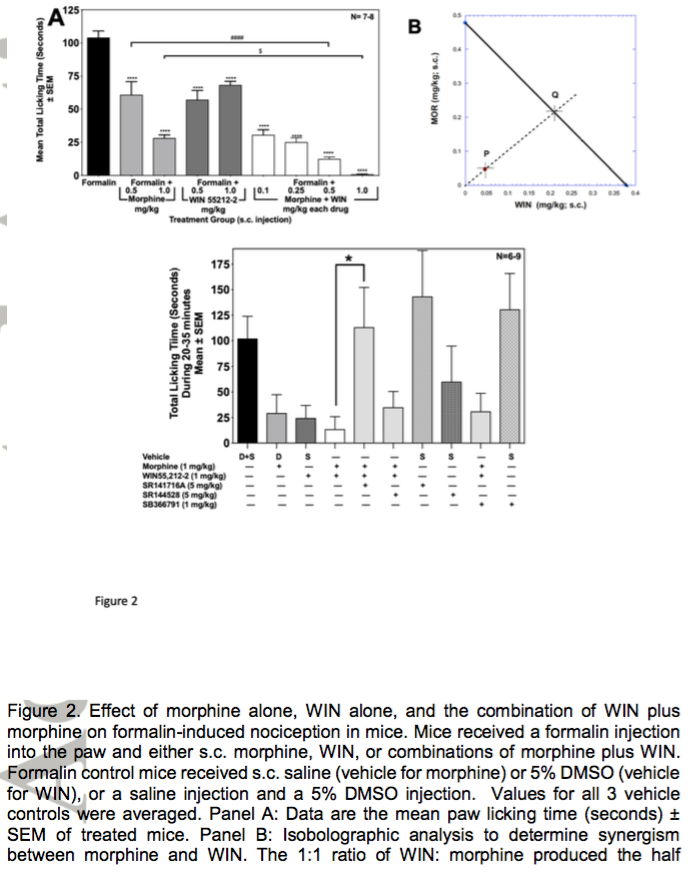
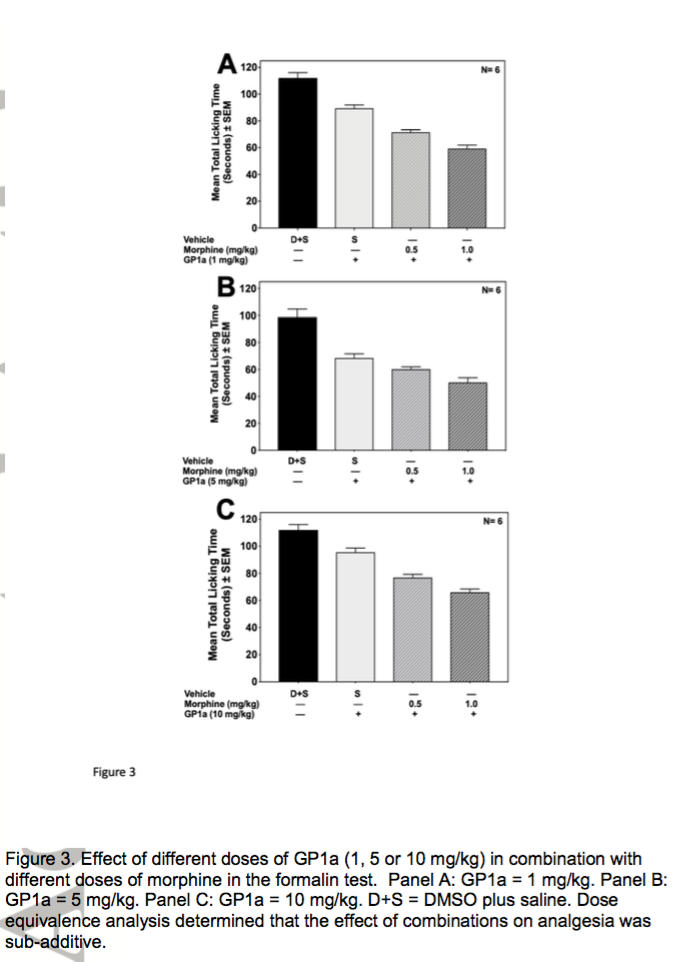
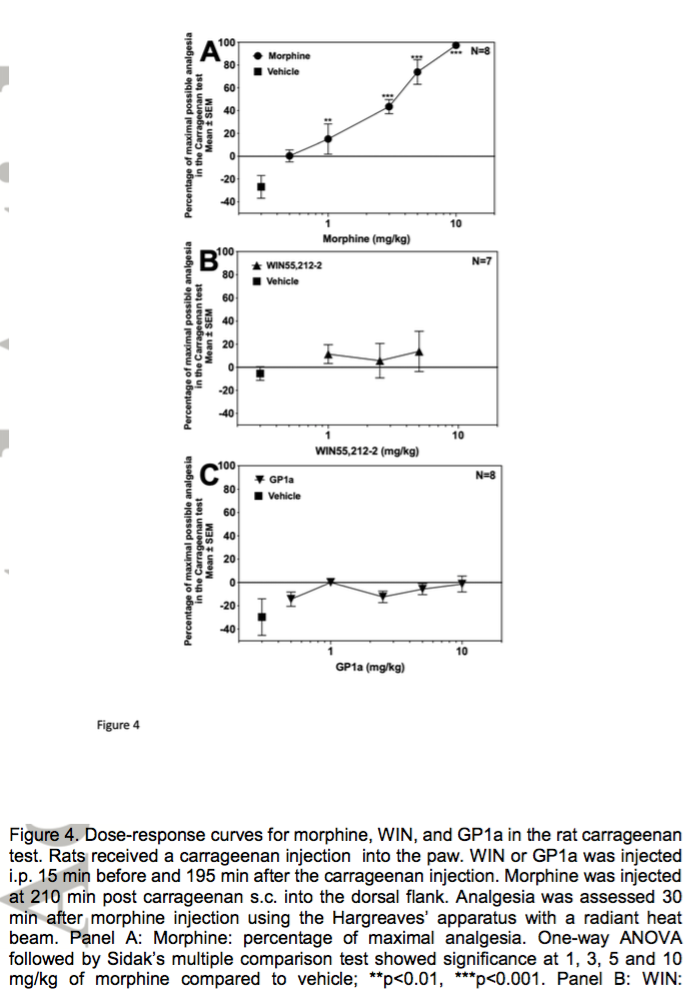
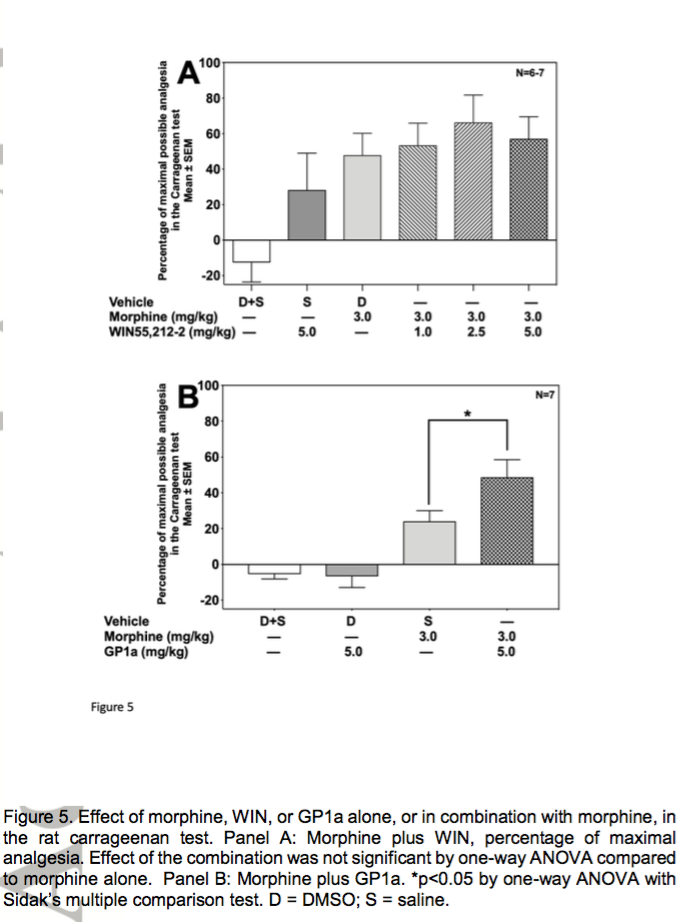
Opioid-Sparing Effects of Cannabinoids on Morphine Analgesia- Participation of CB1 and CB2 Receptors

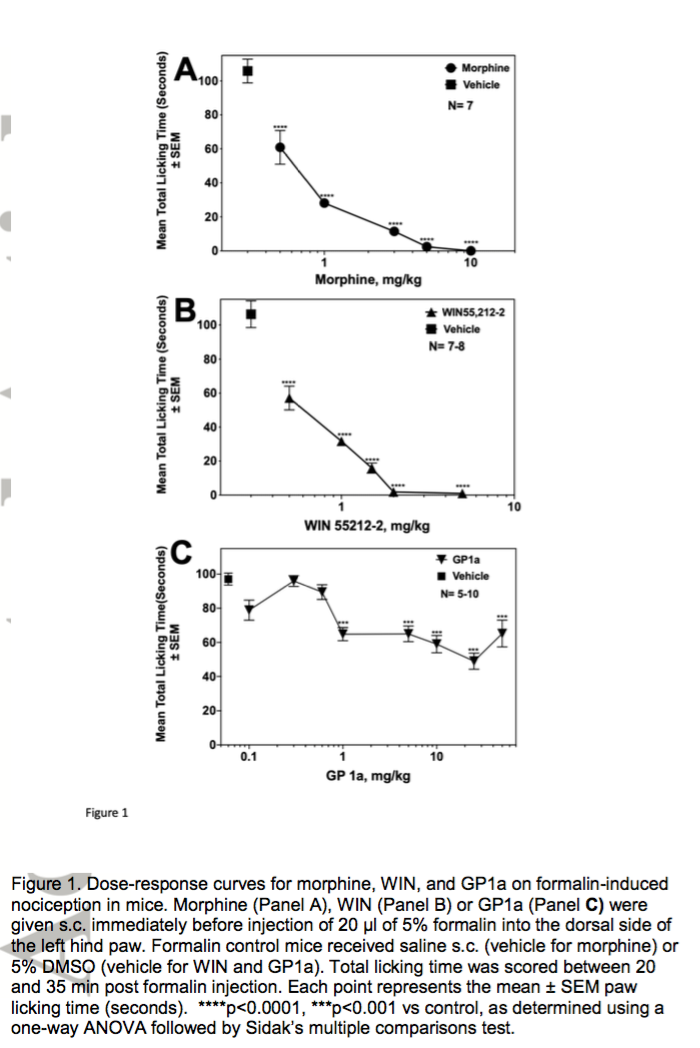
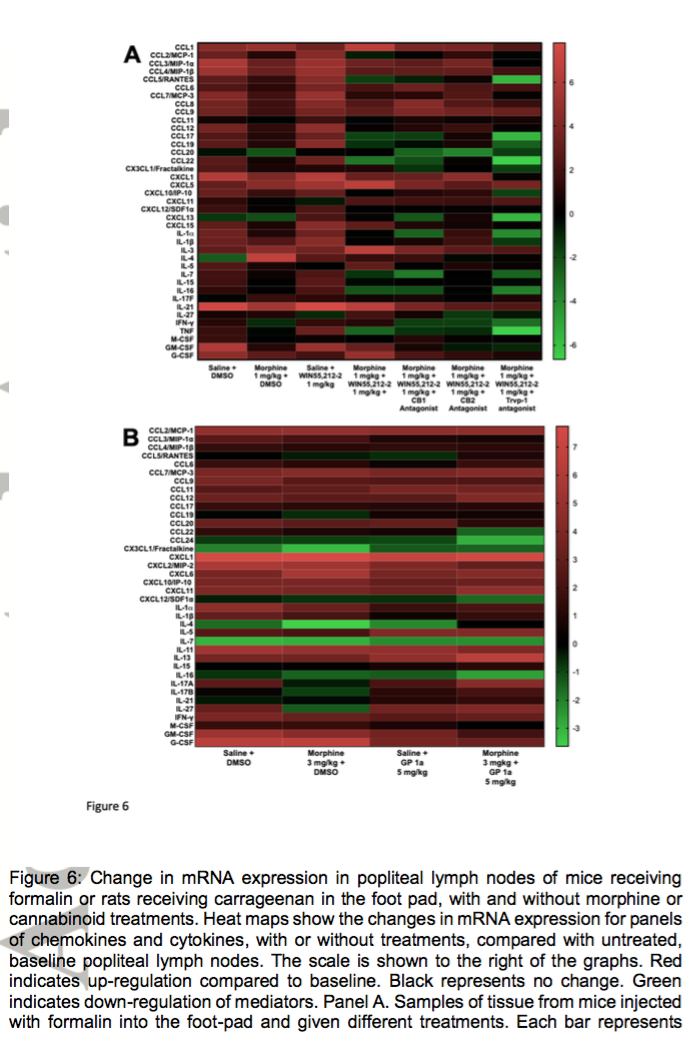
Researchers have recently provided evidence that synthetic cannabinoids are able to work synergistically with morphine to provide maximum pain relief while limiting opioid doses.

In an effort to control the current opioid epidemic researchers have been looking into the possible benefits of cannabinoids due to the interaction of the opioid and endocannabinoid systems. The results of this study showed that various synthetic cannabinoids (WIN and GP1a) were able to work synergistically with morphine in two separate pain models to maximize analgesic effects. Further evidence is still needed to validate these claims before patient use, but this paper provides further evidence that medical cannabis may help put an end to the opioid crisis. 

Highlighted in this paper is the lingering uncertainty of exact mechanisms within the endocannabinoid system. The authors of this article are left without definite answers as to whether or not the analgesic effect is mediated completely through cannabinoid receptor 1 (CB1) or if cannabinoid receptor 2 (CB2) is also involved. Research into cannabinoids is slow within the United States, as there are currently only privately funded studies. This severely limits the medical community from a full understanding. The better a system is understood, the more concrete answers can be found. Critics may never support the rescheduling of cannabis but without moving cannabis to a Schedule II or III, it remains impossible to back even their claims. 

View this review (yellow link) or download:

This paper is also stored here:    http://bit.ly/2Xh5PQl     inside the CED Foundation Archive

To explore related information, click the keywords below:

Benjamin Caplan, MDCannabinoids have Opioid-Sparing Effects on Morphine Analgesia
read more

Pediatric Oncology Center Justifies the Use of Medical Cannabis

Pediatric oncologists from Minnesota recently published an article justifying their use of medical cannabis as palliative care for their patients.

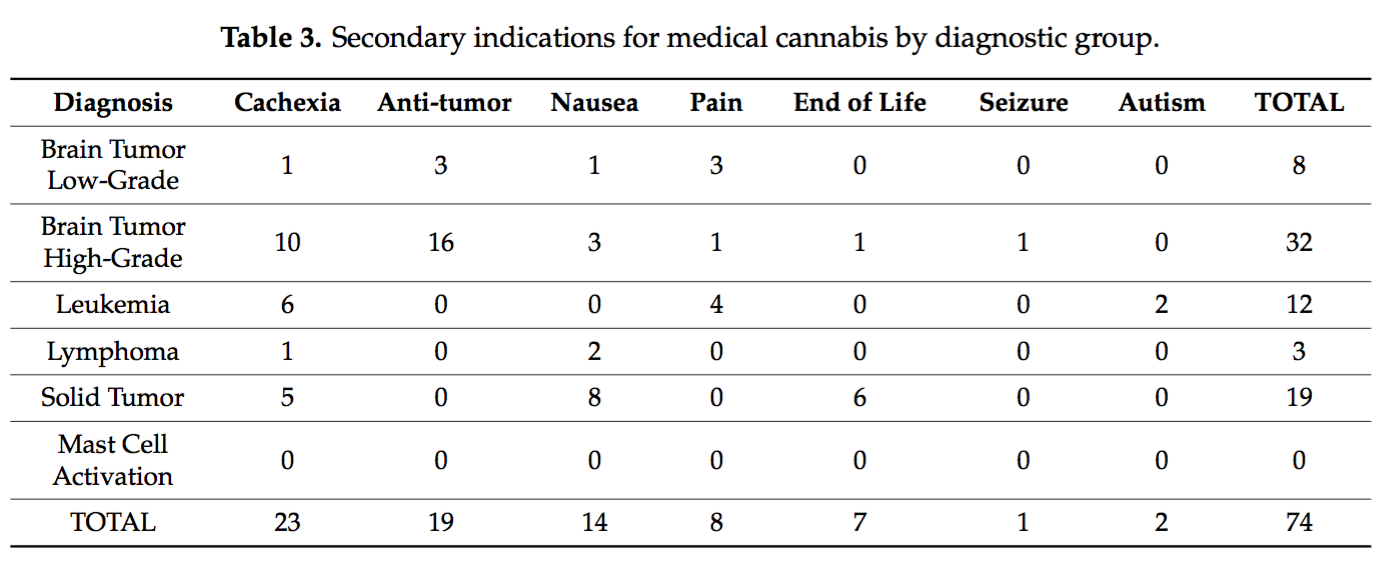
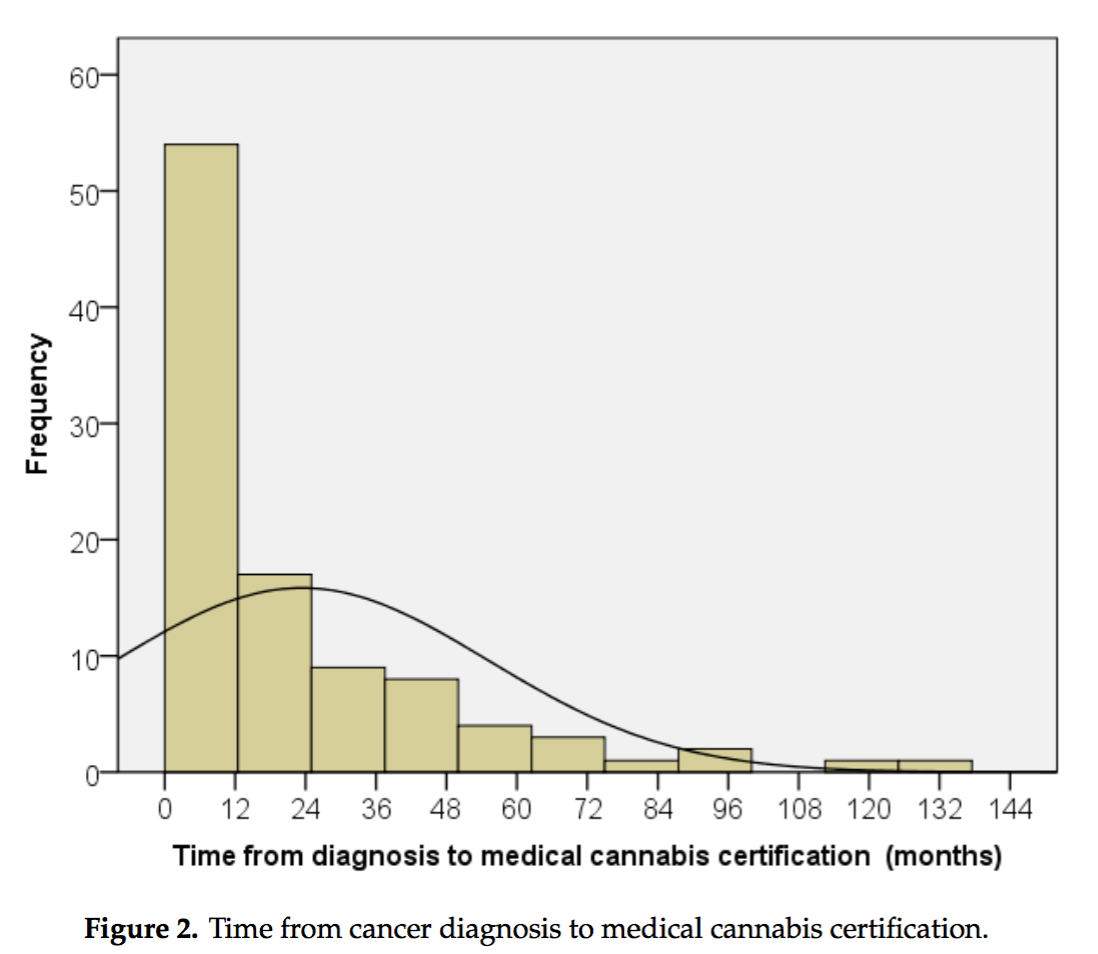
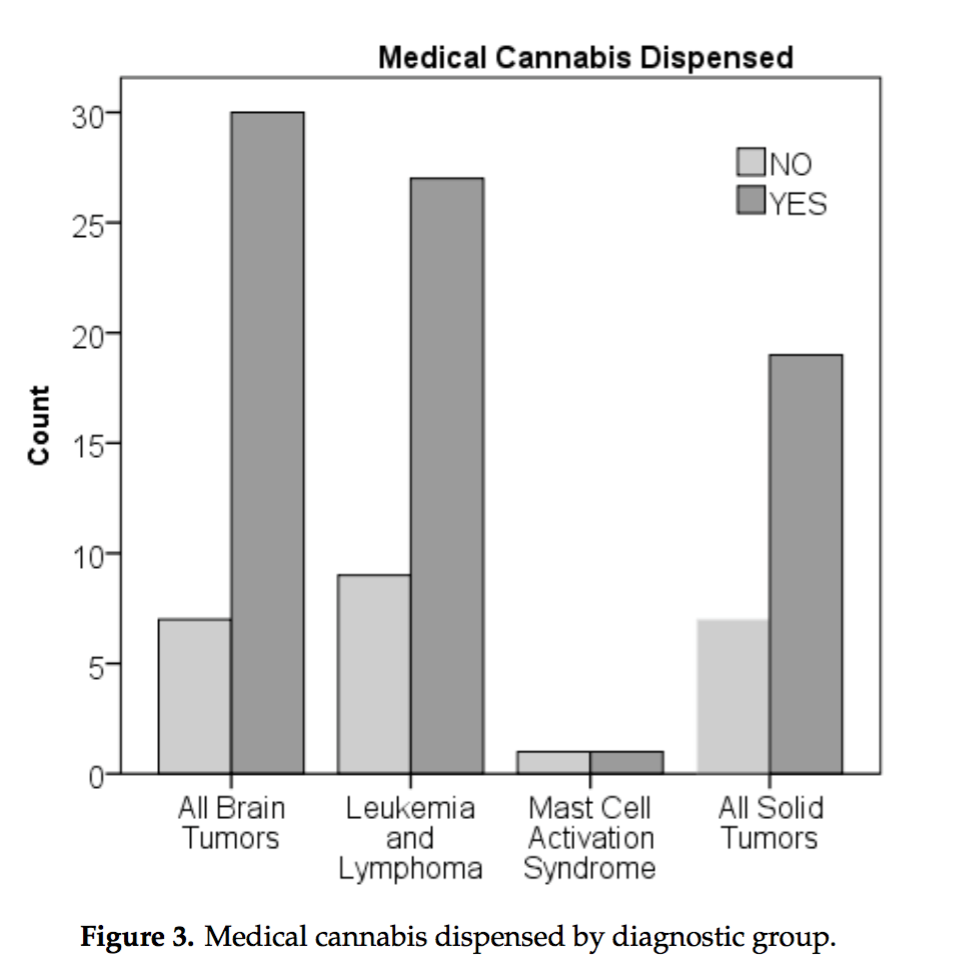
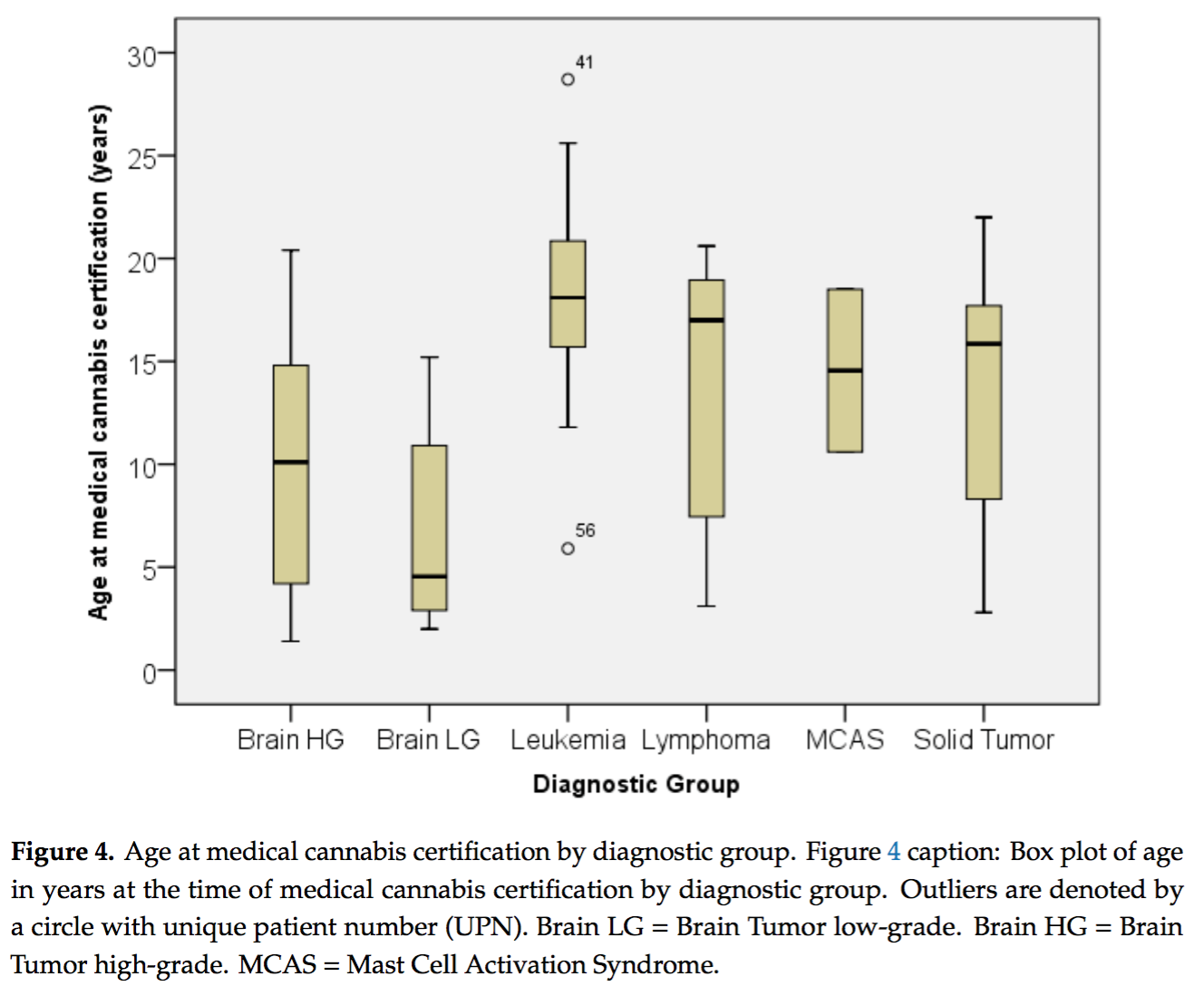
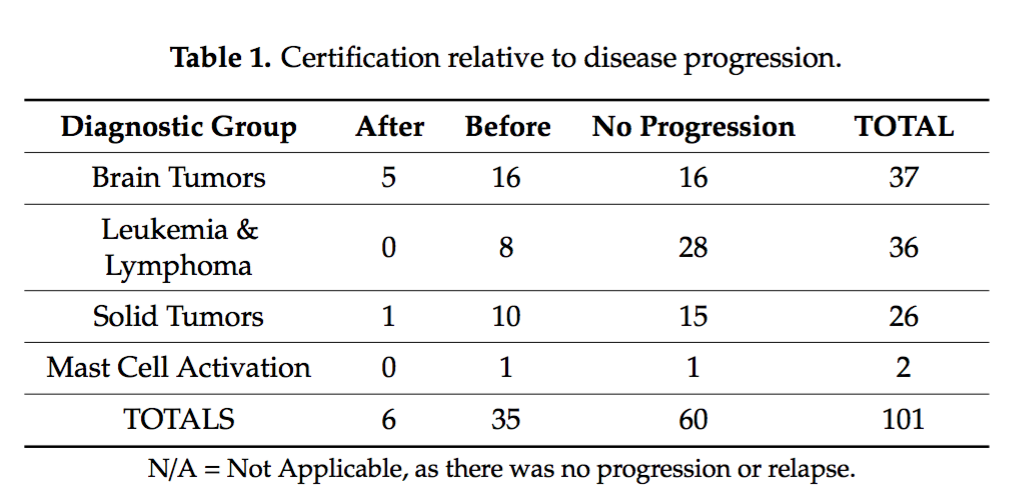
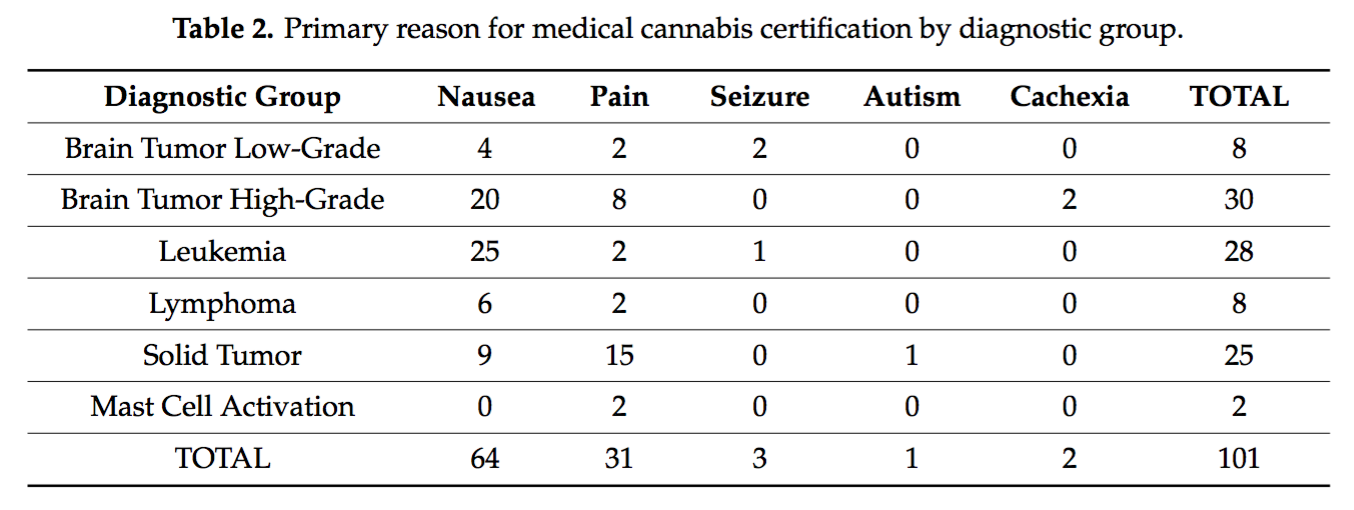
The majority of patients at the oncology center were approved for medical cannabis use during their first round of treatment, in order to immediately address the negative side effects of chemotherapy such as nausea, pain, and cancer cachexia. The data provided from the center described much higher chemotherapy compliance rates among patients, and that patients have a much better quality of life when utilizing cannabis.

This article highlights a few promising trends and issues with using medical cannabis; one promising trend is the hope for cannabis to provide antitumor effects. Cannabis has been a subject of exploration for antitumor effects and it has shown promising results. But, there are many limitations to the few studies that have been published, leading the authors to defer any definitive conclusions. The center in Minnesota noted that many of the patients diagnosed with brain tumors were especially hopeful that cannabis would aid in curing them of cancer, second to utilizing the drug for nausea. This is a promising trend because it means the greater public is showing interest in the therapeutic possibilities of cannabis and their support and call for research will aid the drive for the federal rescheduling of marijuana. 

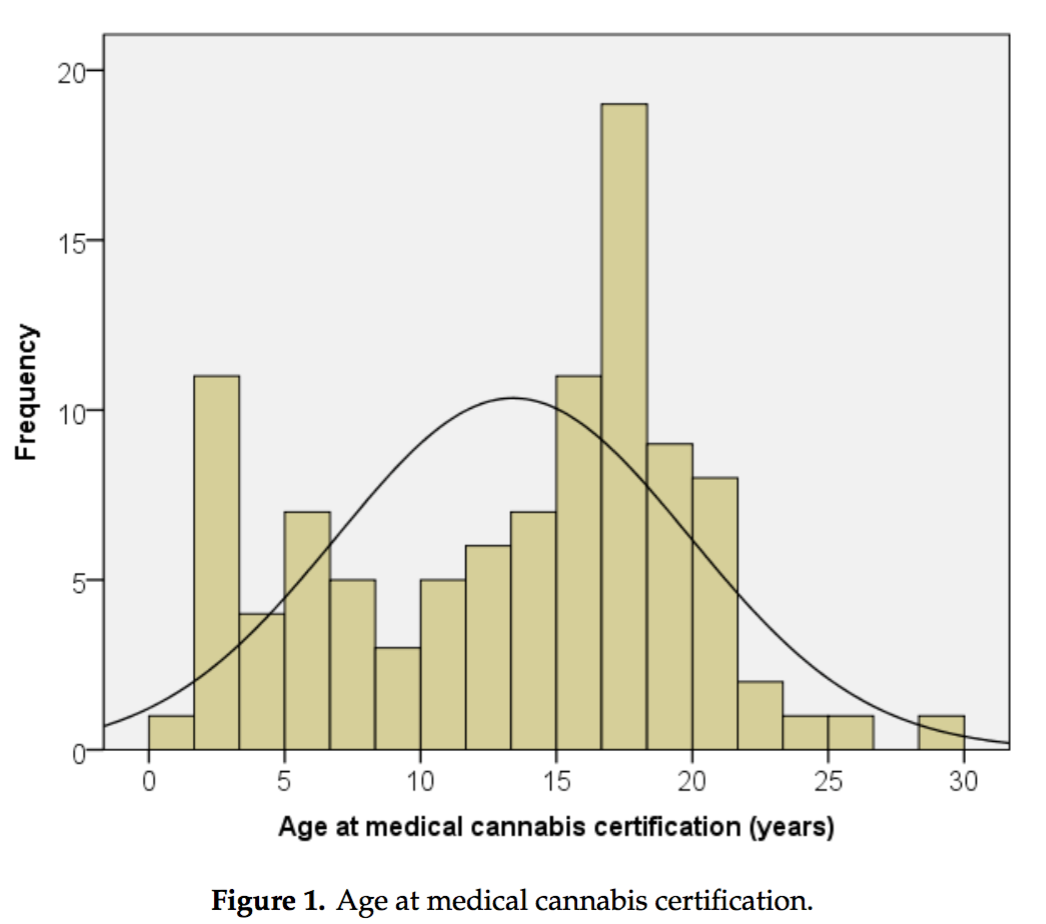
Also highlighted in this article is that, of all the patients certified to use medical cannabis, a subset of 24% never actually registered through the state to receive it. The authors have no firm explanation for these circumstances but seem to suspect that the $200 annual certification fee, on top of the cost for each additional dispensed product may be limiting of patients abilities to afford cannabis. Without the backing of the federal government, insurance companies are unable to cover medical cannabis. As the depth and reach of cannabis research grow, there are good reasons for patients to feel optimistic about medical cannabis.

View this review (yellow link) or download:

This paper is also stored here:    http://bit.ly/2Xb2O3N     inside the CED Foundation Archive

To explore related information, click the keywords below:
Benjamin Caplan, MDPediatric Oncology Center Justifies the Use of Medical Cannabis
read more

Adolescent E-Cigarette Use Increased by 78%

Characteristics of Daily E-Cigarette Use and Acquisition Means Among a National Sample of Adolescents

From 2017 to 2018 the amount of middle school and high school electronic cigarette (e-cigarette) users increased by 48% and 78% respectively. One of the first studies examining the association between e-cigarette characteristics and daily use among US adolescents is calling for comprehensive tobacco control efforts to reduce e-cigarette and nicotine addiction among adolescents. 38% of adolescent users report using their e-cigarette devices for cannabis which can be hazardous due to the lack of regulation. The potential risks associated with nicotine use and the dangerous misuse of these devices for other substances is putting youth’s health at risk.

View this review (yellow link) or download:


This paper is also stored here:    http://bit.ly/2Ff733m     inside the CED Foundation Archive

To explore related information, click the keywords below:
Benjamin Caplan, MDAdolescent E-Cigarette Use Increased by 78%
read more

Video: Cannabinoid Delivery Systems for Pain and Inflammation Treatment

A 2018 literature review summarizes the various ways patients can consume cannabis (orally, topically, etc.) and the pain reductions associated with each method. The review focuses on the treatment of multiple sclerosis, cancer, anorexia, arthritis, and other painful disorders.

View this review (yellow link) or download:

This paper is also stored here:    http://bit.ly/2TSZ2Wr     inside the CED Foundation Archive

Benjamin Caplan, MDVideo: Cannabinoid Delivery Systems for Pain and Inflammation Treatment
read more

The Relationship between Cannabis and Schizophrenia

Cannabis and Psychosis: Are We any Closer to Understanding the Relationship?

Despite the constant technological gains in medicine, there is still insufficient information and knowledge about who is at risk of developing cannabis psychosis prior to an individual’s exposure to cannabis. Controlled research is limited due to the legal status of cannabis but the growing number of states legalizing medicinal and recreational use of cannabis will likely provide a naturalistic experiment that will produce a prevention strategy for the condition. Current schizophrenia research is limited to western male populations and an overemphasis on the biological model; future research should extend to a more diverse population and sociocultural factors that may lead to schizophrenia.

View this review (yellow link) or download:

This paper is also stored here:   http://bit.ly/2FcDVJR      inside the CED Foundation Archive

To explore related information, click the keywords below:

Benjamin Caplan, MDThe Relationship between Cannabis and Schizophrenia
read more

80%: Cannabis extremely helpful for pain; 82%: helped reduce or stop over-the-counter medications; 88% able to stop taking opioid painkillers

“The study, published in the Journal of Psychoactive Drugs, which looked at 1,000 people taking legalized marijuana in an American state found that among the 65% of people taking cannabis for pain, 80% found it was very or extremely helpful.”

“82% of these people being able to reduce, or stop taking over the counter pain medications, and 88% being able to stop taking opioid painkillers.”

“74% of the 1,000 interviewees bought it to help them sleep – 84% of whom said the marijuana had helped them, and over 83% said that they had since reduced or stopped taking over-the-counter or prescription sleep aids.”

“The study adds weight to the theory that widening access to medical cannabis could lower the use of prescription painkillers, allowing more people to manage and treat their pain without relying on opioid prescription drugs that have dangerous side effects.”

“This is backed up with other research that shows that states with medical cannabis laws have a 6.38% lower rate of opioid prescribing and that Colorado’s adult-use cannabis law is associated with a relative reduction in opioid overdose death rate from 1999 to 2010.”

“”Nonsteroidal anti-inflammatory drugs (NSAIDs) such as ibuprofen cause GI bleeding or kidney damage with chronic use. Paracetemol (Acetaminophen) toxicity is the second most common cause of liver transplantation worldwide, and is responsible for 56,000 ER visits, 2600 hospitalizations, and 500 deaths per year in the U.S.”

Link to news brief: https://eurekalert.org/pub_releases/2019-07/tfg-cmb062819.php

View this review (yellow link) or download:

This paper is also stored here:    http://bit.ly/2JmB7Lv     inside the CED Foundation Archive

To explore related information, click the keywords below:
Benjamin Caplan, MD80%: Cannabis extremely helpful for pain; 82%: helped reduce or stop over-the-counter medications; 88% able to stop taking opioid painkillers
read more

Video: Cannabinoid Intervention for PTSD: Where to Next?

The endocannabinoid system has long been recognized as a promising target for PTSD treatment.

Here, a 2018 literature review summarizes the risks and benefits of cannabis as a treatment option. Watch our video adaptation, and review the source literature, below:


View this review (yellow link) or download:

This paper is also stored here:    http://bit.ly/2XgnrXn     inside the CED Foundation Archive

To explore related information, click the keywords below:
Benjamin Caplan, MDVideo: Cannabinoid Intervention for PTSD: Where to Next?
read more

Non-Psychoactive Cannabis Treatments for Chronic Muscle Pain

Cannabidiol, cannabinol and their combinations act as peripheral analgesics in a rat model of myofascial pain

Some of the non-psychoactive cannabinoids in cannabis, cannabidiol (CBD) and cannabinol (CBN), have recently been found to produce analgesic effects (pain relief) in mouse models. A combination of CBD and CBN causes a decrease in sensitization of muscles, leading researchers to believe the combination could provide relief for those suffering from chronic muscle pain disorders. Cannabis products are already being prescribed for chronic pain disorders and this new study provides evidence that cannabis-based medicine can also be applicable when treating chronic pain associated with disorders such as fibromyalgia and temporomandibular disorders.

View this review (yellow link) or download:

This paper is also stored here:     http://bit.ly/2L1AF8d    inside the CED Foundation Archive

Benjamin Caplan, MDNon-Psychoactive Cannabis Treatments for Chronic Muscle Pain
read more

Cannabinoids in the treatment of cancer

A literature review from 2009 (10 years ago) summarizes the anti-cancer properties of cannabis, concluding that various cannabinoids might inhibit cancer cell growth and tumor growth. In particular, cannabis shows promise to help treat colon, skin, prostate, and breast cancer. 

This paper is also stored here:    http://bit.ly/2J1XS8A     inside the CED Foundation Archive

To explore related information, click the keywords below:
Benjamin Caplan, MDCannabinoids in the treatment of cancer
read more